Simon Pegg and Jessica Hynes make Spaced a funny, affectionate comedy about being young and broke. Edgar Wright occasionally overworks the film references, but the performances give us good reason to stay.
Spaced is warmer than its enthusiasm for film references might suggest, and we recommend it with one reservation: it occasionally works too hard at them. Simon Pegg and Jessica Hynes write a comedy about being young and skint in London, with Edgar Wright directing. That leaves plenty of scope for embarrassment before anyone starts making the situations more extreme. The pleasure is in seeing how much comic importance they can give people whose immediate problems are quite ordinary.
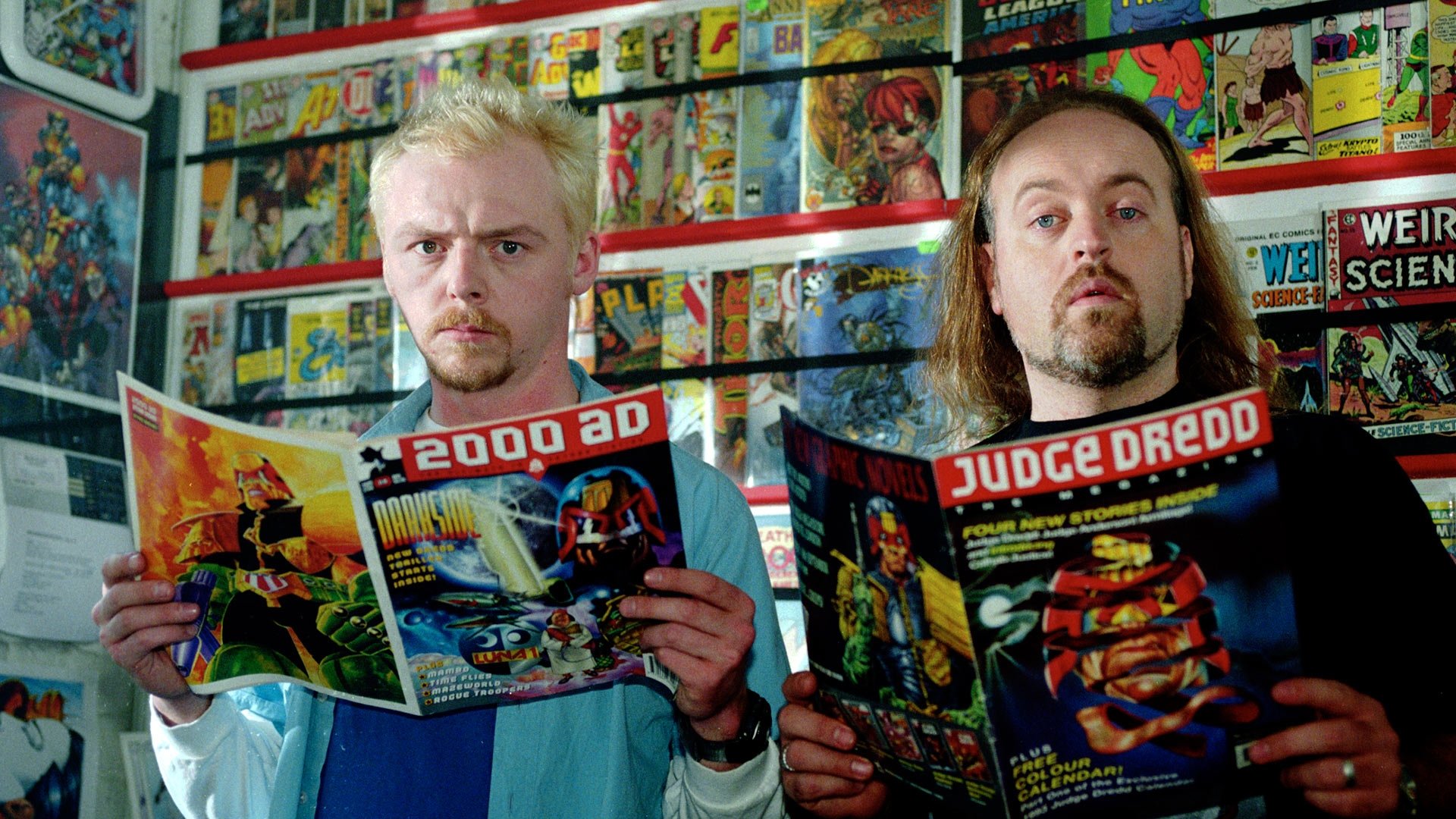
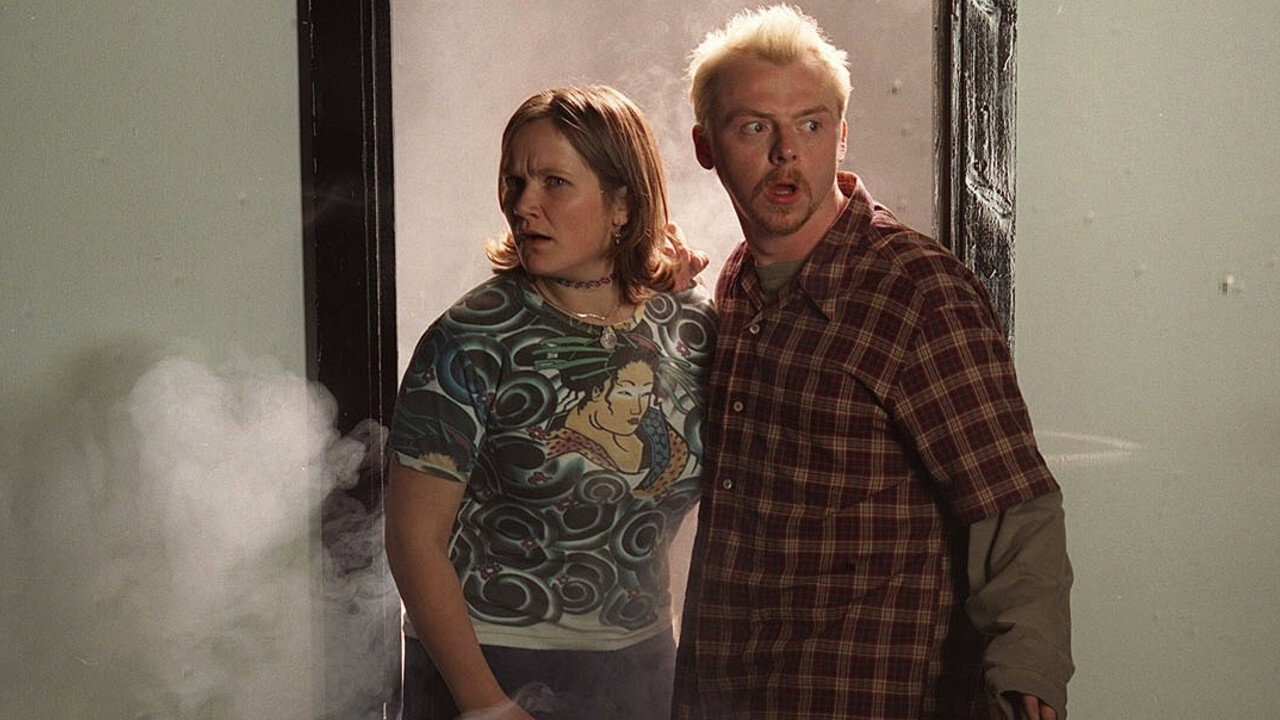
Pegg and Hynes also play Tim Bisley and Daisy Steiner, and their performances keep those ordinary problems worth following. Pegg’s precise timing and Hynes’s more untidy comic manner give the writing enough variation to stop the pair sounding interchangeable. We laughed at the extravagant film references, then felt unexpectedly protective of these two because the embarrassment of having little money remains so recognisable. It matters that the programme lets them be amusing without requiring us to think they are managing particularly well.
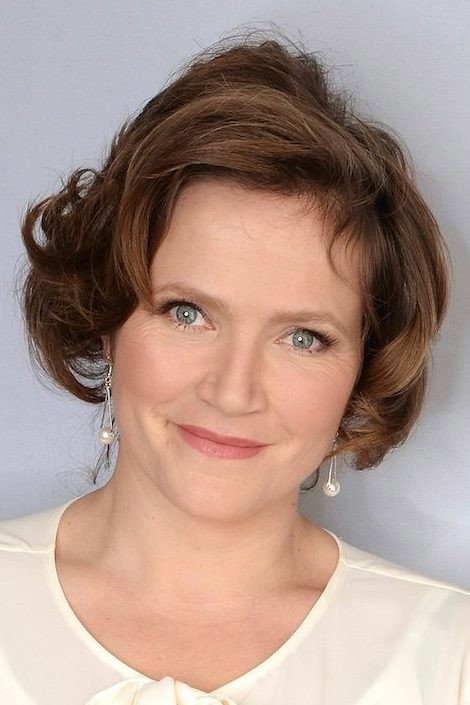
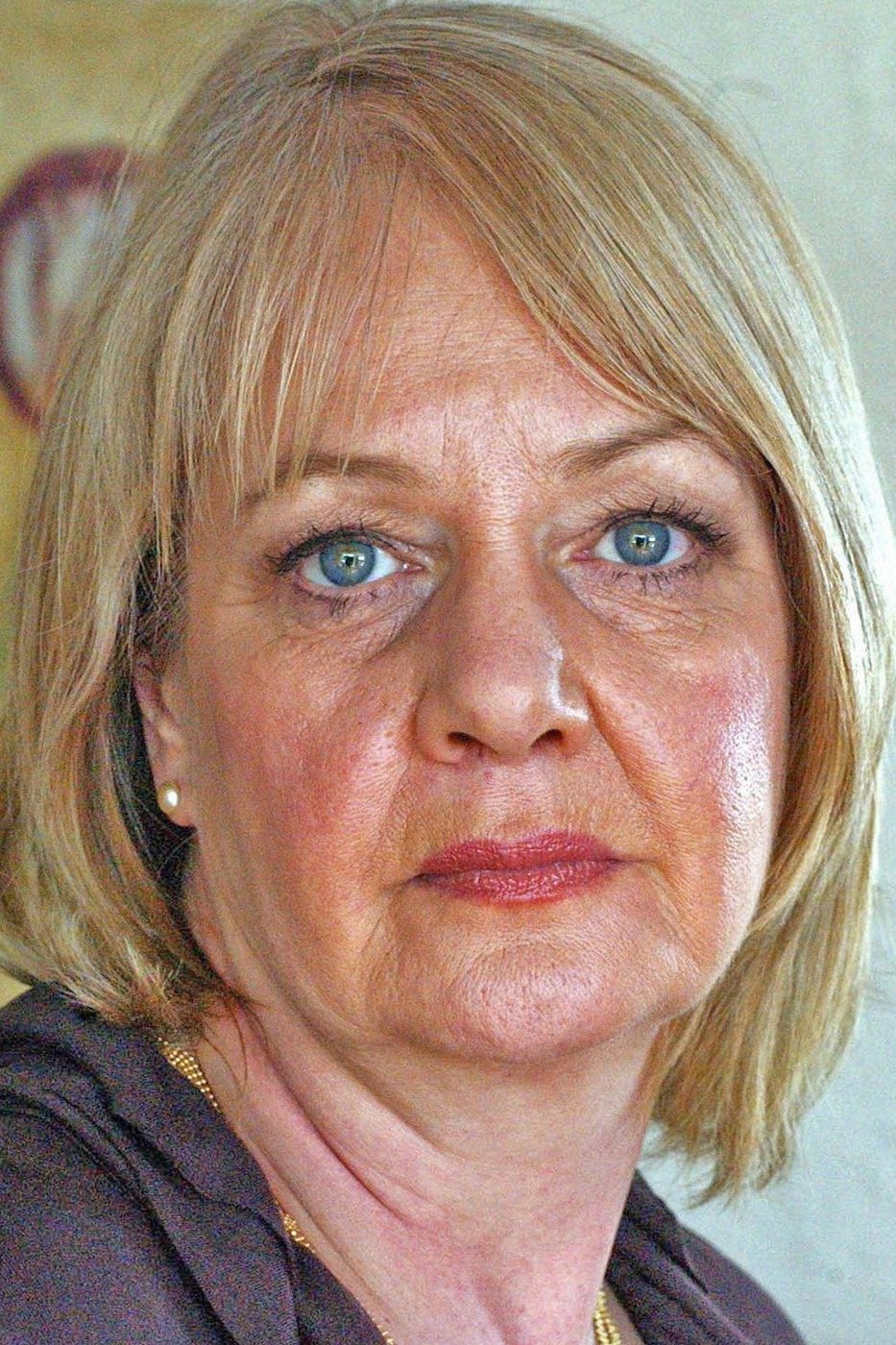
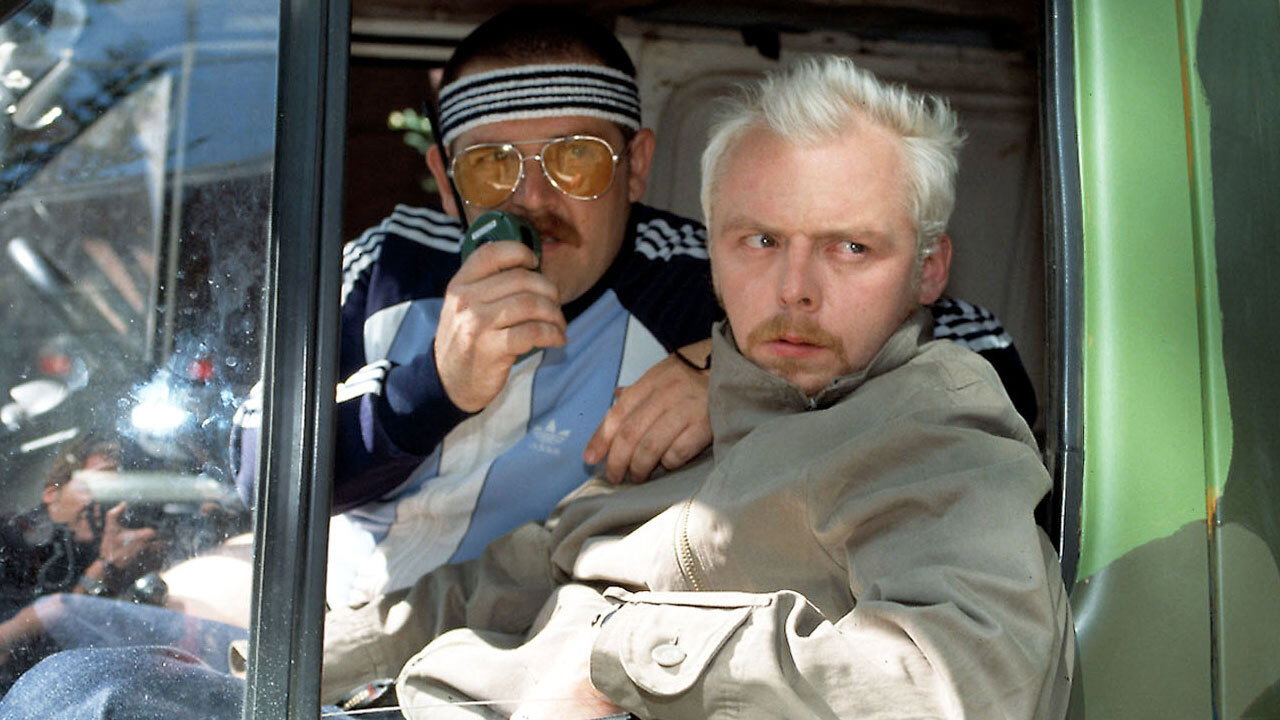
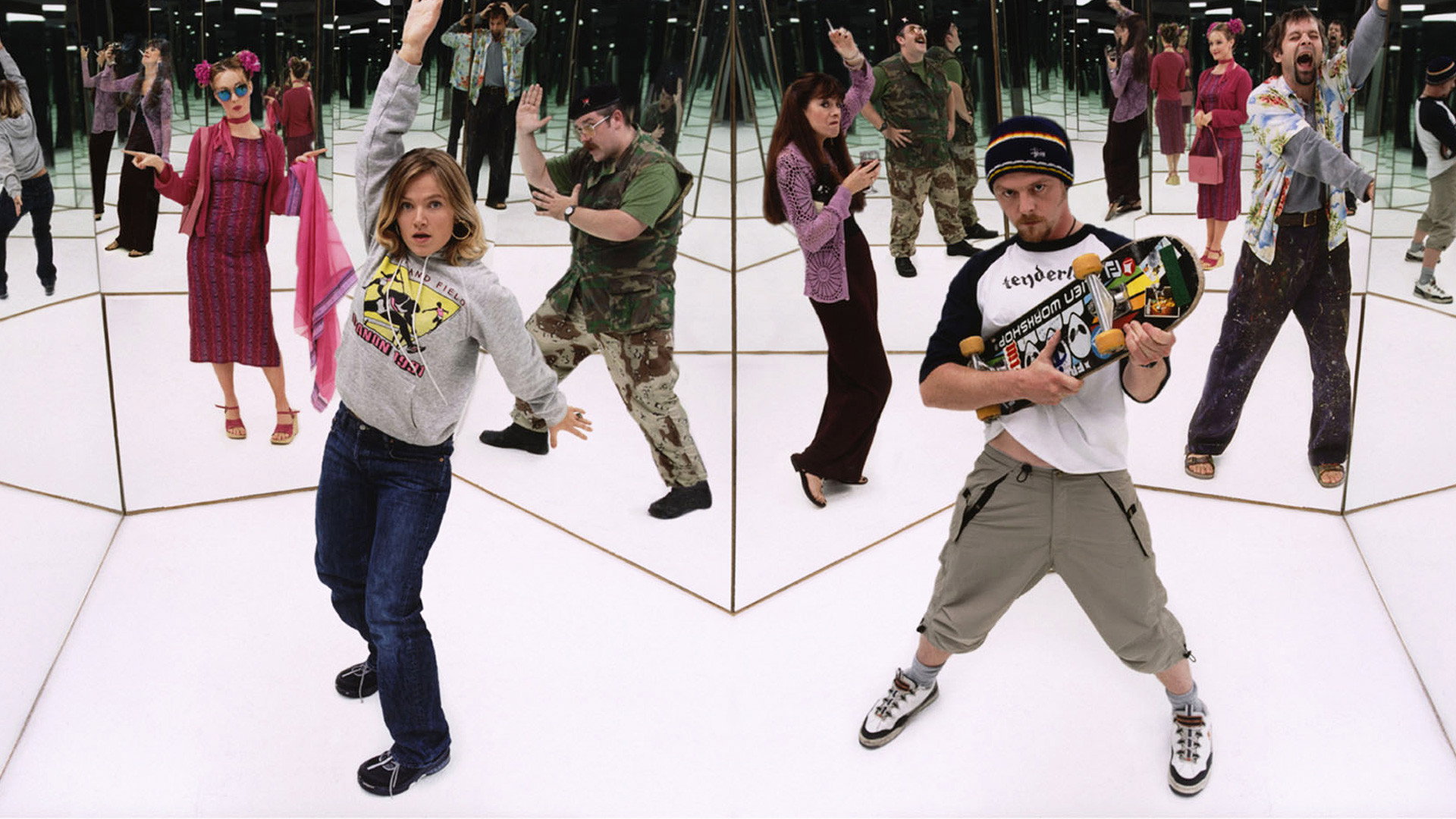
The supporting performances help, especially Nick Frost as Mike Watt and Mark Heap as Brian Topp. Frost’s directness gives the comedy something solid to work against, while Heap makes discomfort funny without asking us to despise the person feeling it. Julia Deakin, as Marsha Klein, can make a line funny by giving it little apparent importance. Katy Carmichael’s Twist Morgan adds a sharper comic presence, and none of them needs a recognisable film reference to hold our attention.
Wright and cinematographer Andy Hollis give the film jokes sufficient visual seriousness to make the exaggeration work. Ordinary difficulties acquire an importance wildly out of proportion to what is happening, and the joke remains readable even if the borrowed cinematic manner is unfamiliar. This is a useful way of showing how large small setbacks can feel to the person having them. Across a 27-minute episode, the visual changes also keep the conversation from settling into a single pace.
Sometimes the direction supplies rather more emphasis than is needed. Pegg and Hynes can have a comic situation working perfectly well before Wright underlines its cinematic associations, making us conscious of the joke being prepared. The people briefly become less interesting than the business arranged around them. This is a recurring irritation rather than a reason to stop watching, but anyone with little patience for film quotation will feel it more keenly.
A sitcom has to make us willing to return to the same people, and Spaced does. The writing gives the cast enough differences to play with, and enough affection to stop their shortcomings making the whole programme sour. That is why the excesses remain tolerable: there are performers here worth waiting for when a joke becomes overelaborate. Its two series contain seven episodes apiece.
We would start it for Pegg and Hynes, then give the supporting cast time to become familiar. Some of the cinema jokes will suit devoted film-watchers better than anyone else. Stay with the actors when a reference escapes you; there is no examination afterwards.