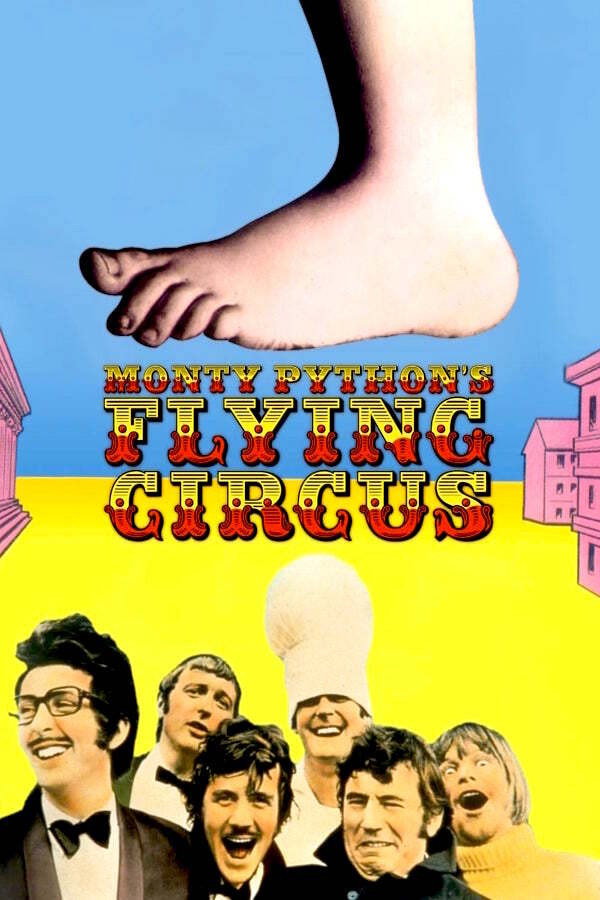
The Young Ones turns student chaos into sharp, wilfully unreasonable comedy, with Rik Mayall and Adrian Edmondson making the noise worthwhile. Some jokes need less encouragement, and the sheer insistence can tire us out.
The Young Ones is a funny, abrasive student comedy with little interest in keeping its household believable. It is good enough to recommend even to those of us whose tolerance for shouting has declined. Its willingness to interrupt the students’ antics with absurdity keeps the comedy surprising. It sometimes gives a merely loud idea as much attention as a good one, but the performers usually make that indulgence worth forgiving.
The opening episode makes the invitation clear by allowing the house itself to be sentient. We laughed when the house joined in. A building ought to be the one participant in a student comedy that can be relied upon to behave itself. The joke works because the programme treats that absurd possibility as perfectly usable material. It gives the domestic setting something to do beyond accommodating people who are already being difficult.
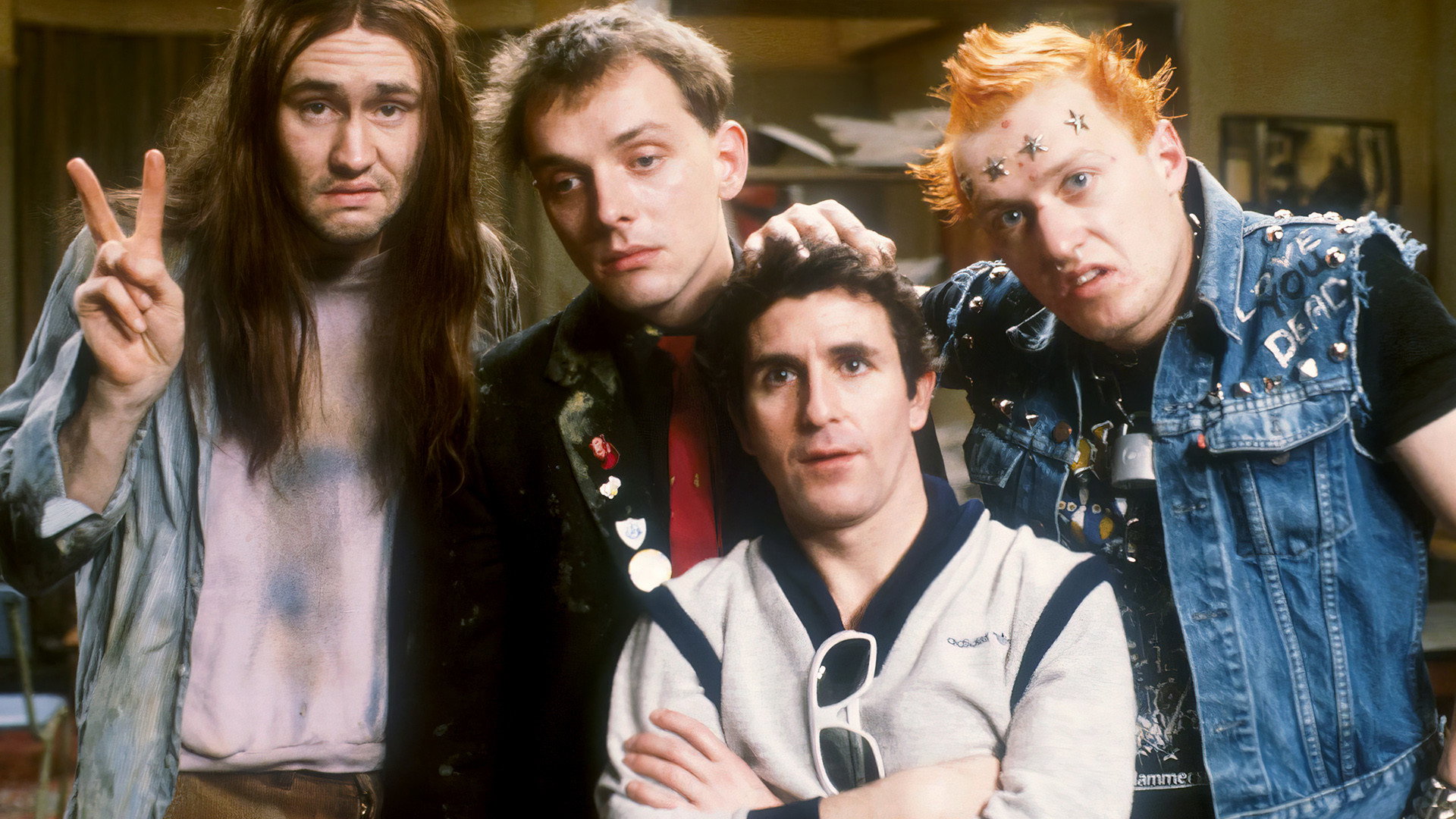
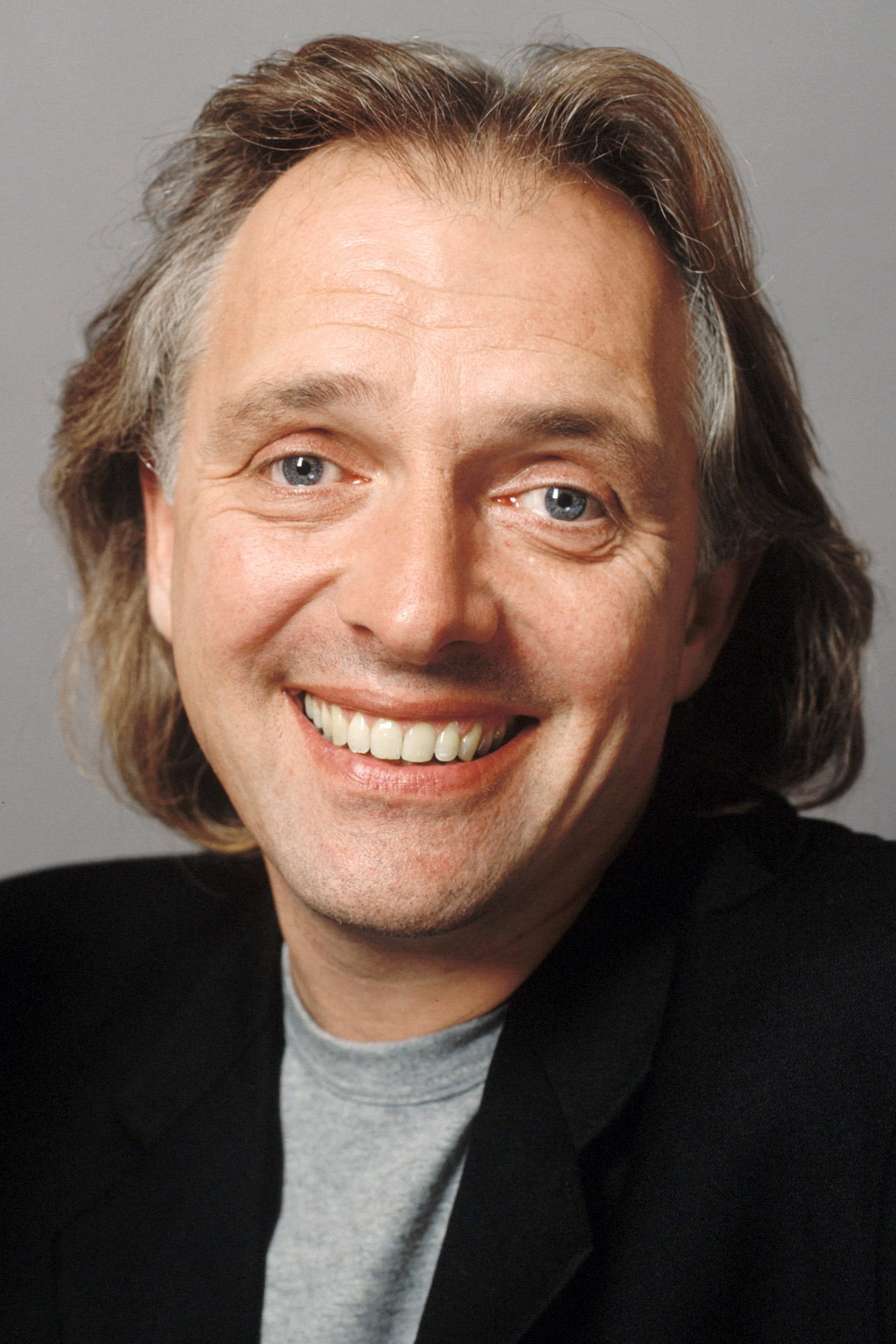
Rik Mayall’s Rick and Adrian Edmondson’s Vyvyan justify much of the commotion. Mayall’s performance is deliberately trying, but he has the precision to make irritation funny rather than simply pass it on to us. Edmondson gives Vyvyan enough force to make the excess feel purposeful, even when the writing is testing our patience. Neither performance would benefit from being made more agreeable. Together they give the programme a level of commitment that helps even some of the less persuasive jokes survive.
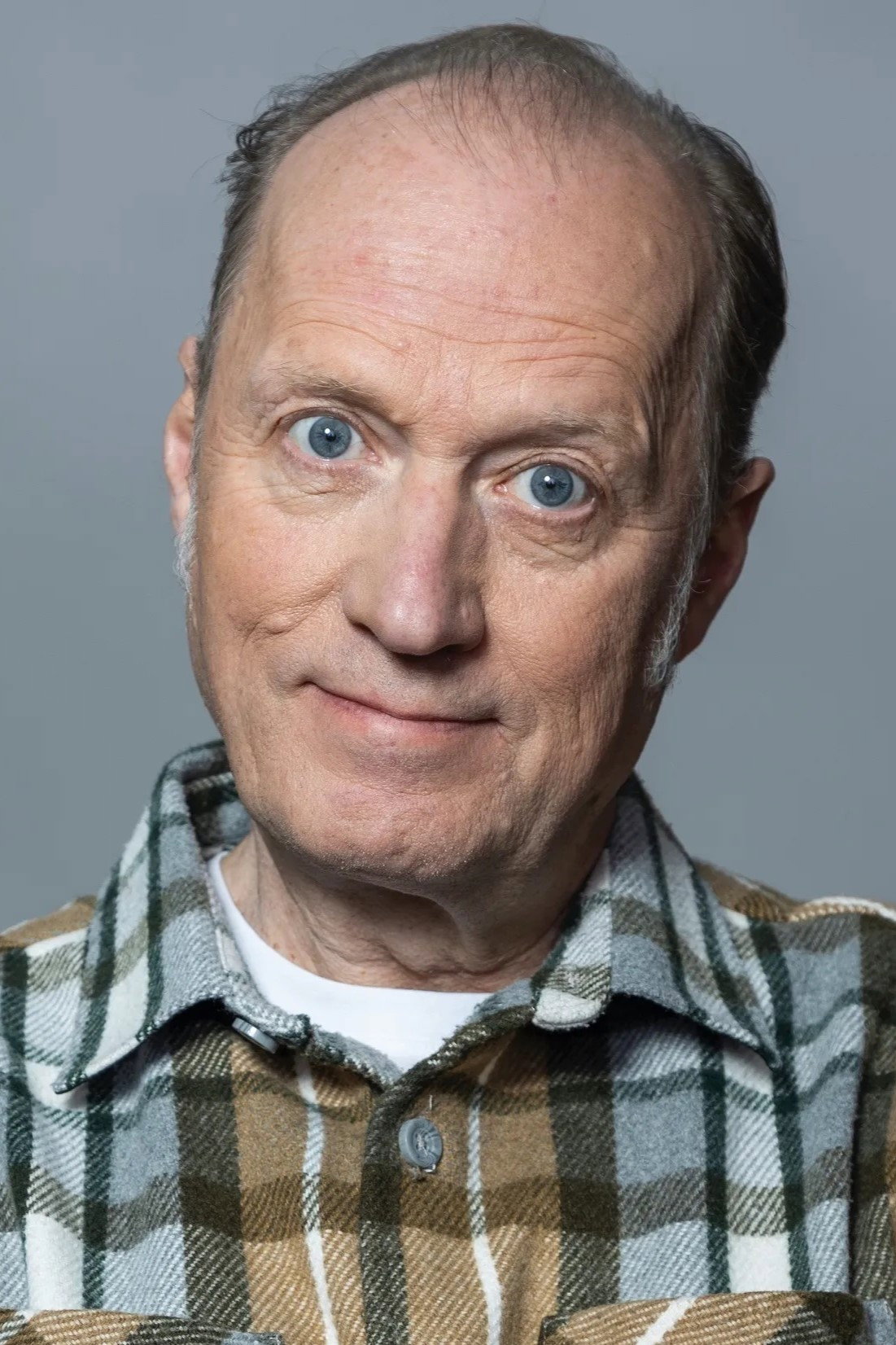
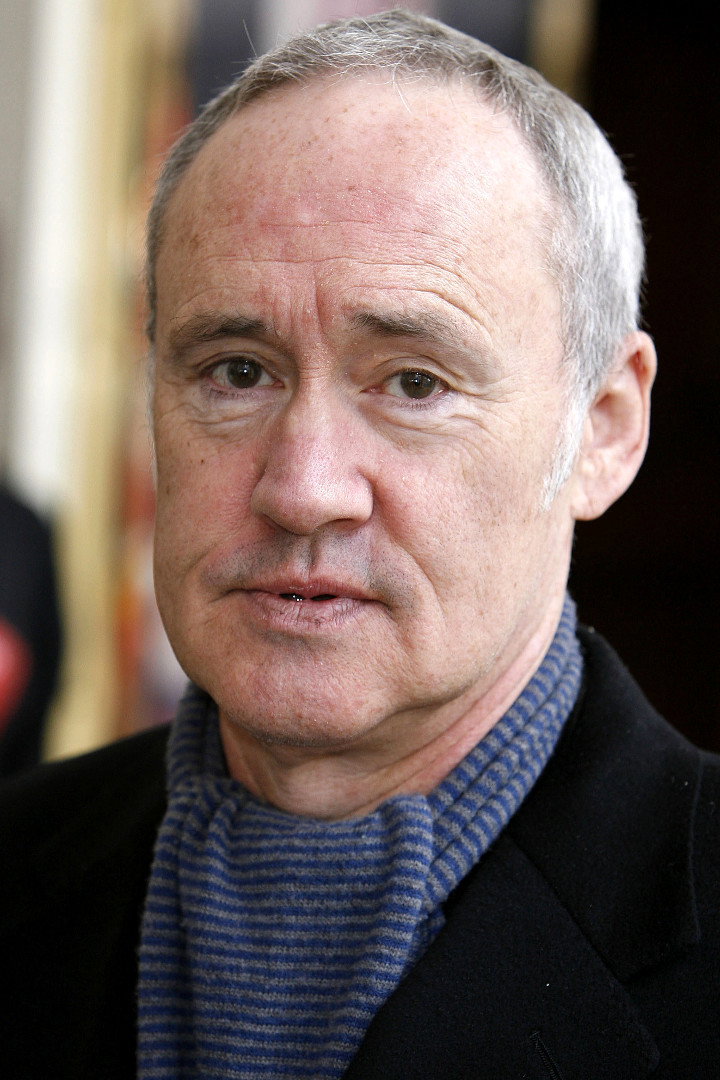
Nigel Planer’s Neil provides a useful change of comic pace, and Planer makes the character’s presence count amid considerable competition. Christopher Ryan’s Mike is less rewarding, though that owes something to how insistently the other performances demand attention. Alexei Sayle, playing the Balowski family, adds another reason not to expect a settled rhythm. The cast do not make the company appealing, and that helps: the programme would lose something if it asked us to wish we lived there.
Mayall, Sayle, Lise Mayer and Ben Elton give the performers dialogue that rewards their appetite for excess. The strongest lines are funny without needing their speakers to explain why they are being outrageous, and the writing is often sharper than its delivery initially suggests. The weaker passages keep pushing after the comic point is clear. That can be tiring across a 29-minute episode, especially when a change of pace would do more than another attempt to top the previous joke.
Directors Paul Jackson, Geoff Posner and Ed Bye have to make this disorder legible, and the series works best when the staging gives a ridiculous idea room to register. Colin Jones’s editing helps the interruptions land, though a few jokes could use a quicker departure. The sentient house also demonstrates how much comedy the setting can supply before another line has been spoken. Some stretches feel overworked, with the direction and performances giving us too little space to enjoy the surprise before pressing on.
Against the familiar business of a sitcom household, this willingness to let almost anything happen is welcome. It does not always improve a joke, but it makes the programme unusually hard to second-guess, and the strongest performances reward another visit. Its two seasons of six episodes offer enough of that company without requiring a prolonged commitment. Start with a single episode and leave some quiet afterwards; there is no obligation to spend an entire evening being shouted at.