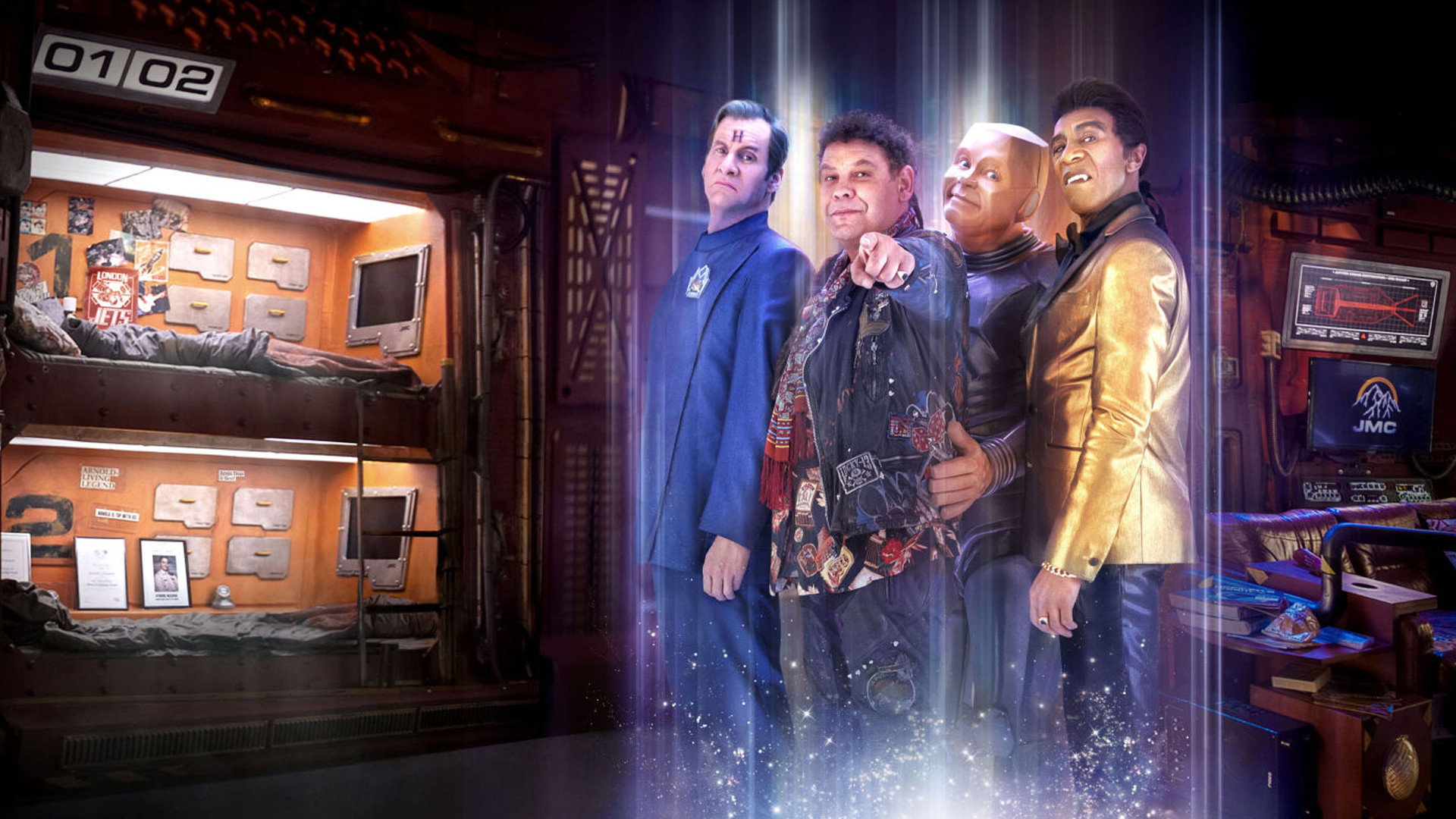
Craig Charles and Chris Barrie give Red Dwarf a comic partnership worth returning to. The science-fiction sitcom has an uneven run, but its strongest stretches make petty quarrelling funny enough to justify the cosmic surroundings.
Red Dwarf gives science fiction a useful problem: people who cannot stop being irritating simply because their surroundings are extraordinary. Creators Doug Naylor and Rob Grant understand how much comedy can come from keeping incompatible personalities together, then allowing their grievances to survive every change of circumstance. We recommend it, with a warning that the standard varies considerably across the run. At its strongest, the programme makes the next exchange between Dave Lister and Arnold Rimmer as enticing as the next science-fiction idea.
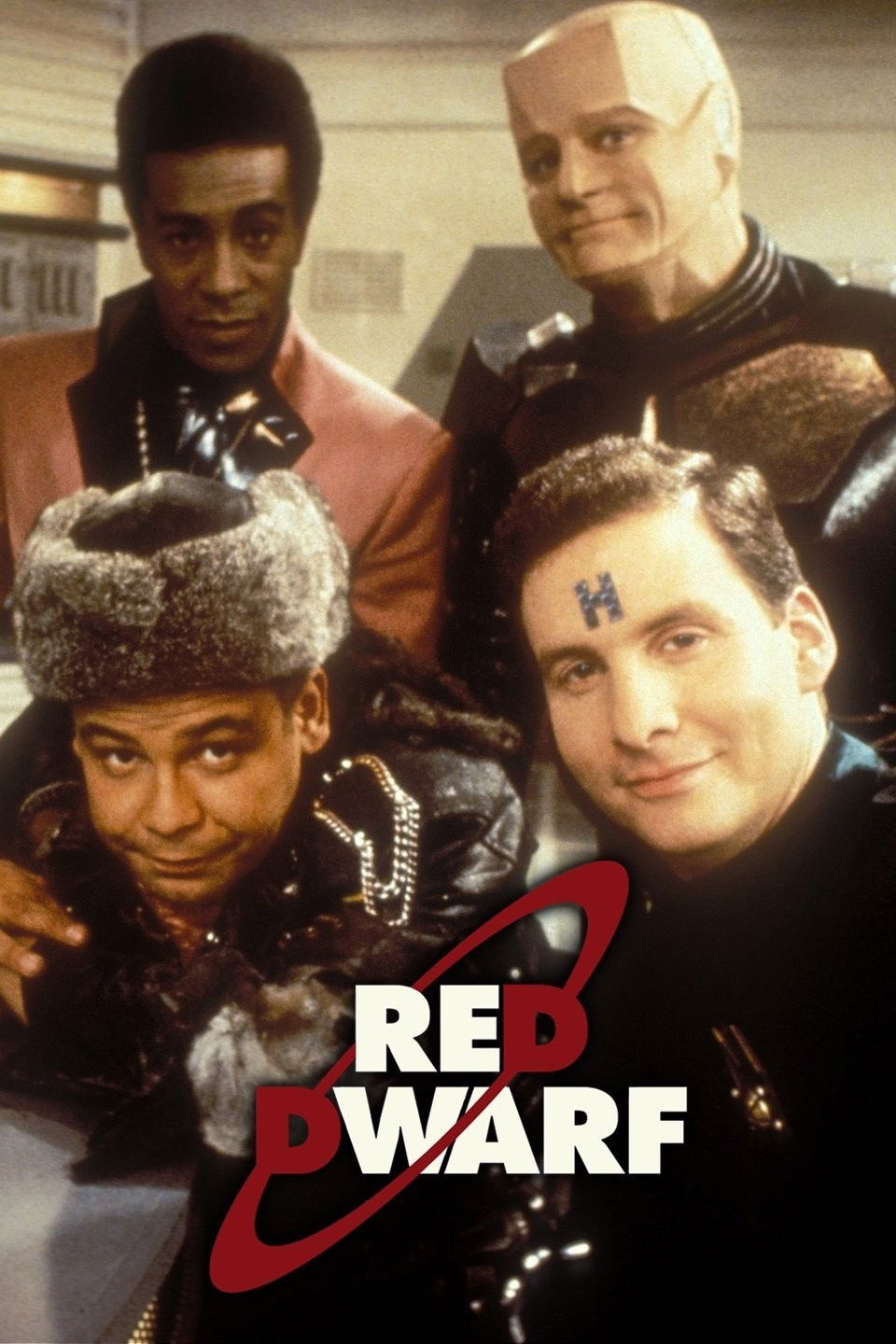
Craig Charles and Chris Barrie are the main reason. Their exchanges have the accumulated impatience of people who already know what will annoy them and still cannot resist responding. We laughed at the Lister–Rimmer bickering because both actors make the irritation seem involuntary; even before a joke lands, the reluctance to concede anything is funny. There is warmth in that recognition, too, and it makes the more absurd material easier to care about.
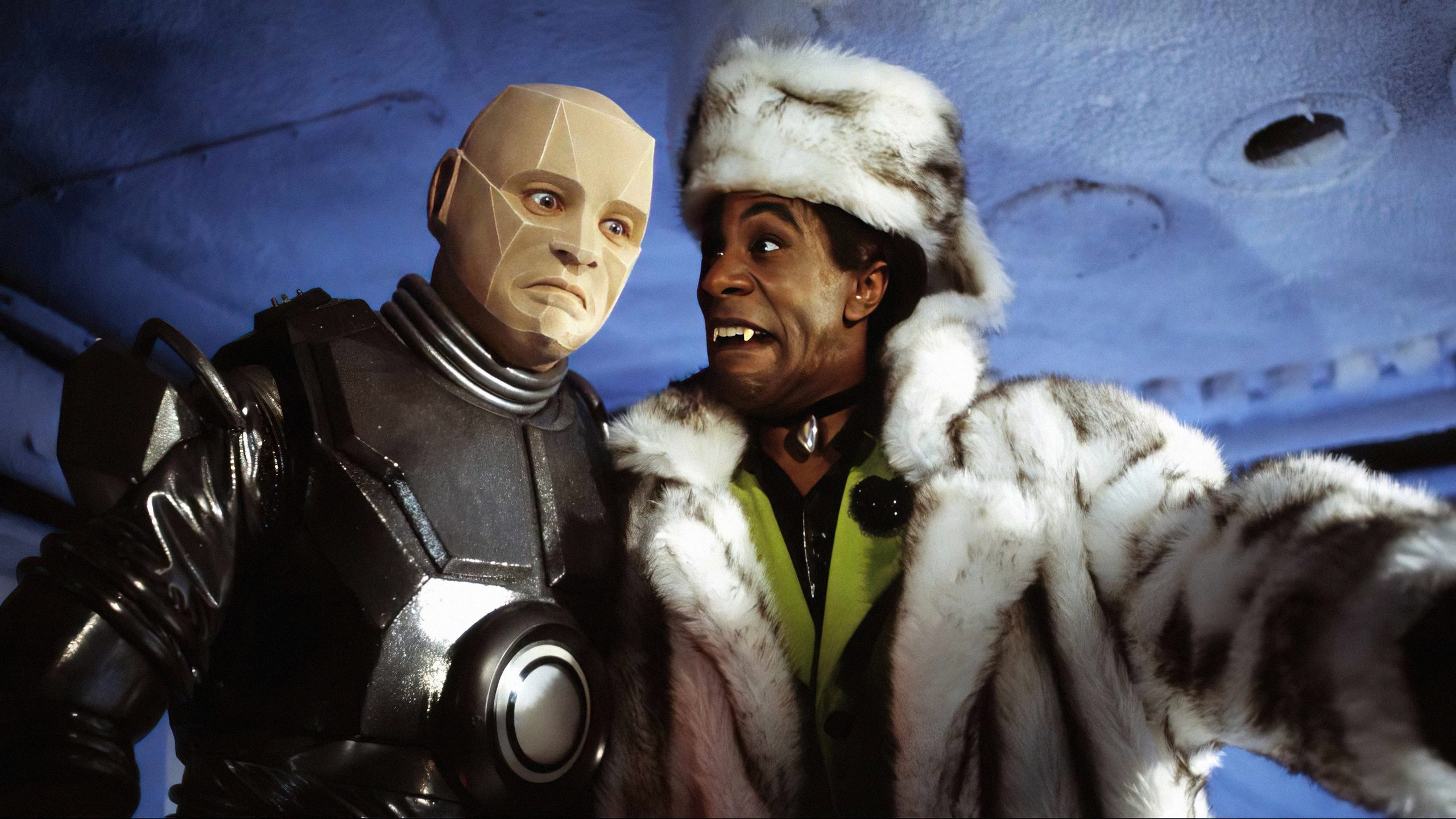
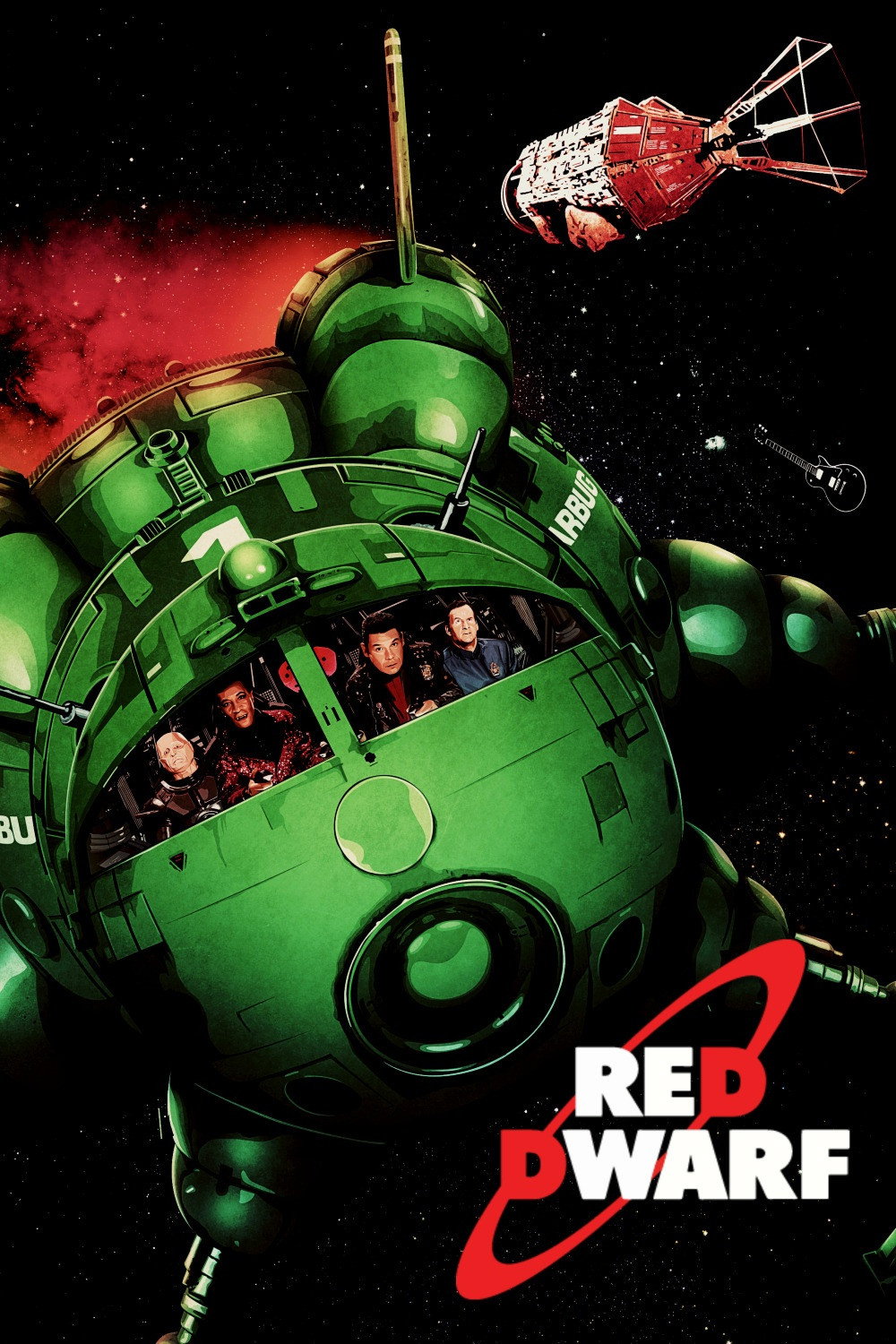
Danny John-Jules as Cat and Robert Llewellyn as Kryten help prevent that central pairing from exhausting itself. The pleasure comes from the different comic rhythms: the supporting performances give the bickering time to pause without making us impatient for it to resume. Norman Lovett’s Holly fits this company well, with a delivery that makes the absurd seem scarcely worth remarking upon. The occasional movement towards drama works because spending time with these characters has made their company matter.
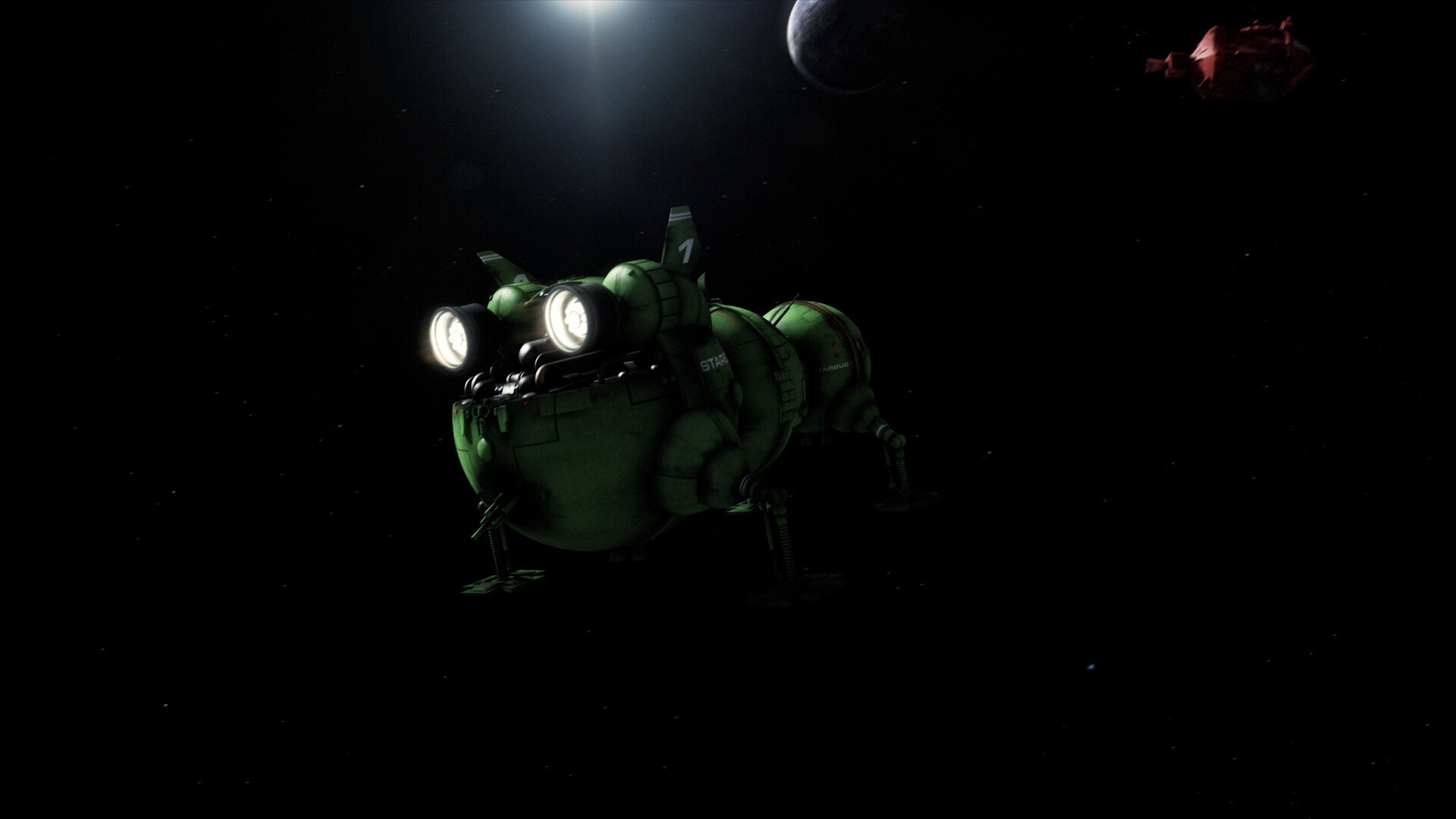
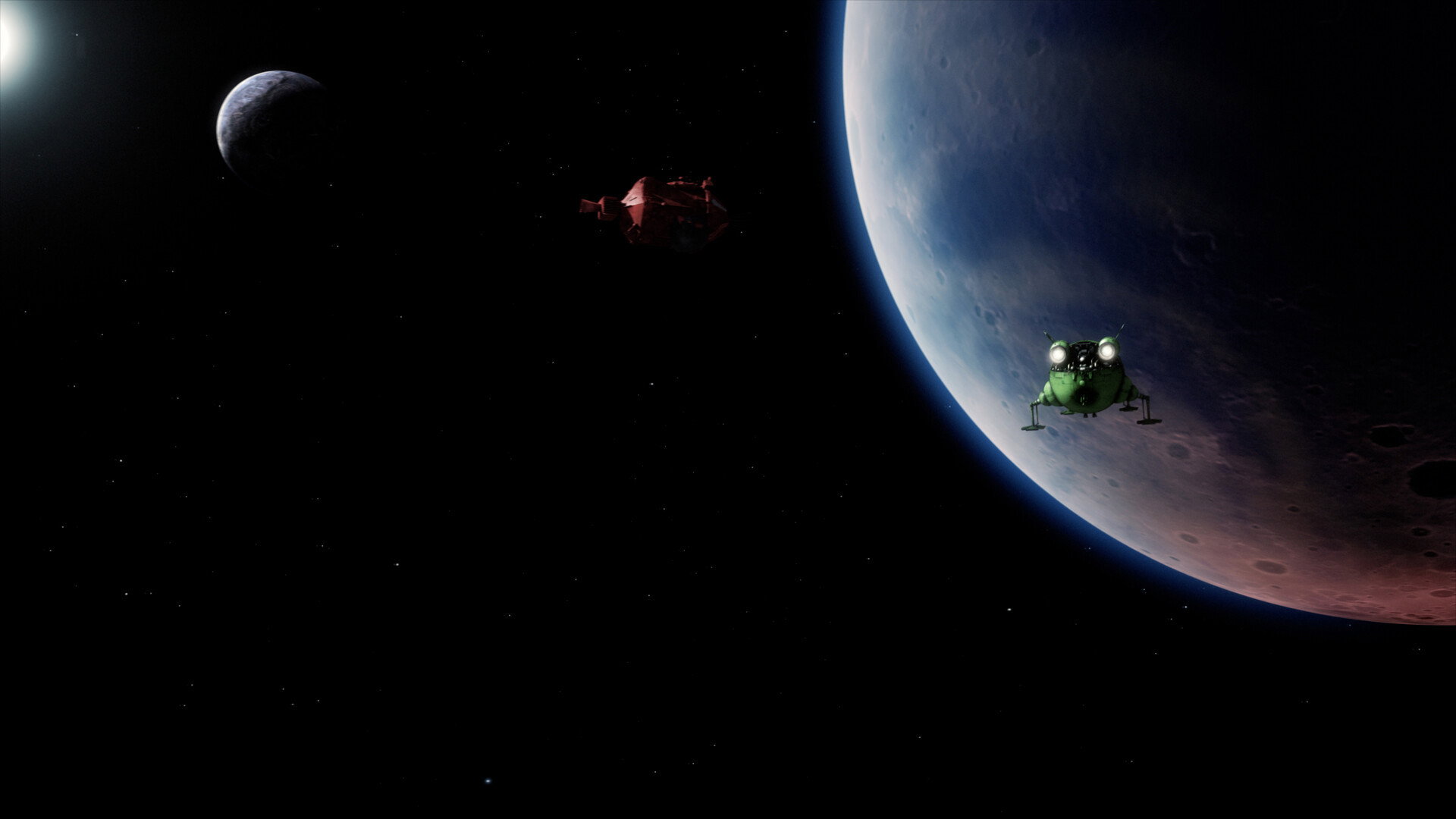
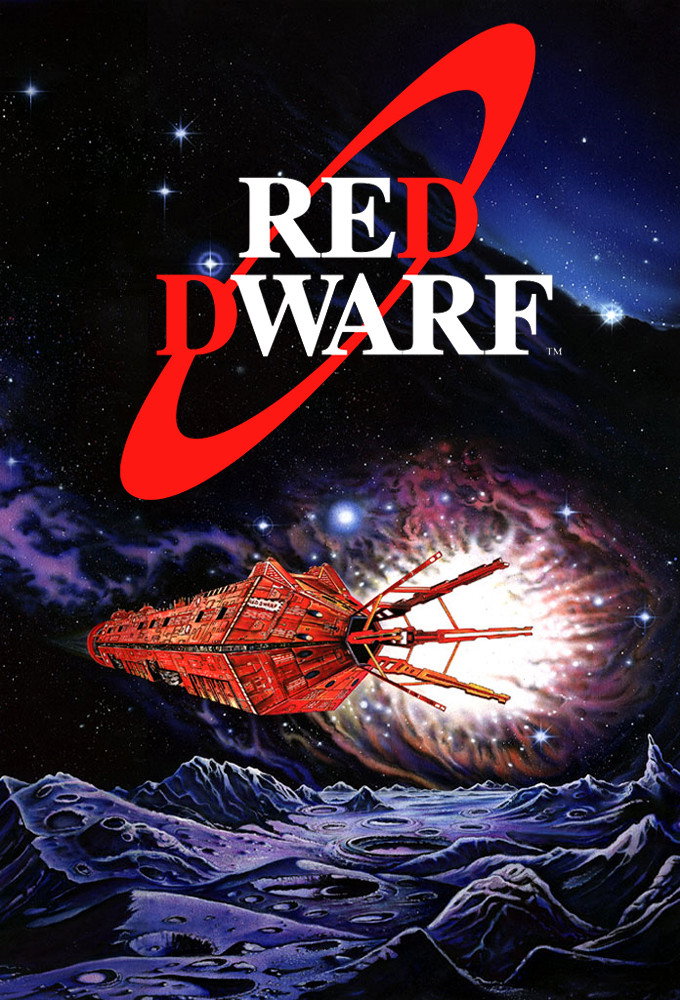
The cinematography credited to Ed Moore, Peter Morgan and Andy Martin is most effective when it leaves the actors to carry a scene. The visual approach rarely needs to be elaborate for the comedy to work. Production designers including Paul Montague and Mel Bibby give the science-fiction settings enough substance for the petty disagreements to feel at home in them. Some of the effects have dated, and their limitations can distract from a good idea. The pictures usually give us enough to understand the absurdity without requiring us to admire the technology.
The editing is less consistently helpful. Editors across the run include Mark Wybourn, Graham Hutchings and Perry Widdowson, and the variable pacing is noticeable when a promising exchange carries on after its funniest moment. Music credited to Howard Goodall and Clement Ishmael helps the programme move between silliness and more serious scenes without making the latter feel unduly solemn. But there are passages where the wait for the next good joke feels longer than it should.
As a science-fiction sitcom, it gets something important right: the speculative ideas give the characters fresh ways to bother one another. Those ideas can also be interesting enough to occupy us beyond the jokes, which helps the programme survive its rougher patches. The most reliable stretch is series three to six; the earlier material establishes the relationship that makes those episodes rewarding, while later series ask more of our goodwill. Its willingness to change format is welcome, though some of the changes weaken the character comedy.
Start at the beginning and allow the central partnership time to settle; skipping straight to the strongest stretch costs some of the pleasure of knowing these people. Expect uneven episodes as well as jokes worth repeating, and allow yourself to be impatient when familiarity is doing too much of the work. We would happily spend another half-hour with them.