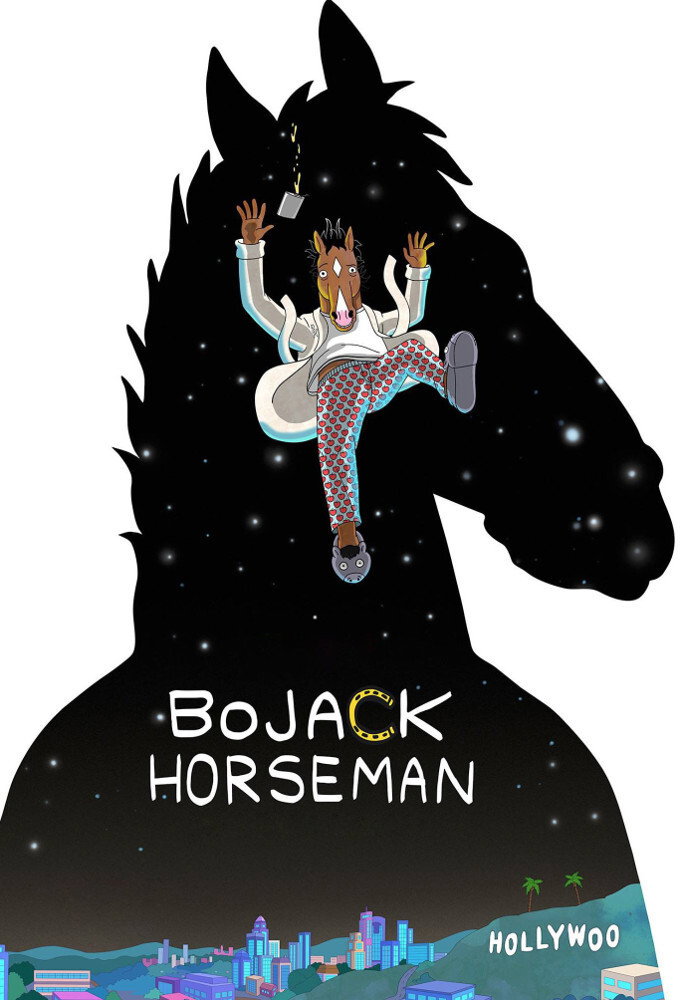
Raphael Bob-Waksberg’s animated sitcom about a washed-up horse actor starts as Hollywood satire with animal puns and becomes, over six seasons, as honest an account of depression and self-sabotage as comedy has managed. Stay past the first six episodes.
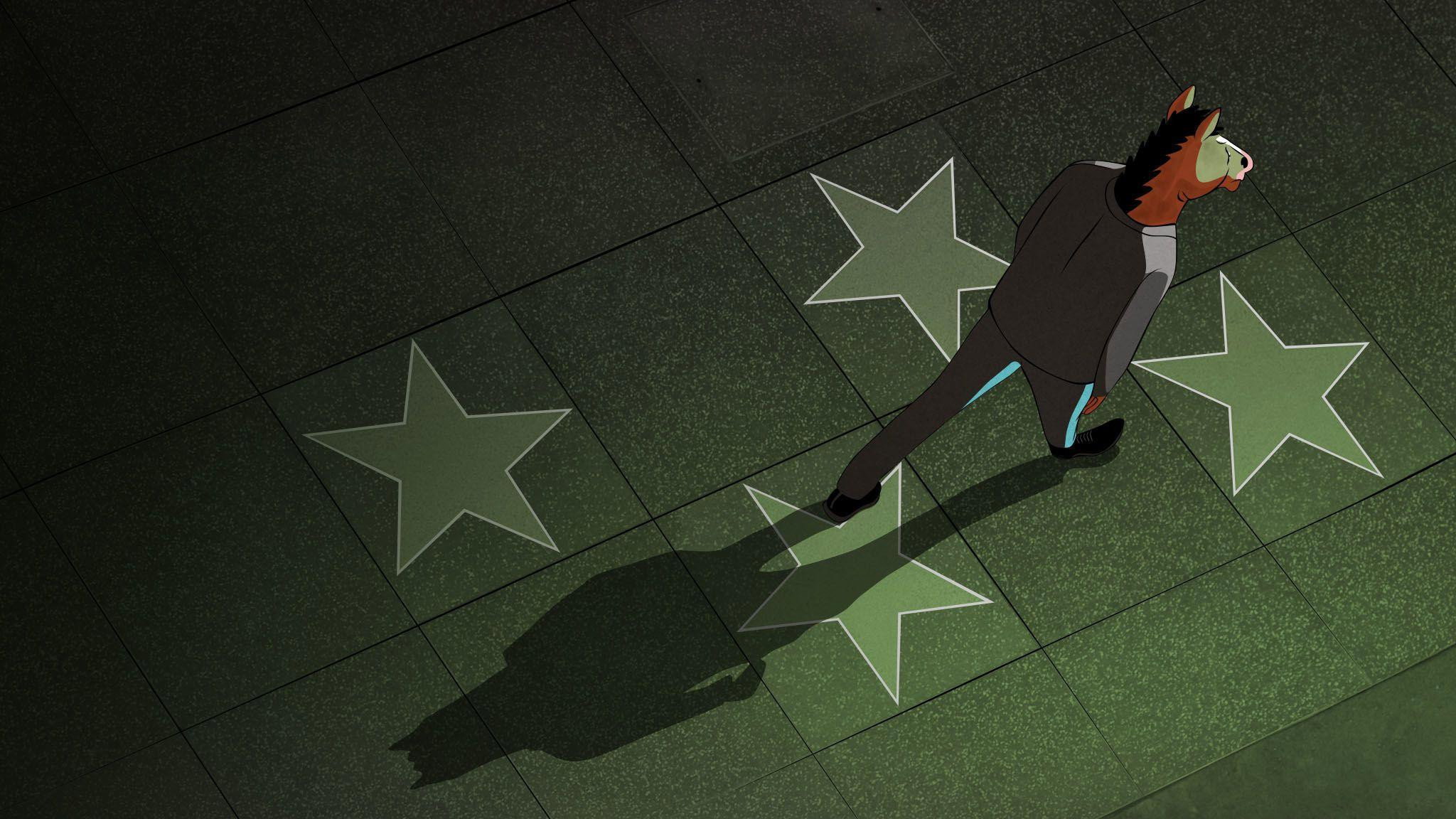
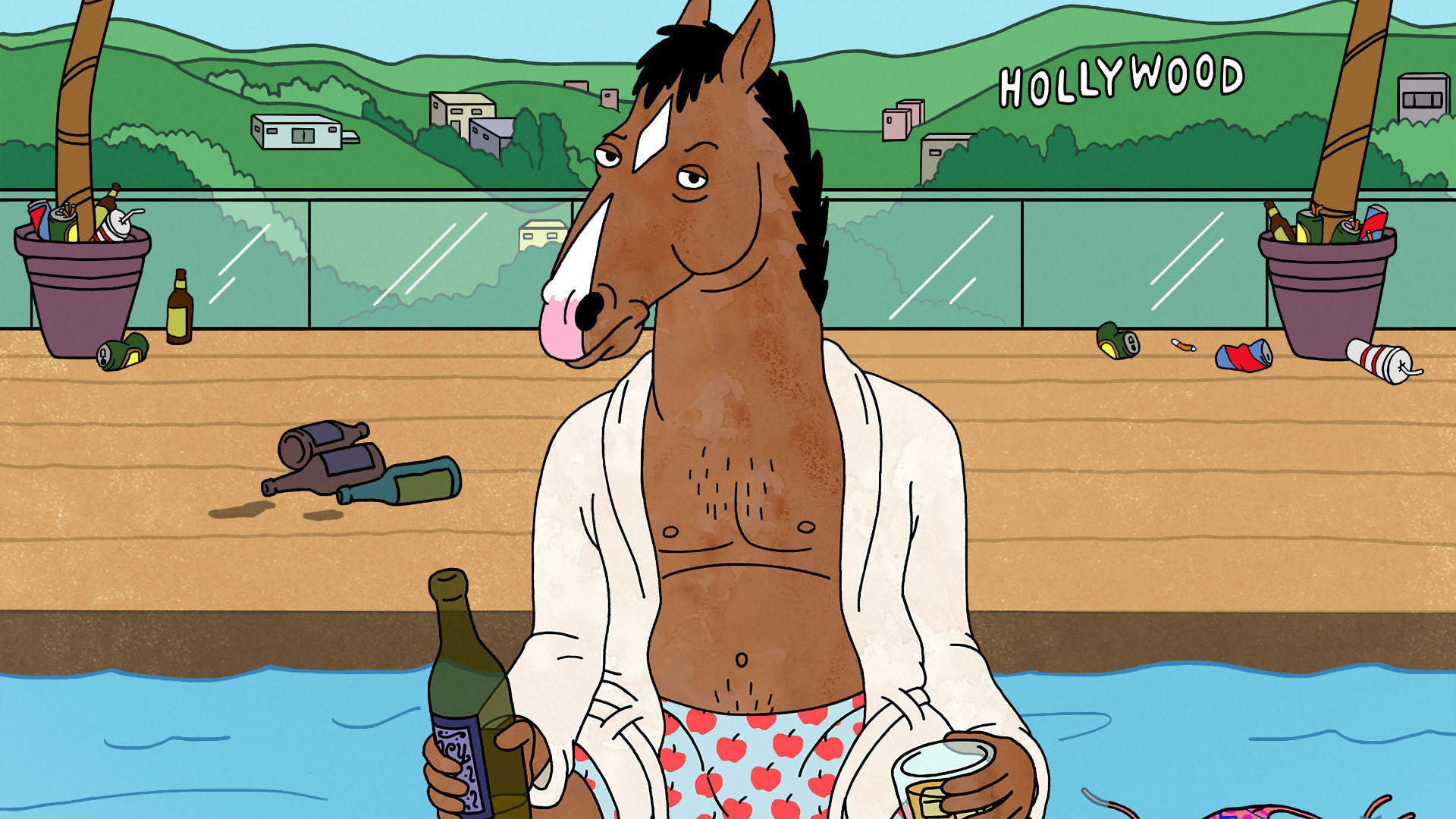
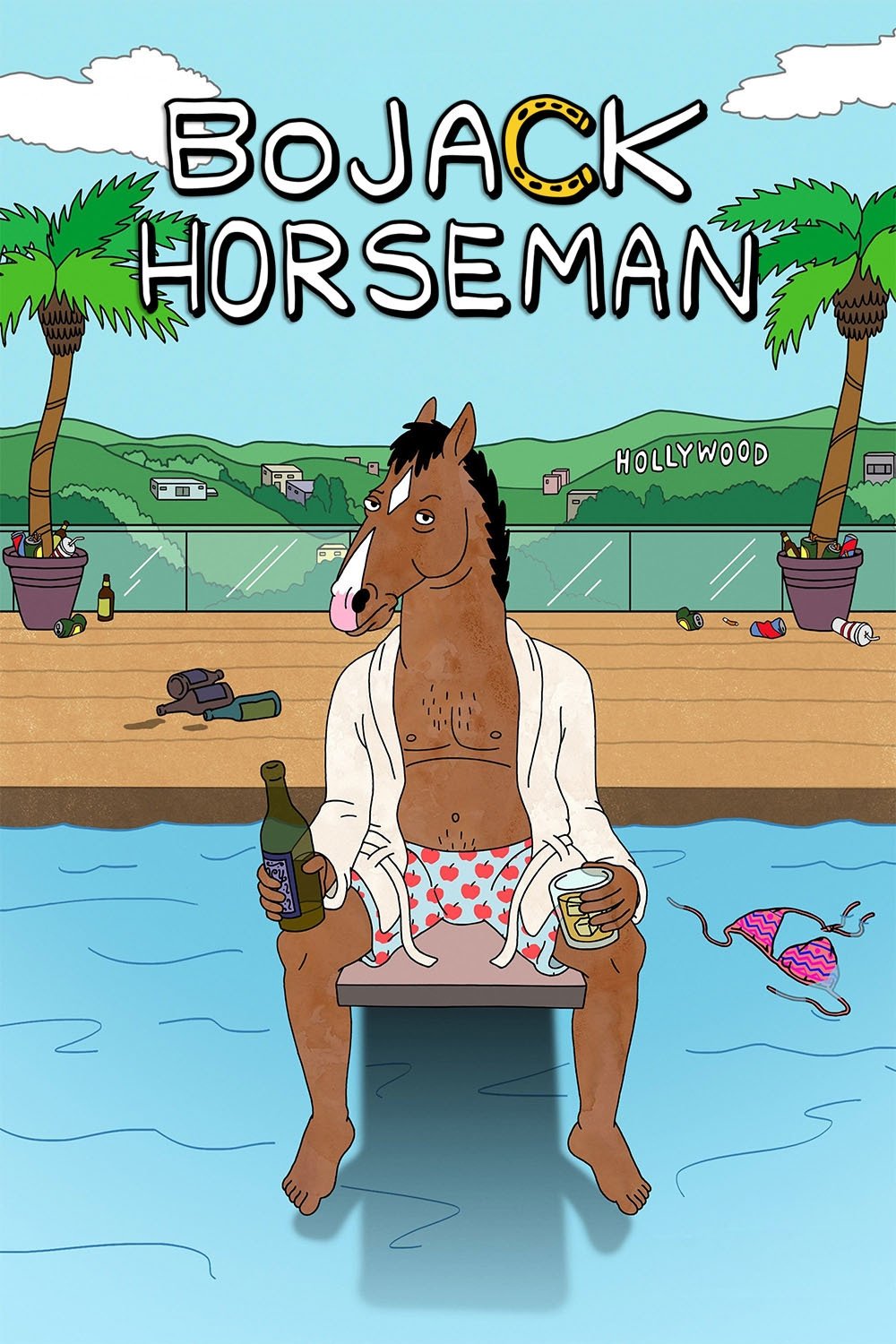
Raphael Bob-Waksberg’s series begins as a joke you have heard before. BoJack Horseman (Will Arnett) was the star of a 1990s family sitcom, Horsin’ Around, and has spent the years since in a house above Los Angeles, drinking, watching his own repeats and not writing his memoir. He is also a horse. Half the population of this city are animals with human jobs and human debts, and nobody remarks on it. For about six episodes it looks like showbiz satire with a gimmick. Then it turns out to be about something else, and stays there for six seasons and 76 episodes.
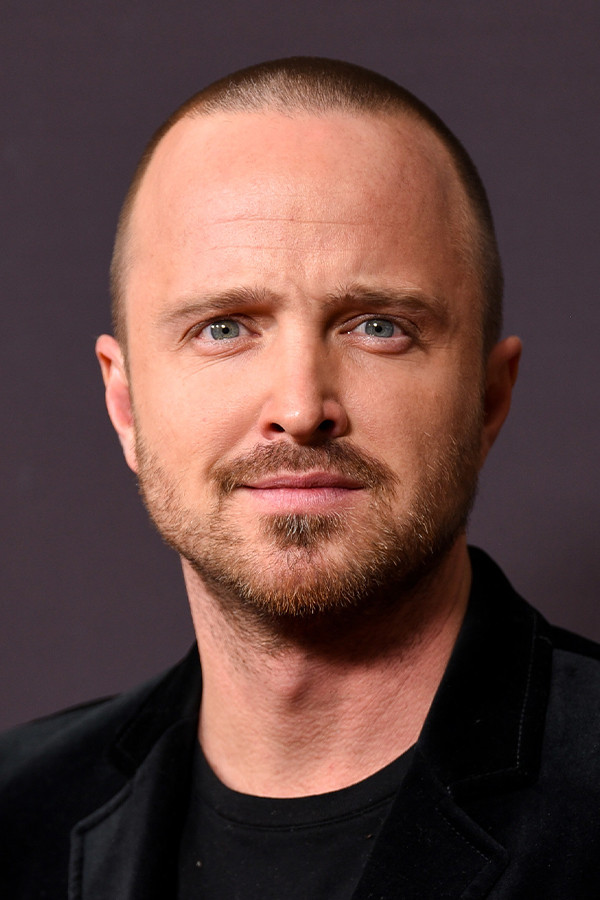
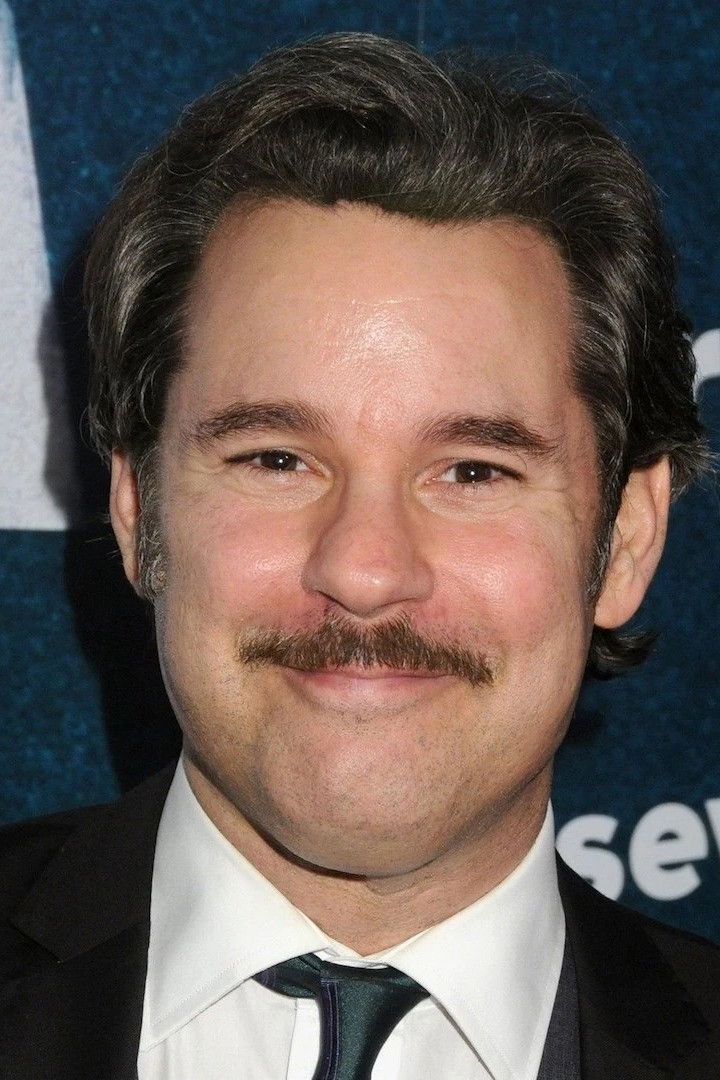
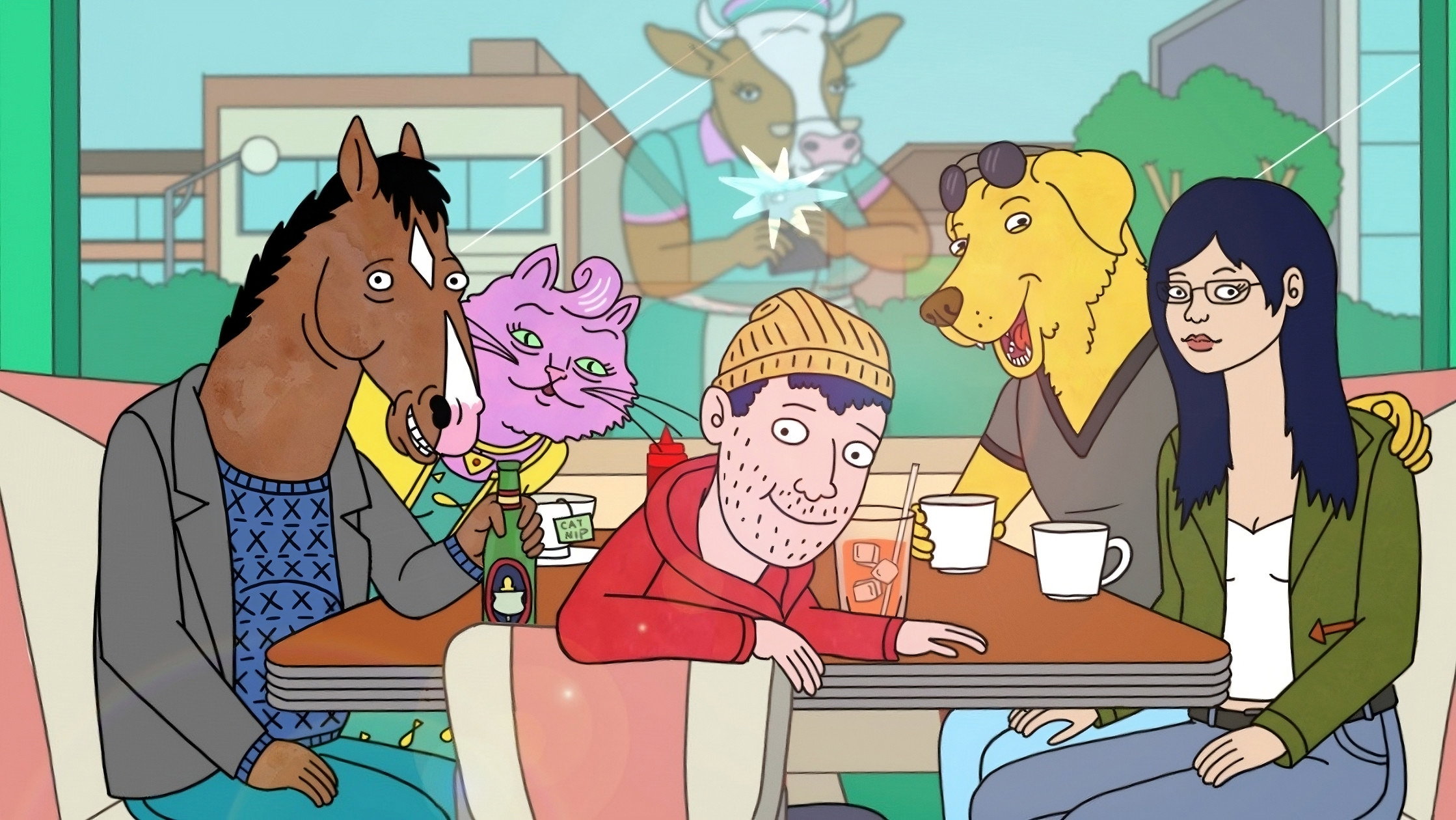
Diane Nguyen (Alison Brie) is the ghostwriter sent to get the book out of him, a serious woman who suspects the truth might do him good. Todd Chavez (Aaron Paul) has lived on BoJack’s sofa for years without anyone recalling an invitation. Princess Carolyn (Amy Sedaris), his agent, is a pink cat who has spent her adult life tidying up after him and wants, in a small persistent way, something of her own. Mr. Peanutbutter (Paul F. Tompkins) is a labrador who fronted a copy of BoJack’s show, is delighted by everything, and is going out with Diane.
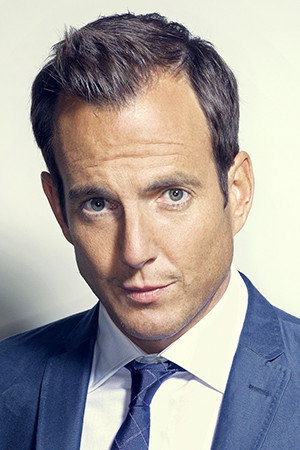
Arnett is the reason it works. He plays BoJack low and dry, in the voice of a man who has rehearsed his excuses so often he half believes them, and he leaves a small silence after each joke in which you can hear the character listening to himself. Sedaris does something harder, playing competence as a kind of grief. Brie refuses to soften Diane, who is right about most things and hard to be around for some of them. Lisa Kudrow, as Wanda Pierce, and Aparna Nancherla, as Hollyhock, arrive in later seasons and each gets a run of episodes the show takes as seriously as its lead’s.
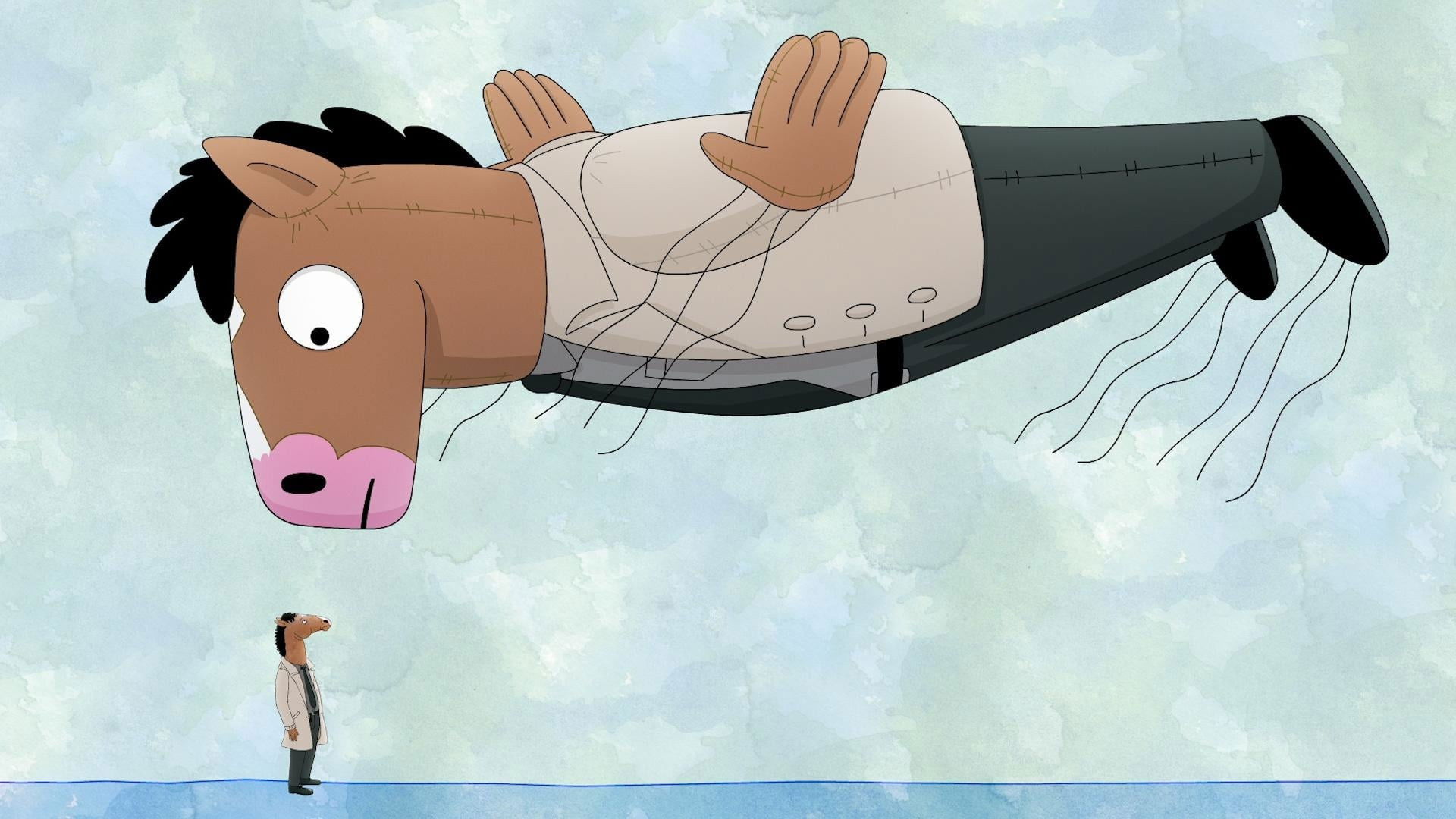
Lisa Hanawalt’s designs are the other reason. Thick outlines, flat colour, animal heads on ordinary bodies in ordinary clothes, and backgrounds so full of shop signs and posters that a frame rewards a second look while the foreground is falling apart. Jesse Novak’s score is mostly a plaintive piano, and it knows when to stop. The editors, Brian Swanson, Jose Martinez and Molly Yahr, cut dialogue fast and then hold a wide shot of an empty room longer than a comedy is supposed to. One episode in the third season, set almost entirely underwater and almost without speech, is as good a piece of near-silent comedy as we have seen in years.
Here is what we felt. We laughed a great deal, mostly at things in the background. And more than once an episode ended and we sat through the closing song without moving, because the last scene had shown BoJack doing exactly the thing he had spent twenty minutes promising not to do, and the writers, Bob-Waksberg, Kate Purdy, Joanna Calo and the rest, had declined to explain it or forgive it. The first episode already has him alone on the sofa in front of his own old show, a drink in his hand, with the joke and the sadness in the same shot. Comedies about awful men usually love them a little too much. This one keeps counting the damage.
Most critics disagree with us. The reviews so far were largely written in the summer of 2014 on the opening episodes, and they found a familiar Hollywood satire with animal puns and a lead who resembled other rich, self-pitying men in comedies. They were not wrong about those episodes. The first half of the first season is the weakest stretch of the run, and had we stopped there we would have scored it close to where they did. They are wrong about the series, because the series had not yet worked out what it was for.
It has faults. Todd’s subplots spin into farce that can run a whole episode past its welcome. The show sometimes lets a character stand up and say the theme aloud, which it never needs to. The animal puns wear thin around the fourth season. None of it costs the show its footing.
It carries an 18, for the language mostly. Watch it in order and not too many at once; it is built for two episodes a night, and the sadness needs room to settle. The tagline is “Don’t look back. You’re not going that way.” The show spends 76 episodes looking back.