Series review

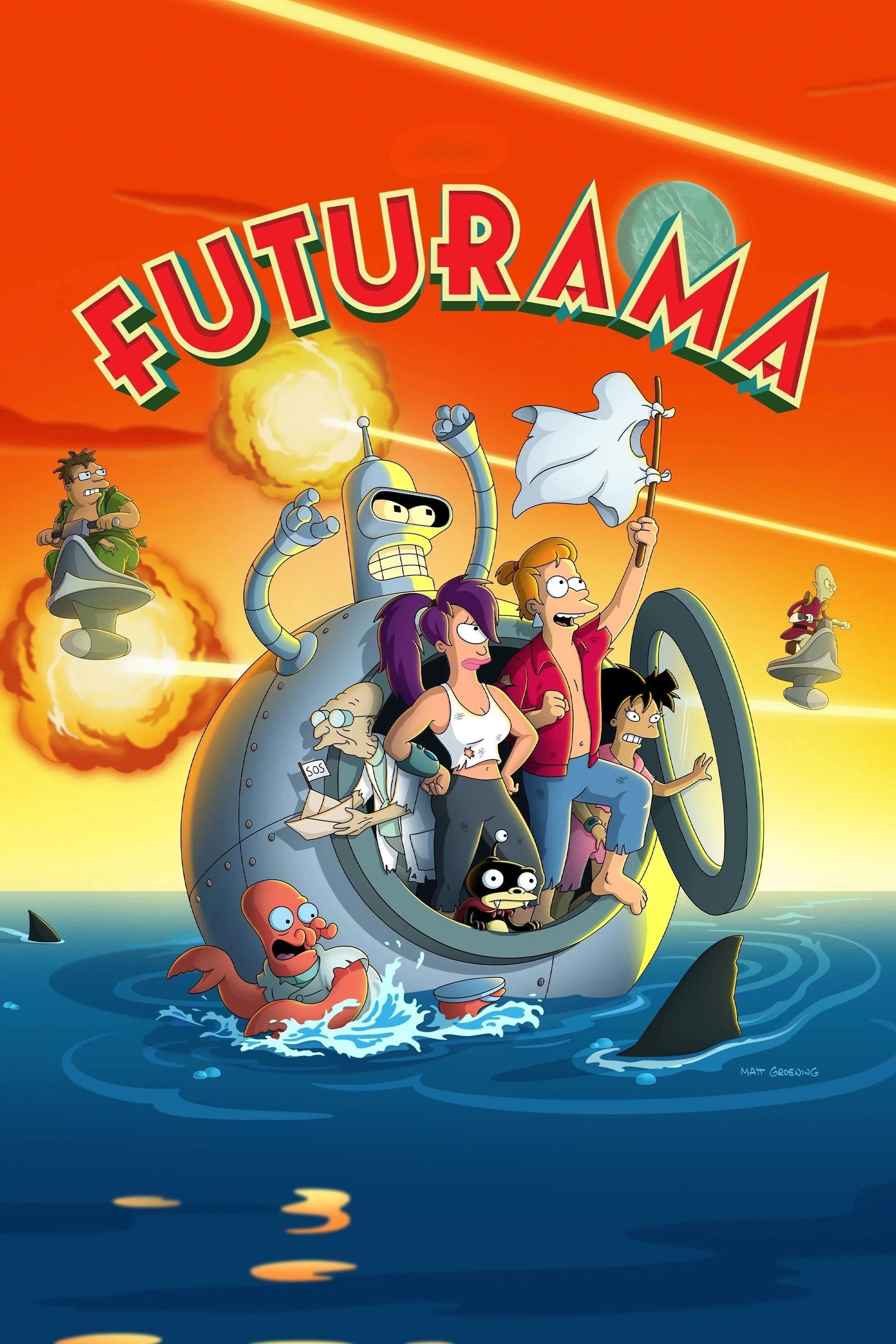
Futurama

1999 · Created by Matt Groening · Series · MPA TV-14

In a sentenceA thousand years of progress and the smartest person in the building is a robot who drinks and steals

AnimationComedySci-Fi & Fantasy

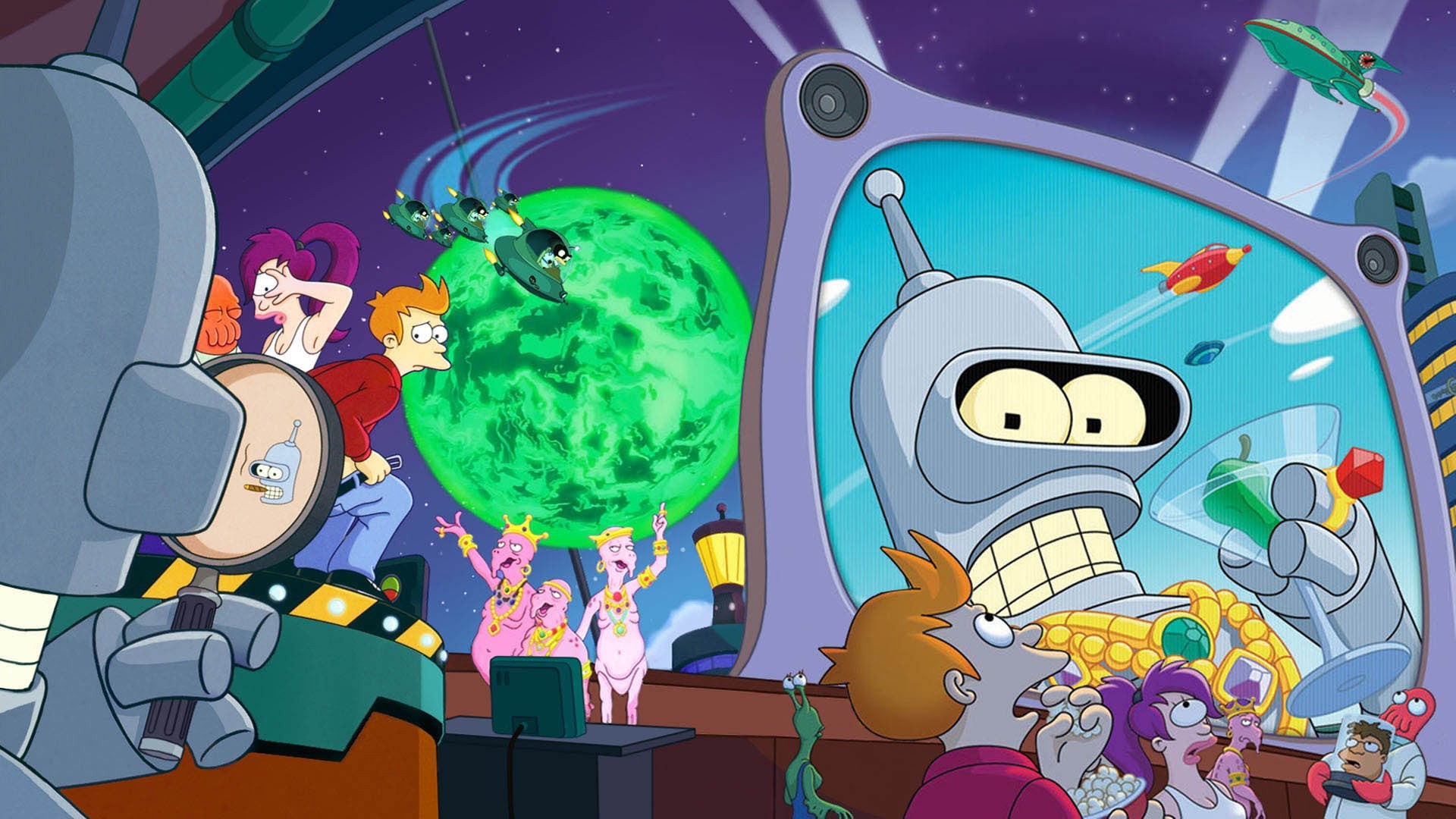
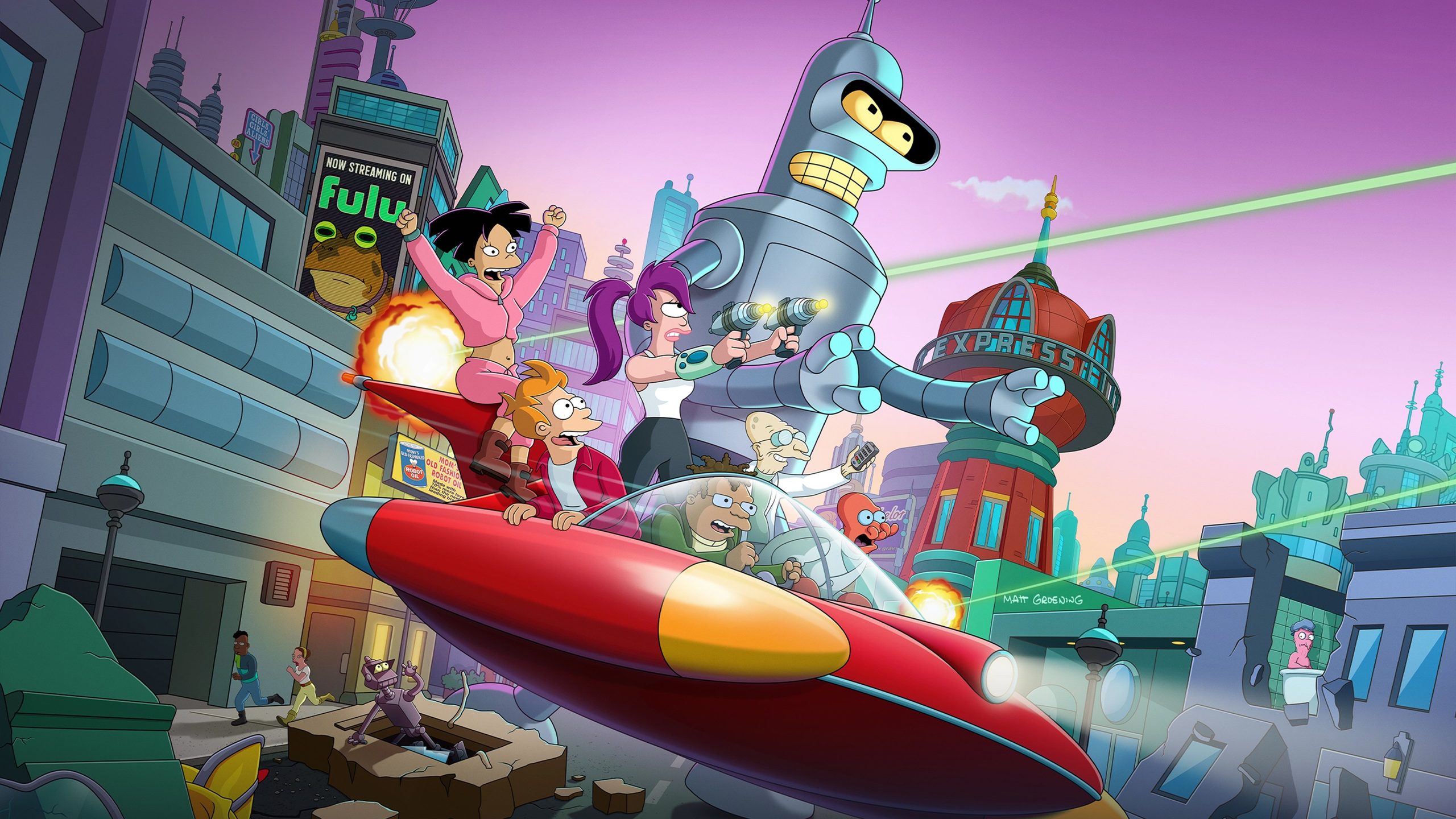
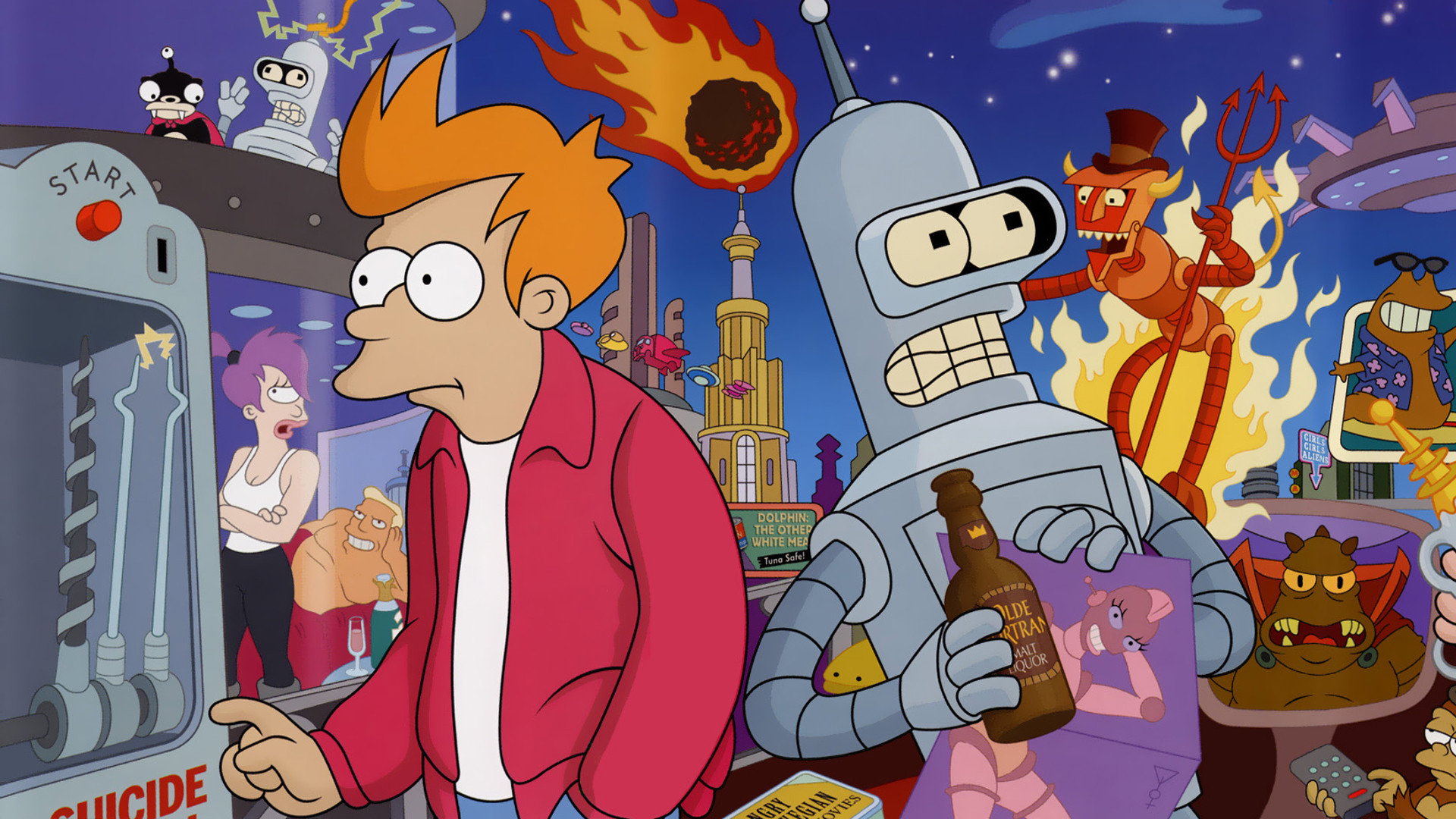
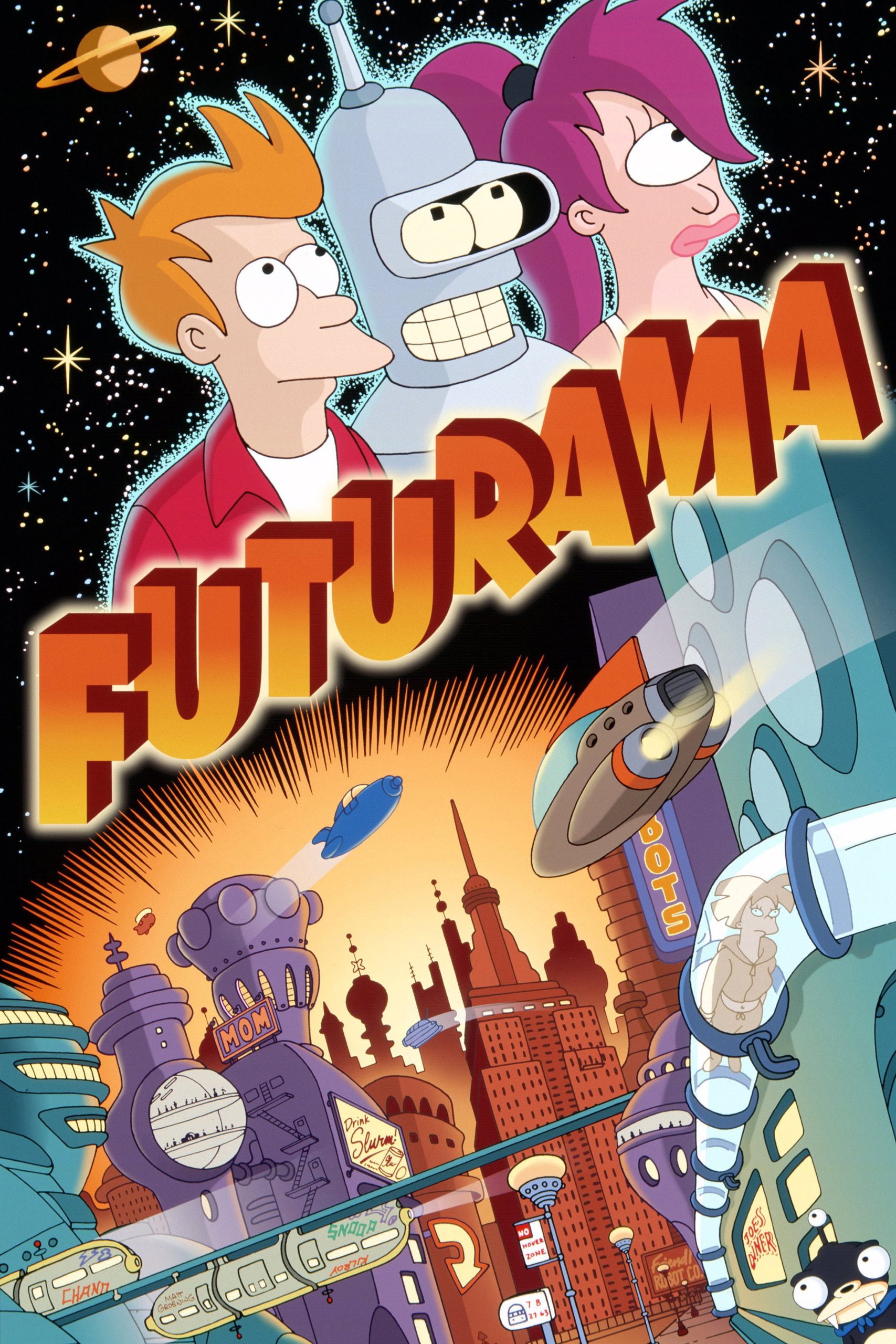
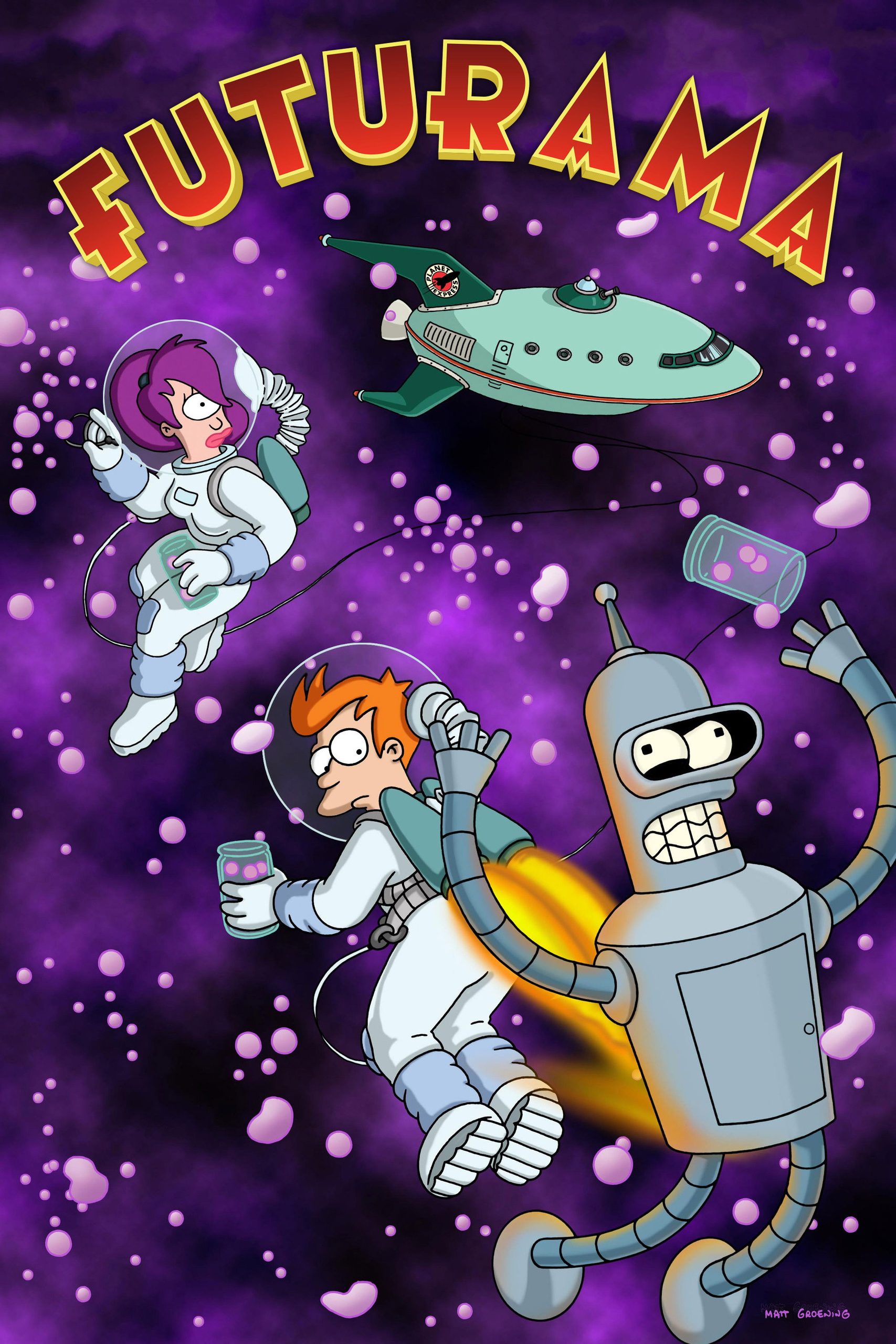
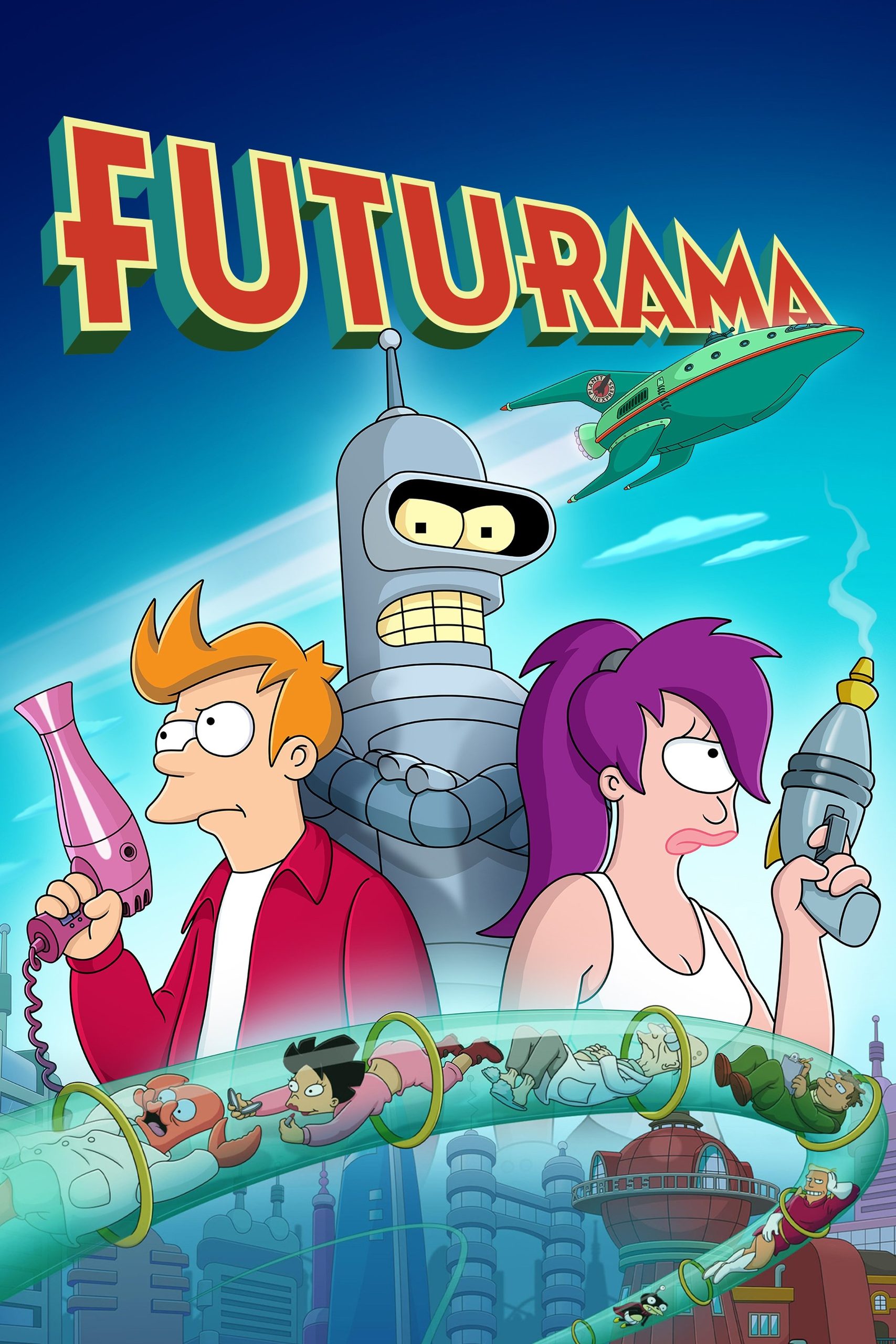
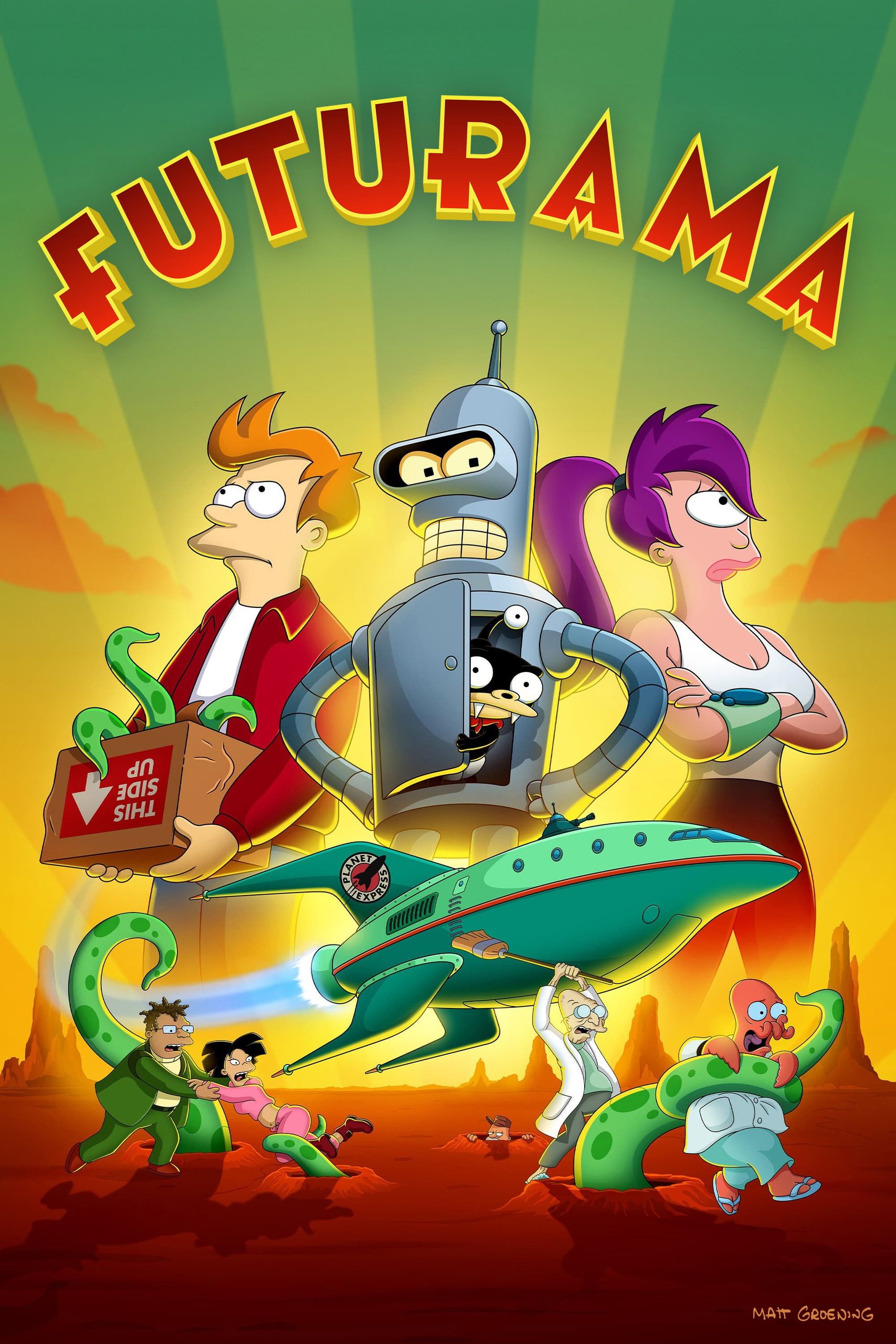
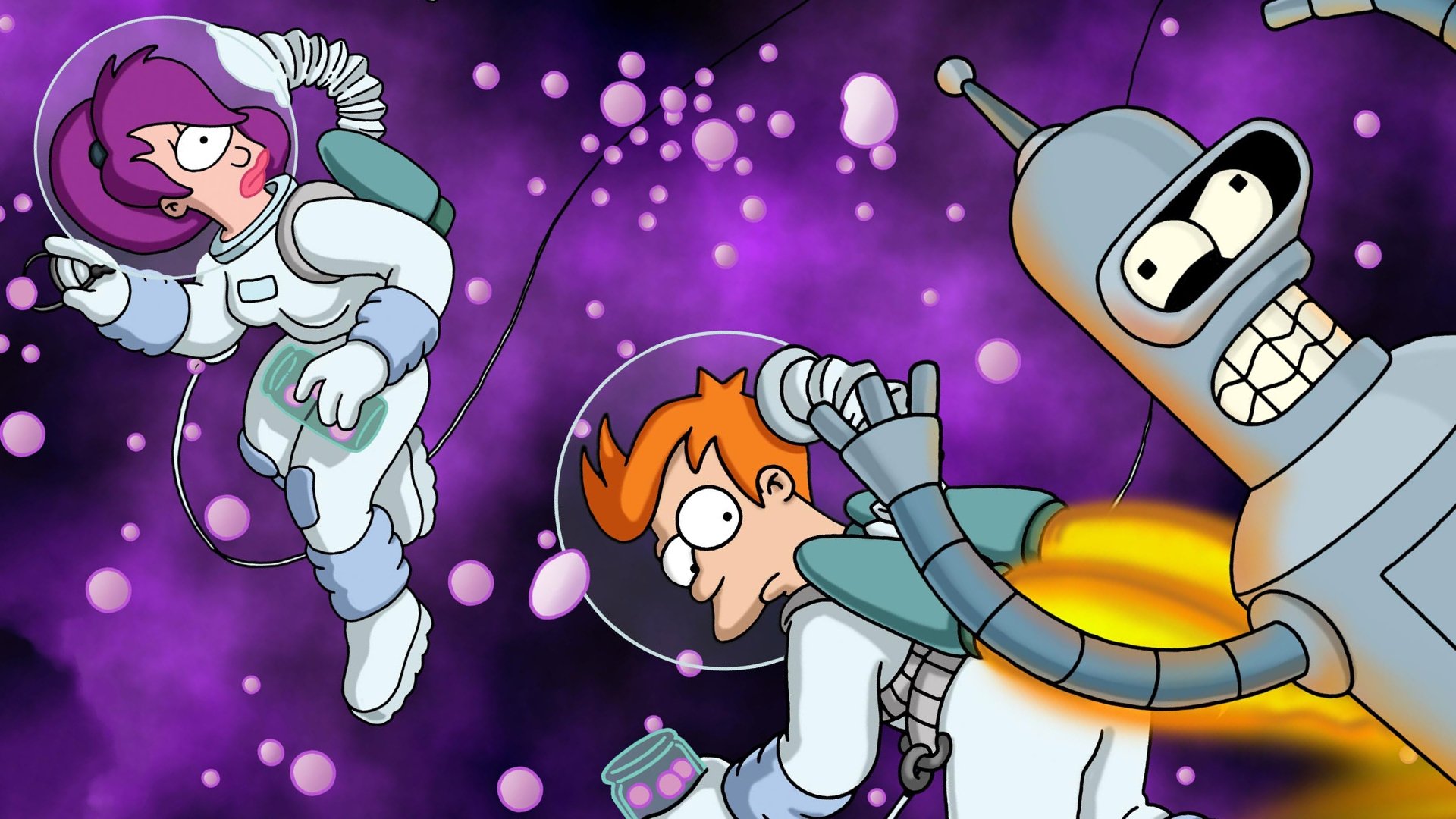
New York, the last night of 1999. Fry (Billy West), a pizza delivery boy nobody respects, takes an order to a cryogenics laboratory, tips backwards into an open freezing tube and wakes up on the last night of 2999. New New York has flying cars, heads kept alive in jars and a career office where Leela (Katey Sagal), a one-eyed officer, tries to assign him the same job he has just escaped. He runs, meets Bender (John DiMaggio), a robot built to bend girders who would rather drink and steal, and tracks down his only living relative, the ancient Professor Farnsworth (Billy West), who runs a small delivery firm called Planet Express and is short of a crew.

Fi1m review

Matt Groening’s future is as stupid as the present, and for its first five seasons that is a first-rate joke, told by a cast of voices few cartoons can match. Later revivals are warmer than they are funny. Start at the beginning.

Matt Groening’s second animated series takes a dim New York delivery boy, freezes him for a thousand years and wakes him in a future exactly as stupid as the present. That is the joke, and it has lasted: eleven seasons since 28 March 1999, with a gap of nearly eight years after the fifth and another of eleven after the seventh. The first five seasons are some of the funniest animated television we know. The rest is a pleasant place to visit. We recommend it, with the caveat that where you start matters more than usual.

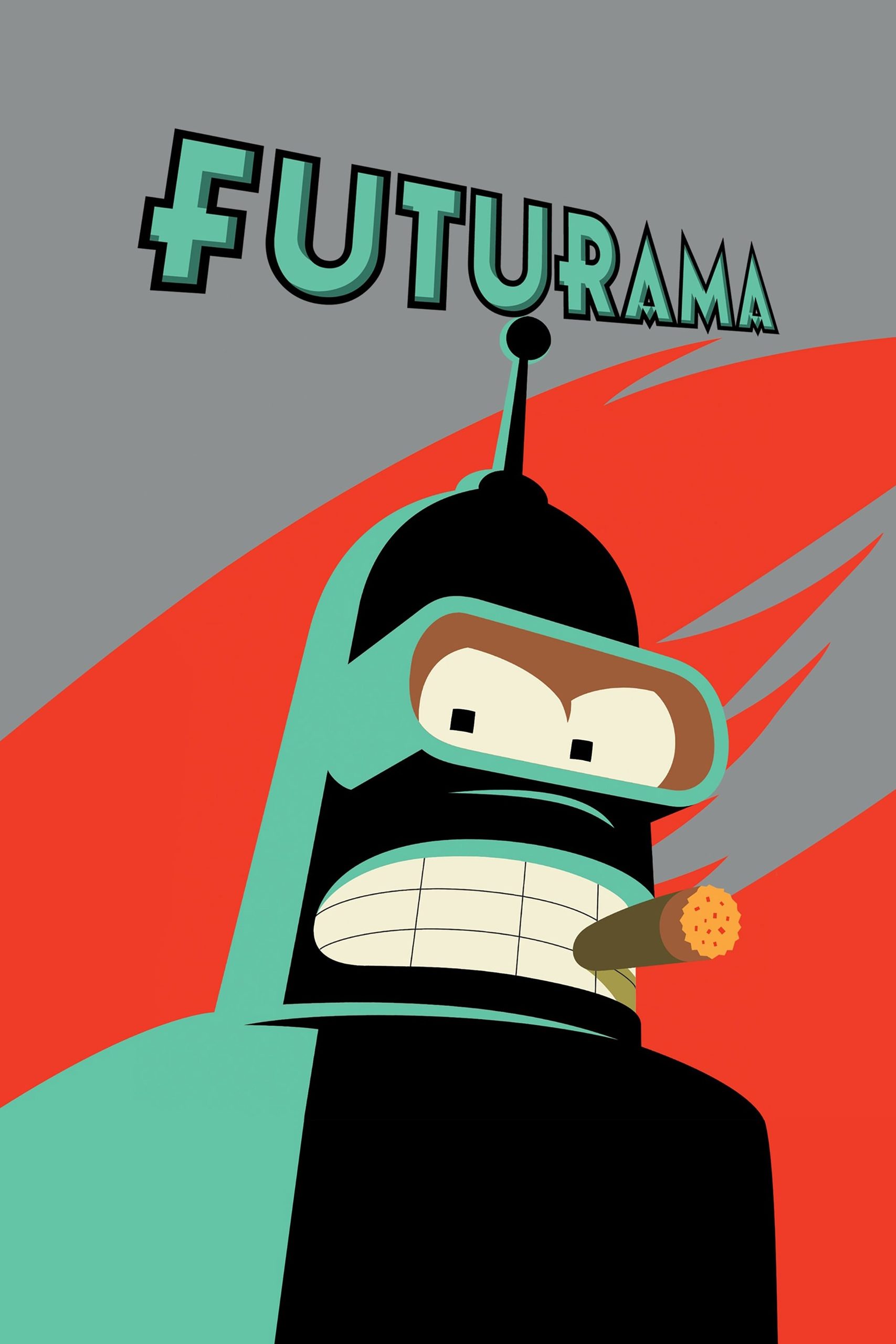
The voices carry more than the drawing does. Billy West plays four principal parts, Fry, Professor Farnsworth, Zoidberg and Zapp Brannigan, and you would not guess they share a throat: Fry a nasal, hopeful whine, the Professor a quaver that falls asleep mid-sentence, Zoidberg a wet gargle, Brannigan a ham captain in love with his own voice. John DiMaggio’s Bender is a robot who drinks, steals and regards humans as furniture, and he gets the largest share of the good lines. Katey Sagal’s Leela is the only adult in the building and plays it straight, which is why the others land.

The writers, with David X. Cohen, Ken Keeler, Patric M. Verrone and Bill Odenkirk among the regulars, have one method when it is working: take a stupid premise and follow it with complete logic until it says something true. Maurice LaMarche’s Morbo, a green alien who reads the news and announces humanity’s coming destruction between items, is a sharper joke about television than most satire manages in an hour. Tress MacNeille’s Mom, a sweet old lady in public and a foul-mouthed industrialist in private, is the show’s whole view of business in one character. The backgrounds are dense with signs and adverts that reward pausing.

The look is mixed on purpose. The people are drawn flat and rubbery in the Groening manner; the ships and the skyline of New New York have the hard, clean edges of early computer rendering, so the future always looks more solid than the fools living in it. Christopher Tyng’s theme is a burbling piece of lounge electronica, and his cues under the episodes move things along without telling us when to laugh. Paul D. Calder’s cutting keeps a sight gag on screen for exactly as long as it takes to see it. Directors including Rich Moore, Peter Avanzino and Susie Dietter shoot space quiet and wide, from outside the ship, which is what makes the idiocy inside it funny.

We should say what it did to us. There is an episode about the dog Fry left behind in 1999. We will not describe its last two minutes. We will say that we sat quite still when they finished, that Tyng’s music does most of the work, that the script drops every joke for the final stretch, and that a cartoon about a robot who steals wallets had no business doing that to us. It is what the show could do when it chose to take Fry seriously, a man who has lost everyone he knew. It does not choose often, which is right.

The later seasons are the caveat. Seasons six and seven run to 26 episodes each and feel it: the premises get lazier and the Fry and Leela romance is stretched past what the characters can bear. The seasons from 2023 onward are shorter, ten episodes apiece, and lean on topical parody, a poor fit for a show whose best jokes were about things that do not change. Most critics who reviewed those revivals said much the same, and we have no quarrel with them. Nobody in the later runs is bad; the cast is the same and still expert. The trouble is that the show now knows it is loved, and plays to the people who love it.

Against Groening’s own The Simpsons it is the smaller and, in its first five seasons, the better-made thing: tighter plots, a cast that fits in one room, a city rather than an everytown. Start with the first episode, in which Fry falls into the freezer, and keep going until you notice you have stopped laughing. You will get further than you expect. It carries a 12 certificate, which seems about right for a show in which the doctor is a lobster and the robot is drunk.

Critical consensus AI synthesised

70
Positive
5
Mixed
1
Negative
1

Most critics like Futurama, and the warmest reviews are for the original run rather than the returns. The praise clusters on the writing: sharp satirical ideas, dense sci-fi references, running gags that pay off over years, and a vaudeville silliness that sits comfortably beside the cleverer material. Bender is singled out repeatedly as the character creation that carries the show, and the middle seasons are recommended as the place for newcomers to start.

The reservations attach to the revivals. Critics of the 2023 episodes find them comfortable and familiar, dependable fan service that neither surprises nor adds memorable new characters. IndieWire goes further and calls the return a misfire, arguing that its topical parodies lose the timeless quality that made the show worth reviving. Variety, reviewing the 1999 pilot, finds it uneven but promising. The spread is wide, from warm to hostile, but the hostility is aimed at the latest episodes, not the series as a whole.

Radio Times
8.5/10 · Jack Seale
85

Matt Groening’s series is at its best some of his funniest work, with sharp satirical ideas and classic character creations like the selfish robot Bender. For newcomers it is a goldmine, especially in peak seasons three to five.

Read the full review →
Vulture
16 June 2013 · Matt Zoller Seitz
80*

The series is an undervalued gem whose mix of rarefied genre parody and vaudeville-style humor has endured through multiple cancellations and revivals since its 1999 debut. The critic highlights its inventive running gags, sci-fi references, and ability to balance silliness with clever writing.

Read the full review →
The AV Club
22 July 2023 · B · Sam Barsanti
77

Hulu's revival delivers pure comfort TV that feels like classic Futurama without challenging or surprising viewers. It's dependable, meta, and familiar, which is enough for fans seeking more of the same.

Read the full review →
Empire
3 January 2012 · Chris Johnson
70*

The fifth season marks a largely happy return for Bender and the crew after cancellation. It embraces misanthropy with verve but misfires on some easy targets, though nerdy randomness keeps it sharp at its best.

Read the full review →
The Hollywood Reporter
22 July 2023 · Daniel Fienberg
70*

The new Hulu episodes deliver fun fan service and are acceptably amusing as a legacy return. They lack fresh memorable characters or mind-warping whimsy, feeling like comfortable but unadventurous hits from the past.

Read the full review →
Variety
28 March 1999 · Ray Richmond
65*

The pilot feels a tad uninspired and uneven at first but shows clear promise as a Simpsons-inspired sci-fi spoof that rewards attentive viewers. The richly textured animation and irreverent sight gags stand out as strengths amid the introduction of characters like Fry, Leela and Bender.

Read the full review →

Cast

Awards

Annie Award for Best General Audience Animated Television Production, 2010

Won
Annie Award for Best General Audience Animated Television Production

Primetime Emmy Awards, 2002

Won
Outstanding Animated Program

If you liked this, try…

Red Dwarf poster80

Red Dwarf

1988 · British, broke and stuck on a mining ship; the same idea with worse catering.

The Hitchhiker's Guide to the Galaxy poster

The Hitchhiker's Guide to the Galaxy

1981 · Adams’s cheerful contempt for the universe, on a BBC budget; the ancestor of every gag here.

Cowboy Bebop poster

Cowboy Bebop

1998 · A crew of broke misfits on a battered ship, played straight, and the jazz is better.

Galaxy Quest poster

Galaxy Quest

1999 · Actors from a cancelled space show are mistaken for their characters; affectionate and sharp.

Rick and Morty poster

Rick and Morty

2013 · The same scientific logic taken further and meaner, without anyone to play Leela.