Jon Favreau’s space western makes good television out of bounty hunting, brisk action and a welcome sense of humour. The masked lead remains underwritten, but these frontier adventures have enough character elsewhere to earn their place in an evening.
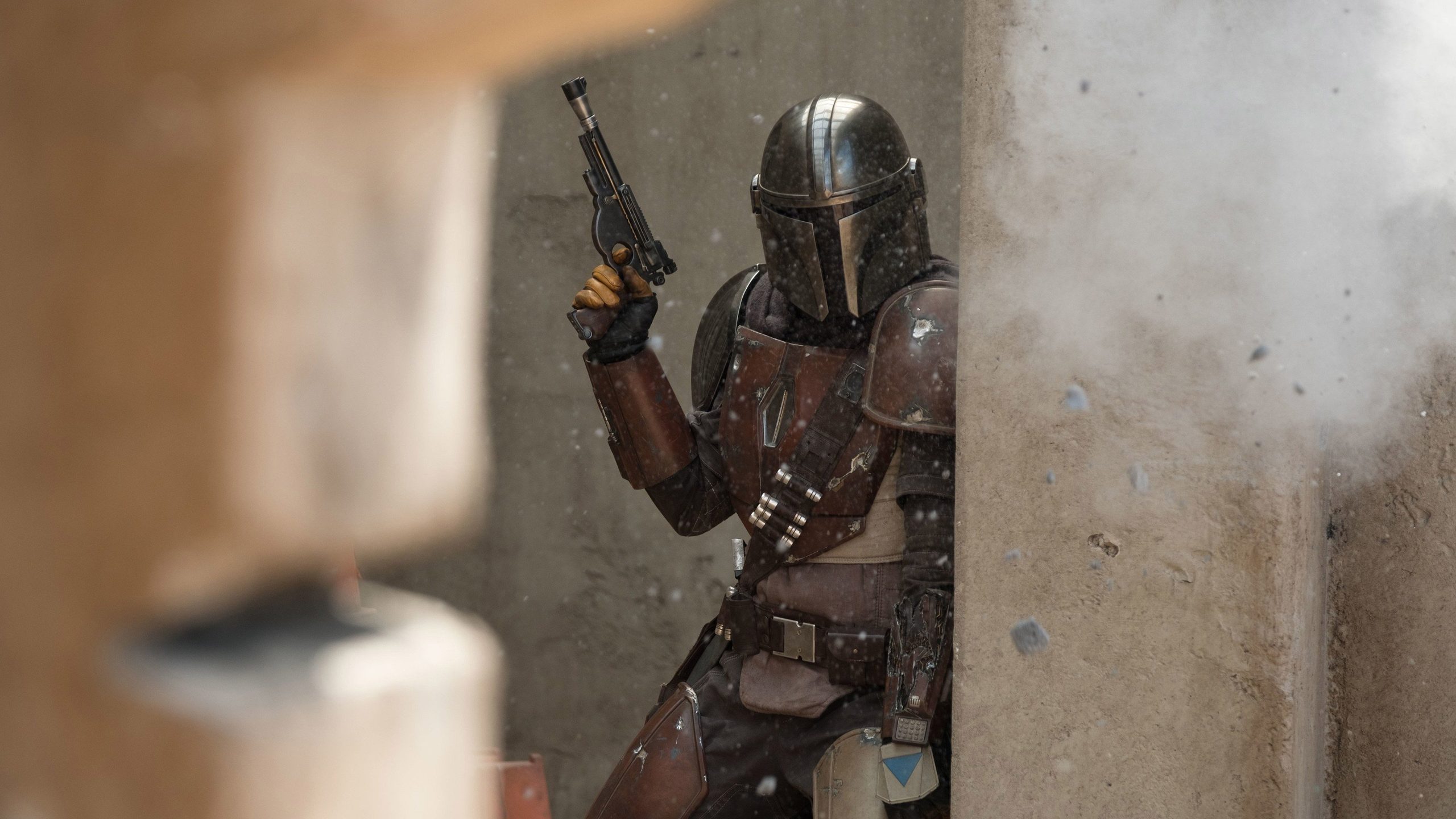
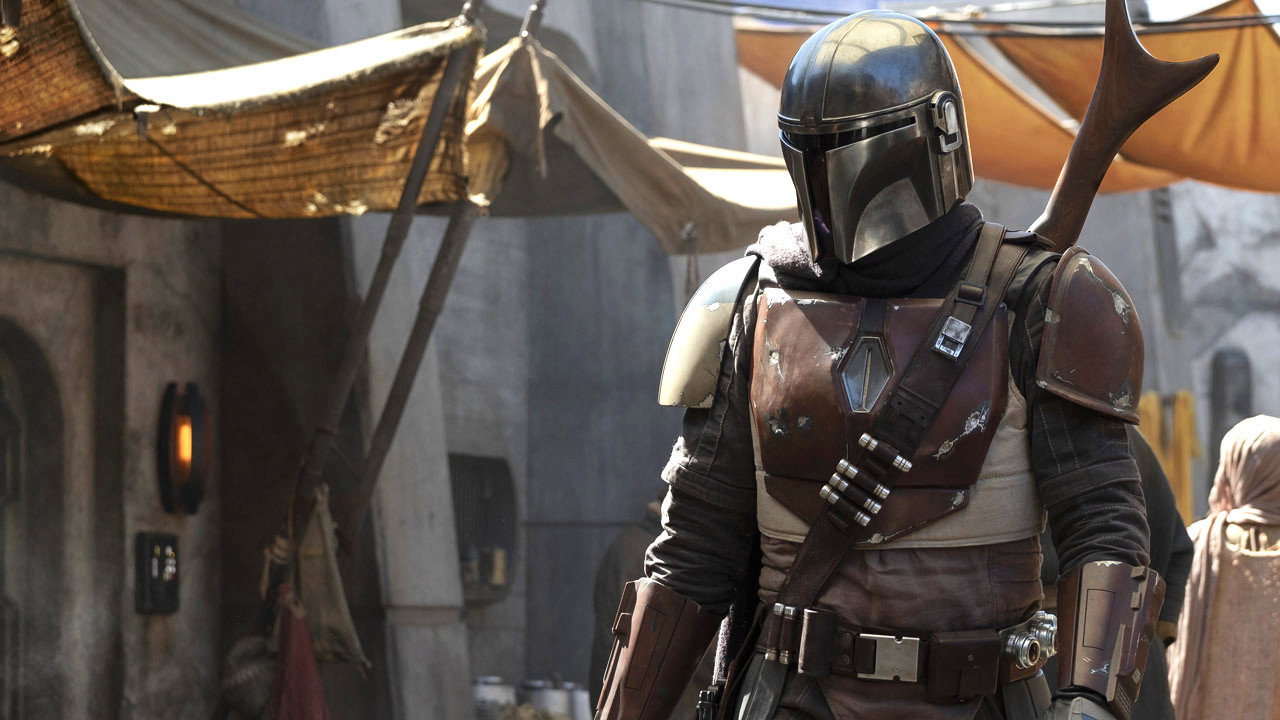
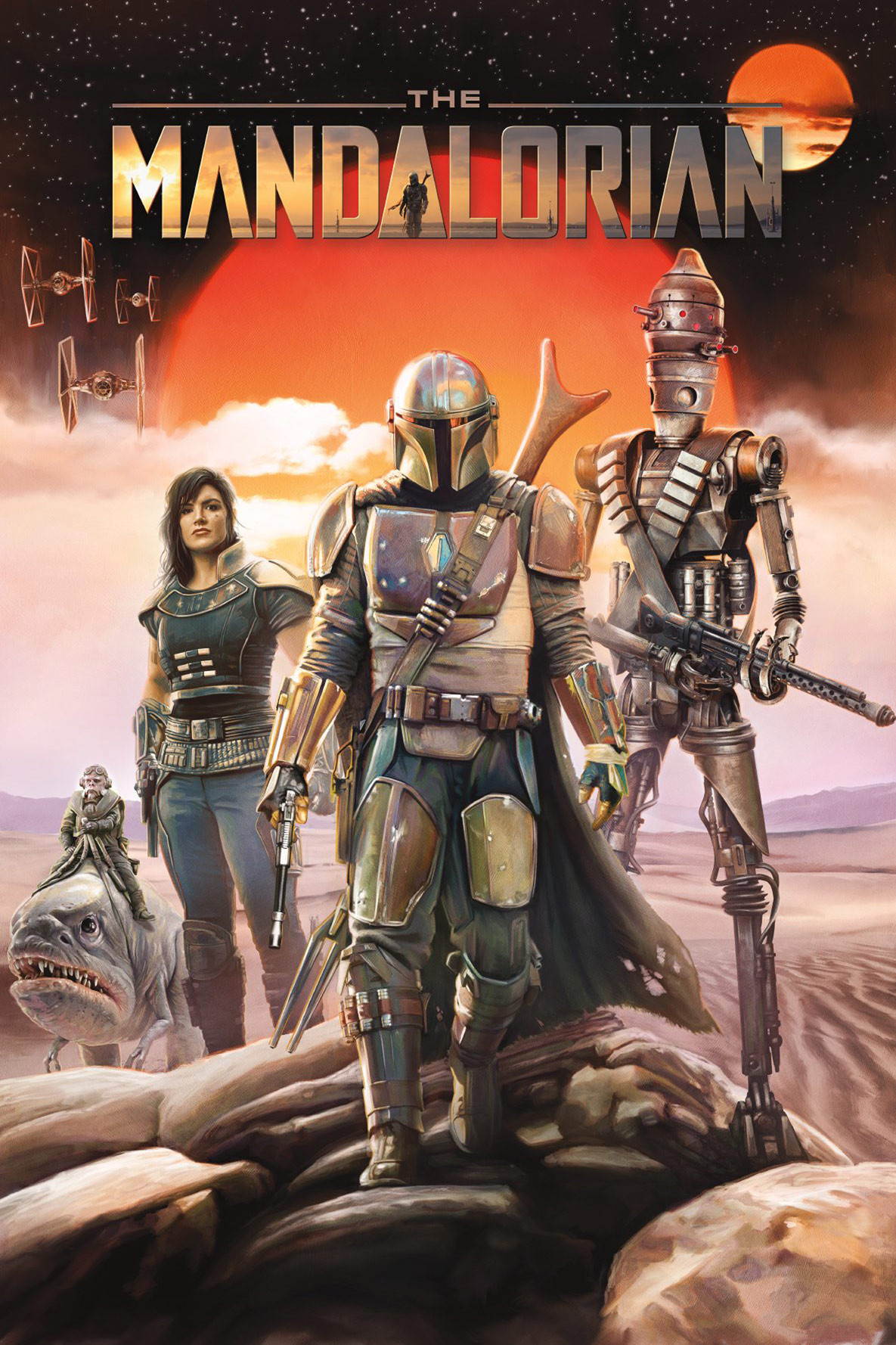
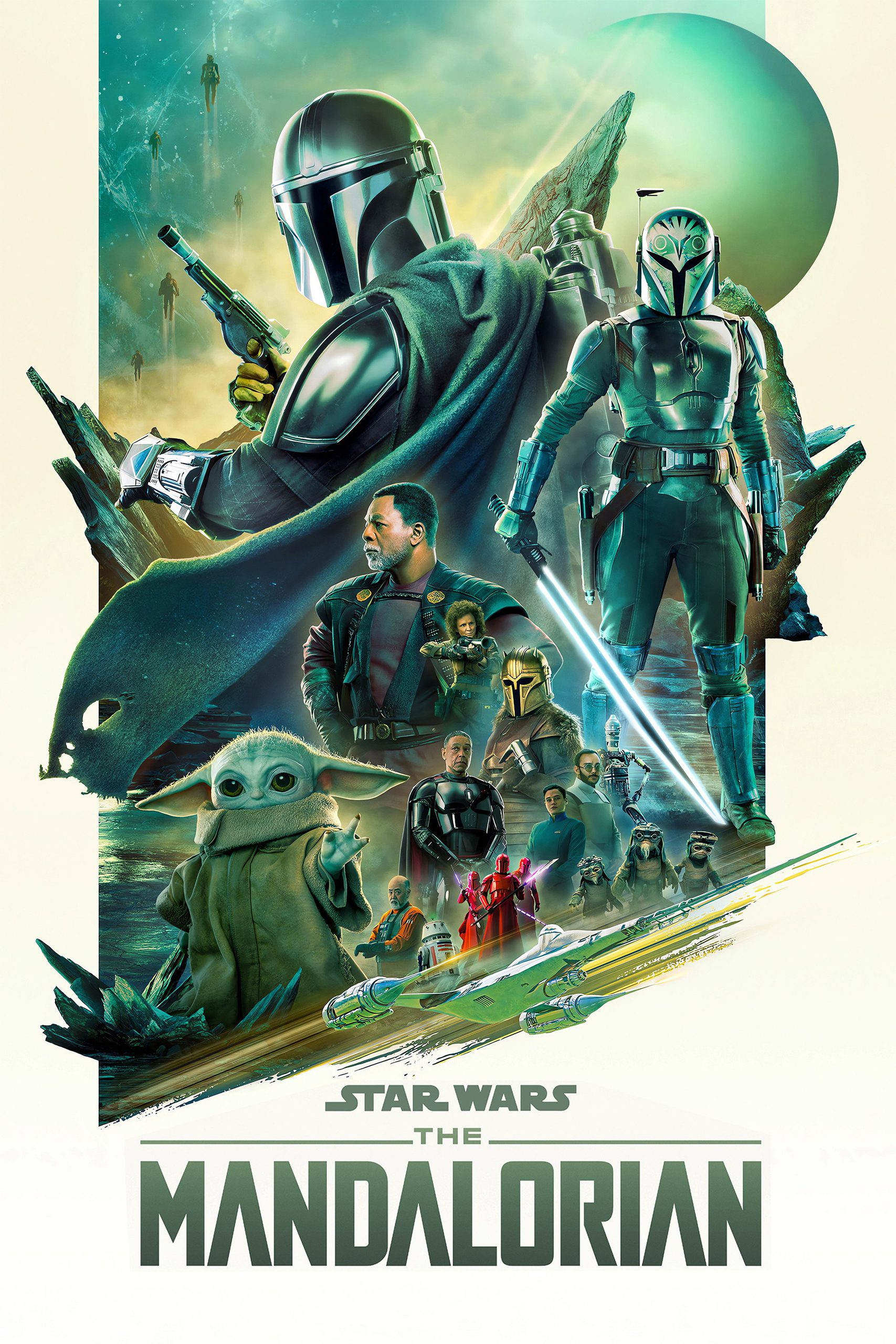
Jon Favreau’s The Mandalorian is a good space western with a frustratingly elusive leading man. Its opening adventures keep the business of bounty hunting straightforward enough to follow without extensive preparation. A hunter, a guild and a succession of assignments give the series a useful shape, while its western and samurai influences supply an immediately recognisable rhythm. We recommend it for that directness, with reservations about how much there is to discover beneath the mask.
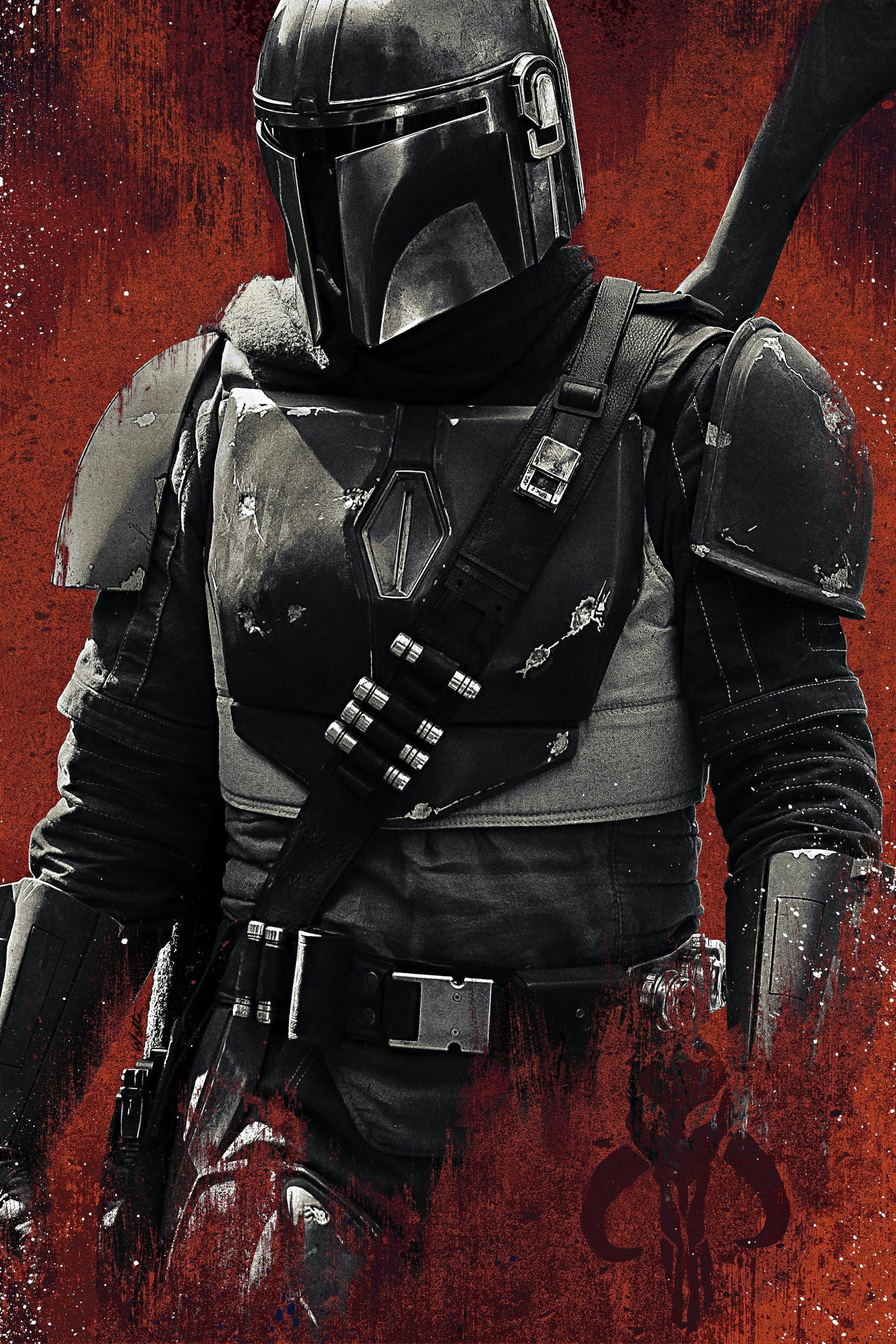
Pedro Pascal makes the Mandalorian engaging through restraint, although the role gives him limited opportunities to suggest much beyond professional competence. Keeping the protagonist masked is an effective way of encouraging curiosity; it also means the writing has to work harder to make his decisions revealing. Too often, being difficult to read seems to count as sufficient characterisation. Werner Herzog, as The Client, brings a severity that suits this business of employing people to do dangerous work.
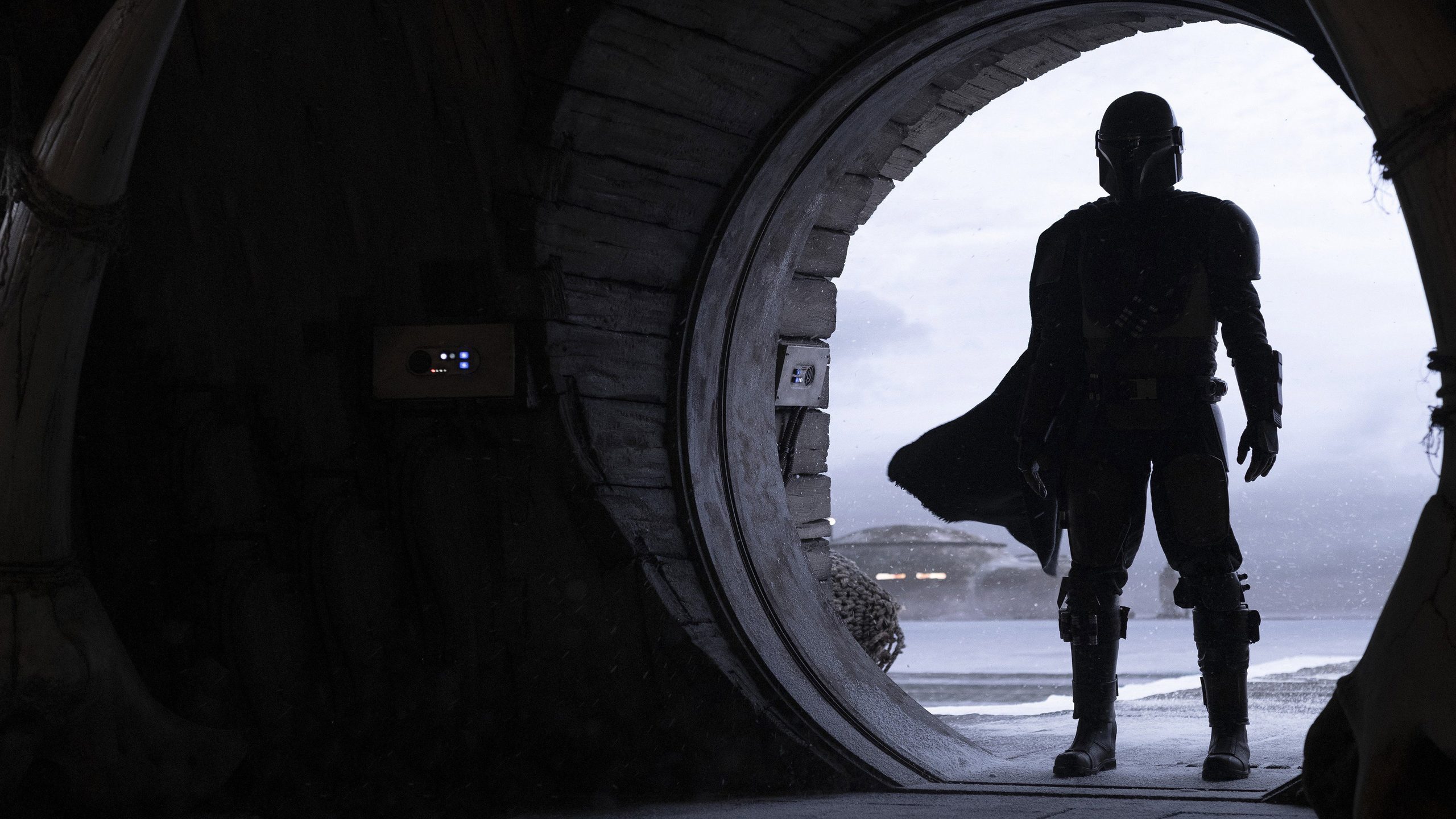
The action benefits from an emphasis on clarity, which matters more here than the scale of the surroundings. The cinematography team includes Greig Fraser and Baz Idoine, and the images give the western influence enough weight without making every encounter feel ceremonial. Production designers Doug Chiang and Andrew L. Jones help make the guild system and Mandalorian culture feel established beyond the immediate assignment. There is pleasure in encountering a place whose inhabitants seem to understand how it works. The series is persuasive when it lets that familiarity go unexplained.
The editing, with Andrew S. Eisen and Dana E. Glauberman among those credited, gives the early adventures a briskness that suits their limited objectives. An assignment can hold our attention without requiring the fate of everything to depend on it. Ludwig Göransson’s music is particularly useful in making this approach feel distinctive within Star Wars. Its inventiveness gives the hunter’s progress an atmosphere of its own. The score contributes to the adventure rather than merely reminding us which franchise we are watching.
We laughed at the Jawas, whose comic business makes the bounty hunter’s solemnity seem rather excessive. Their presence allows the series to be playful without making its protagonist suddenly become a comedian. That is a useful distinction in an adventure built around such a guarded figure. The humour gives the action some variety and makes the surrounding population worth noticing, rather than treating everyone as another obstacle to the next assignment.
The weakness is that a well-staged assignment does not always leave much to think about afterwards. Favreau’s writing establishes a workable profession and an intriguing culture, but those achievements cannot indefinitely substitute for a more particular person doing the work. In the thinner passages, technical competence carries scenes whose dramatic purpose barely extends beyond keeping the hunter occupied. Enjoyable action is a reasonable ambition, though the emphasis on customs and belonging encourages expectations that the characterisation does not consistently meet.
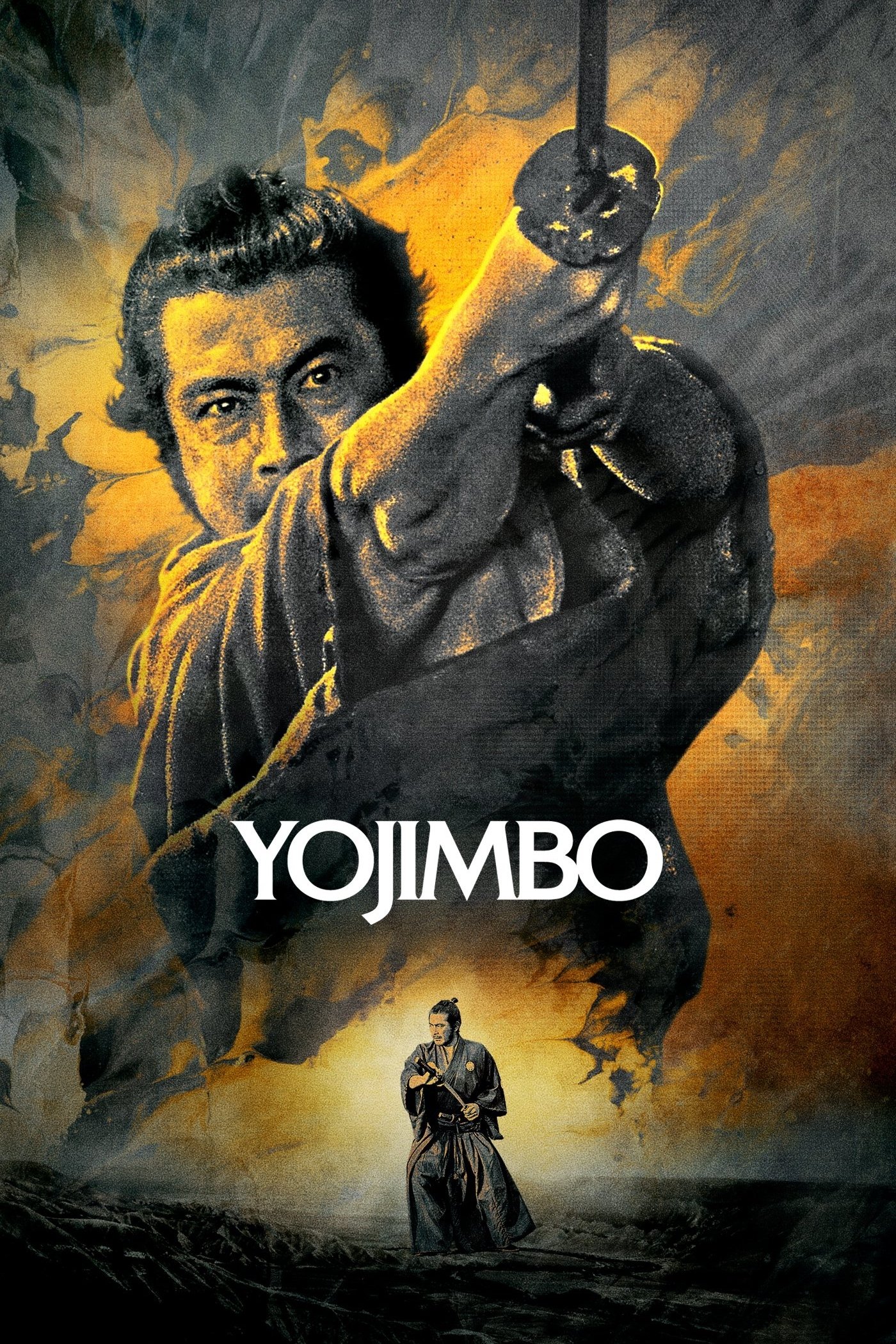
Against the westerns and samurai adventures it draws upon, the series understands the appeal of watching a capable stranger enter unfamiliar territory. It is less assured about making that stranger’s choices tell us something unexpected about him. There is enough humour and practical storytelling here to keep that shortcoming from exhausting our patience. Choose it for compact frontier adventures; allow rather longer to become attached to the man doing the travelling.