Werner Herzog’s documentary is funny, disturbing and unusually fair to a man whose love of bears outruns his judgement. The narration sometimes presses its case too hard, but Timothy Treadwell’s own footage gives us ample room to disagree.
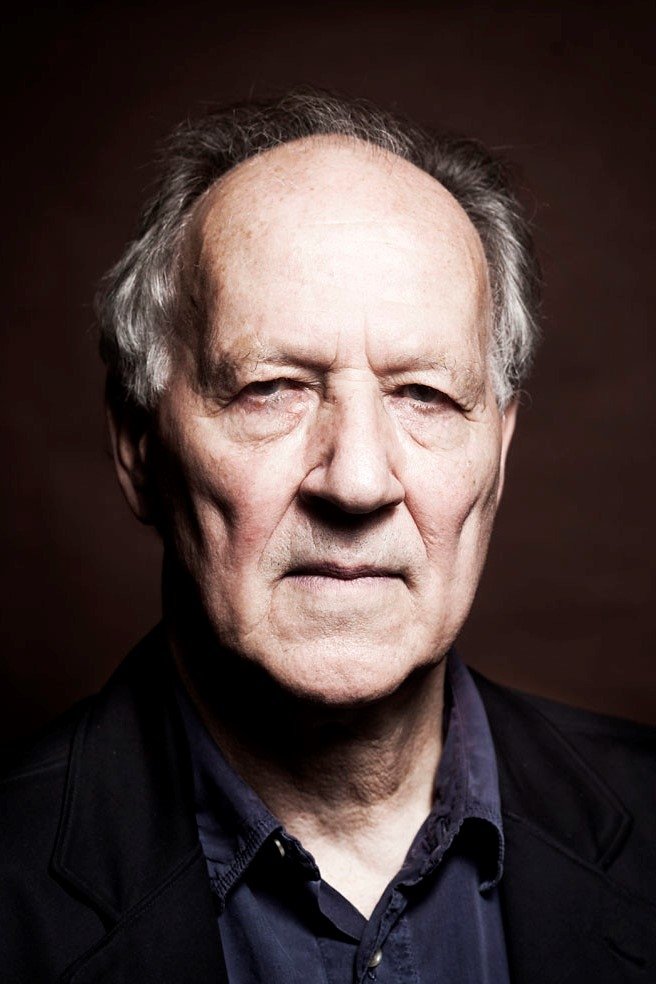
Grizzly Man is an absorbing, upsetting documentary about a man who believes he can make friends with bears. Werner Herzog takes Timothy Treadwell’s belief seriously enough to examine it, and respects the work he put into filming the animals. He also makes his disagreement with Treadwell plain through his narration. The result is funny and moving, with one persistent irritation: Herzog can sound so certain about what nature means that we begin to question his confidence too.
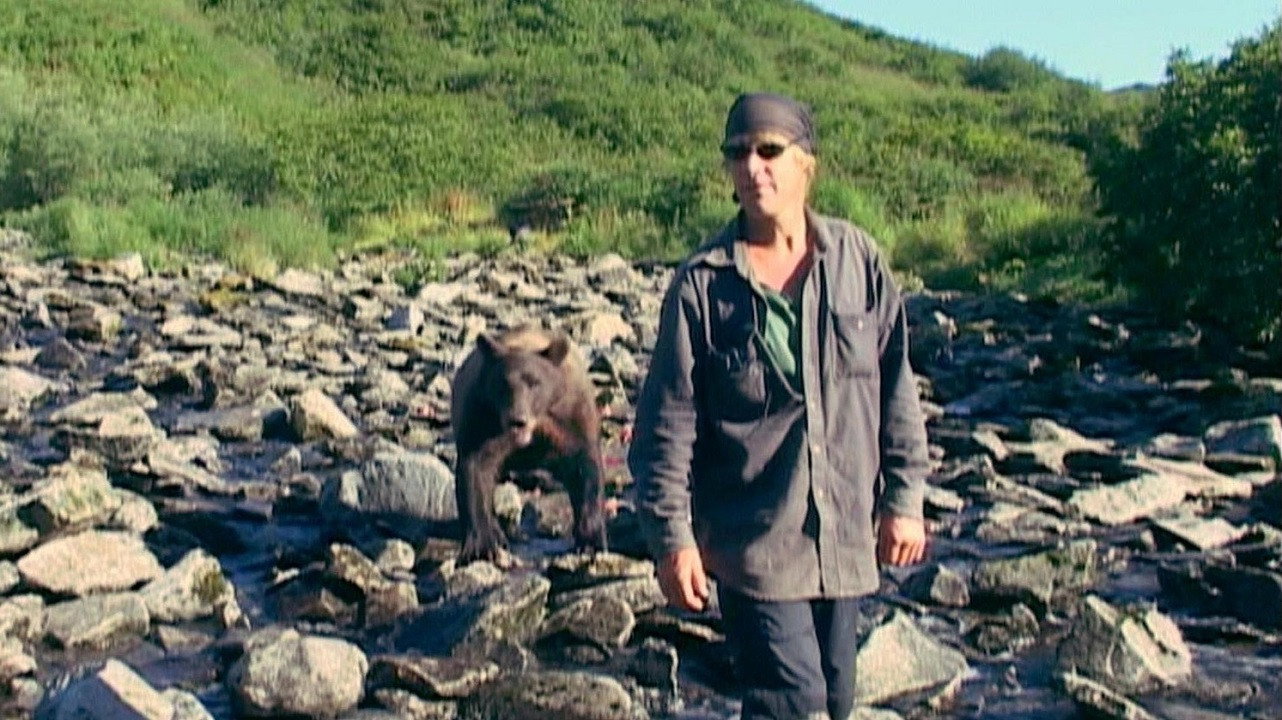
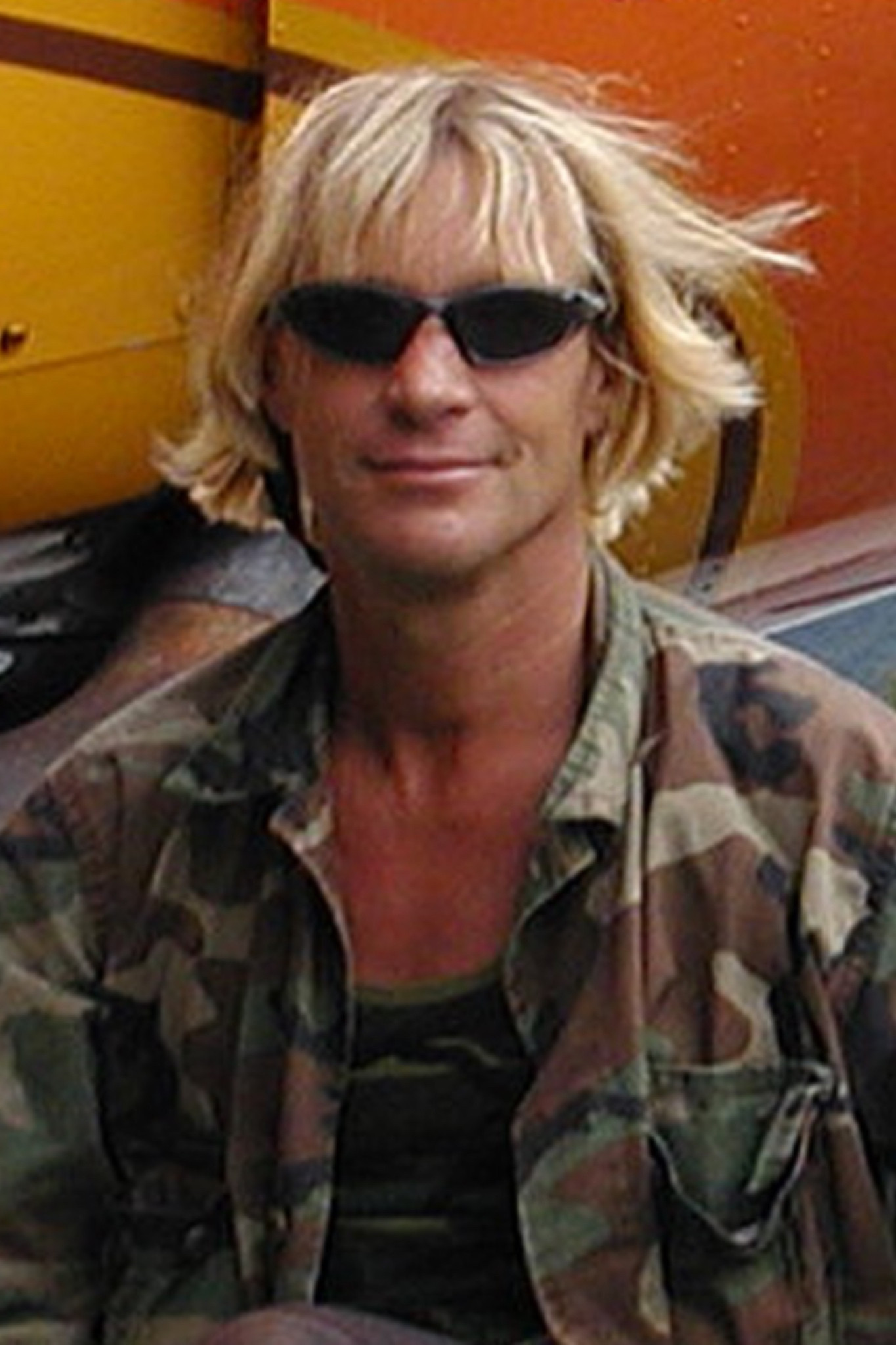
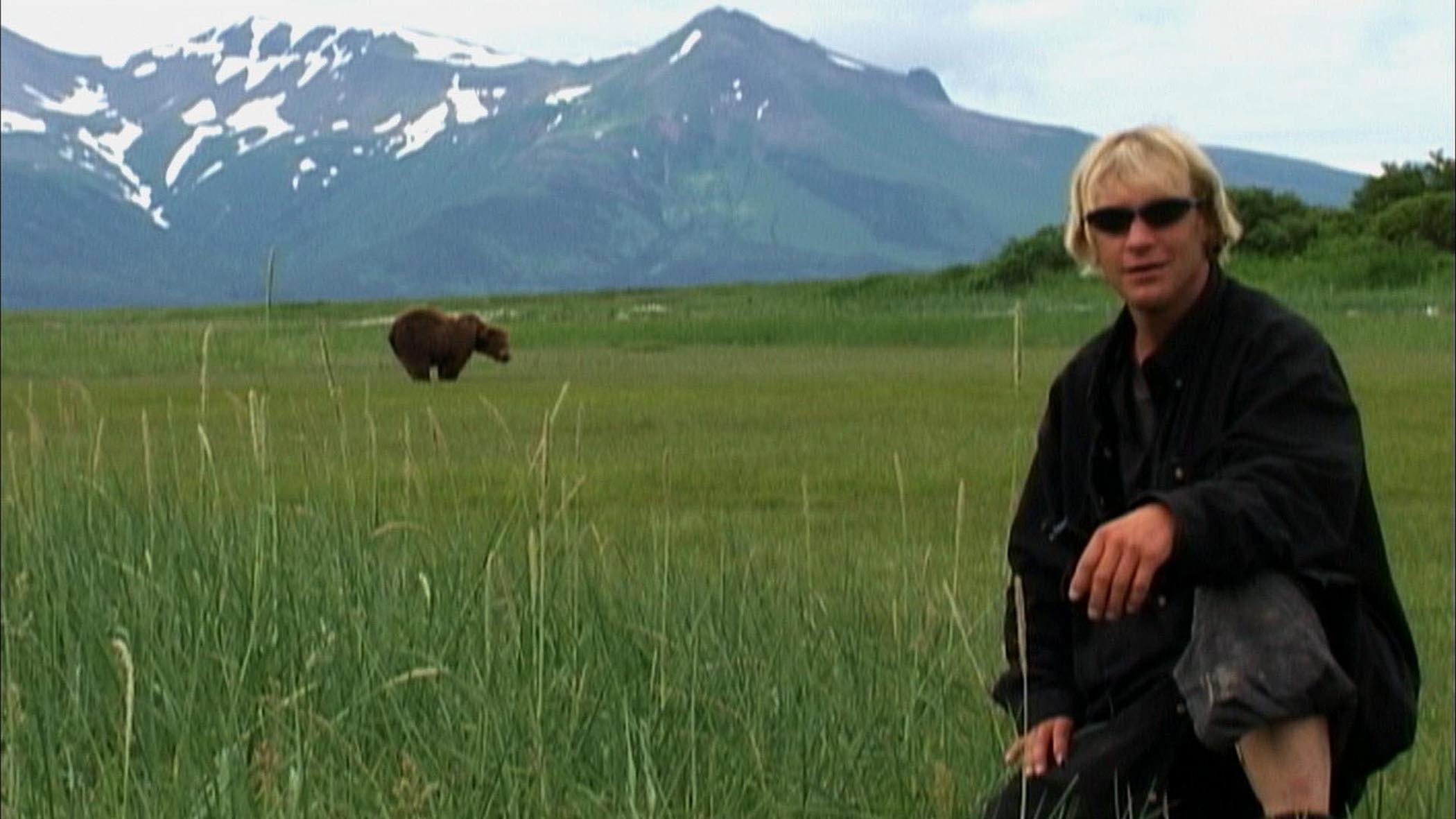
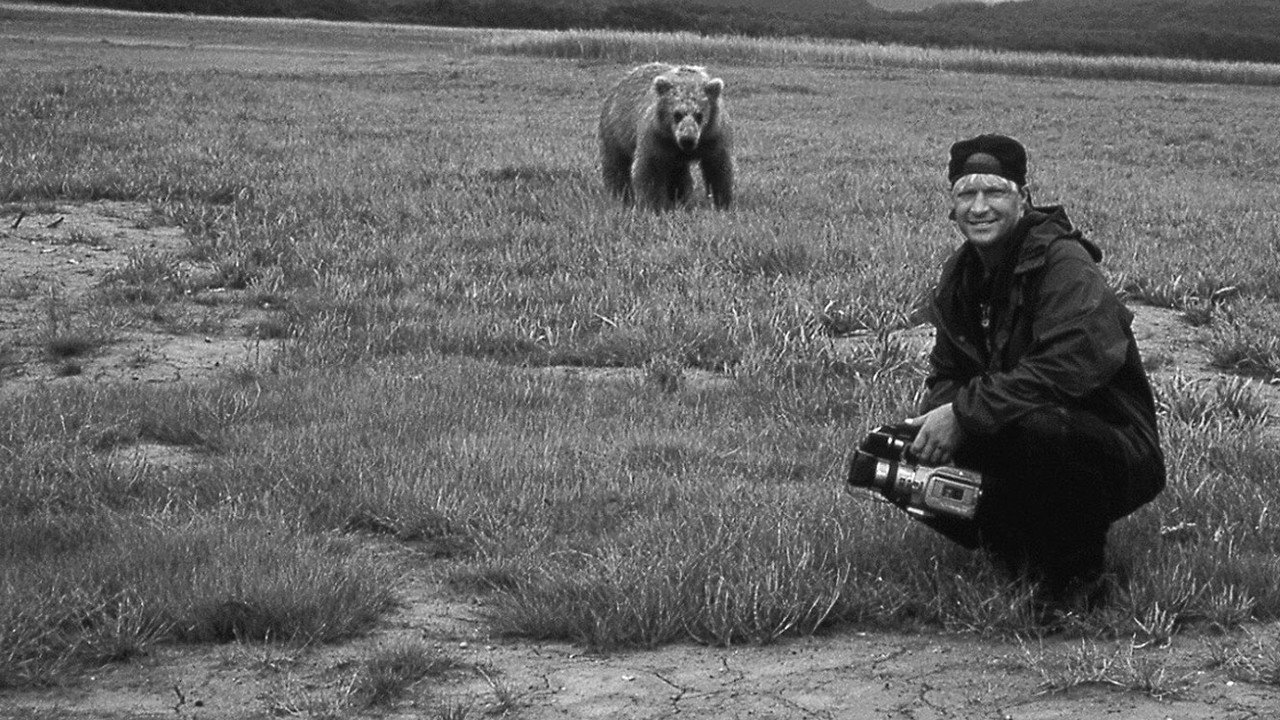
Treadwell’s own footage gives the film its force. His encounters with the bears and his speeches to the camera let us see both the animals he loves and the version of himself he wants to present. We laughed at the on-camera rants, then felt uneasy about laughing. The vehemence of those addresses makes his need to be heard painfully apparent. There is enough commitment in this filmmaking to make an easy dismissal of the man seem mean, however badly we judge his understanding of the bears.
Peter Zeitlinger is credited with cinematography, though Treadwell’s bear footage supplies the images that hold us most firmly. The wilderness is worth looking at without anyone explaining what it means, and the film gives those images their due. We can see the attraction of being there, which is necessary if Treadwell is to remain comprehensible. The bears are allowed to be interesting creatures even when Herzog is occupied with correcting the man who films them.
Editor Joe Bini has to make a coherent portrait from a subject who is also making his own film. The movement between Treadwell’s footage, interviews and Herzog’s commentary lets one person’s account complicate another’s, without reducing the documentary to a procession of corrections. Richard Thompson’s music gives the images a feeling of reflection that works well beside the more forceful narration. Both contributions help us stay with Treadwell as a person, rather than treating every appearance as another opportunity to identify his mistakes.
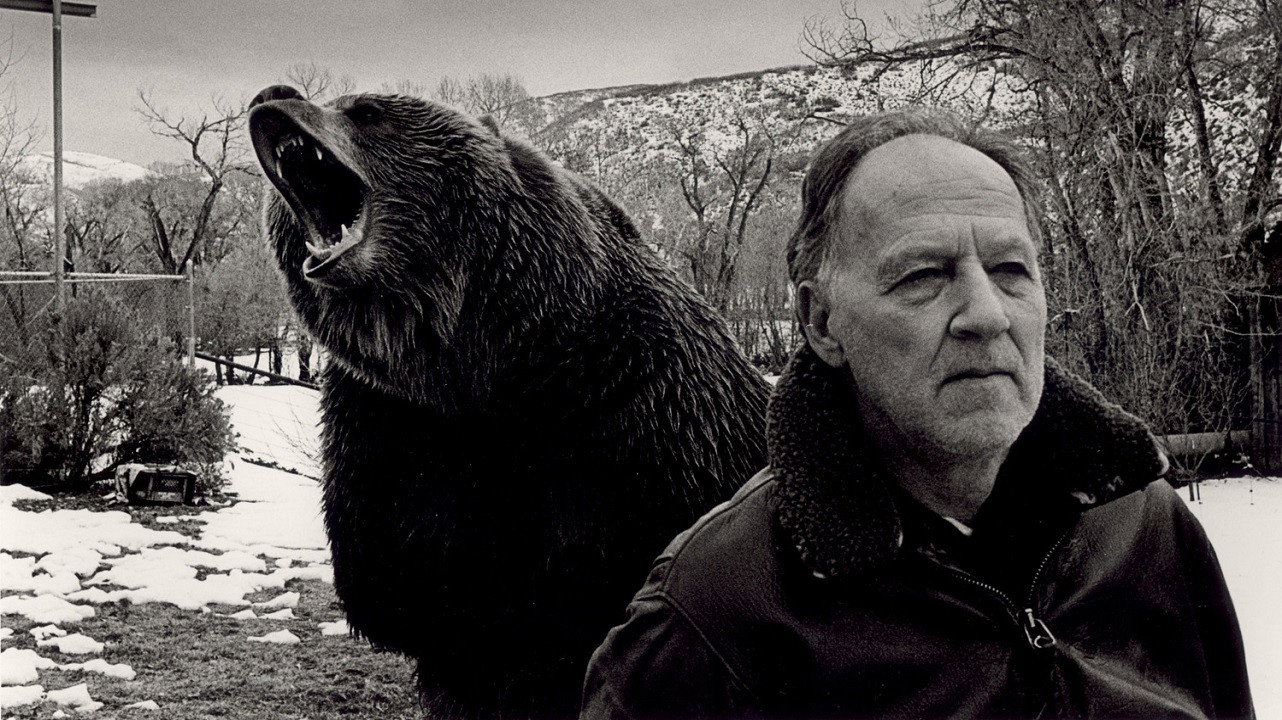
The narration is where the film occasionally narrows. Herzog’s bleak understanding of the natural world is clear, but he returns to the disagreement often enough to make it feel settled before we have finished looking. Treadwell’s sentimental view deserves scrutiny; it does not make every stern pronouncement that follows equally convincing. There are moments when we want Herzog to leave the footage alone. His subject’s contradictions are sufficiently apparent without having each of them explained.
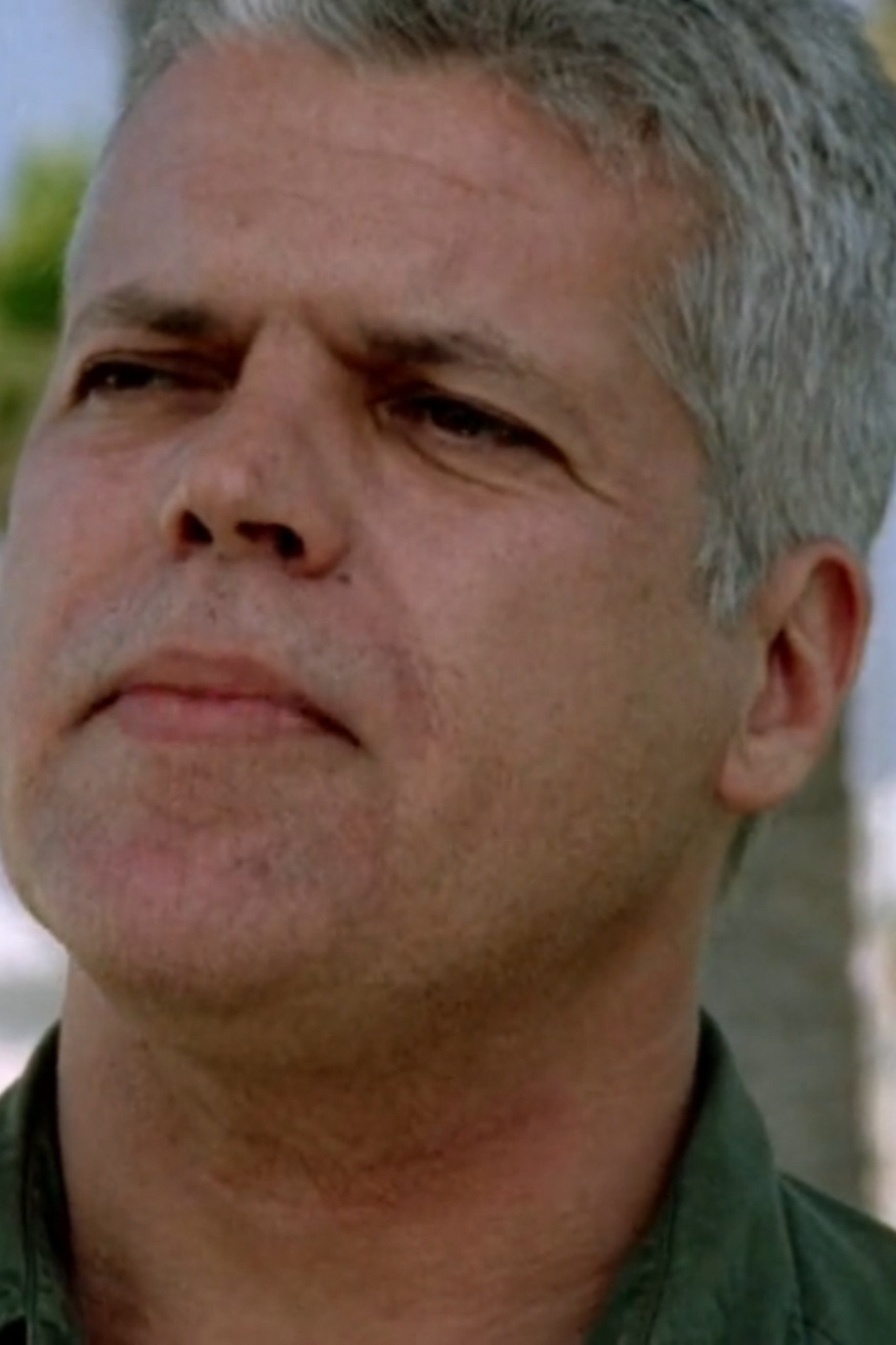
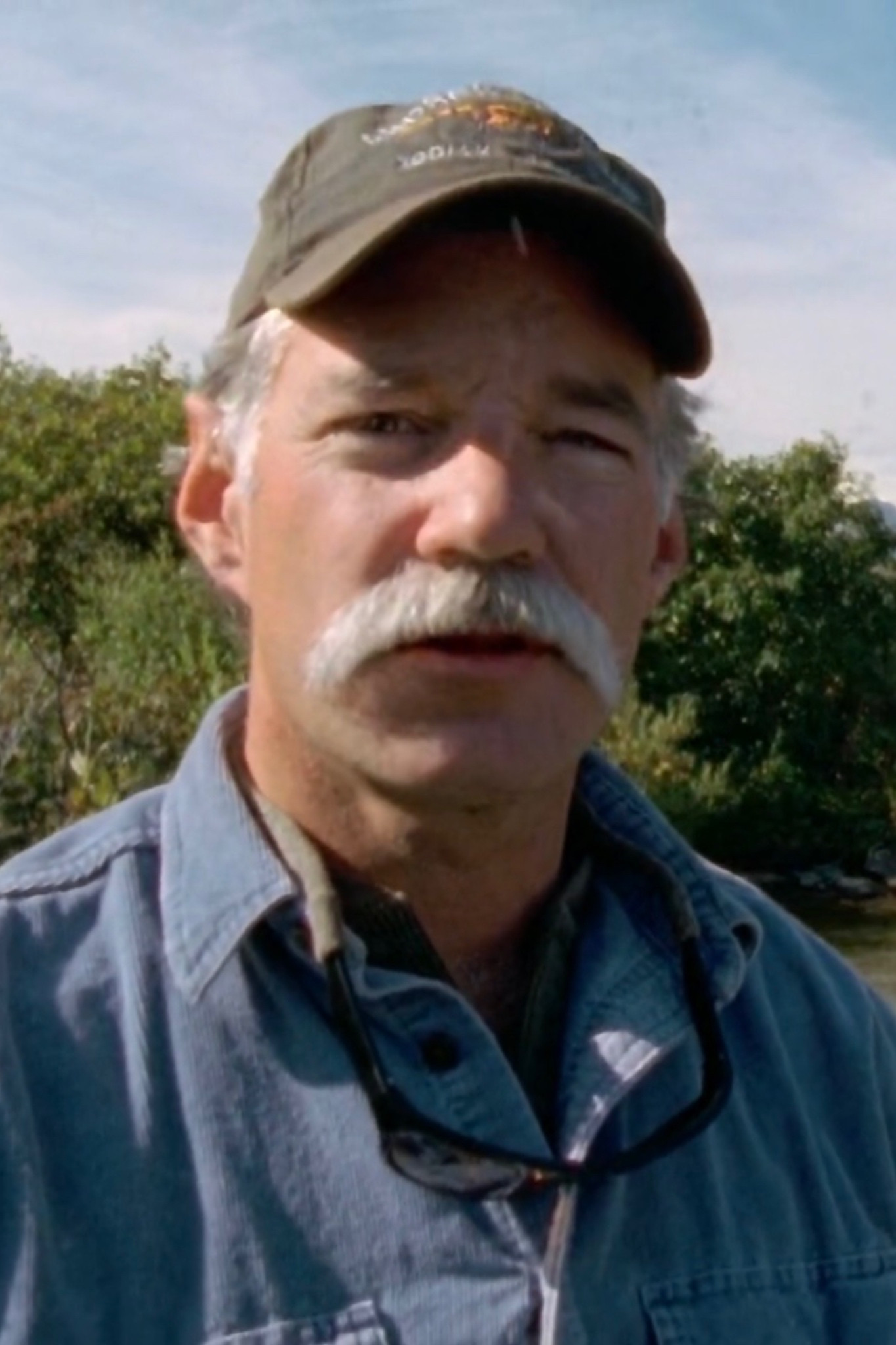
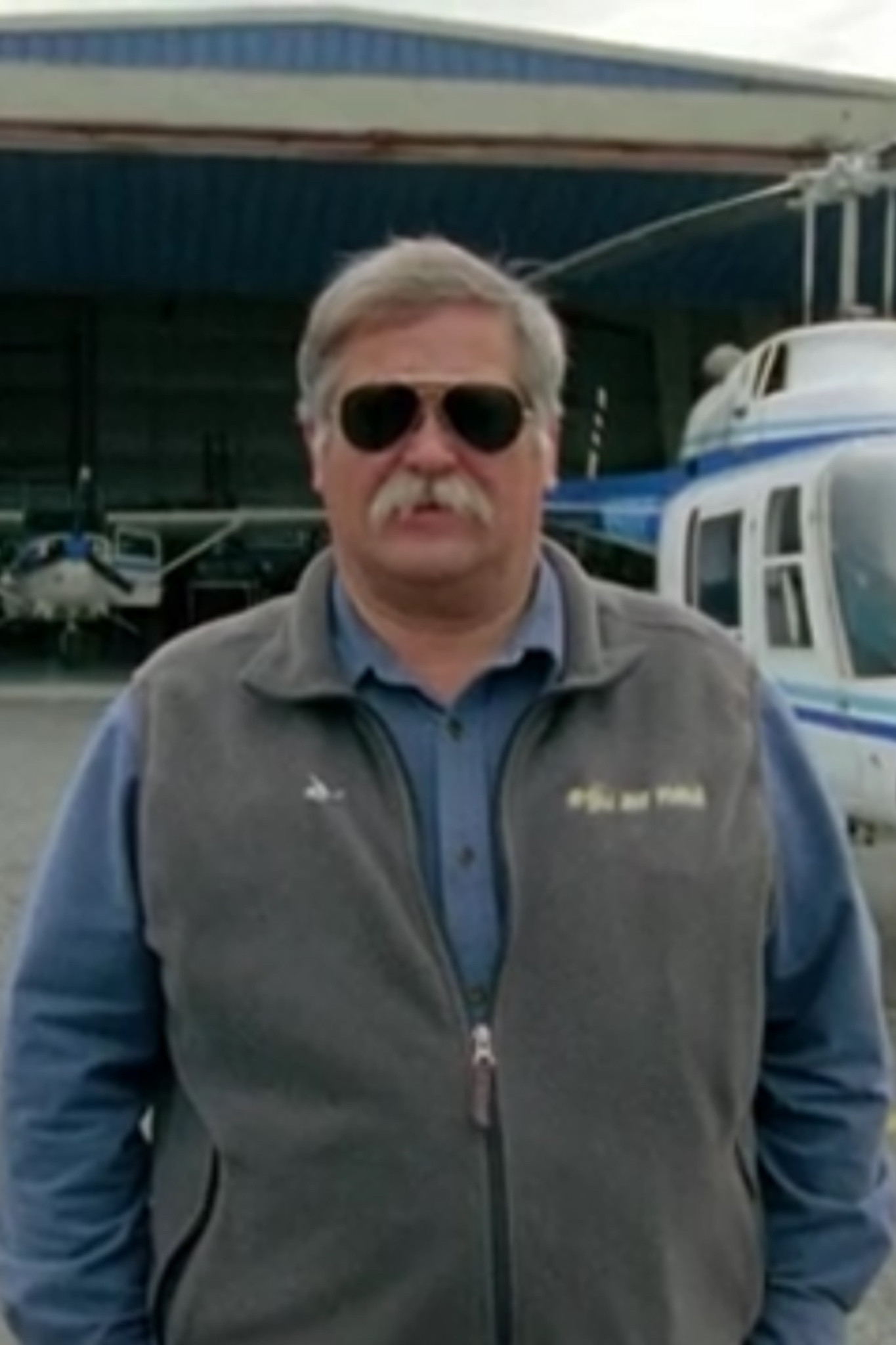
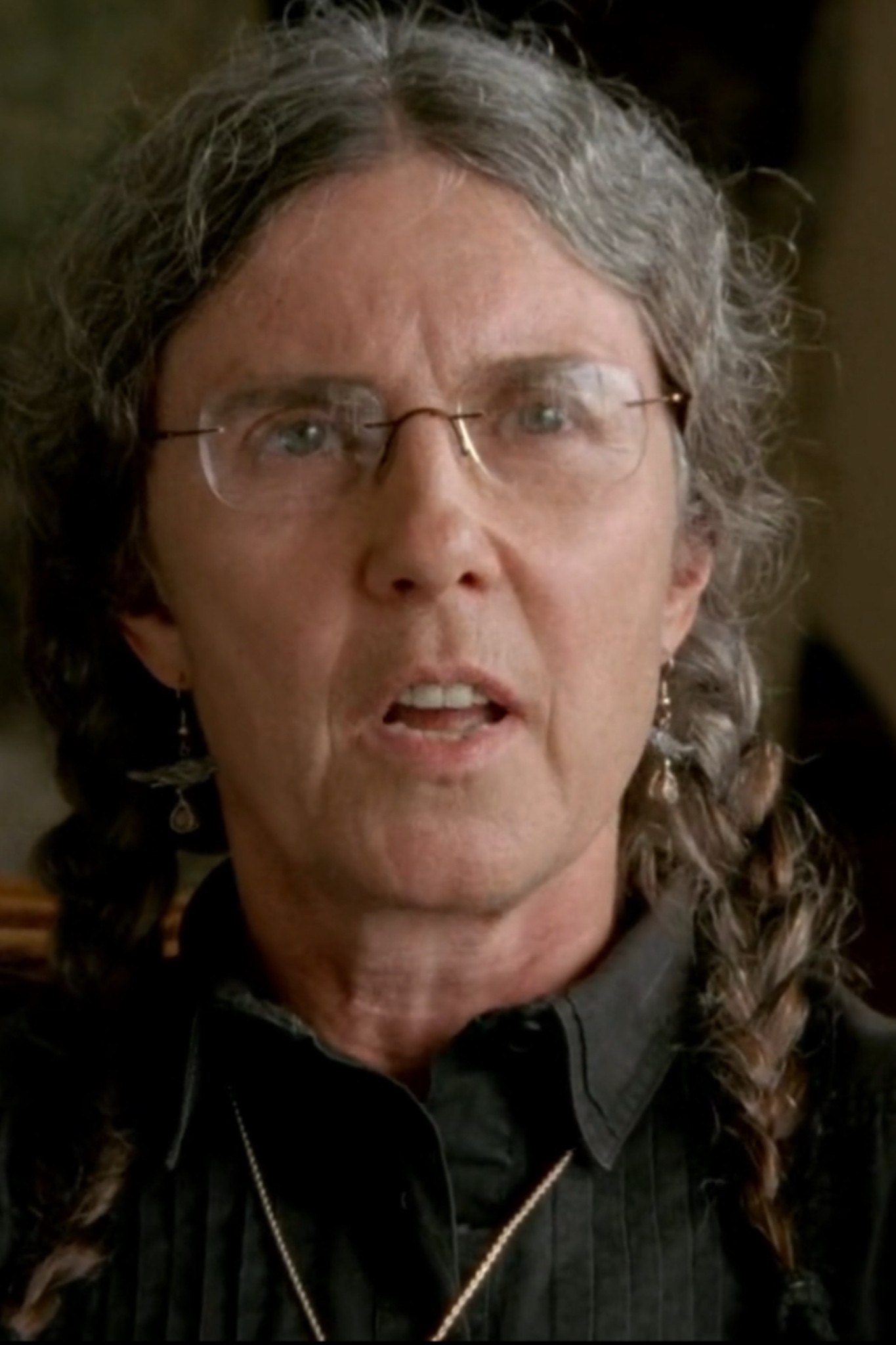
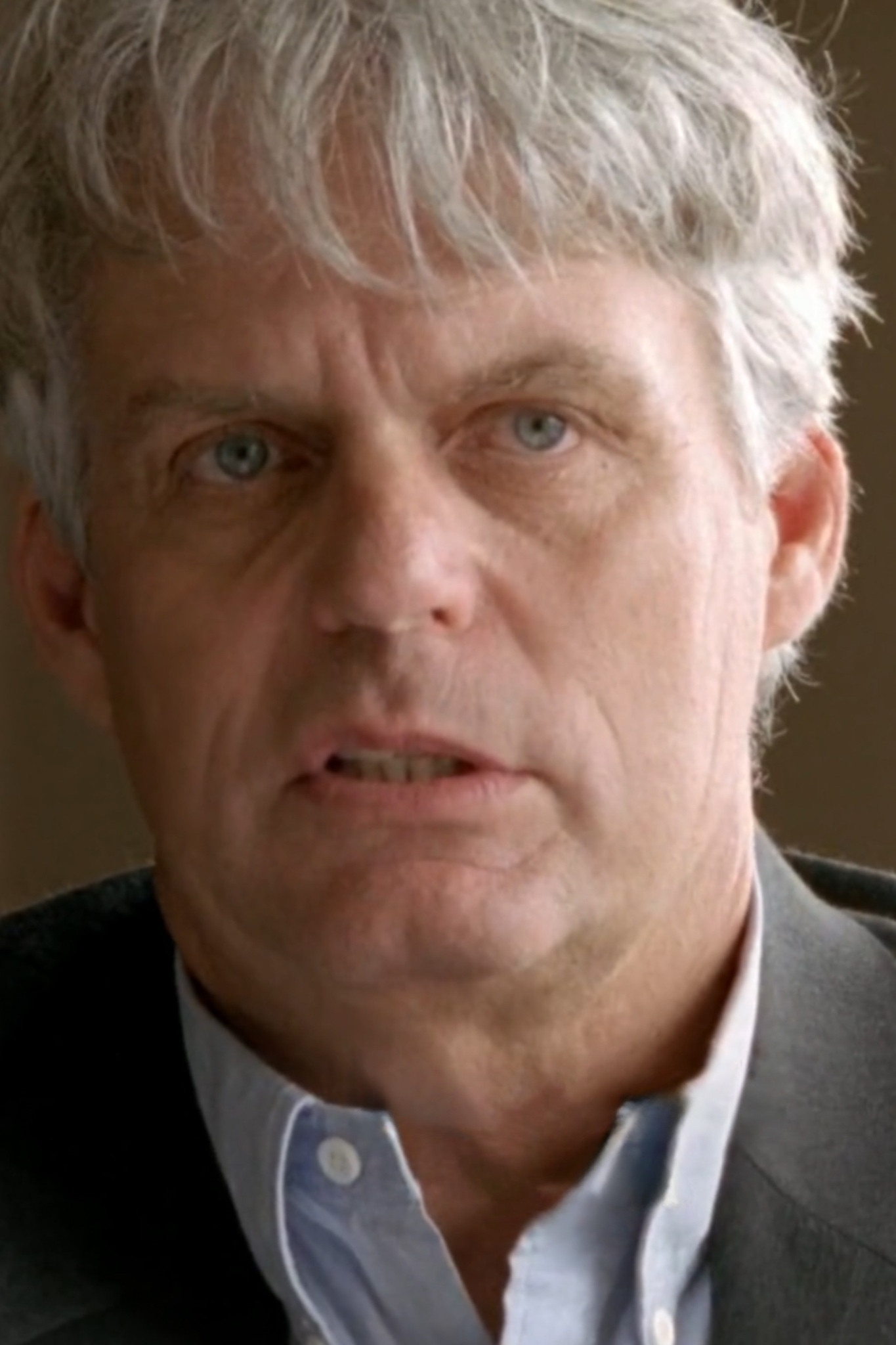
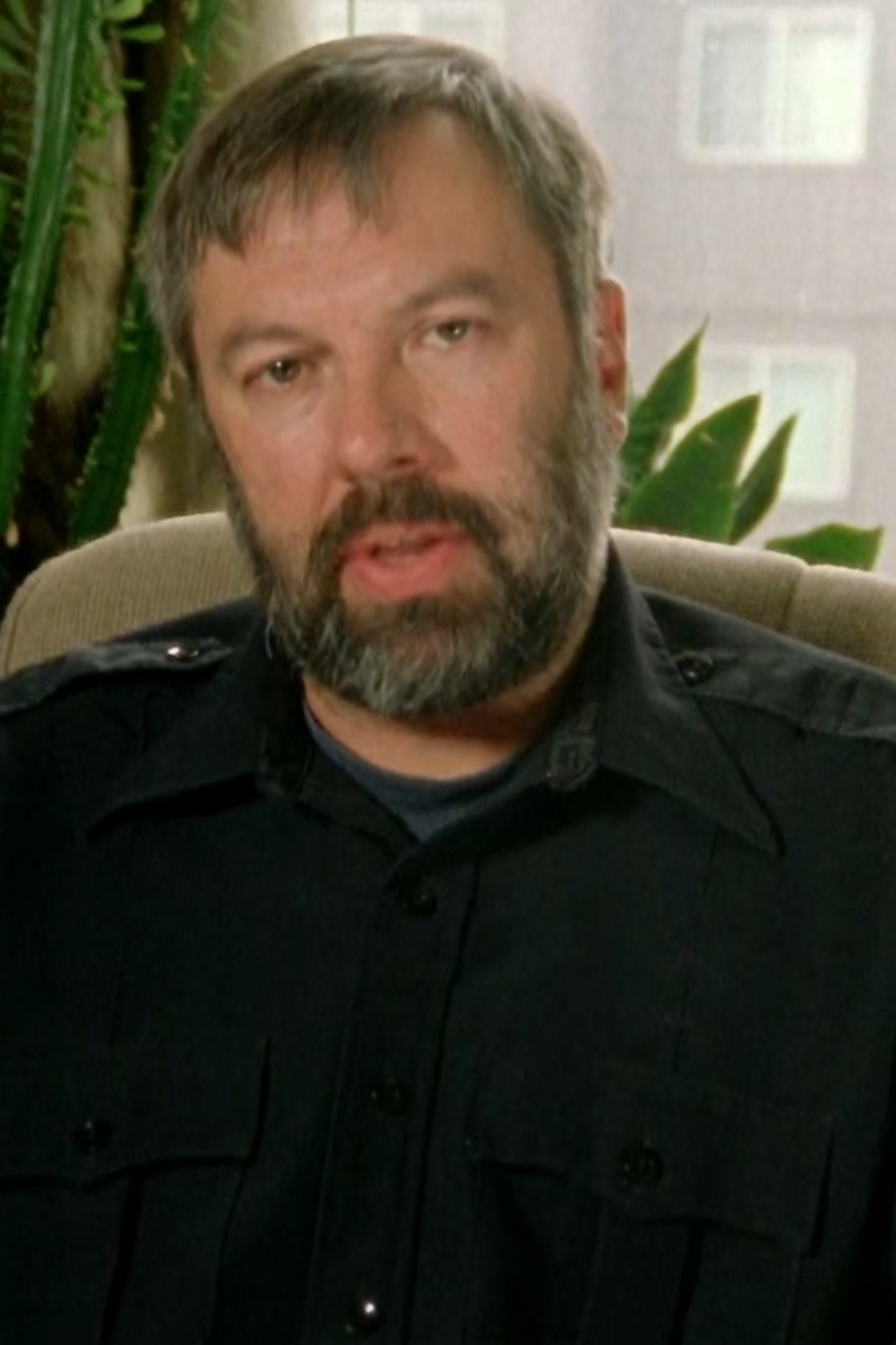
The interviews matter because Treadwell does not get to define himself entirely. Close friend Warren Queeney and bear biologist Larry Van Daele bring different relationships to the subject, broadening a film that could have become a prolonged disagreement between two men. Herzog leaves enough room for affection to survive the scrutiny. Within the nature-documentary form, the unusual source of interest is the human being deciding where to point the camera, and the things he hopes it will prove.
We recommend it with a reservation about that insistent voiceover. Anyone expecting an evening of enjoying an eccentric man’s mistakes will have a harder time than they bargained for. Some of the laughter is uncomfortable enough to make company welcome. Watch it with someone willing to argue about how fairly he has been treated.