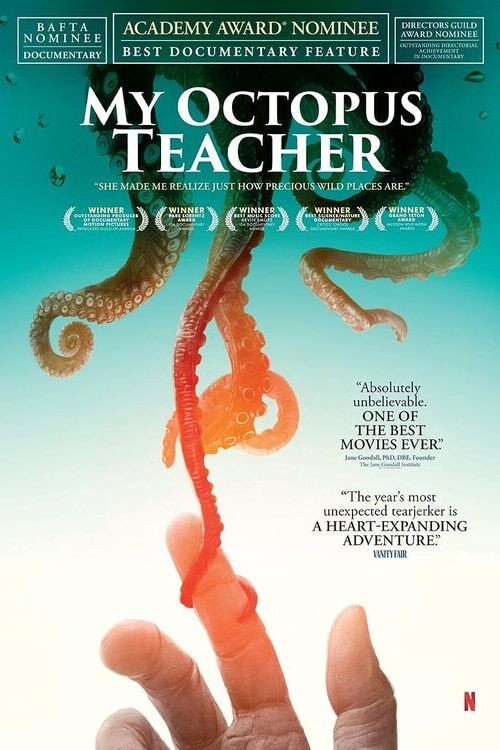
The octopus is the best thing in it, and the footage from a cold South African kelp forest is close, patient and often lovely. Craig Foster’s narration tells us what she is thinking a good deal more often than it should.
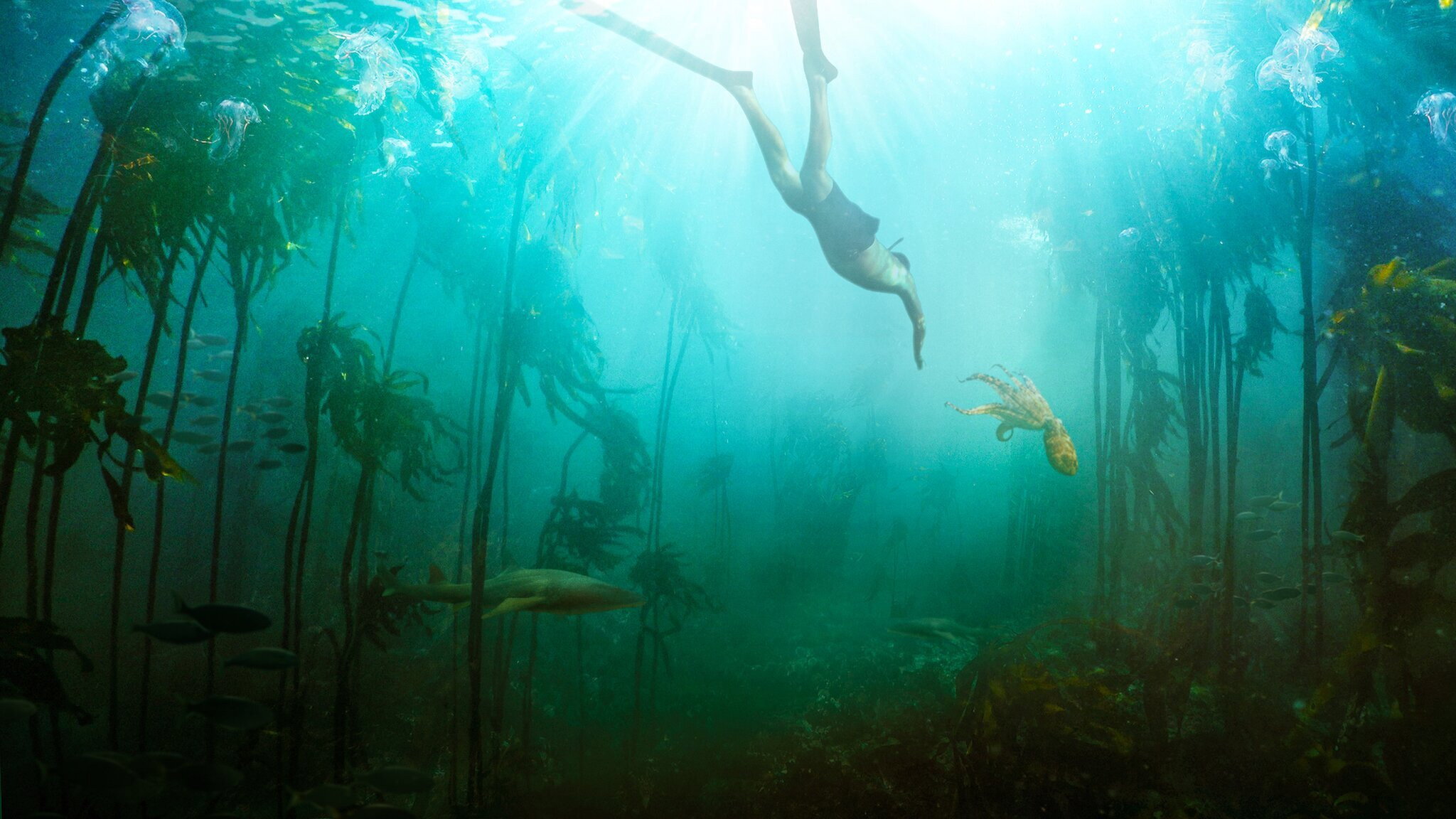
Craig Foster is a documentary maker who, by his own account, had worn himself out. He started diving every day in the kelp forest off the tip of South Africa, in cold water, and on one of those dives he found an octopus hiding on the sea floor. He decided to go back to her every day for as long as she lived. My Octopus Teacher is the record of that year, and it is good. It is also a film in which one man talks for 85 minutes about an animal that cannot answer back, and we came to wish he would let her get a word in.
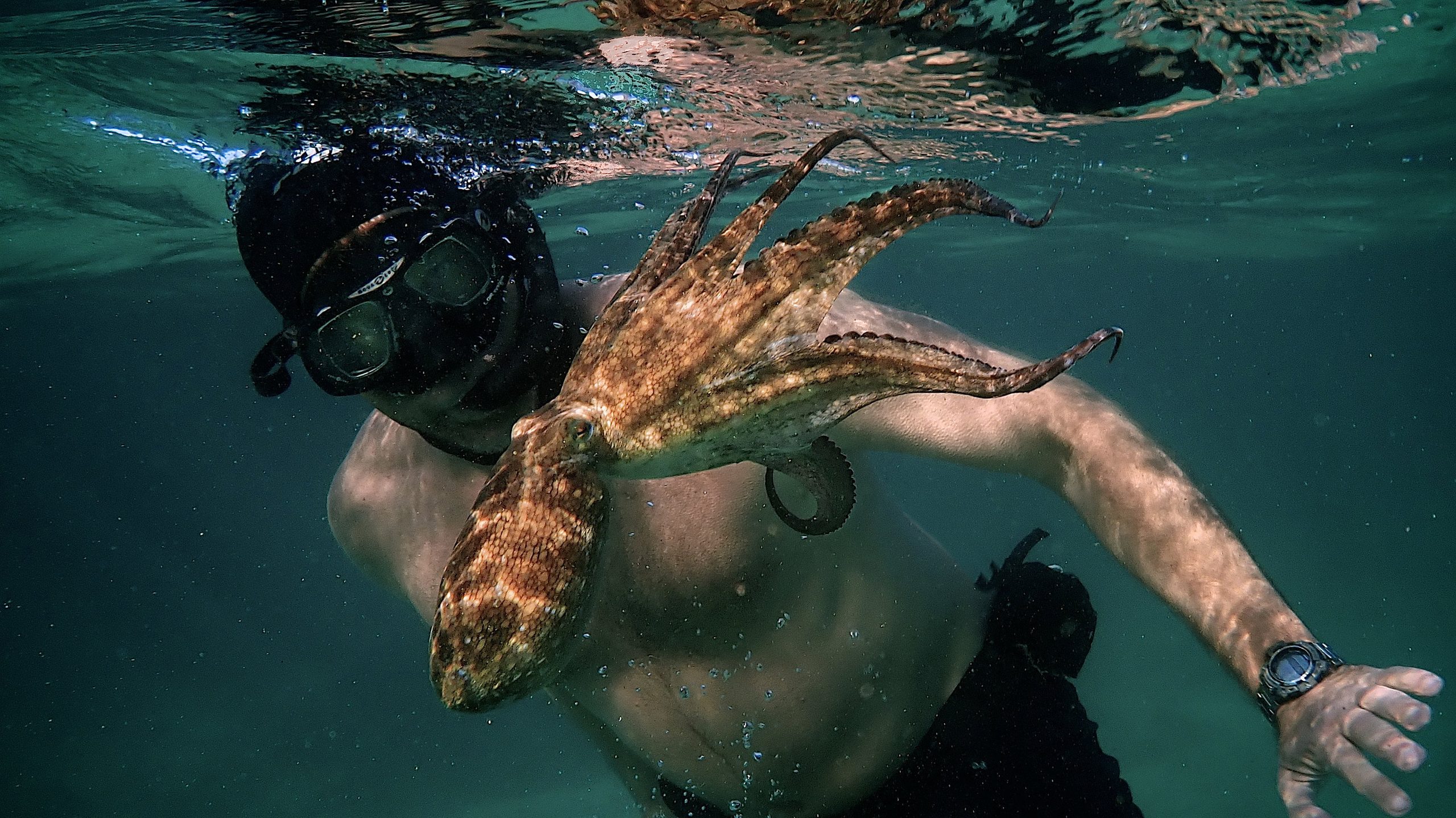
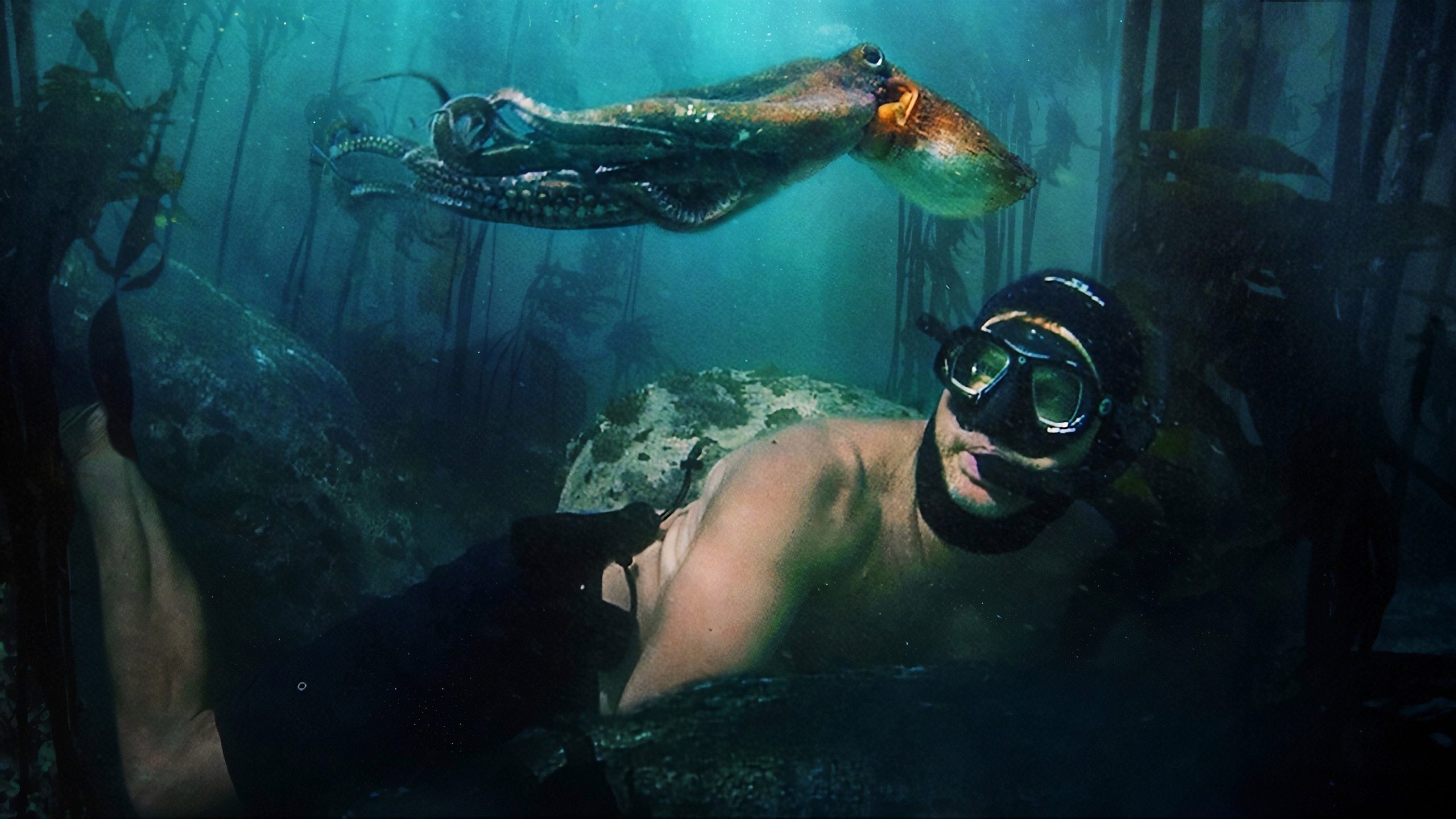
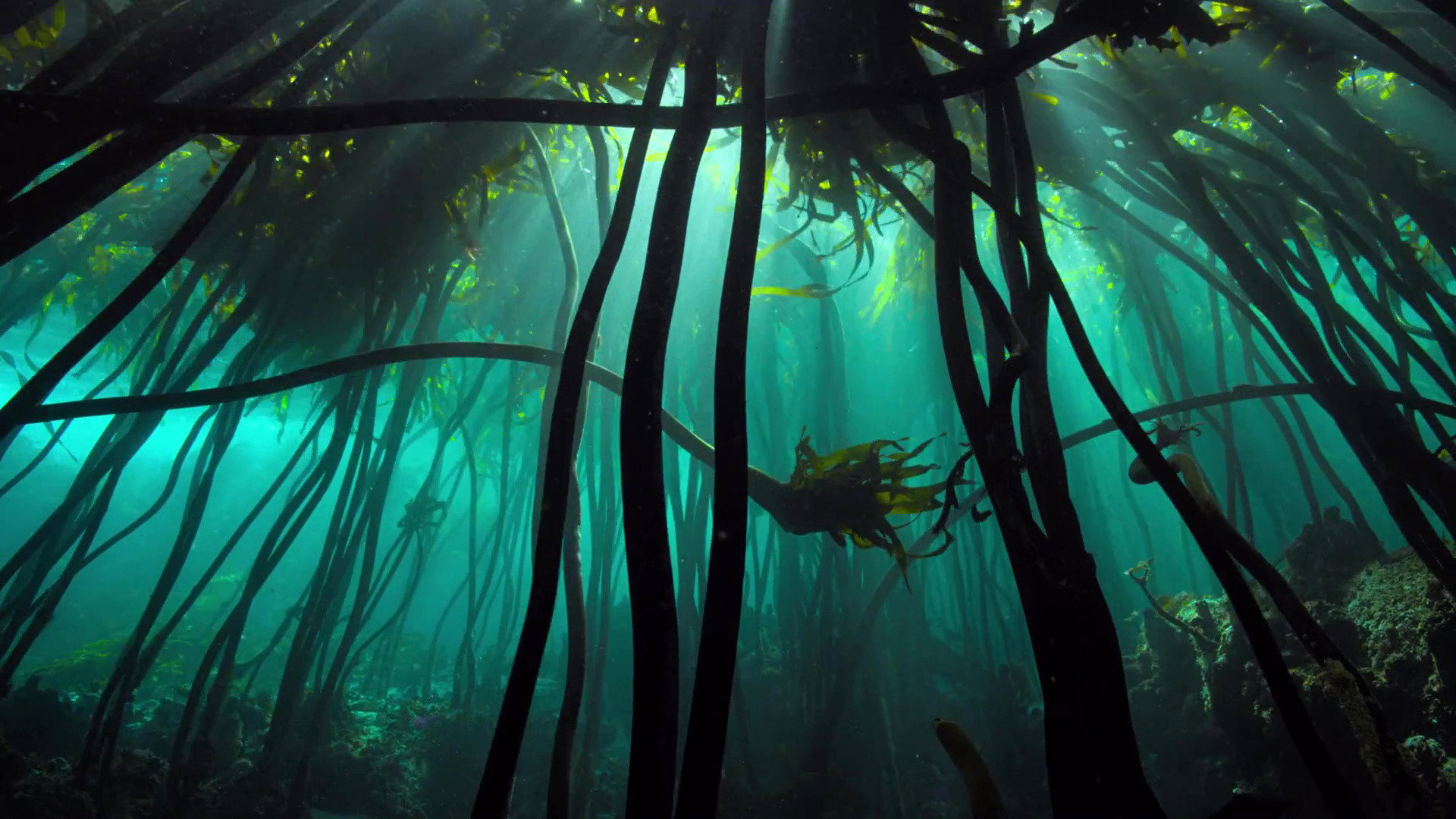
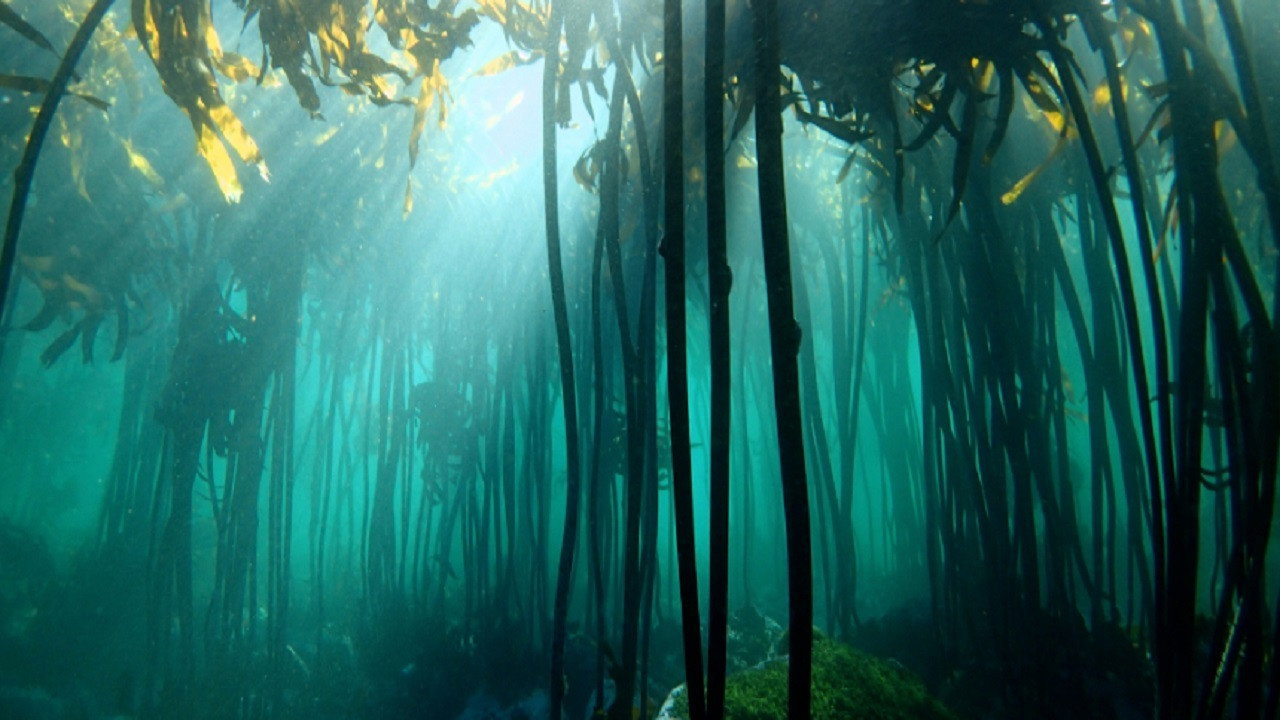
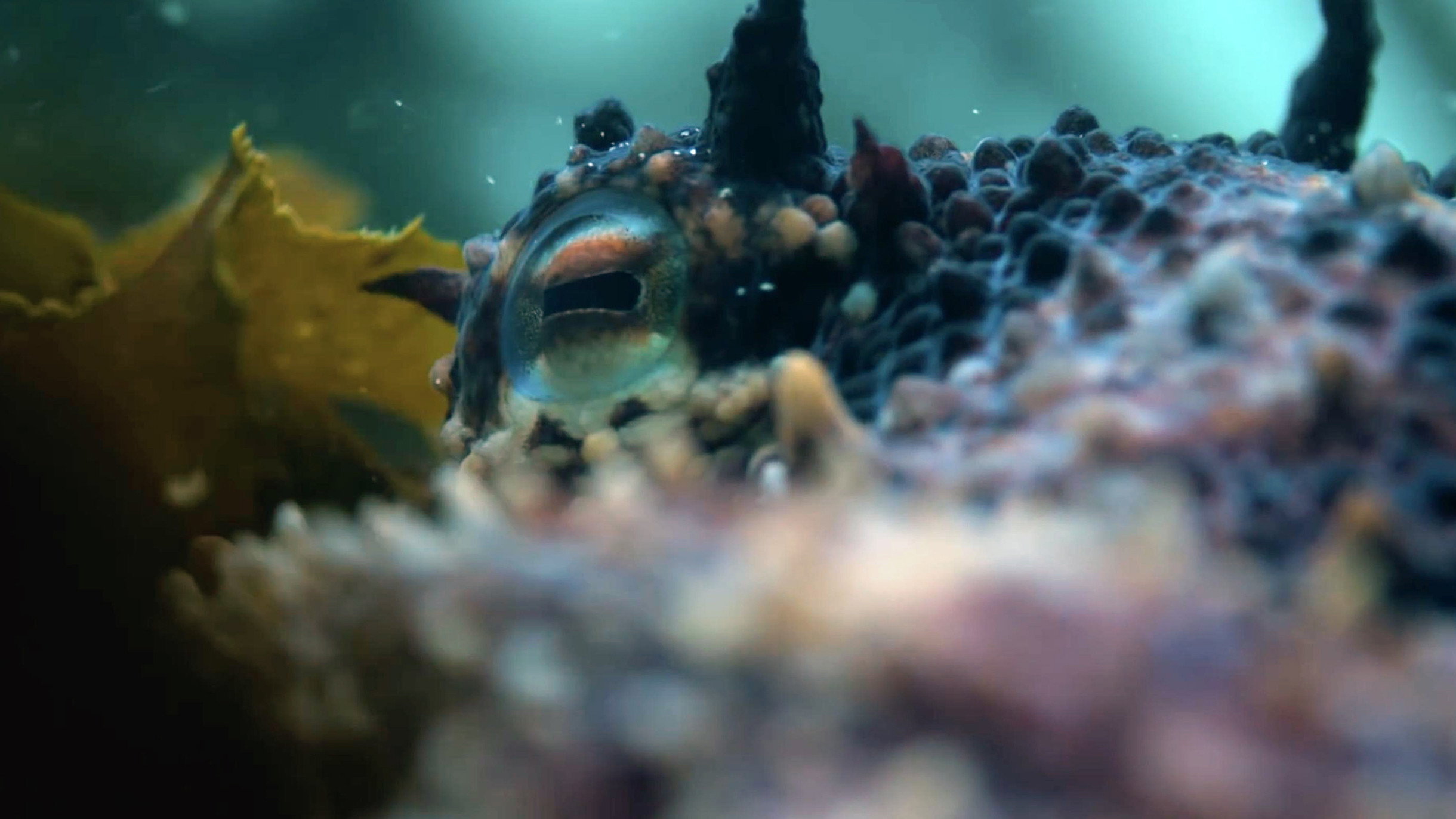
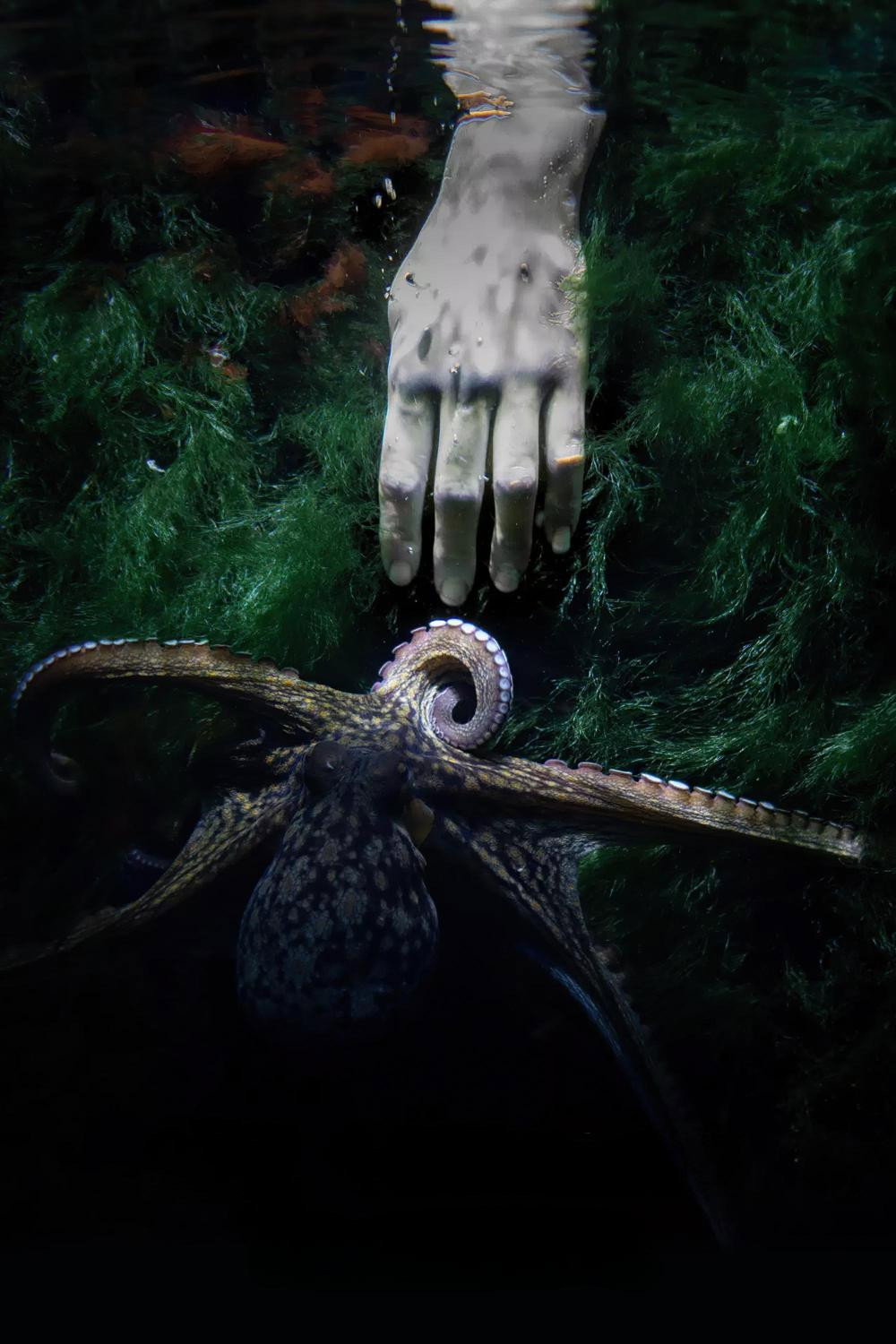
Roger Horrocks’s underwater photography is the reason to watch. The kelp forest is shot in the light that comes down through it, so the fronds move like weather and the sea floor is a scatter of shell and sand in greens and browns. The octopus is filmed from a few inches away. Her skin goes from smooth ochre to spiked and mottled in about a second; she sits inside a shell like a woman in a doorway; she walks along the bottom on two arms with the other six bundled up. When a shark comes hunting she gathers shells around herself as armour, and Horrocks holds the shot long enough for us to see her thinking about it. What happens in those encounters we will leave for the film.
There is a moment, early on, where she reaches out a single arm and lays it across the back of his hand. We were more moved by it than we expected, and we have been trying to work out why. It is partly that the camera does nothing: no cut, no push in, just a hand and an arm and the water between them. It is partly that we had spent twenty minutes watching this animal flee from everything, and she chose not to. Whatever it is, it works, and the film knows it, because it comes back to that touch again and again.
The trouble is what Foster says over it. He tells us she is curious, that she is playing, that she trusts him, that she is teaching him something about being alive. Some of that may be true. None of it is shown to be true, and nobody else is asked. There is no biologist in the film, no second voice, only Foster in a dark room facing the camera and Foster over the pictures, and after a while every shot arrives with its meaning already attached. Kevin Smuts’s score does not help. It is piano and strings, and it climbs every time Foster reaches the end of a thought, so that the octopus is never allowed to simply be an octopus for long.
Pippa Ehrlich and Dan Schwalm had 3,000 hours of footage to cut, and the shape they have found is clear and easy to follow: a year, a season at a time, one animal at the centre of it. Where the editing is less sure is on land. The film wants to be about Foster’s recovery as well as about the octopus, and it says so, but the depression is described rather than seen and Tom Foster appears mostly towards the end, as a way of tying the two halves together. It is honest about being a film about a man. The title says otherwise.
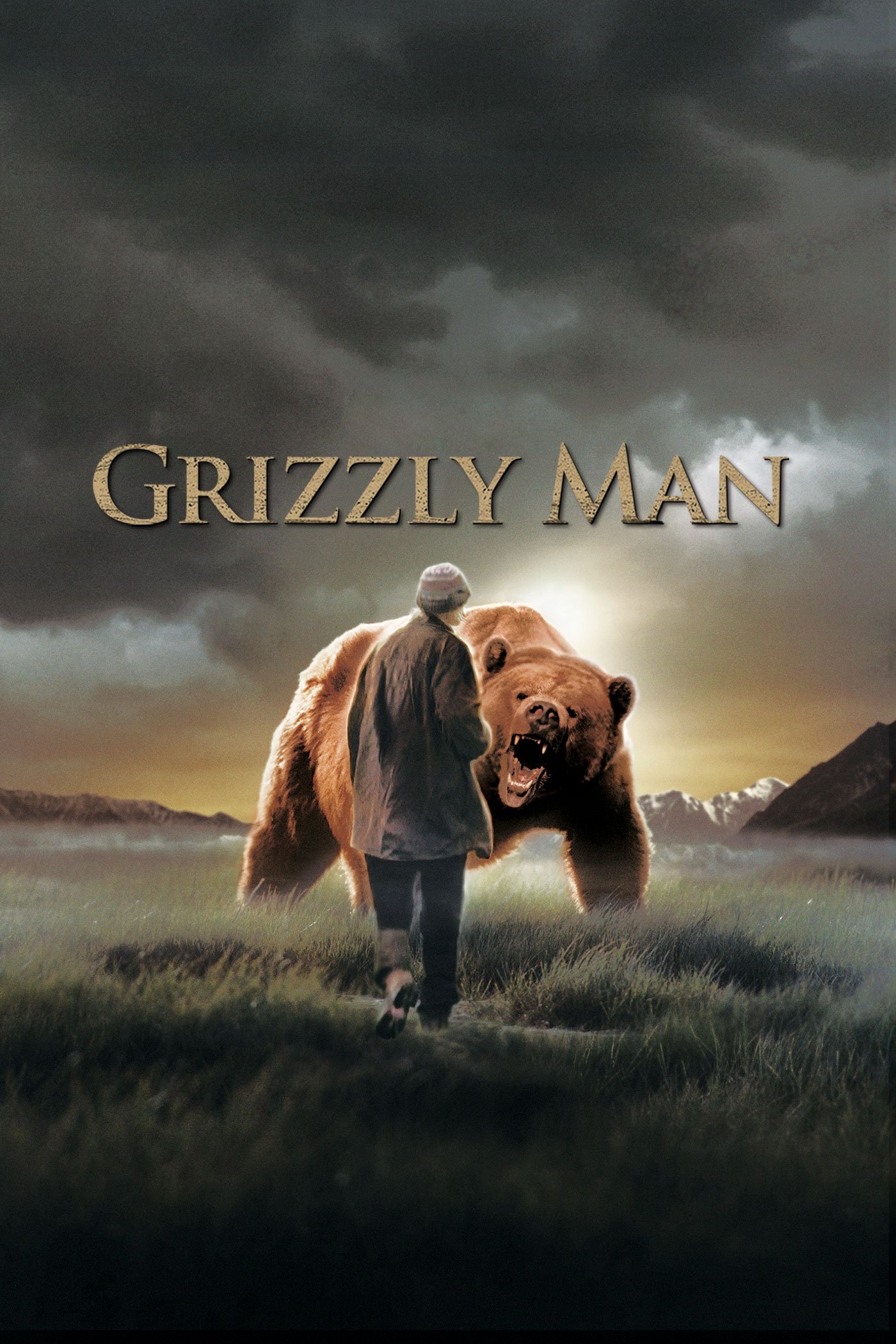
Nature documentaries usually come with a narrator who knows more than we do. This one comes with a narrator who knows only what he has seen, and that is both its strength and its limit. Werner Herzog’s Grizzly Man (2005) is the obvious comparison, a film about a man who loved animals more than was good for him, and Herzog was careful to keep his own doubts in the frame. Ehrlich and James Reed, who direct, give Foster the last word on everything. He is a likeable man and he has done a remarkable thing, going into that water every day for a year, but we finished the film knowing a great deal about how he felt and rather less about her.
Watch it on the biggest screen in the house, with the volume a notch lower than usual. The octopus is worth the evening; she is one of the better leads we have seen in a while, and she never overplays. Her co-star does, a little, and he has all the lines.