Jan de Bont makes a bomb on a bus enough for an engrossing action thriller. The plot overreaches, but Keanu Reeves and Sandra Bullock give us reasons to care beyond the next stunt.
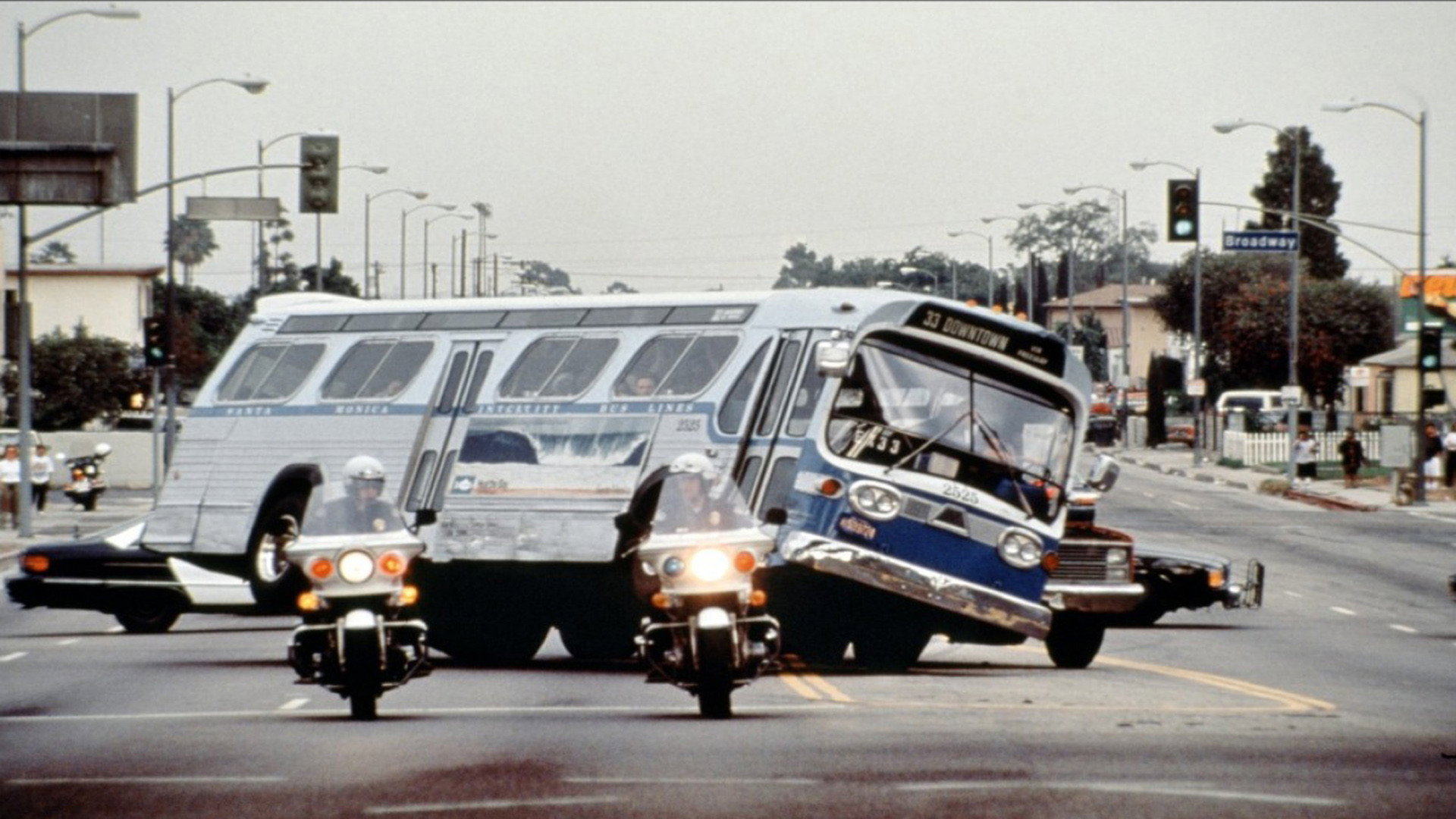
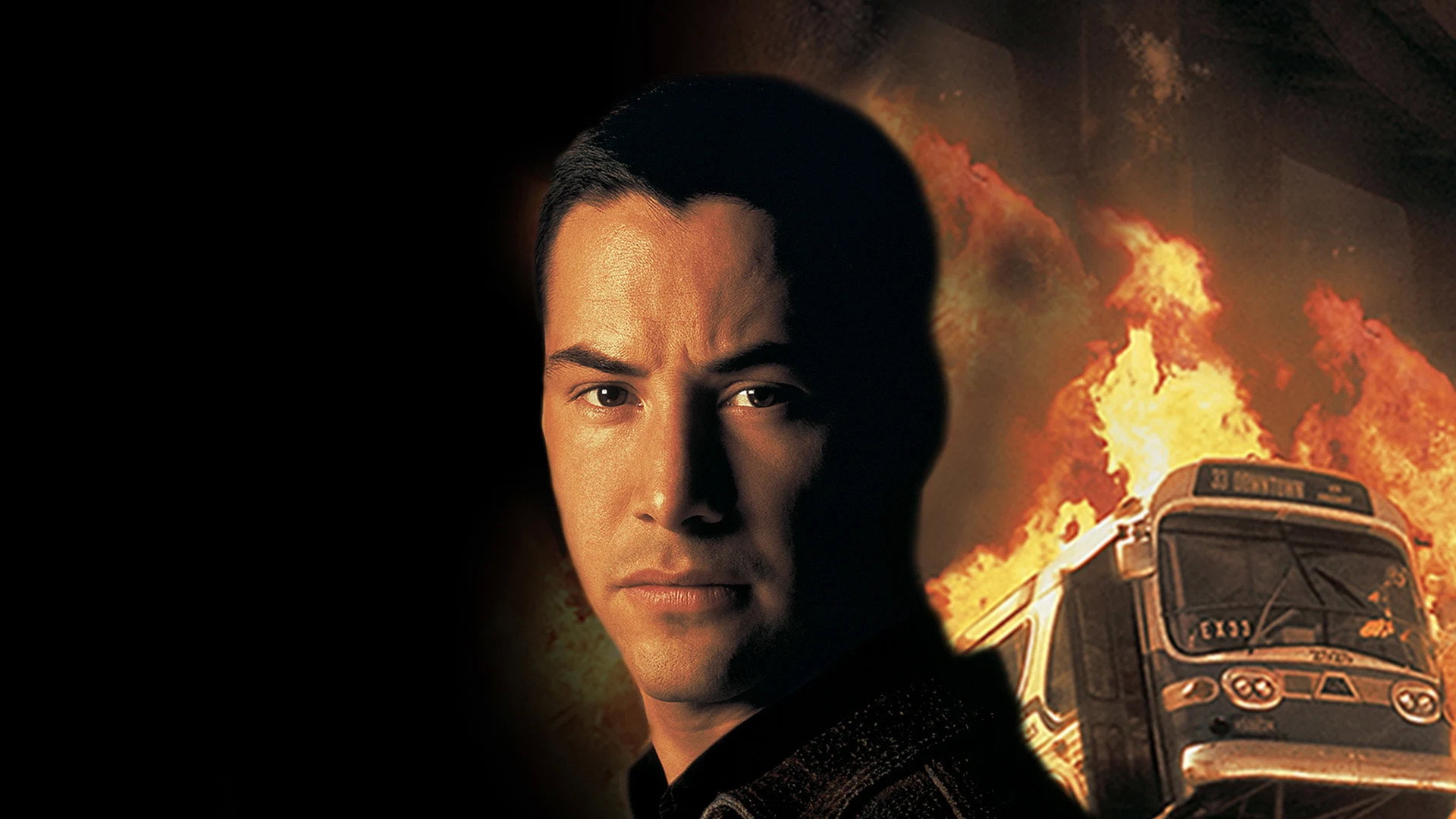
Speed is an excellent action thriller with a simple rule and enough wit to keep enforcing it without becoming tiresome. A bomb on a bus will explode if the speed drops below 50 miles per hour. Graham Yost’s screenplay gives us that condition, then makes us consider the difficulty of doing anything useful under it. Jan de Bont understands how much suspense there is in a problem we can explain in one sentence.
Andrzej Bartkowiak’s hand-held camerawork makes the movement feel unstable without making the action hard to follow. We need to understand what is happening quickly, and de Bont keeps that need ahead of the urge to impress us. John Wright’s editing maintains the pressure while giving each new difficulty time to register. The pace is fast, but the film leaves us enough attention to think about what might go wrong.
We were tense simply watching the bus keep moving. The speed limit makes continued motion frightening, because nothing about travelling fast guarantees that it can continue. That sounds like a rather basic response to a thriller, and it is; de Bont earns it by keeping the threat clear. Even when the action becomes implausible, the immediate fear remains easy to understand.
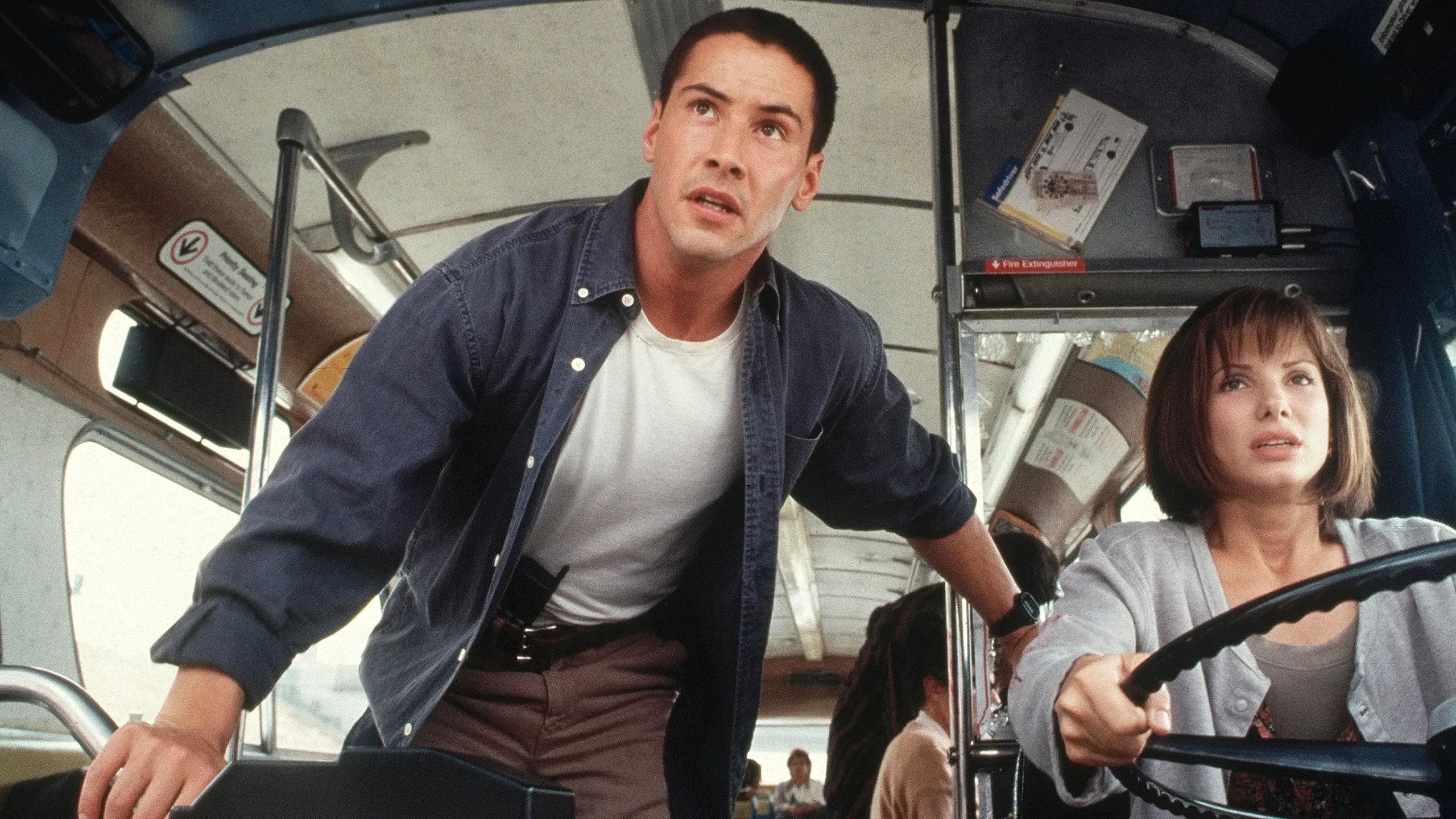
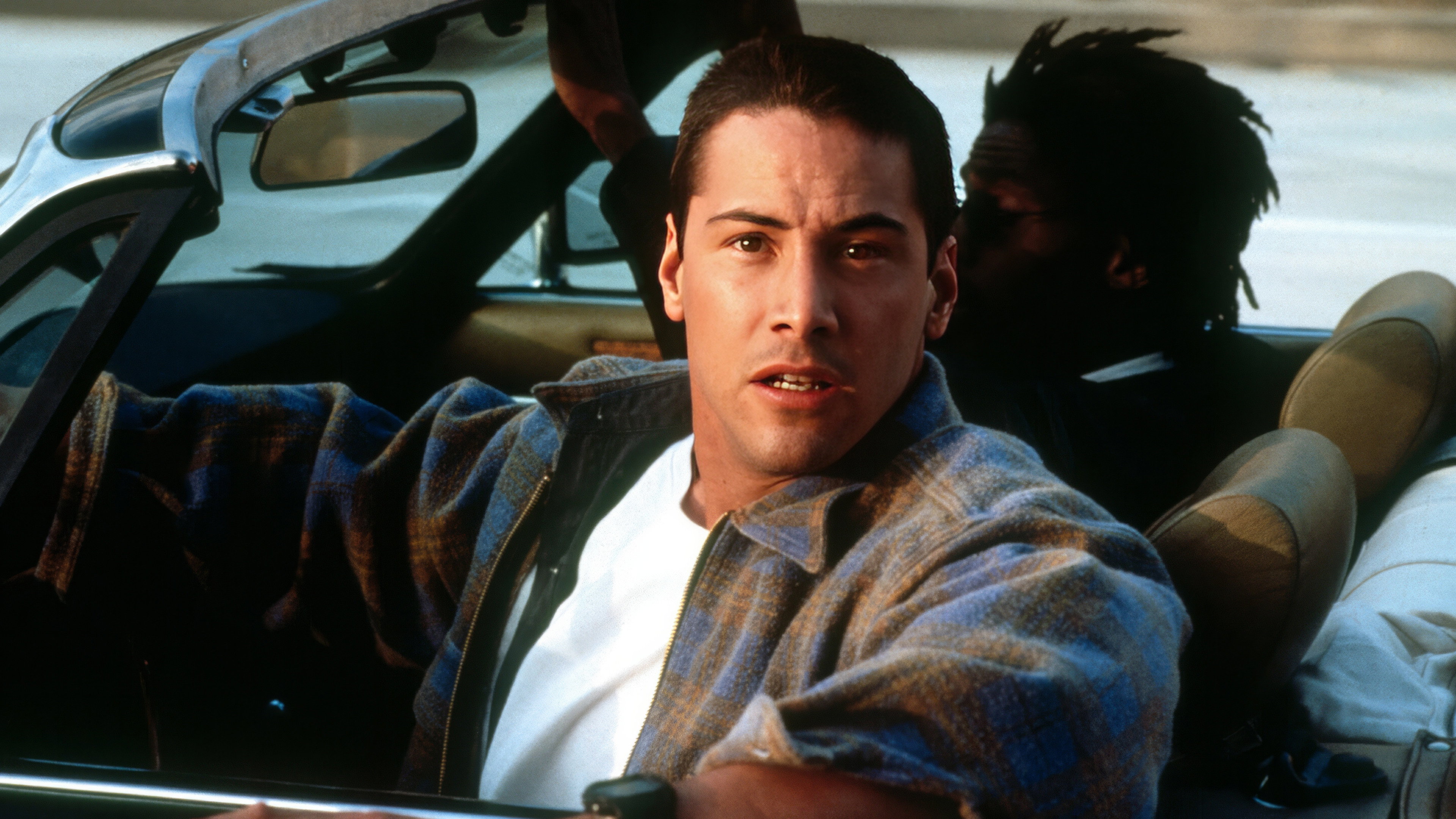
Keanu Reeves helps by taking Jack Traven seriously without making him heavy company. There is stiffness in the performance, and the thinner dialogue does not always conceal it, but his directness suits a film with little patience for hesitation. Sandra Bullock’s Annie supplies humour that feels like a human response to trouble. Her humour gives us a reason to want Annie safe beyond the ordinary obligations of an action plot. They are engaging company, which matters more here than polished speeches.
Jackson De Govia’s production design benefits from the familiarity of the bus: we understand the place before the film has to explain it. That ordinary setting helps the absurd premise, since the threat has somewhere recognisable to happen. Mark Mancina’s score is equally useful at sustaining urgency, though its insistence occasionally feels like more encouragement than we need. The music is most persuasive when it supports a danger that the action has already made clear.
The reservation is that de Bont eventually asks too much of our willingness to accept the impossible. The action overreaches, and the increasingly implausible predicaments become less involving. At 116 minutes, the film has room for excess that its premise does not require. Yost’s dialogue is also uneven: the wit is welcome, the thinner exchanges more noticeable when the tension slackens. These irritations do not spoil it.
Against the action thriller’s own standards, Speed does the essential things well: it makes danger understandable and gives us people worth worrying about. A more complicated plot would only distract from the bus. The good humour helps us accept how daft some of this is. Allow it a few liberties with common sense and settle in for a properly anxious evening.