Eleanor Coppola’s footage and secret tapes of her husband make this the making-of documentary every other is measured against. The later interviews around them are ordinary, and the film takes Coppola at his own valuation more often than it should.
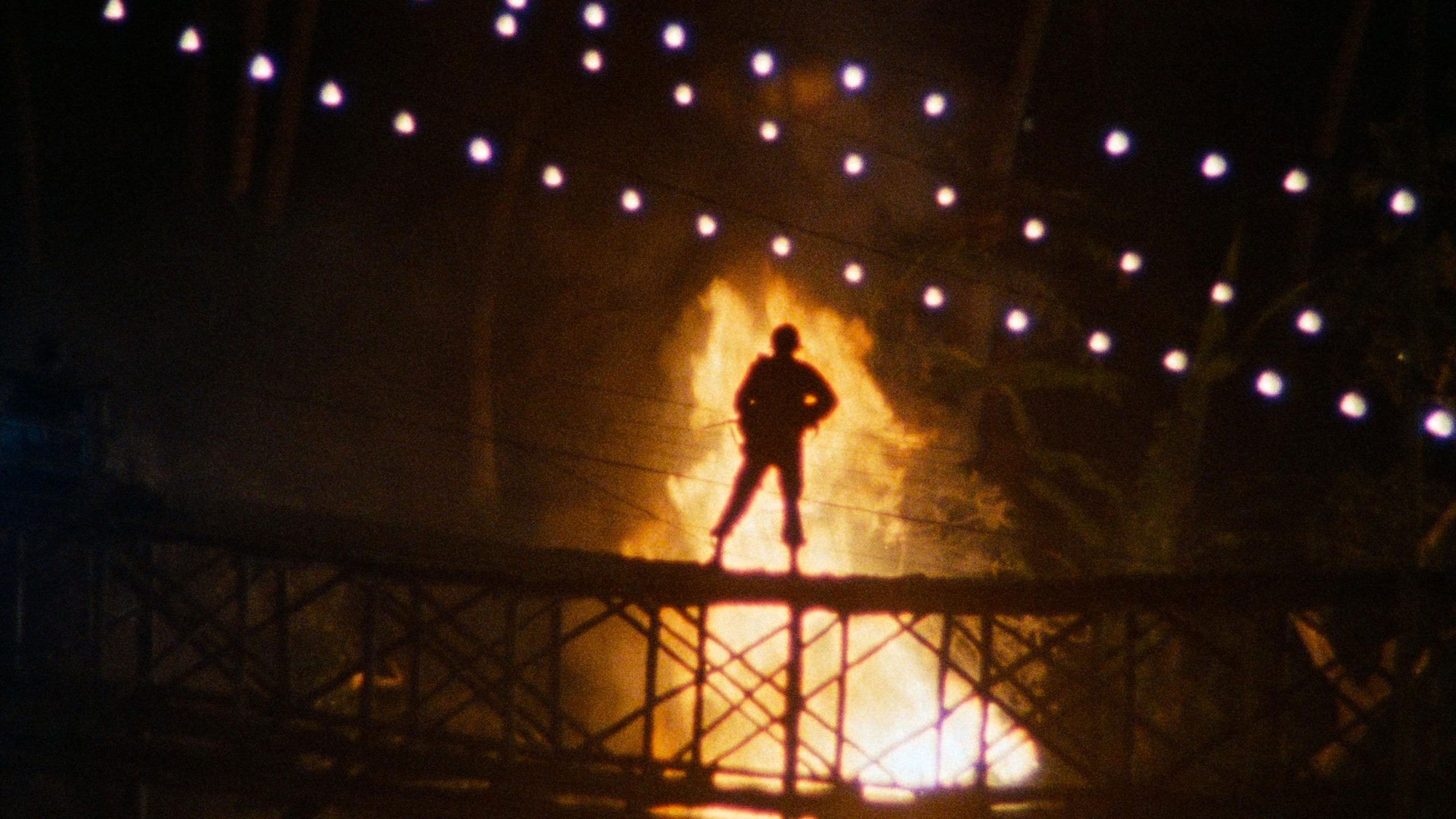
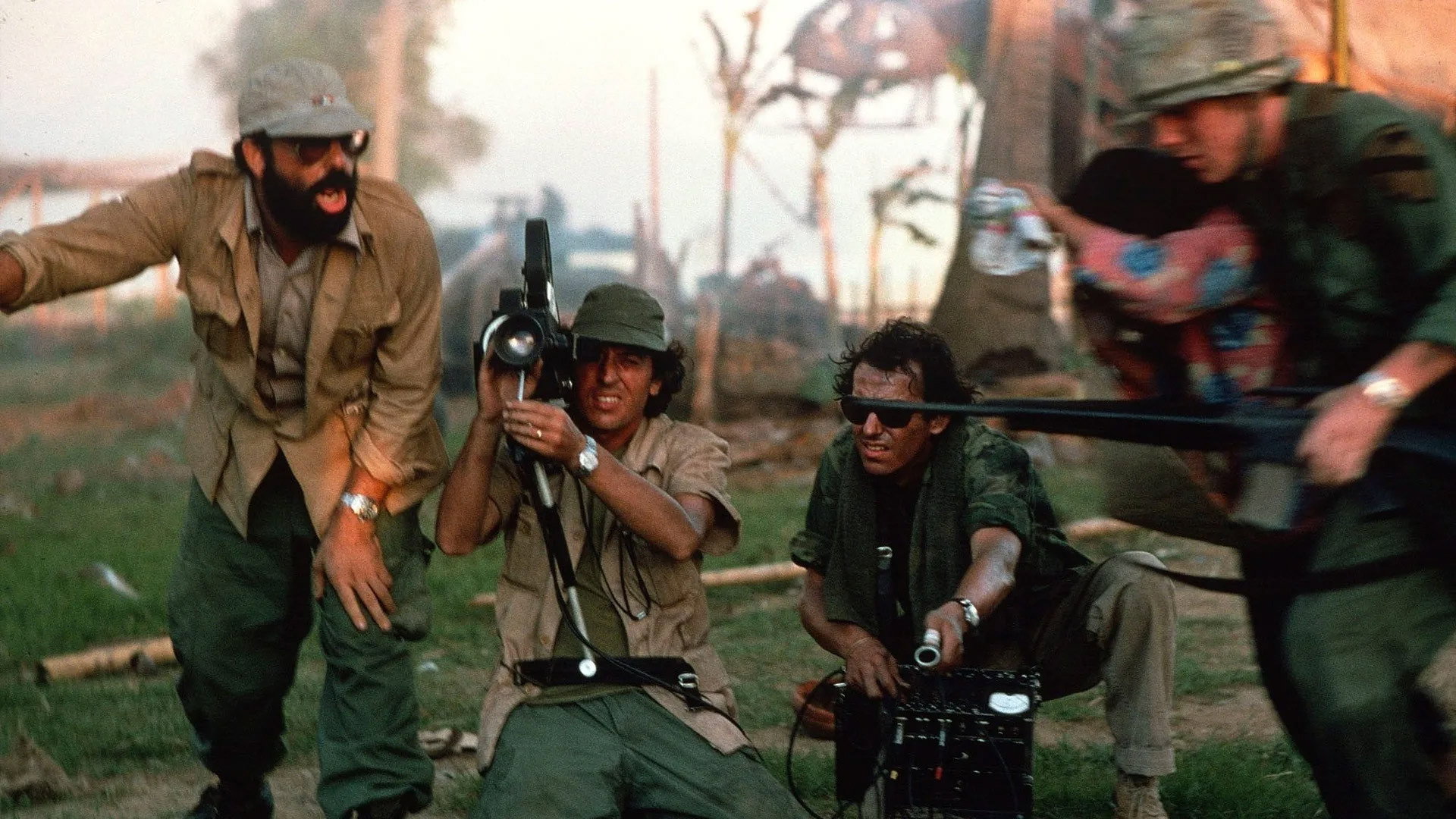
In May 1979 Francis Ford Coppola stood in front of the press at Cannes and told them his film was not about Vietnam; it was Vietnam. Hearts of Darkness starts there and then goes back three years to the Philippines to show what he meant by it. His wife Eleanor went out to the shoot with a 16mm camera and a tape recorder. She filmed the sets, the crew and the weather, and, without telling him, she recorded her husband talking late at night. George Hickenlooper and Fax Bahr, who wrote the documentary and directed it with Eleanor Coppola, took that material and sat the survivors down for new interviews; Jay Miracle and Michael Greer, the editors, cut the two together. It is the best film of its kind we know of, and most of the credit belongs to a woman who was not supposed to be making a film at all.
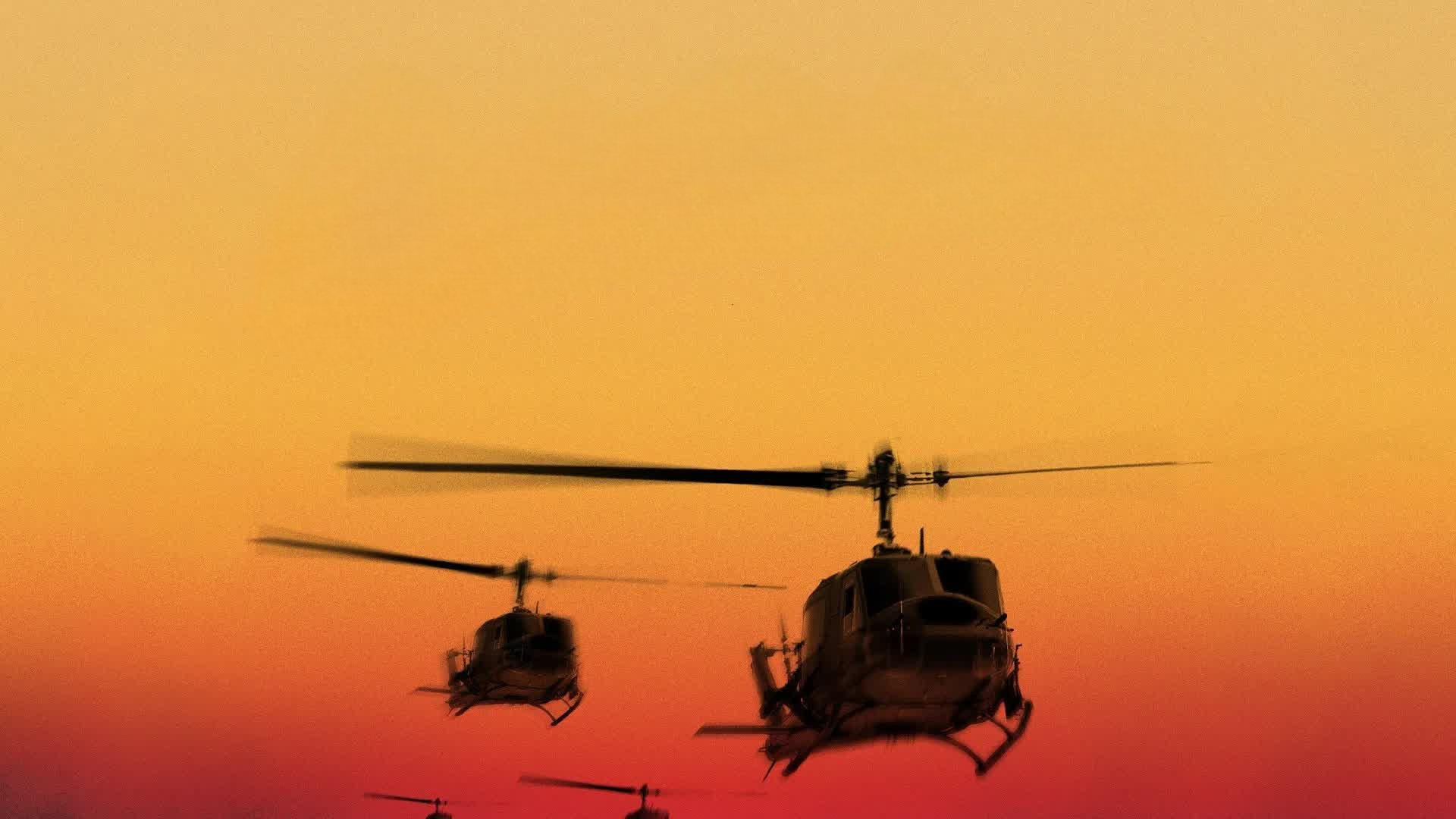
What went wrong is now a well-worn story, and the documentary tells it in order. Harvey Keitel was cast as Willard, sacked after a few weeks and replaced by Martin Sheen. A typhoon destroyed the sets. The helicopters had been lent by the Philippine government, which kept calling them away mid-take to fight rebels in the hills. Marlon Brando arrived heavy, unprepared and expensive. Sheen had a heart attack. Miracle and Greer cut Eleanor’s grainy footage against the finished shots from Apocalypse Now, so that you see the same helicopters as a shambles on a muddy beach and then, seconds later, as the shot Coppola was after. It is a plain editing idea and it works every time.
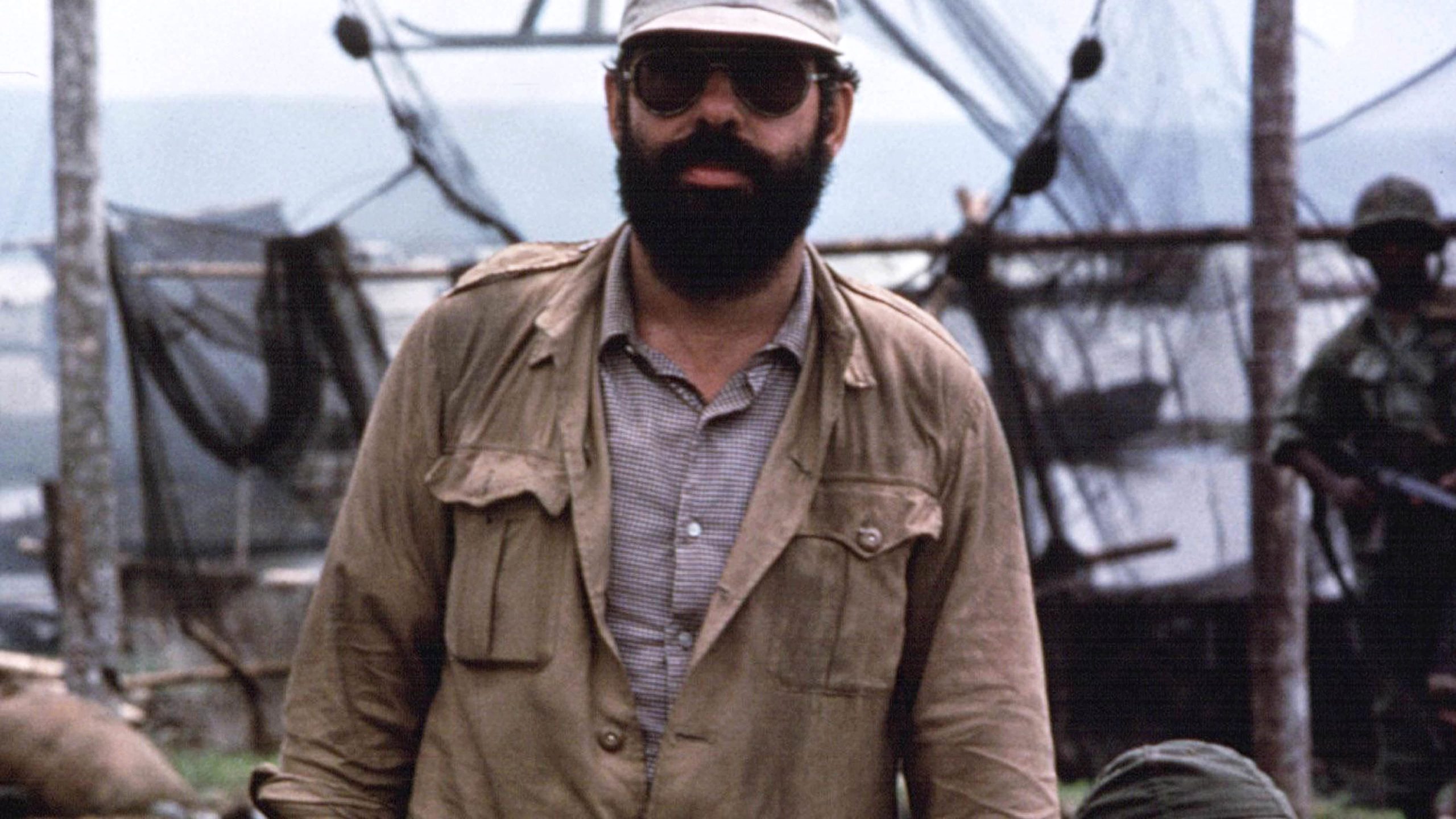
The tapes are the reason to see it. On them Coppola, alone with his wife, says the film is bad, that he has no ending, that he is going to be ruined. He had put up his own money. In the daytime footage he is the general, in a bush hat, shouting at extras; on the cassette he is a man who has run out of ideas and knows it. We were more moved than we expected to be by a voice on a tape, and the reason is Eleanor. She is sitting beside him, she agrees with him, and she does not switch the machine off. Nobody on screen asks her why she left the tape running, and the film is better for not answering.
The scene we could not shake is Sheen’s. It is his birthday, he is drunk, the set is a hotel bedroom dressed as Saigon, and he is meant to be improvising a breakdown. He hits a mirror and cuts his hand open, and Coppola keeps the camera running. We watched a man bleed for a director and felt, for a minute, that we should not have been watching either. The documentary knows this is its strongest card and lays it down without comment.
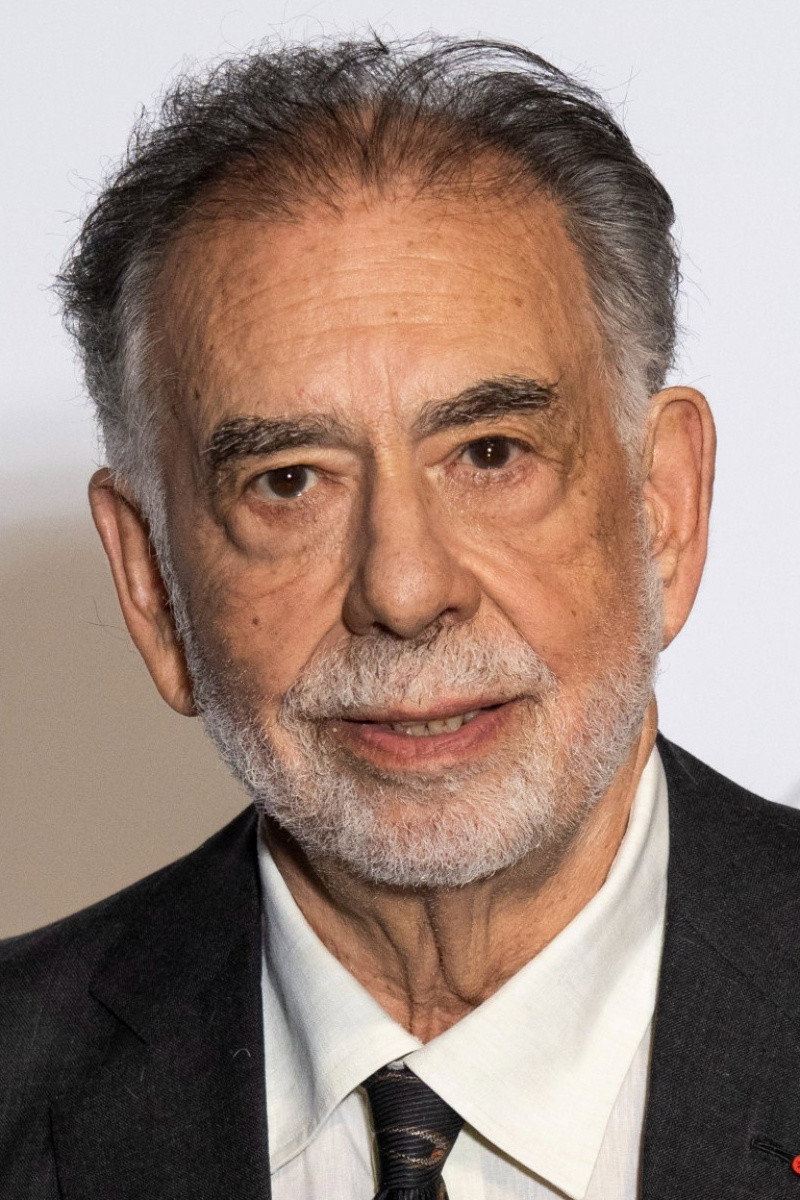
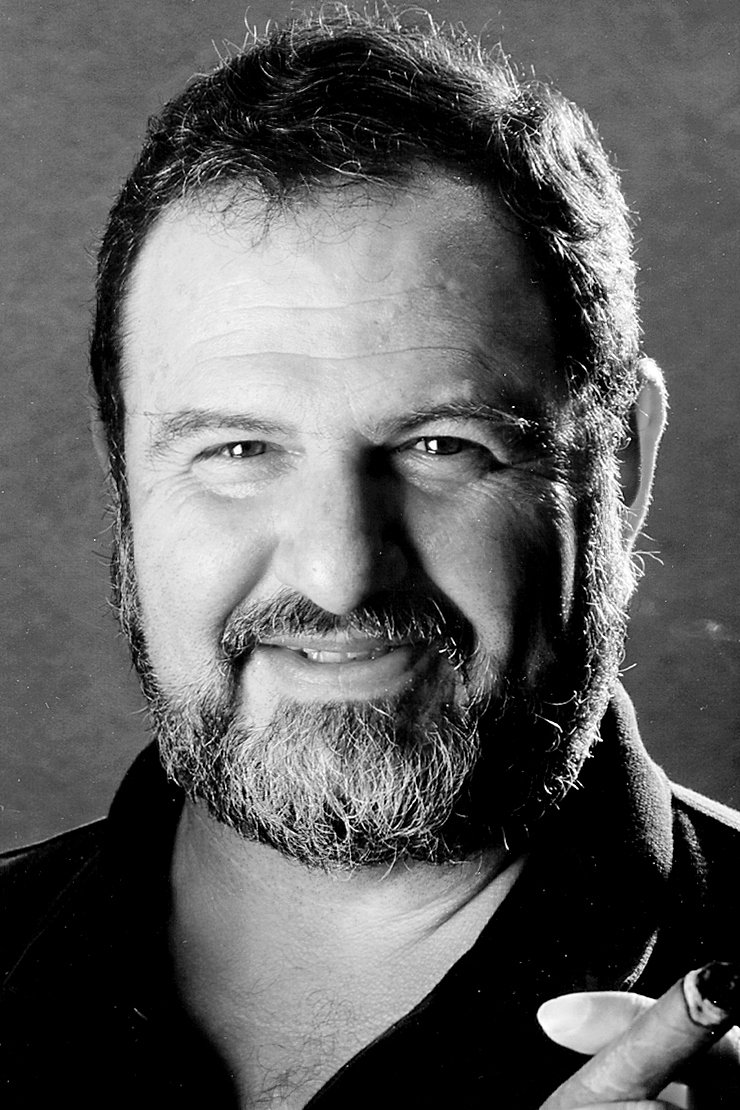
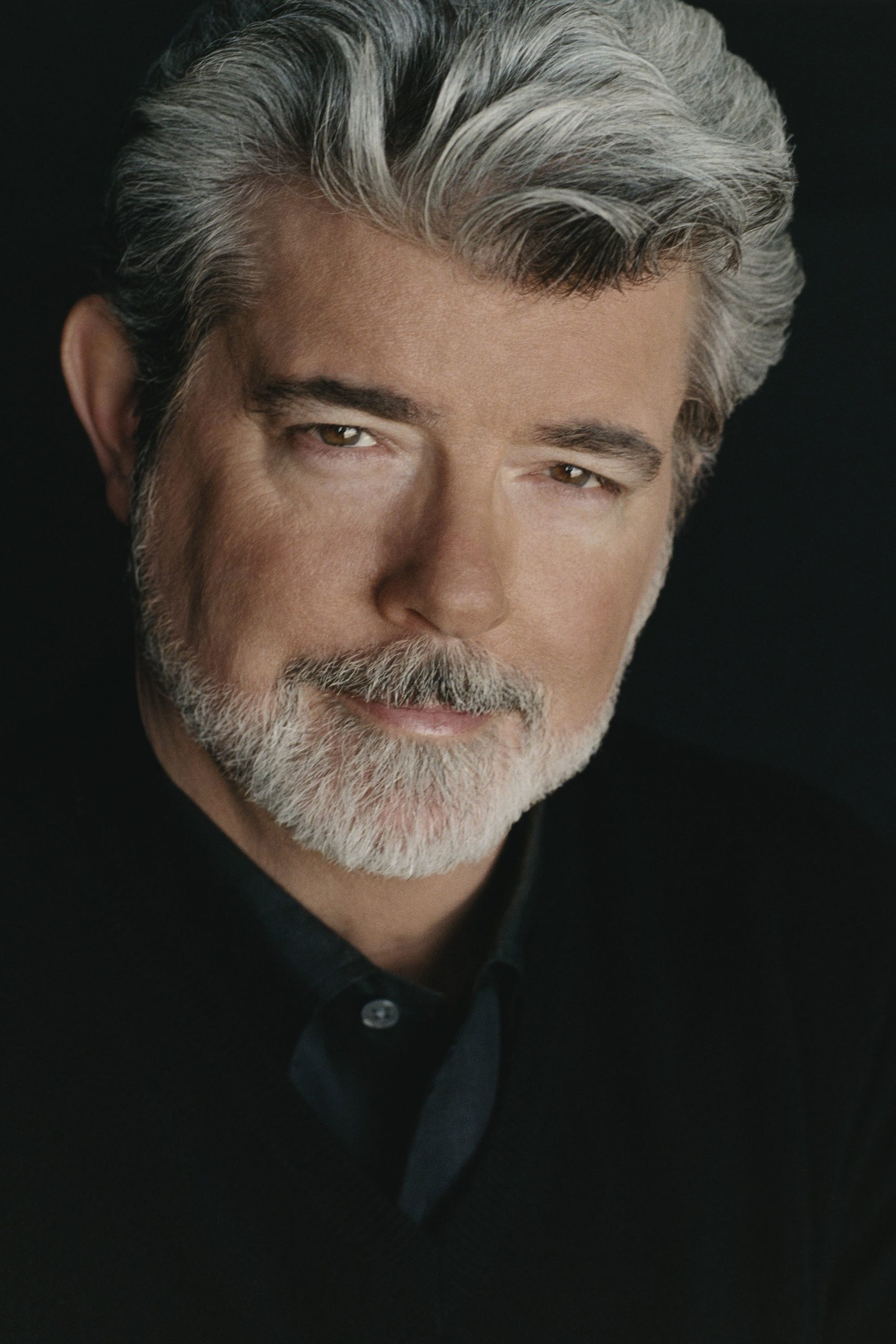
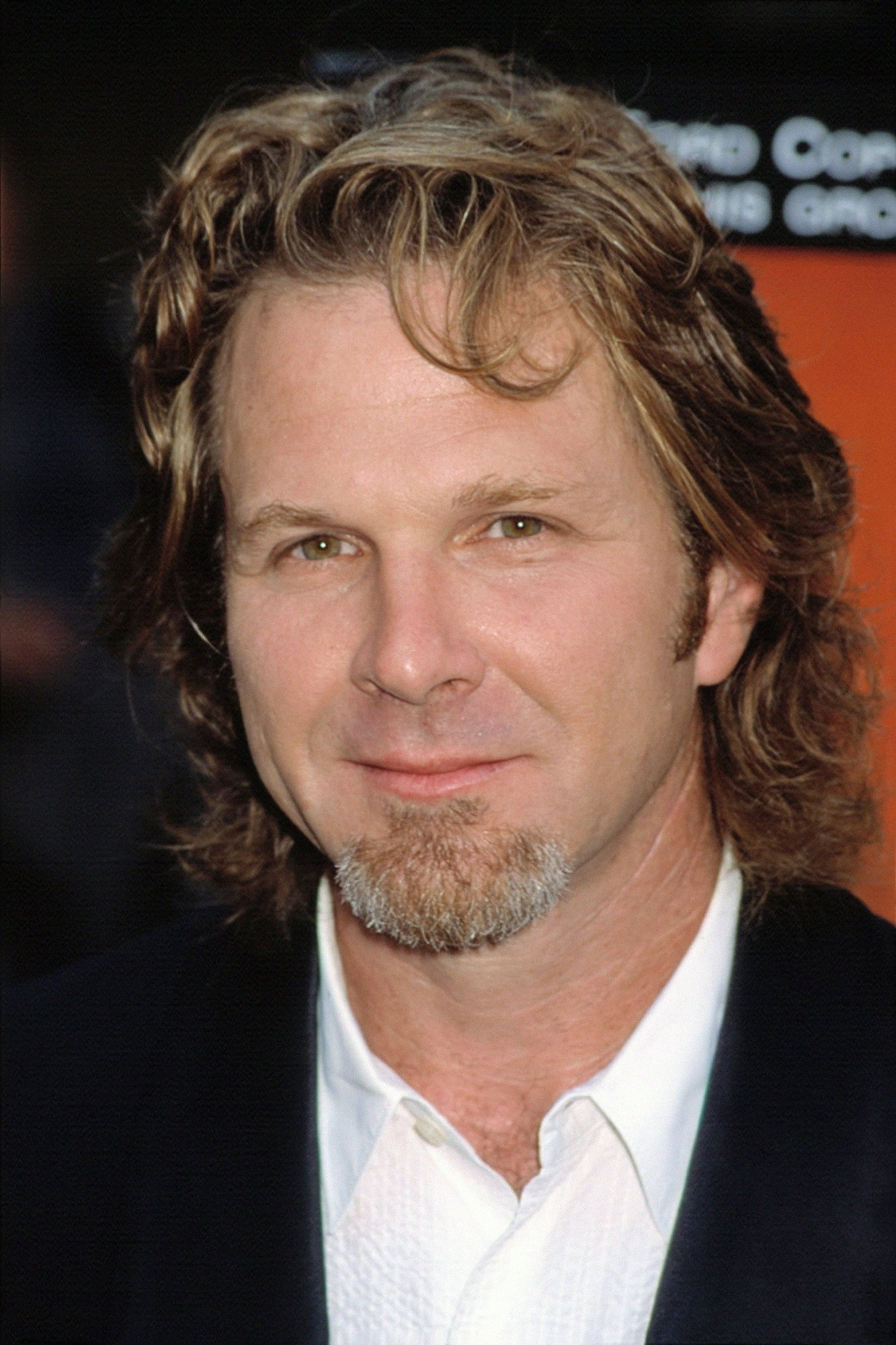
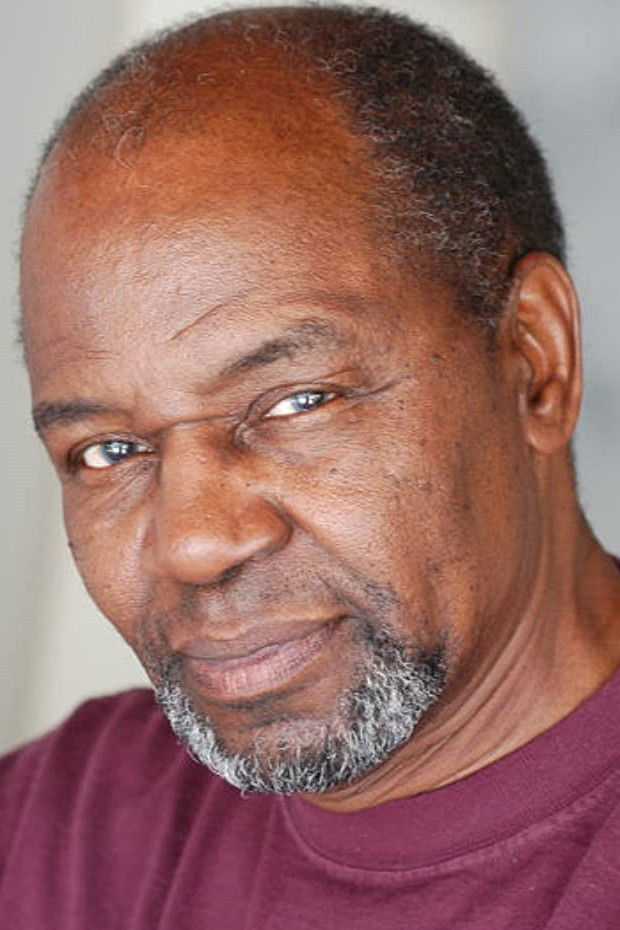
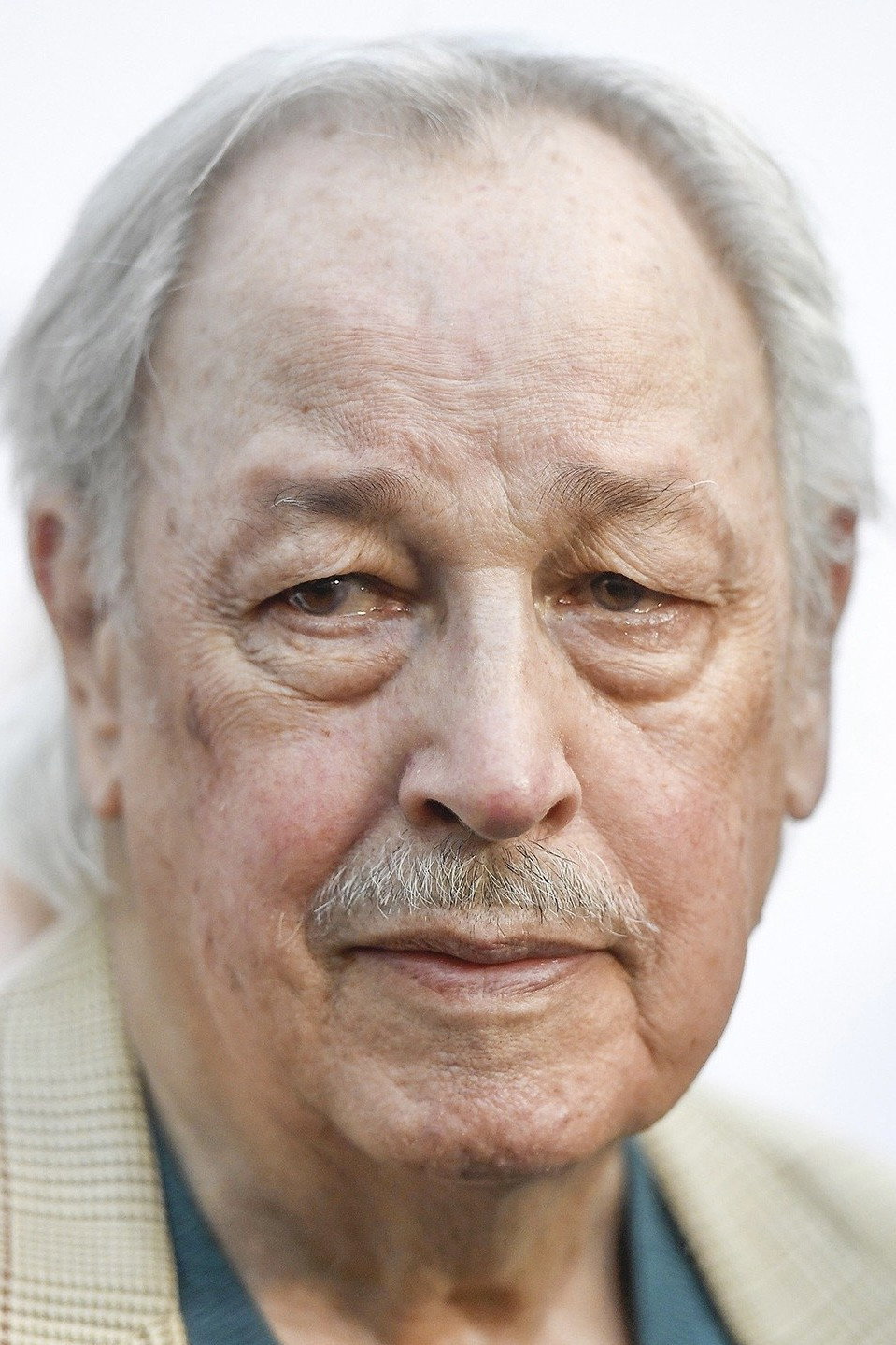
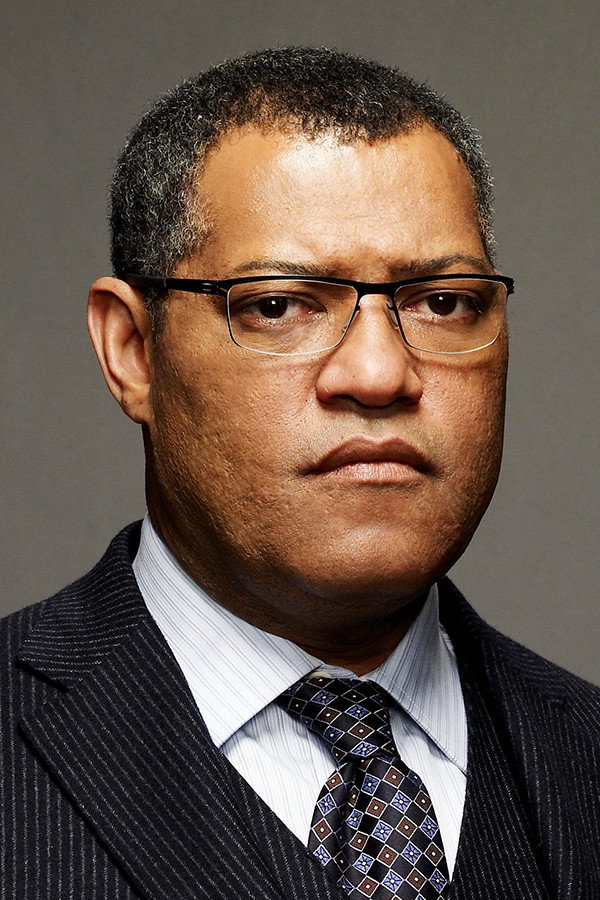
The new interviews are less than the old footage. John Milius, George Lucas, Vittorio Storaro, Dean Tavoularis, Fred Roos, Frederic Forrest, Sam Bottoms, Albert Hall and Laurence Fishburne are shot plainly against dark backgrounds by four credited cinematographers, Igor Meglic, Shana Hagan, Steven Wacks and Larry Carney, and nothing about the framing stays with you. Milius is the best value; he wrote the script and still talks like the boy who wrote it. Lucas was once meant to direct the thing and got out, and you can hear how glad he is. Fishburne, a teenager on the shoot, is the only one who talks about it as fun. Todd Boekelheide’s music is a low electronic hum that tells you when to feel dread, and the footage had already told you.
The film’s real weakness is that it likes Coppola too much. It shows him nearly wrecking himself and several other people and then lets the older, calmer Coppola have the last word on what it all meant. A harder film would have asked Sheen a harder question, or asked Eleanor one. Hickenlooper and Bahr are admirers, and 96 minutes of admiration is a little much even for this subject.
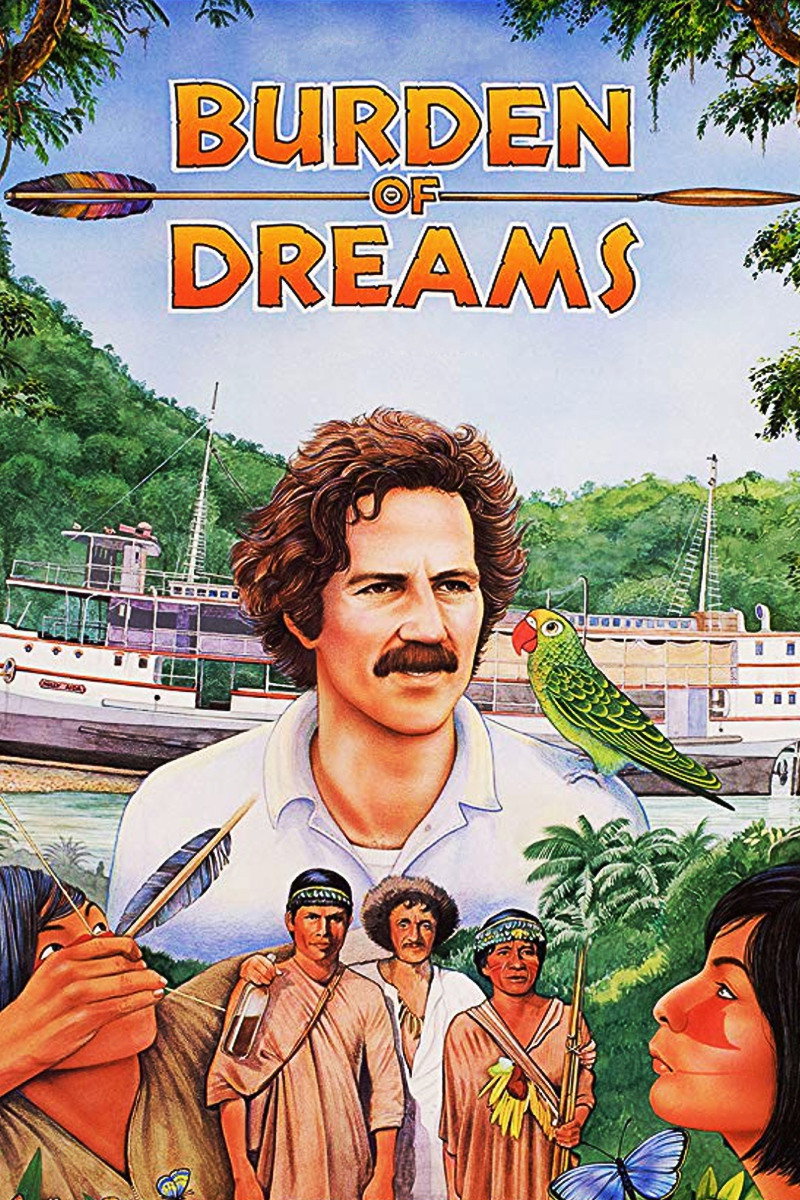
Set against Les Blank’s Burden of Dreams (1982), which watched Werner Herzog fail in a different jungle, this is the more thrilling film and the less honest one. Watch it after Apocalypse Now, not before; the footage means nothing until you have seen what it became. And turn the sound up for the tapes, which are quiet, and which are the point.