George Hickenlooper co-directed one documentary that every making-of film since has had to stand beside, then spent two decades on the same subject in other forms: gifted, compromised people and what their work costs them. Nothing he made afterwards is remembered the same way.
Fi1m perspective
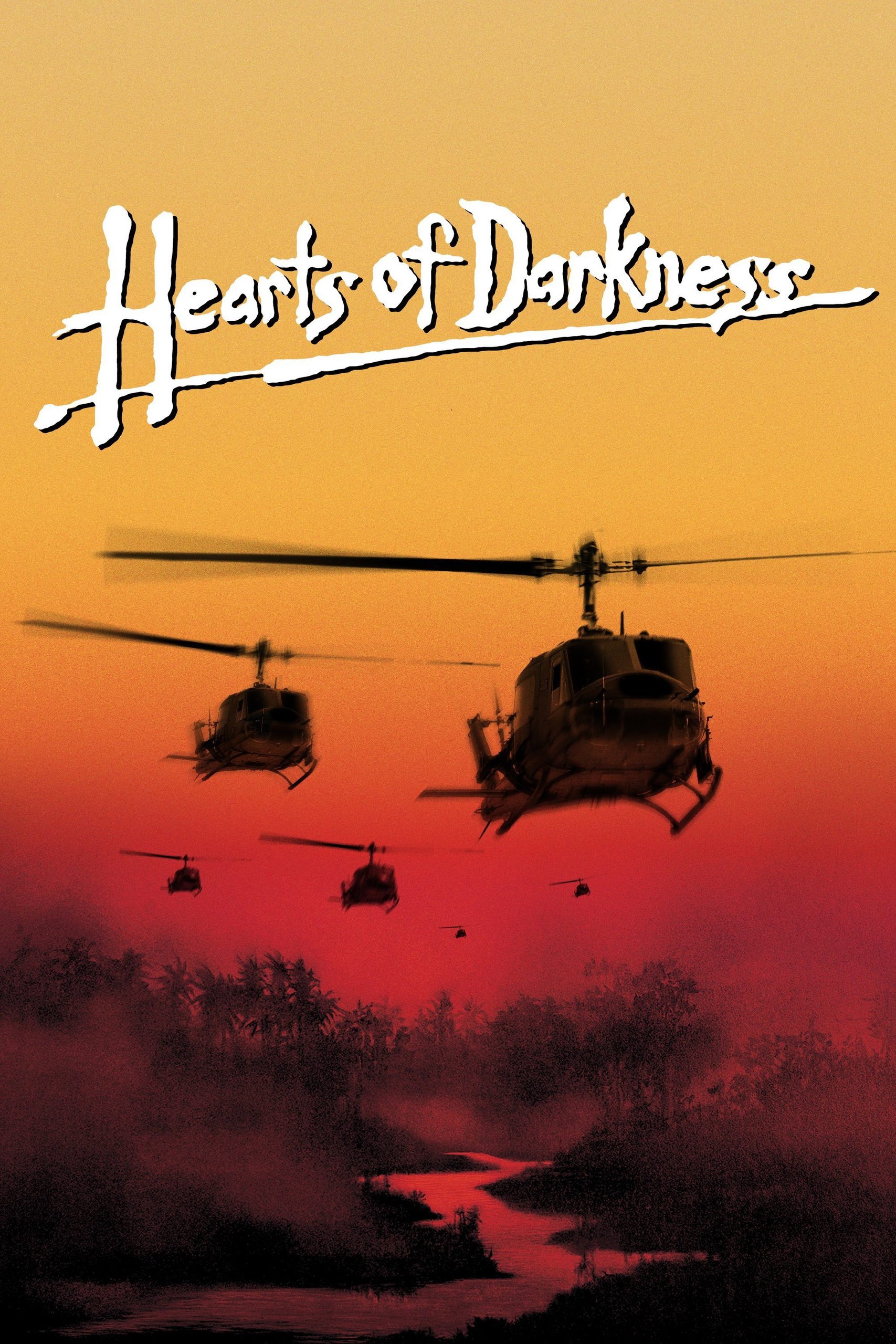
Somewhere in the Philippines, late at night, Francis Ford Coppola is talking, and he does not know that his wife has a tape recorder running. That is the material Hearts of Darkness: A Filmmaker's Apocalypse (1991) is built on, and George Hickenlooper did not shoot it. Eleanor Coppola did, along with the 16mm footage of the sets, the crew and the weather. Hickenlooper and Fax Bahr, who wrote the film and directed it with her, sat the survivors down years later for new interviews, and Jay Miracle and Michael Greer cut the two together. It is the best making-of documentary we know of, and most of the credit belongs to a woman who was not supposed to be making a film at all. The tapes got at us more than any of the footage: it is one thing to watch a man nearly wreck himself on a set, another to overhear him when he thinks nobody is listening.
Hickenlooper had come to it by way of short documentaries, one of them about Dennis Hopper (1988), and he never really left the subject. Artists in trouble are what he filmed, whether the film was a documentary or not. Picture This (1991) and Mayor of the Sunset Strip (2003) are non-fiction portraits; The Man from Elysian Fields (2001), Factory Girl (2006) and Casino Jack (2010) are scripted dramas about people who wanted something badly and bent themselves getting it. The last of them came out after his death in October 2010. Across twenty years the subject held steady: ambition, money, and what happens to the work when the two meet.
The trouble is the same in the fiction and the fact. Hickenlooper admired his subjects, and it shows in what he leaves unasked. Hearts of Darkness lets the older, calmer Coppola have the last word on what the chaos meant, when a harder film would have asked Sheen a harder question, or asked Eleanor one. Factory Girl, about Edie Sedgwick and Andy Warhol, was widely taken as gossip about fame rather than an account of it. Talking about Casino Jack in 2010, he said: "I think there's a common misperception, in Hollywood particularly, that you have to like a character or sympathize with him. That's not true." He was right, and it was a rule he found easier to state than to follow.
Start with Hearts of Darkness, which is where the reputation comes from and where it belongs. Watch it for the tapes and the 16mm, and notice how little the men who assembled it get in the way; that restraint is the best thing Hickenlooper brought to it. Then, if the appetite for damaged talent survives, The Man from Elysian Fields is the drama most often pointed to as his mature work. We have not written about it yet.
Biography
George Hickenlooper was an American director and screenwriter. He graduated from Yale University in 1986 with a degree in history and film studies, and interned for producer Roger Corman before making his directing debut with the 1988 short documentary Art, Acting, and the Suicide Chair: Dennis Hopper.
Hickenlooper co-directed and co-wrote the screenplay for the 1991 documentary Hearts of Darkness: A Filmmaker's Apocalypse with Fax Bahr. The film examined the troubled production of Francis Ford Coppola's Apocalypse Now and won several awards, including an Emmy. His later narrative features include The Man from Elysian Fields (2001), Factory Girl (2006) and Casino Jack (2010). He also published the book Reel Conversations in 1991.