Film review

Rumble Fish

1983 · Directed by Francis Ford Coppola · 1h 34m · MPA R

In a sentenceThe clouds move faster than the boys grow up

CrimeDramaRomance

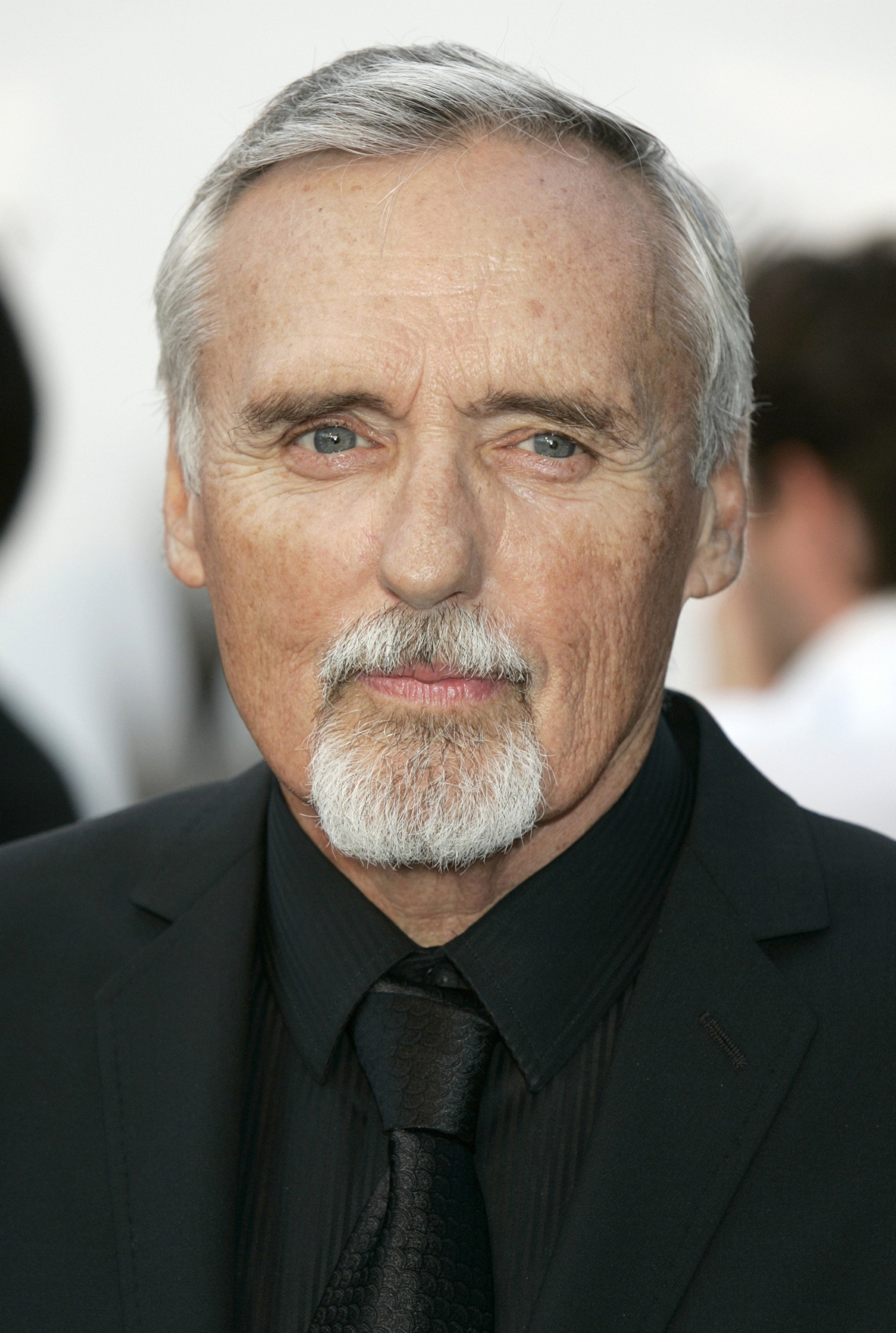
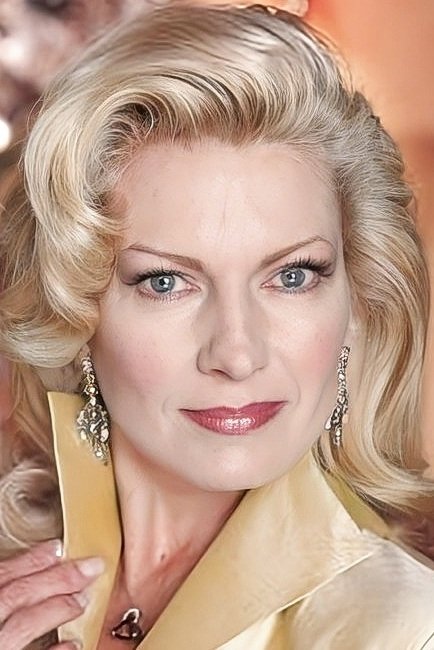
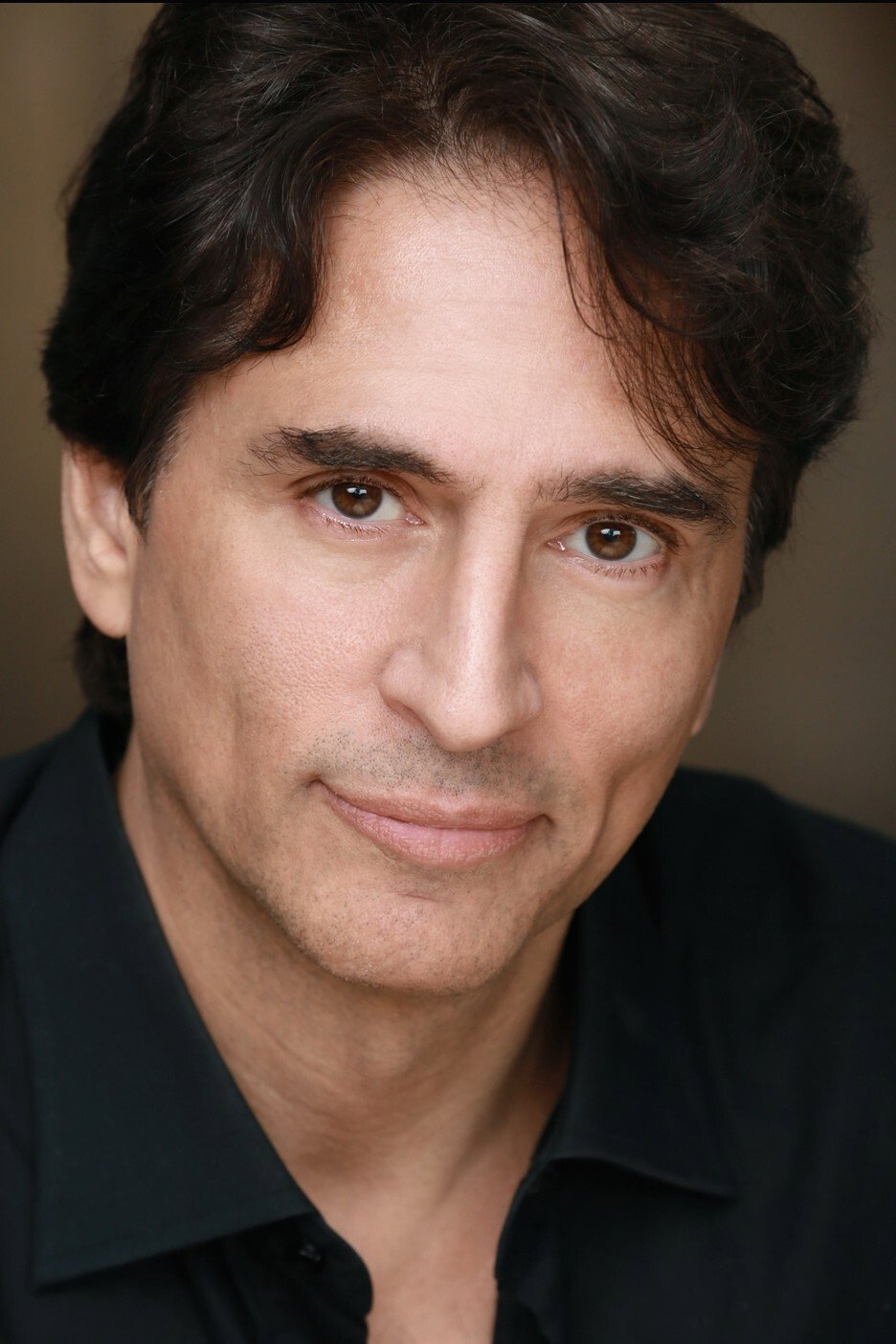
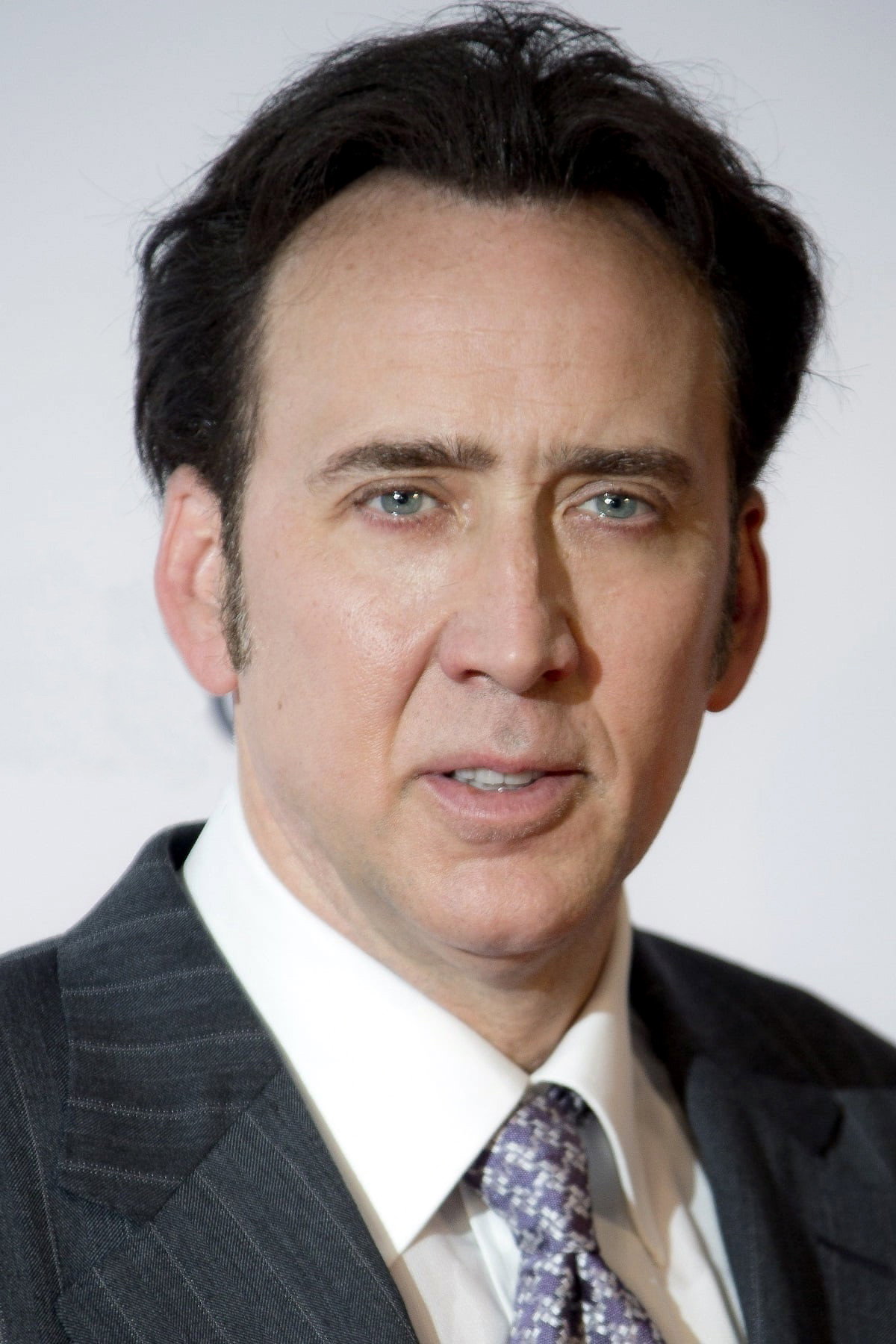
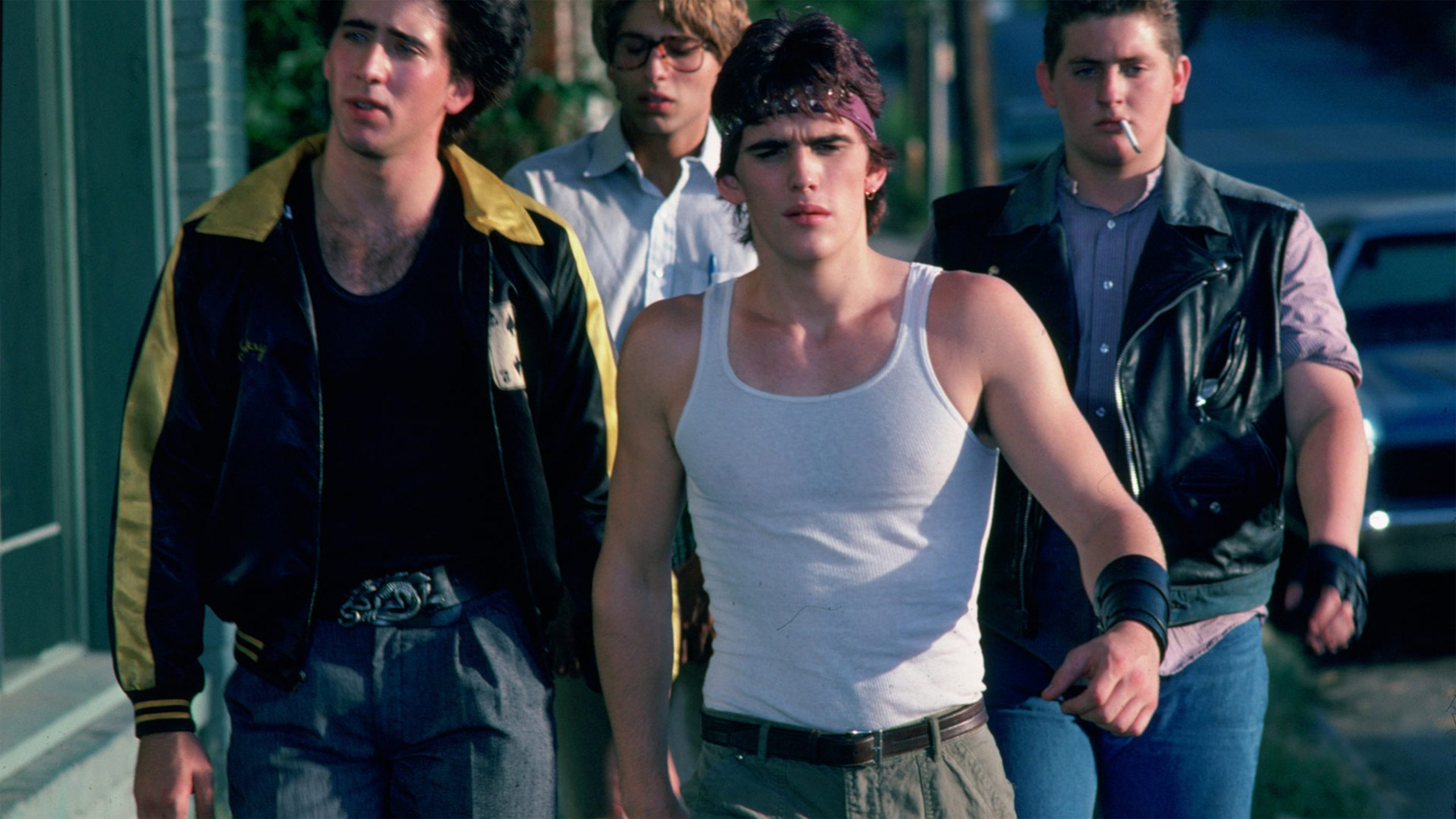
In Tulsa, Rusty James (Matt Dillon) wants to live up to the reputation of his brother, The Motorcycle Boy (Mickey Rourke). His brother cannot live that reputation down. Around them are Patty (Diane Lane), Steve (Vincent Spano), Smokey (Nicolas Cage) and Father (Dennis Hopper). Gang life offers Rusty James a way to measure himself against the man he admires, but the brothers have different feelings about the respect that comes with it. Rusty James sees something to aspire to in his brother’s standing; The Motorcycle Boy has to live with what being that man means.

Plays from YouTube when you press play; nothing loads from them until then.

Fi1m review

Francis Ford Coppola’s brotherhood drama earns its grand manner through Matt Dillon, Mickey Rourke and forceful black-and-white photography. The dialogue can be painfully solemn, but Rusty James’s longing makes this worth the indulgence.

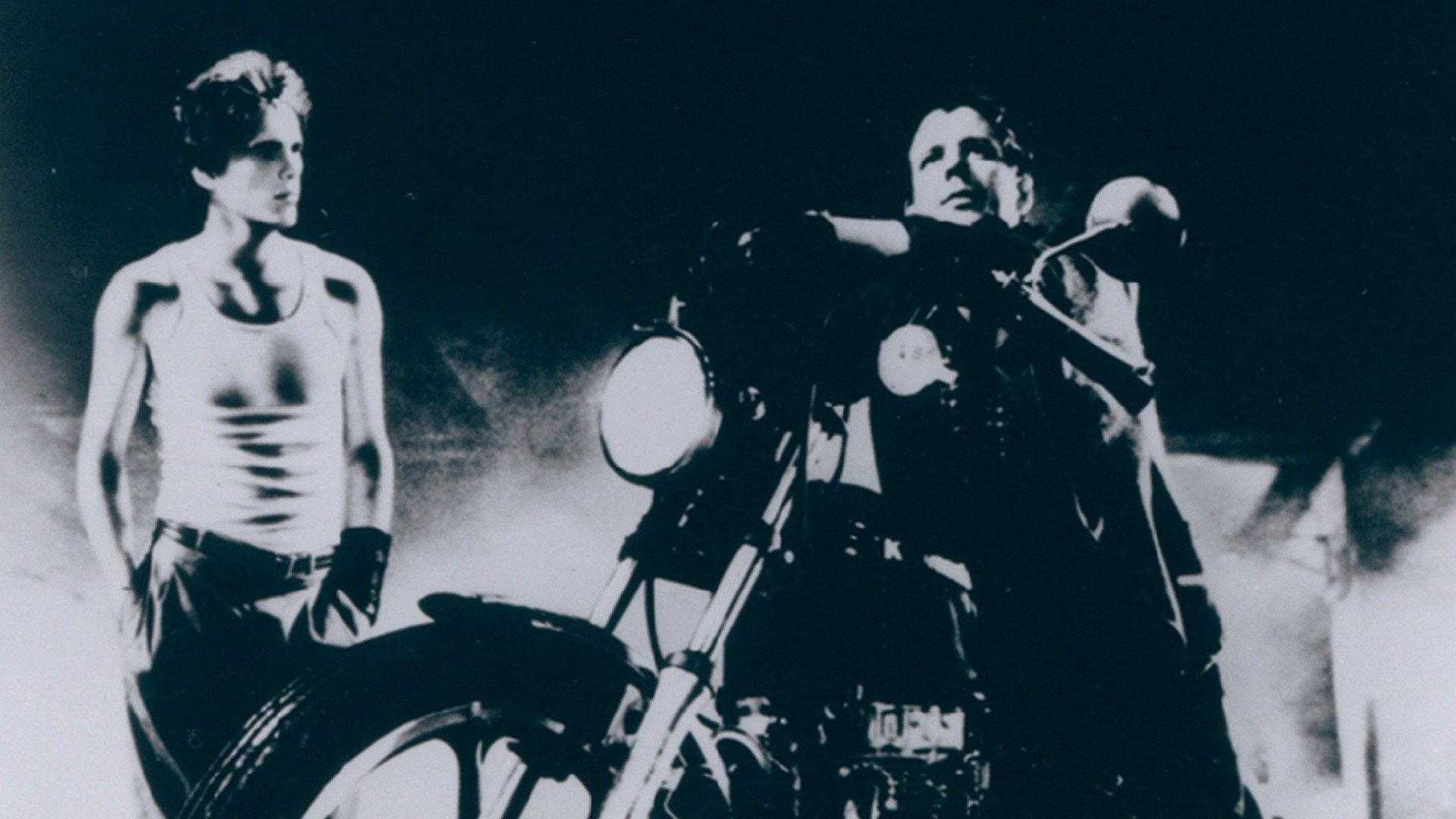
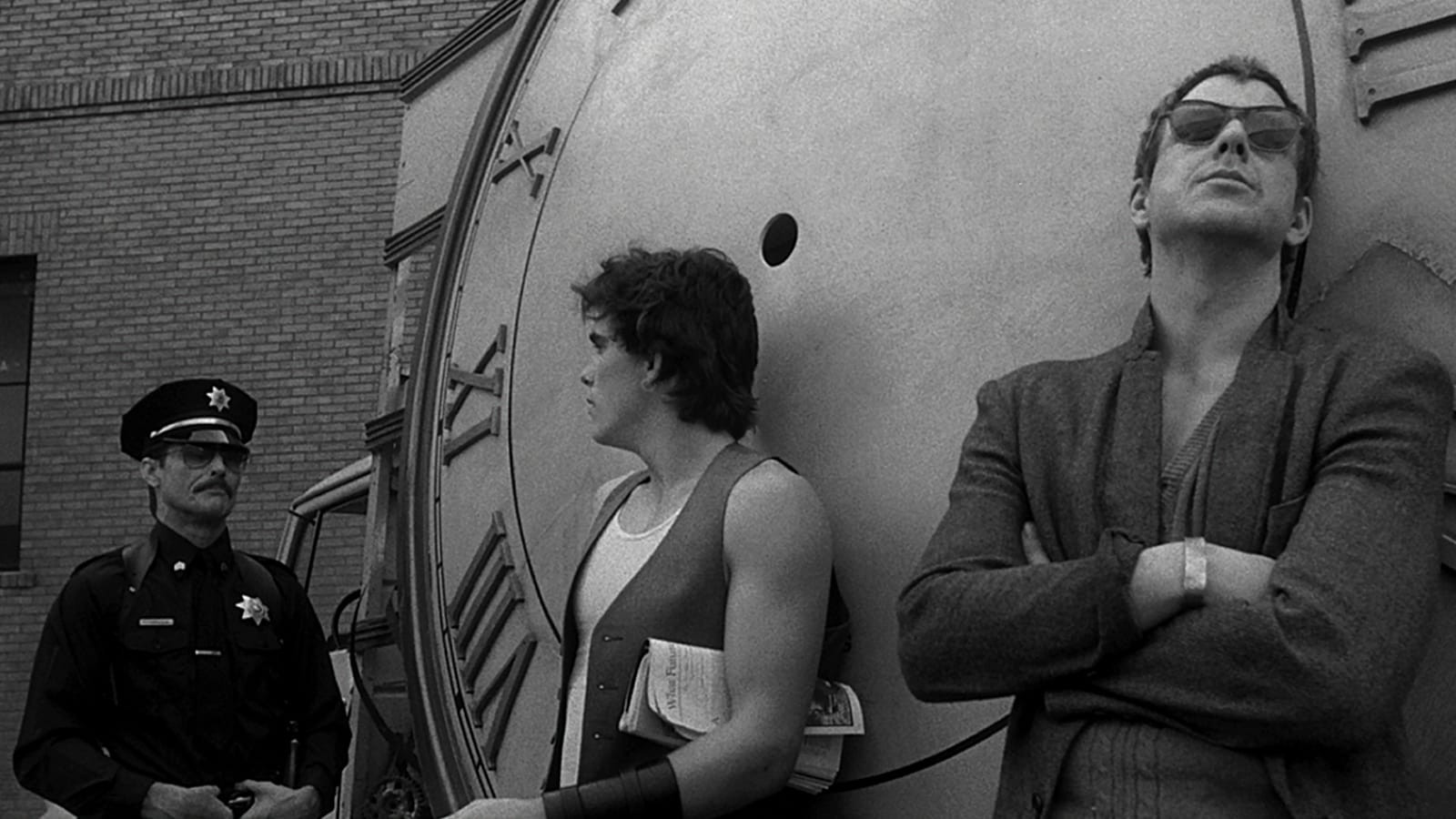
Rumble Fish is a good film that sometimes makes us wish Francis Ford Coppola would leave a strong image alone. He takes Rusty James’s longing to match his brother’s reputation seriously, without making it look like a sensible ambition. The heightened black-and-white world suits a boy for whom being respected matters quite this much. The film falters when the dialogue insists on spelling out the significance, but the brothers give us enough reason to stay.

Matt Dillon gives Rusty James a need for approval that makes the swagger touching. His ambition is so narrow that the performance could easily become a joke at the boy’s expense; instead, we can see the hurt in wanting to be somebody else. Mickey Rourke plays The Motorcycle Boy with a weariness that makes that ambition look still more mistaken. The casting works because we can understand why Rusty James admires him while also seeing why imitation will get him nowhere.

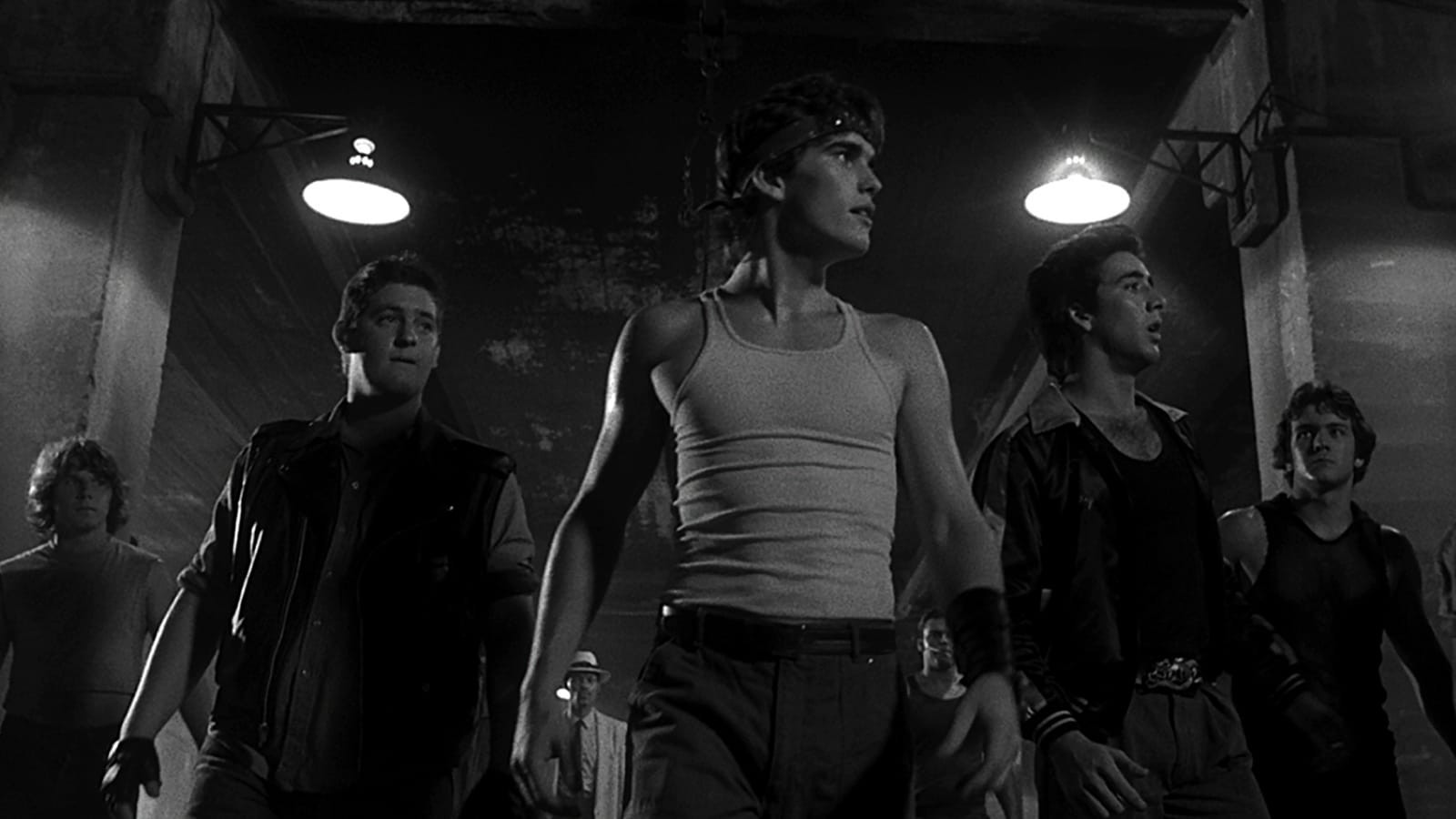
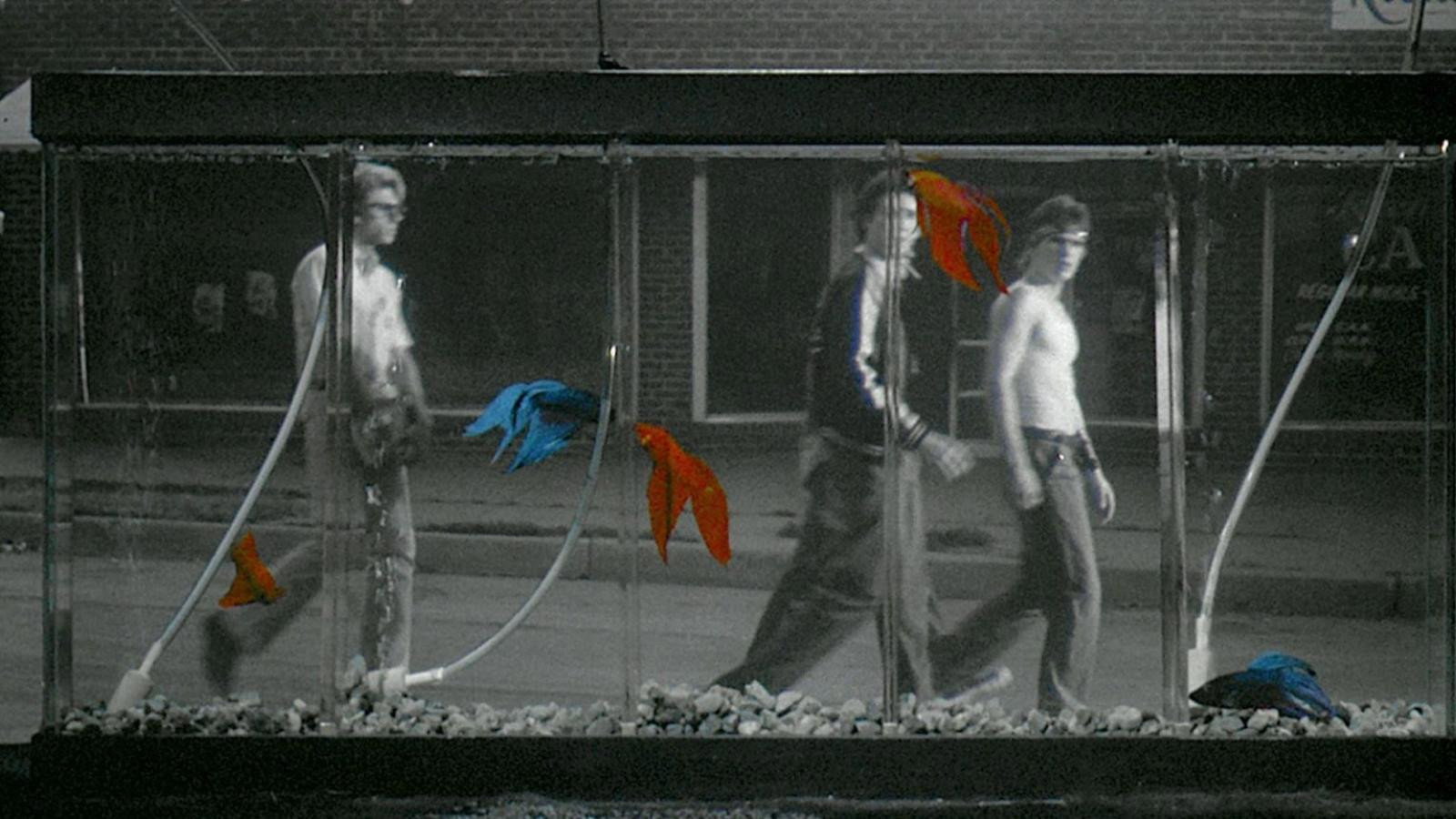
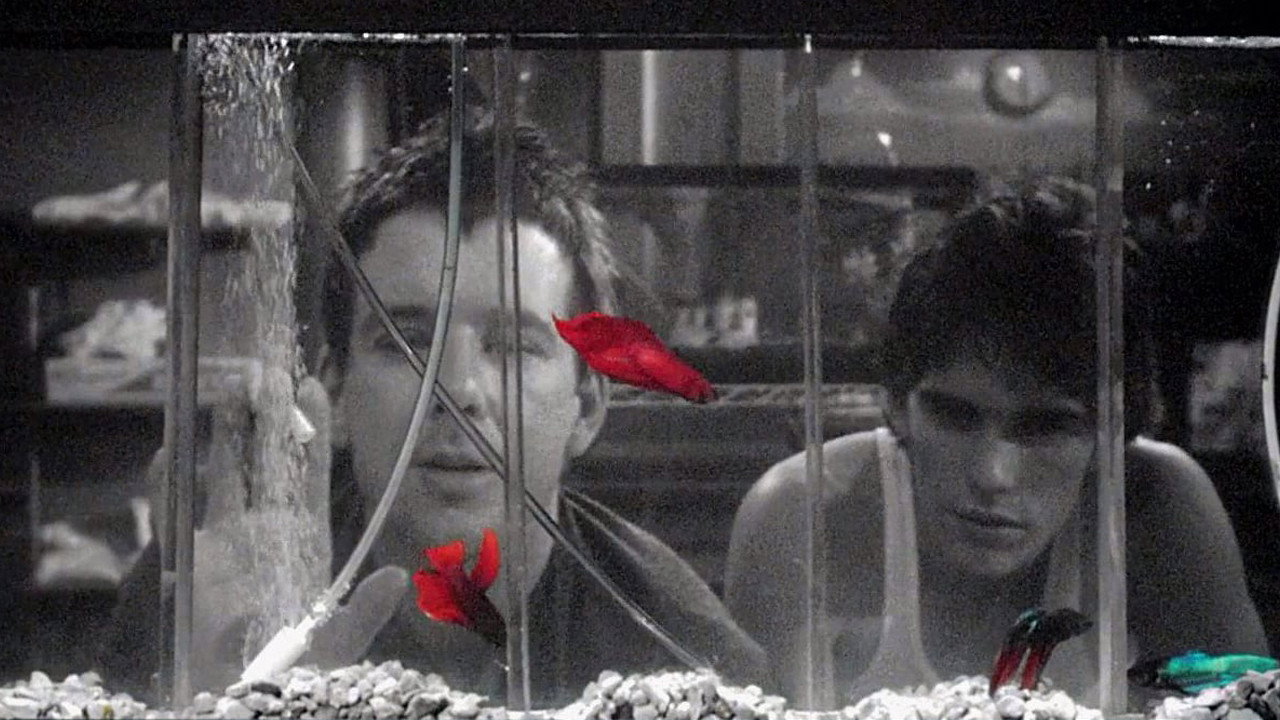
Stephen H. Burum’s cinematography is the strongest reason to accept the exaggeration. The tilted angles and hard black-and-white images make adolescent unease visible, while the time-lapse clouds over Tulsa suggest a world moving faster than these boys can manage. We felt unexpectedly sad watching those clouds hurry past. The boys’ claims to importance suddenly seemed small, and the photography brought us closer to their fear of being left behind than the more solemn speeches did.

Dean Tavoularis’s production design helps make the town feel enclosed, with little promise of an ordinary life beyond the brothers’ troubles. We would not come here looking for an unvarnished picture of a neighbourhood; the artificiality is too deliberate for that. Barry Malkin’s editing likewise gives the visual flourishes considerable weight, sometimes at the expense of the drama’s momentum. At 94 minutes, the film is short enough, but there are stretches when we become conscious of how carefully everything has been arranged.

Stewart Copeland’s score gives the film a nervous forward push when the people seem stuck. The music keeps us alert even when the dialogue grows heavy. That heaviness is the chief problem with the screenplay by Francis Ford Coppola and S.E. Hinton, adapting S.E. Hinton’s novel. Too many lines sound composed for posterity, and the actors have to work around them to make the speakers seem young.

We would take its awkward seriousness over a gang drama that merely congratulates its young men on looking dangerous. Francis Ford Coppola allows Rusty James’s admiration to remain persuasive even as it looks misguided. There is no need to endorse his idea of manhood to recognise how much he depends on it. The mannerisms are easier to forgive when Matt Dillon and Mickey Rourke make that dependence felt, rather than leaving the dialogue to explain it again.

Rumble Fish asks for patience with its solemnity, and occasionally spends more than we would like to give it. Still, Matt Dillon and Mickey Rourke keep the relationship painful and believable, even when the words resist them. We recommend it for the performances and the restless images, with fair warning about the speeches. There is no obligation to admire every flourish.
Critical consensus AI synthesised

63
Positive
8
Mixed
2
Negative
4

The reviews lean positive on Rumble Fish, with praise clustering around Coppola’s experimental black-and-white imagery and its treatment of teenage loneliness. Even several detractors admire the photography; admirers find that the distorted angles, selective colour and dreamlike atmosphere give the gang story emotional force beyond its plot. The score also earns praise, while The Guardian singles out Rourke’s Motorcycle Boy and The Skinny identifies Matt Dillon as the film’s emotional centre.

The spread is wide, and the chief disagreement concerns whether that elaborate style deepens the drama or gets in its way. Reservations cluster around heavy symbolism, thin characterisation and mannered dialogue, with some critics finding little reason to care about the teenagers beneath the imagery. The AV Club is particularly dismissive of the overheated writing, while the more favourable reviews accept the departure from conventional storytelling as central to the film’s appeal.

RogerEbert.com
26 August 1983 · Roger Ebert
90*

The critic finds the film offbeat, daring, and original in its stylized black-and-white approach to a gang story, praising its experimental style and emotional texture over conventional narrative.

Read the full review →
Slant Magazine
11 May 2017 · Chuck Bowen
90*

Coppola’s stylized 1980s experiment is the greatest and most moving of his formalist films from the era, using black-and-white imagery and symbolic depth to portray youthful loneliness and a dreamlike vision of the 1950s. The Criterion restoration is pristine and ravishing, highlighting the film’s emotional and visual power.

Read the full review →
The New Yorker
25 December 2020 · Richard Brody
90*

The critic highlights the film's daring 1980s artistry, myth-infused coming-of-age story, and grandly imaginative black-and-white visual style with distorted angles and special effects.

Read the full review →
Radio Times
★★★★ · Alan Jones
80

The critic praises the visually startling knockout of moody black-and-white filming with colour dashes and a brooding score, while noting the extremely mannered drama and slightly overdone symbolism in this alienated teen allegory.

Read the full review →
The Guardian
2 January 2009 · Danny Leigh
75*

The film has an almost-great quality that endures, particularly its pristine monochrome visuals and time-lapse clouds over Tulsa, along with the propulsive score and Rourke's performance as the Motorcycle Boy. It stands out for its impeccable style and adolescent poetry in contrast to more conventional teen films of the era.

Read the full review →
The New York Times
23 October 1983
50*

The review describes the film as having a feverish, cockeyed grandeur despite its inflated pretensions and unintentional giggles, noting Coppola's big thinking and the film's interesting failure.

Read the full review →

Cast

Stills

If you liked this, try…