Film review

Blue Velvet

1986 · Directed by David Lynch · 2h 00m · MPA R

In a sentenceWe would take an afternoon with the insects over an evening with the neighbours

MysteryThrillerCrime

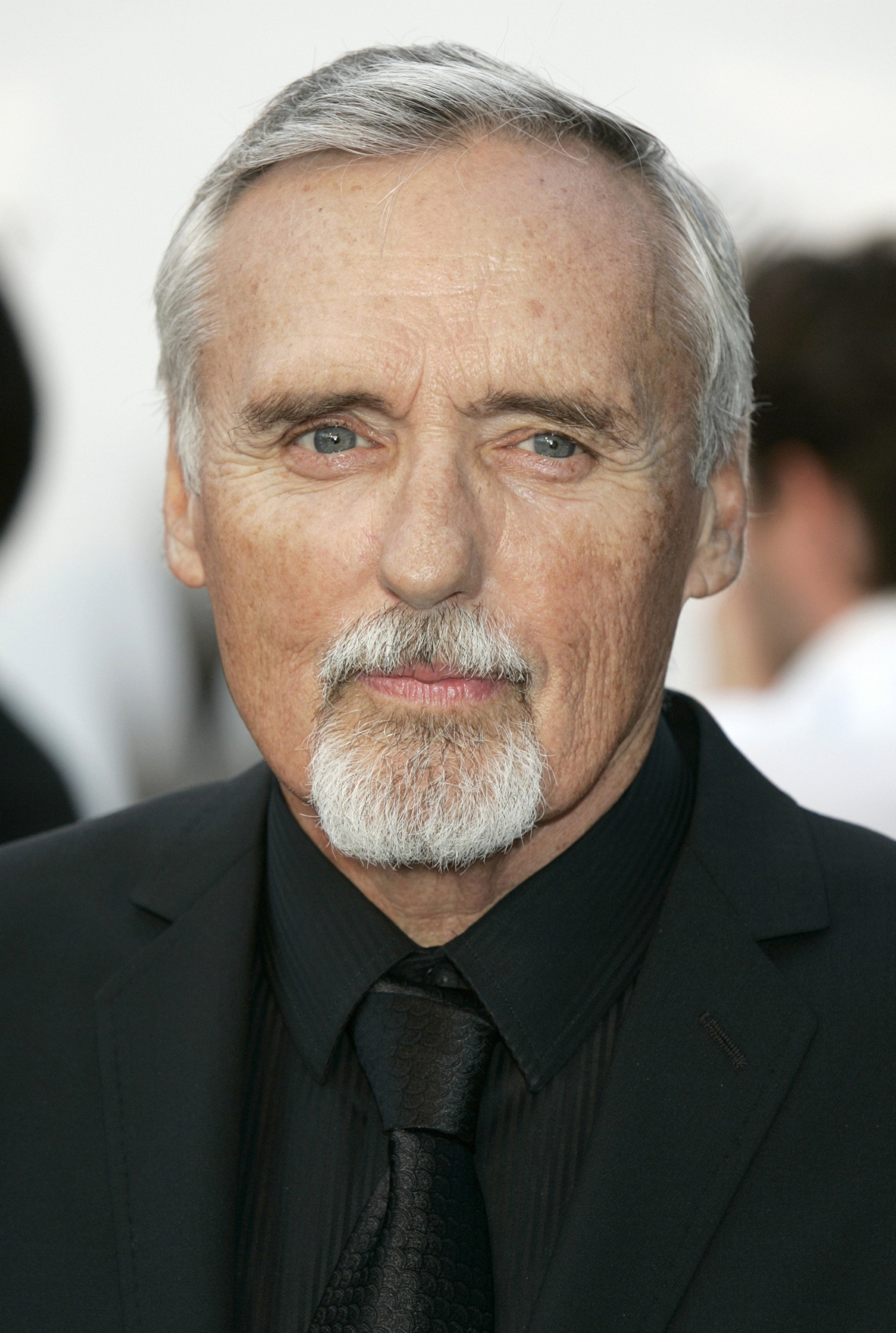
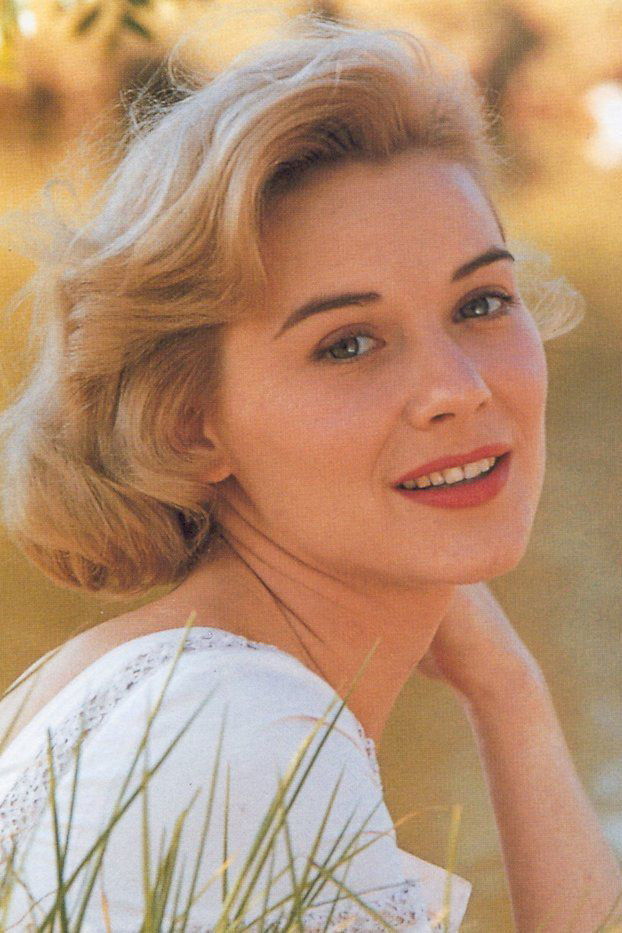
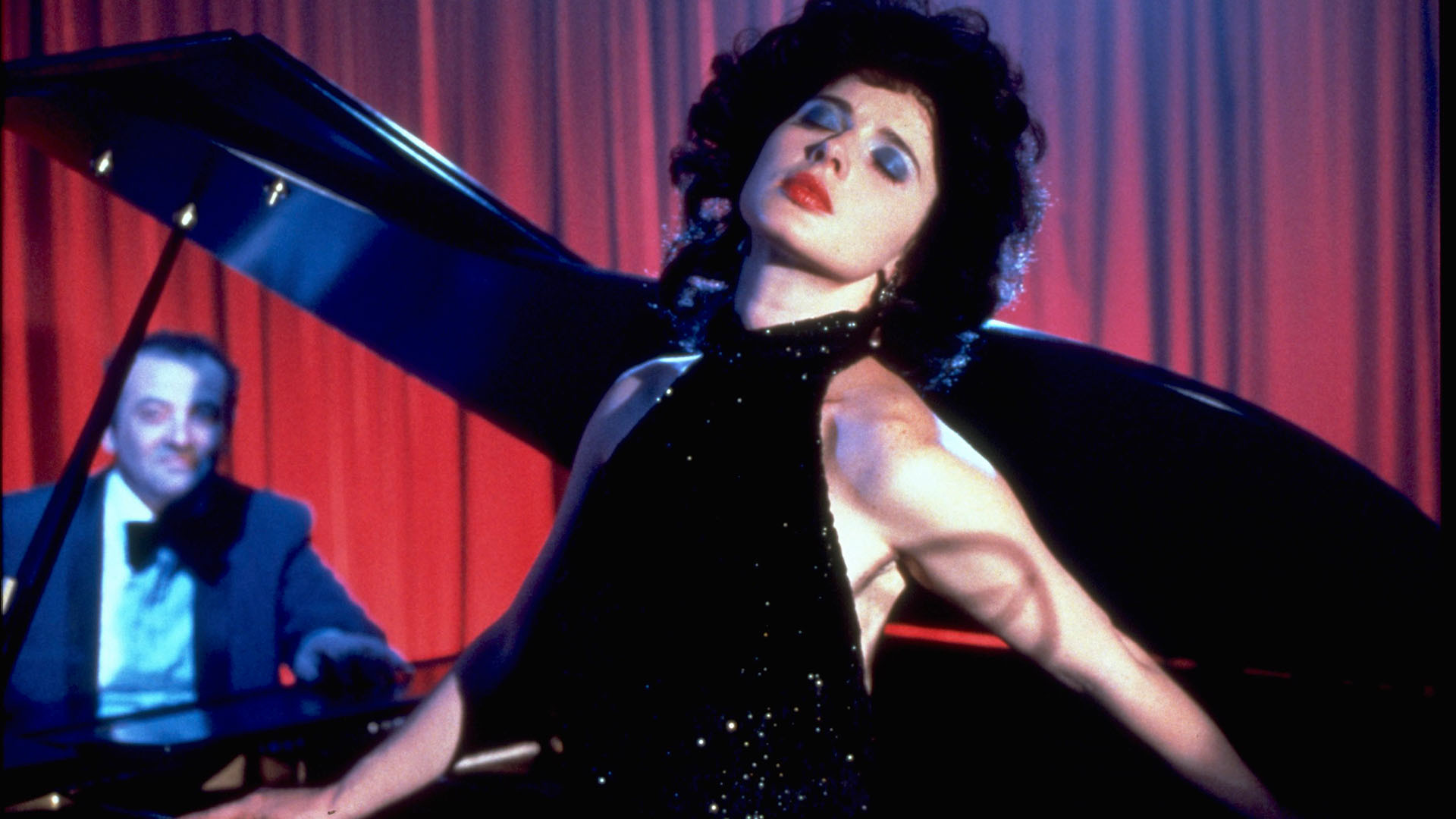
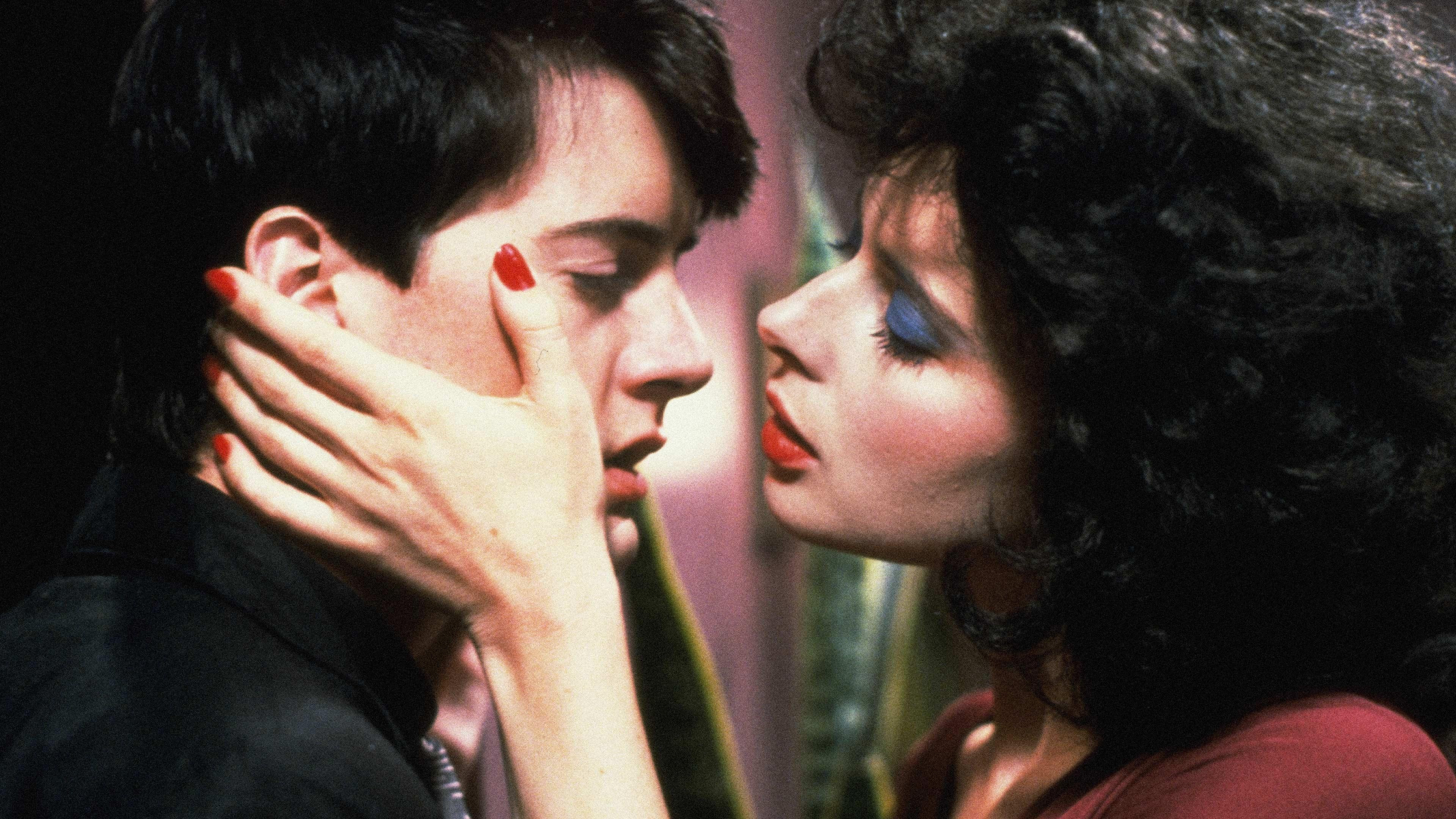
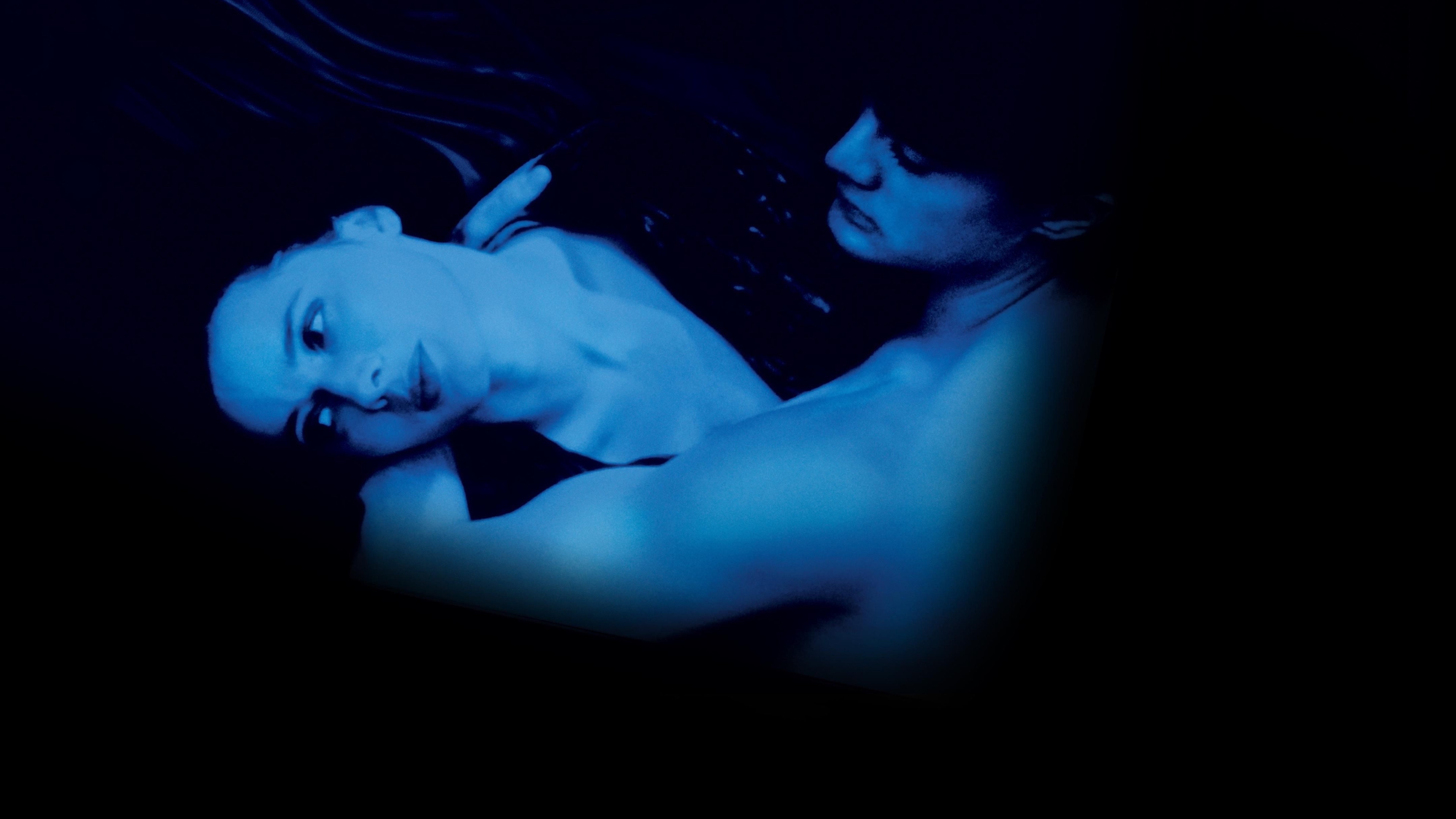
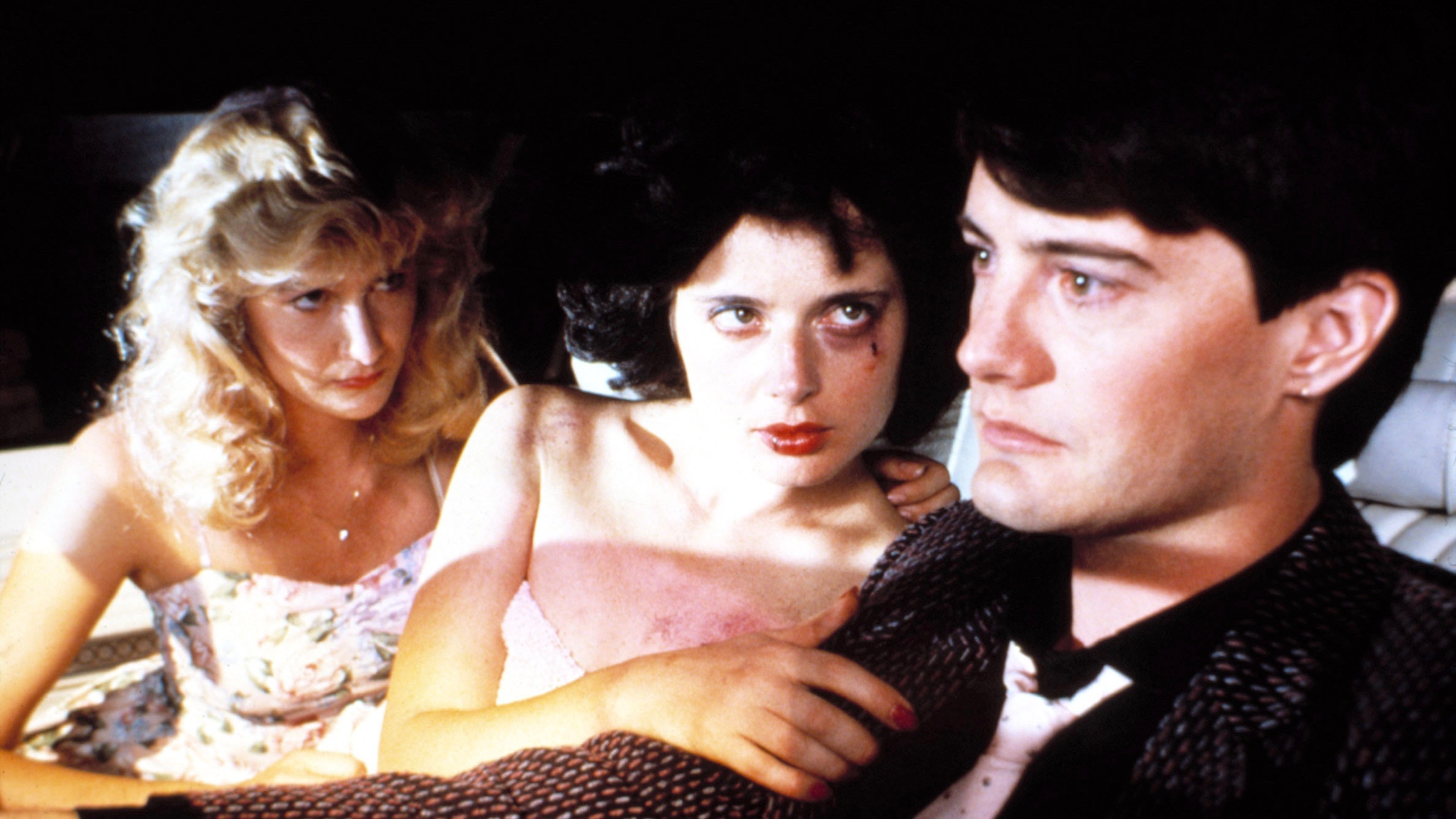
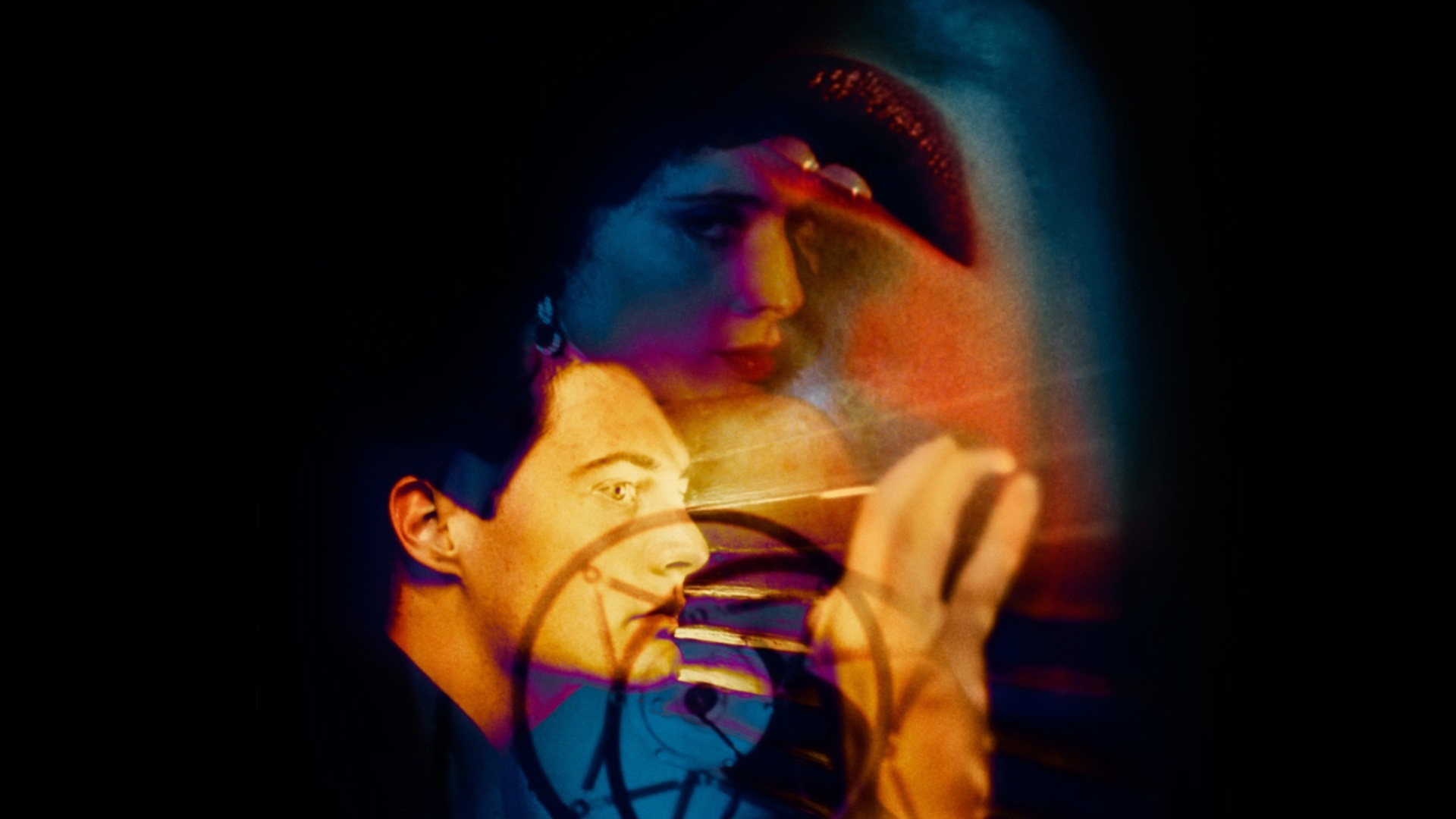
A small American town presents a picture of order, from its white fences to its firemen. Jeffrey Beaumont (Kyle MacLachlan) is drawn into the sadomasochistic relationship between Dorothy Vallens (Isabella Rossellini) and Frank Booth (Dennis Hopper), confronting desires and violence outside his experience. His curiosity pulls him further from the innocence he appears to possess. Laura Dern plays Sandy Williams, with George Dickerson as Detective Williams. David Lynch writes and directs a story that follows Jeffrey through a town where outward respectability offers little guidance about the people living there.

Plays from YouTube when you press play; nothing loads from them until then.

Fi1m review

David Lynch’s Blue Velvet is a frightening, darkly funny thriller, worth the discomfort it causes. Our reservation is its treatment of Dorothy, whose suffering sometimes becomes another opportunity for a startling image.

David Lynch’s Blue Velvet makes a frightening, absorbing thriller out of a young man’s curiosity about lives he does not understand. Lynch, who also writes the screenplay, takes seriously the possibility that an apparently innocent observer might want to see something terrible. We are encouraged to sympathise with Jeffrey Beaumont, played by Kyle MacLachlan, before we can be sure what he wants. He is drawn into the sadomasochistic relationship between Dorothy Vallens and Frank Booth in a small American town.

The opening does much of the work. Frederick Elmes photographs the white fences and firemen with a cleanness that makes the town’s good manners look slightly rehearsed. A man collapses in his garden, and the sequence goes beneath the lawn to the insects. We were horrified by that collapse, because the clean, orderly surroundings have made us feel so safe. Duwayne Dunham’s editing gives the change in scale its force, moving from the familiar public view of a town to something its inhabitants would rather not inspect.

Patricia Norris’s production design is just as important to that first impression of respectability. The town looks arranged to reassure us, and its neatness makes the sexual violence more difficult to dismiss as something belonging to a different sort of place. Angelo Badalamenti’s music adds tenderness as well as apprehension, which helps the film avoid becoming merely a succession of provocations. That tenderness matters when the performances are being pushed towards such extremes.

MacLachlan is well cast because his apparent decency does not settle the question of what Jeffrey wants. He gives the curiosity enough eagerness to make our concern for the young man uncomfortable; being drawn into danger does not automatically make him blameless. Laura Dern, as Sandy Williams, brings a directness that helps the film’s gentler feelings survive its taste for the grotesque. Neither performance needs to announce the strangeness around it, and that restraint gives Lynch room for the much broader performances of Rossellini and Hopper.

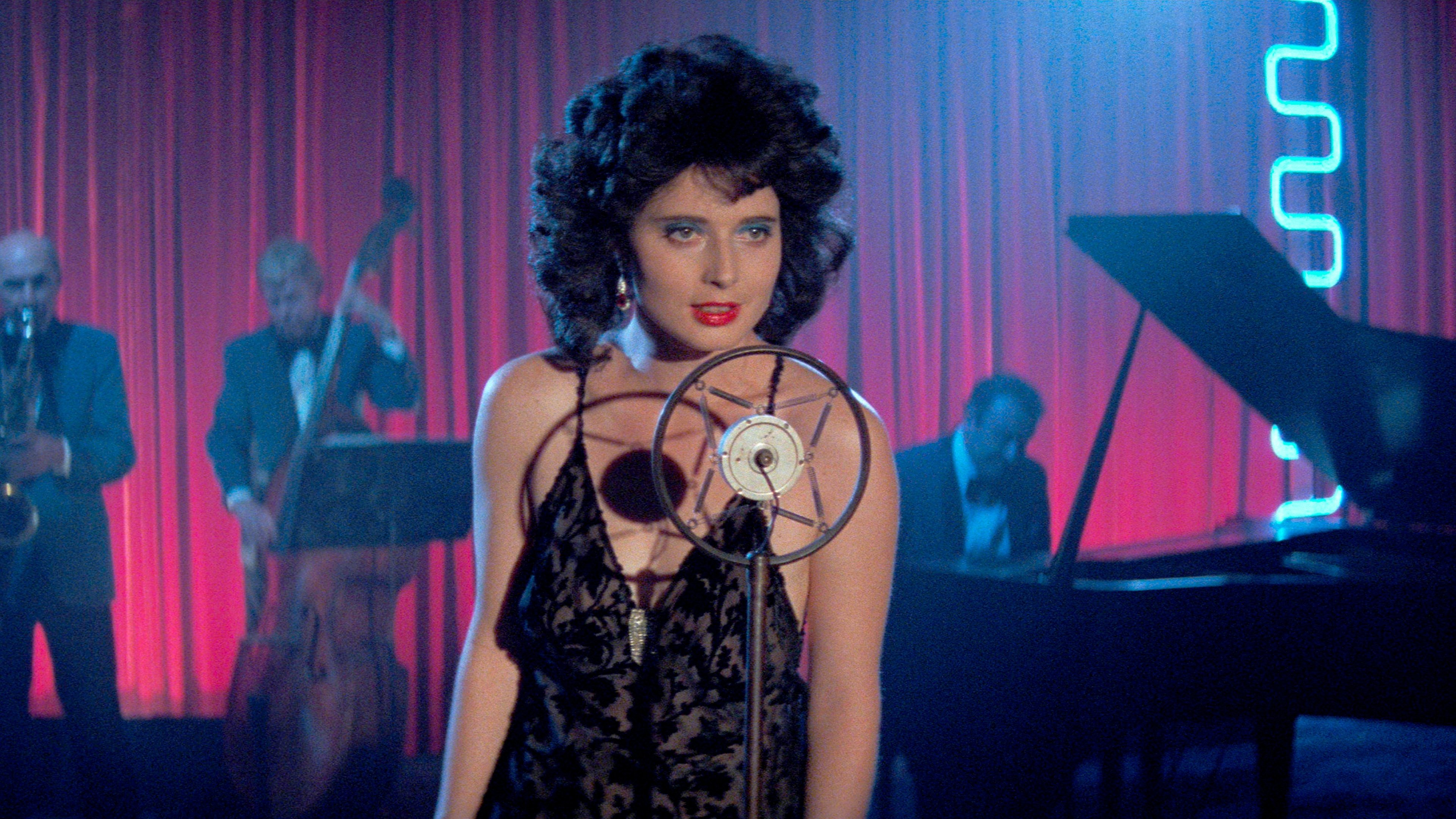
Isabella Rossellini and Dennis Hopper make that pushing difficult to watch. As Dorothy, Rossellini gives distress a volatility that resists the comfortable expectation of how a victim should behave. Hopper’s Frank is frightening because the excess feels wilful: the performance leaves us watching for what he might permit himself next. Rossellini keeps Dorothy’s distress present even when Hopper threatens to dominate our attention.

Our reservation is that Lynch sometimes seems more interested in what Dorothy’s suffering can do to an audience than in allowing her a life beyond it. Rossellini supplies much of the complexity, and the force of her performance should not exempt the writing from scrutiny. Some of the shocks feel calculated, particularly when her distress is being used to unsettle Jeffrey.

The film also works as a crime thriller, which matters. Its story gives us something to follow when the behaviour becomes strange, and Lynch keeps the prospect of discovery worrying. The humour has room to be funny without reducing the danger to a joke, a difficult judgement that the actors repeatedly get right. Watch it with someone prepared to talk about Dorothy afterwards.

Critical consensus AI synthesised

87
Positive
9
Mixed
1
Negative
0

Most critics respond enthusiastically to Blue Velvet, praising David Lynch’s disturbing treatment of small-town American life and the desires concealed beneath its respectable surface. The praise centres on the contrast between ordinary suburban imagery and sexual menace, with several reviews singling out the opening sequence for establishing that unease. Performances are another point of agreement: Dennis Hopper and Isabella Rossellini receive particular attention, while Kyle MacLachlan and Laura Dern also earn praise for making Lynch’s strange situations convincing.

The reservations concern the substance behind the shock and the film’s place within Lynch’s work. The Guardian admires its radical approach and committed performances but finds it calculated and a little hollow. Empire remains positive while judging later Lynch films more accomplished. The spread therefore runs from strong enthusiasm to qualified admiration, with the clearest dissent questioning whether the film has enough to say rather than its ability to disturb.

Radio Times
★★★★★ · John Ferguson
100

This is the most complete of David Lynch's films, made before his disturbing black vision of small-town American life veered into self-parody. The dark tone is set from the opening sequence, which starts with white picket fences and cheery firemen but ends with a man suffering a stroke in his garden while insect life seethes beneath the lawn; Kyle MacLachlan plays the young innocent sucked into the bizarre sadomasochistic relationship between Isabella Rossellini and Dennis Hopper.

Read the full review →
The Times
2 January 2026 · ★★★★★
100

The review calls Blue Velvet Lynch’s most accomplished and unsettling feature, praising its exploration of darker male desires and the extraordinary performances by Dennis Hopper and Isabella Rossellini. It highlights the film’s enduring influence and disturbing power.

Read the full review →
The AV Club
16 November 2011 · A · Noel Murray
95

Blue Velvet is the film where Lynch's career makes sense, distilling noir into a subversive tale of dark sexuality beneath suburban blandness. The critic notes its plot-driven nature and lasting impact despite initial controversy over its treatment of characters.

Read the full review →
Los Angeles Times
3 October 1986 · Sheila Benson
90*

The critic calls it the most brilliantly disturbing film rooted in small-town American life, shocking and visionary with images of innocence and dark sexuality that lodge in the unconscious. Lynch's conviction and the superlative acting, especially by MacLachlan, Dern and Hopper, are singled out for praise.

Read the full review →
Slant Magazine
27 May 2002 · Ed Gonzalez
85*

Lynch charts the uncomfortable space between boyhood and manhood in a film about subconscious desires beneath America's idealistic facade. The critic praises the film's mise-en-scène, score, and thematic depth in contrasting normalcy with perversion.

Read the full review →
Total Film
4 December 2001
85*

The review praises Blue Velvet as the film where David Lynch settled into his stride, creating a uniquely disturbing and frequently beautiful work with universally superb performances. It highlights the lasting shock value of key scenes and Lynch's dark genius.

Read the full review →

Cast

Stills

Awards

Academy Awards, 1987

Nominated
Best Director

Sitges Film Festival Best Feature-Length Film award, 1986

Won
Sitges Film Festival Best Feature-Length Film award

If you liked this, try…

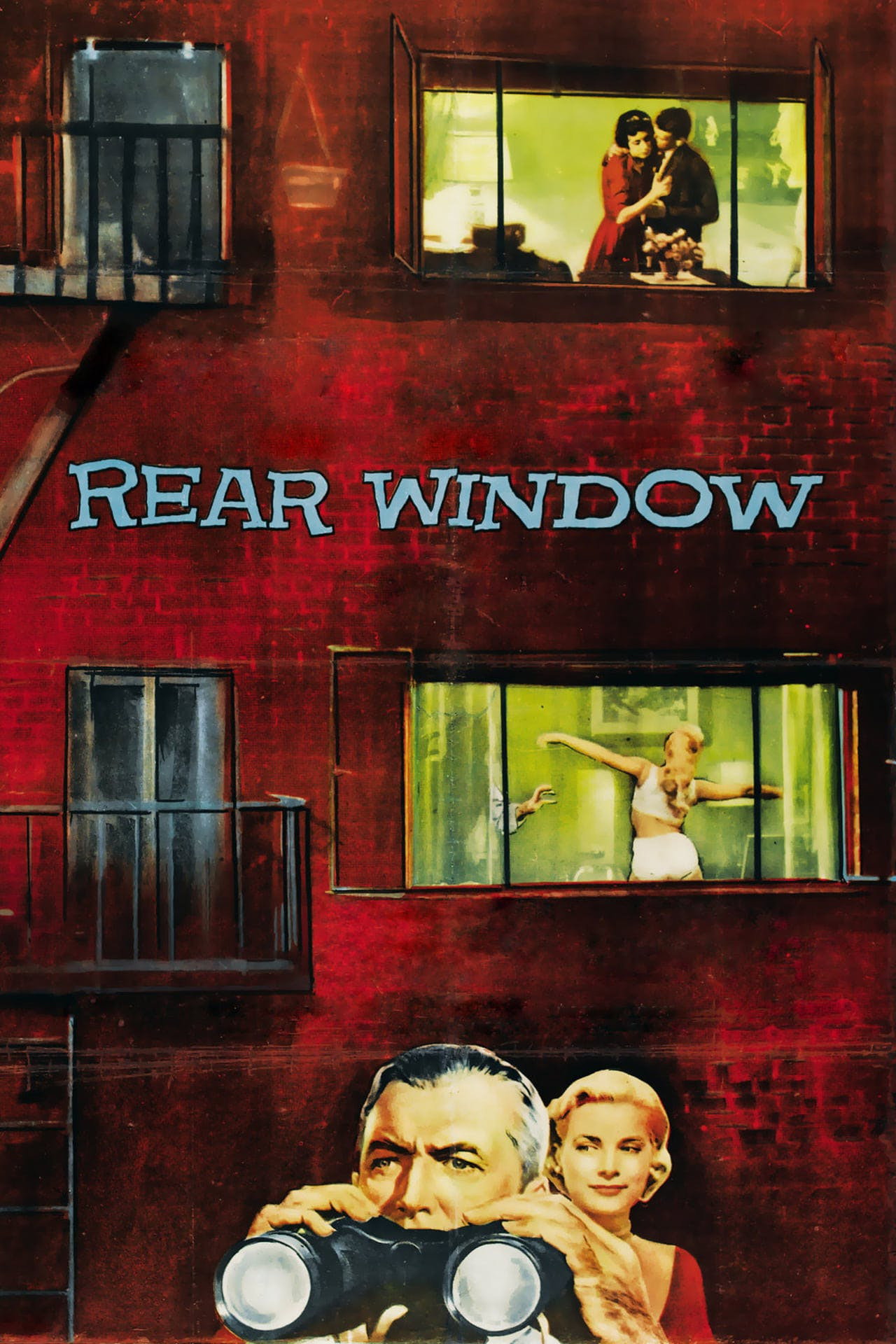
Rear Window poster94

Rear Window

1954 · Another curious observer discovers that watching the neighbours can become a dangerous occupation.

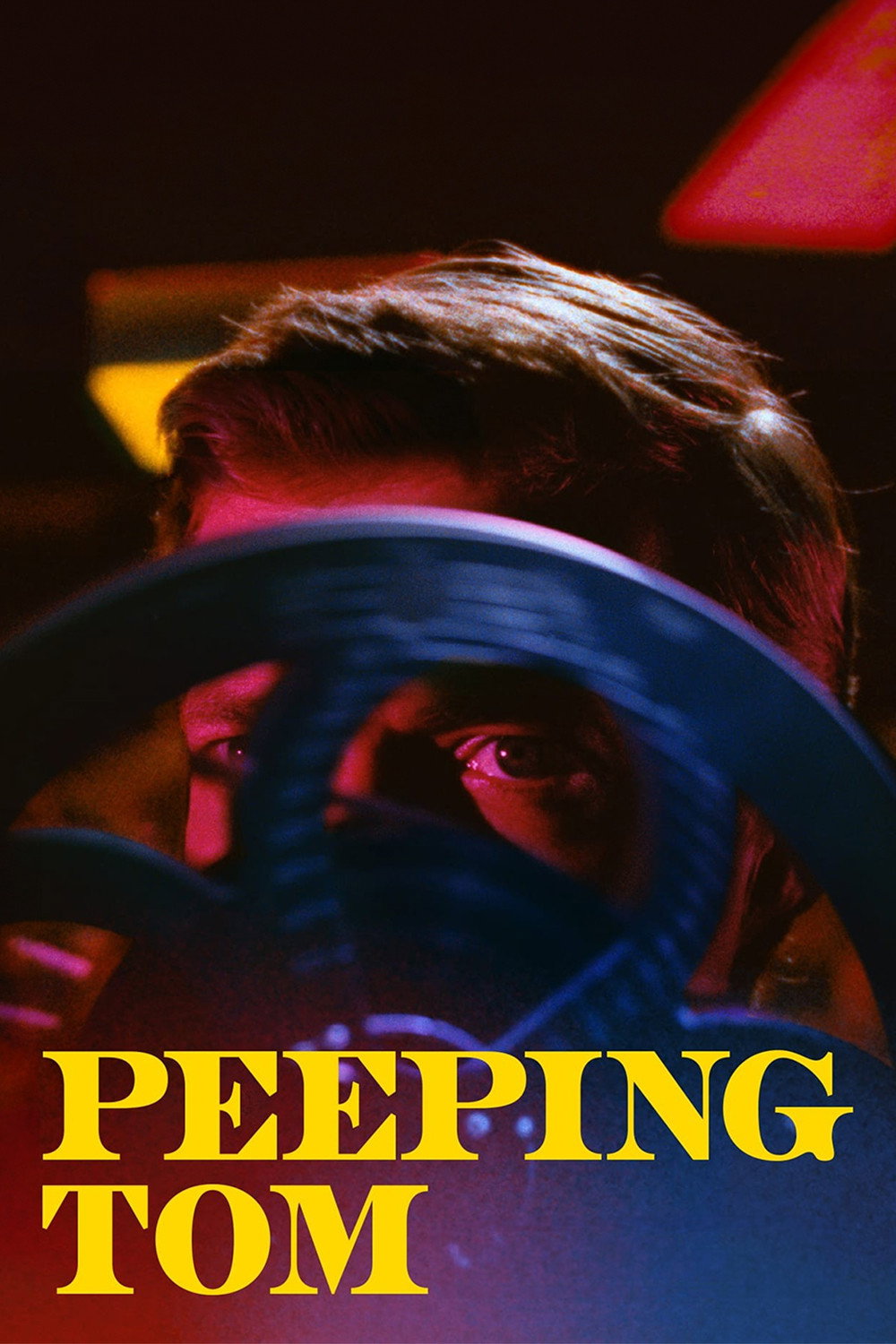
Peeping Tom poster

Peeping Tom

1960 · A camera makes watching inseparable from violence, with uncomfortable sympathy for its operator.

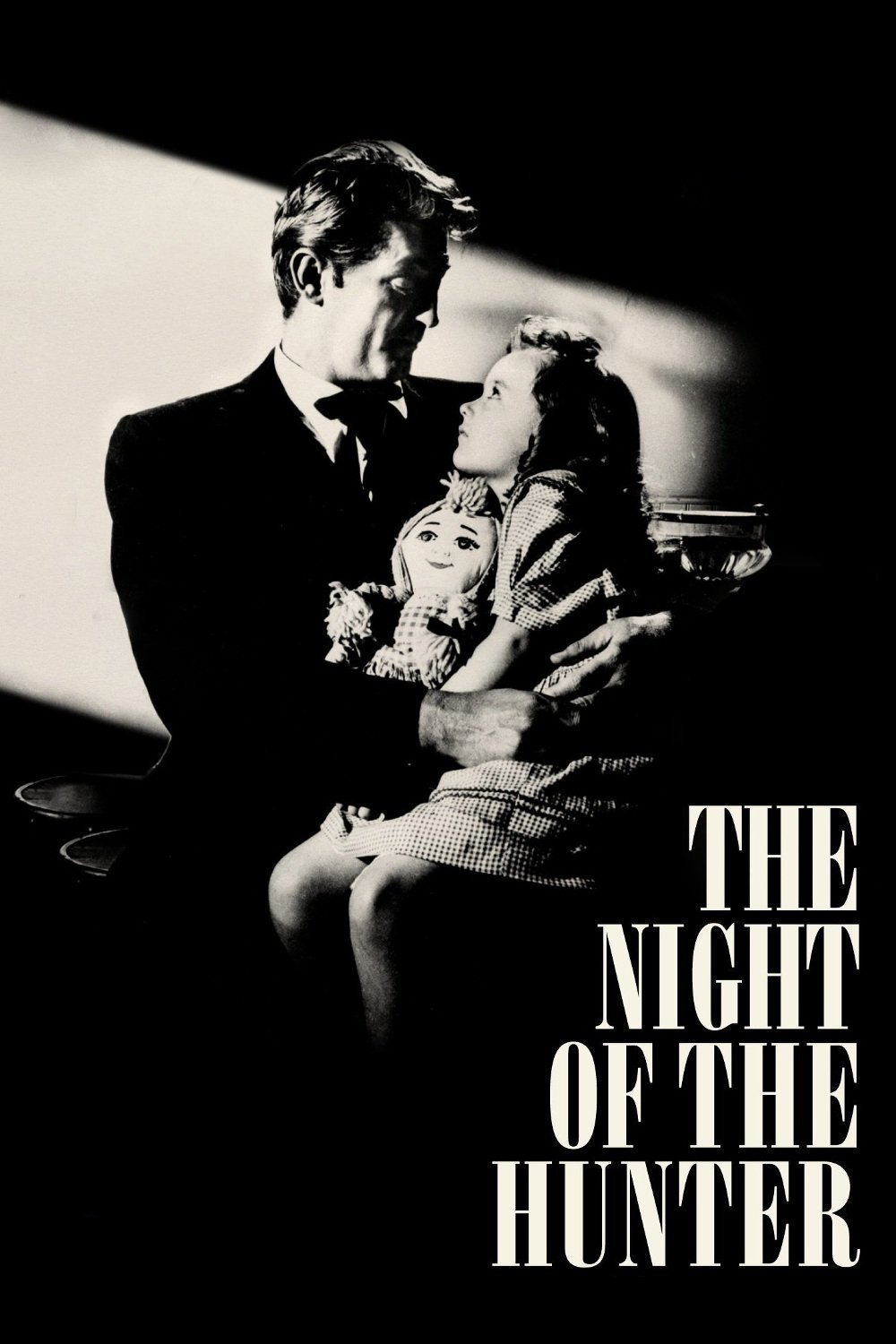
The Night of the Hunter poster

The Night of the Hunter

1955 · Childhood innocence faces an adult menace whose respectable appearance is part of the danger.

Cure poster

Cure

1997 · A quieter crime nightmare, where ordinary conversations become difficult to bear.

The Headless Woman poster

The Headless Woman

2008 · A possible crime unsettles a comfortable life built on not asking questions.