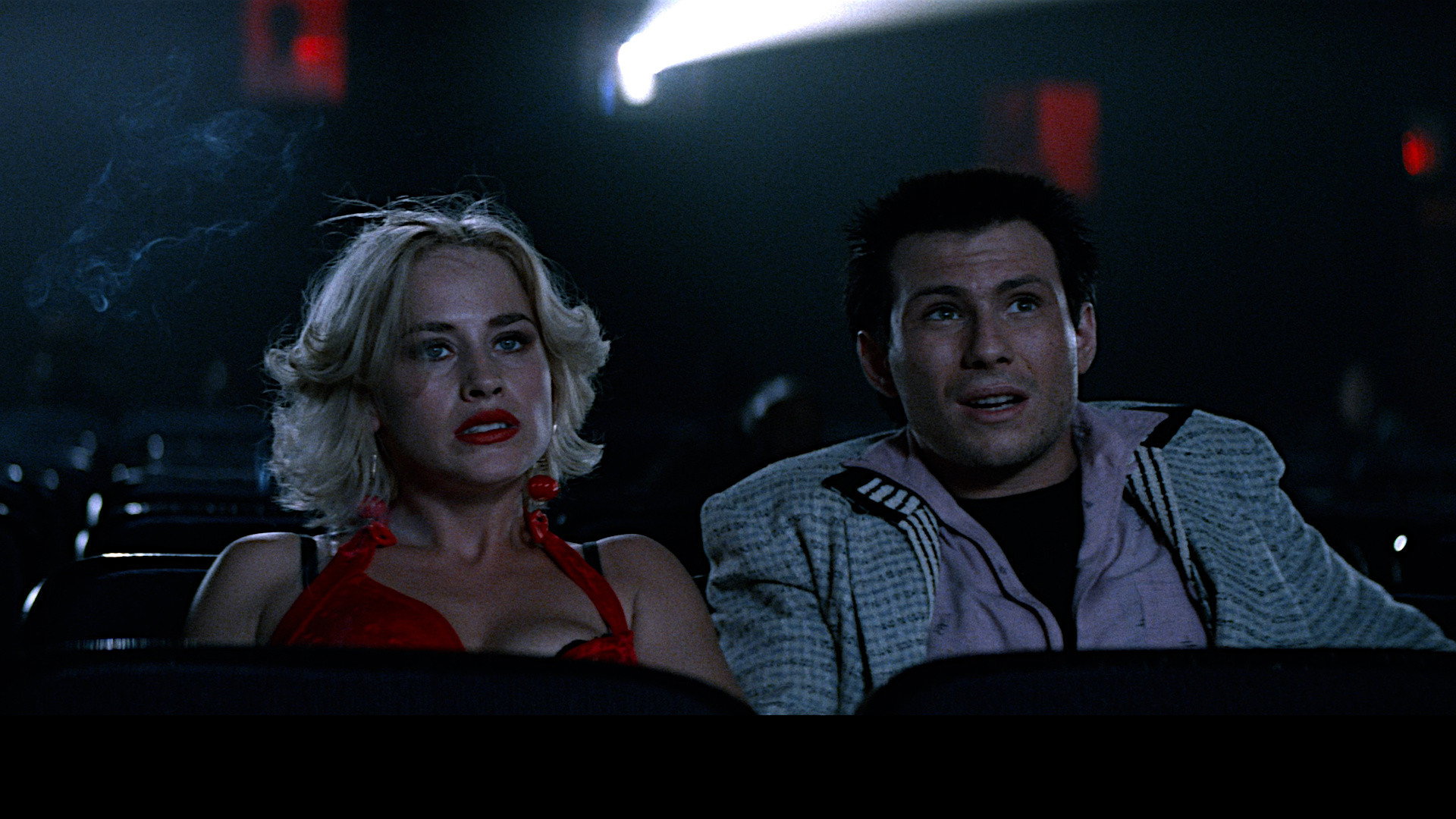
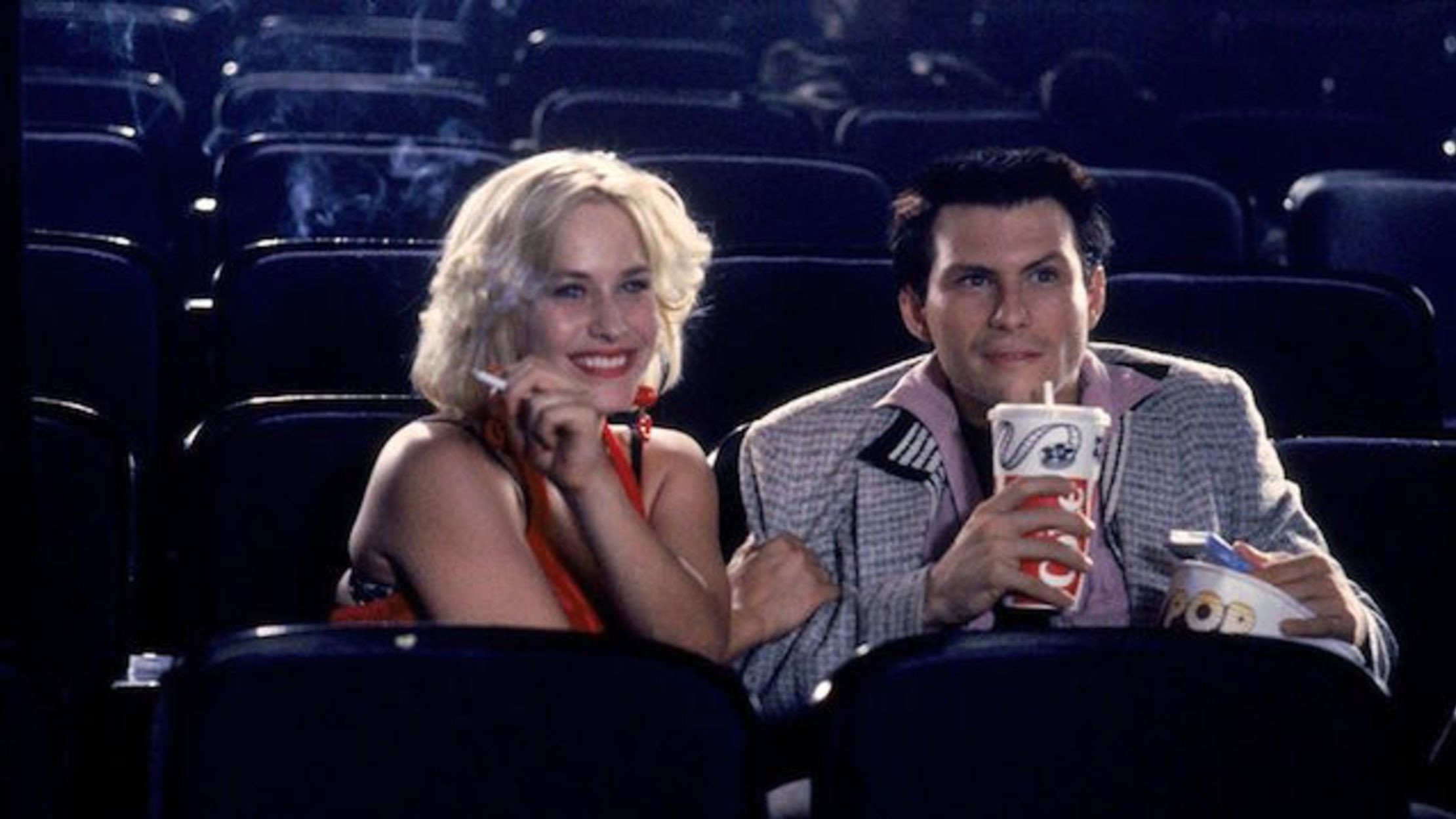
Tony Scott makes Quentin Tarantino’s reckless lovers worth caring about, and the supporting cast keep interrupting them to splendid effect. The cruelty sometimes feels smug, but the romance earns our affection.
True Romance is a good deal more affecting than its inventory of cocaine, gangsters and clever speeches might suggest. Tony Scott makes Quentin Tarantino’s screenplay into a romantic crime film worth caring about, although the pleasure it takes in cruelty sometimes sours the fun. The trick is to persuade us that the couple belong together even when their choices make little sense. Scott gives that task as much attention as he gives the threat of violence, and the film benefits.
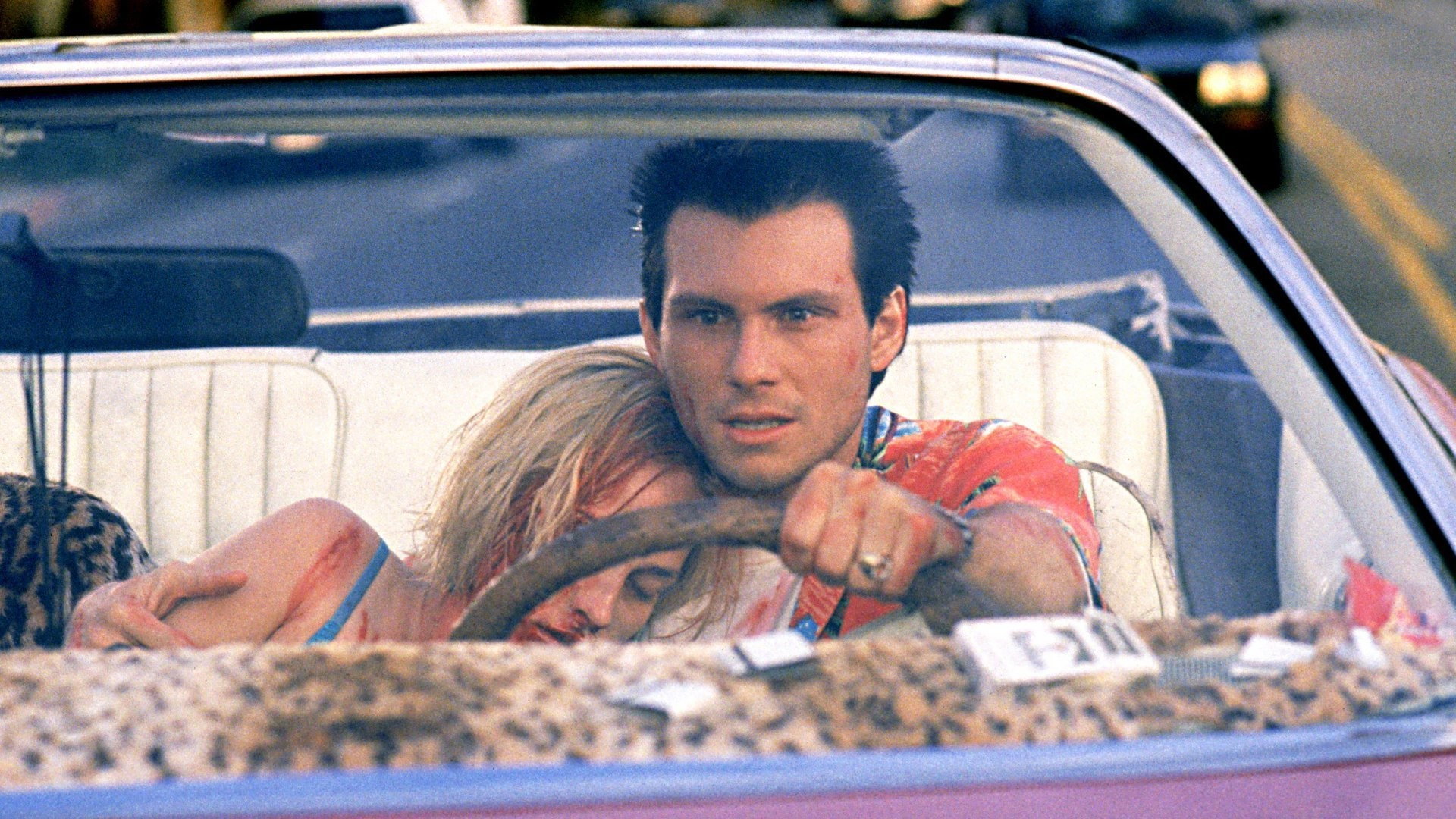
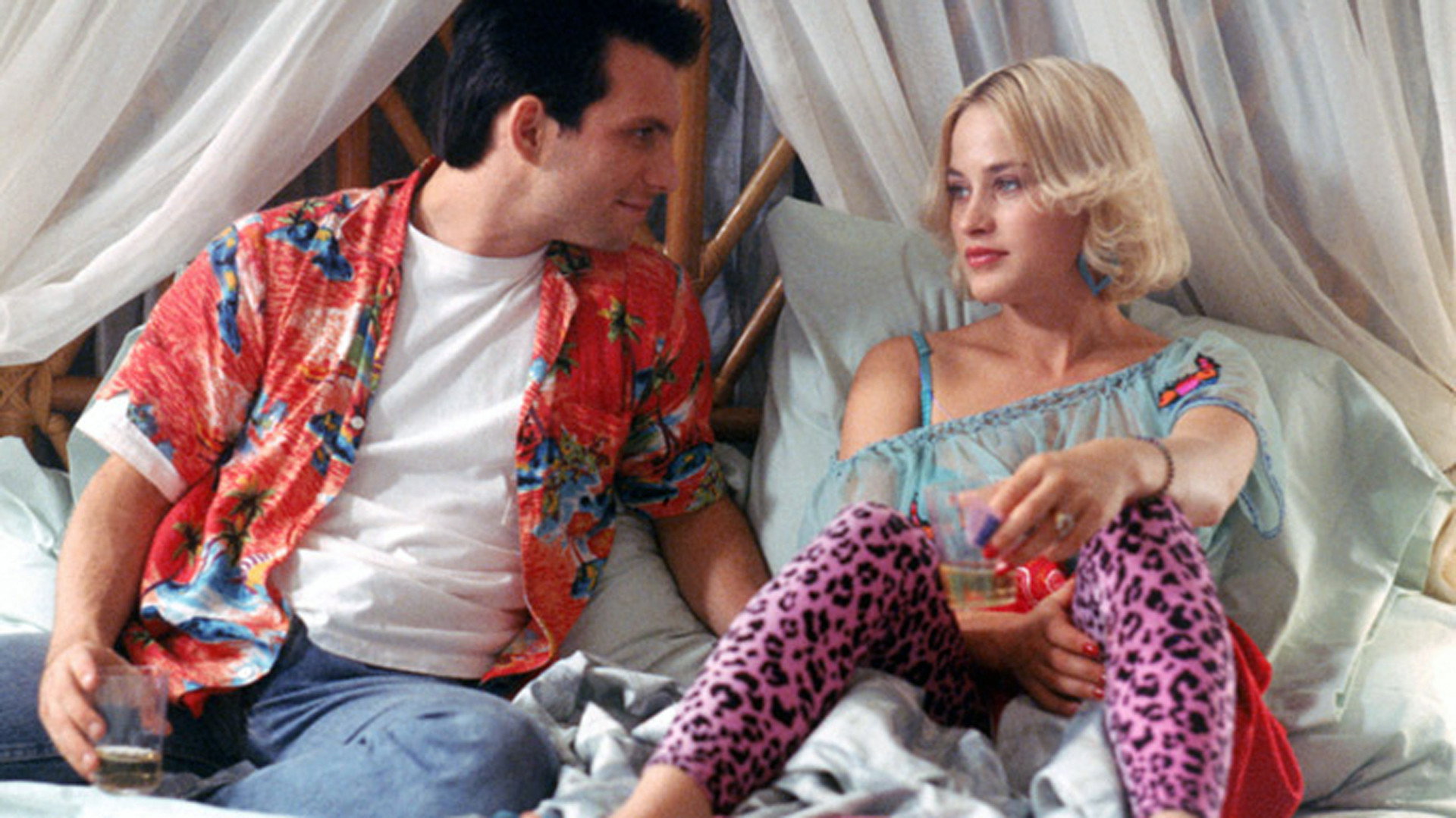
Christian Slater’s Clarence Worley and Patricia Arquette’s Alabama Whitman have to carry a romance through a story crowded with performers eager to seize a scene. Slater’s boyish confidence makes Clarence’s recklessness bearable, though it can also spare him more scrutiny than he deserves. Arquette is the stronger reason to stay with them: she makes Alabama’s affection credible in a film where almost everyone is busy being colourful. Their sincerity gives the criminal adventures something to put at risk.
Jeffrey L. Kimball’s photography gives Scott’s criminal world a gloss that makes spending time there feel inviting. Benjamín Fernández’s production design helps sustain that attraction, although the surroundings sometimes seem better suited to an actor’s entrance than to anyone living in them. The slight unreality suits a story full of people performing their own idea of toughness. Scott does not waste effort pretending these criminals have wandered in from ordinary life.
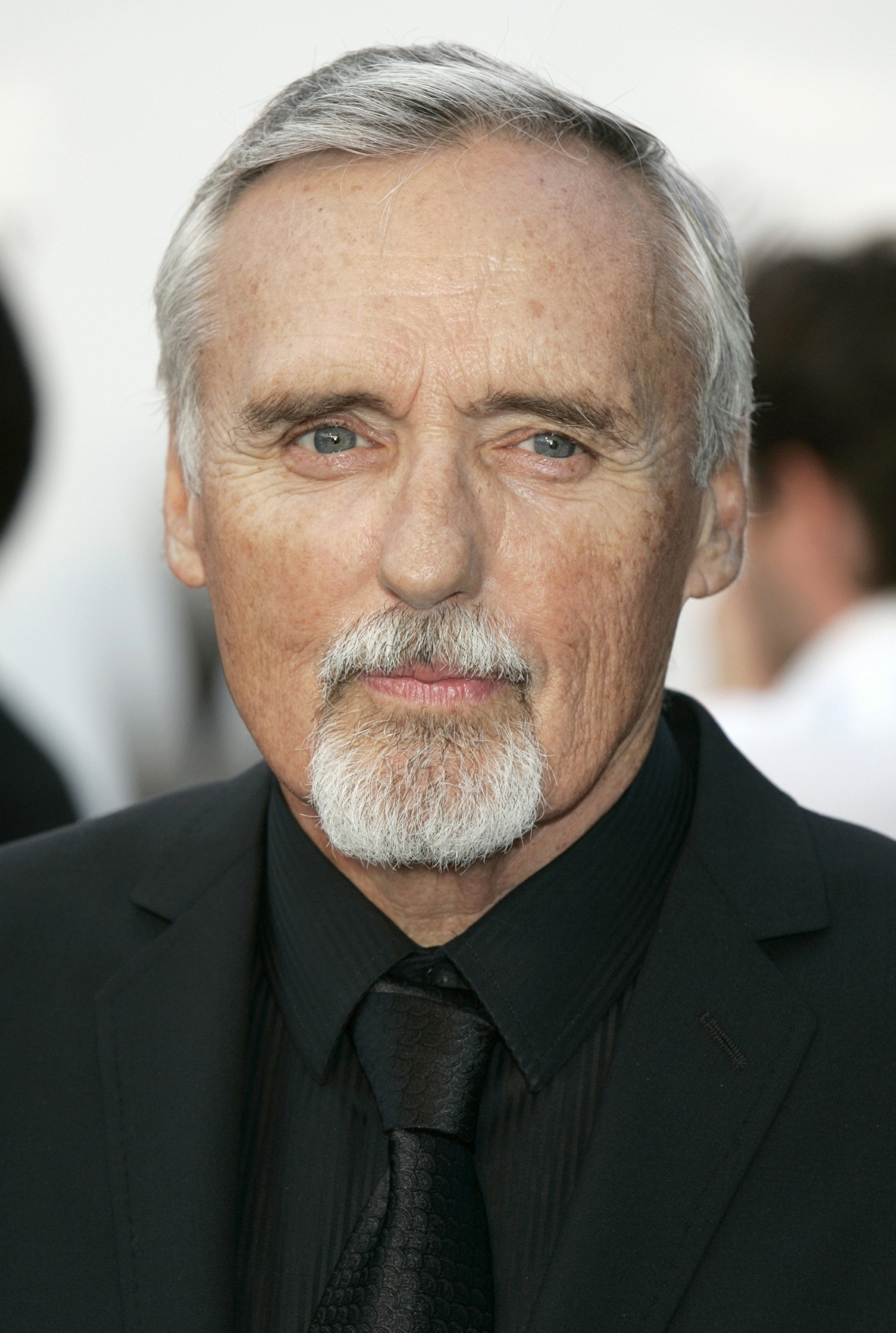
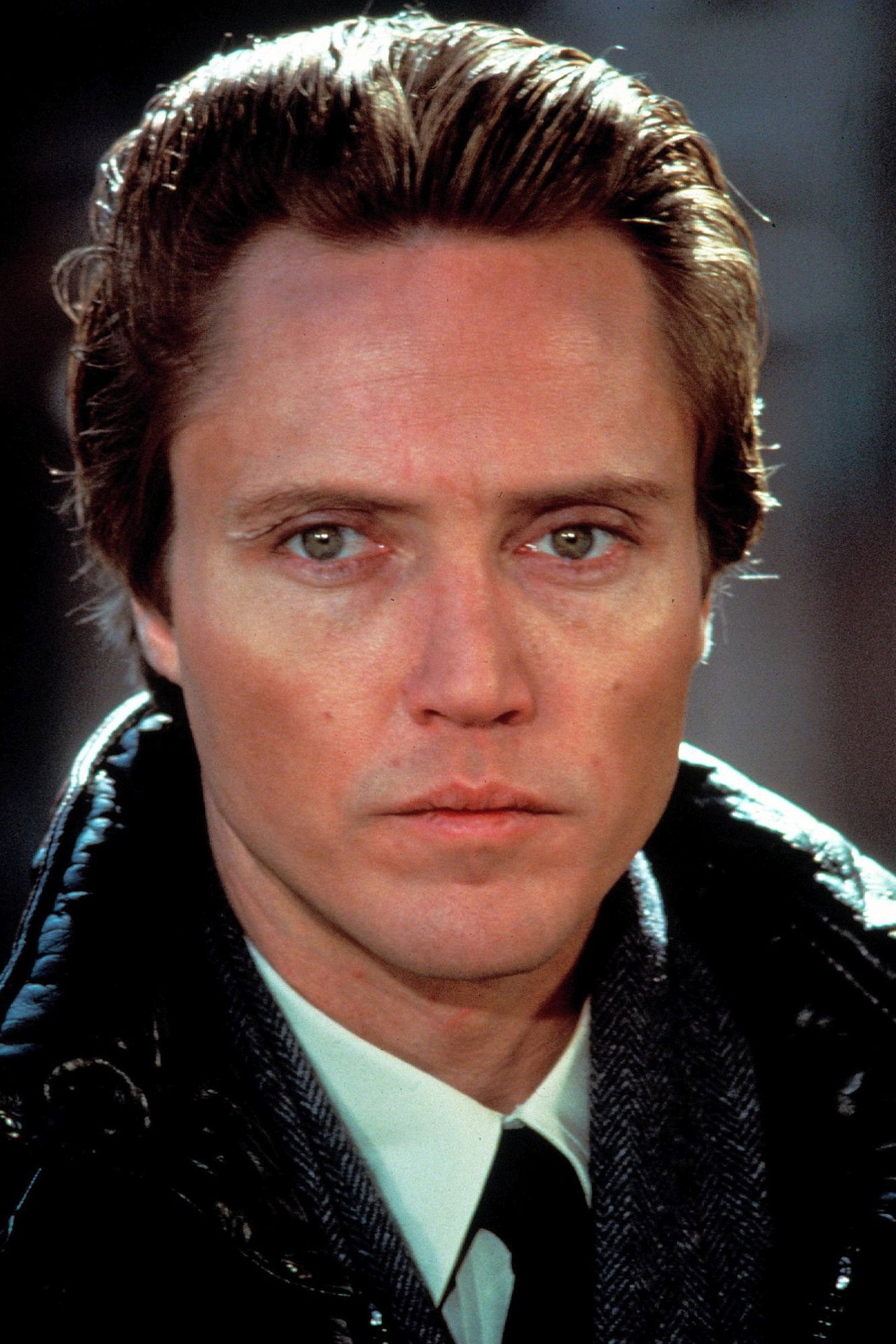
The supporting cast are allowed to push hard, and Gary Oldman’s Drexl Spivey is extravagant enough to threaten the film’s already loose sense of proportion. Yet Scott also gets tension from actors doing rather less. We were tense during the confrontation between Dennis Hopper and Christopher Walken: the threat of violence made each new line feel like a risk. Their performances make the dialogue feel dangerous; elsewhere, we are sometimes conscious of characters talking at length because the writer is enjoying himself.
Editors Michael Tronick and Christian Wagner keep the succession of encounters moving, so the changes in company rarely feel like delays. The fast cutting is useful when the story threatens to become a parade of supporting turns, and stops the lovers disappearing for too long behind the louder personalities. Hans Zimmer’s music does important work for the romance, treating the lovers’ feelings with a directness the dialogue often avoids. Its warmth makes the relationship easier to believe amid all that competitive talking.
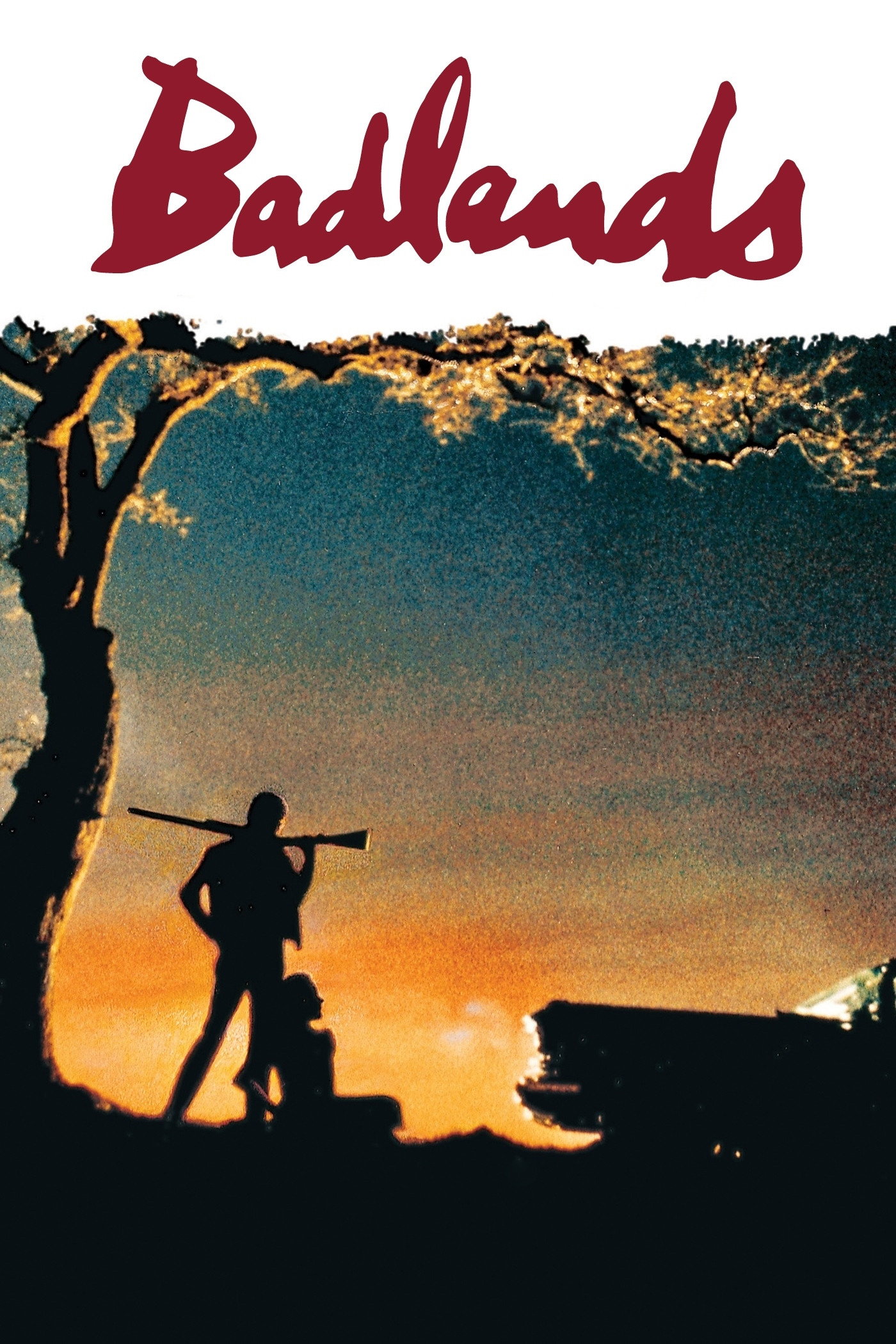
Tarantino’s writing is funny, and the absurdity of the criminal complications gives Scott plenty to work with. The problem is the assumption that a scene becomes more daring simply by making its cruelty more emphatic. Some of the ugliness seems to be there to keep us impressed by the film’s nerve, and that grows tiresome. The borrowed gangster behaviour is less troubling: familiar material can still entertain when the actors find this much pleasure in it.
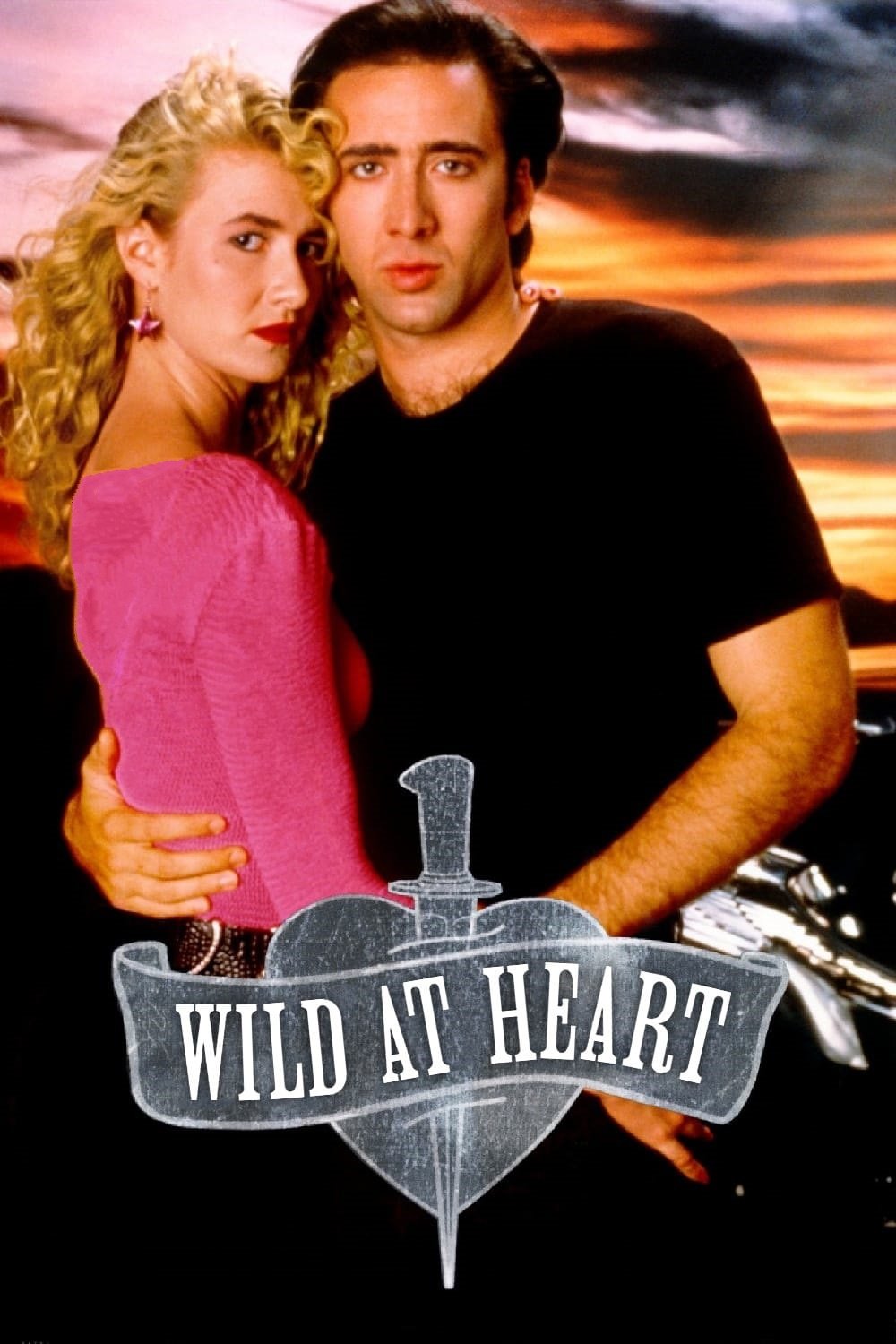
As a lovers-on-the-run film, True Romance succeeds because its central relationship survives all those interruptions from the supporting cast. It asks us to indulge quite a lot, and anyone unconvinced by the couple will have fewer reasons to forgive the excess. We recommend it for Arquette, Slater and the dangerous conversations, with a firm warning about its appetite for brutality. Choose company who can tolerate a romance being interrupted at length.