David Lynch’s violent road romance is uneven but worth considering for Nicolas Cage and Laura Dern. They hold our attention when the humour grows strained and the wandering pace begins to test our patience.
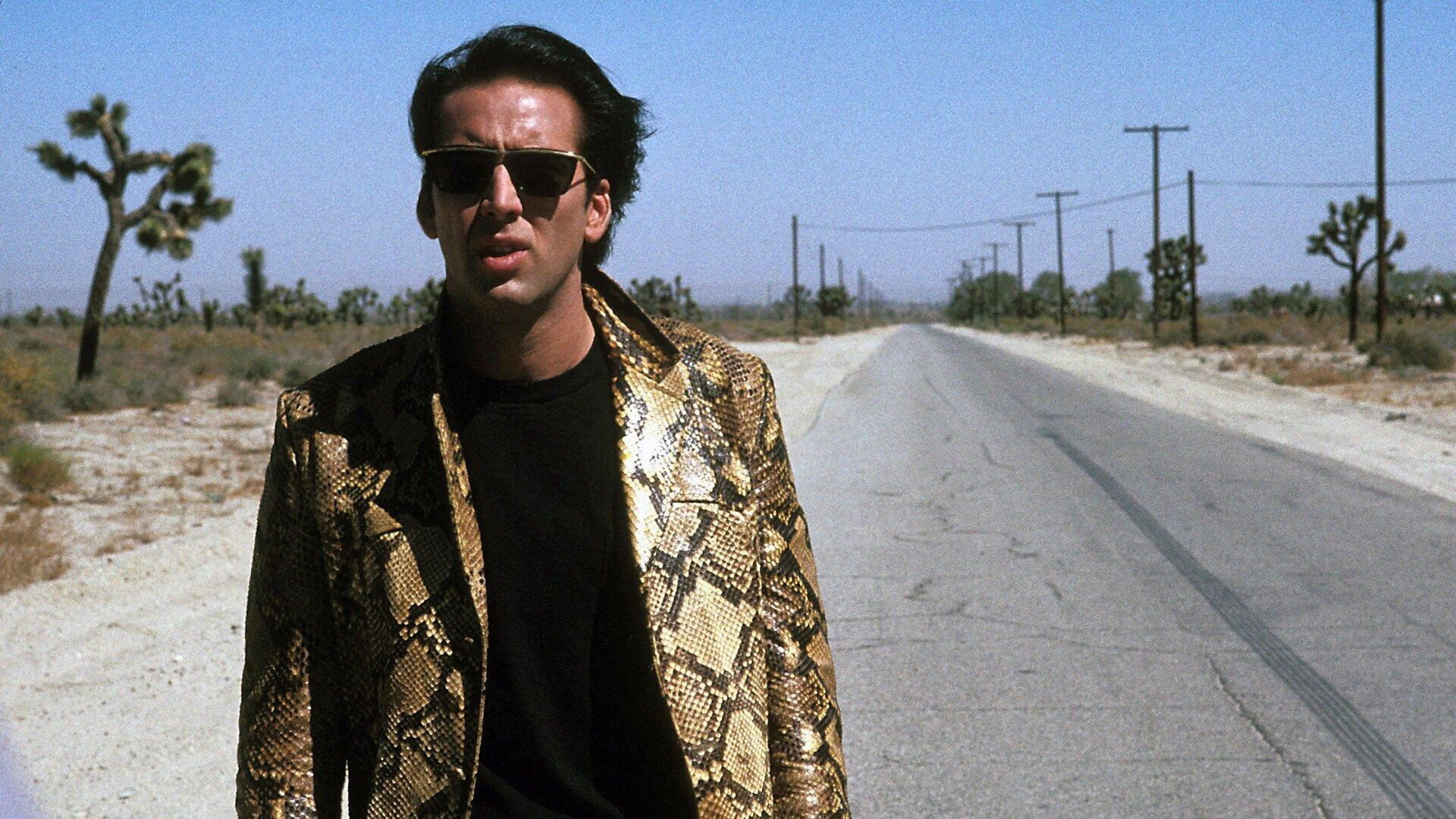
David Lynch’s Wild at Heart asks us to take its lovers seriously while almost everything around them encourages a laugh or a recoil. It is a fitfully rewarding road romance, held together by Nicolas Cage and Laura Dern and weakened by a growing fondness for its own unpleasant jokes. Lynch, adapting Barry Gifford’s novel, wants romance, crime and comedy to occupy the same stretch of road. For the first hour or so, the changes of mood have a pleasing recklessness.
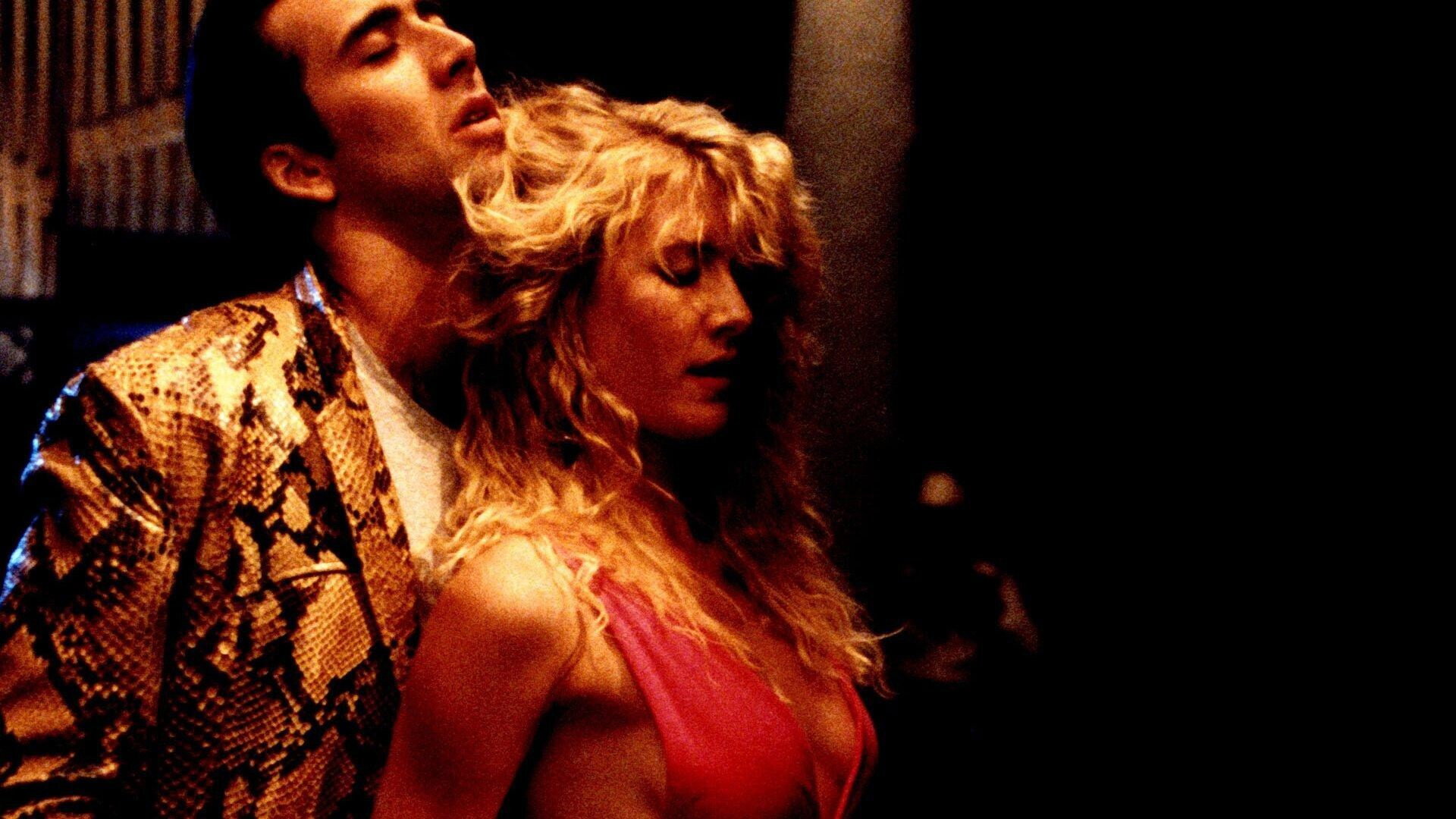
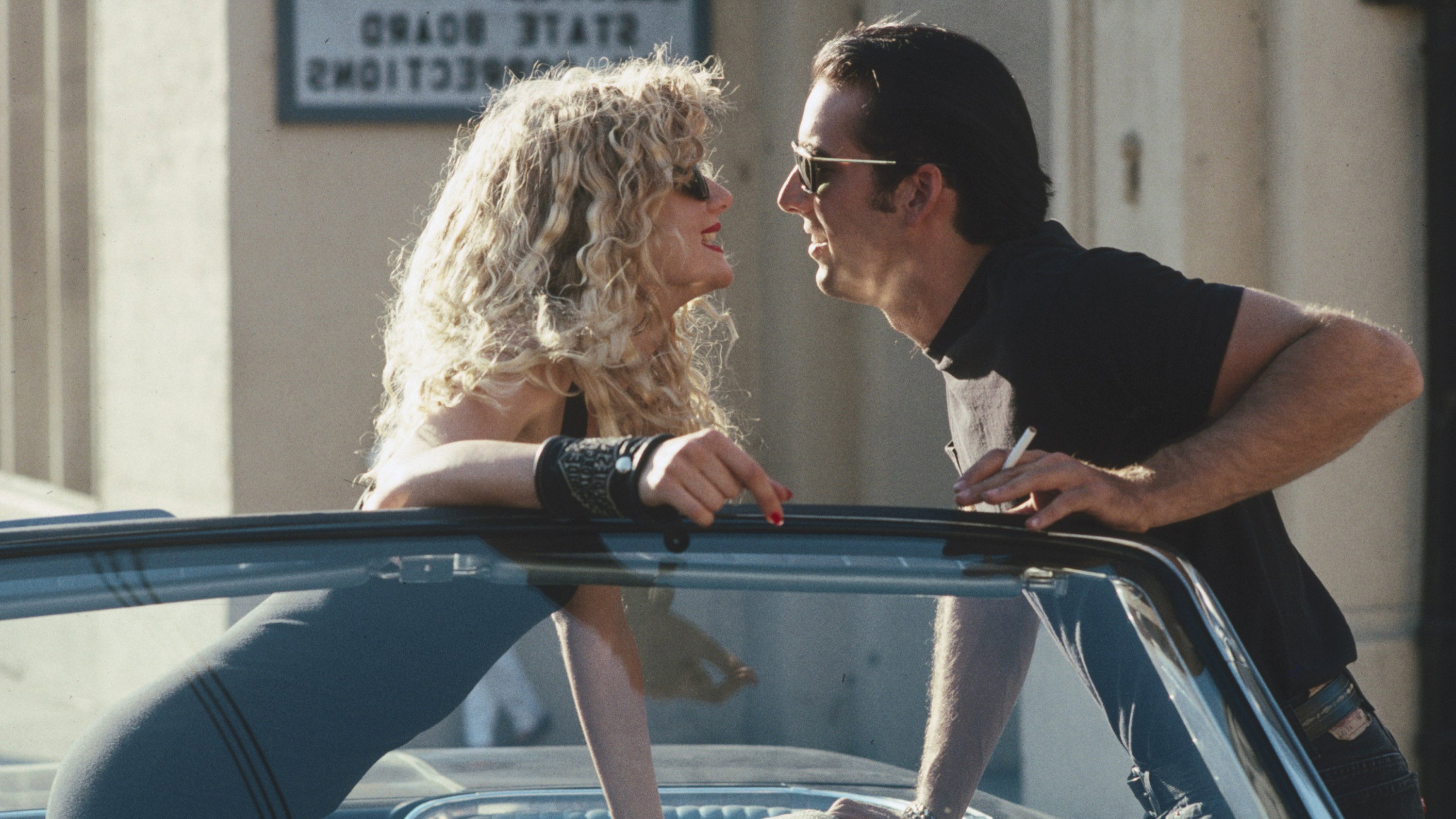
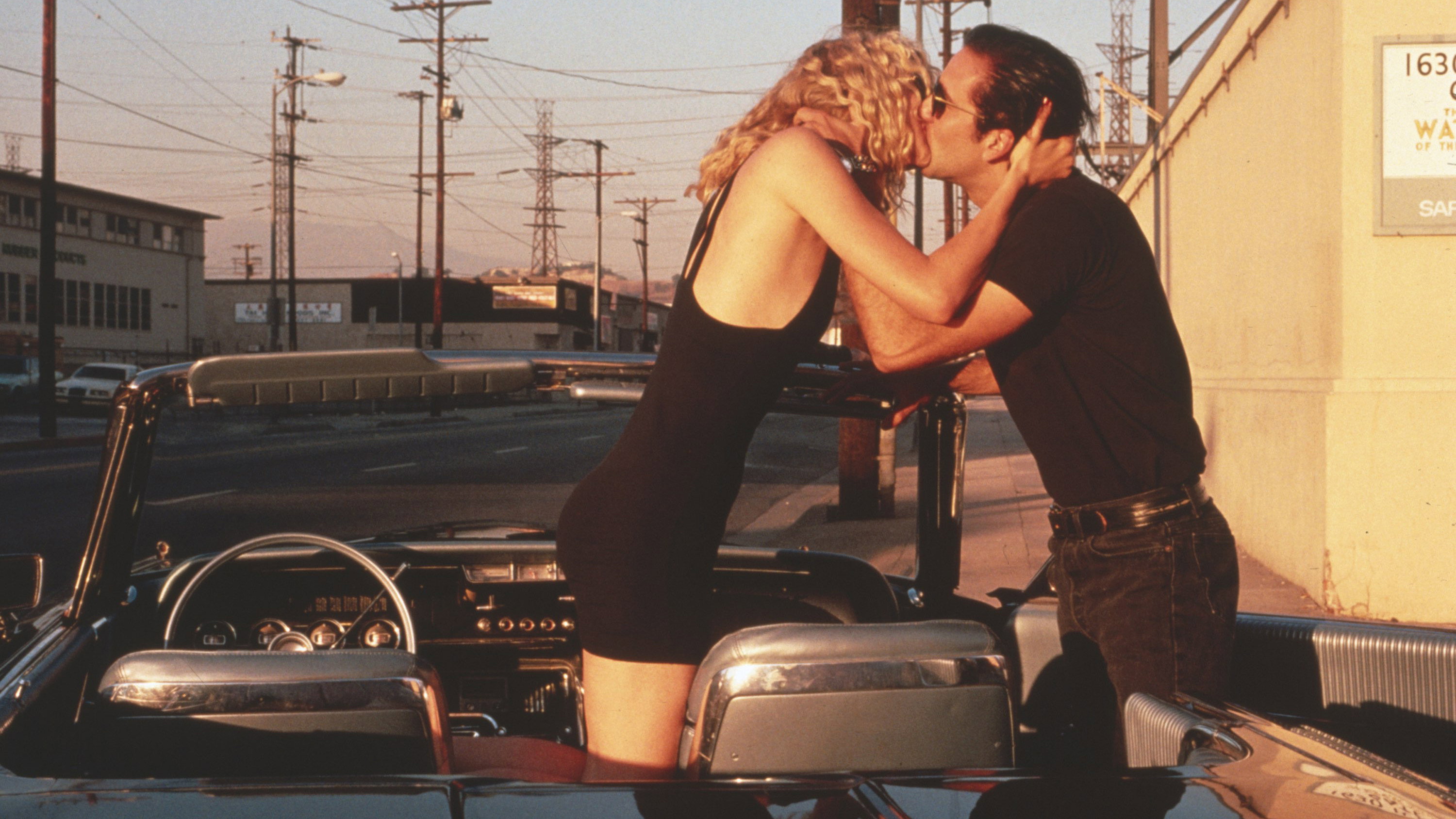
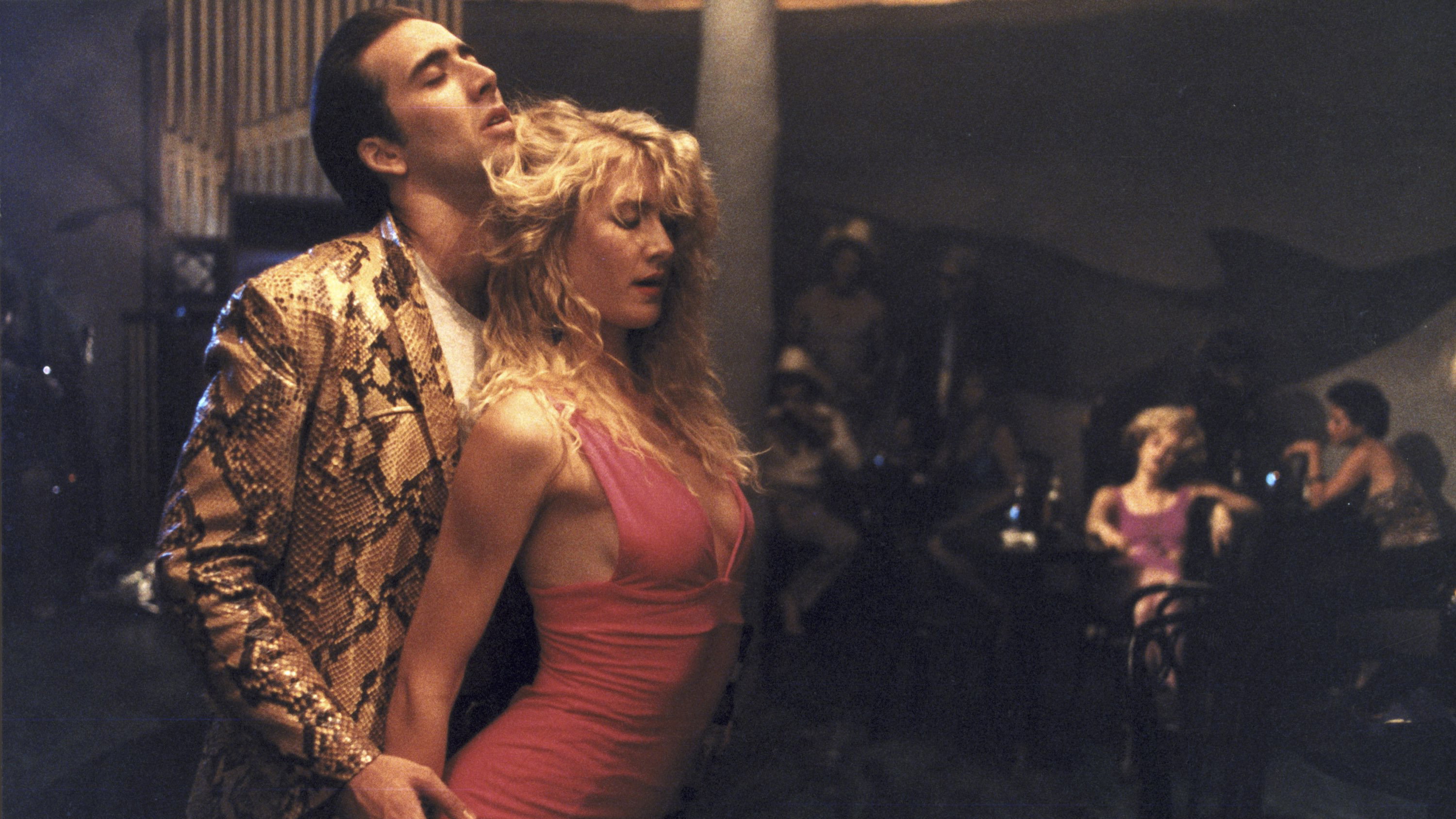
Cage’s Sailor is played so broadly that a more restrained partner could easily disappear beside him. Dern’s Lula does not, and the pleasure of watching them is that neither performance asks the other to become smaller. We laughed at their excess because it seemed shared, a way for these two people to recognise and encourage each other. They give the romance enough conviction to survive some fairly rough treatment from the rest of the film.
The violence makes that pleasure uncomfortable, which is partly why the film works at all. We were disturbed by the collision of Cage and Dern’s outsized romantic enthusiasm with the film’s physical cruelty; the broad acting had encouraged us to lower our guard. Lynch does not make it easy to decide when laughter is an adequate response. The difficulty comes when the nastiness begins to feel predictable, with each new piece of grotesque behaviour asking for a stronger reaction than the last.
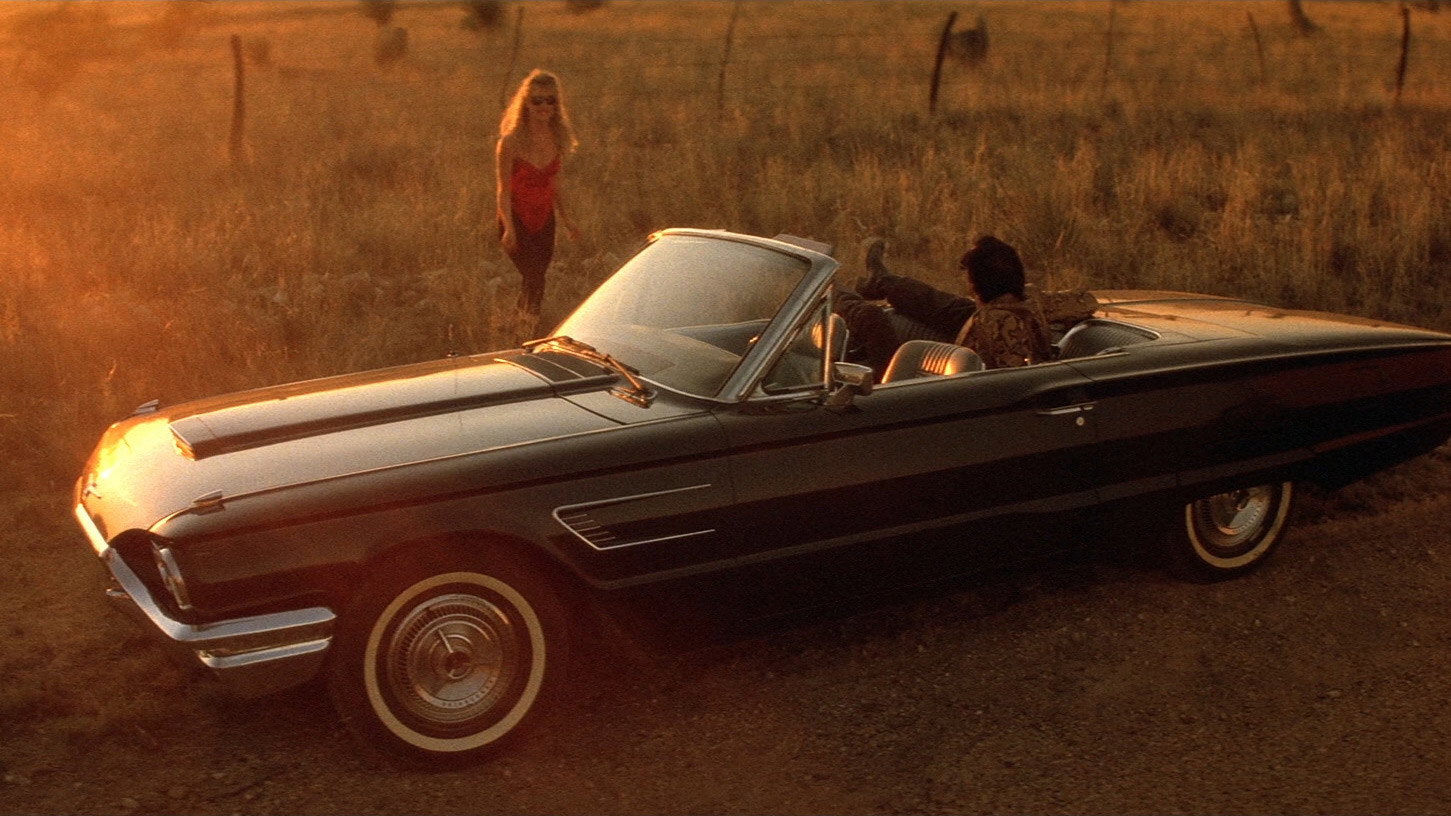
Cinematographer Frederick Elmes gives the saturated colours enough definition that the images remain legible even when the behaviour grows frantic. The carefully composed frames give even the most excessive moments a sense of control. Patricia Norris’s production design contributes to that heightened colour, making the surroundings feel appropriate to performances this large. It works, though after a while the visual insistence becomes tiring; a quieter image would let us pay closer attention to the couple.
Editor Duwayne Dunham makes the early shifts between romance, comedy and menace feel brisk enough to carry us through them without much resistance. Later, the wandering pace exposes how often the film returns to the same jolts and ugly jokes. Angelo Badalamenti’s music helps sustain the romantic feeling, but the score cannot supply development that the scenes themselves lack. At 125 minutes, this is not an unreasonable length for a road film; it is simply too long for several of the jokes Lynch wants to keep making.
A road romance can make travel seem liberating; Lynch makes it seem an excellent way to find more trouble. That is an effective basis for the film, and the willingness to be vulgar gives it some welcome life. But the later black comedy too often feels arranged to prove how far the director will go. Cage and Dern remain more interesting than the question of what unpleasant thing he can put beside them next.
The 18 certificate is worth taking seriously, and anyone looking for an easy evening with two lovers should look elsewhere. There is enough conviction in the central performances to justify the trip for those with an appetite for Lynch’s violent comedy. The meandering stretches matter, and we cannot pretend the film becomes more persuasive simply by becoming more extreme. Try it for Cage and Dern, with a tolerance for jokes that outstay their welcome.