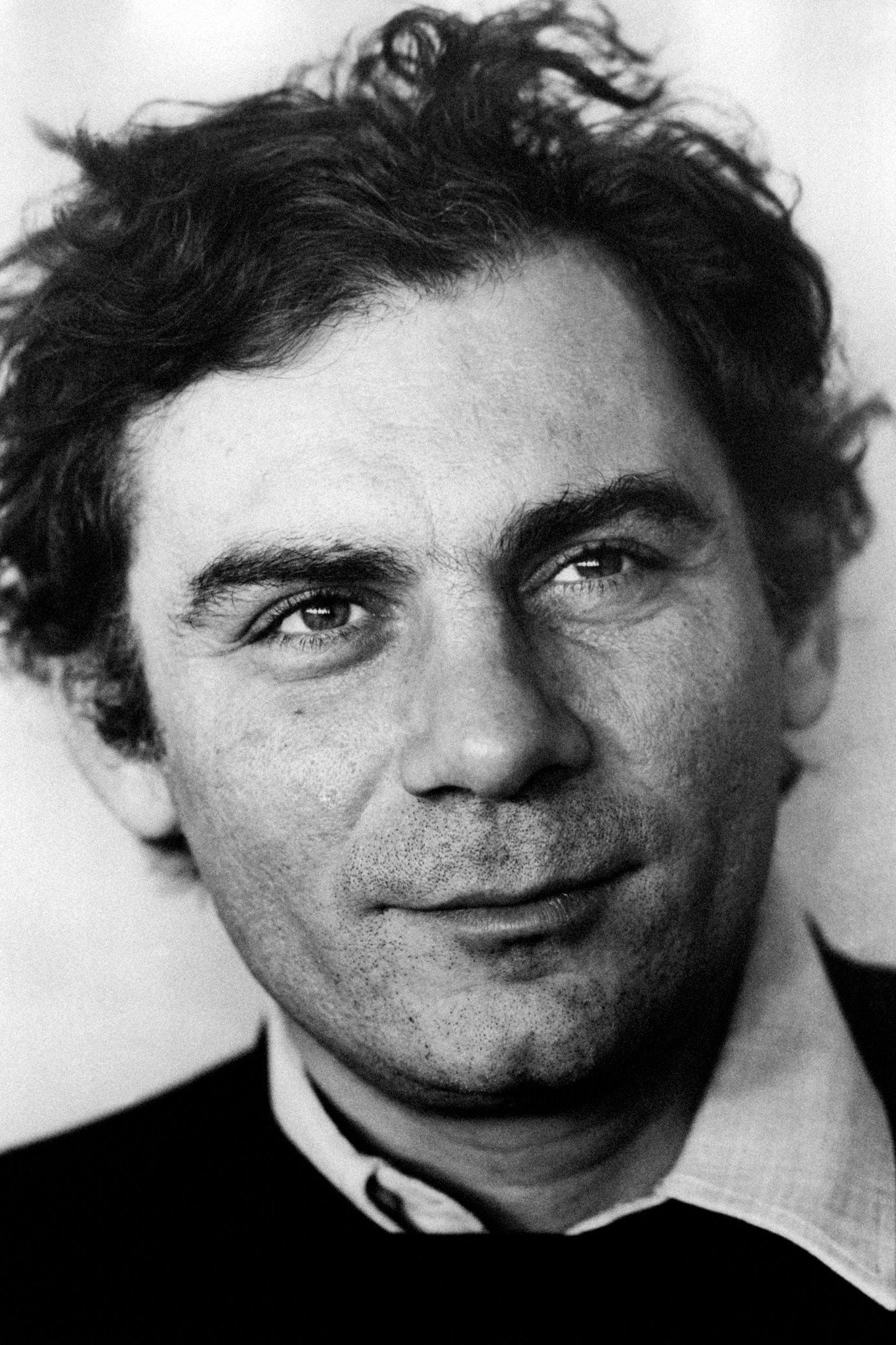
Gian Maria Volonté’s open menace gives Leone’s composed bounty hunters something worth worrying about. We value that intensity, and his work in social and historical dramas makes him worth following beyond the Western villains.
Fi1m perspective
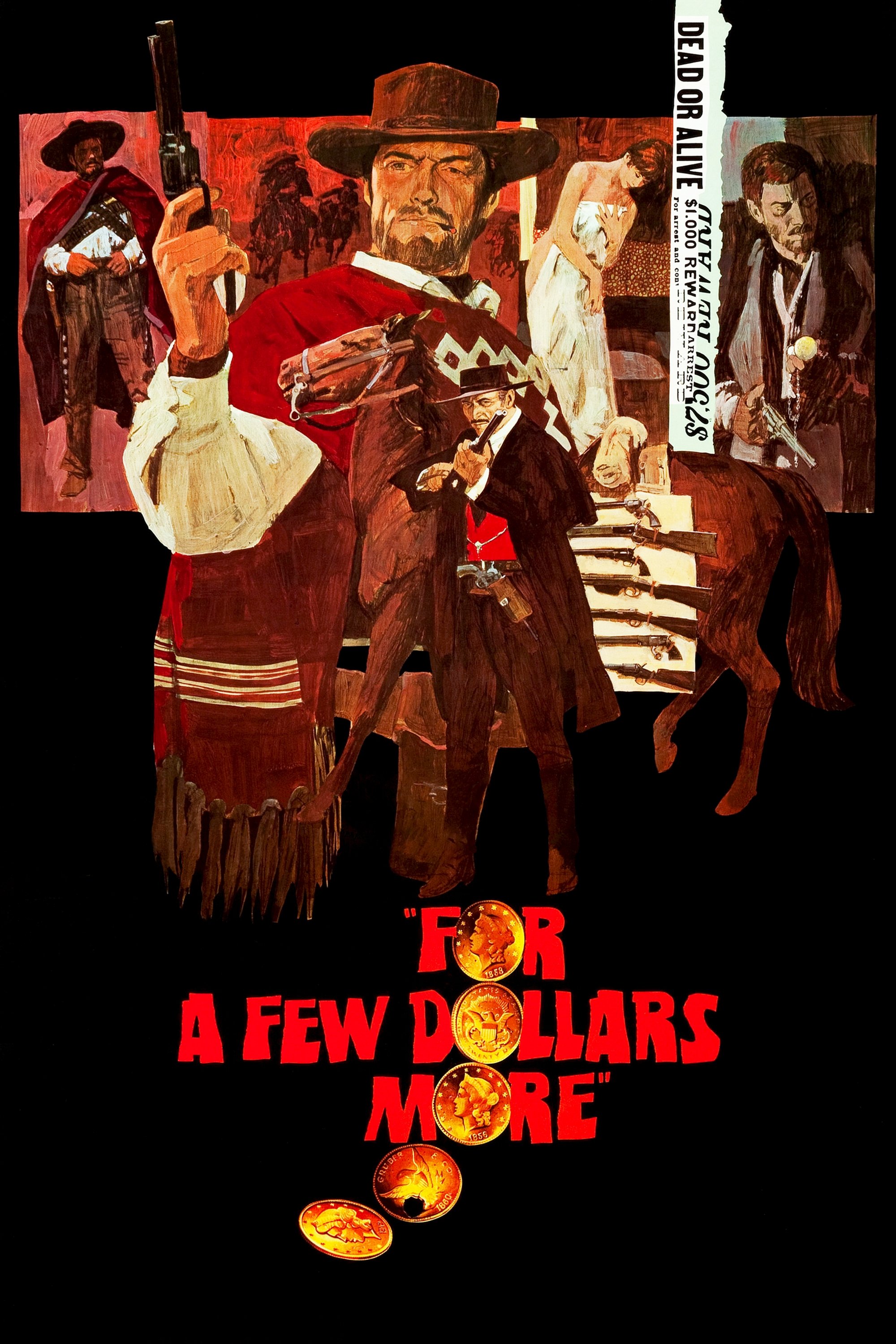
El Indio is more openly threatening than the men pursuing him, and Volonté makes that difference count. In Sergio Leone’s For a Few Dollars More (1965), Clint Eastwood’s Manco and Lee Van Cleef’s Colonel Douglas Mortimer spend much of their time weighing one another up. Their composure becomes more interesting when there is someone dangerous to test it. We were unsettled by Volonté’s El Indio because his threat is so much less guarded than that of either hunter. He gives these men a good reason to stop assessing each other.
The Westerns brought him international notice: Ramón Rojo in A Fistful of Dollars (1964), then El Indio the following year. Leone found a useful place for his intensity beside leads whose appeal depended on holding something back. In For a Few Dollars More, Ennio Morricone’s elaborate score gives the prolonged threats enough importance to justify much of the waiting. Volonté fits that extravagance without needing to match the hunters’ coolness, and his presence helps keep the succession of encounters from becoming anonymous.
From the late 1960s, his work concentrated increasingly on social dramas, with Elio Petri and Francesco Rosi becoming repeated collaborators. Petri’s Investigation of a Citizen Above Suspicion (1970) gave him the central role of a police inspector; they worked together again on The Working Class Goes to Heaven (1971). In Giuliano Montaldo’s Sacco & Vanzetti (1971), he played Bartolomeo Vanzetti, and in Rosi’s Christ Stopped at Eboli (1979), Carlo Levi. His detailed preparation and physical identification with characters are important to understanding that shift. There is more to follow here than an actor finding further opportunities to be menacing.
We would be wary, though, of treating intensity as sufficient praise. In the Leone film, Volonté works so well because Eastwood and Van Cleef provide a clear contrast, and their rivalry still holds our interest when the pursuit dawdles. The loose story remains a limitation; a forceful antagonist cannot do much about the time it takes to get to him. For a next step beyond the Westerns, try Investigation of a Citizen Above Suspicion.
Biography
Gian Maria Volonté was an Italian actor. He trained at the Accademia Nazionale di Arte Drammatica Silvio D'Amico in Rome, graduating in 1957, and began working in theatre and television before making his film debut in 1960.
He appeared in Sergio Leone's spaghetti westerns A Fistful of Dollars (1964) as Ramón Rojo and For a Few Dollars More (1965) as El Indio, the latter under the credit Johnny Wels in some markets. Volonté also played leading roles in several films by Elio Petri, including Investigation of a Citizen Above Suspicion (1970), and in Jean-Pierre Melville's Le Cercle Rouge (1970) and Giuliano Montaldo's Sacco & Vanzetti (1971).
He received multiple Nastro d'Argento awards and won the Best Actor prize at the 1983 Cannes Film Festival for The Death of Mario Ricci.