Fred Zinnemann’s excellent Western makes its marshal’s fear painfully convincing. Gary Cooper keeps us worried for him, though Carl Foreman’s screenplay sometimes explains the townspeople’s failings more firmly than it needs to.
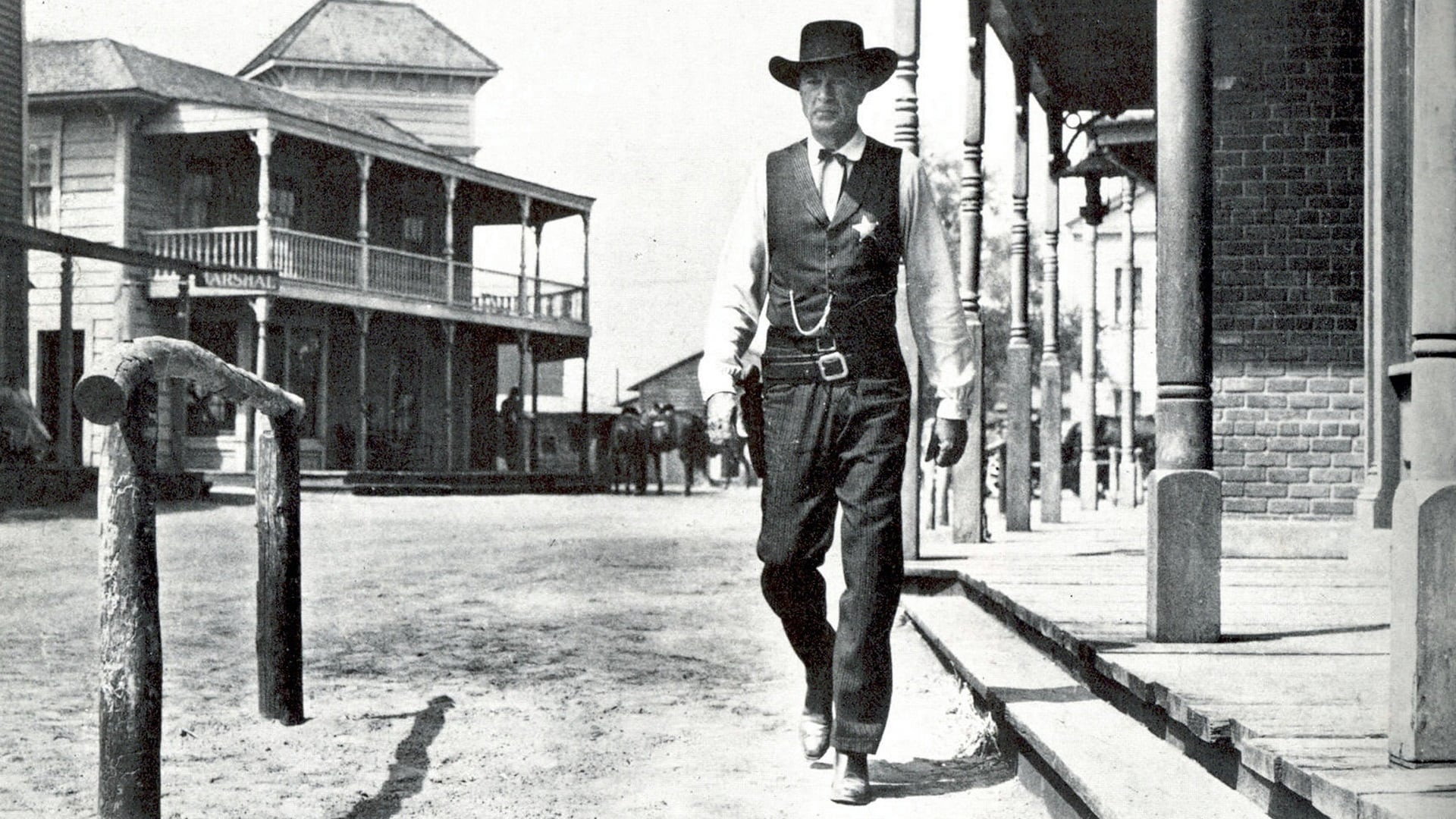
High Noon is an excellent Western about the disagreeable business of asking for help. Fred Zinnemann keeps the danger approaching while Marshal Will Kane tries to persuade his neighbours that protecting their town might require something of them. At 85 minutes, with the action unfolding close to real time, the film leaves little room for us to relax. That concentration suits a story in which finding somebody willing to help becomes almost as urgent as facing the outlaws.
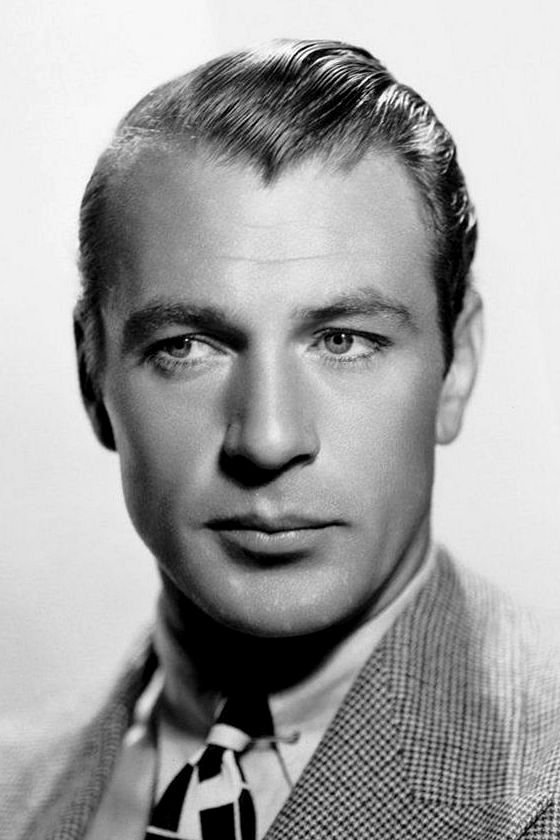
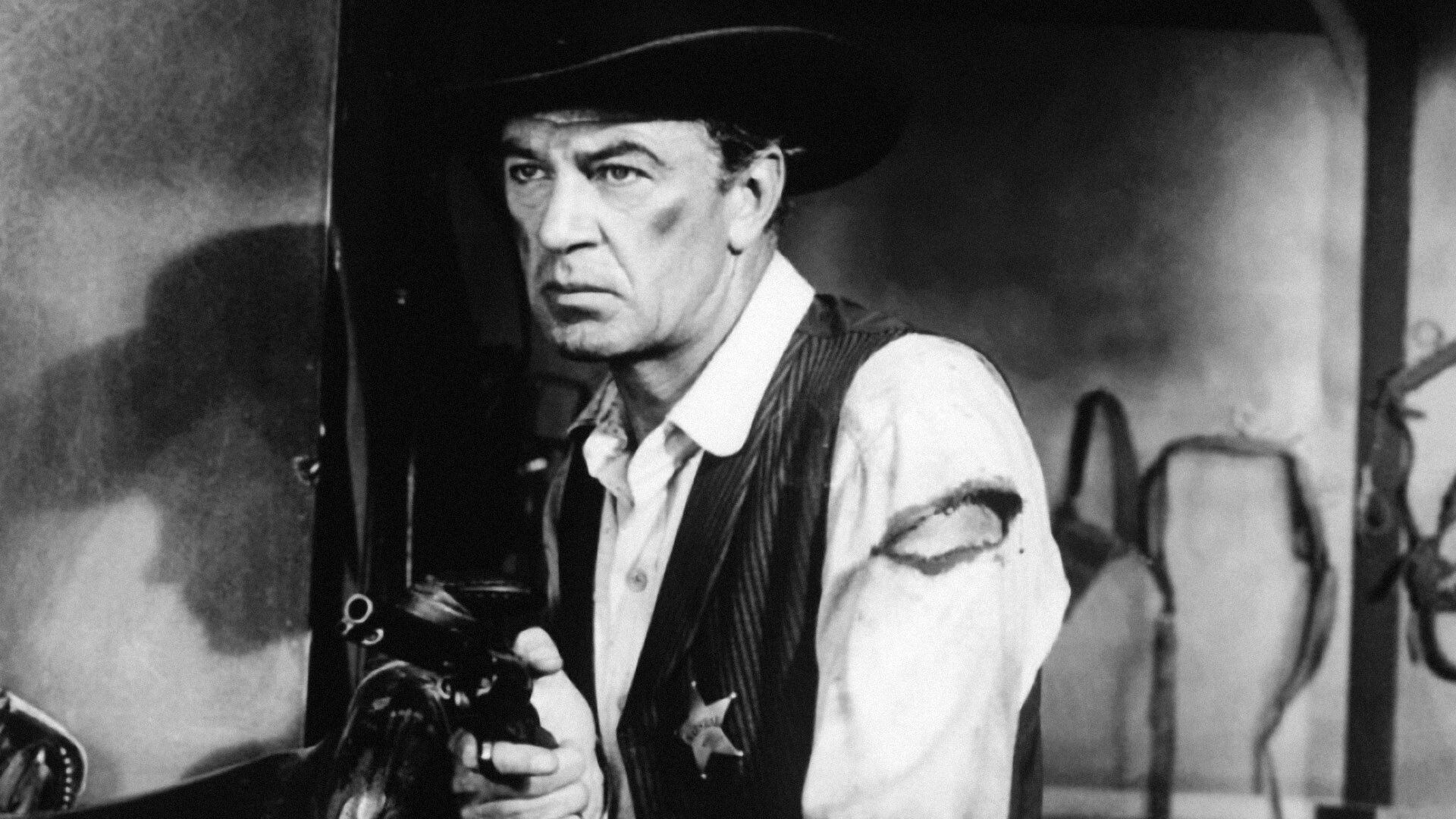
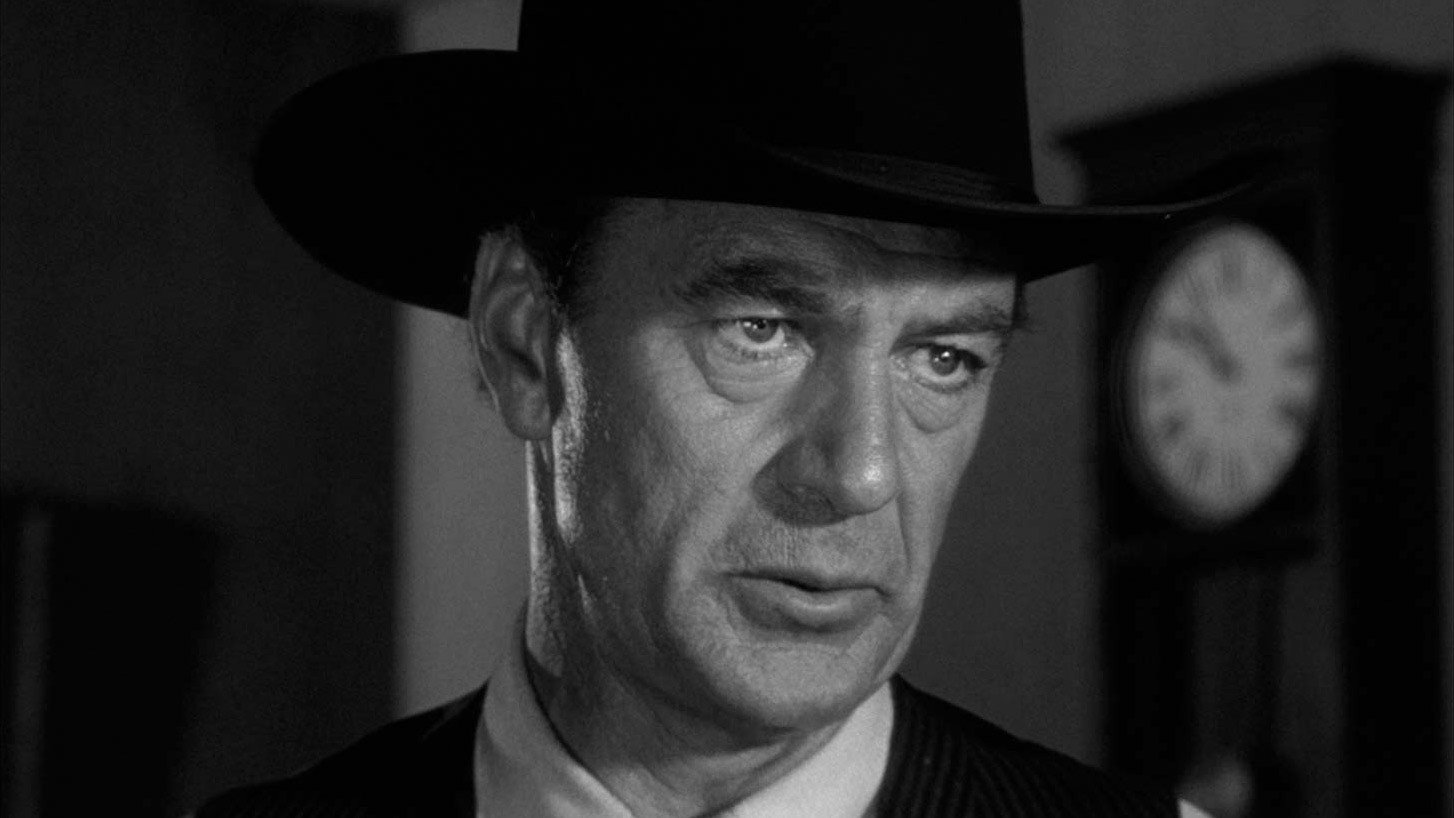
Gary Cooper makes Kane worth worrying about. His dignity offers no assurance that he can control his nerves or survive the confrontation, and the performance never lets us confuse resolve with confidence. We were frightened for him: Gary Cooper shows the strain of remaining at his post without making the marshal seem incapable of doing his job. He looks scared enough to make us understand why the townspeople would rather leave him to it.
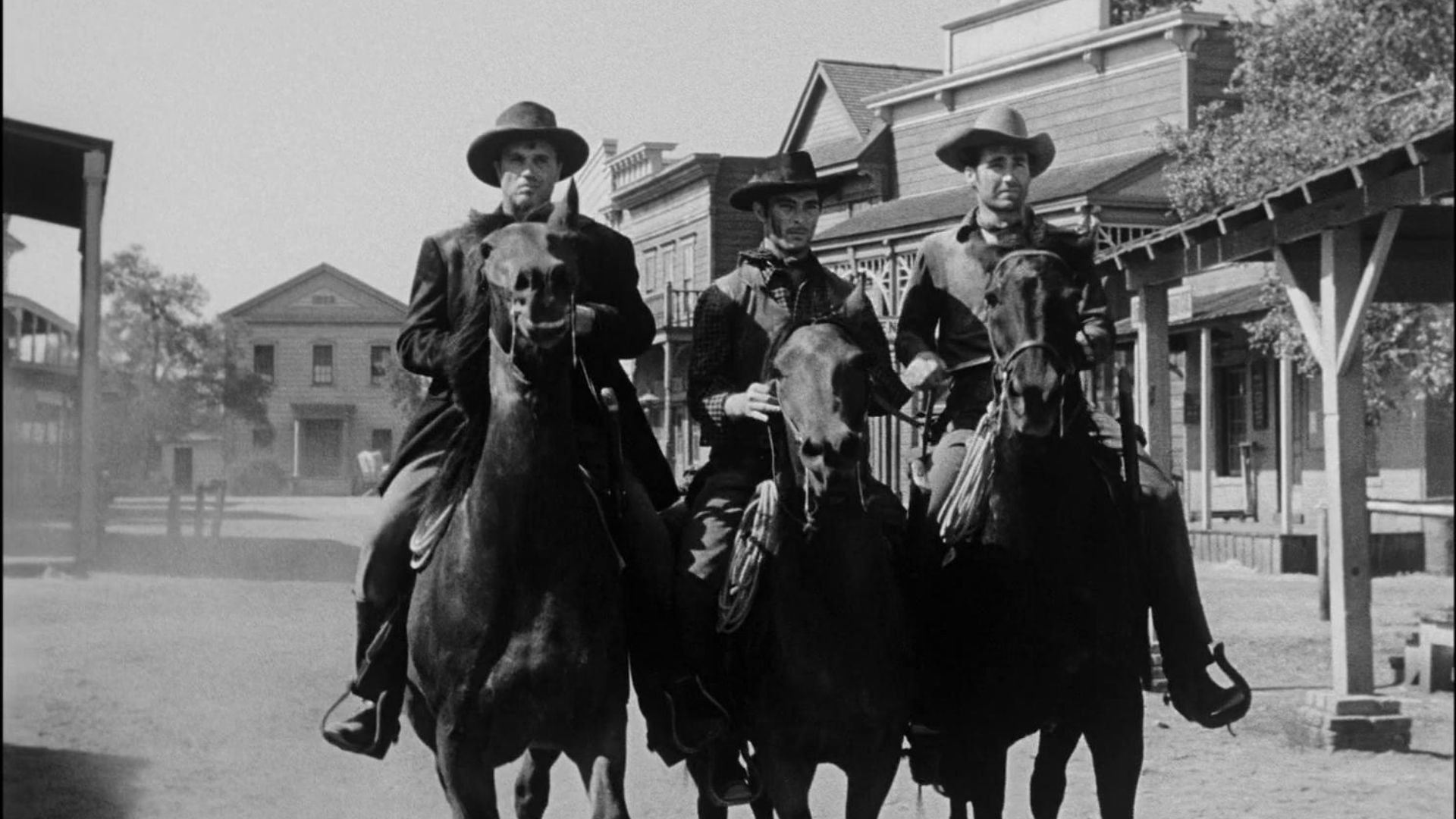
Floyd Crosby’s stark cinematography discourages us from settling back to enjoy the scenery, keeping the place as unwelcoming to us as its people are to Kane. Production designer Rudolph Sternad makes the town feel uncomfortably small for someone trying to find an ally, which strengthens the sense that Kane is asking people who ought to know him. The spare setting keeps our attention on the residents and their choices.
Elmo Williams gives the cutting a steady forward pressure. The near-real-time construction makes each failure to secure help feel costly: whatever Kane has gained or lost in an encounter, he has less time afterwards. Dimitri Tiomkin’s music can seem too insistent alongside Gary Cooper’s understatement, although it helps sustain our unease about the approaching showdown. We preferred the tension when the actor’s apprehension was allowed to do more of the work.
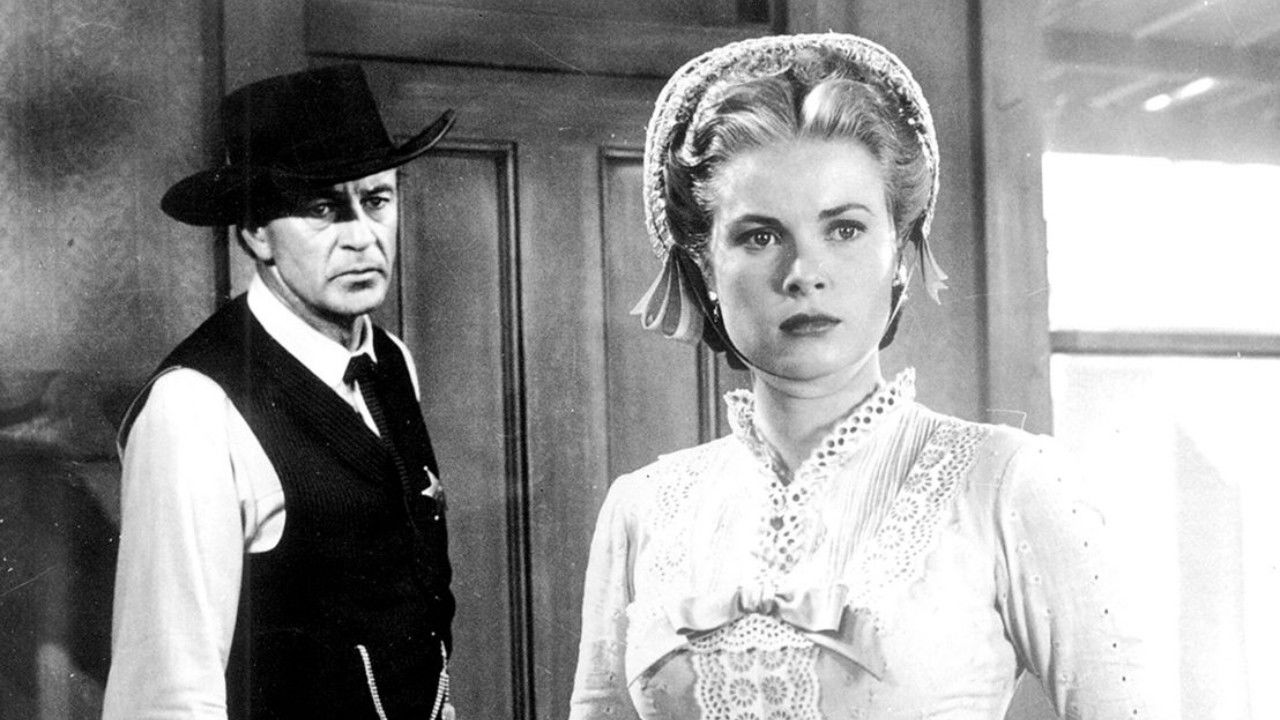
Carl Foreman’s screenplay is less persuasive when it seems determined to settle the case against the town before we have finished considering it. Self-interest is recognisable enough without being explained quite so firmly. There is a difference between declining to face outlaws and having no conscience, and the film sometimes makes that distinction harder to see than it should be. The supporting characters’ competing loyalties give us enough to question Kane’s demands, though. That uncertainty is welcome in a story which could otherwise congratulate us for having the right answer while risking nothing.
We expect Western lawmen to cope on their own, and Fred Zinnemann makes that expectation seem rather cruel. The approaching confrontation matters, but so does the uncomfortable process of discovering what neighbours believe they owe one another. We do not need to treat Kane as infallible to take his predicament seriously. Watch it for Gary Cooper, and allow for a screenplay that occasionally repeats what his face has already told us.