Thomas Vinterberg’s drama about a falsely accused teacher is frightening and absorbing, with Mads Mikkelsen making the man’s distress painfully convincing. We recommend it, despite a script that keeps adding punishment after we have understood the damage.
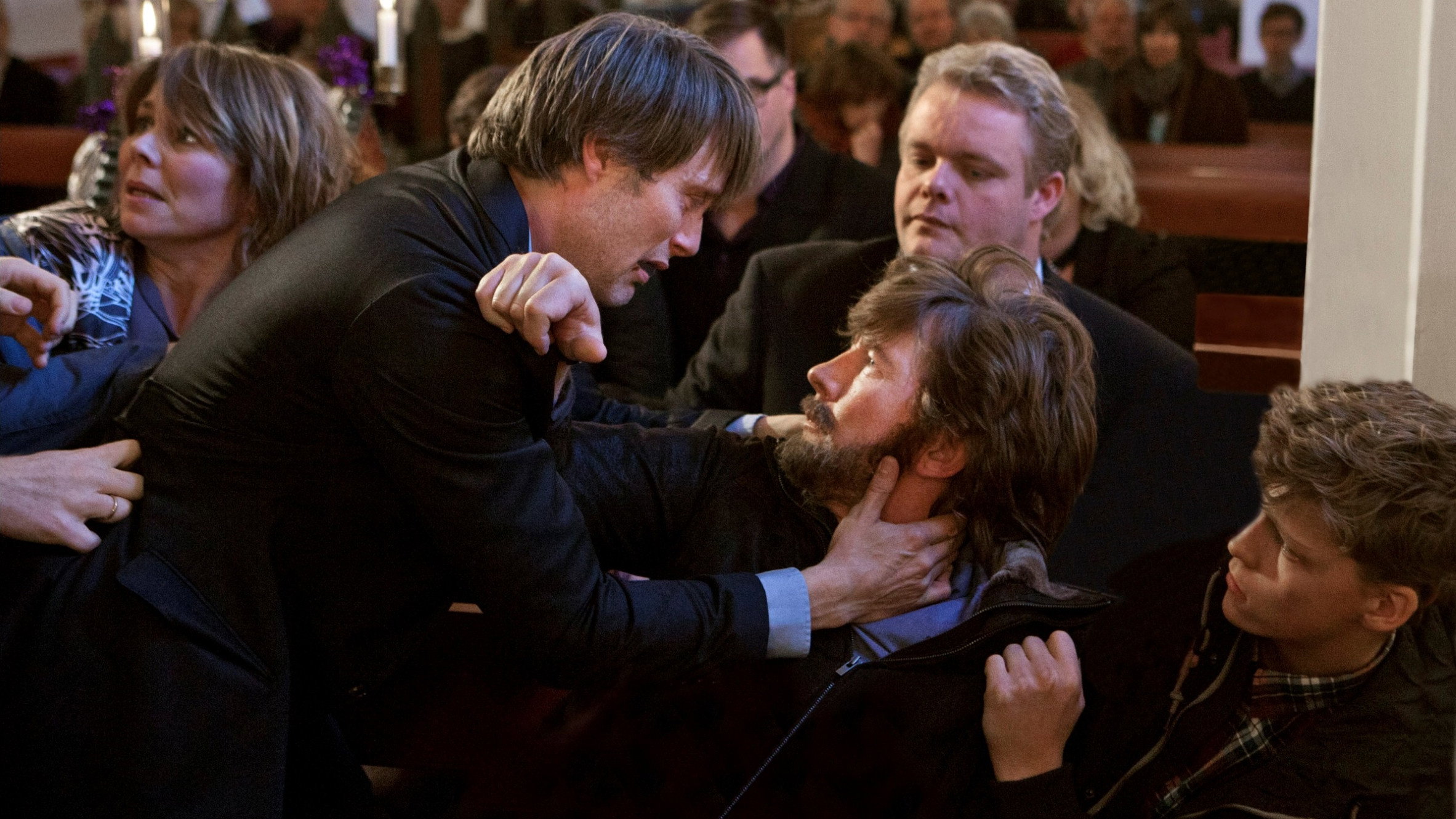
Thomas Vinterberg’s The Hunt is a frightening, absorbing drama, with one substantial reservation: it presses its innocent man’s suffering harder than it needs to. Lucas, played by Mads Mikkelsen, is a teacher in a small Danish town whose life is upended by a child’s false accusation of abuse. Vinterberg and co-writer Tobias Lindholm make no mystery of his innocence. They want us watching the adults who accept the allegation, and noticing how quickly their concern for a child becomes permission to mistreat someone they know.
The early spread of suspicion is the film’s most persuasive stretch. We were horrified when the adults began treating Lucas as a danger, because knowing him appears to count for so little against the accusation. The fear is recognisable: nobody wants to be the person who failed to take a child’s allegation seriously. Vinterberg makes that fear credible enough for us to understand the rush to judgement, even as the confidence of those doing the judging becomes harder to bear.
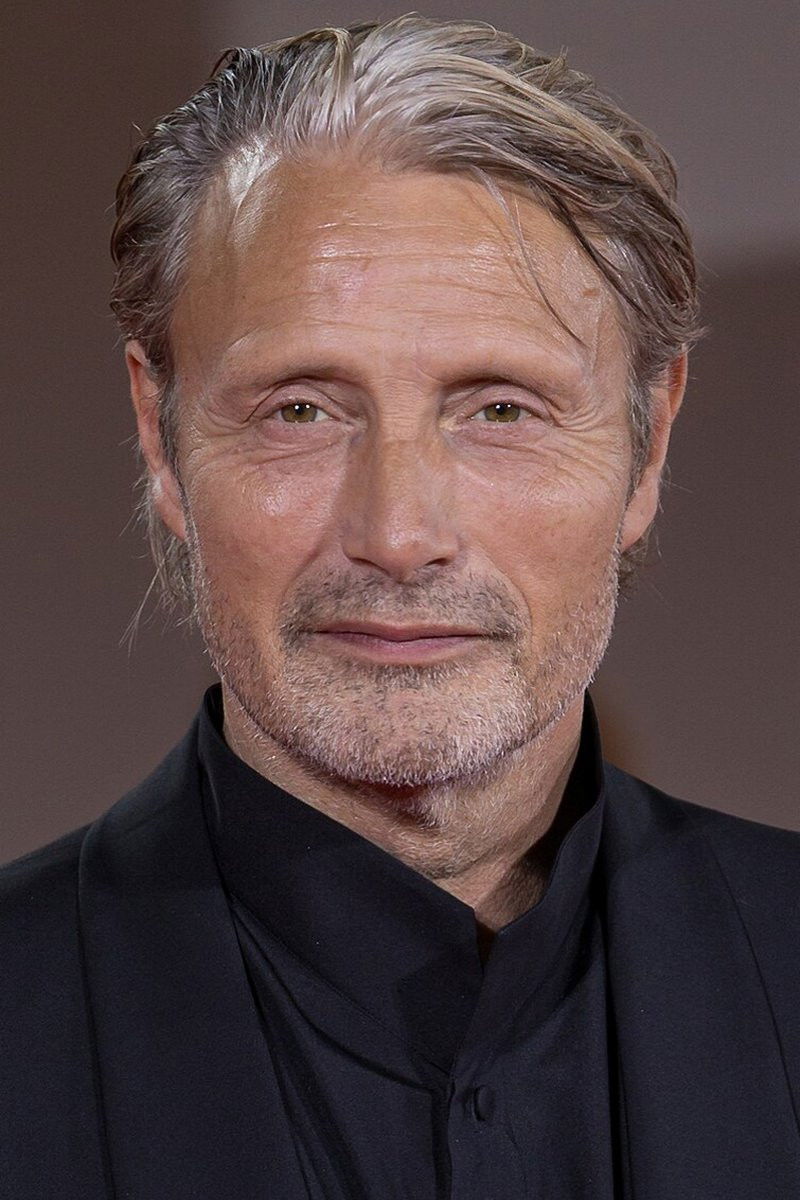
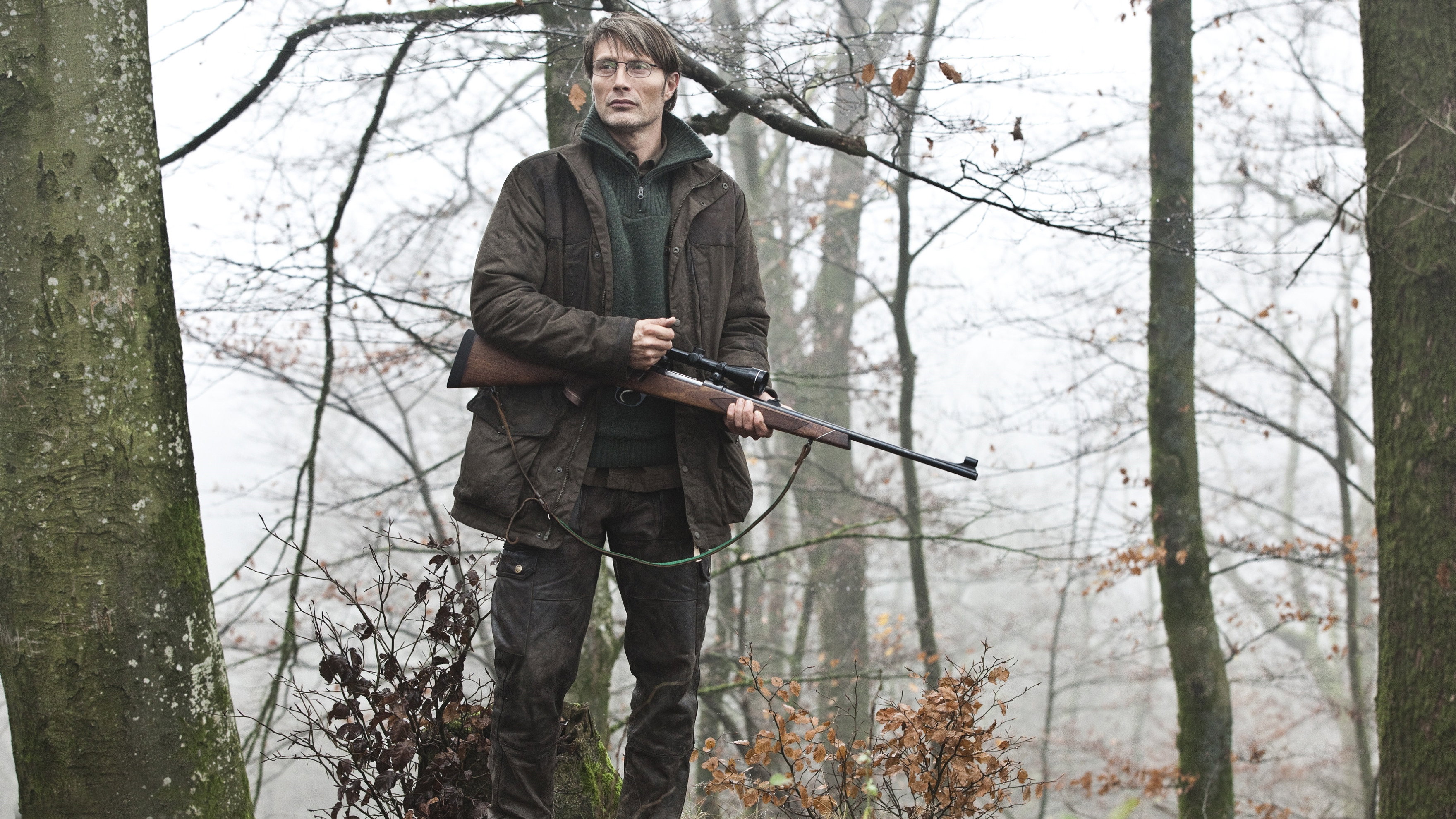
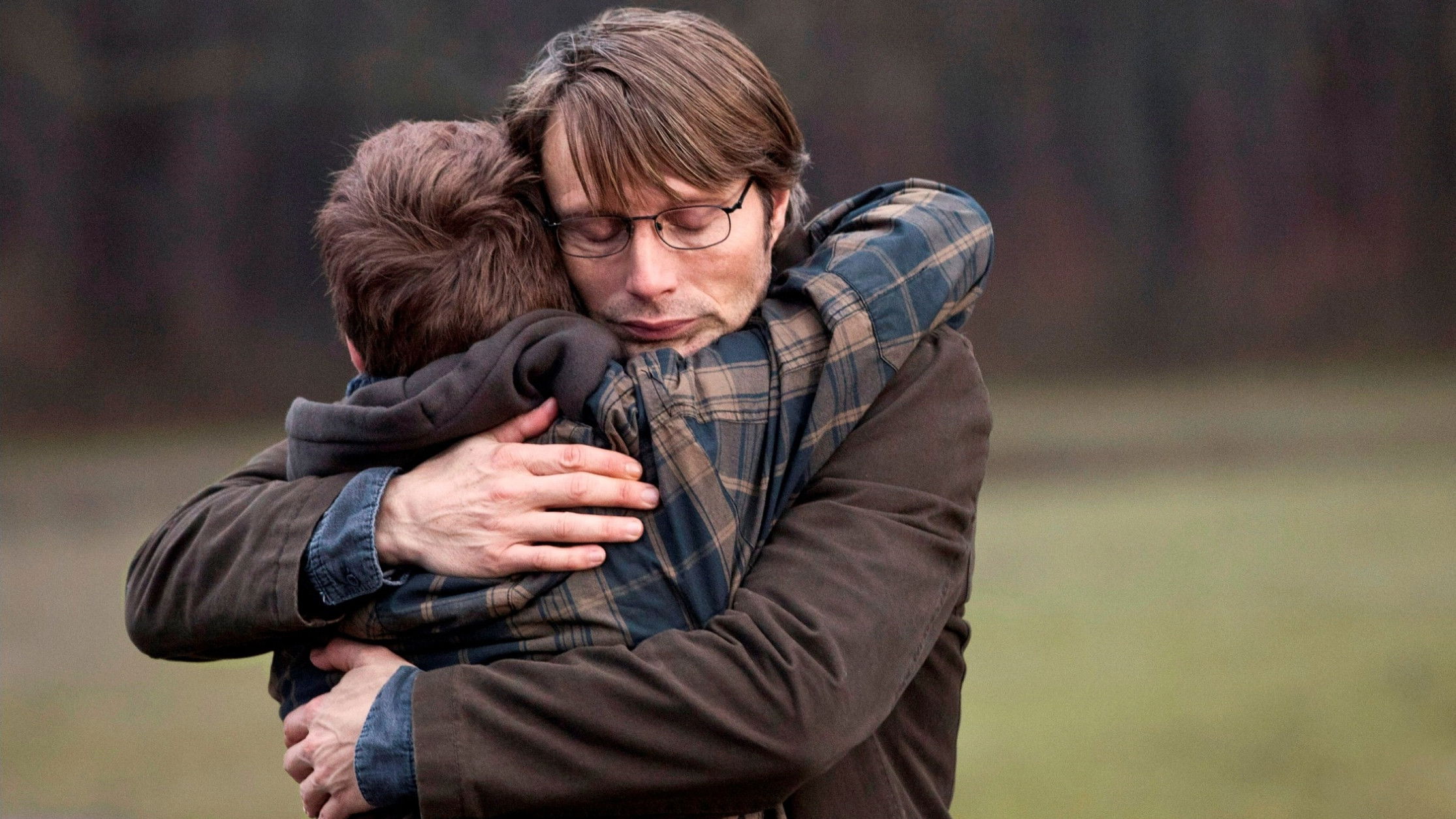
Mikkelsen gives Lucas enough resistance to keep him from becoming merely an object of pity. His restraint conveys the effort of staying composed when other people have settled on an intolerable version of who he is. There is defiance as well as hurt in the performance, and the shifts between them hold our attention even when the script begins to repeat itself. The writing makes Lucas rather too easy to defend, but Mikkelsen makes the strain of having to defend himself feel immediate and personal.
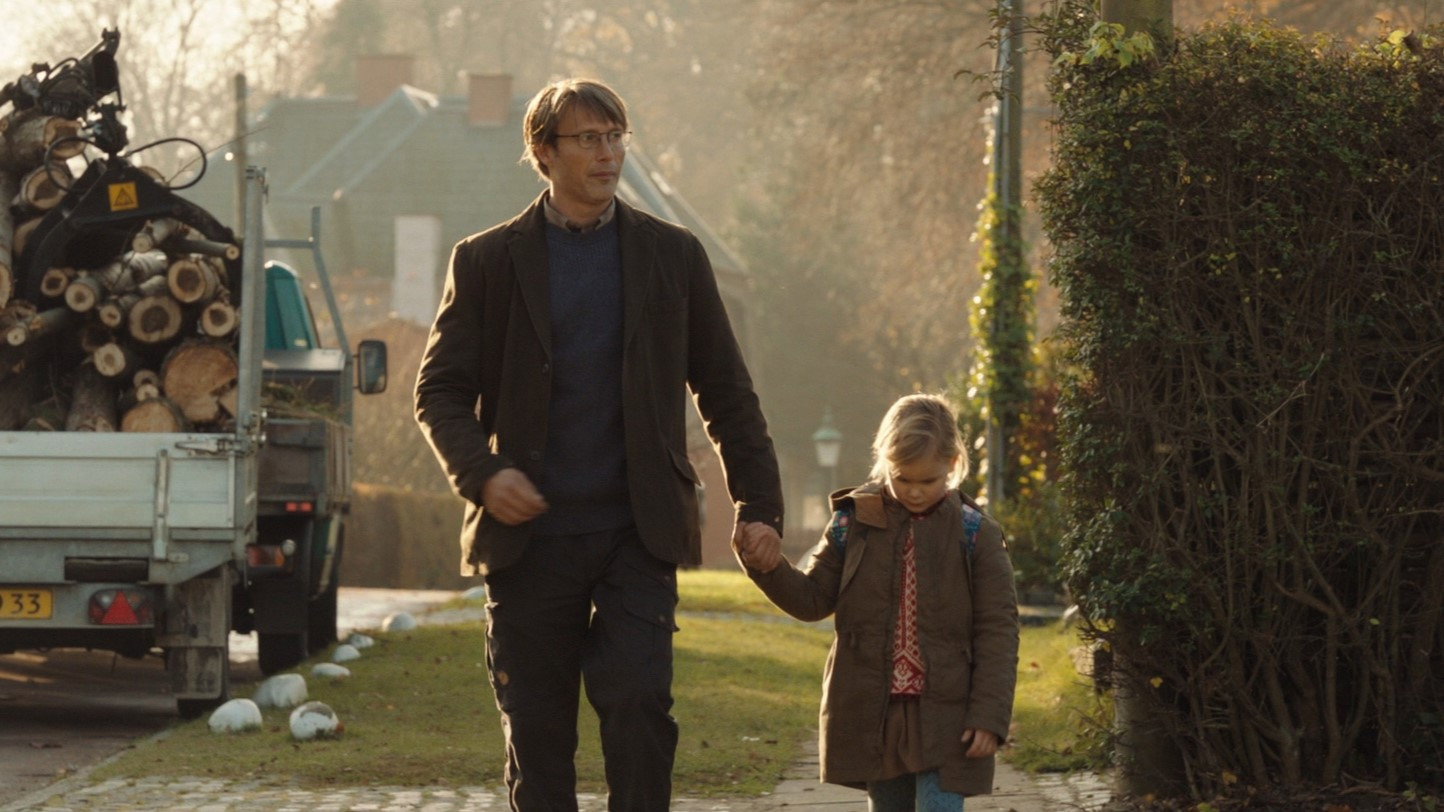
Charlotte Bruus Christensen’s cinematography gives the performances room, and its restraint is useful in a story that could so easily become frantic. Torben Stig Nielsen’s production design makes the town feel reassuringly ordinary, which helps us believe that Lucas could have felt safe among these people. Neither contribution needs to compete with Mikkelsen for our attention, and we think that modesty is right. Nikolaj Egelund’s score also feels secondary to the discomfort the actors generate. We are already watching closely enough to be upset by small changes in how Lucas is regarded.
Editors Anne Østerud and Janus Billeskov Jansen give the allegation’s initial spread a clean, unsettling pace. Once hostility has taken hold, though, the rhythm becomes more predictable, and Vinterberg and Lindholm keep adding pressure after we have understood what it is doing to Lucas. The repetition makes us too conscious of being pushed towards the same response, with fewer new things to notice about the people involved. We remain caught up in Lucas’s predicament, but some of the later emphasis is unnecessary.
The film has much of the grip of a psychological thriller, although Vinterberg removes the usual comfort of waiting for the facts to emerge. We already understand the central injustice, and that makes the community’s certainty particularly hard to watch. His control is strongest when he trusts that situation and Mikkelsen’s response to it, without finding another way to insist that we should care. Choose it when there is time for a conversation afterwards; it is poor preparation for a peaceful night’s sleep.