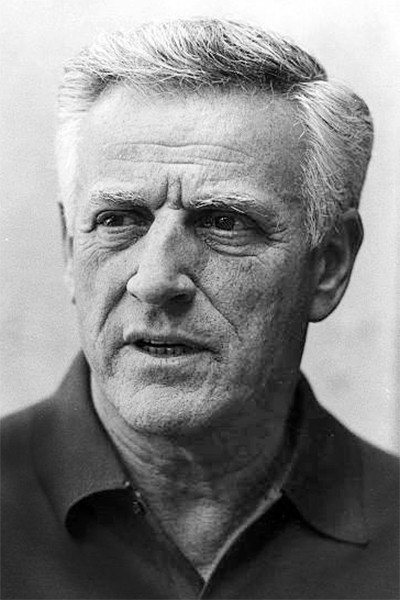
Stanley Kramer gives people time to explain themselves, sometimes long after we have understood them. We value his serious, actor-led dramas, though he is too willing to turn a difficult question into a lecture.
Fi1m perspective
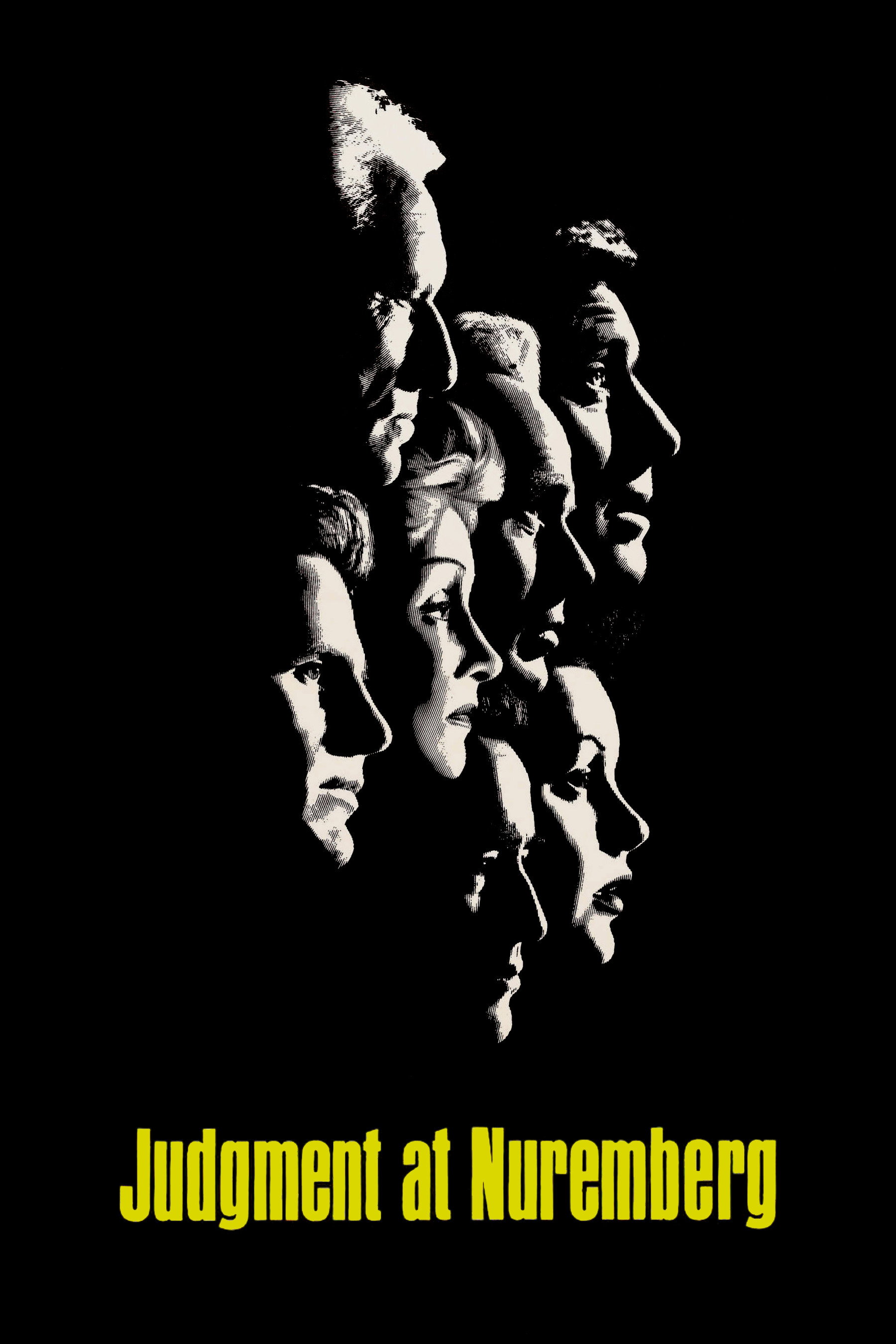
In Judgment at Nuremberg (1961), people explain how they came to accept things for which they would rather not be held responsible. Stanley Kramer gives those explanations time, and asks us to consider them before dismissing them. We think the film earns most of its 191 minutes, though it can make a sound point and then keep making it. That patience is central to what we value in him, and to what can make his films hard going.
He was producing socially conscious films from 1949, before directing Not as a Stranger (1955). The concentrated stretch from The Defiant Ones (1958) to Guess Who's Coming to Dinner (1967) established the familiar Kramer: large subjects, recognisable stars and clear confrontations. Two escaped convicts chained together give The Defiant Ones its means of examining racism; Inherit the Wind (1960) brings the dispute over evolution into court. He kept finding situations in which people had to say what they believed, and answer for it.
The difficulty is that a character can begin to sound like a spokesman for a position. In Judgment at Nuremberg, Abby Mann's screenplay is strongest when it allows excuses for surrendering responsibility to sound plausible, and weakest when it tidies a difficult question into a lesson. Kramer holds our attention through much of the discussion, but does not always know when to stop. At those points, his confidence that he is doing the decent thing makes the film too comfortable.
Spencer Tracy and Montgomery Clift are why we would still give it the evening. Their performances keep its questions about responsibility difficult to put aside, even when the writing has become over-explicit. We were unsettled by the film's patient attention to people explaining away their own conduct, because Kramer makes those excuses difficult to dismiss as somebody else's problem. Tracy worked with Kramer on four films, and here his presence helps justify the director's faith in long scenes of talk.
His later features found less favour with critics, and The Runner Stumbles (1979) was his last as director. We can admire his willingness to take on subjects other studios avoided without excusing the lectures. Start with Judgment at Nuremberg, on an evening when a lengthy discussion sounds like a pleasure.
Biography
Stanley Kramer (1913–2001) was an American film producer and director. He produced and directed the 1961 film Judgment at Nuremberg.
He is known for producing High Noon (1952), Champion (1949) and The Caine Mutiny (1954). As a director he worked on The Defiant Ones (1958), On the Beach (1959), Inherit the Wind (1960), It's a Mad, Mad, Mad, Mad World (1963) and Guess Who's Coming to Dinner (1967).
Kramer received the Irving G. Thalberg Memorial Award in 1961 and was nominated for nine Academy Awards.