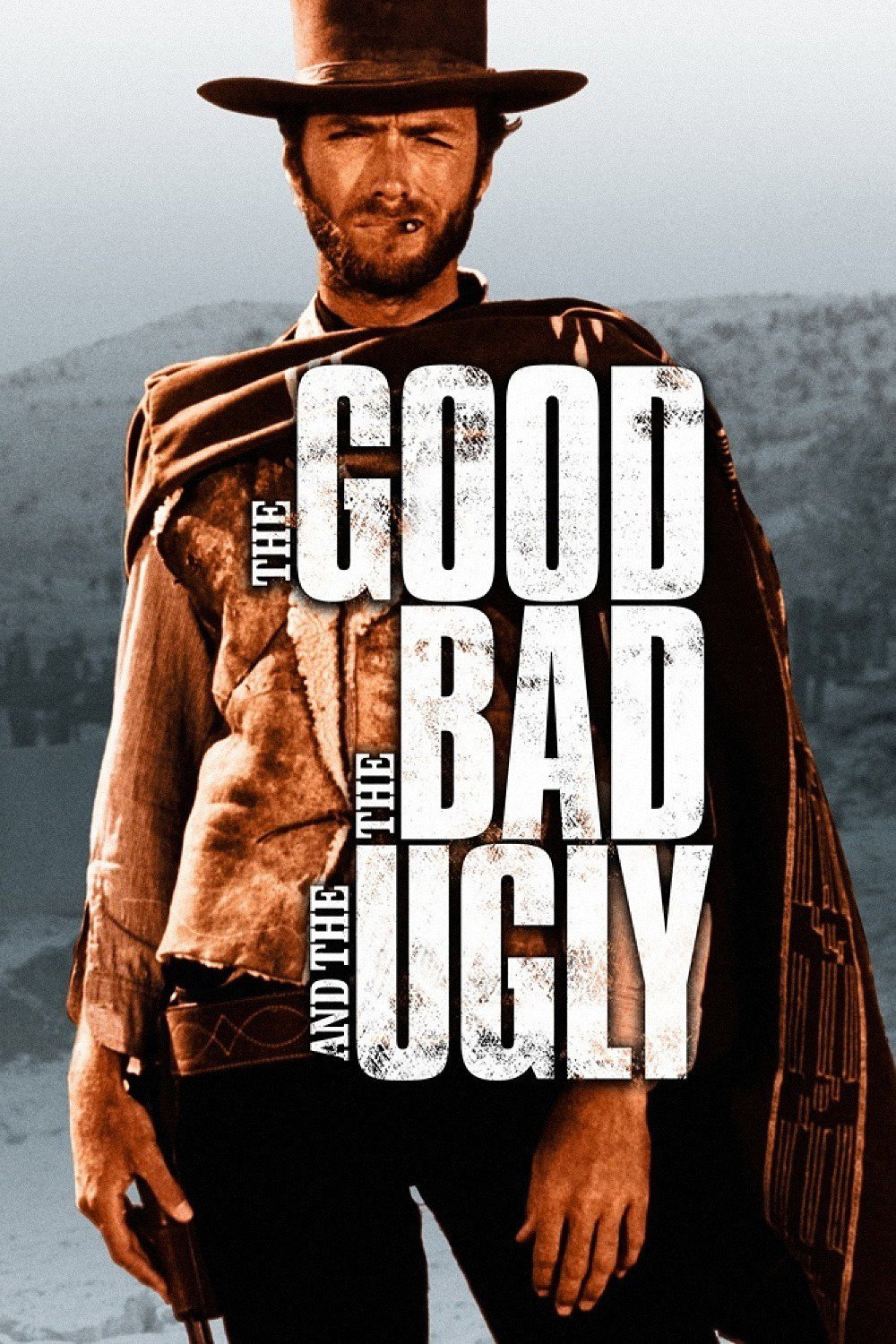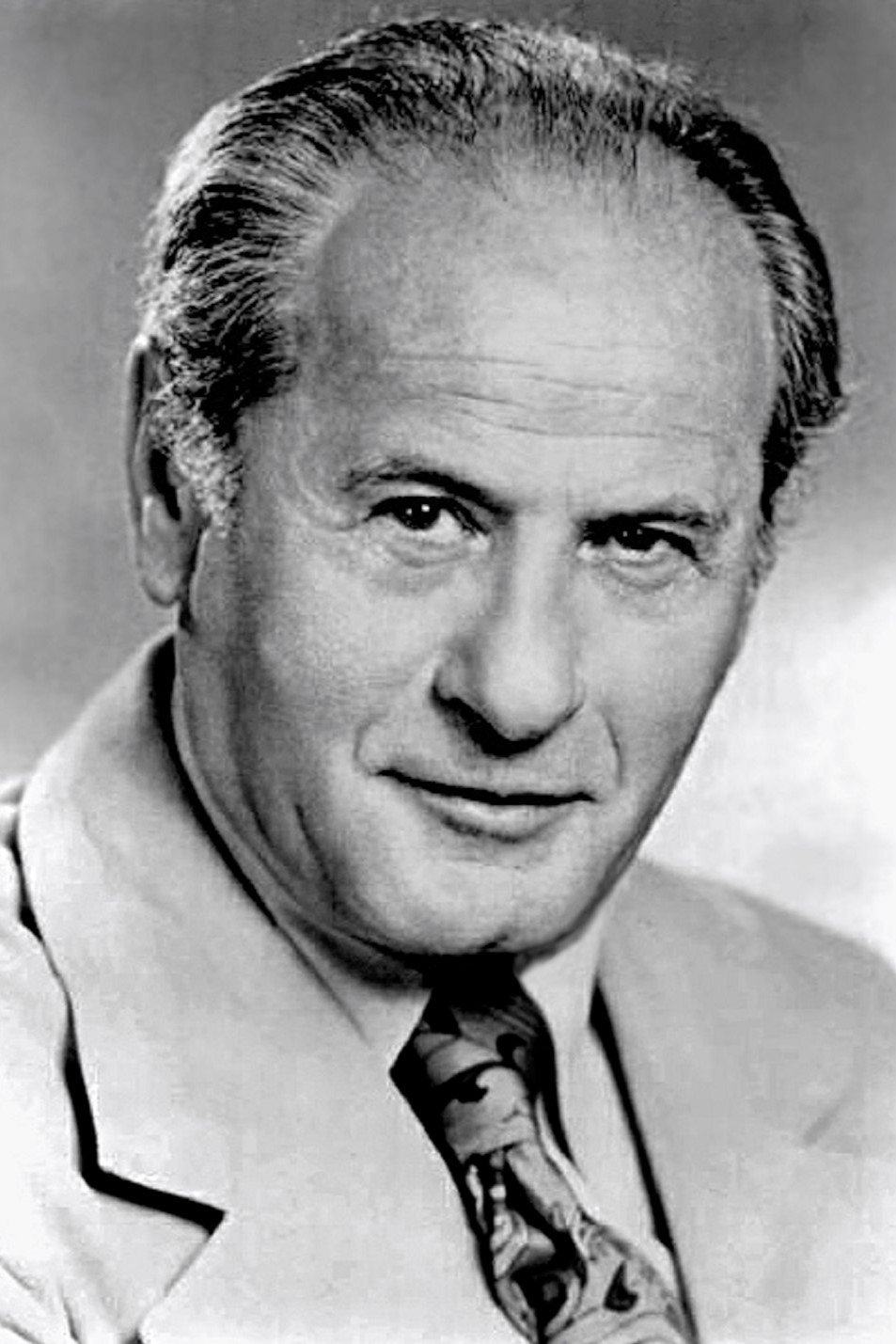
Eli Wallach gives rogues appetites, grievances and enough vulnerability to make us care what happens to them. His acting can be large, but in The Good, the Bad and the Ugly it is exactly the disturbance the film needs.
Fi1m perspective
In The Good, the Bad and the Ugly (1966), Eli Wallach's Tuco Ramirez has grievances to air while the men beside him hold still. Eastwood's Blondie makes us watch for tiny changes of expression; Lee Van Cleef's Angel Eyes hardly invites conversation. Wallach gives Tuco the untidy appetites that neither of them cares to display. The contrast is funny, but it also gives us someone whose fortunes matter beyond the gold hunt. We warmed to Tuco despite ourselves, because Wallach keeps his vulnerability visible even at his most shameless.
The westerns gave that physical energy prominent work, though his screen career began with Baby Doll (1956), playing Silva Vacarro. By The Magnificent Seven (1960), he was Calvera, the bandit leader, a part that made good use of his force in an ensemble. These are useful landmarks, but we would not treat the bandits as the whole actor. He moved among villains and authority figures, making supporting characters memorable through detail as well as energy. His approach to acting was practical: he took the techniques he could use rather than committing himself to a single method.
His acting can look theatrical on screen, and we would not want every member of an ensemble working at his pitch. Sergio Leone makes that size useful by putting him beside actors who give so little away. Their stillness gives Tuco's complaints and appetites more room, while Wallach supplies the grubby humour. He does not have to make Tuco quieter to make him convincing. The care lies in allowing us to enjoy the man's shamelessness without forgetting that he can be hurt.
Later came Don Altobello in The Godfather Part III (1990) and Mr. Loonie in Mystic River (2003), directed by his former co-star Clint Eastwood. Wallach sustained his supporting career across film, television and stage into his nineties, well beyond the prominent western roles of the 1960s. For a first encounter, choose Tuco, with a little patience for the film's wandering middle stretch.
Biography
Eli Wallach was an American actor whose career spanned more than six decades across stage, film and television. Born Eli Herschel Wallach in Brooklyn, New York, on 7 December 1915, he studied at the University of Texas and City College of New York before training at the Neighborhood Playhouse and becoming a founding member of the Actors Studio. He made his Broadway debut in 1945 and won a Tony Award for his performance in The Rose Tattoo (1951).
Wallach's film debut came in Baby Doll (1956), for which he received a BAFTA Award for Best Newcomer. He became known for character roles including Calvera in The Magnificent Seven (1960) and Tuco Ramirez in The Good, the Bad and the Ugly (1966). Later credits include Don Altobello in The Godfather Part III (1990), appearances in Mystic River (2003) and The Holiday (2006), and work on television series such as ER. He received an Emmy Award and was awarded an Honorary Academy Award in 2010. Wallach died in New York City on 24 June 2014.