Film review

Mystic River

2003 · Directed by Clint Eastwood · 2h 18m · MPA R

In a sentenceEveryone knows everyone in this Boston neighbourhood, which turns out to be no comfort at all

ThrillerDramaMysteryCrime

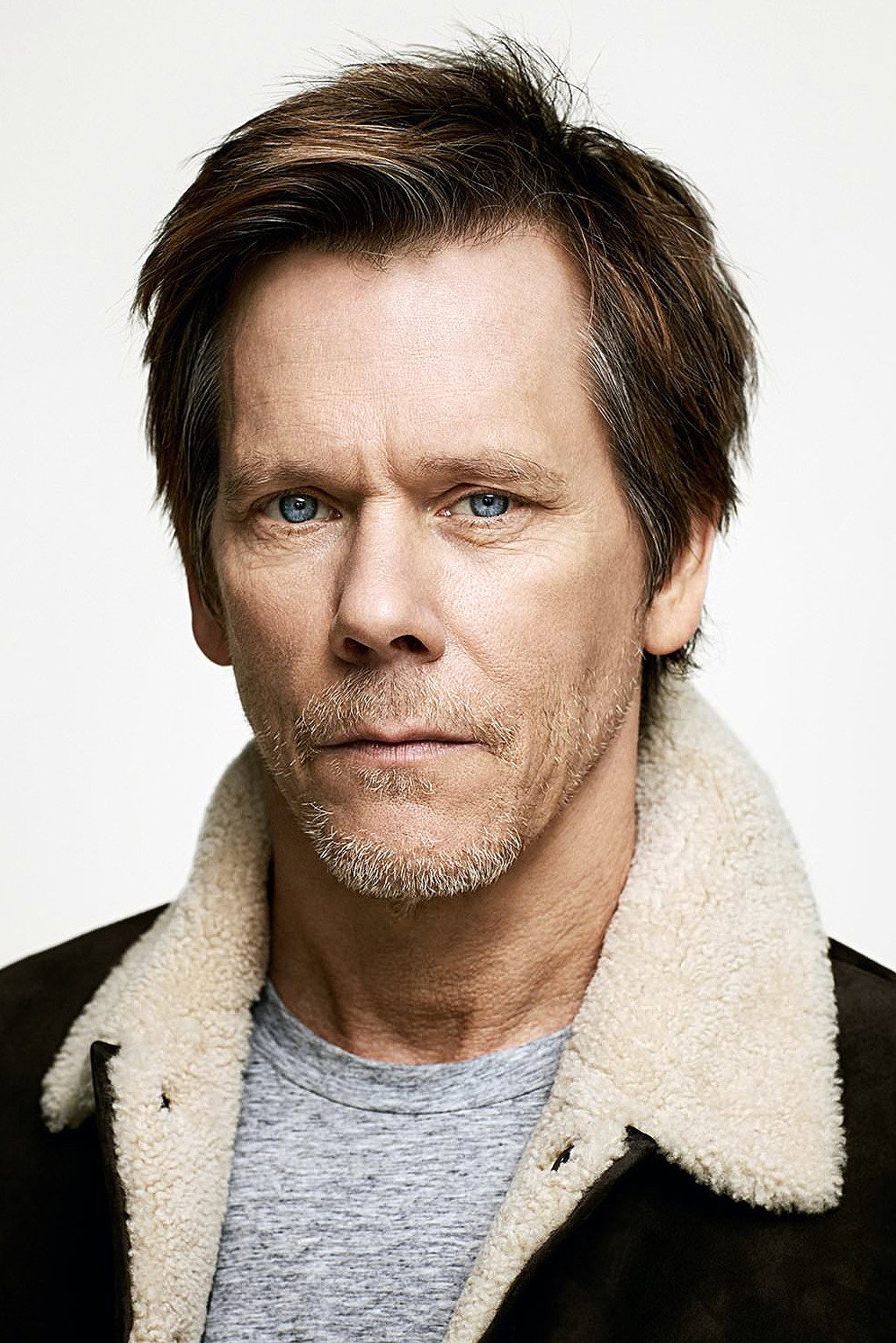
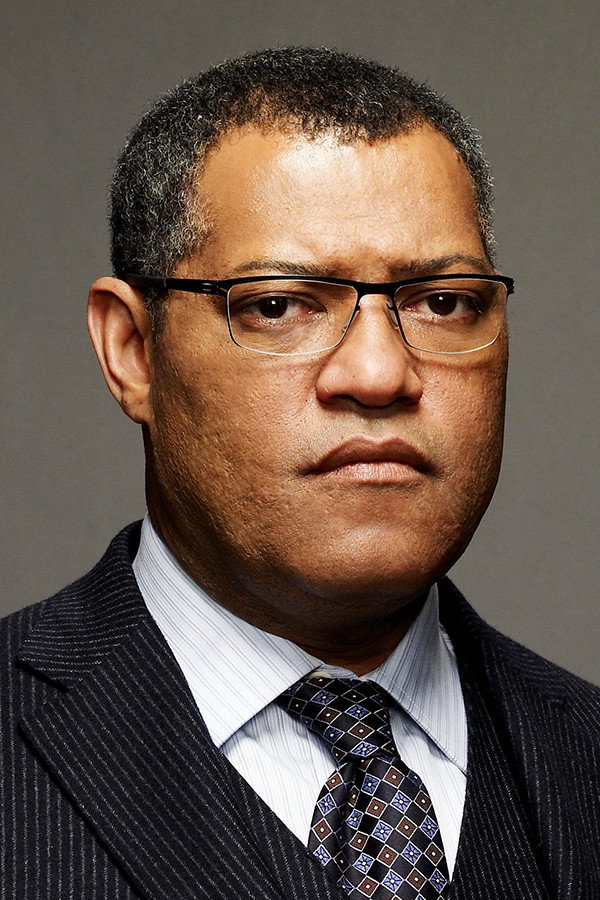
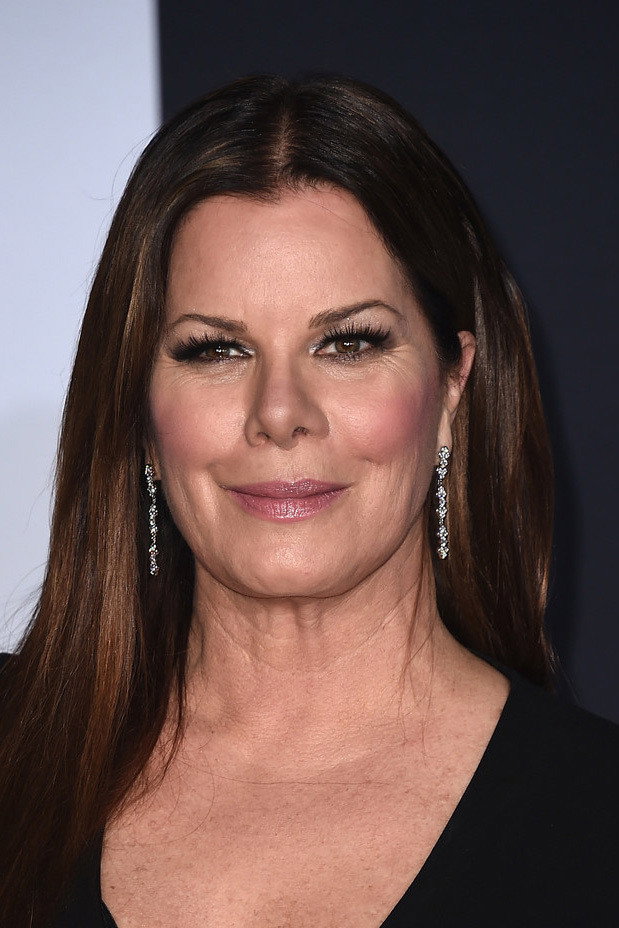
A childhood crime leaves three Boston friends with damage that follows them into adult life. Jimmy Markum (Sean Penn), Dave Boyle (Tim Robbins) and Sean Devine (Kevin Bacon) find their shared past bound up with a police investigation, grief and the prospect of revenge. As the investigation proceeds, the story follows the three men and their families through a community shaped by violence. Marcia Gay Harden plays Celeste Boyle, Laura Linney plays Annabeth Markum and Laurence Fishburne plays Whitey Powers in Clint Eastwood’s adaptation of Dennis Lehane’s novel, scripted by Brian Helgeland.

Plays from YouTube when you press play; nothing loads from them until then.

Fi1m review

Clint Eastwood’s crime drama is patient, painful and worth the effort, especially for Tim Robbins and Marcia Gay Harden. The score can be overbearing, but the actors make the damage done by violence feel personal.

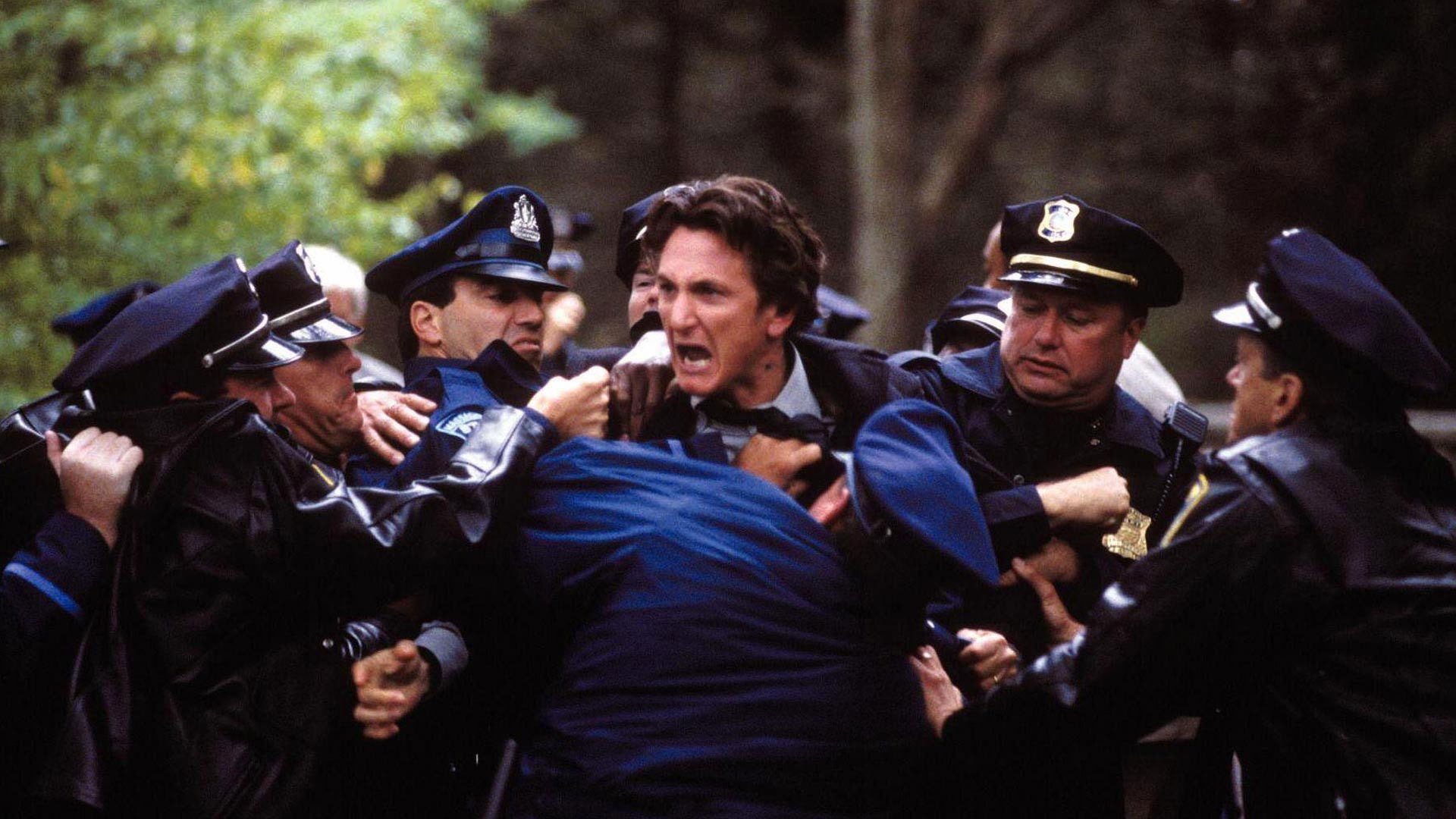
Mystic River is a powerful crime drama with a tendency to keep explaining after the actors have already convinced us. Clint Eastwood directs Brian Helgeland’s adaptation of Dennis Lehane’s novel as a story about three boyhood friends whose adult lives remain marked by a childhood crime. There is a police investigation, but Eastwood keeps returning to the people around it and the community they inhabit. He spends much of the film attending to their painful, unfinished relationships.

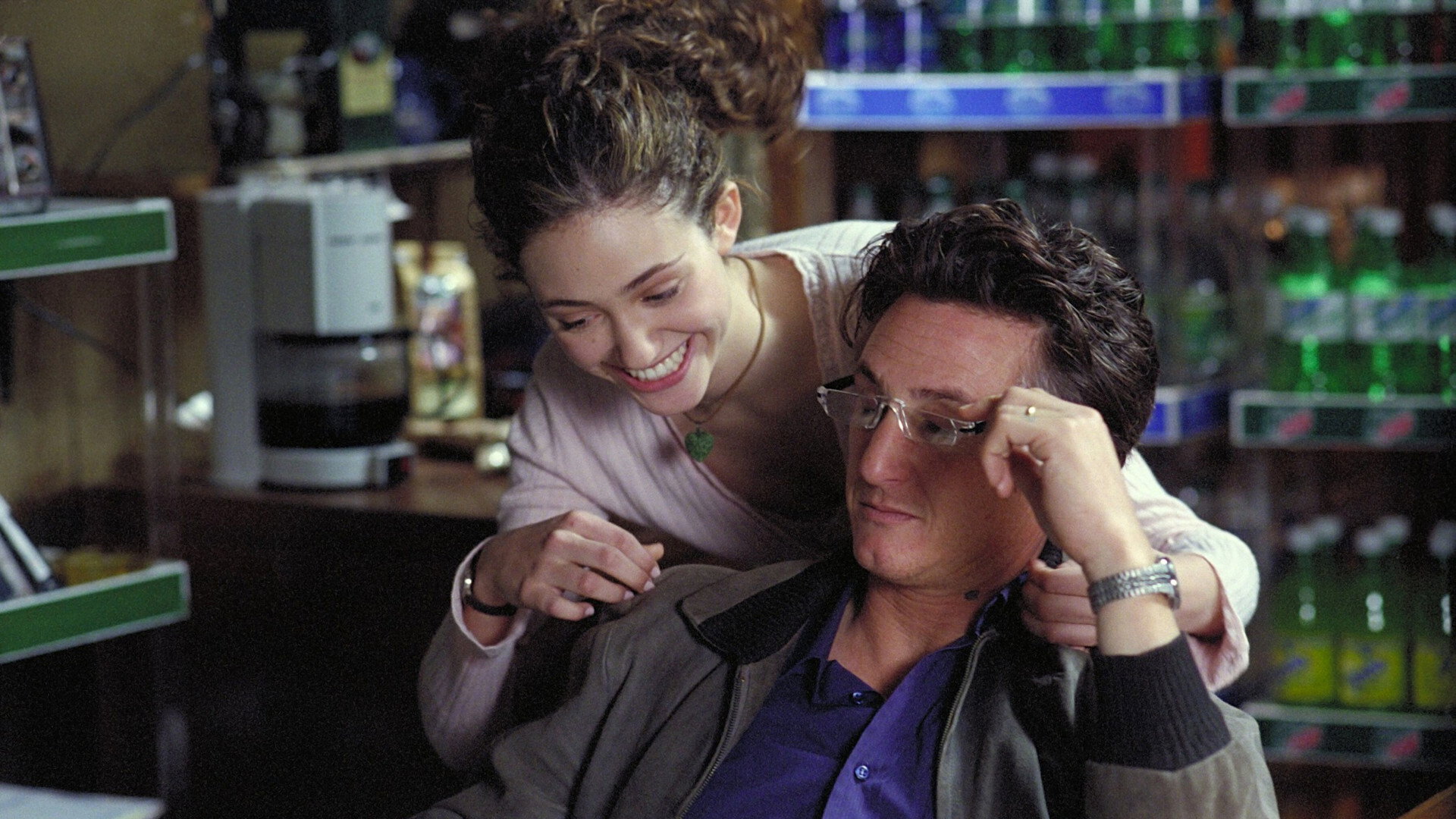
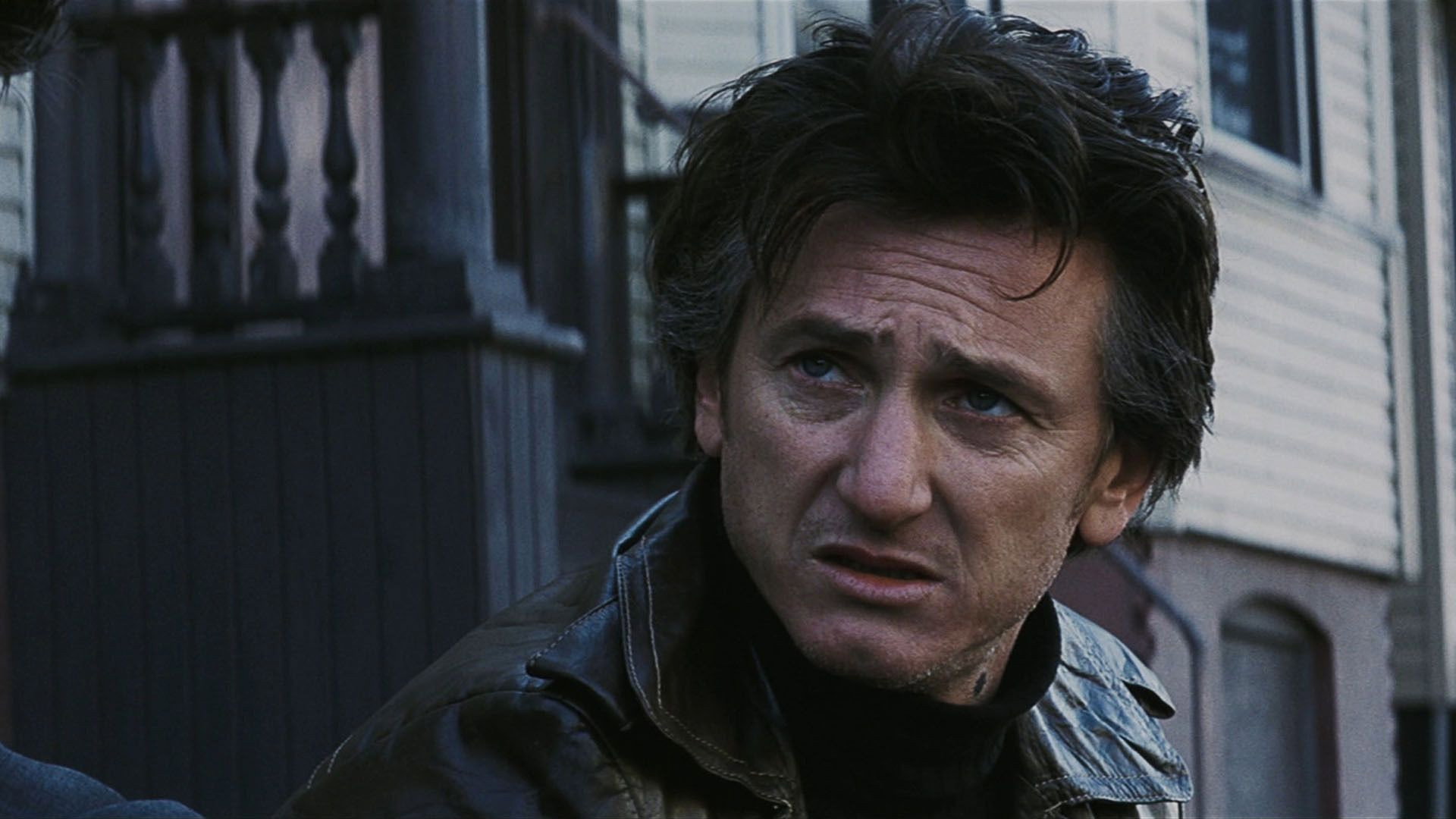
Sean Penn’s Jimmy Markum supplies much of the film’s force, and occasionally more than a scene can comfortably contain. Penn makes grief physically exhausting to watch; there are moments when the effort becomes too visible. Tim Robbins, as Dave Boyle, is harder to read and more troubling to sit with. We found Robbins’s close-ups distressing; the fear in an adult face makes the lasting harm of the childhood crime horribly plain. Eastwood gives that face time, rather than hurrying towards the next piece of information.

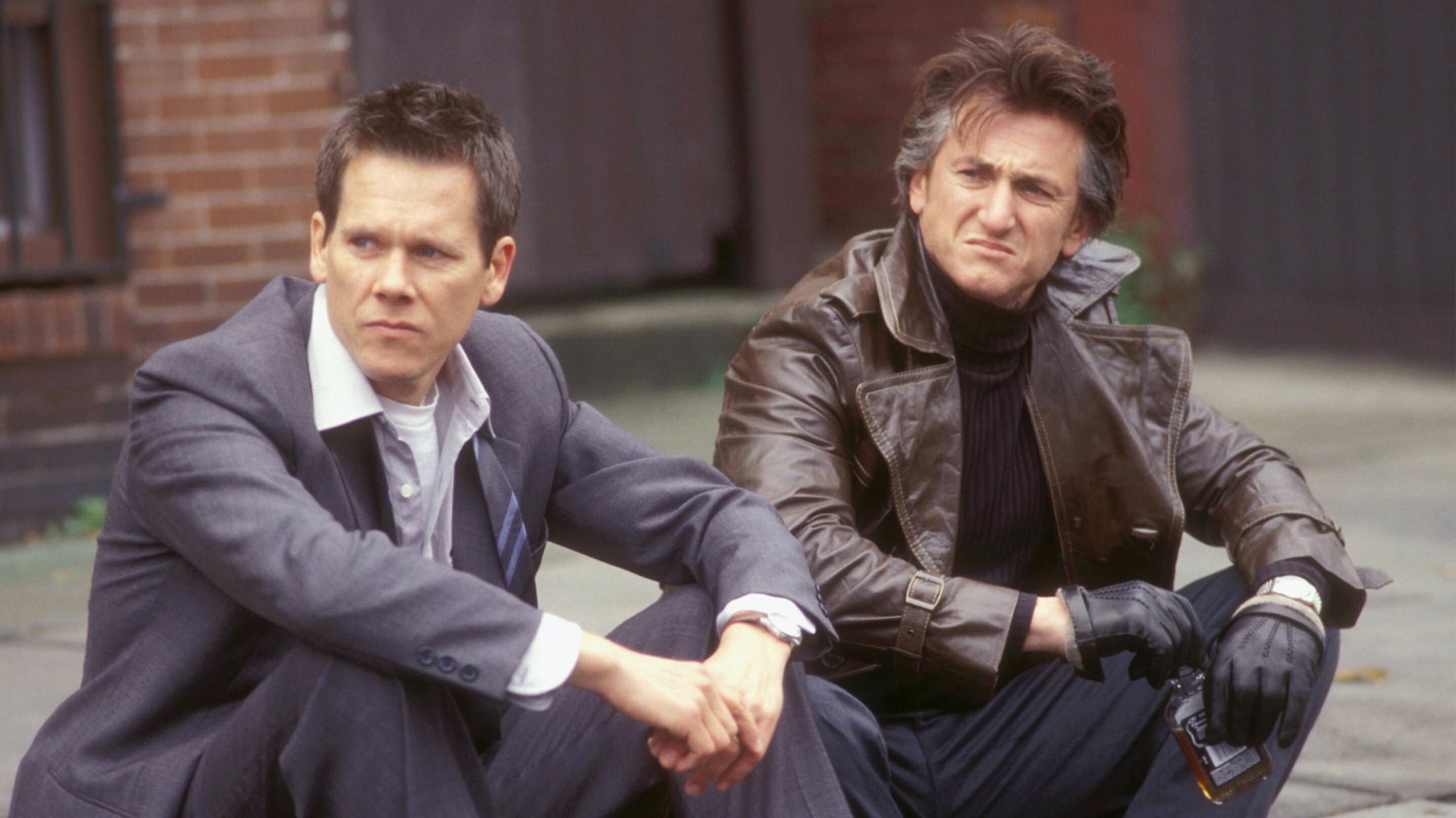
Marcia Gay Harden is equally affecting as Celeste Boyle. Harden makes fear seem capable of changing what a person hears, and her attention to the other actors is as affecting as anything she says. Kevin Bacon’s Sean Devine and Laurence Fishburne’s Whitey Powers help keep the performances from settling into a single mournful tone. Bacon is restrained, Fishburne firmer, and both provide welcome resistance to the temptation to make every exchange sound momentous. Bacon in particular benefits from being allowed to underplay.

Tom Stern’s close-ups and Joel Cox’s unhurried editing give the performances room to develop. A face can stay before us long enough for its first, apparently obvious expression to become uncertain. That patience is especially useful with Robbins, whose discomfort would lose much of its force if the film kept cutting away. Henry Bumstead’s production design also helps establish a Boston neighbourhood with a life beyond the investigation. The place feels settled and familiar, which makes the suspicion circulating through it harder to dismiss as a passing disturbance.

Eastwood’s music is less assured. Its heavy theme bears down on scenes whose distress is already plain, and we sometimes wanted the score to leave the actors alone. At 138 minutes, the film also has stretches where Cox’s patient pace becomes a little too patient. Those passages do not undo the care elsewhere, but they make the solemnity harder to bear. One speech in Helgeland’s screenplay is too explicit about what the drama has already shown.

As a thriller, it is unusually willing to let the investigation share the screen with painful relationships. The long acquaintance between these men makes familiar crime-story questions about trust and suspicion feel personal. Eastwood takes their suffering seriously without making every response to it seem justified. That matters in a film about vengeance, where sympathy for somebody in pain can so easily become permission for whatever they do next. Save it for an evening when there is no need to be cheered up.
Critical consensus AI synthesised

75
Positive
5
Mixed
0
Negative
1

Most critics regard Mystic River as a powerful, morally complex drama whose interest in damaged lives goes well beyond the police investigation. Praise centres on Eastwood’s patient direction, the film’s close attention to its Boston community and an ensemble that makes grief and long-held tensions convincing. Penn, Robbins and Harden draw particular praise. The prevailing view is that the film gives childhood trauma and recurring violence weight through character rather than spectacle.

Reservations concern pacing, occasional overstatement and what the adaptation loses from the novel. Time Out finds the musical theme heavy-handed and one speech too explicit, while Evening Standard notes stretches that drag and moments when Penn overplays. The spread is wide despite the strongly positive lean: Paste offers a fundamental dissent, finding the film incoherent, its characters unconvincing and its bleakness hollow rather than revealing.

Slant Magazine
1 October 2003 · Ed Gonzalez
85*

The critic finds Eastwood's film a somber, spiritually profound evocation of a Boston community on the brink of moral collapse. Performances across the board are singled out for praise, especially those of Penn, Robbins, and Harden.

Read the full review →
The Guardian
19 October 2003 · Philip French
85*

Eastwood delivers a mature, complex thriller that ranks among his best works, with no born villains but characters shaped by their community and moral struggles. The film excels in its slow editing, close-ups, and raw, intense performances exploring painful relationships.

Read the full review →
The AV Club
7 October 2003 · Keith Phipps
80*

Eastwood adapts the novel with careful attention to place and character, turning a police procedural into a study of fragile lives and community tragedy. The actors match the gravity of the material, and the film is called his best since Unforgiven.

Read the full review →
The Times
11 October 2003 · Ian Nathan
80*

Eastwood dazzles as director in this mordant, powerful thriller about childhood trauma's effects on three men, with grim delicate performances and a stern exploration of masculinity akin to Unforgiven.

Read the full review →
Empire
17 October 2003 · Alan Morrison

A genuine return to form for Eastwood after recent disappointments, with a superb cast and moral complexity from the source novel that adds psychological weight to the revenge-driven story, though the adaptation reduces some thematic depth.

Read the full review →
Evening Standard
10 April 2012 · Christopher Tookey

Eastwood delivers his best film since Unforgiven, a complex and deep thriller with magnificent ensemble acting that creates a strong sense of community, though it occasionally drags and features some over-the-top moments from Penn.

Read the full review →

Cast

Stills

Awards

Academy Awards, 2004

Nominated
Best Director
Nominated
Best Picture
Nominated
Best Supporting Actress
Nominated
Best Writing, Adapted Screenplay
Won
Best Actor
Won
Best Supporting Actor

International Cinephile Society Award for Best Actor, 2004

Nominated
International Cinephile Society Award for Best Actor

International Cinephile Society Award for Best Ensemble, 2004

Won
International Cinephile Society Award for Best Ensemble

International Cinephile Society Award for Best Film, 2004

Nominated
International Cinephile Society Award for Best Film

International Cinephile Society Award for Best Supporting Actress, 2004

Nominated
International Cinephile Society Award for Best Supporting Actress

European Film Award for Best Non-European Film, 2003

Nominated
European Film Award for Best Non-European Film

If you liked this, try…

The Ox-Bow Incident poster

The Ox-Bow Incident

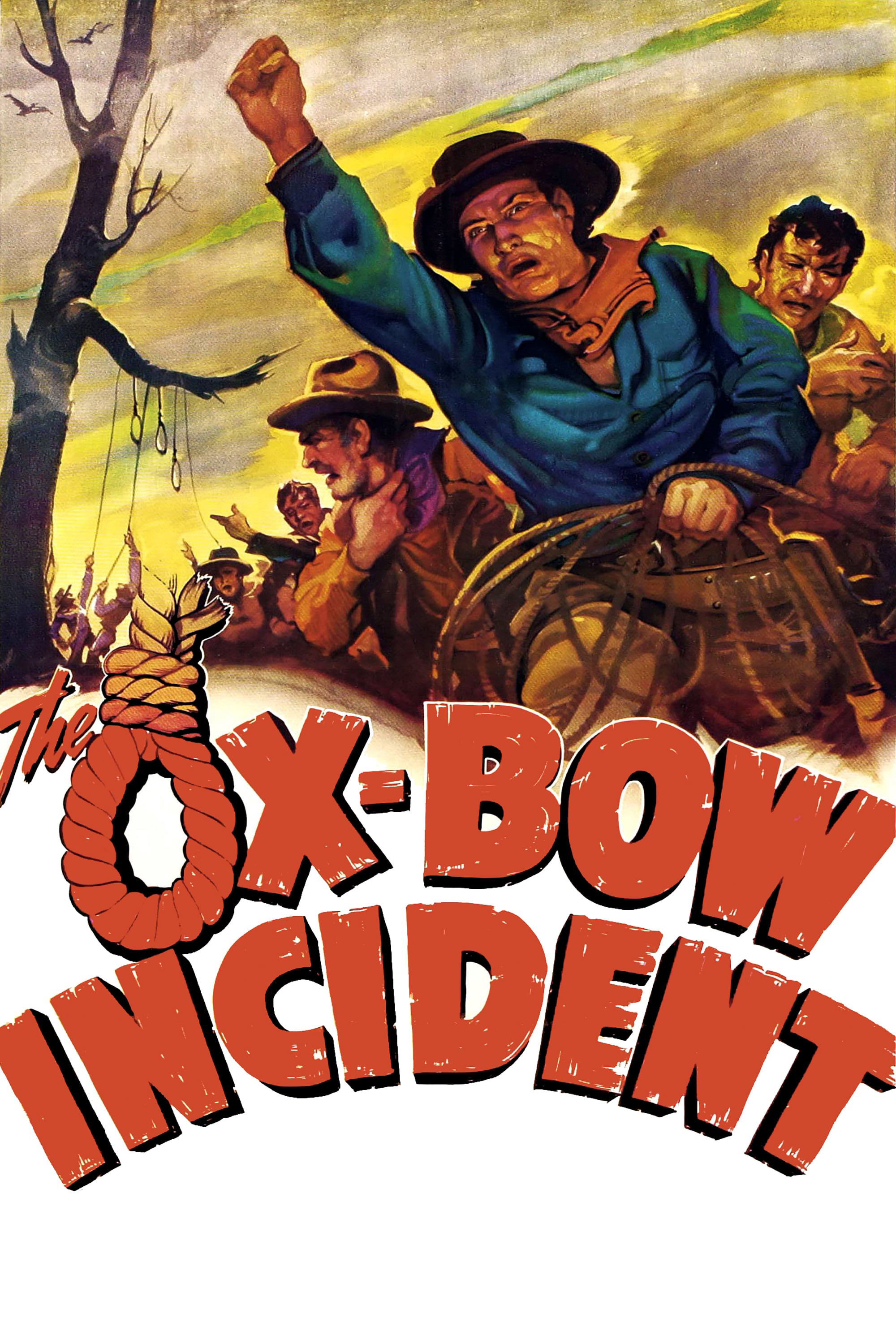
1943 · Another community mistakes certainty for justice, with consequences the film refuses to soften.

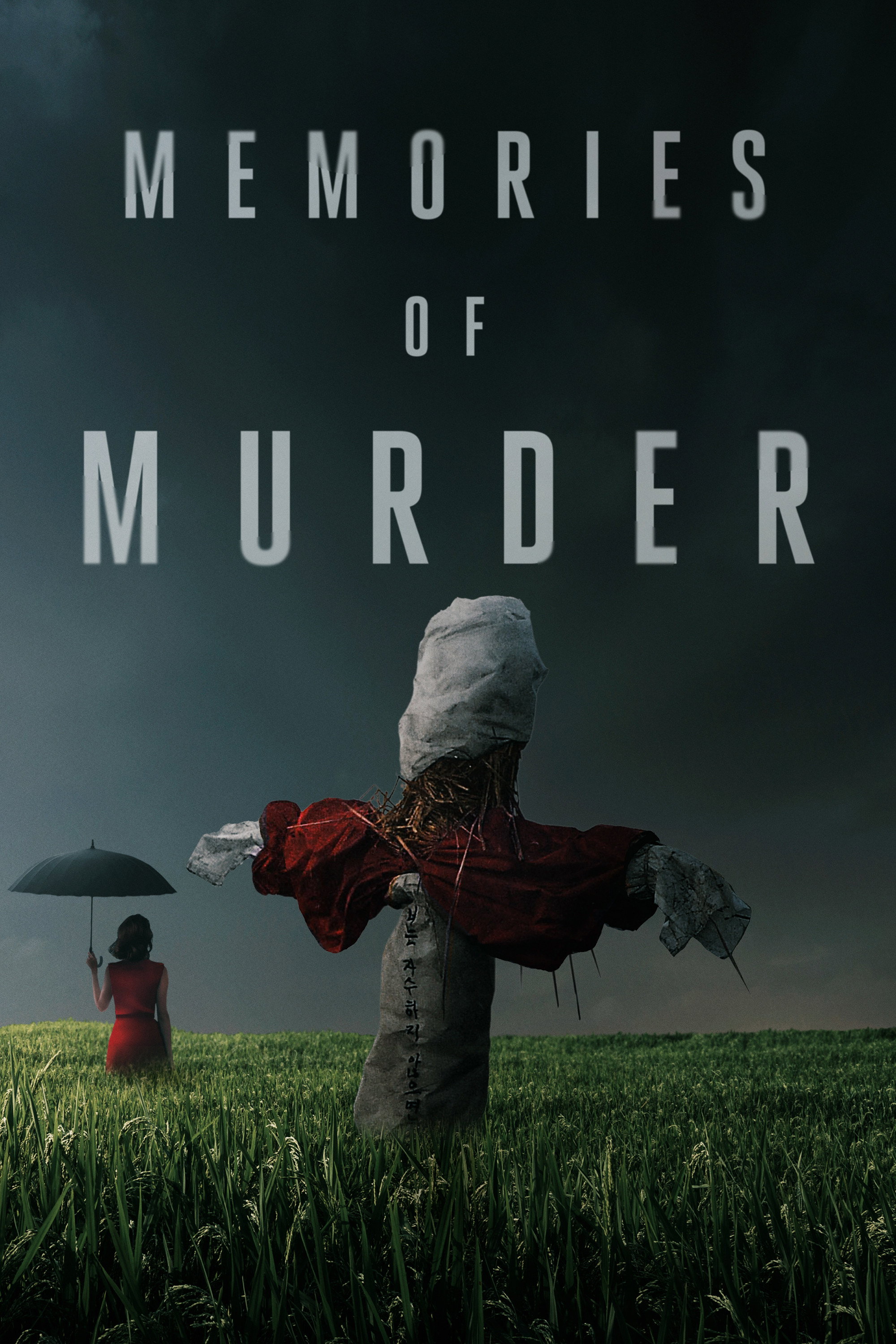
Memories of Murder poster

Memories of Murder

2003 · A murder investigation exposes a community’s fears and the detectives’ dangerous need for answers.

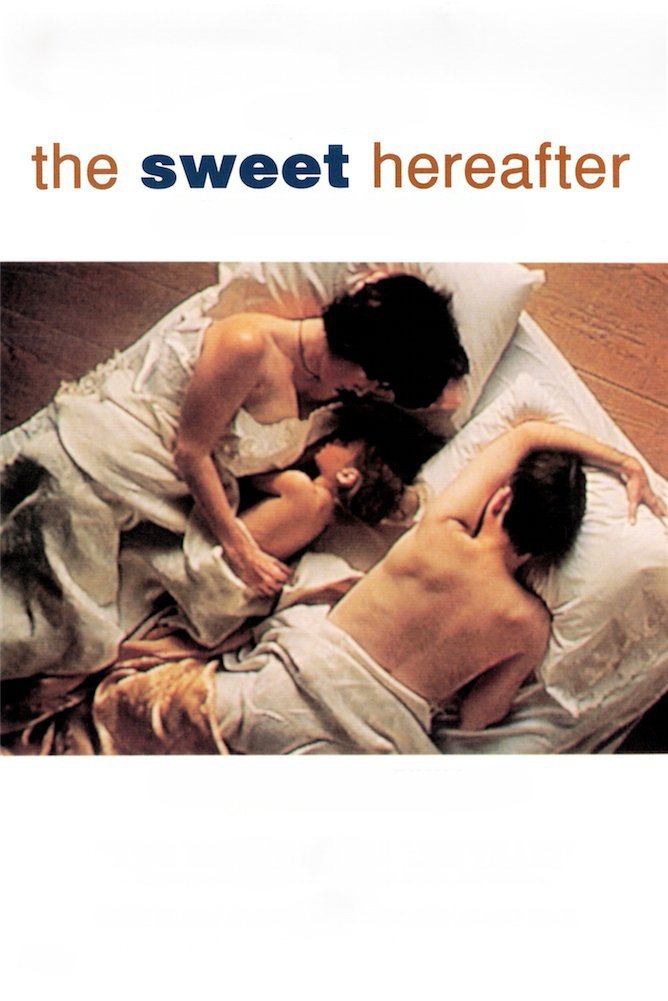
The Sweet Hereafter poster88

The Sweet Hereafter

1997 · A bereaved community struggles with blame, while quiet performances make the grief painfully particular.

A Separation poster

A Separation

2011 · Family loyalties and incomplete knowledge turn ordinary decisions into an absorbing moral crisis.

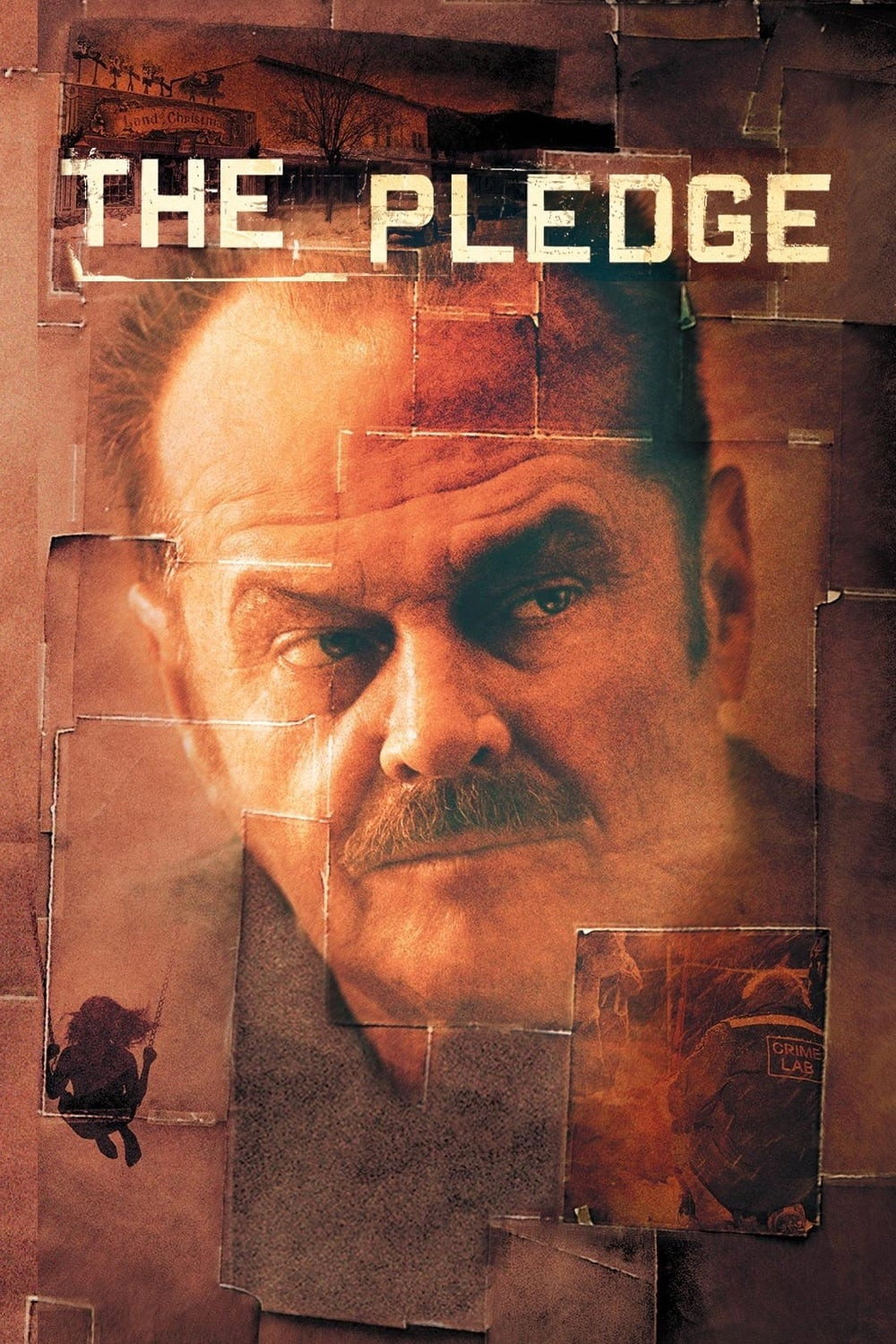
The Pledge poster

The Pledge

2001 · A patient, troubling crime drama about the damage done by needing to be right.