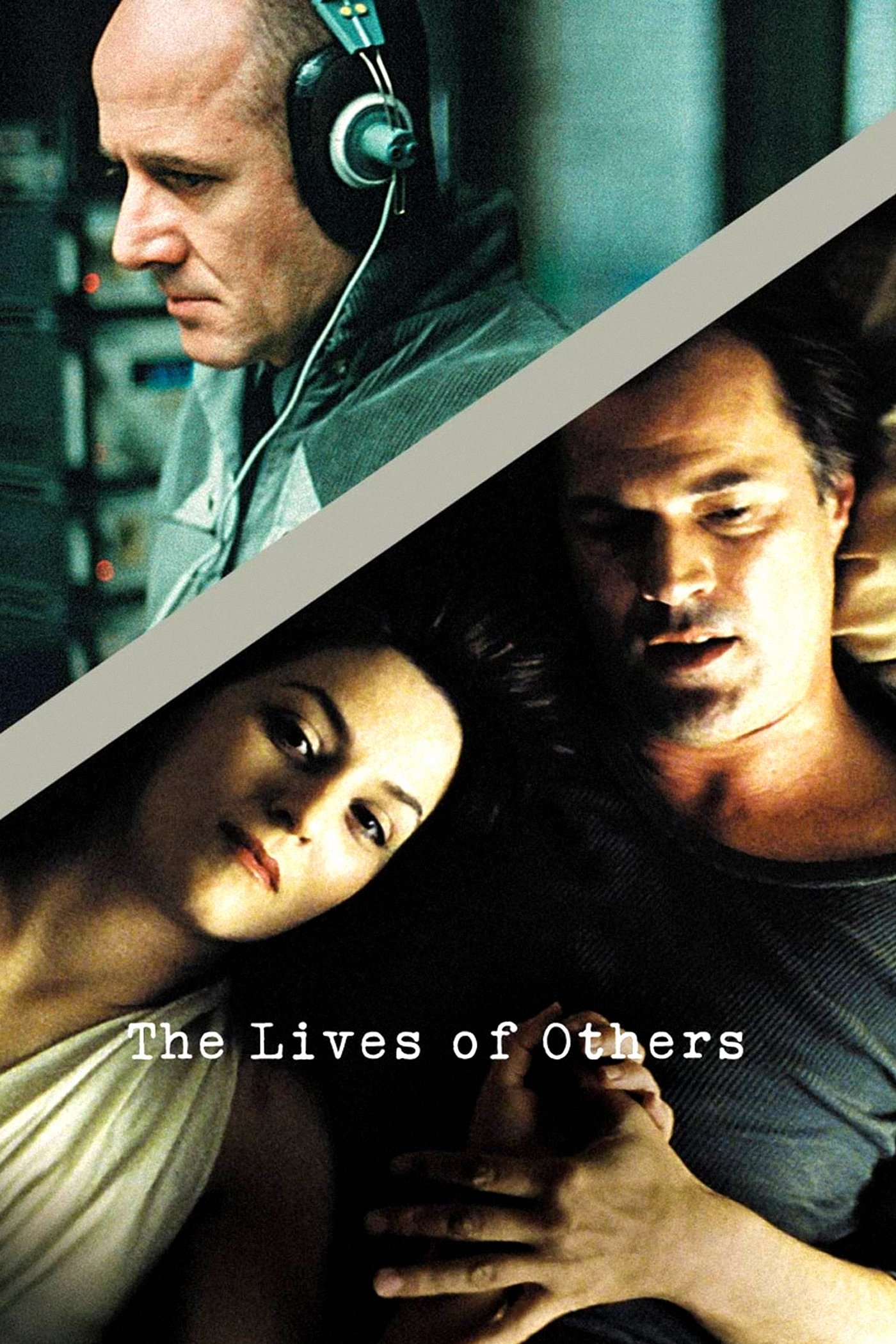
Critics’ reviews

The Lives of Others (2006)

12 reviews from 12 publications. Critics’ score 74: 4 positive, 1 mixed, 1 negative.

Back to our review of The Lives of Others

74
Positive
4
Mixed
1
Negative
1

Most critics respond warmly to The Lives of Others, praising its combination of surveillance thriller and moral drama. The strongest notices find the screenplay precise and absorbing, with suspense growing from difficult questions about compassion and conduct under oppression. Praise also clusters around the central performances, controlled direction and austere visual treatment of East German life. For its admirers, the film makes the workings of surveillance chillingly clear without neglecting the people caught up in them.

The spread is wide, however, and the disagreements concern emotional credibility as much as storytelling. Sight and Sound admires the performances but questions the plausibility of the central agent’s transformation. Paste finds a strong lead performance undermined by repetition and over-explanation. Slant Magazine offers the sharpest dissent: it acknowledges technical skill but sees a manipulative, emotionally thin account that simplifies East German history, rejecting the humane complexity that more favourable reviews find persuasive.

Radio Times
★★★★★ · Alan Jones
100

The critic hails it as a riveting masterpiece and meticulous portrait of compassion amid oppression, intelligently written and sensitively directed. Exceptional performances and dynamic storytelling create nuanced tension around rediscovering humanity under surveillance.

Read the full review →
Empire
30 March 2007 · Alan Morrison
90*

The critic hails it as European filmmaking at its finest and a major work of German cinema's renaissance. They single out the emotional precision of the screenplay and the perfect balance between thriller and drama, along with the memorable central performances.

Read the full review →
Financial Times
11 April 2007 · ★★★★ · Nigel Andrews
80

The immaculately made drama-thriller pits a free-thinking playwright against a ruthless Stasi officer in surveillance, resulting in an absorbing and cleverly structured story. It features austerity colours and witty characterisation even in small roles.

Read the full review →
Slant Magazine
9 February 2007 · Fernando F. Croce
30*

The critic views the film as a tepid, bloodless reduction of East German history that oversimplifies social struggles with a trite uplift at the end. He praises the director's technical facility but faults the manipulative narrative and lack of genuine emotional depth.

Read the full review →
Screen Daily
6 August 2006 · festival review

The review describes a remarkably confident debut that is a deft, gripping Communist-era drama with breakout potential, anchored by assured writing and confident direction. It highlights strong lead performances and the drab world as a character, while suggesting minor trims.

Read the full review →
Sight and Sound
· Geoffrey Macnab

The critic finds the film a remarkably assured debut that chillingly details Stasi methods and the moral awakening of its central agent, with strong performances and a mature vision of the GDR era. Some reservations are noted about the plausibility of the agent's transformation and a slightly maudlin ending.

Read the full review →
The Guardian
13 April 2007 · Peter Bradshaw

The film is a fierce and gloomy drama indicting the brutalities of the Stasi secret police in East Germany. It follows a Stasi officer whose surveillance of a playwright and his actress girlfriend leads him to question the regime and act to protect them.

Read the full review →
The New Yorker
5 February 2007 · Anthony Lane

The debut feature is a powerful drama about surveillance and the absence of justice in East Germany, centered on a Stasi agent's intrusion into a playwright's life. It features an ending of overwhelming simplicity and force.

Read the full review →
The New York Times
9 February 2007 · A.O. Scott

The film is a suspenseful, ethically exacting drama that poses difficult questions about goodness and moral action under totalitarianism. It illuminates the psychology of the GDR's secret police with visual and narrative rigor.

Read the full review →
Time Out
19 October 2006 · Geoff Andrew

The review calls it a remarkably assured and gripping political thriller that paints a dark picture of life under the East German regime through expert surveillance and moral questioning. It praises the lucid script, atmospheric camerawork and superb performances while noting a slightly distended ending.

Read the full review →
Eye for Film
13 March 2007 · Anton Bitel
90*

The critic praises the film as an astonishing debut that redresses the balance against Ostalgie by depicting the painful realities of Stasi surveillance in 1980s East Germany. They single out the meticulous research, authentic locations, superb performances especially from Ulrich Mühe, and nuanced screenplay for praise.

Read the full review →
Paste
4 February 2007 · Robert Davis
50*

The film is a cleverly constructed story about an East German spy whose surveillance mission leads him to question his role, anchored by a strong central performance. However, it suffers from redundancy, over-explained plot twists, and clumsiness that make it intermittently engaging but largely vacuous.

Read the full review →

Ordered by the weight we give each publication, then by score. Scores are normalised to 100; * means inferred from an unrated review. Summaries are ours, not quotations; follow the links for the reviews themselves. How we rate