Akira Kurosawa’s crime drama is gripping, disturbing and worth the close attention it demands. The conflicting accounts of a killing are made fiercely convincing, though the dialogue sometimes explains what the images have already told us.
Rashomon makes a crime story out of our willingness to believe someone who tells a story well. Akira Kurosawa returns to a killing through conflicting accounts, allowing each telling enough conviction to make the others look doubtful. We recommend it without hesitation: it is gripping, unsettling and much more immediate than its reputation as a puzzle might suggest. Its 88 minutes leave plenty of room to notice how much these people care about the impression they make.
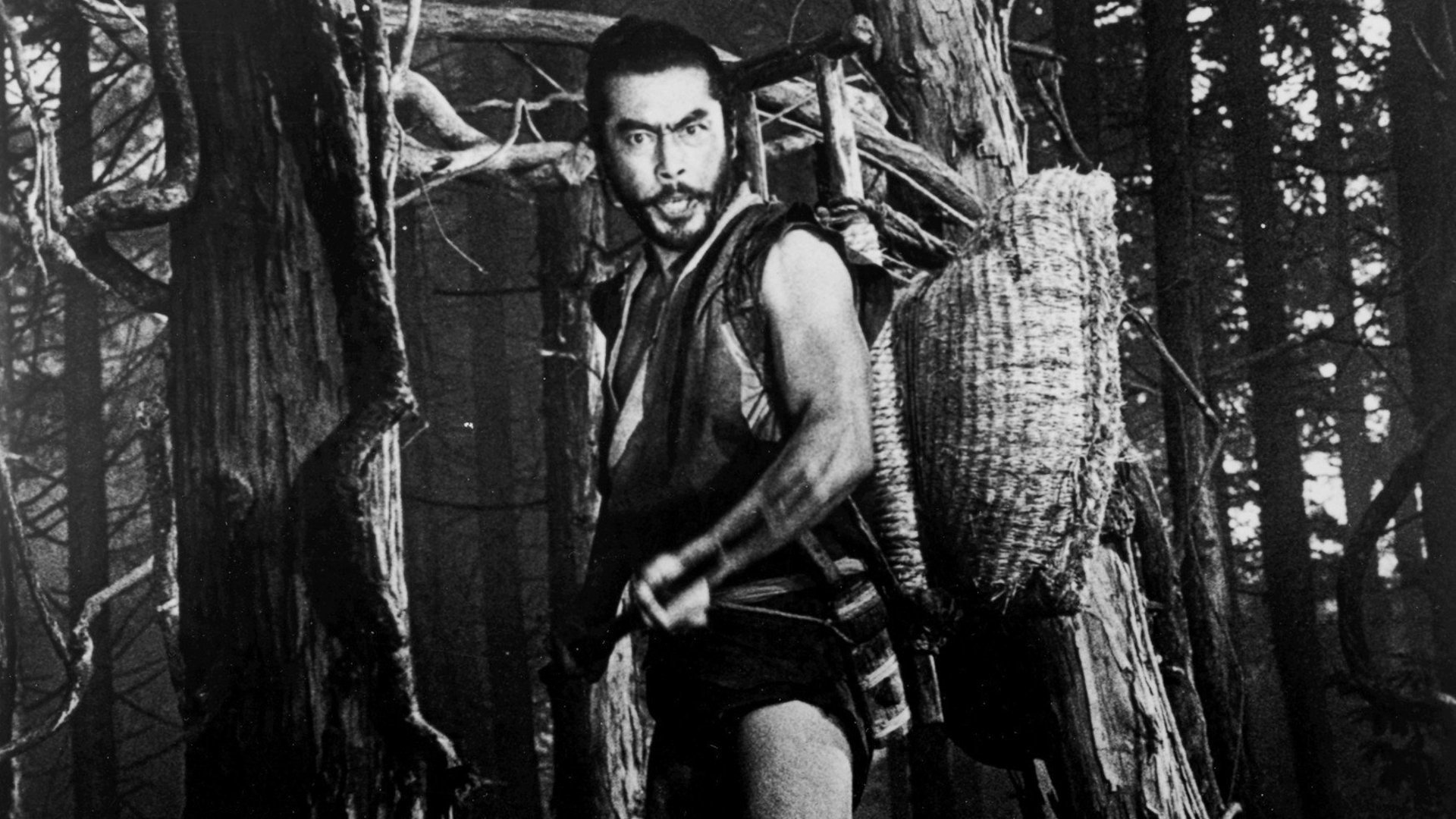
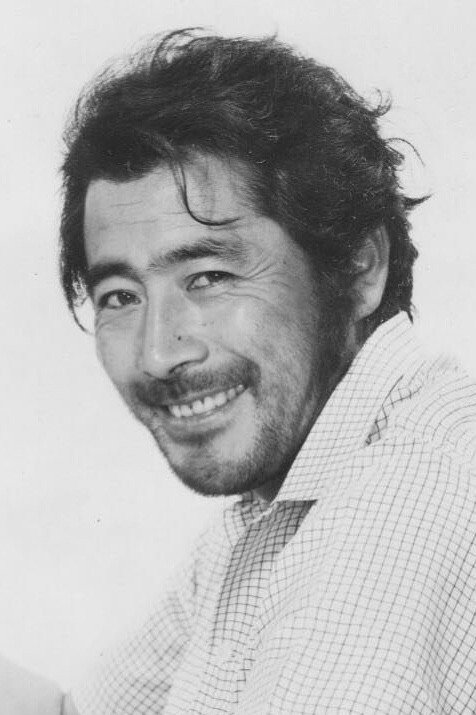
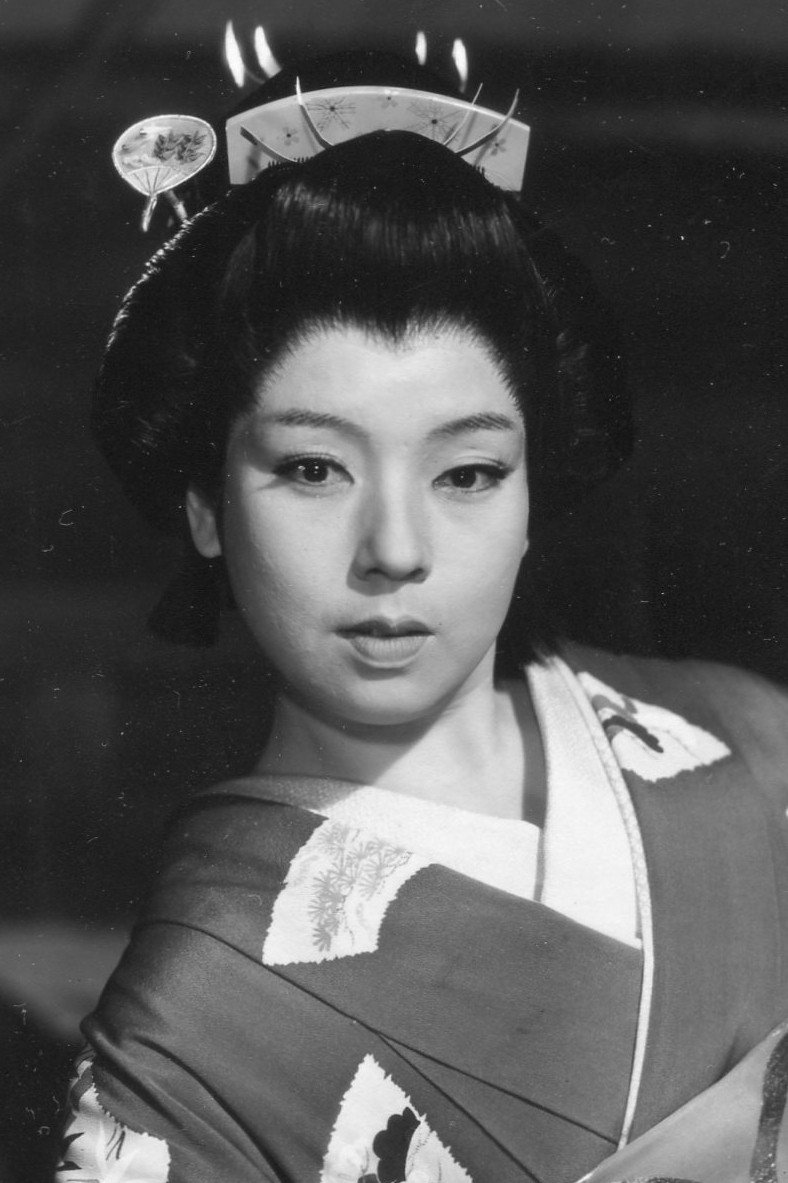
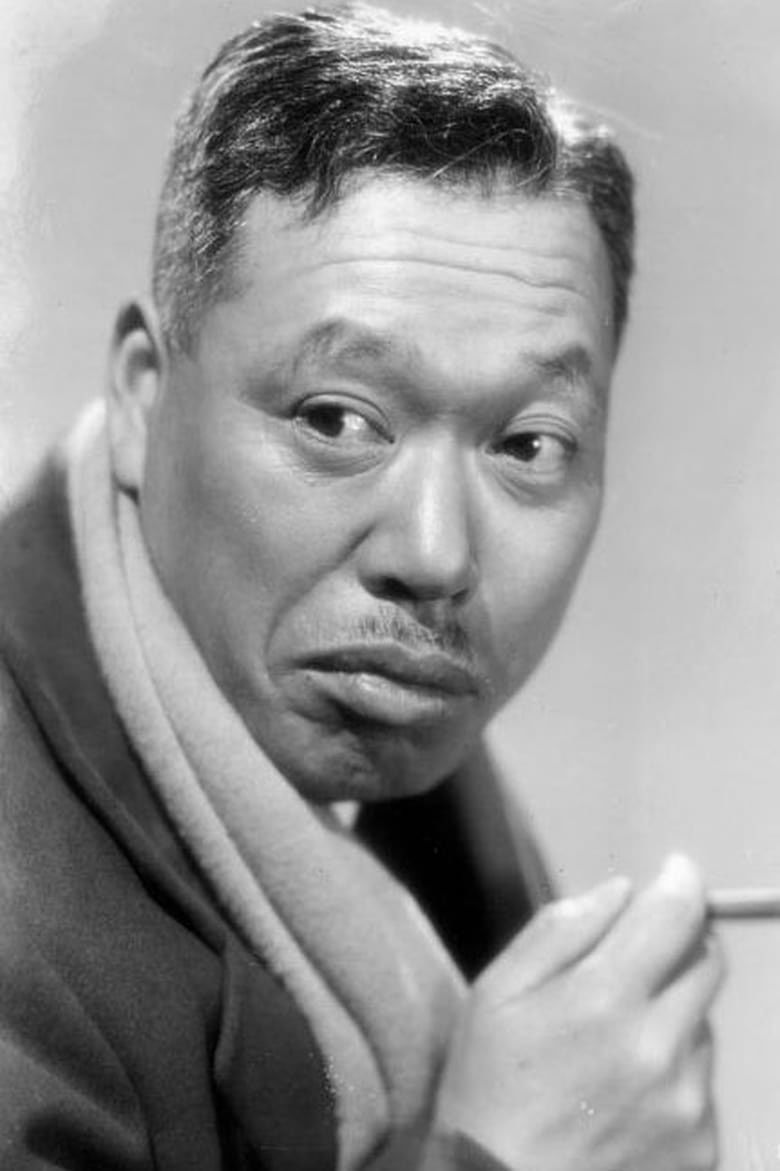
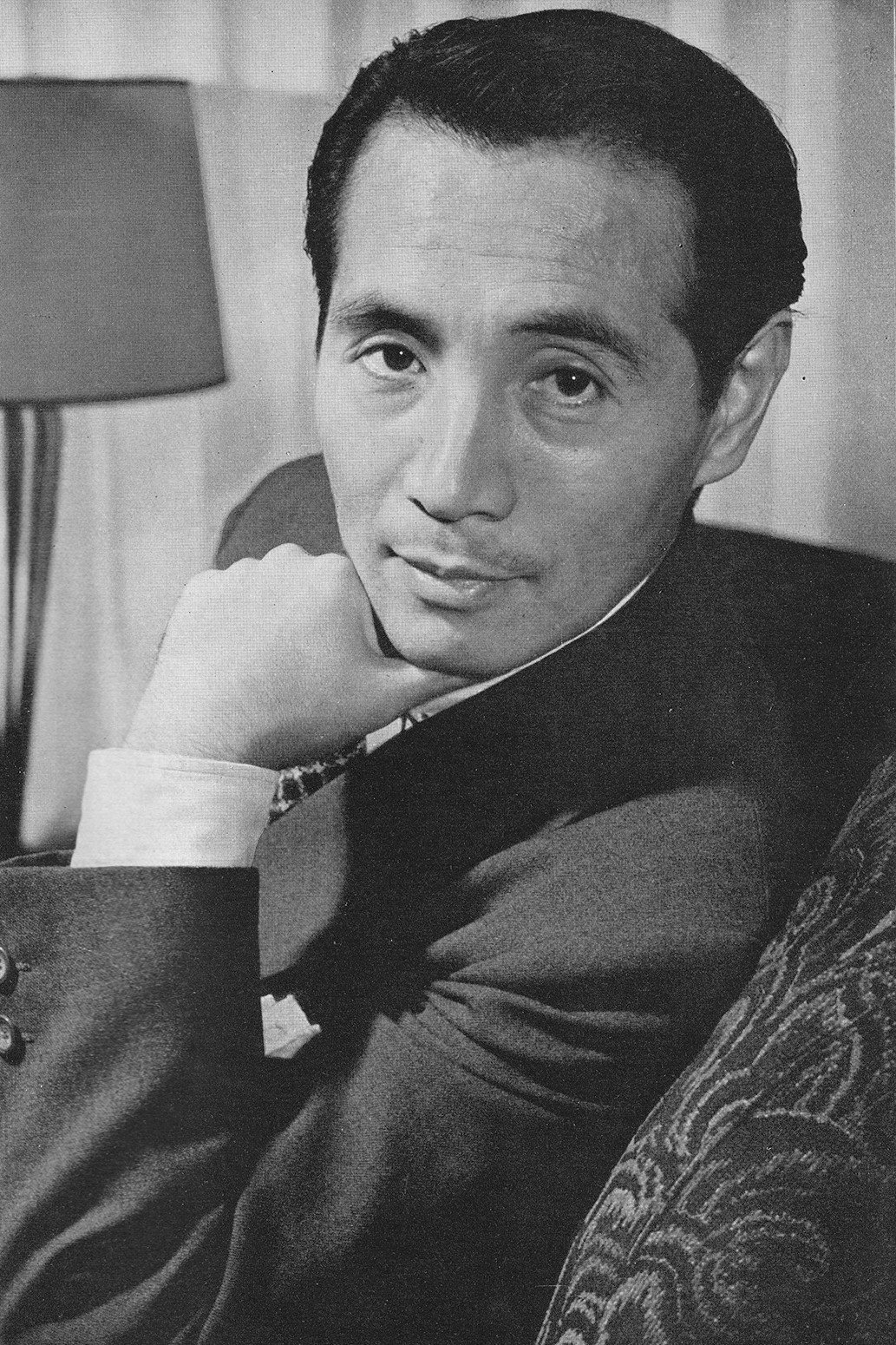
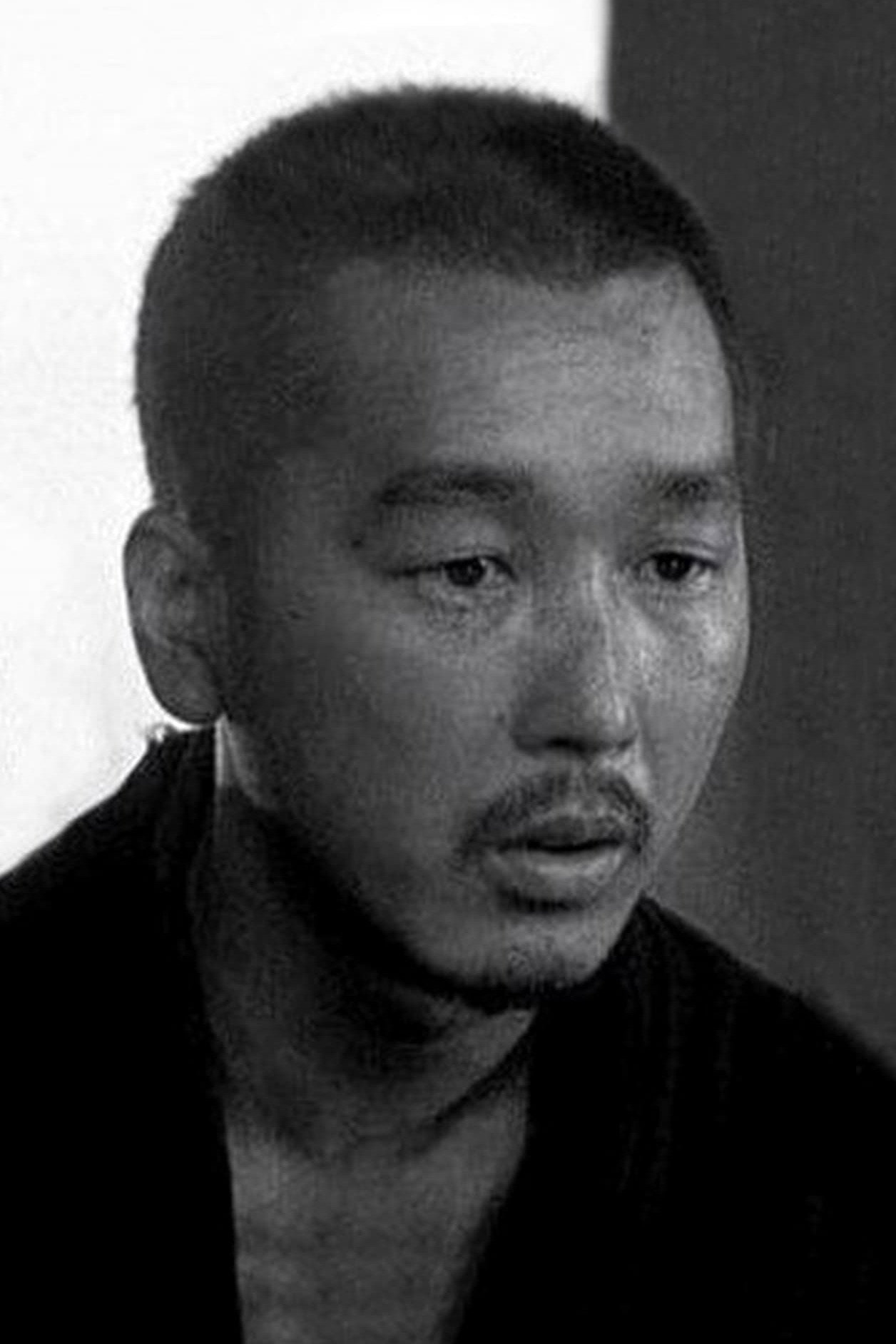
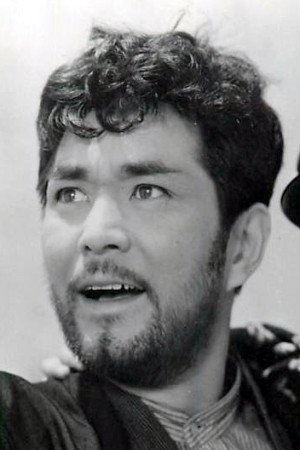
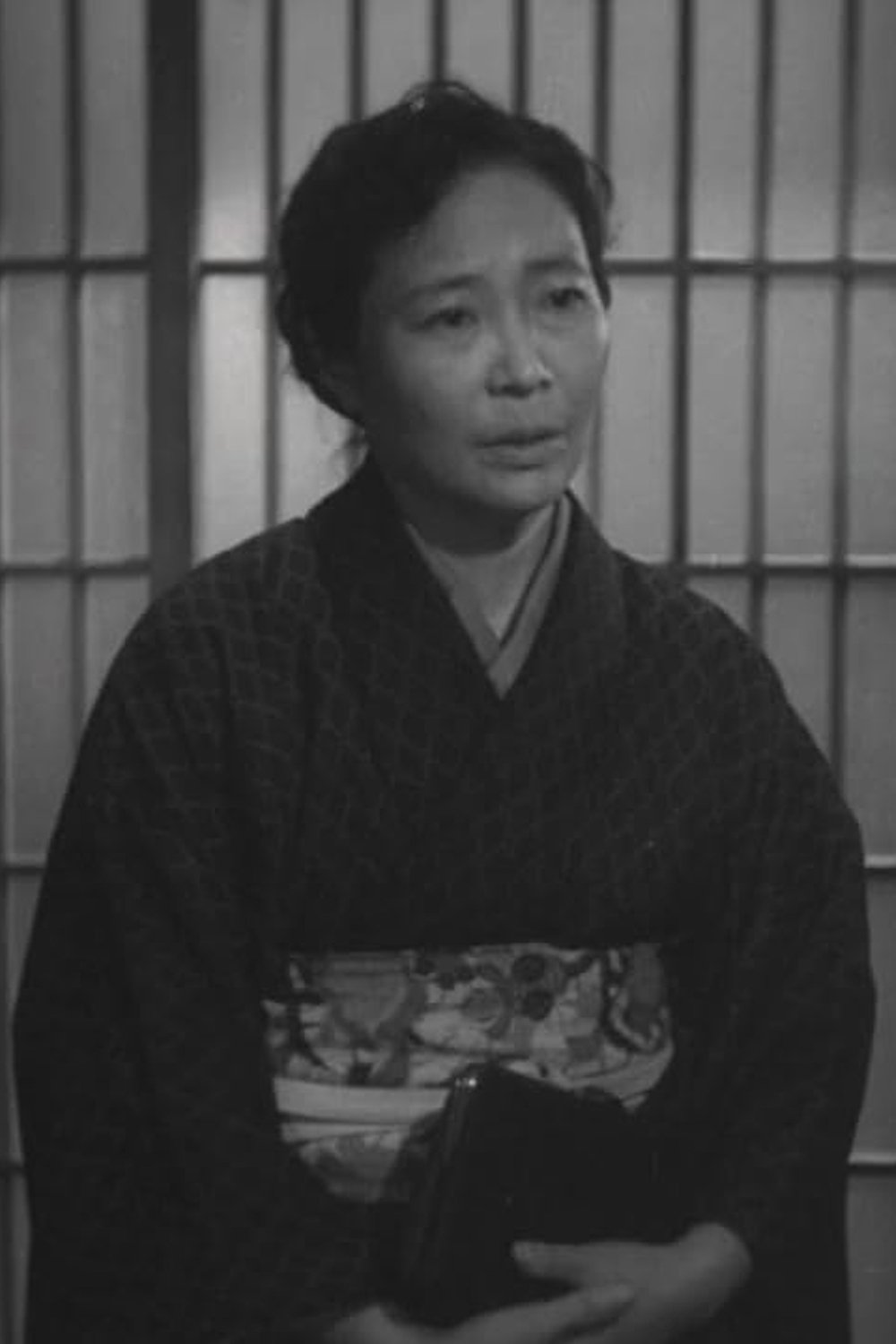
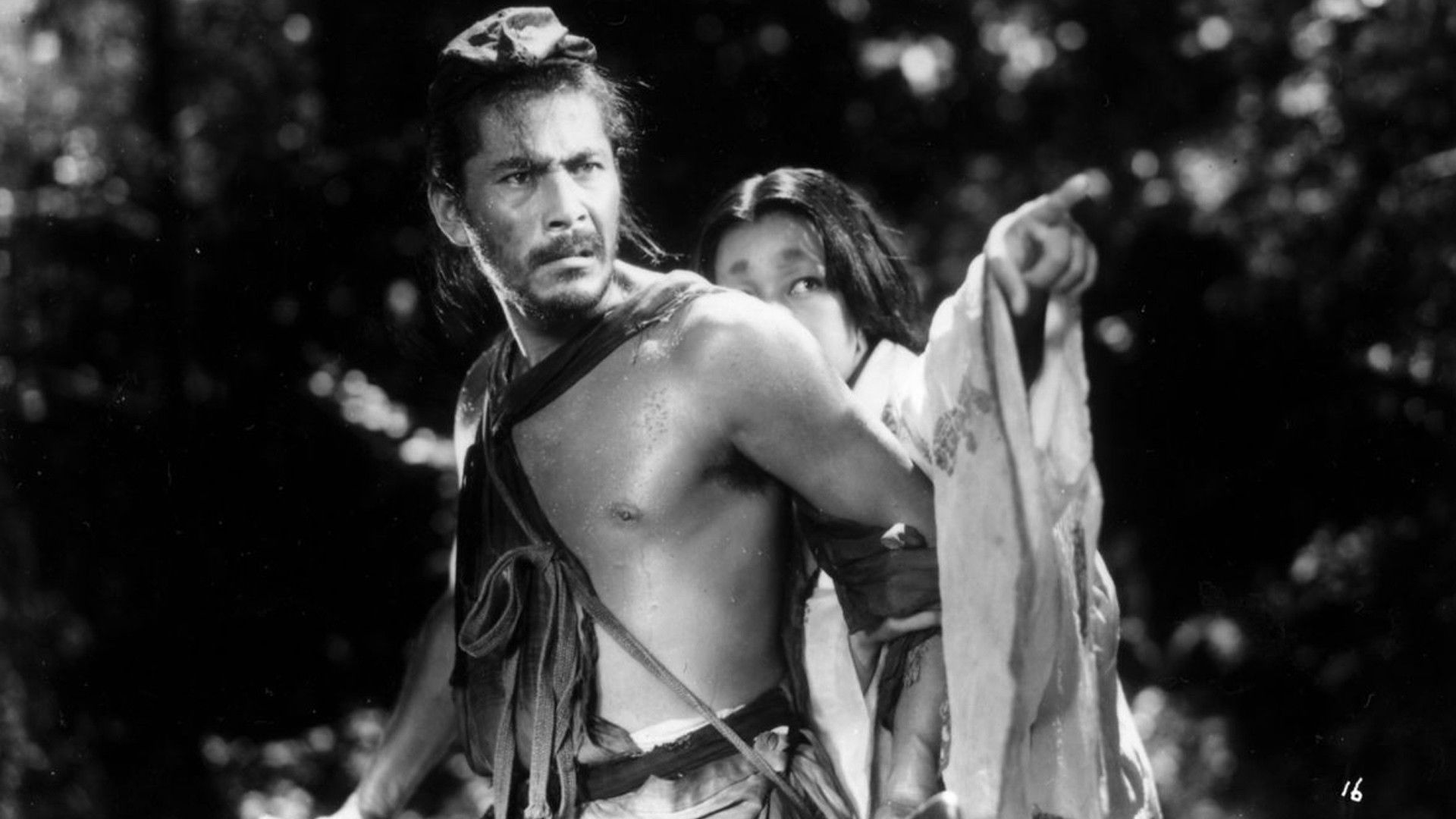
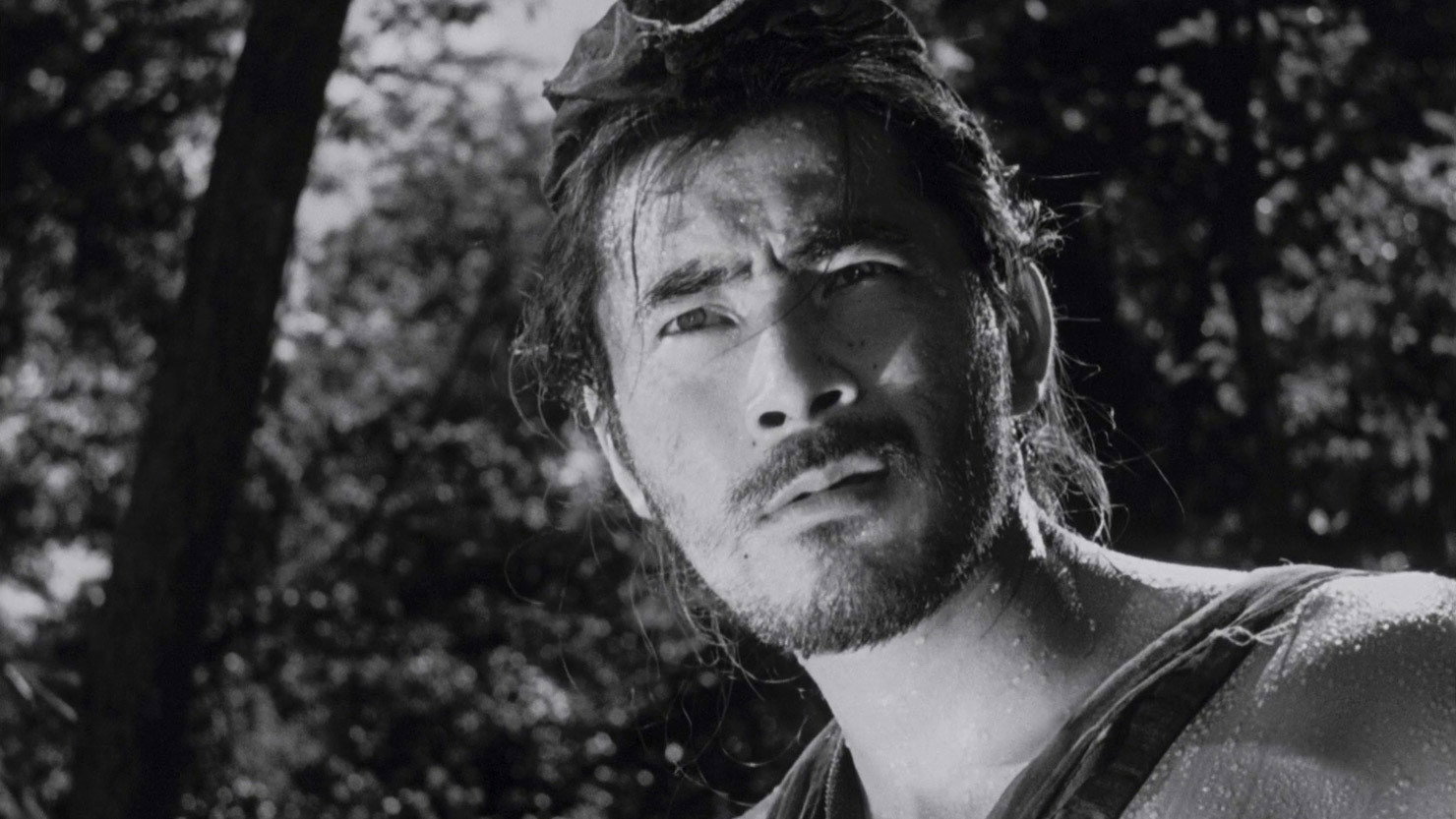
Toshirō Mifune’s Tajômaru is the most conspicuous example, a bandit performed with an extravagance that can be funny and alarming within the same scene. Mifune makes vanity feel physical; the size of the performance tells us how grandly this man regards himself. Machiko Kyō’s Masako and Masayuki Mori’s Takehiro are harder to settle into a single judgement, because the accounts keep changing the terms on which we see them. Neither can simply play the person we thought we understood a moment earlier. The heightened acting makes those shifts readable, though Mifune sometimes pushes hard enough to distract us.
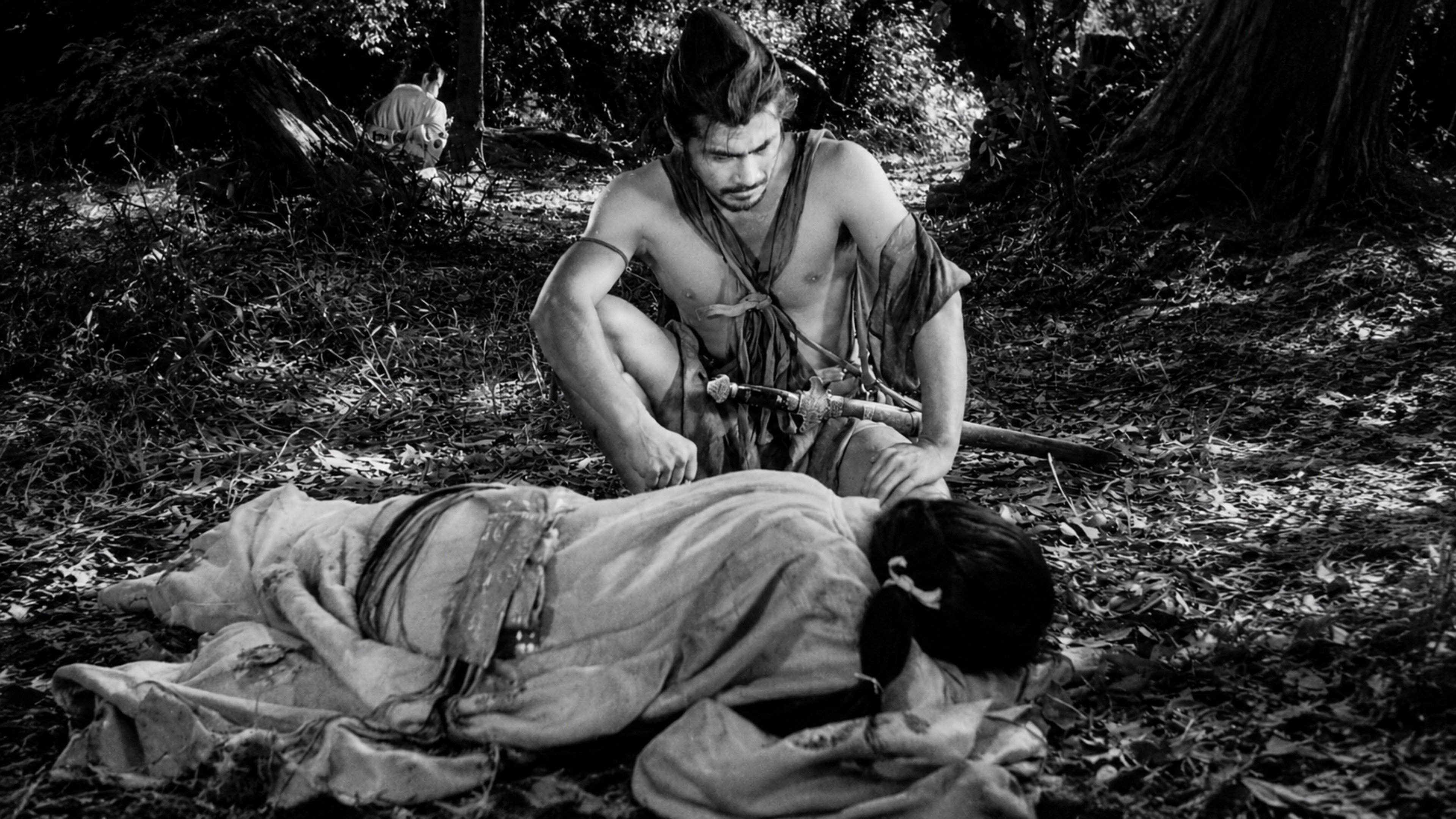
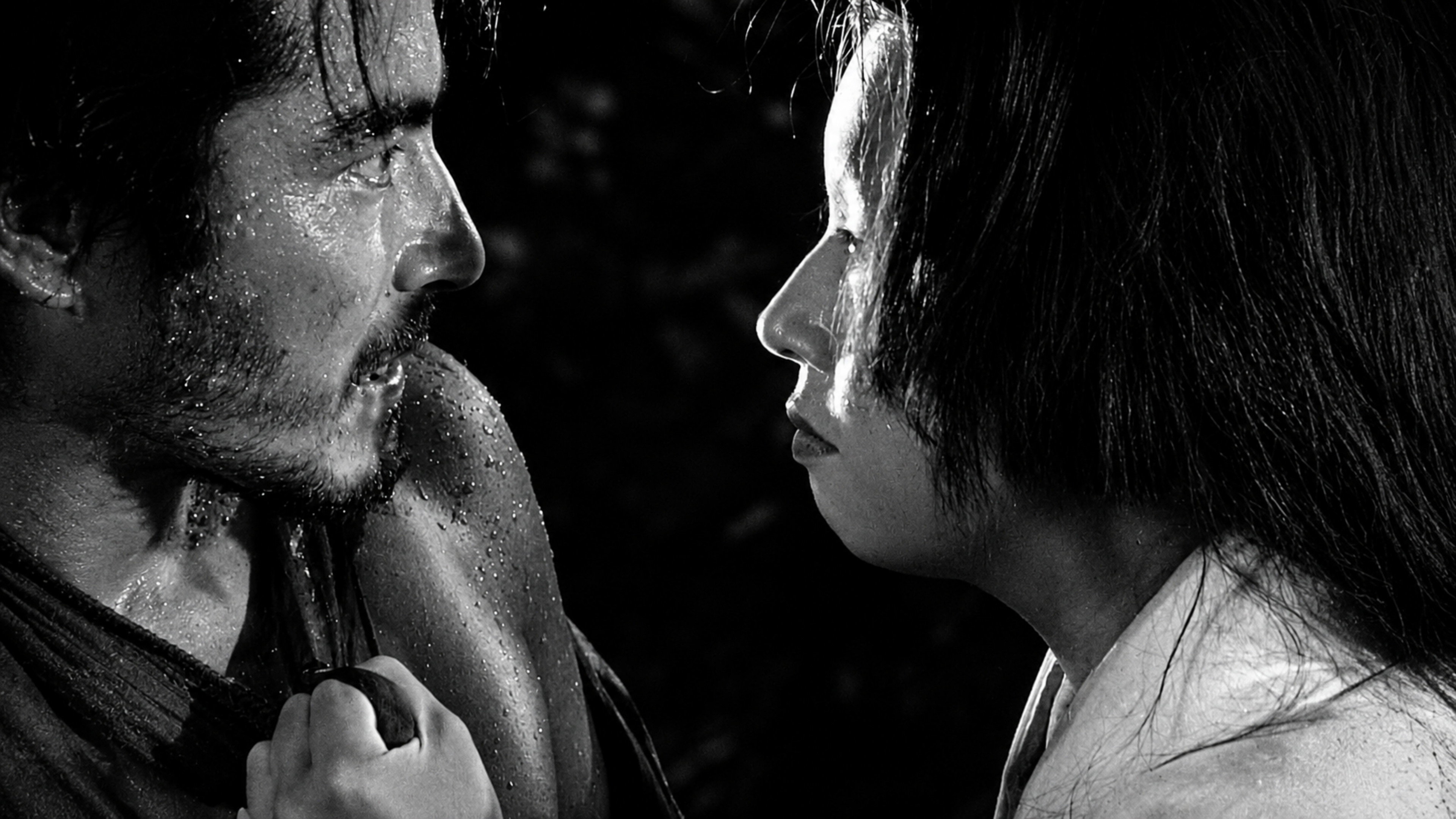
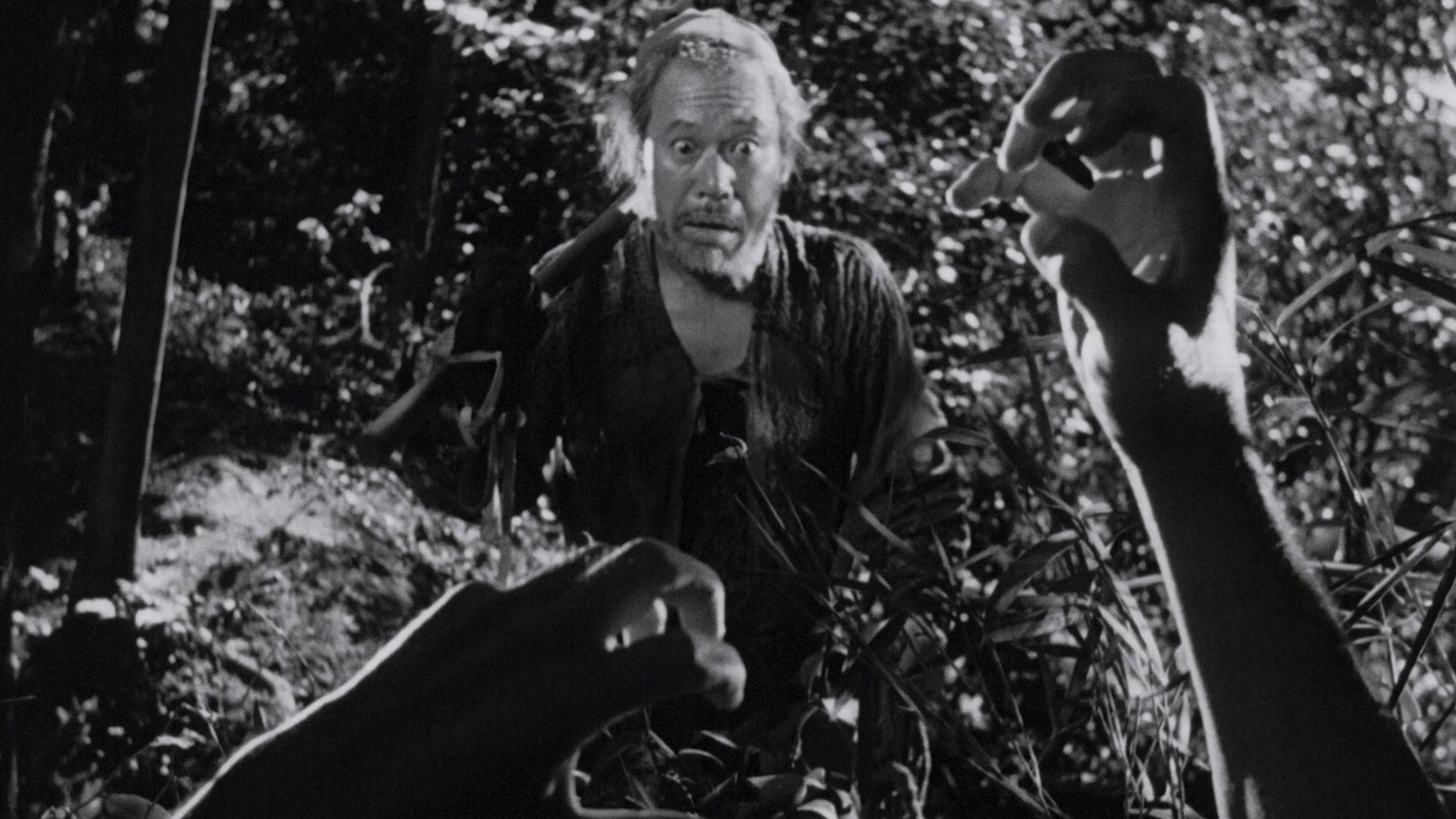
Kazuo Miyagawa’s cinematography gives the forest scenes a persuasive physical reality. The dappled light keeps the setting beautiful without making it restful, and the outdoor images make the violence difficult to keep at a comfortable distance. We were disturbed by how readily we believed what we were being shown, even after another account had made belief look foolish. The photography helps cause that unease: these competing recollections all have the apparent solidity of something happening in front of us.
Kurosawa’s editing is just as important. Returning to the encounter could easily become laborious, but he makes each account require a fresh judgement of the people involved. The flashbacks ask us to compare what we see with what we remember, without reducing the film to a checklist of discrepancies. We keep attending to a performance even while trying to decide how much of it belongs to the witness’s preferred account of events.
Fumio Hayasaka’s music gives the successive accounts emotional weight, encouraging us to take each one seriously while it lasts. That matters when the structure keeps inviting us to catch somebody out. Takashi Matsuyama’s production design leaves the performances room to dominate; we rarely find ourselves looking away from a face to inspect the surroundings. His relative restraint is useful alongside Mifune’s extravagance and Miyagawa’s forceful forest photography.
The script, by Kurosawa and Shinobu Hashimoto, is less confident about letting us reach our own conclusions. Some of the talk about human dishonesty explains what the competing accounts have already made plain, and those passages slow a film that otherwise trusts its images. Nor will every viewer enjoy the broadness of the acting. We would keep that broadness, which gives the witnesses’ self-importance its scale, and lose some of the explanation.
For a mystery, this is unusually willing to make the act of listening uncomfortable. We want an account we can accept and a person we can trust, and Kurosawa keeps making us inspect the reasons for those preferences. There is no need to approach it as homework in film history. Watch it with someone whose judgement you usually trust, then compare notes.