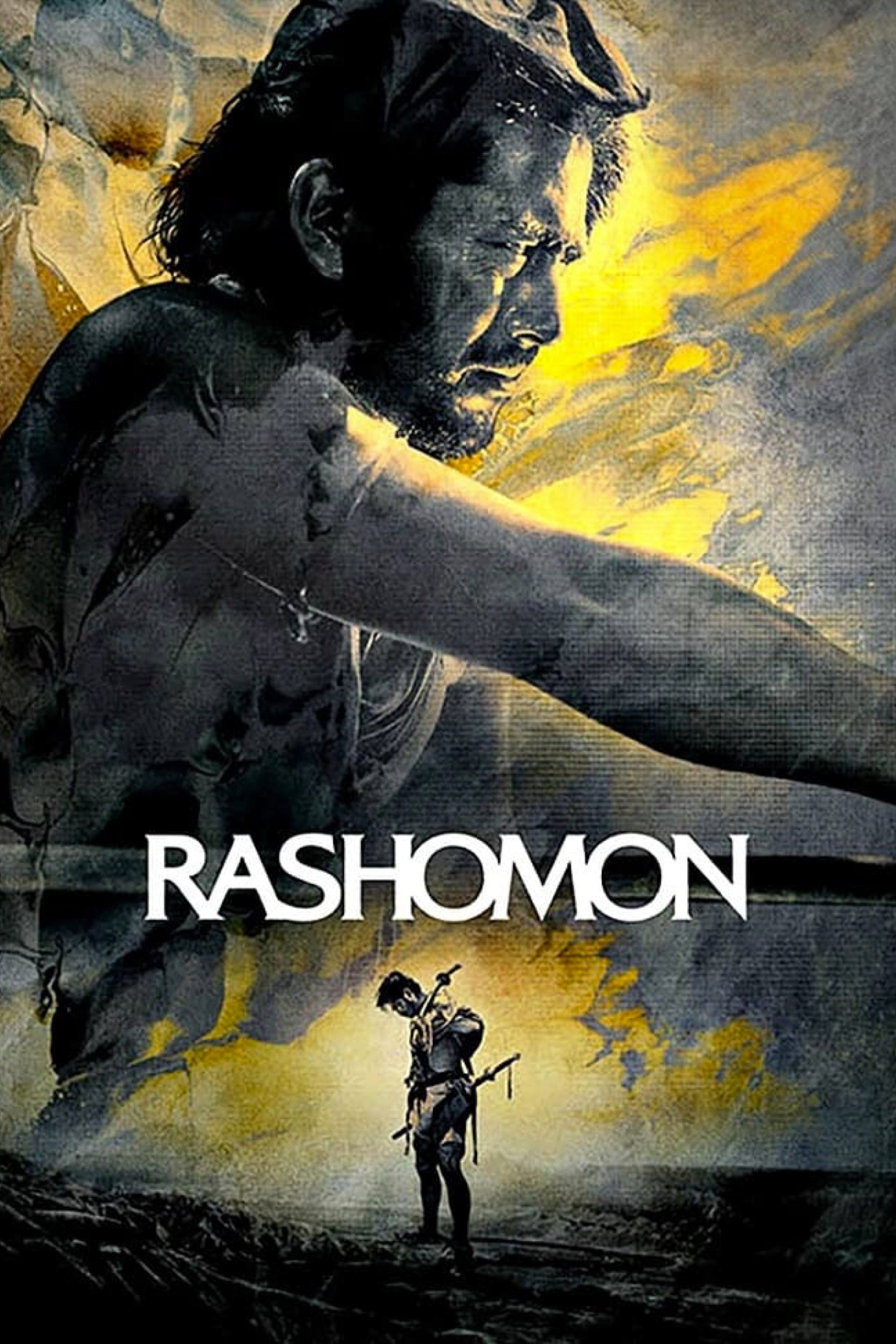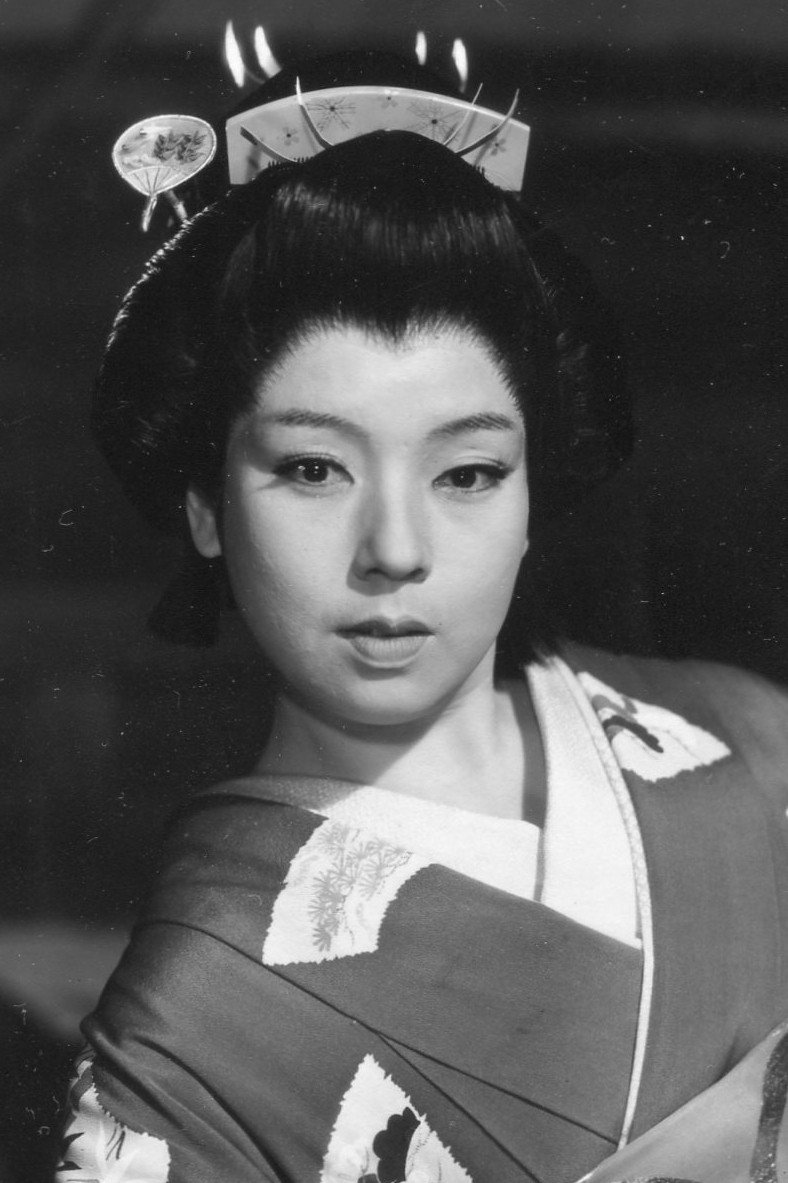
Machiko Kyō makes the changing versions of Masako in Rashomon fiercely persuasive. Her assertiveness and sensuality are part of the appeal, but we value her most for making a character difficult to judge without making her difficult to believe.
Fi1m perspective
In Rashomon (1950), Machiko Kyō's Masako changes as the accounts of a killing change, and we have to look at her afresh each time. Kyō makes the woman in each account convincing enough that it is difficult to discard an earlier impression. Alongside Masayuki Mori's Takehiro, she keeps upsetting judgements that seemed secure a moment before. We found her unsettling because each new account made us reconsider a woman we thought we had understood. Akira Kurosawa asks for close attention, and her performance repays it.
The acting is heightened, and the changes need to be readable if the conflicting accounts are to hold our attention. Toshirō Mifune's Tajômaru makes vanity physical, sometimes pushing so hard that he distracts us. Kyō has the less easily summarised job of making us take seriously a person whose presentation keeps changing. The film's dialogue occasionally explains what the images have already told us. That is a flaw in a film we rate highly: the performances have already given us plenty to think about without the extra help.
Rashomon brought her international recognition, but the roles that followed resist any simple idea of what she was suited to. In Kenji Mizoguchi's Ugetsu (1953), she plays Lady Wakasa, a part that draws on her capacity for unease and sensuality. His Street of Shame (1956) gives her Mickey, a hardbitten prostitute. Those are useful films to place beside each other when considering an actress often associated with seduction. The toughness matters too, and reducing her work to sex appeal misses what she can do with a character.
With Floating Weeds (1959), Ozu gave her the mature role of Sumiko, the lead actress in a travelling troupe. The distance from Masako is a reason to keep looking beyond the performance that brought her international attention. Her assertiveness is a better guide to these parts than any expectation that she will play demure women. Start with Rashomon, and resist the temptation to decide too quickly what sort of woman Masako is.
Biography
Machiko Kyō was a Japanese actress. Born Motoko Yano in Osaka on 25 March 1924, she trained as a dancer before entering the film industry with Daiei in 1949. She achieved international recognition for her performance as Masako in Akira Kurosawa’s Rashomon (1950).
She appeared in numerous Japanese productions of the 1950s and 1960s, including Kenji Mizoguchi’s Ugetsu (1953) and Street of Shame (1956), Teinosuke Kinugasa’s Gate of Hell (1953), Yasujirō Ozu’s Floating Weeds (1959) and Hiroshi Teshigahara’s The Face of Another (1966). Her only non-Japanese film role was as Lotus Blossom in The Teahouse of the August Moon (1957). Kyō died in Tokyo on 12 May 2019.