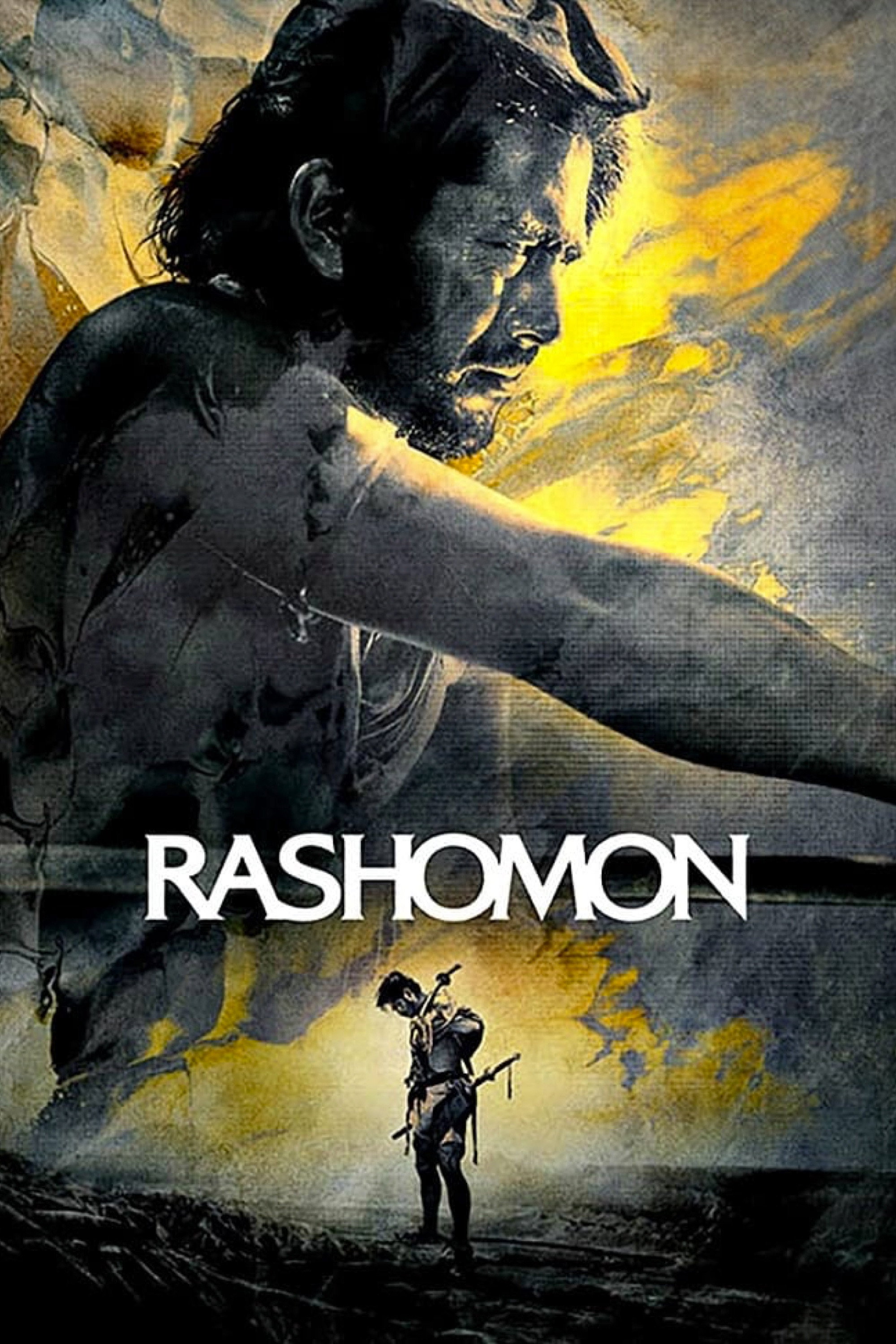
The reviews are uniformly positive about Rashomon, with praise centred on Kurosawa’s conflicting accounts of a killing and their unsettling treatment of truth and self-interest. Most critics regard the structure as both influential and still engrossing: the uncertainty gives the film its emotional force rather than merely supplying a puzzle. The forest photography, expressive images and vigorous direction draw repeated praise, alongside the intensity of the performances, particularly Toshiro Mifune’s energetic bandit.
The differences concern how readily critics accept the film’s heightened style and explicit treatment of its ideas. Time Out finds the storytelling provocative but allows that it can seem didactic, with one performance tipping into hamminess. Sight and Sound notes occasional slowness and a sense of cultural distance while admiring the camerawork and poetic moments. These are qualifications within a strongly favourable consensus, with the less enthusiastic assessments still finding much to admire in the filmmaking.
T
The Times
6 January 2023 · ★★★★★ · Kevin Maher
100
Essentially flawless, Akira Kurosawa’s masterwork about the killing of a samurai told from four different perspectives is so revered that it has become part of the structural language of cinema. It offers beautiful shooting, vivid performances and an arresting treatise on the impossibility of objective truth.
Read the full review →R
RogerEbert.com
26 May 2002 · Roger Ebert
95*
The critic praises the film's innovative structure of conflicting eyewitness accounts and its exploration of subjective truth and human dishonesty. He highlights the powerful visuals, heightened emotional acting, and cinematography that evoke the forest setting as standout elements.
Read the full review →A
The AV Club
17 April 2002 · Scott Tobias
95*
The critic calls Rashomon a prismatic masterpiece that encourages and questions every interpretation of its events through layers of ambiguity and conflicting testimonies. It highlights the film's radical structure and lasting impact on film language and the global recognition of Japanese cinema.
Read the full review →G
The Guardian
17 June 2010 · Peter Bradshaw
90*
Kurosawa's 1950 masterwork is a chilling, utterly memorable dissection of the nature of human communication. The film invests the unknowability of the central event with horror through its multiple conflicting accounts.
Read the full review →N
The New York Times
27 December 1951 · Bosley Crowther
90*
The critic calls it an artistic achievement of distinct and exotic character, commending the brilliant camera work, expressive flow of images, superb use of music and sounds, and provocative acting. He notes its hypnotic power and the director's skill in revealing character through clever details.
Read the full review →V
Variety
1 January 1950 · festival review
85*
The review highlights the film's brilliance of conception, technique, acting, and theme of passion, noting the fascinating story of a killing told from differing viewpoints. It praises the excellent direction, flawless camerawork shot outdoors, and strong performances by the leads.
Read the full review →T
Time Out
15 June 2010 · ★★★★ · Trevor Johnston
80
The central multi-perspective narrative remains engrossing and provocative, with Kurosawa's vigorous and inventive direction standing out as timeless and foundational for modern action cinema, though some may find it overly didactic and one performance hammy.
Read the full review →E
Evening Standard
10 April 2012
75*
The review highlights the film's tale of rape and murder told through four self-serving unreliable witnesses, praising its bleak vision of human nature that ends positively and the powerfully engineered flashbacks shot in dappled light.
Read the full review →S
Sight and Sound
1 July 1952
The critic praises the film as a genuinely original work of art that could enrich Western cinema technique, highlighting its innovative camera work, simple reality in certain scenes, and unique poetic moments despite some cultural remoteness and occasional slowness.
Read the full review →S
Slant Magazine
15 November 2012 · Chuck Bowen
The review praises Rashomon as one of the most glorious testaments to the frustrations and exhilarations of pursuing unvarnished truth, noting its dense, immediate filmmaking and emotional intensity despite its conceptual premise. It singles out the performances, visual fabric, and the way the film remains elusive and revelatory on repeated viewings.
Read the full review →The review celebrates how Rashomon introduced Japanese cinema to the West at Venice, praising Kurosawa's lyrical direction and dynamic editing alongside Toshiro Mifune's uncaged performance as the bandit and the film's theme of subjective truth.
Read the full review →C
Collider
12 December 2012 · Rob Vaux
95*
The critic calls Rashomon an undisputed masterpiece that established Kurosawa’s reputation and changed filmmaking. He singles out the film’s daring central thesis of multiple conflicting accounts of the same crime, which reveals the subjectivity of memory and truth.
Read the full review →E
Eye for Film
22 December 2001 · Angus Wolfe Murray
80*
The critic praises the film's startling imagery and powerful expressionism, noting how it introduced Japanese cinema to the West and still evokes strong reactions. They highlight the exaggerated acting style reminiscent of Noh theatre and Toshiro Mifune's energetic performance as the bandit.
Read the full review →Ordered by the weight we give each publication, then by score. Scores are normalised to 100; * means inferred from an unrated review. Summaries are ours, not quotations; follow the links for the reviews themselves. How we rate