Film review

Hugo

2011 · Directed by Martin Scorsese · 2h 06m · MPA PG

In a sentenceSacha Baron Cohen’s dog does most of the running and Ben Kingsley does all of the feeling

AdventureDramaFamily

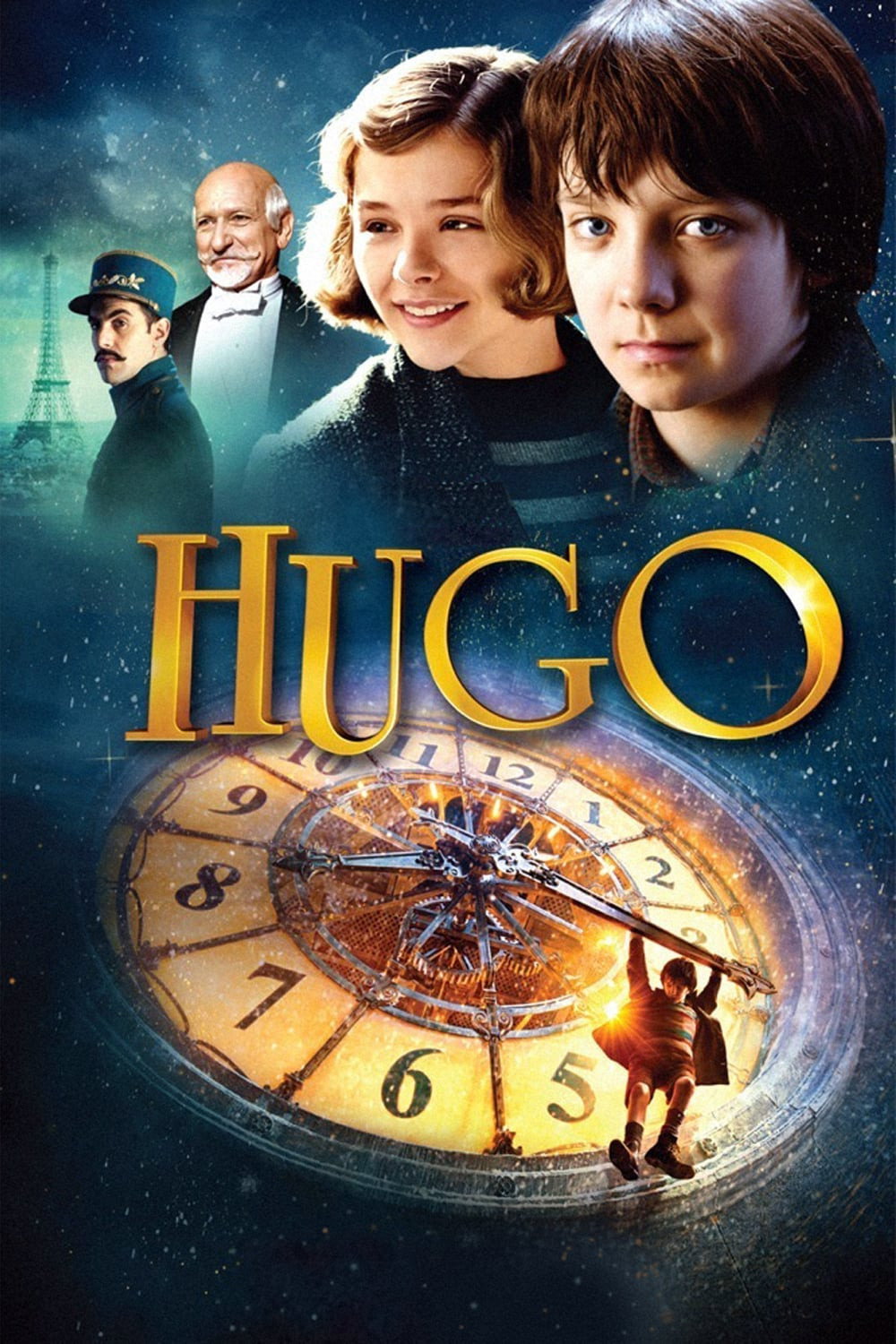
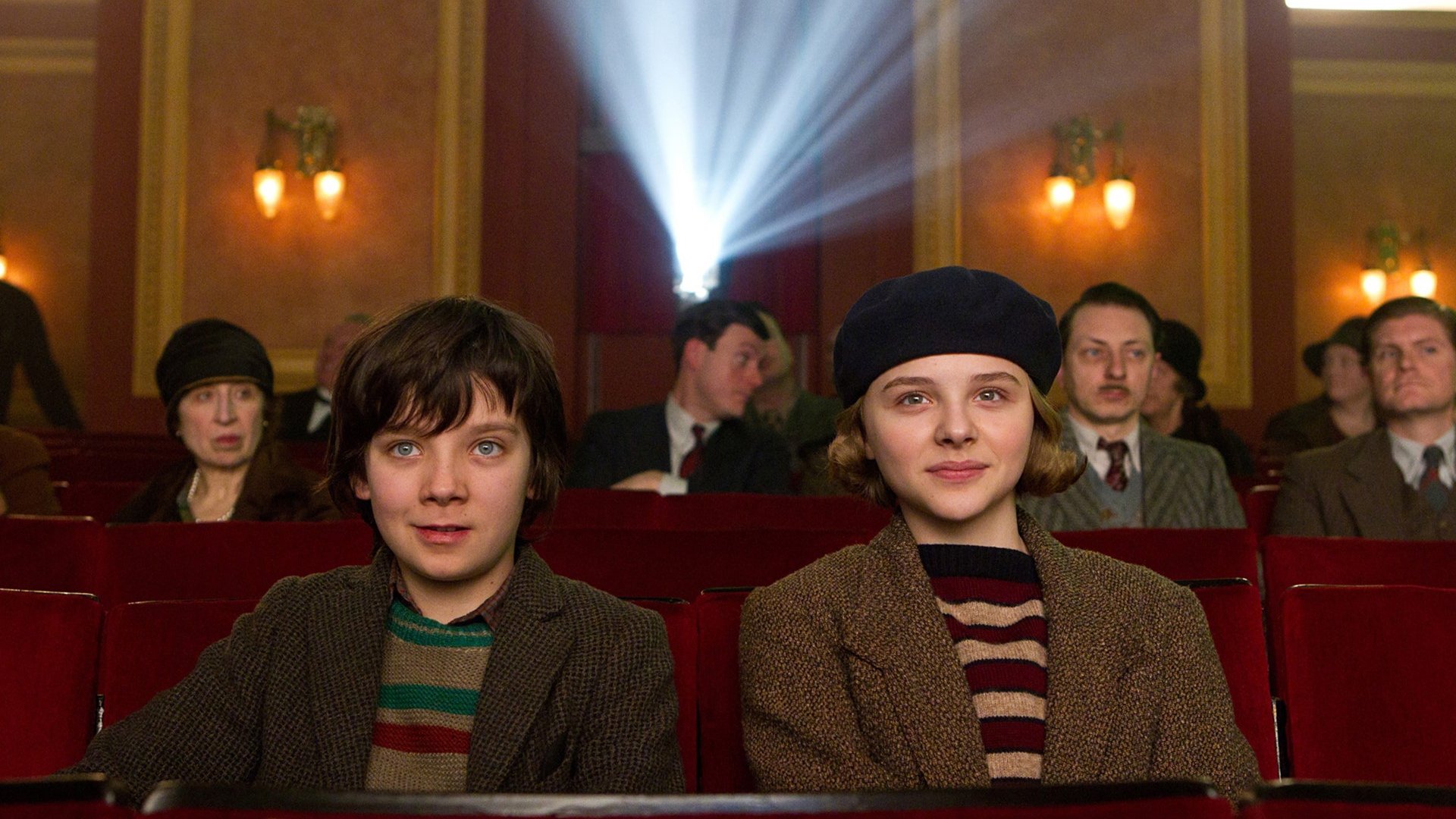
Paris, the early 1930s. Hugo Cabret (Asa Butterfield) lives hidden in the walls of a great railway station, winding its clocks in place of his drunken Uncle Claude (Ray Winstone) and stealing croissants from the concourse. His father (Jude Law), a clockmaker, has died and left him a broken clockwork man and a notebook of drawings for mending it. Hugo steals the parts he needs from a toy booth run by the bitter Georges Méliès (Ben Kingsley), who catches him, confiscates the notebook and puts him to work. Méliès’s goddaughter Isabelle (Chloë Grace Moretz) takes the boy’s side, while the Station Inspector (Sacha Baron Cohen) and his dog patrol the platforms for orphans to send away.

Plays from YouTube when you press play; nothing loads from them until then.

Fi1m review

Scorsese’s film for children is handsomely built and means every word of it. The trouble is how many words there are: by the last half hour it has stopped telling a story and started giving a lesson.

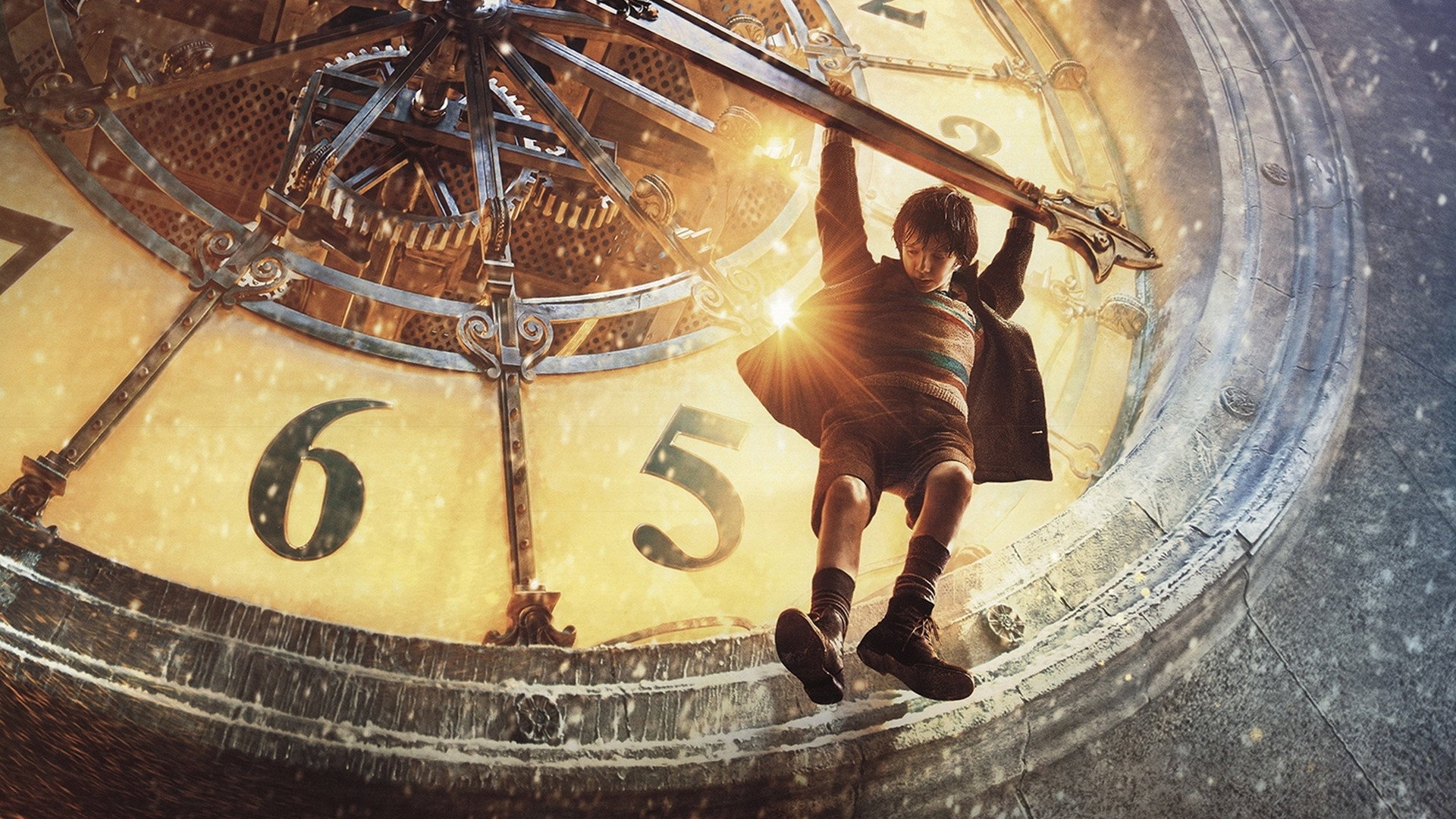
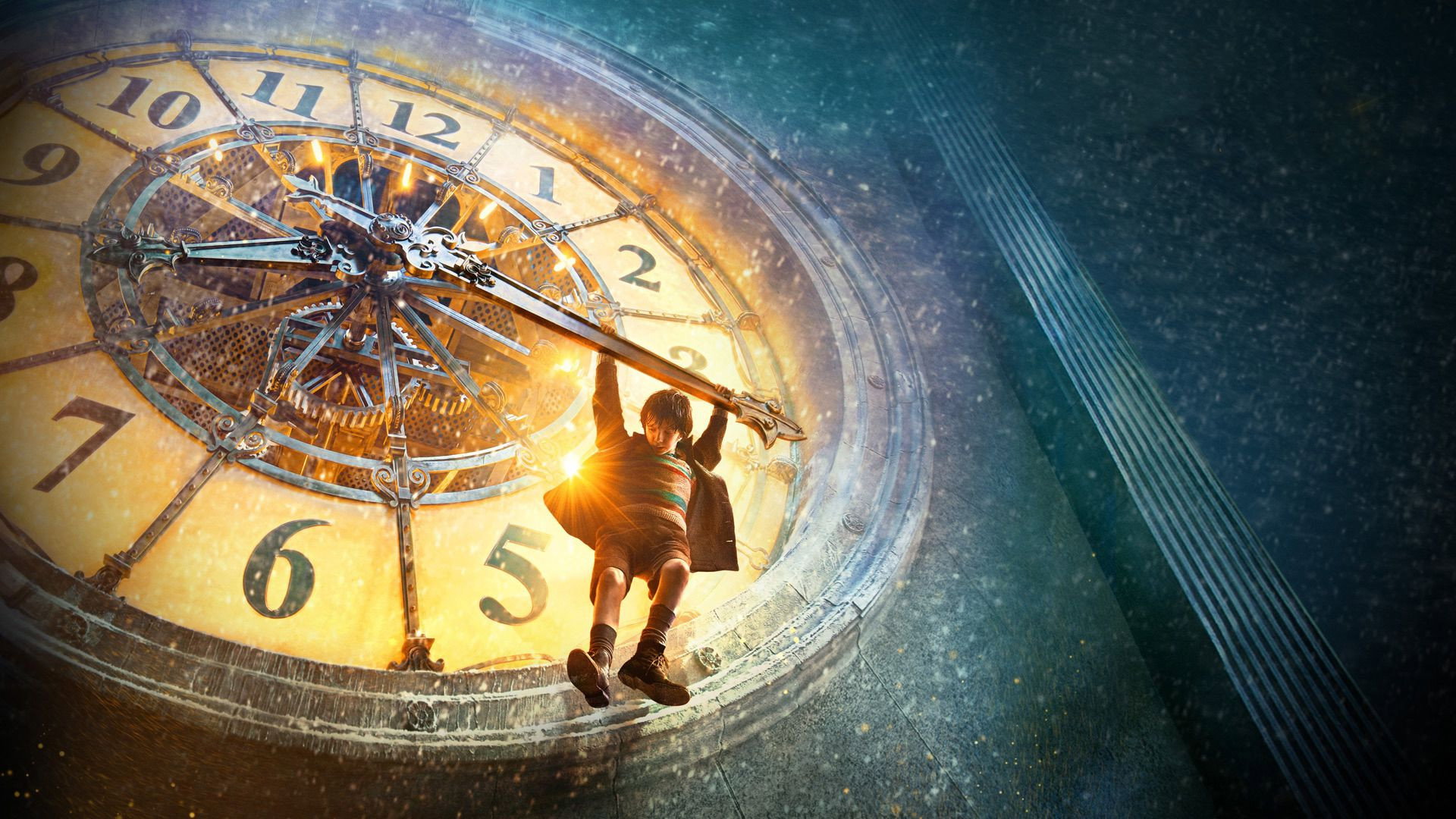
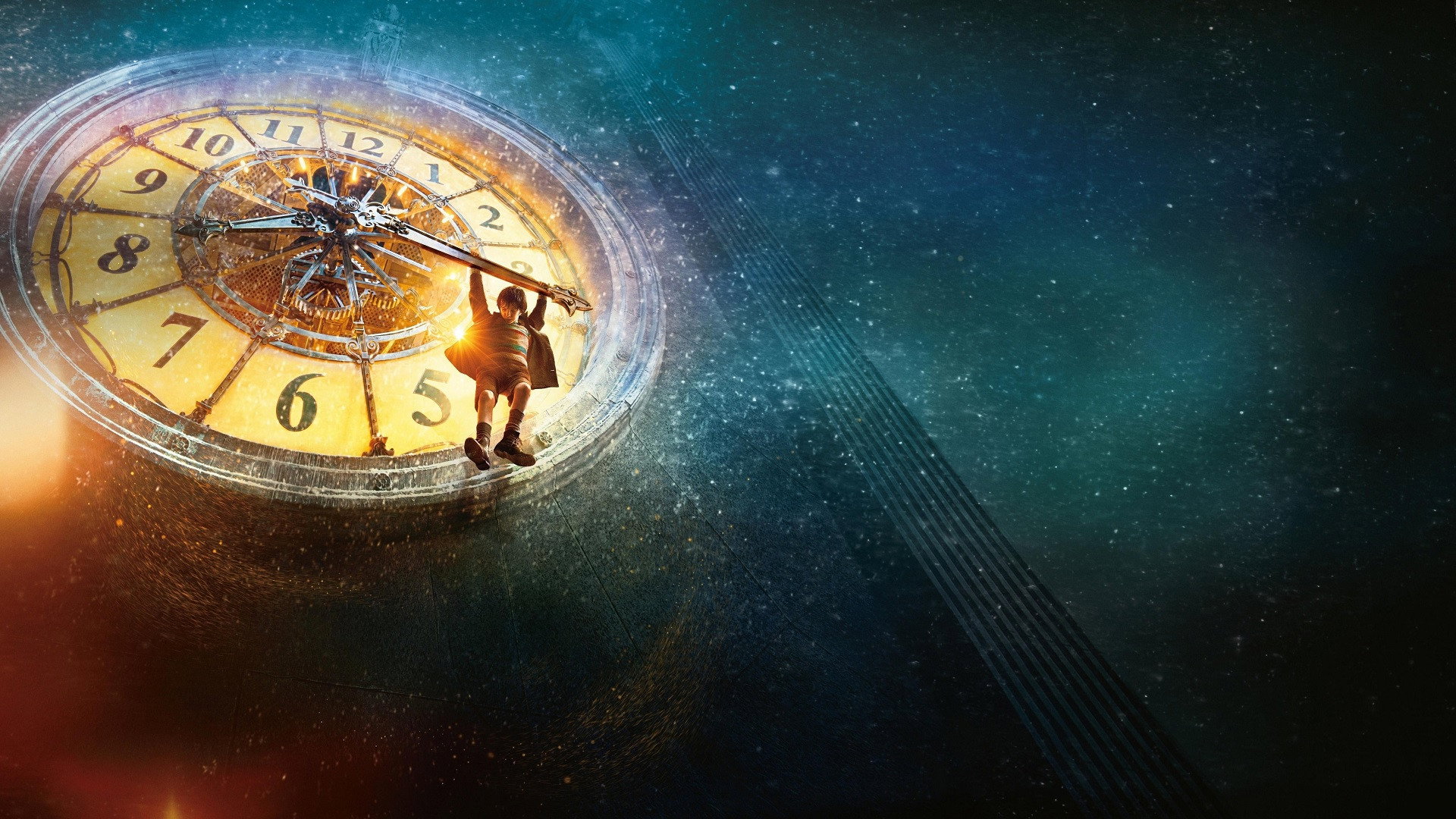
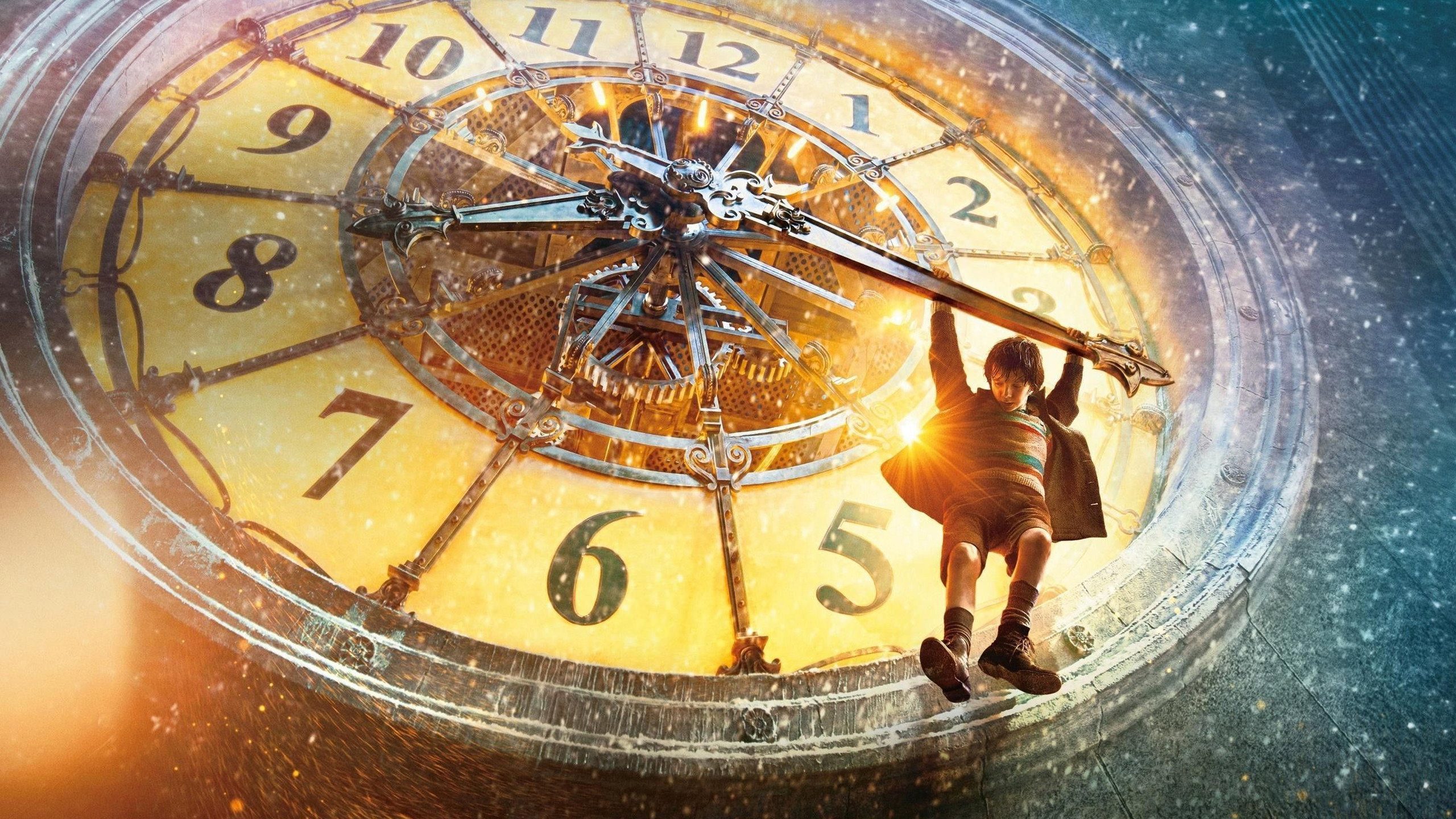
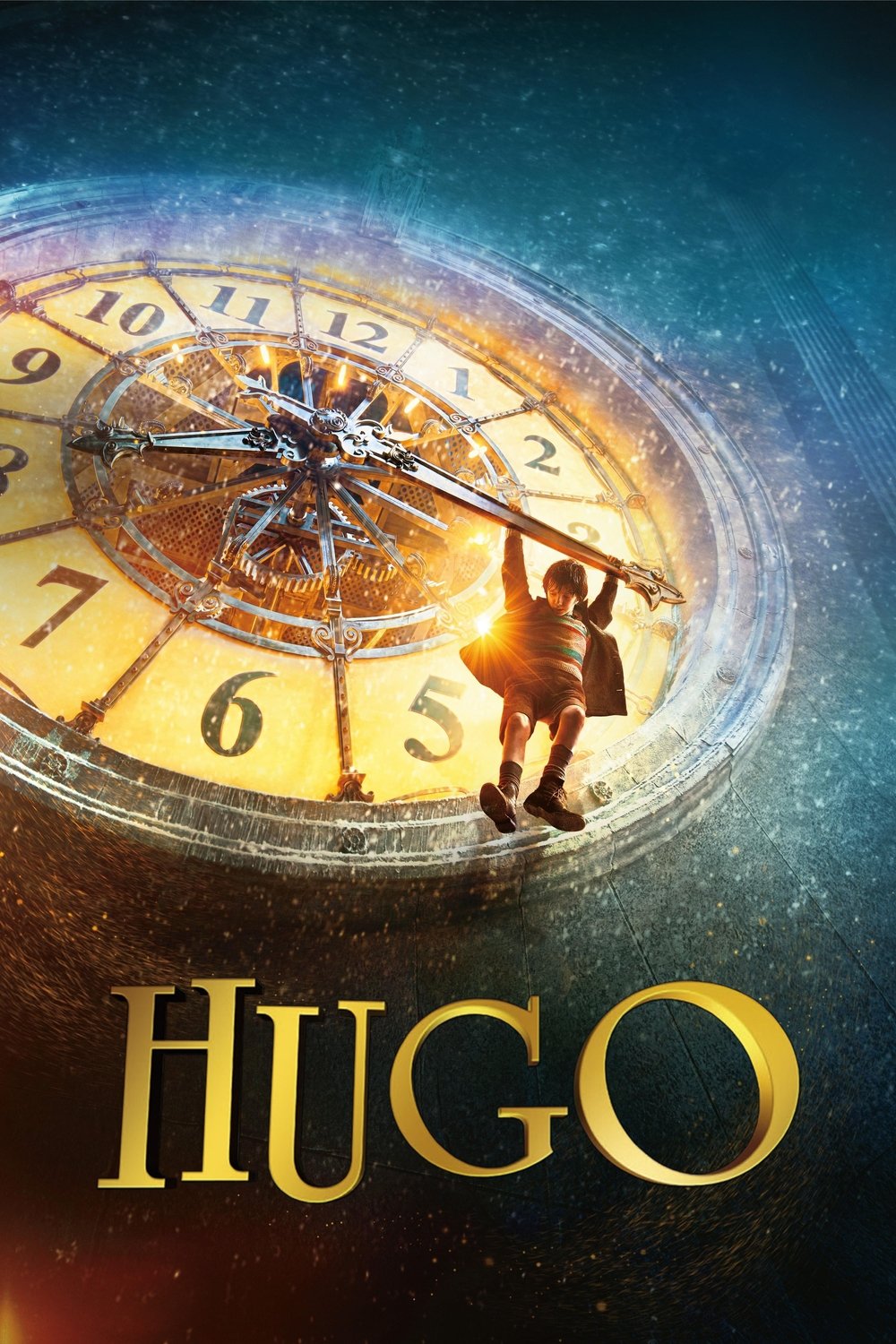
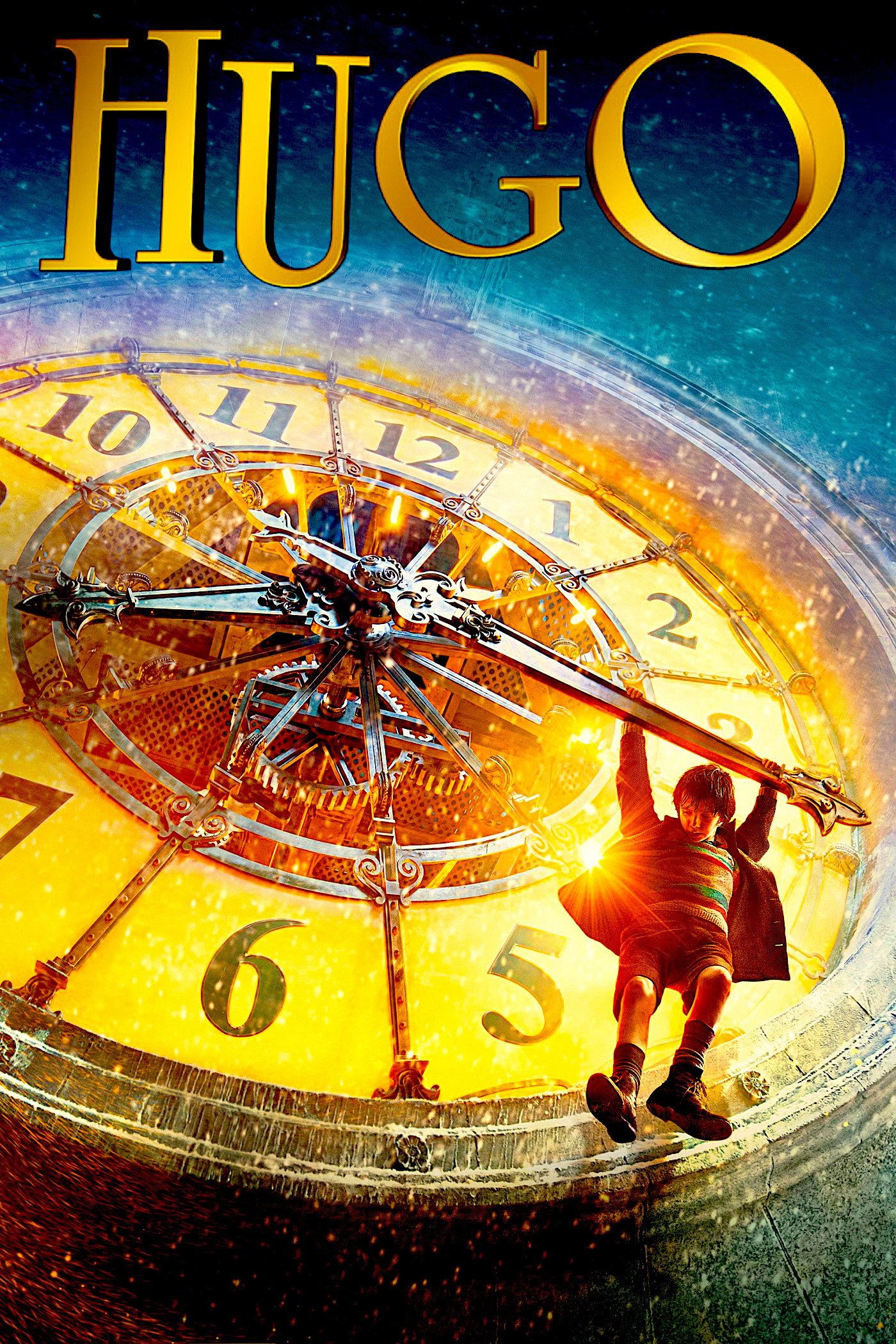
Martin Scorsese has made a film with a U certificate, and the surprise lasts about as long as the opening shot. Robert Richardson’s camera drops out of the sky over Paris in the 1930s, plunges through the concourse of a great railway station and climbs into the face of a clock, where a boy is watching through the numeral four. Hugo, written by John Logan, is Scorsese doing what he has always done, which is love films out loud. It is warm and beautifully made, and about thirty of its 126 minutes are spent explaining what the rest has already shown us.

Hugo Cabret (Asa Butterfield) lives in the walls of the station, winding the clocks his drunk Uncle Claude (Ray Winstone) has abandoned, and stealing what he needs. Mostly that is small brass parts, because his late father (Jude Law) left him a broken automaton and a notebook of drawings for mending it. The parts come from a toy booth kept by a sour old man (Ben Kingsley) who catches him, takes the notebook and threatens to burn it. Butterfield plays Hugo as a watcher, pale and careful, and the camera likes his face more than the script does. Silent, he is good; asked to say what he feels, he says it like a line.

Kingsley is the reason to watch. His past is given away at the halfway point, so we will leave it there; Kingsley plays him as someone who has decided to be bitter and is finding it hard work. There is a moment early on, in the booth, when he looks at the boy’s notebook and his hands stop, and we felt the whole film turn on it before a word was said. Chloë Grace Moretz, as his goddaughter Isabelle, has been given a bookish girl who says “clandestine” and means it as friendship. It is a written idea of a child, and she carries it with more grace than it deserves.

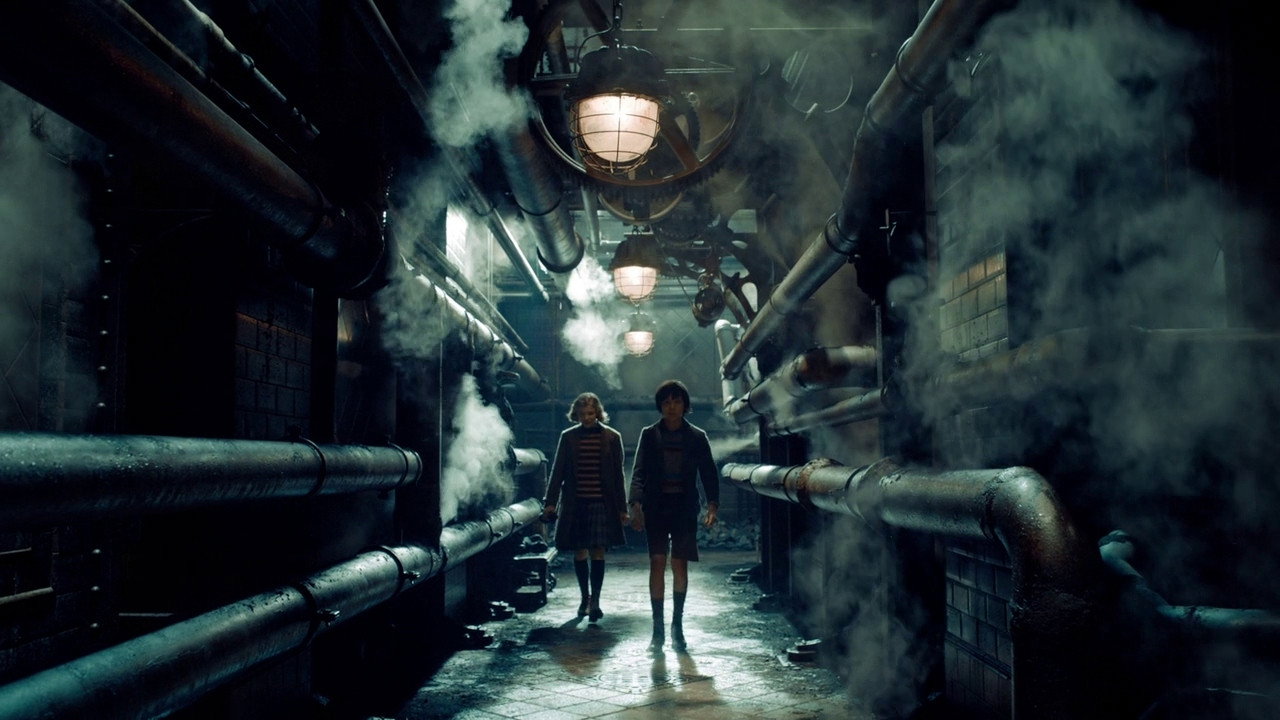
Dante Ferretti has built the station as a small city, with cafés and a flower stall on the concourse, and behind the walls a second city of gears, ladders and steam. Sandy Powell dresses the crowds in browns and dusty blues. The 3D is used for depth rather than for things flying at us: snow falling between us and the glass, a corridor of cogs receding into the dark. Howard Shore’s score is accordion and waltz and it does not stop, which suits the first hour and wears by the second.

Sacha Baron Cohen’s Station Inspector, with his leg brace, his Doberman and his temper, is meant to be the film’s comic engine, and he is funny about one time in three. The chases through the concourse, which Thelma Schoonmaker cuts fast and clean, are the film’s idea of what children want, and there are too many of them. His shy courtship of the flower seller Lisette (Emily Mortimer) is sweeter than anything in the chases, and gets a fraction of the time.

The second half is where Scorsese’s own passion takes over. There is a sequence recreating an early film studio, a glass house full of painted sets, mermaids, moon-men and a man in a lobster suit, and it moved us more than we expected, because here is a director showing us the thing he loves being made by hand. Then Logan’s script has Michael Stuhlbarg’s René Tabard, a film historian, sit the children down and explain what they and we have just felt. A film about how pictures can speak without words does not, in the end, trust its own pictures.

Against Scorsese’s own record this sits nearest The Age of Innocence (1993): a period picture that cares about objects and light and is in no hurry. Children under eight will fidget through the middle stretch; adults who love old films will forgive it almost everything. Watch it with a child who asks questions, and be ready for the film to answer most of them before the child can. It carries a U.

Critical consensus AI synthesised

70
Positive
15
Mixed
3
Negative
2

Most critics warm to Hugo, and the praise gathers in two places. The first is the 3D, which nearly every review, including the hostile ones, credits Scorsese with using thoughtfully rather than as a gimmick. The second is the film’s affection for early cinema and film preservation: the recreation of Méliès’s studio and the opening sequence are singled out, and several reviews describe it as Scorsese’s most personal film. Ben Kingsley draws the most consistent acting notices.

The reservations cluster around the lesson. Several critics, admirers included, feel Scorsese turns his passion for cinema history into a lecture, that the plot is thin, and that the film runs long and sits heavily on children. Den of Geek finds Sacha Baron Cohen’s slapstick a distraction. The spread is wide: The Independent calls it a handsome dud that compares badly with the silents it celebrates, and the Evening Standard says it never gels and bores by the end.

The New Yorker
28 November 2011 · David Denby
90*

Scorsese directs a 3-D film that celebrates early cinema in a beautifully told and emotionally satisfying story. It sums up the cinematic past while pushing forward with new technologies.

Read the full review →
Variety
18 November 2011 · Peter Debruge
90*

Scorsese has fashioned a timeless film that rewards patience and curiosity while defying typical kidpics. It celebrates cinema history through the story of an orphan and a forgotten filmmaker.

Read the full review →
Empire
21 July 2010 · festival review · Kim Newman
80*

Scorsese's film is a French-accented valentine to the wonders of movies and an attempt to redeem modes of filmmaking once cast aside. It offers excitement and enchantment in equal measure and is likely to become a lasting favourite.

Read the full review →
Screen Daily
19 November 2011
80*

Scorsese has turned the young adult novel into a warm and delightfully engaging family film that makes refreshing use of 3D and spins his love of early cinema into a moving fable about art and self-discovery.

Read the full review →
Time Out
23 November 2011 · ★★★★ · Cath Clarke
80

Scorsese's most personal film is a love letter to cinema and the magic of celluloid, even as it appears to be a 3D kids' adventure set in 1930s Paris. The dazzling visuals and faith in movies are intoxicating, though the story feels patchy in places.

Read the full review →
Total Film
29 November 2011
80*

The film is an enchanting, funny, heartfelt love-letter to French film pioneer Georges Méliès and to cinema itself. Scorsese revels in using 3D technology to reach back into cinema's past.

Read the full review →

Cast

Awards

Academy Awards, 2012

Nominated
Best Costume Design
Nominated
Best Director
Nominated
Best Film Editing
Nominated
Best Original Score
Nominated
Best Picture
Nominated
Best Writing, Adapted Screenplay
Won
Best Cinematography
Won
Best Production Design
Won
Best Sound
Won
Best Sound Editing
Won
Best Visual Effects

BAFTA Film Awards, 2012

Nominated
BAFTA's Children & Young People Award - Feature Film

Saturn Awards, 2012

Won
Best Production Design

If you liked this, try…

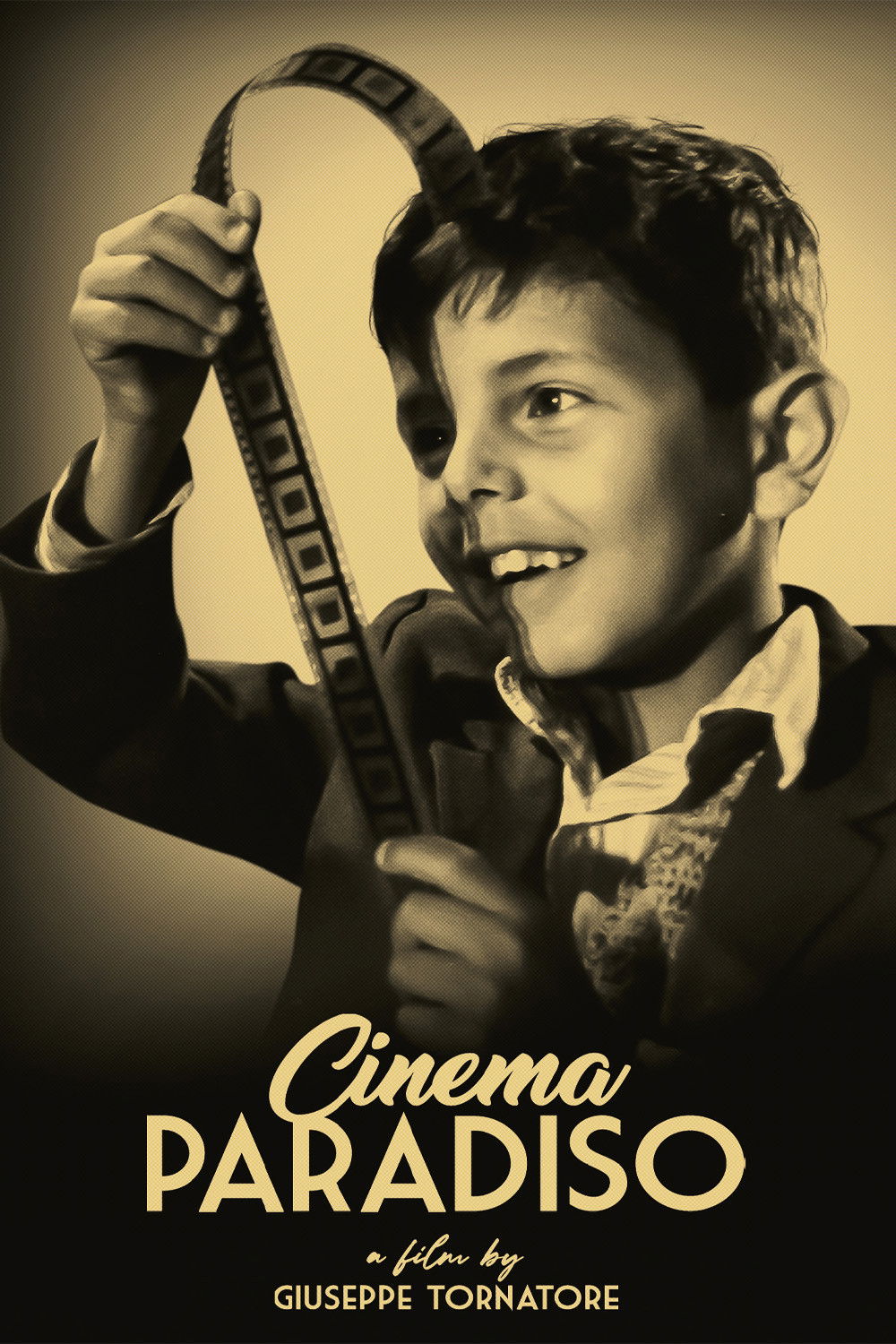
Cinema Paradiso poster84

Cinema Paradiso

1988 · A boy, a projectionist and a small-town cinema; the same love, told with fewer speeches.

The Red Balloon poster

The Red Balloon

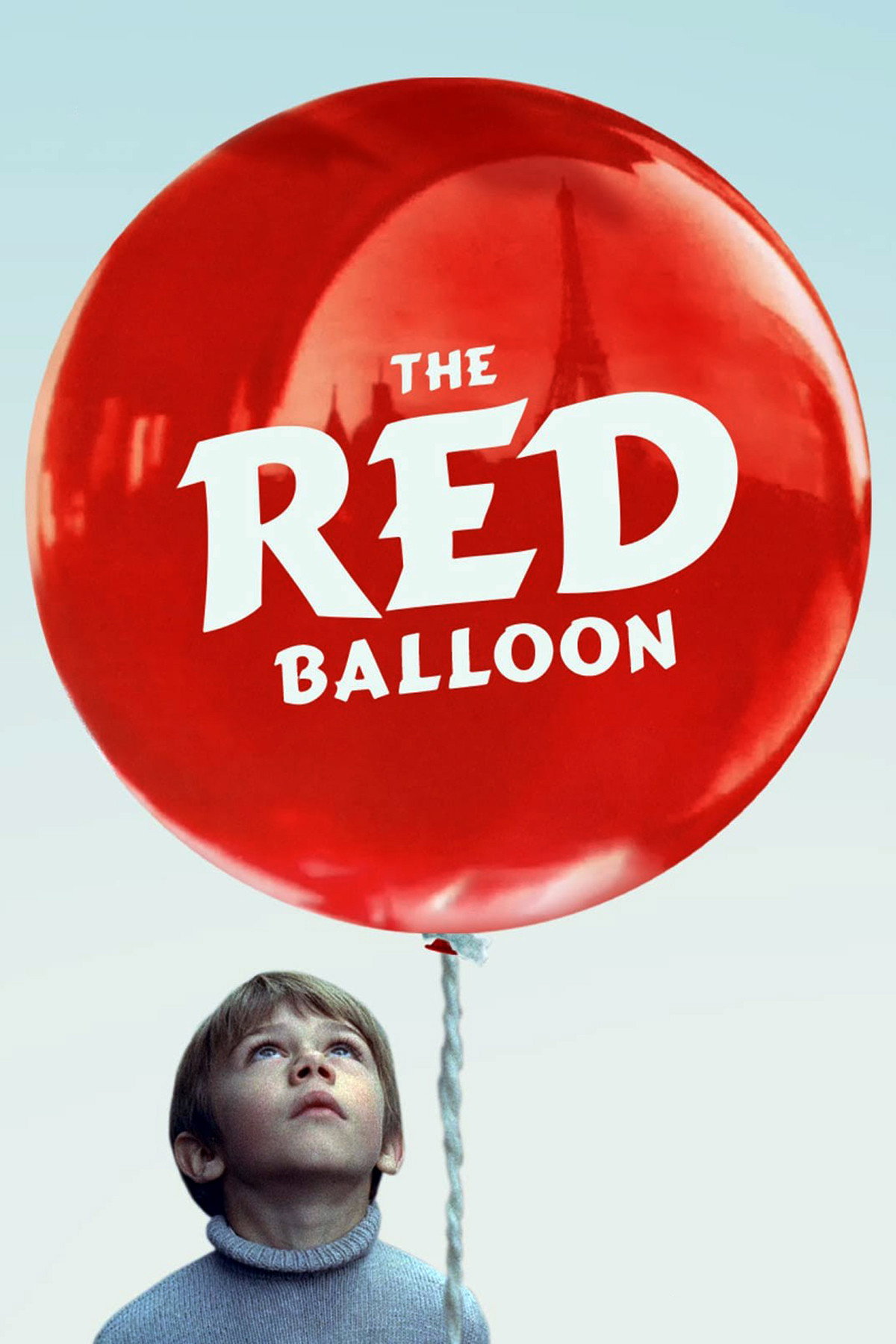
1956 · Paris, a child and almost no dialogue; thirty-four minutes that trust the pictures.

The Fabulous Baron Munchausen poster

The Fabulous Baron Munchausen

1961 · Karel Zeman’s hand-painted fantasy is the Méliès spirit carried on in Czechoslovakia.

The Artist poster82

The Artist

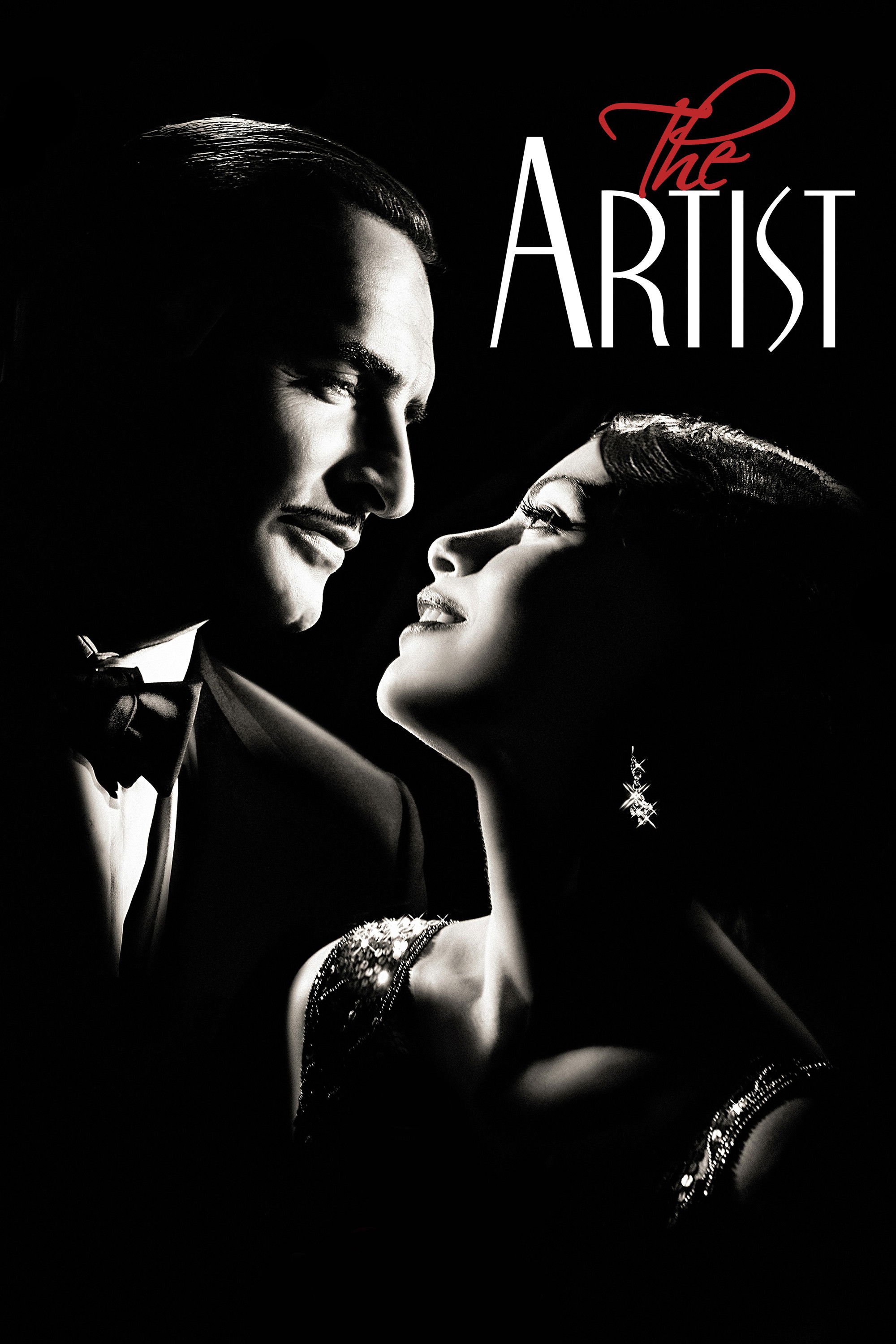
2011 · The same year’s other tribute to silent film, and it dares to stay silent.

Amélie poster82

Amélie

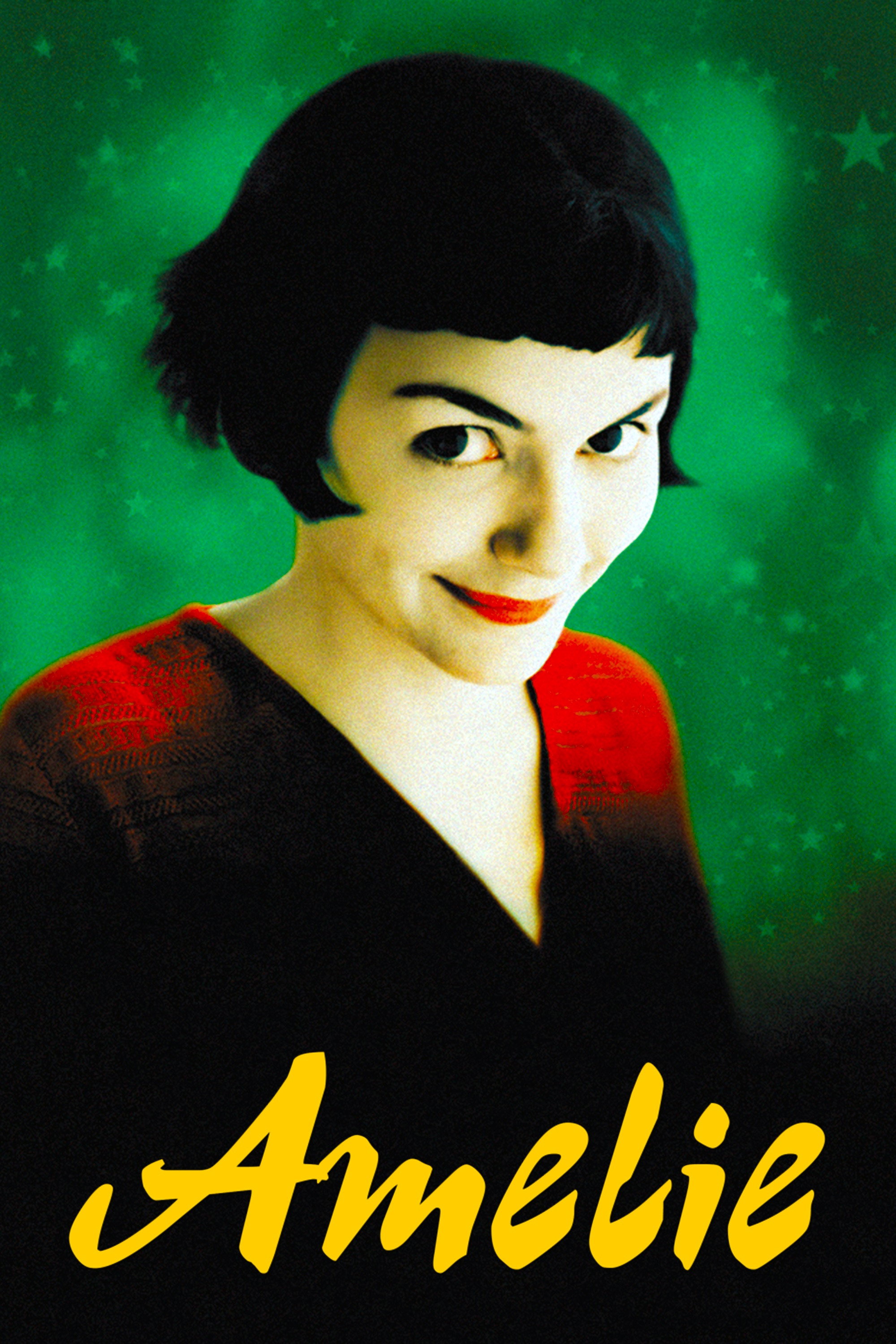
2001 · A storybook Paris of brass, green and gold, with a heroine who fixes strangers.