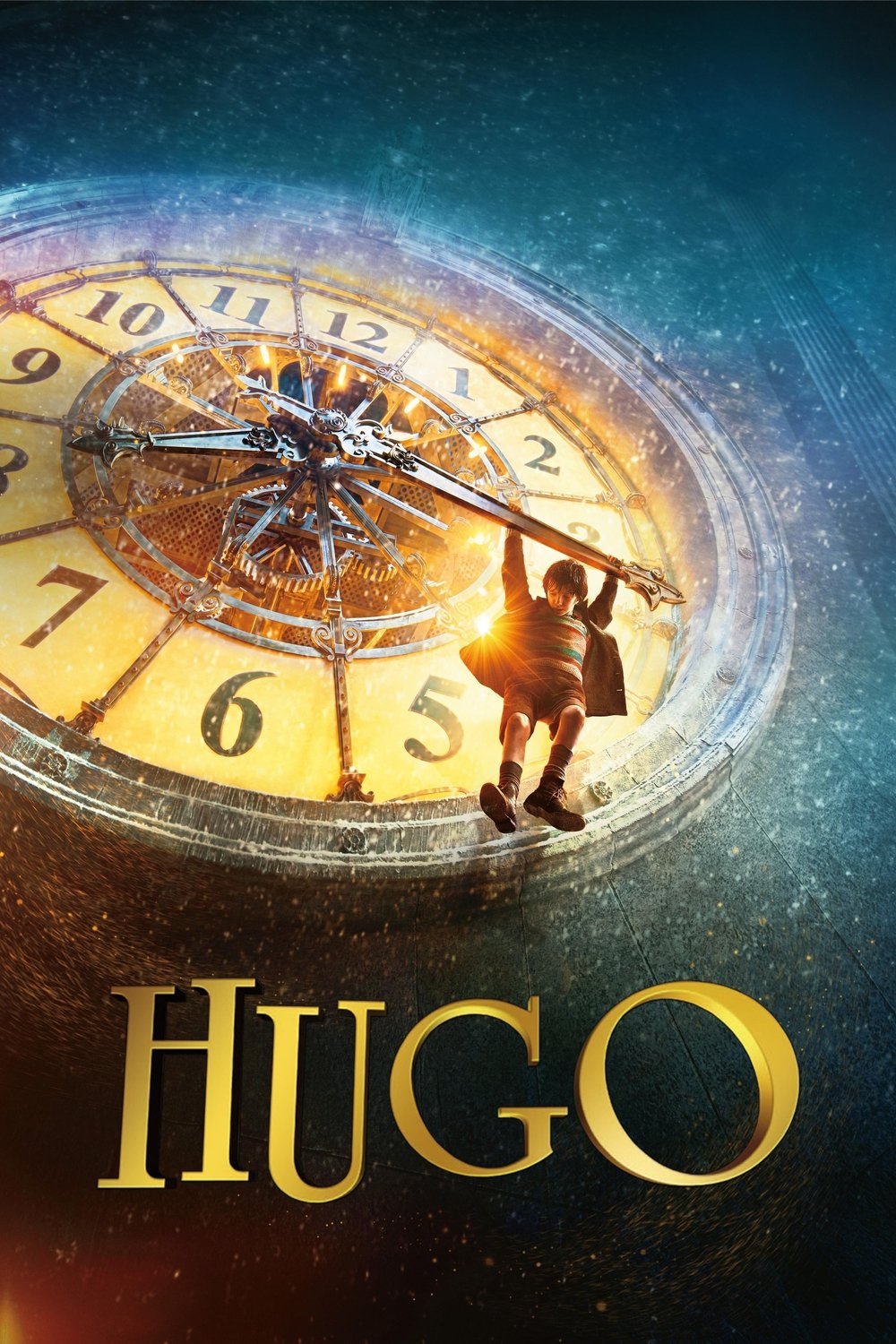
Most critics warm to Hugo, and the praise gathers in two places. The first is the 3D, which nearly every review, including the hostile ones, credits Scorsese with using thoughtfully rather than as a gimmick. The second is the film’s affection for early cinema and film preservation: the recreation of Méliès’s studio and the opening sequence are singled out, and several reviews describe it as Scorsese’s most personal film. Ben Kingsley draws the most consistent acting notices.
The reservations cluster around the lesson. Several critics, admirers included, feel Scorsese turns his passion for cinema history into a lecture, that the plot is thin, and that the film runs long and sits heavily on children. Den of Geek finds Sacha Baron Cohen’s slapstick a distraction. The spread is wide: The Independent calls it a handsome dud that compares badly with the silents it celebrates, and the Evening Standard says it never gels and bores by the end.
N
The New Yorker
28 November 2011 · David Denby
90*
Scorsese directs a 3-D film that celebrates early cinema in a beautifully told and emotionally satisfying story. It sums up the cinematic past while pushing forward with new technologies.
Scorsese has fashioned a timeless film that rewards patience and curiosity while defying typical kidpics. It celebrates cinema history through the story of an orphan and a forgotten filmmaker.
Scorsese's film is a French-accented valentine to the wonders of movies and an attempt to redeem modes of filmmaking once cast aside. It offers excitement and enchantment in equal measure and is likely to become a lasting favourite.
Scorsese has turned the young adult novel into a warm and delightfully engaging family film that makes refreshing use of 3D and spins his love of early cinema into a moving fable about art and self-discovery.
Scorsese's most personal film is a love letter to cinema and the magic of celluloid, even as it appears to be a 3D kids' adventure set in 1930s Paris. The dazzling visuals and faith in movies are intoxicating, though the story feels patchy in places.
The film is an enchanting, funny, heartfelt love-letter to French film pioneer Georges Méliès and to cinema itself. Scorsese revels in using 3D technology to reach back into cinema's past.
The critic highlights the film's personal cinematic gambit and curious view of the boy amid artifice as making it Scorsese's best since The Age of Innocence, while noting how its digital visuals illuminate both successes and failures.
Martin Scorsese’s family friendly fantasy is a cinephile’s delight and a spectacular, gorgeously created homage to the power of the first film-makers. It becomes an earnest fable about film restoration and history that can feel like something a really nice teacher might show before the Christmas holidays.
The critic calls it a passionate brief for film preservation wrapped in a fanciful tale of childhood intrigue, praising its technical achievements and Scorsese's deep personal investment while noting minor faults like overlength.
Scorsese's first family film and use of 3D adapts the children's book into an oddly endearing tribute to early cinema pioneer Georges Méliès, though it can feel indulgent and heavy for kids.
The critic enjoys the technical wizardry and effective 3D but finds the film more about magic than truly magical, praising select scenes and performances while preferring Scorsese's more emotional street films.
The film fails to gel and is a bore by the end despite its promising subject and intelligent 3D use. The juvenile leads do not engage and the script is over-explicit, turning the experience into a lecture.
Hugo is a sumptuous dud whose thin plot is a weak support for its film history lesson. Scorsese shows little sense of what amuses children and the film compares badly to the silent cinema it celebrates.
The review lauds the film's magical quality, Scorsese's love for cinema, excellent 3D, and personal touch, calling it a touching ode that parents should show kids. They highlight the opening sequence and use of 3D.
The critic praises Scorsese's exuberant direction and the film's celebration of early cinema and preservation of movies. They single out the recreation of Méliès' studio and use of 3D for praise.
The critic praises Scorsese for using 3D effectively and imaginatively to add depth to the story of an orphaned boy in 1930s Paris. The film is highlighted as a love letter to movies and film preservation, succeeding as both family entertainment and a treat for cinephiles.
Scorsese's unexpected family-friendly 3D adventure is a treat for cinephiles, with strong performances especially from Ben Kingsley and impressive use of 3D to enhance wonder. Some slapstick elements from Sacha Baron Cohen disrupt the more interesting plot threads.
Martin Scorsese's family blockbuster explores the magical nature of cinema through a poignant narrative and masterful direction with a superb cast. It remains pure and affecting despite technical wizardry, serving as a powerful reminder of Scorsese's versatility.
The critic finds that while the film has a great premise, solid performances, spectacular visuals and 3D, and a thoughtful subtext, Scorsese turns his love of cinema from subtext to text, making the story feel like a lecture rather than a living adventure that fails to come alive.
While noting charming elements, fine cast, and impressive 3D, the critic finds the heart mechanical rather than magical, lacking emotional discovery and subtlety in its metaphors. They praise Chloe Moretz and Ben Kingsley.
Ordered by the weight we give each publication, then by score. Scores are normalised to 100; * means inferred from an unrated review. Summaries are ours, not quotations; follow the links for the reviews themselves. How we rate