Sacha Baron Cohen is funniest when he lets somebody else struggle for an answer. We rate the patience behind his outrageous characters, though Borat also shows how readily a sharp comic performance can settle for humiliating the people around him.
Fi1m perspective
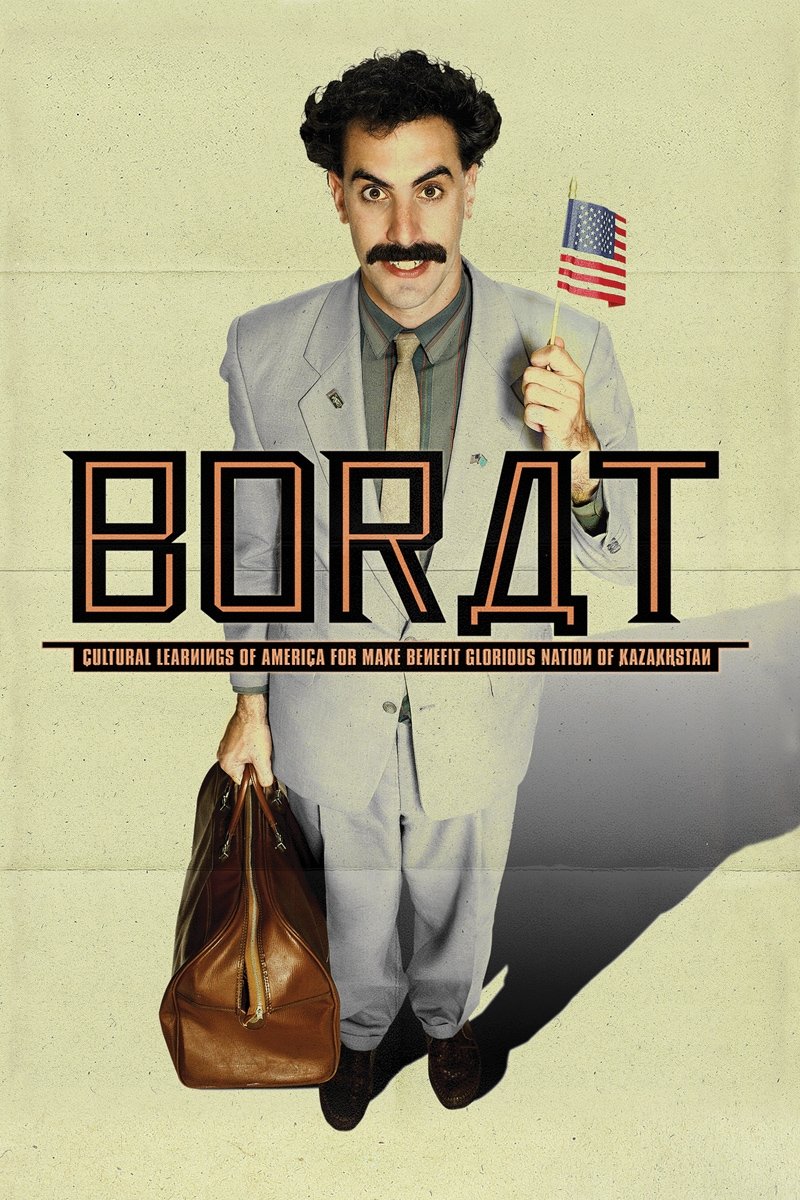
In Borat (2006), Sacha Baron Cohen says something appalling and leaves the other person to work out what to do with it. He makes the reporter seem sweet enough to deserve another moment's patience, then gives that patience an unreasonable amount to bear. We admire the discipline here: maintaining the character means listening as closely as speaking. An incredulous face can supply the laugh while he holds back. The timing depends on his willingness to let an exchange remain awkward.
He began performing characters including Ali G on British television in the late 1990s, before Borat brought international attention. Bruno (2009) continued the character-led films, while the scripted The Dictator (2012) shows how the comedy can become more conventional. Supporting parts in Hugo (2011) and Les Misérables (2012) put him inside stories he did not have to dominate. As Abbie Hoffman in The Trial of the Chicago 7 (2020), he moved into dramatic ensemble work. Those shifts give us reasons to look beyond the disguises, although the prank comedy remains our clearest recommendation.
In Borat, director Larry Charles builds the scenes around real people's responses, giving Cohen someone to listen to rather than merely an audience. Cinematographers Anthony Hardwick and Luke Geissbühler keep the other faces as important as his. Editors James Thomas, Peter Teschner and Craig Alpert preserve the hesitations without letting the encounters stall. Their work lets us see how much of his performance consists of waiting for somebody else's next move.
We laughed at the ‘running of the Jew’, then felt ashamed of how readily the laughter had come. Cohen presents its grotesque antisemitic premise with such apparent innocence that the joke lands before we have considered it. The care in that performance does not excuse every encounter elsewhere in the film. At times he seems too content to humiliate someone who is struggling to respond, and the laughter comes cheaply. Start with Borat, provided that an impossible social situation is something you can enjoy watching rather than something you need to leave.
Biography
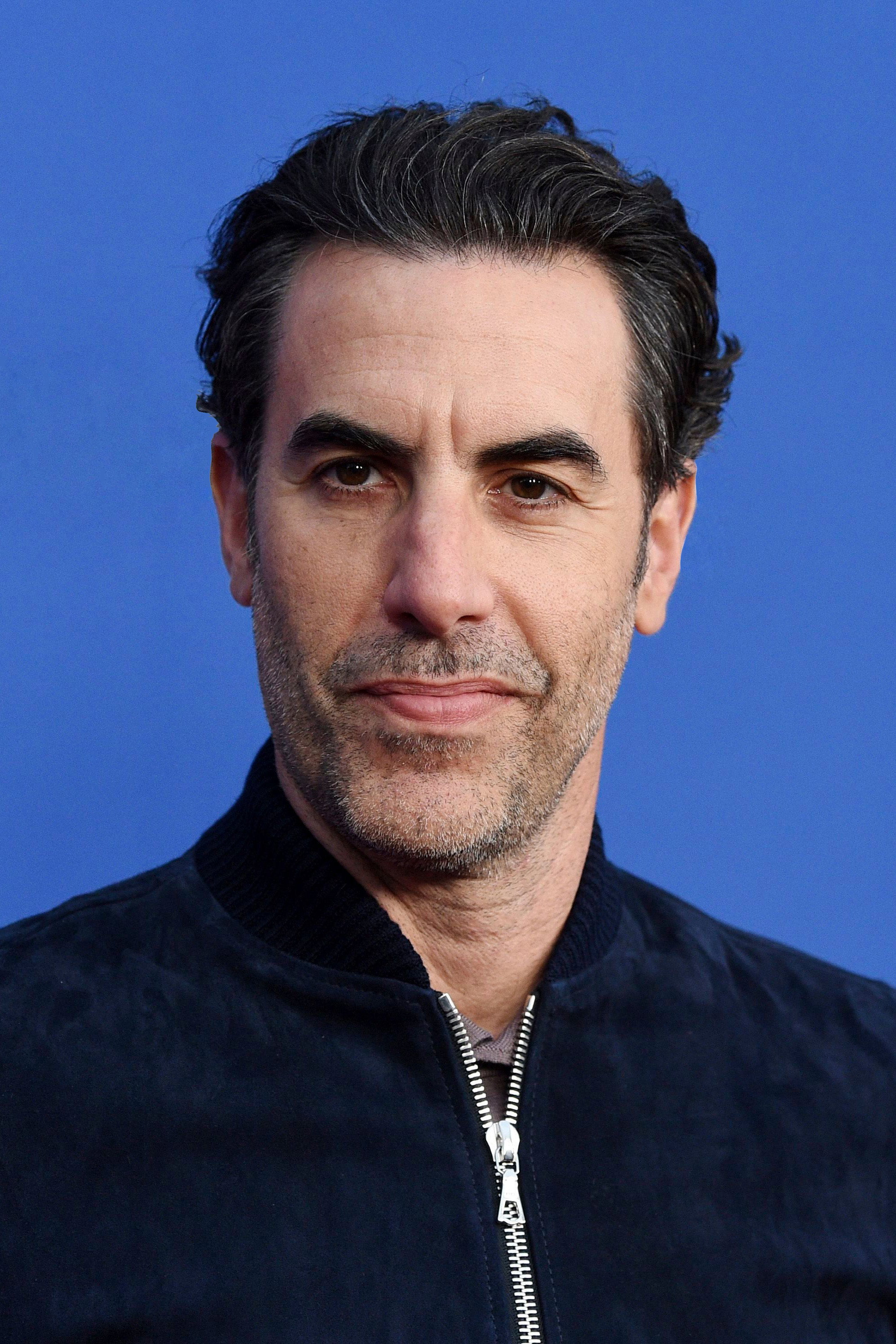
Sacha Baron Cohen is an English actor, comedian and writer. Born on 13 October 1971 in Hammersmith, London, he studied history at the University of Cambridge, where he performed with the university amateur dramatic club.
He created the satirical characters Ali G and Borat Sagdiyev. Baron Cohen wrote, produced and starred as Borat in the 2006 film Borat: Cultural Learnings of America for Make Benefit Glorious Nation of Kazakhstan. He is also known for voice roles in the Madagascar films and live-action performances in Hugo (2011) and The Dictator (2012).