Film review

A Room with a View

1986 · Directed by James Ivory · 1h 57m · MPA NR

In a sentenceFalling in love would be quicker if everyone stopped being so well brought up

DramaRomance

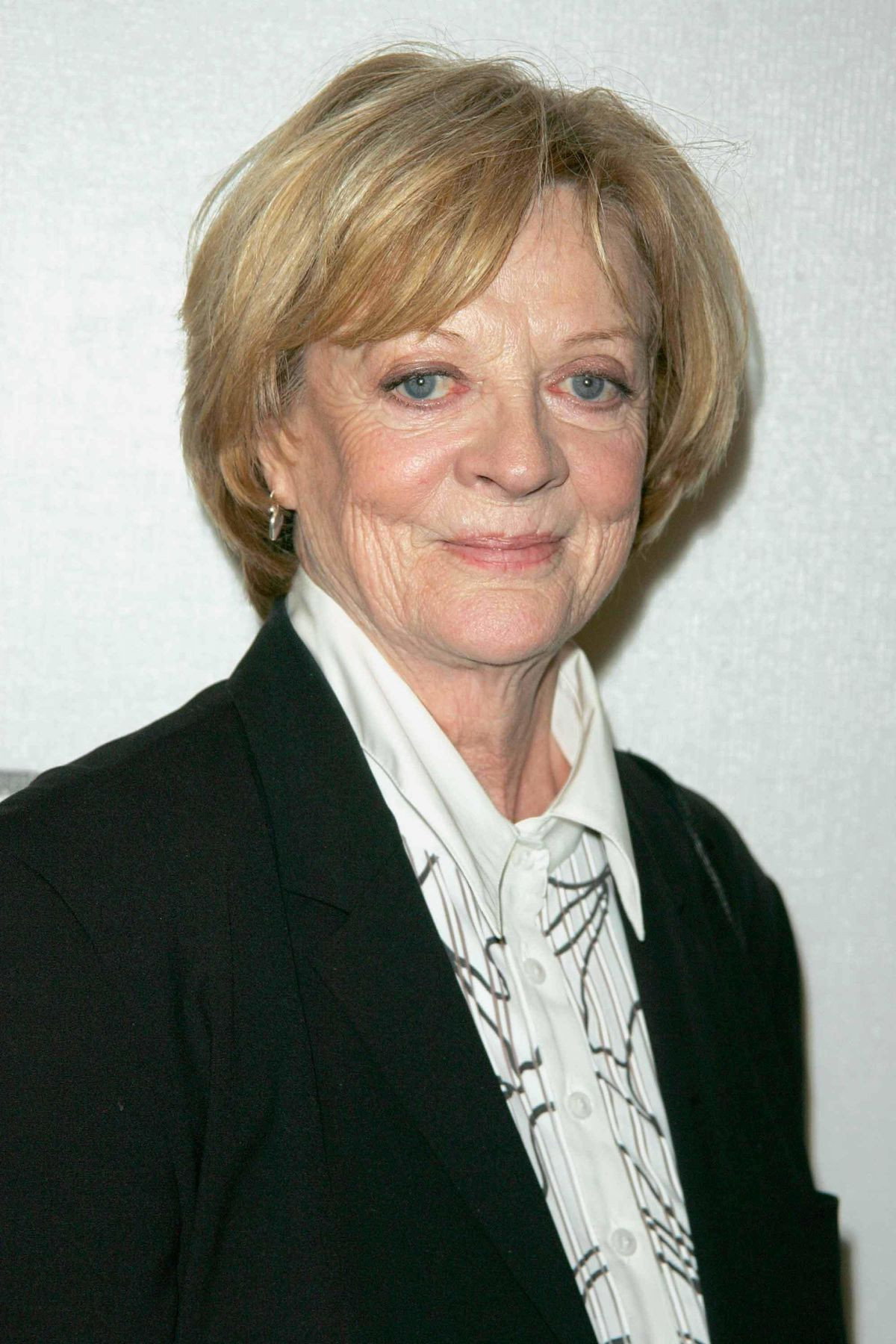
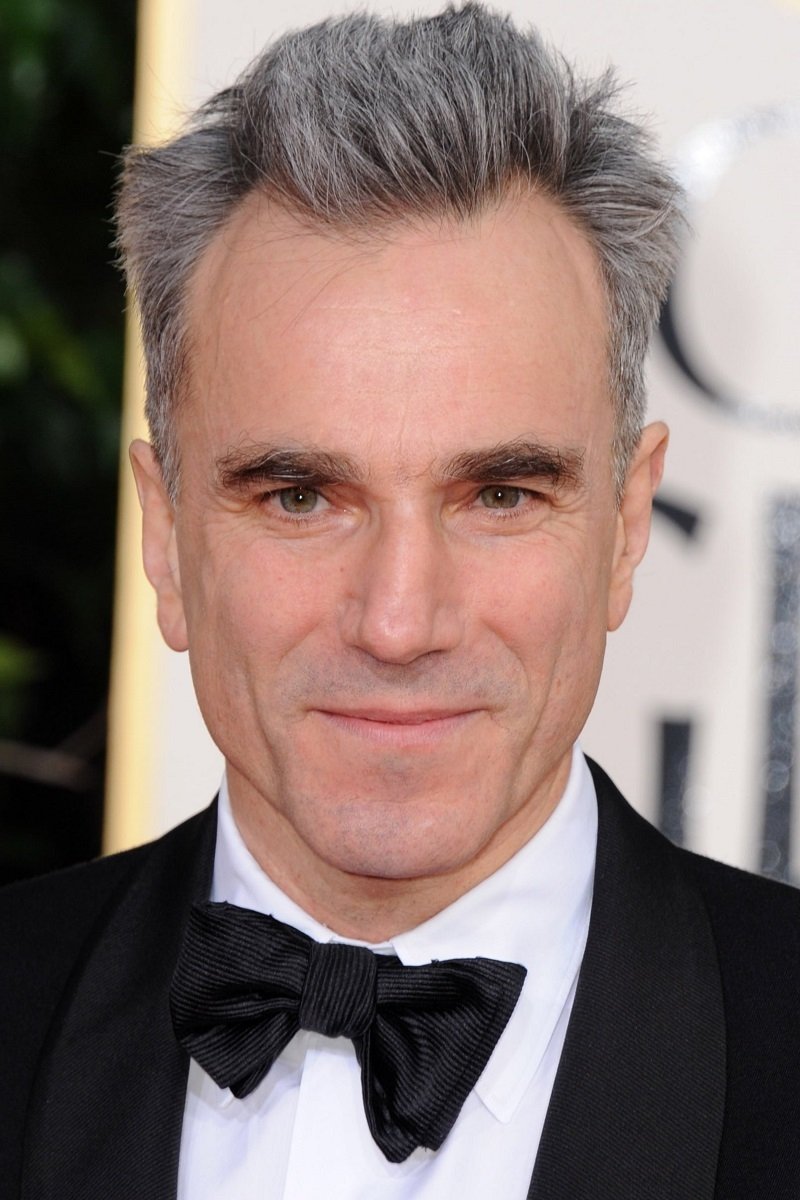
Lucy Honeychurch (Helena Bonham Carter) is at the centre of an Edwardian romance about love, manners and the difficulty of admitting what one wants. George Emerson (Julian Sands) and Cecil Vyse (Daniel Day-Lewis) bring different temperaments to her social world, while Charlotte Bartlett (Maggie Smith) has firm ideas about proper behaviour. Questions of feeling and convention also draw in Mr Emerson (Denholm Elliott) and the Reverend Mr Beebe (Simon Callow). James Ivory directs Ruth Prawer Jhabvala’s adaptation of E.M. Forster’s novel, with Judi Dench as Eleanor Lavish and Rosemary Leach as Mrs Honeychurch.

Plays from YouTube when you press play; nothing loads from them until then.

Fi1m review

James Ivory’s Edwardian romance is warm, funny and more alert to desire than its well-mannered surface suggests. Helena Bonham Carter and Maggie Smith make it worth the occasional slow stretch; we recommend it with pleasure.

James Ivory’s A [Room](/film/room) with a View is funny, warm and occasionally too leisurely for its own good. Working from E.M. Forster’s novel, screenwriter Ruth Prawer Jhabvala finds comedy in the effort people make to seem proper when their feelings are anything but orderly. The Edwardian setting gives that effort its particular rules. The film understands how wearing it can be to live among people who think embarrassment is a serious moral failure.

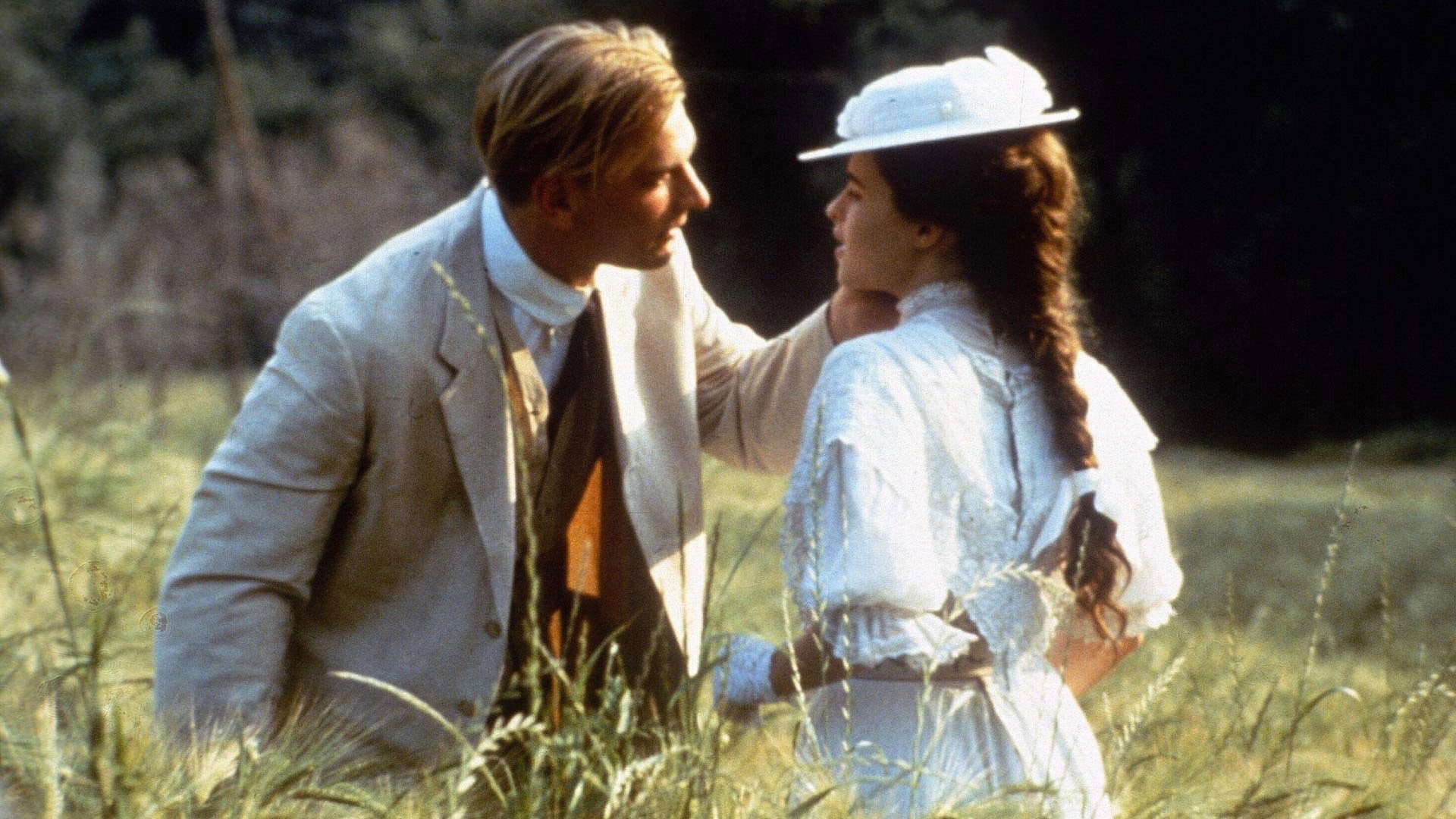
Helena Bonham Carter’s Lucy Honeychurch is crucial because the film would become insufferable if she were simply more sensible than everybody around her. Bonham Carter allows hesitation to look awkward rather than fetching, and makes uncertainty interesting without asking us to applaud it. We were moved by the effort in her performance to keep Lucy’s feelings from showing. It is the visible strain of behaving properly that makes us want things to become easier for her.

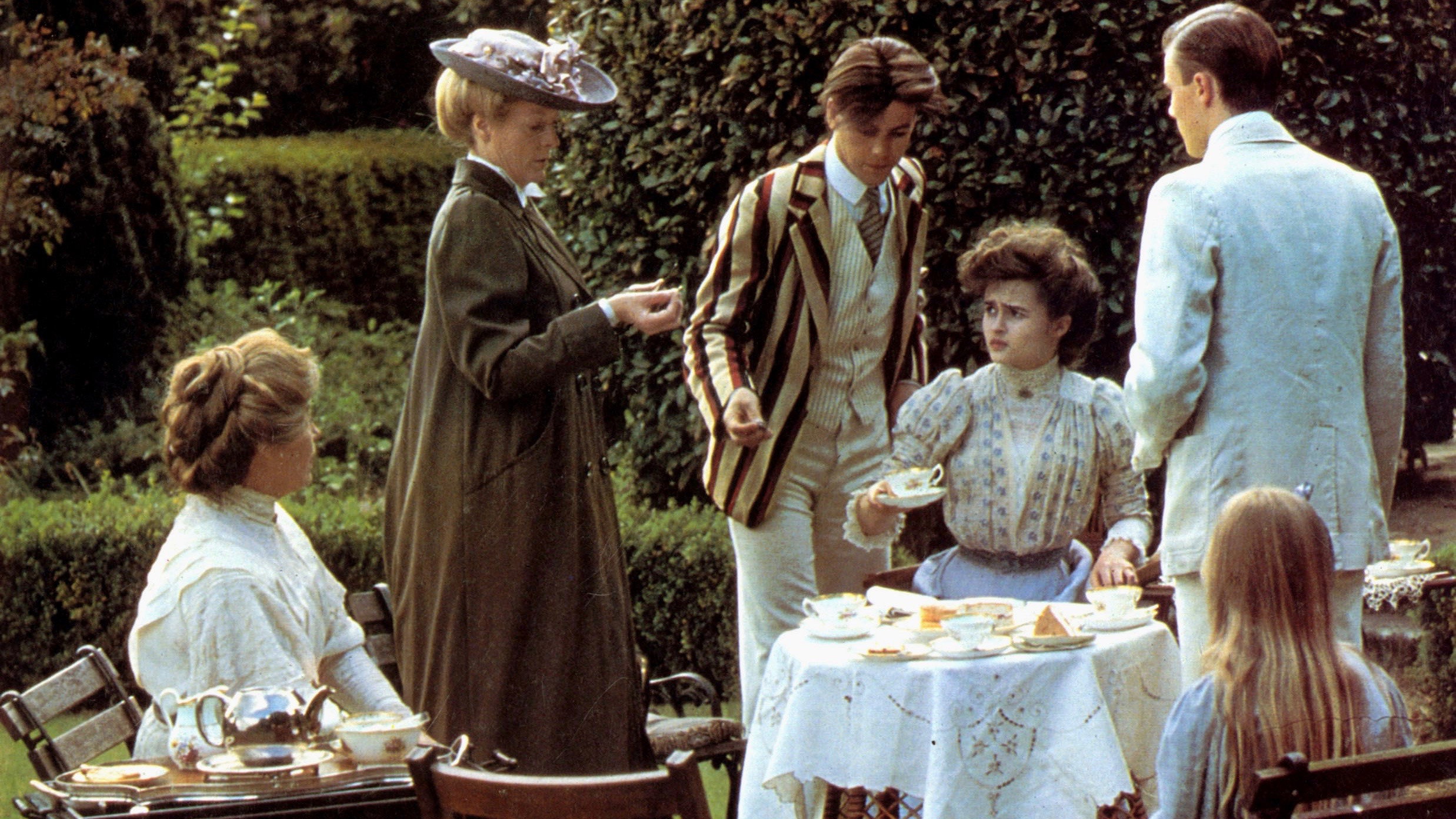
Maggie Smith makes Charlotte Bartlett’s politeness exhausting in a way that remains funny: every courtesy seems to require a further adjustment from somebody else. We laughed at how much dissatisfaction she can put into a civil tone. Daniel Day-Lewis gives Cecil Vyse a stiffness that is funny before it becomes limiting, while Julian Sands’s George Emerson supplies a welcome contrast. The limitation belongs partly to Jhabvala’s writing: once we have recognised a person’s social habits, some exchanges merely give us another opportunity to recognise them.

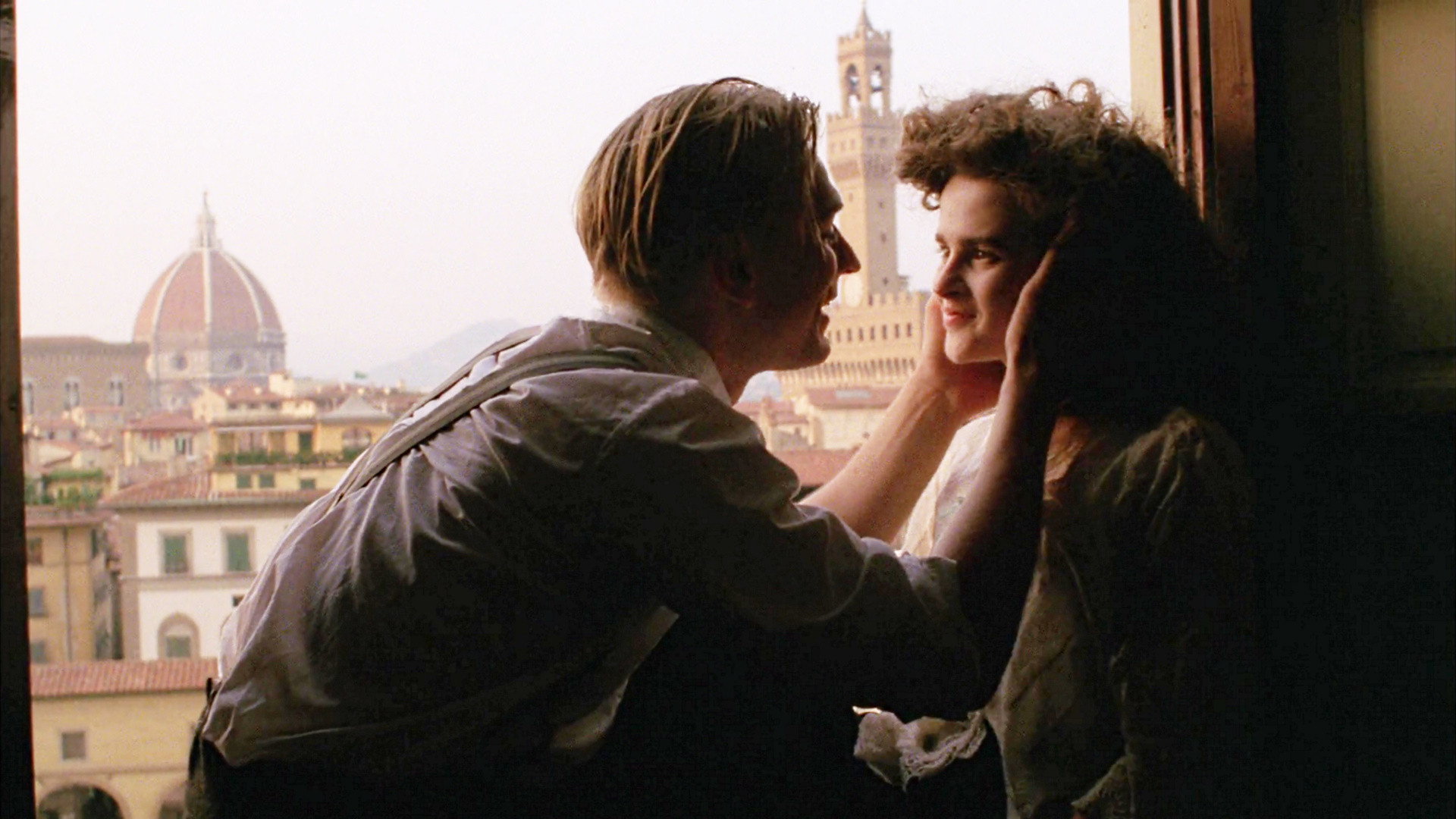
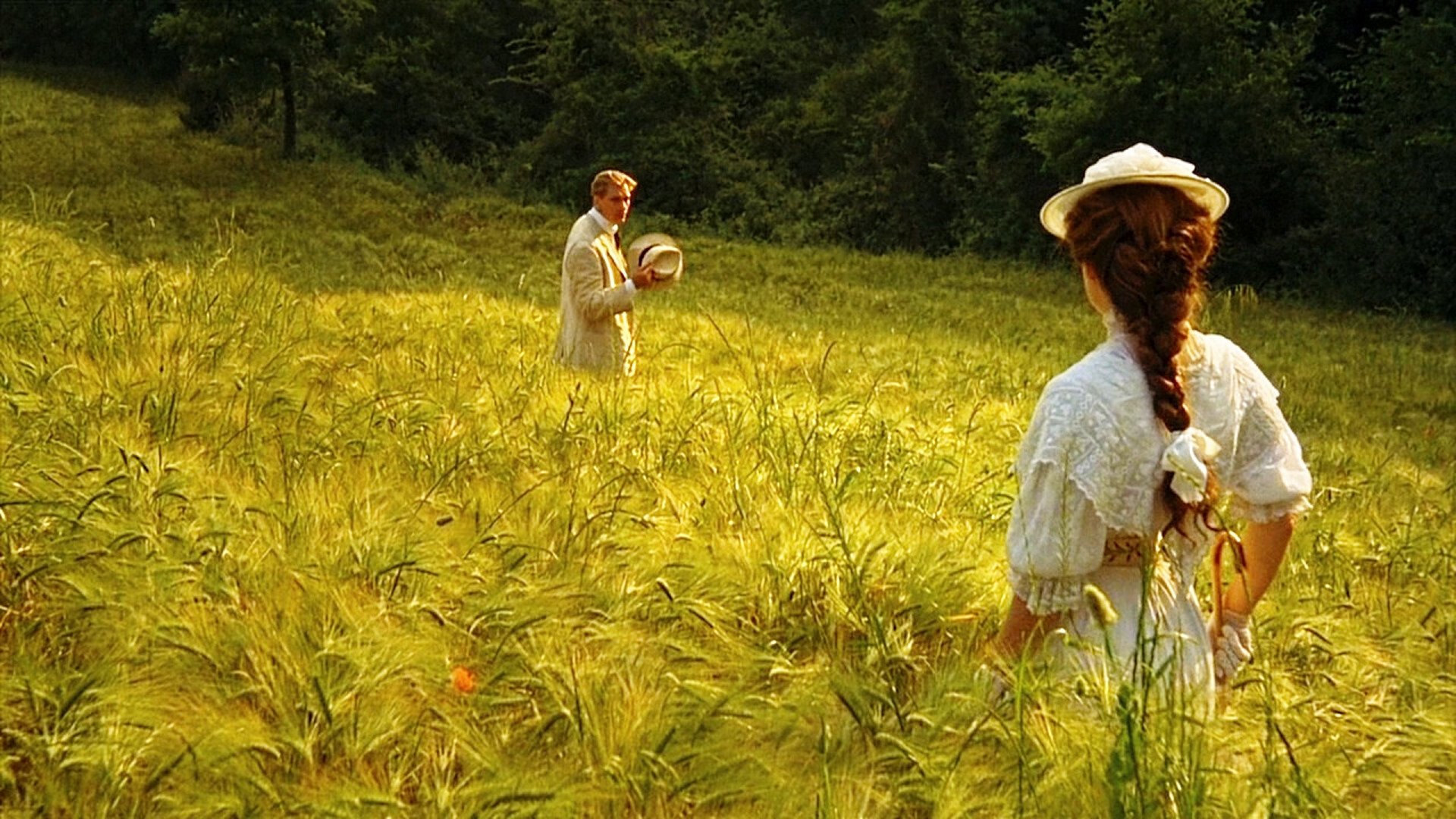
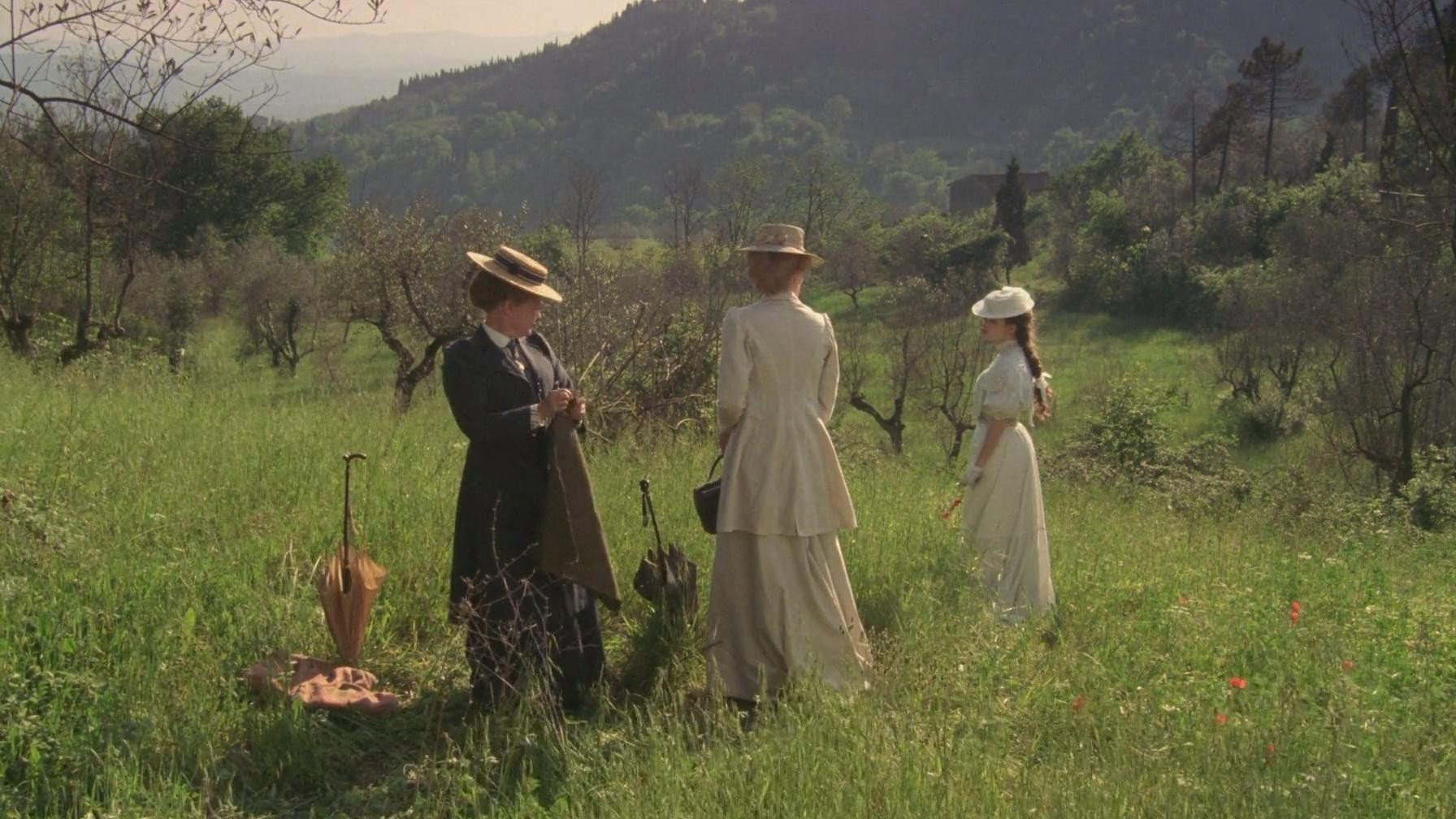
Tony Pierce-Roberts’s photography makes the scenery inviting enough that its prettiness sometimes competes with the people. Yet that appeal matters: we can understand the attraction of the life whose restrictions the film is teasing. Brian Ackland-Snow and Gianni Quaranta’s production design makes the period surroundings feel comfortable and settled, giving us another reason to linger. It works, although there are moments when we would rather Ivory hurried past the scenery and returned to Lucy.

Humphrey Dixon’s editing allows the comic performances to settle, which is essential when a character’s manner can be funnier than the line. It is less helpful when an exchange has already made its point and the film continues at the same untroubled pace. Richard Robbins’s music encourages us to feel the romance, but occasionally supplies more warmth than the drama has generated on its own. Those are the stretches in which we notice how slowly the story is moving.

Period romance can get by on clothes and attractive locations, and Ivory sometimes comes close to letting it do so. What saves this one is the humour, especially its willingness to let affection coexist with irritation. The people are allowed to be tiresome without becoming worthless, and their ridiculous behaviour is rarely treated as a reason to dismiss them. Our reservation is that this kindness occasionally softens a social judgement that could stand to be more uncomfortable.

That softness does not empty the film of feeling, though it makes the comedy less sharp than it might have been. Bonham Carter keeps Lucy worth attending to whenever the handsome surroundings threaten to take over. At 117 minutes, this is an evening for a patient mood rather than an urgent one. Watch it for the actors, and allow them a little longer than they need.
Critical consensus AI synthesised

2 of 6
Positive
1
Mixed
1
Negative
0
Radio Times
★★★★ · David Parkinson
80

This is the first Merchant Ivory adaptation of E.M. Forster and a vibrant, influential heritage film. The witty script, breathtaking images of Florence and Surrey, and masterclass performances from Helena Bonham Carter, Julian Sands, Daniel Day-Lewis and Maggie Smith make the Edwardian charm irresistible despite some longueurs.

Read the full review →
Empire
1 January 2000 · Ian Nathan

The most adorable of all the Merchant-Ivory productions, this Forster adaptation is a high-class British classic that injects refined poise with genuine sexual undercurrents and wit. Stunning cast and scenery cannot fill the hole where the heart of this film should be; a satire with an unnaturally soft centre.

Read the full review →
Film Comment
1 January 2016 · Farran Smith Nehme

The critic praises Merchant-Ivory's adaptation as fresh, sophisticated, and passionate, celebrating its fidelity to Forster's text, witty dialogue, and the performances—especially Helena Bonham Carter as Lucy and Maggie Smith as Charlotte—while highlighting the film's blend of comedy, emotion, and visual beauty.

Read the full review →
Los Angeles Times
21 March 1986 · Sheila Benson

The review calls the film an airy, delightful adaptation that is virtually irresistible, praising the direction, cast, and production values while noting some quibbles with the lead actress.

Read the full review →
The New York Times
7 March 1986 · Vincent Canby

The critic praises the film's faithful and ebullient adaptation of Forster's novel, highlighting its humor and the standout performance of Helena Bonham Carter as Lucy.

Read the full review →
Variety
31 December 1985 · Variety Staff

It describes it as a thoroughly entertaining adaptation distinguished by superb ensemble acting, intelligent writing and stunning design.

Read the full review →

Cast

Stills

Awards

Academy Awards, 1987

Nominated
Best Cinematography
Nominated
Best Director
Nominated
Best Picture
Nominated
Best Supporting Actor
Nominated
Best Supporting Actress
Won
Best Costume Design
Won
Best Production Design
Won
Best Writing, Adapted Screenplay

BAFTA Film Awards, 1987

Won
Best Actress in a Leading Role
Won
Best Actress in a Supporting Role
Won
Best Film

David di Donatello for Best Foreign Director, 1987

Won
David di Donatello for Best Foreign Director

Independent Spirit Awards, 1987

Won
Best Foreign Film

Writers Guild of America Award for Best Adapted Screenplay, 1987

Won
Writers Guild of America Award for Best Adapted Screenplay

Golden Globes, 1986

Won
Best Supporting Actress – Motion Picture

London Film Critics Circle Award for Film of the Year, 1986

Won
London Film Critics Circle Award for Film of the Year

National Board of Review Award for Best Film, 1986

Won
National Board of Review Award for Best Film

If you liked this, try…

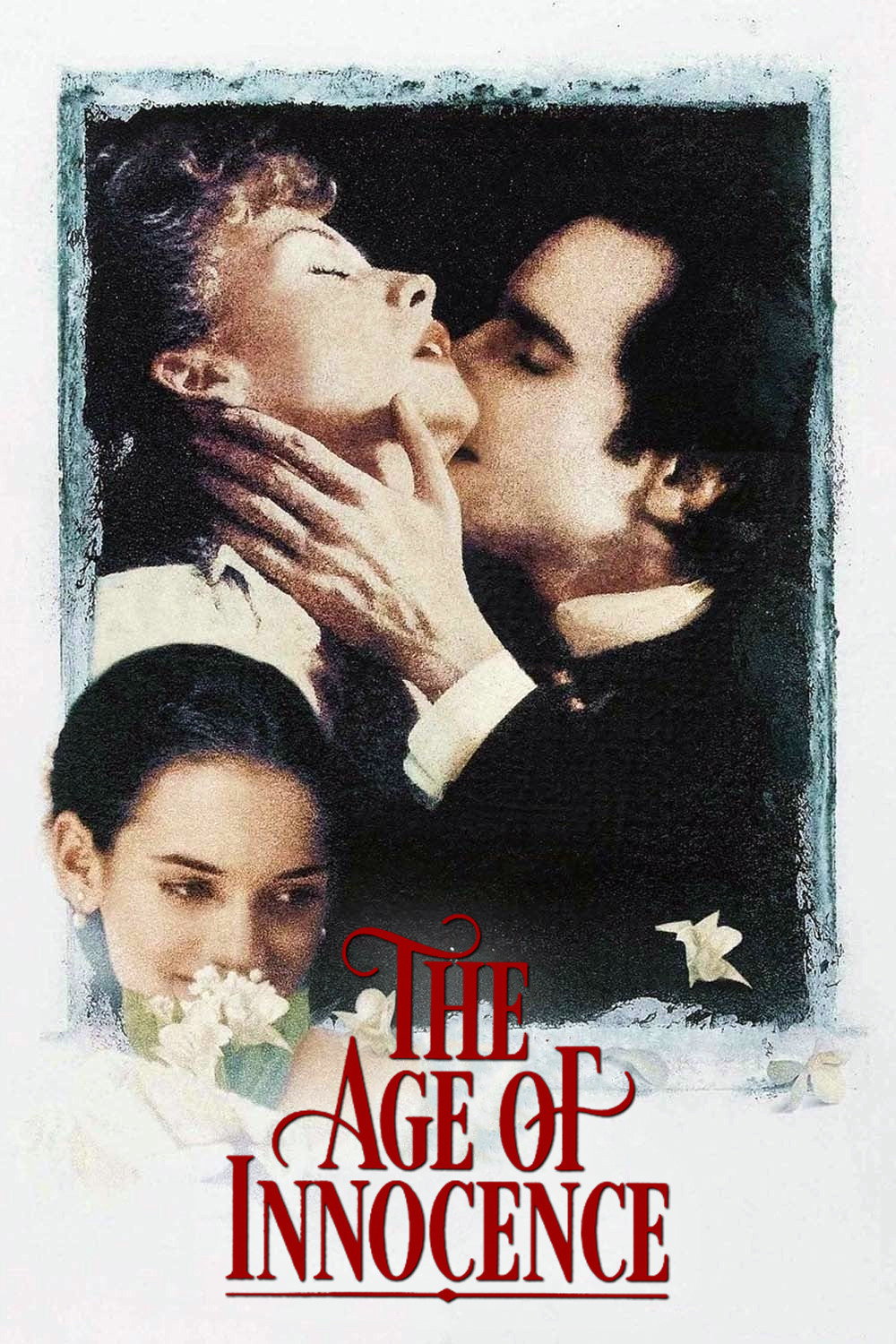
The Age of Innocence poster86

The Age of Innocence

1993 · For another romance in which good manners make honest conversation nearly impossible.

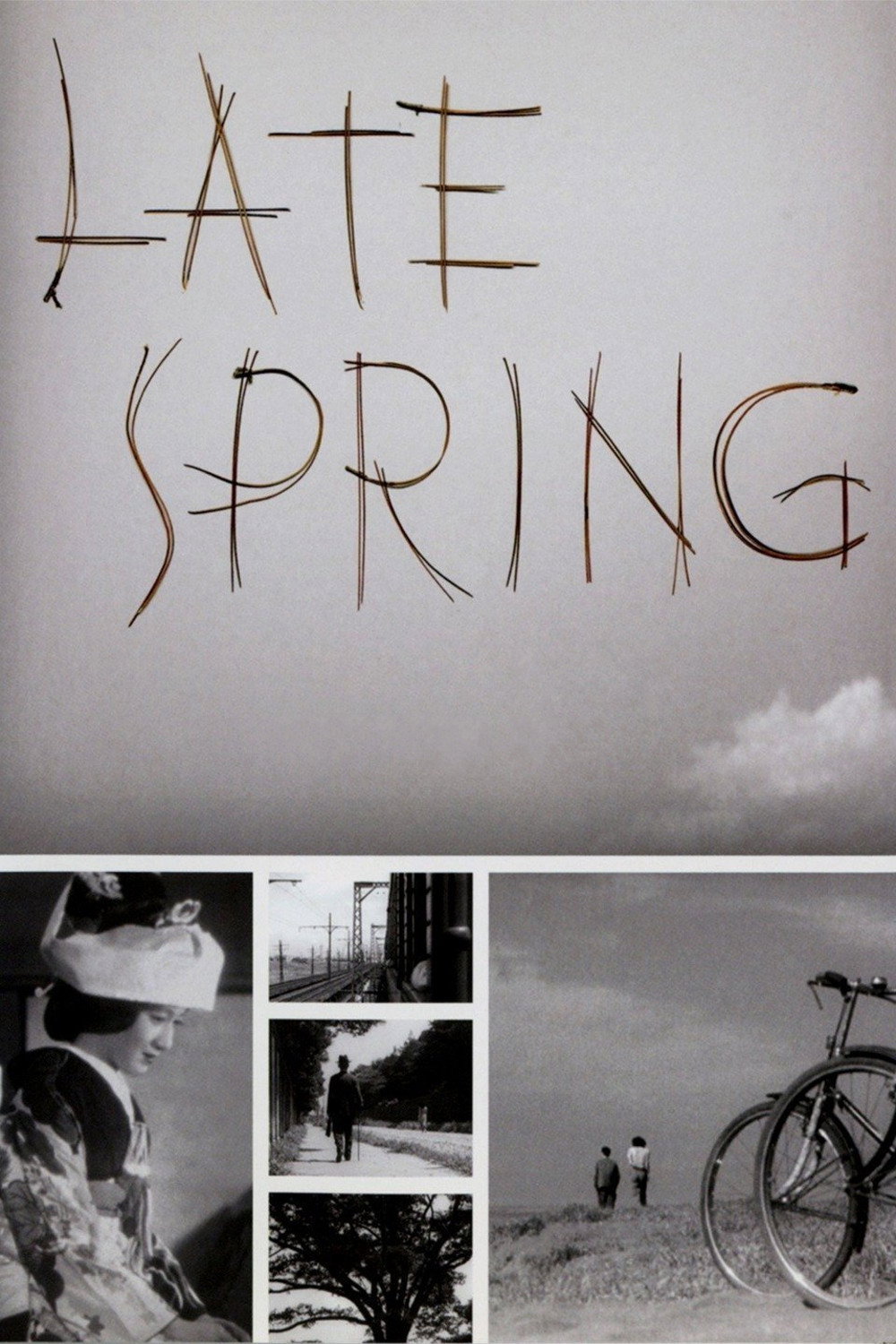
Late Spring poster

Late Spring

1949 · A quieter, more painful account of affection constrained by family expectations.

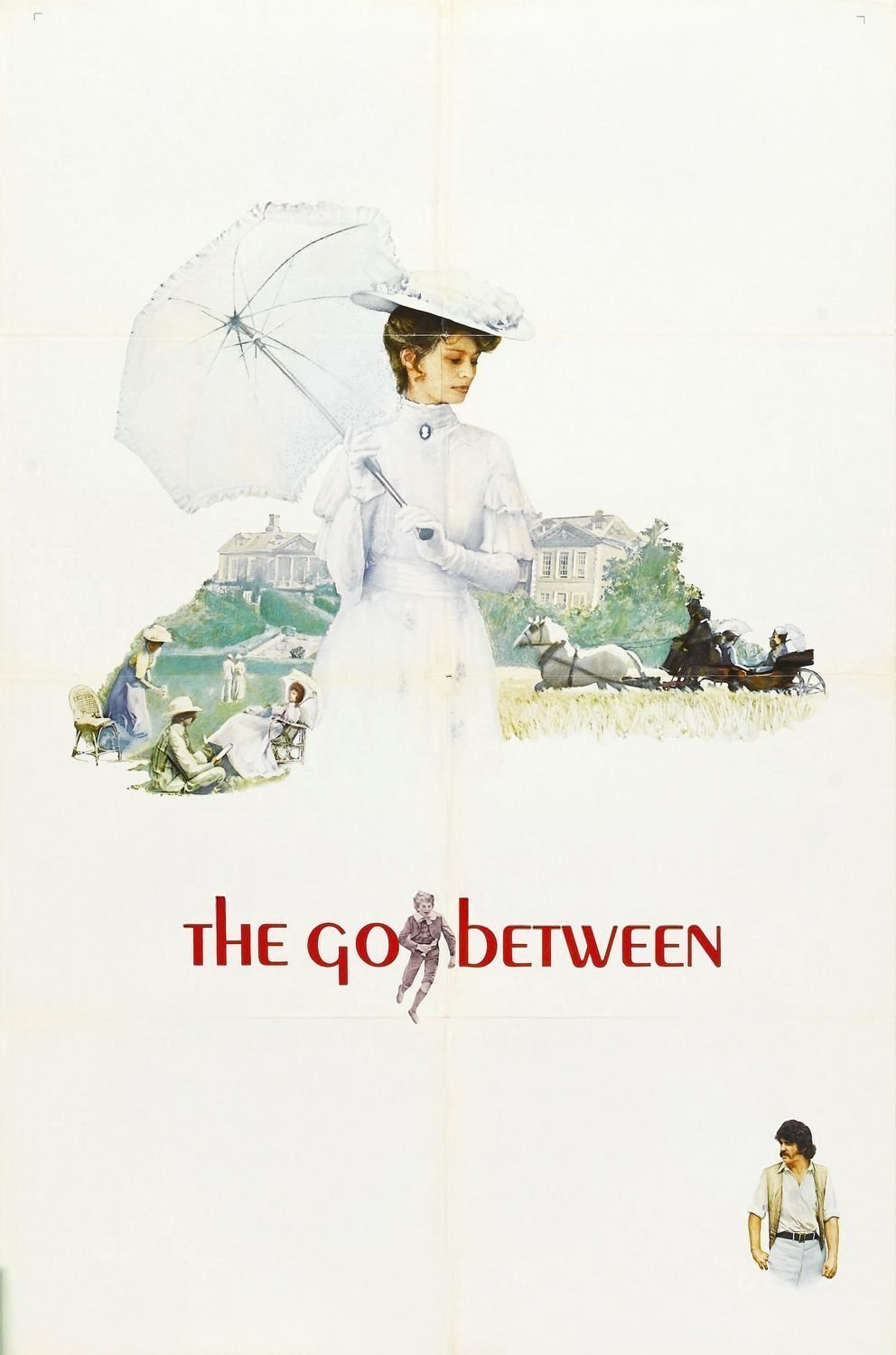
The Go-Between poster

The Go-Between

1971 · Class rules and forbidden desire, with rather less chance of an easy evening.

The Lunchbox poster

The Lunchbox

2013 · For tentative affection expressed through small courtesies and the difficulty of speaking plainly.

The Philadelphia Story poster

The Philadelphia Story

1940 · Sharper elbows and quicker dialogue, with social polish doing little to conceal longing.