James Ivory’s adaptation is intelligent, funny and moving, with Emma Thompson making kindness look like hard work. Its polished storytelling occasionally explains people too neatly, but the performances more than justify an evening.
James Ivory’s Howards End is an absorbing, often funny drama about class, made with an attention to people that keeps its period finery from becoming the main attraction. Ruth Prawer Jhabvala’s adaptation of E.M. Forster’s novel lets people reveal what they believe in the course of talking to one another. We recommend it warmly, with a reservation about how thoroughly some of those conversations explain the characters. The immediate pleasure is watching people attempt to remain civil while disagreeing about almost everything.
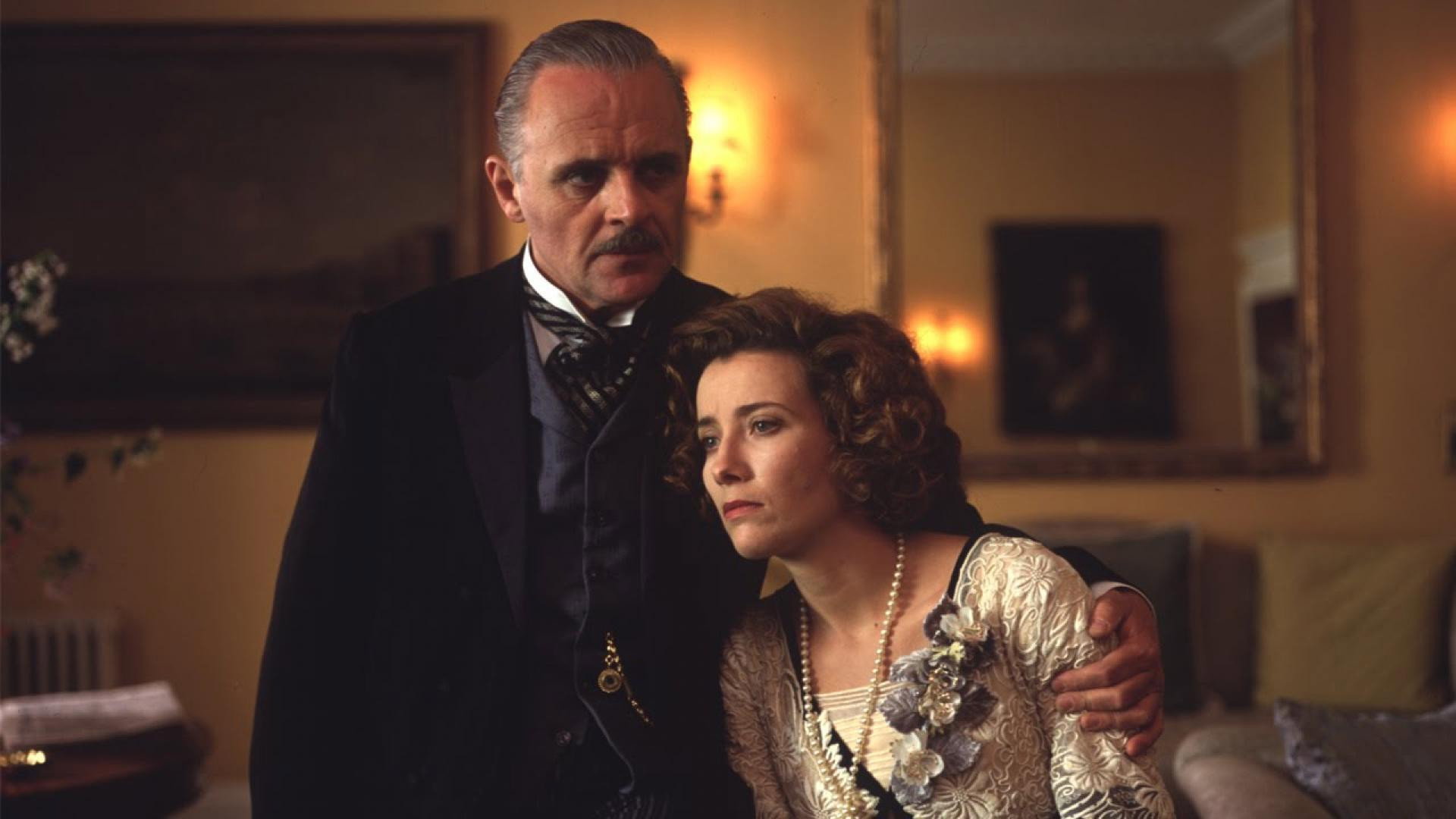
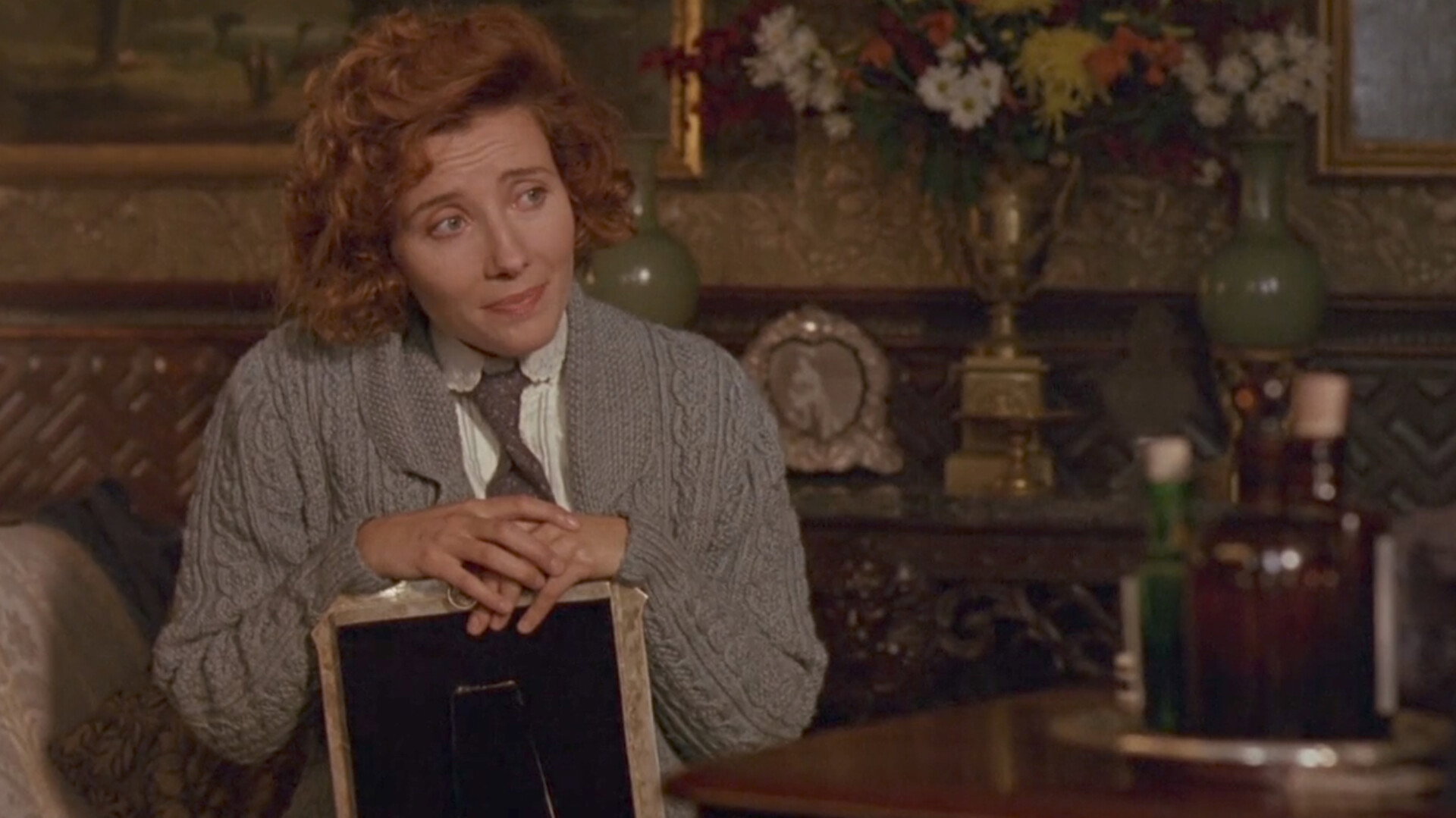
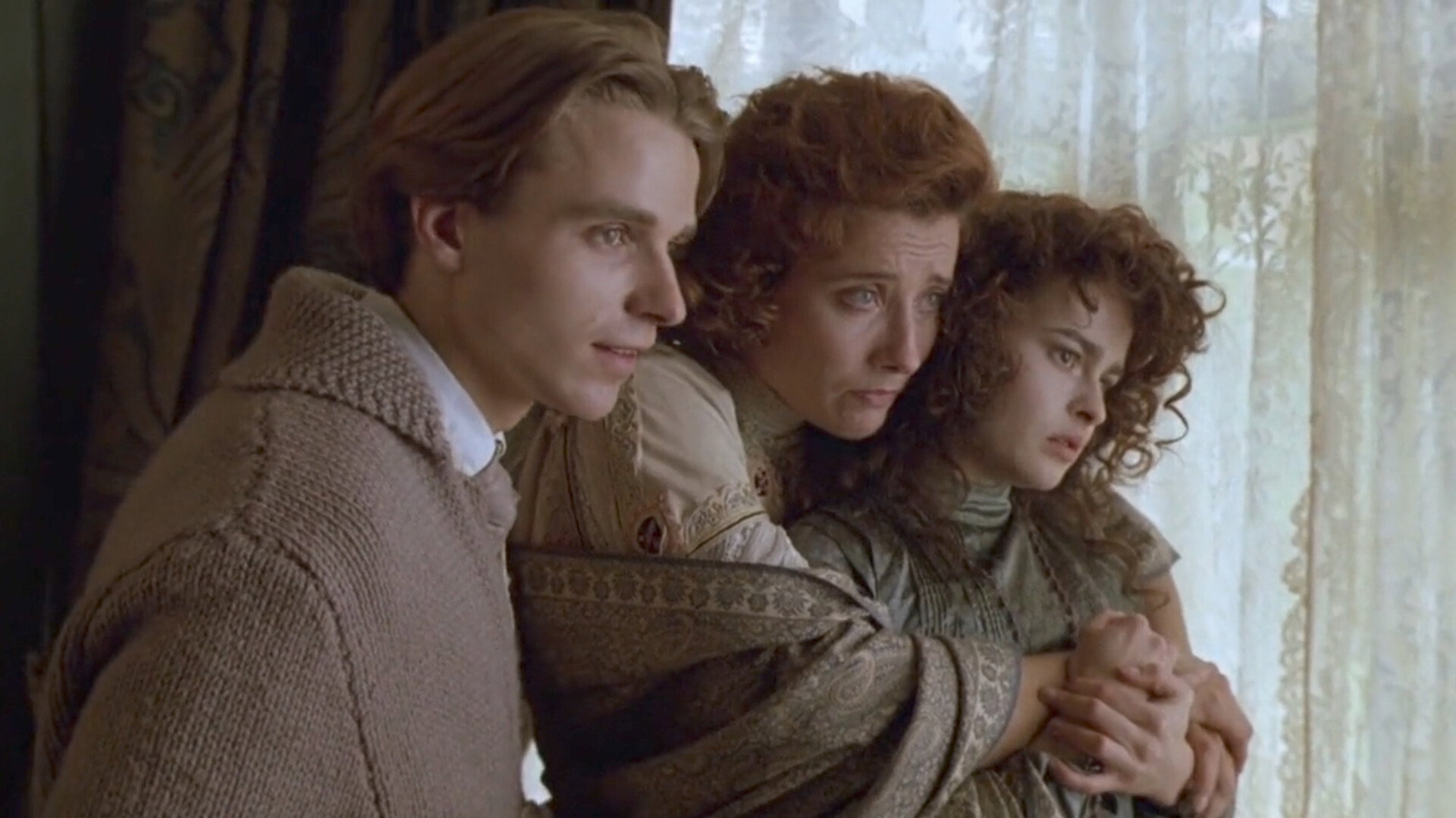
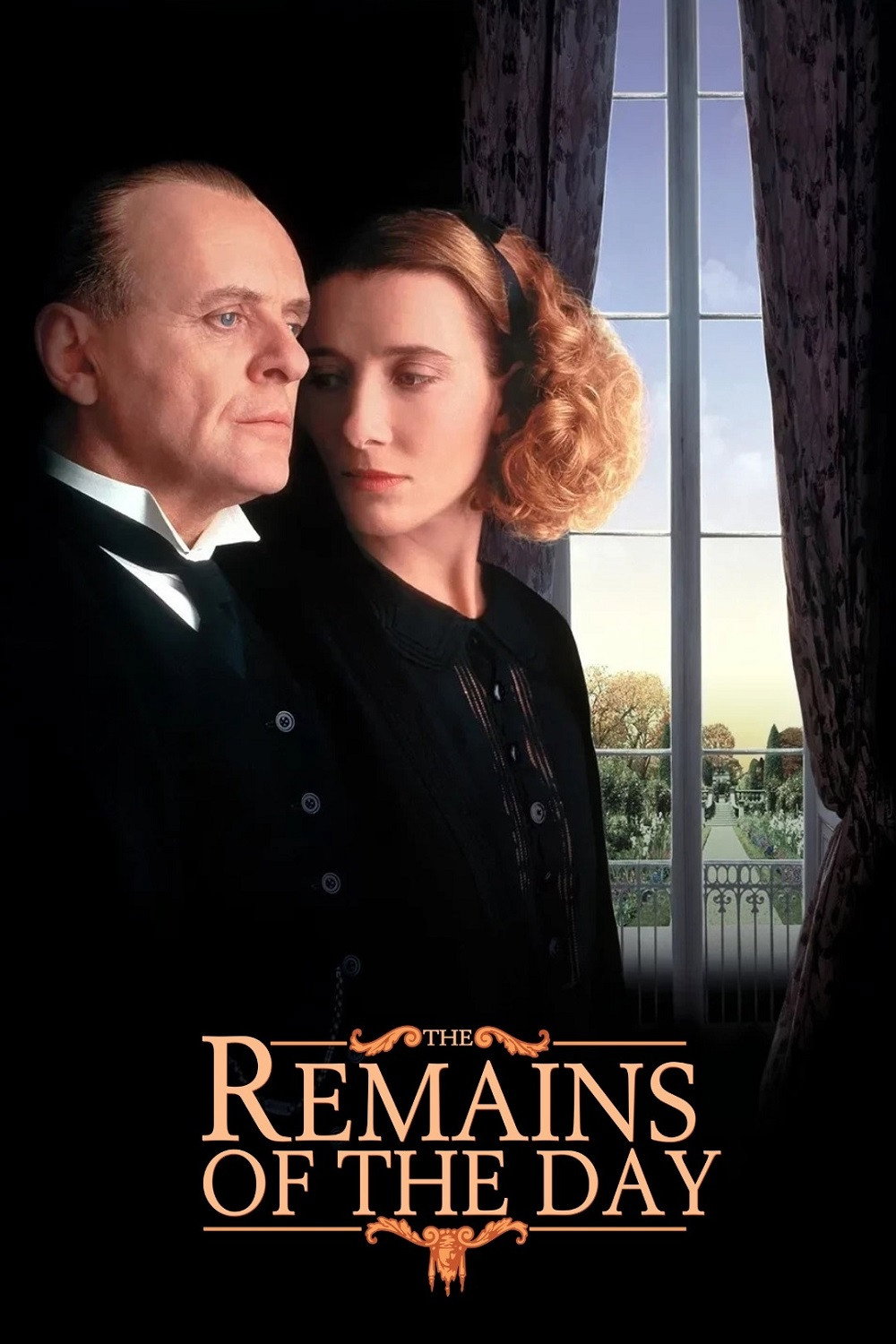
Emma Thompson plays Margaret Schlegel with warmth, intelligence and enough firmness to keep goodness from becoming a rather dull virtue. She never seems to arrive at an exchange already knowing exactly what she thinks of the person opposite her. We were moved by the way Thompson listens, allowing another person’s words to affect her before she replies. Anthony Hopkins, as Henry J. Wilcox, makes rigidity credible by treating it as perfectly reasonable; he plays a man who expects his judgement to settle a discussion.
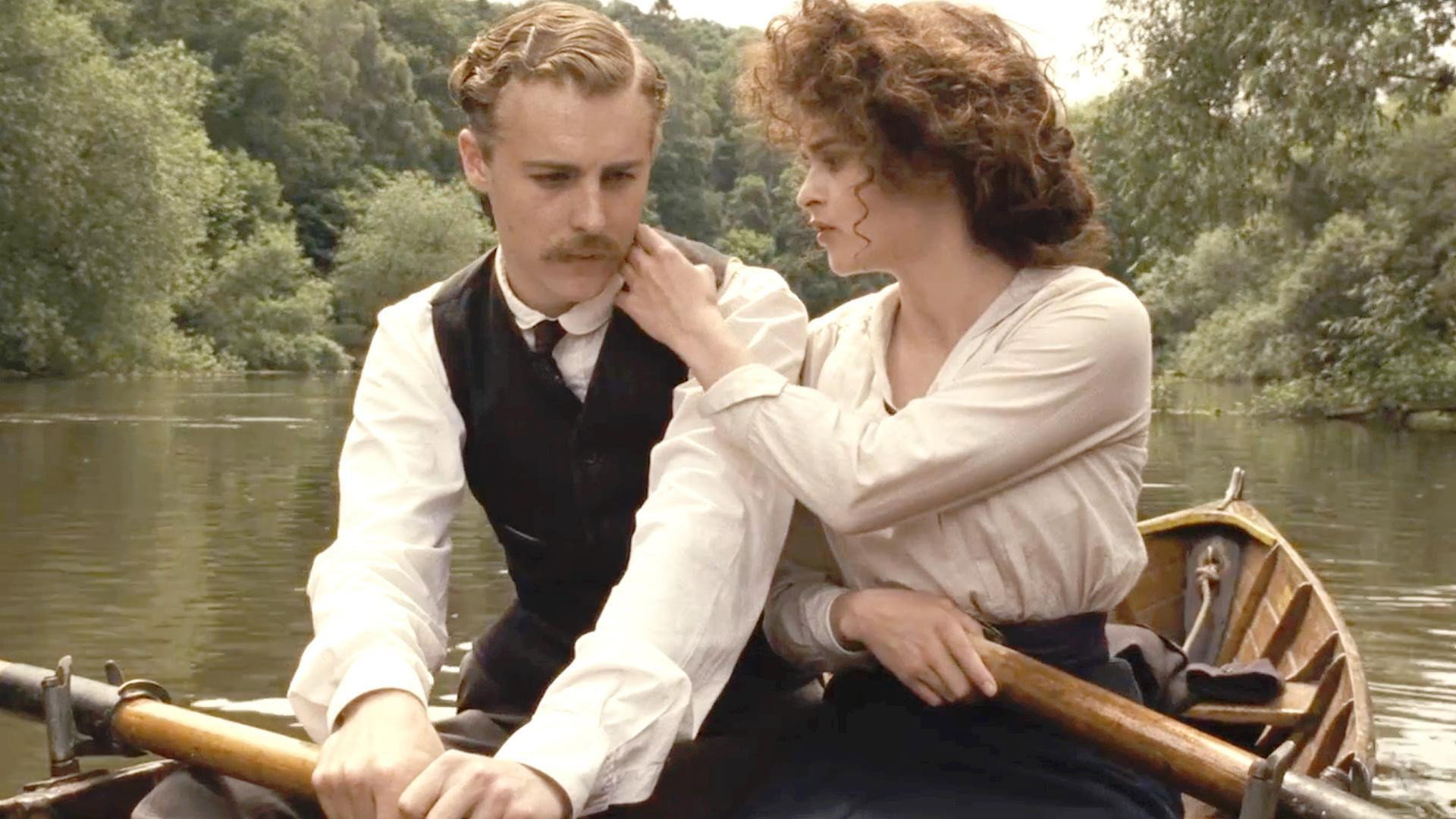
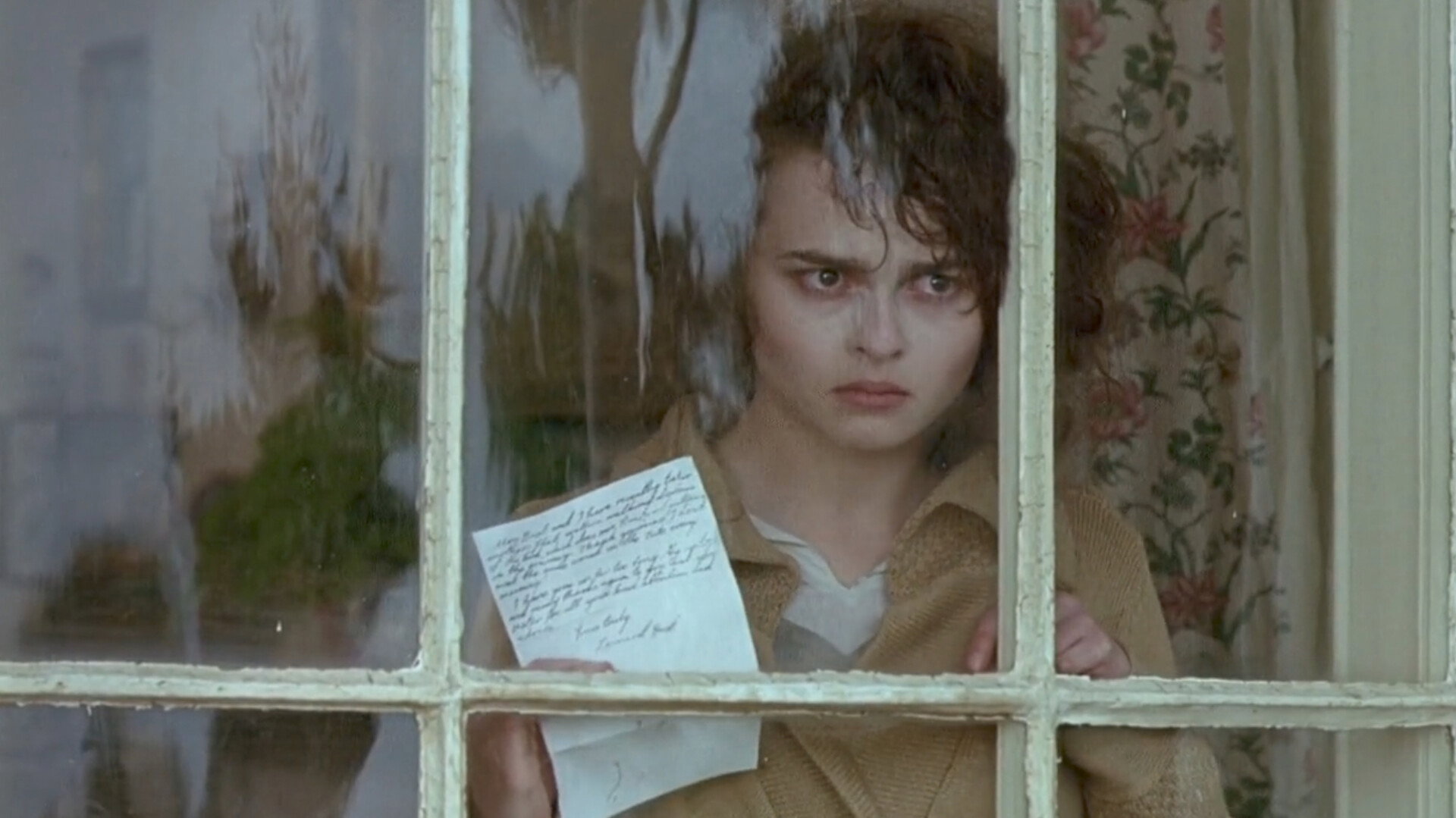
Vanessa Redgrave, as Ruth Wilcox, brings an emotional directness that makes the surrounding conversational manoeuvres seem faintly exhausting. She does not force us to notice each change of feeling, which makes us attend more closely. Helena Bonham Carter’s Helen gives the conversations a sharper edge, while Samuel West’s Leonard Bast makes the social unease harder to dismiss. Across the cast, differences of temperament matter as much as differences of opinion, and the actors keep even the most articulate characters from sounding entirely rehearsed.
Tony Pierce-Roberts’s cinematography keeps the people distinct within the furnished interiors, so a room can be admired without becoming the subject of the scene. Luciana Arrighi’s production design makes that comfort persuasive, and faintly oppressive. The interiors look settled enough to encourage the belief that their owners’ opinions must be settled too. The actors remain the point of interest, even when there is plenty else to look at.
Andrew Marcus’s editing helps a complicated network of relationships remain clear without making the film feel hurried. At 142 minutes, it gives conversation time to develop, while each change of company invites us to reconsider what we have just heard. Richard Robbins’s music gives the quieter passages emotional weight without making every exchange feel momentous. There is room to notice how someone receives a remark, rather than merely keeping track of what has been said.
The reservation is that Ivory can make difficult behaviour too readily understandable. There are stretches when the explanations feel complete before the scene has finished, and the polished storytelling gives us less to puzzle over than the people deserve. West’s Leonard is particularly vulnerable to being considered as a social problem when we want more time with the person. West gives him enough awkwardness and feeling to make us wish the screenplay stayed with him longer.
Still, this is what we hope for from a period drama: actors given time to expose the small habits through which people hurt each other. Ivory understands the appeal of certainty and the effort involved in being generous, and Thompson makes that effort visible without turning Margaret into a lesson. The humour helps, too, because nobody has to announce that these people can be ridiculous. Set aside the full evening and let the conversations run.