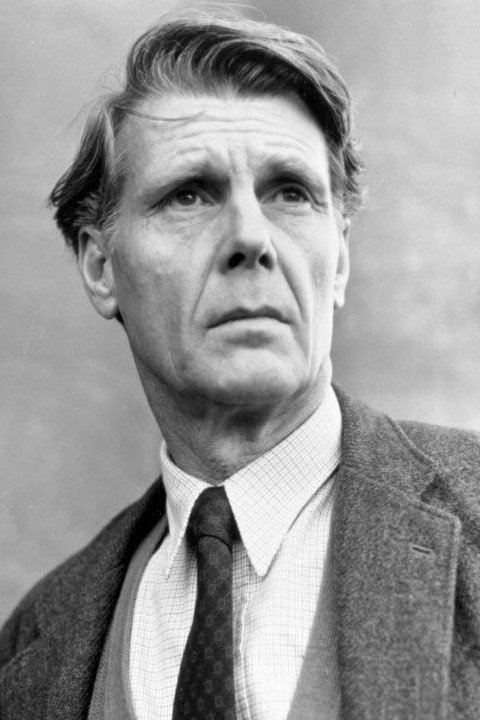
James Fox is particularly good at playing privileged Englishmen whose judgement is poor. His later casting can be too predictable, but the weakness he finds in men accustomed to authority remains worth watching.
Fi1m perspective
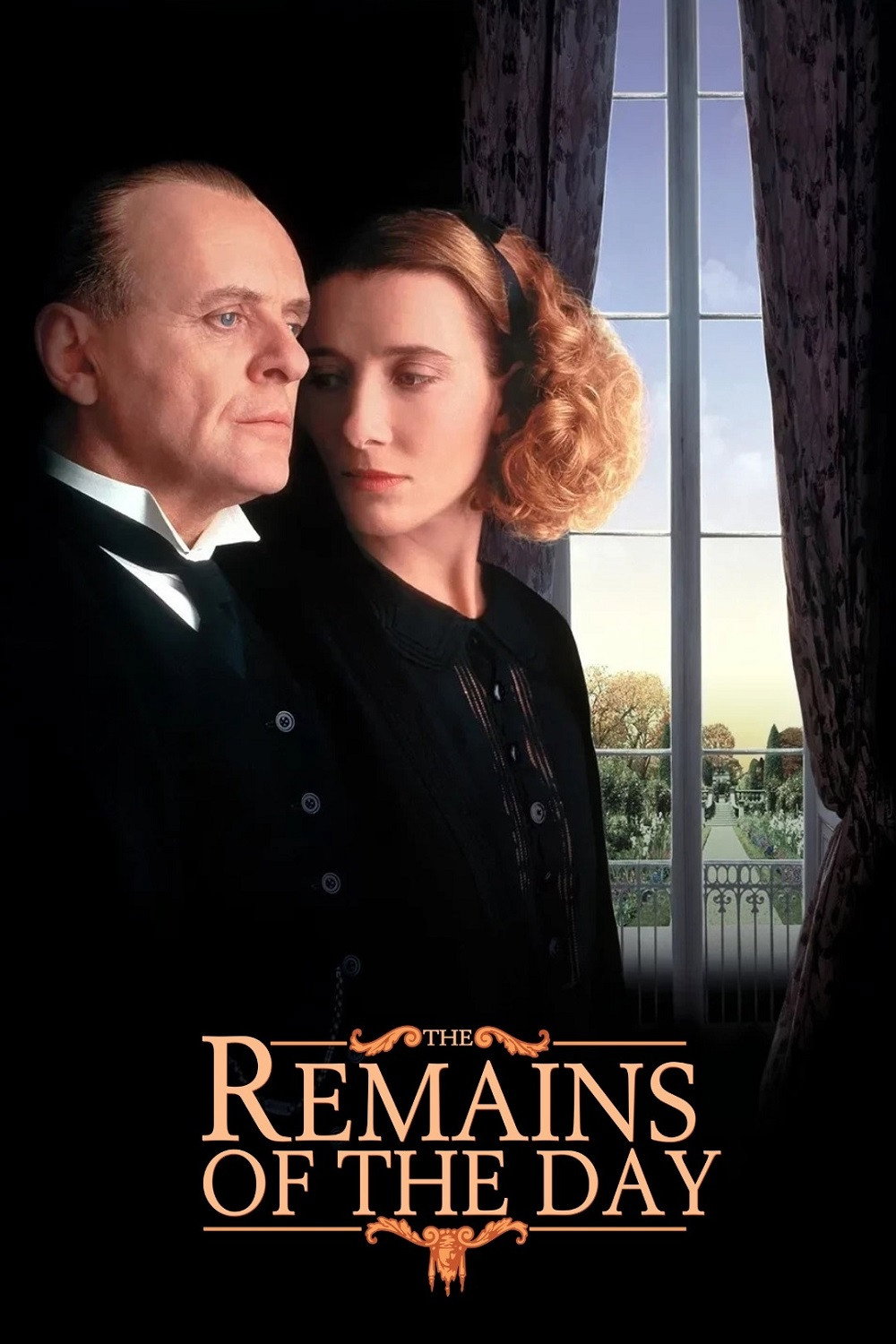
James Fox looks at home playing upper-class Englishmen, even when their judgement is poor. His Lord Darlington in James Ivory’s The Remains of the Day (1993) draws on a long association with weak or compromised men of standing. It is casting that helps us accept the character’s position without having to respect him. The film rightly keeps Anthony Hopkins and Emma Thompson at its centre. Their awkward exchanges moved us, because both make holding back seem painful rather than merely polite.
The early leading roles gave him more opportunity to disturb. In The Servant (1963), his Tony appears opposite Dirk Bogarde in a class satire scripted by Pinter. Fox’s ability to make an upper-class man seem vulnerable gives the struggle over power something to work on. Performance (1970) then casts him as Chas Devlin, a violent East End gangster. That is a useful corrective to the idea that his only subject is the poorly equipped gentleman.
After the acting break of the 1970s, David Lean’s A Passage to India (1984) gave him his first major role on returning, as Cyril Fielding. Fielding gave him a thoughtful authority figure to play. He went on to work steadily in character parts, often in period drama. There is a fair criticism of the later phase: repeated casting as repressed or posh men can make him seem safer than the early leads suggested.
Fox is not the chief reason to see The Remains of the Day, but his familiar casting is part of its strength. Darlington gives his association with flawed aristocrats a proper use in a film attentive to restraint and awkwardness. The pace occasionally stiffens, and the music can explain feelings the actors have already made clear. Those faults do not outweigh the performances, though Hopkins and Thompson remain the reason to begin here. Try Performance next if the gentleman has become too familiar.
Biography
James Fox (born William Fox) is an English actor. Born in London on 19 May 1939, he is a member of the Fox family of actors and trained at the Central School of Speech and Drama. He began his career as a child actor and gained prominence in the 1960s with leading roles in films including The Servant (1963), Those Magnificent Men in Their Flying Machines (1965), Thoroughly Modern Millie (1967) and Performance (1970).
In the 1970s Fox took a break from acting to pursue evangelical Christian work, returning to the screen in the early 1980s. He is known for later roles such as Lord Darlington in The Remains of the Day (1993), Lord Holmes in Patriot Games (1992), and appearances in A Passage to India (1984), Sherlock Holmes (2009) and Charlie and the Chocolate Factory (2005). He won a BAFTA Award for Most Promising Newcomer for The Servant and received a BAFTA nomination for Best Actor in a Supporting Role for A Passage to India.