Series review

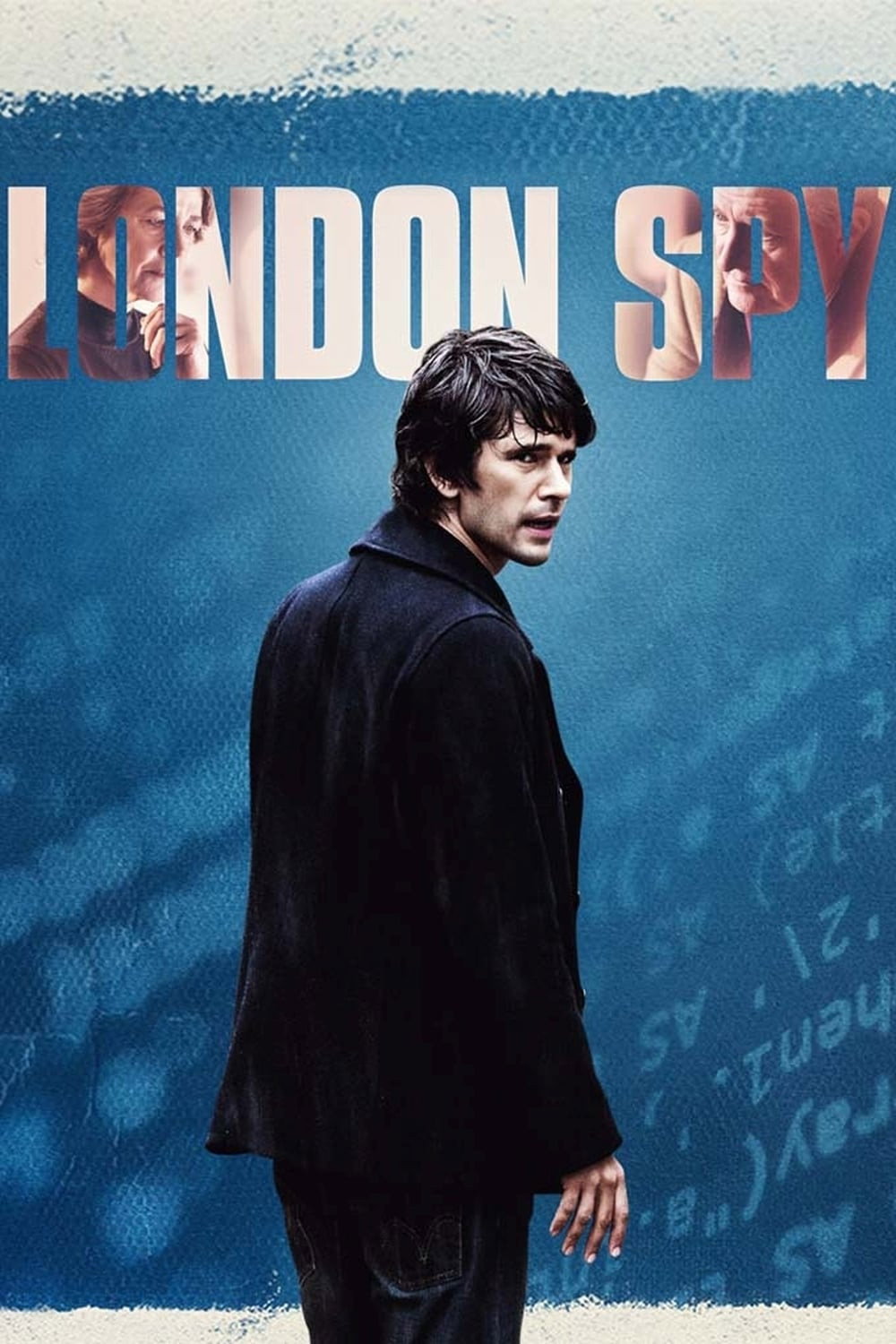
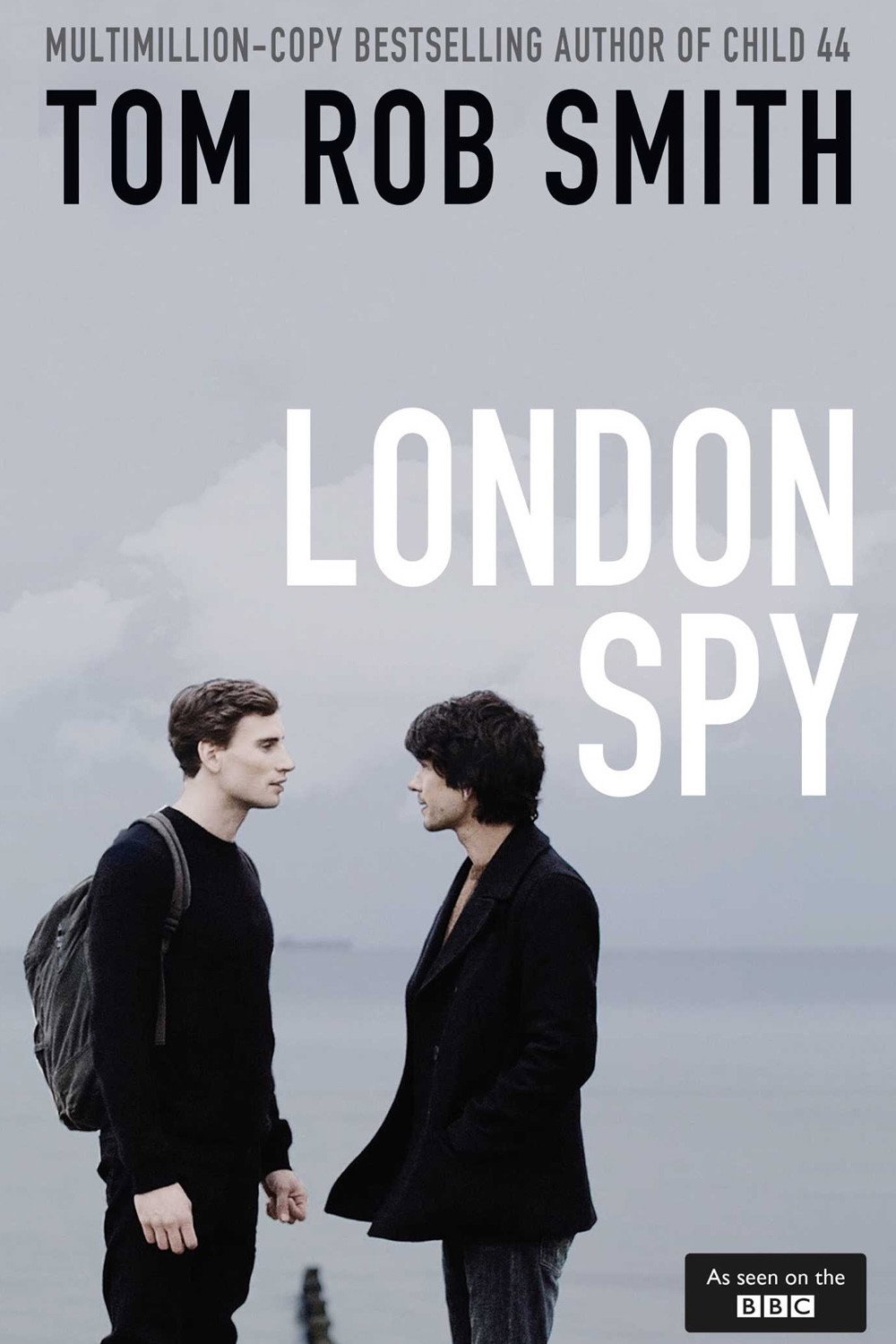
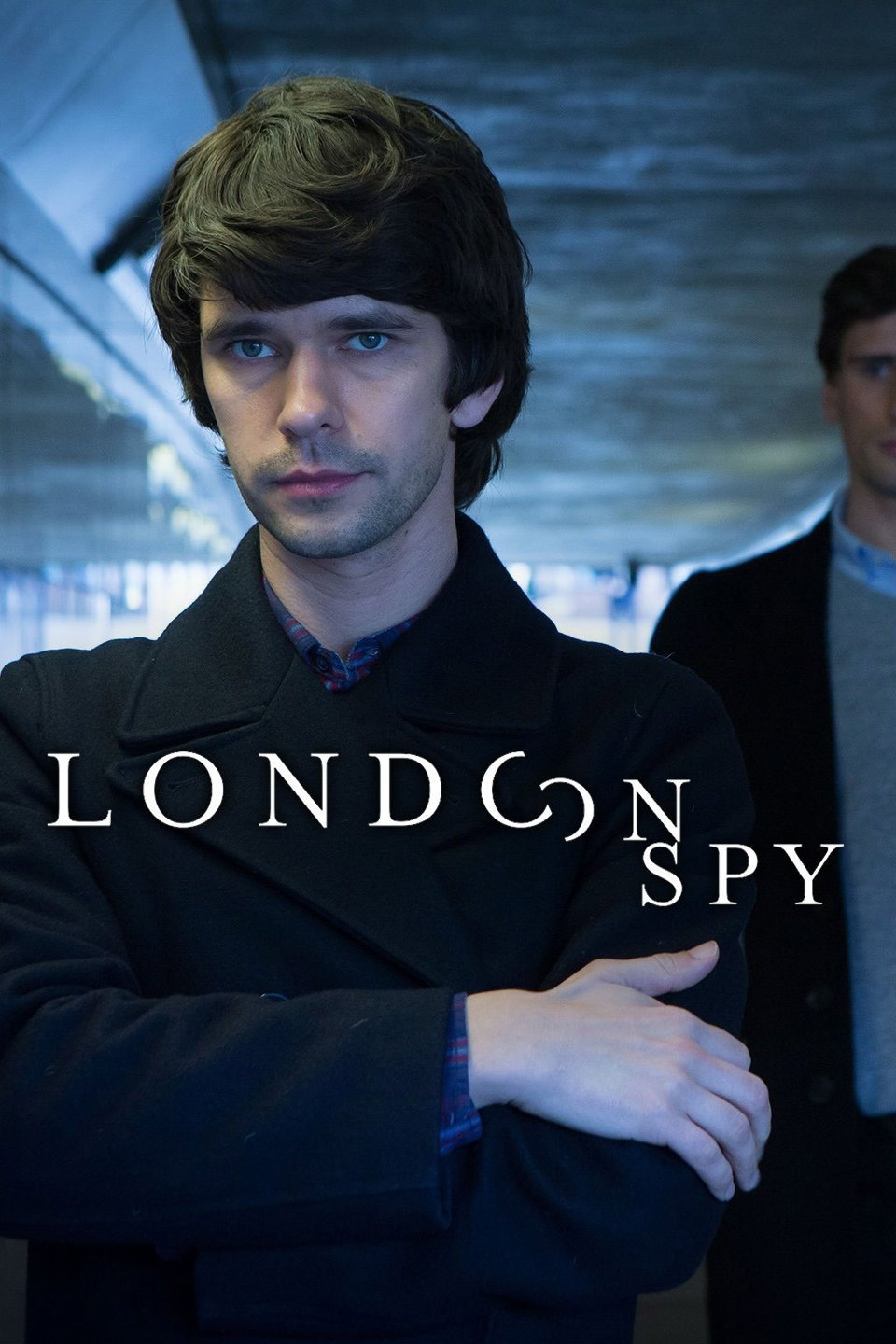
London Spy

2015 · Created by Tom Rob Smith · Series · 1h 00m · MPA TV-MA

In a sentenceTwo hours of the best love story on television, then three of men in coats explaining it away

Drama

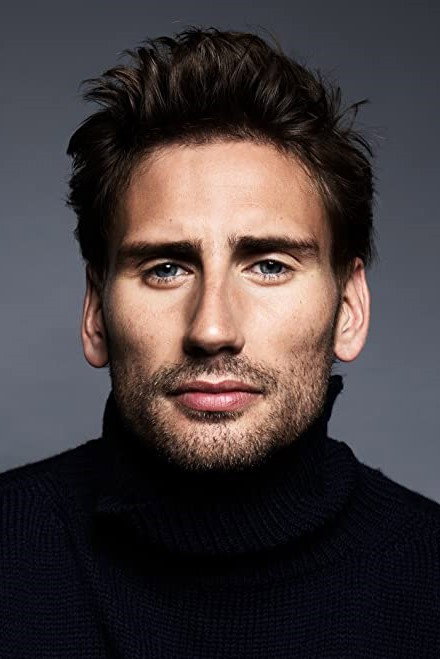
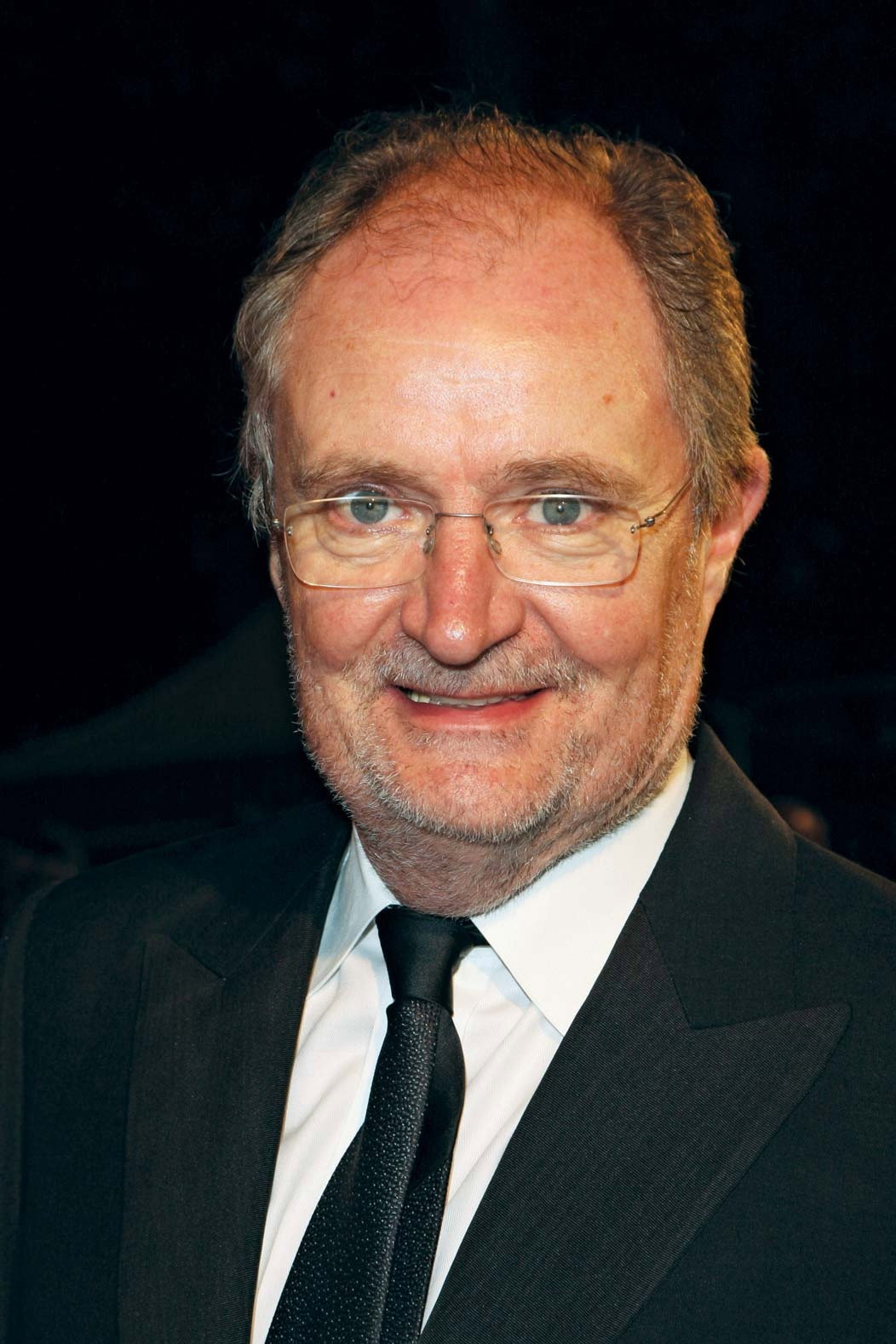
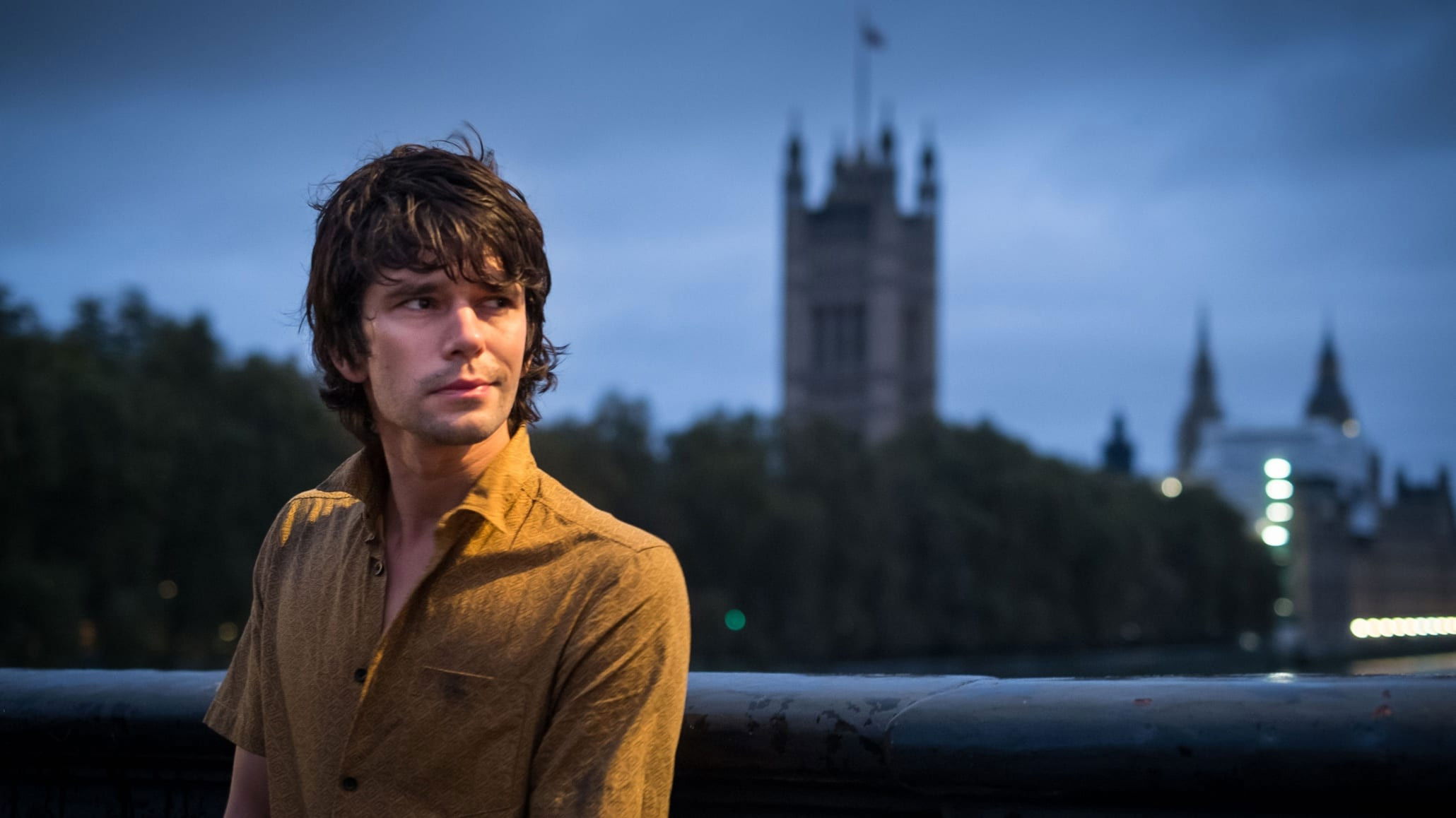
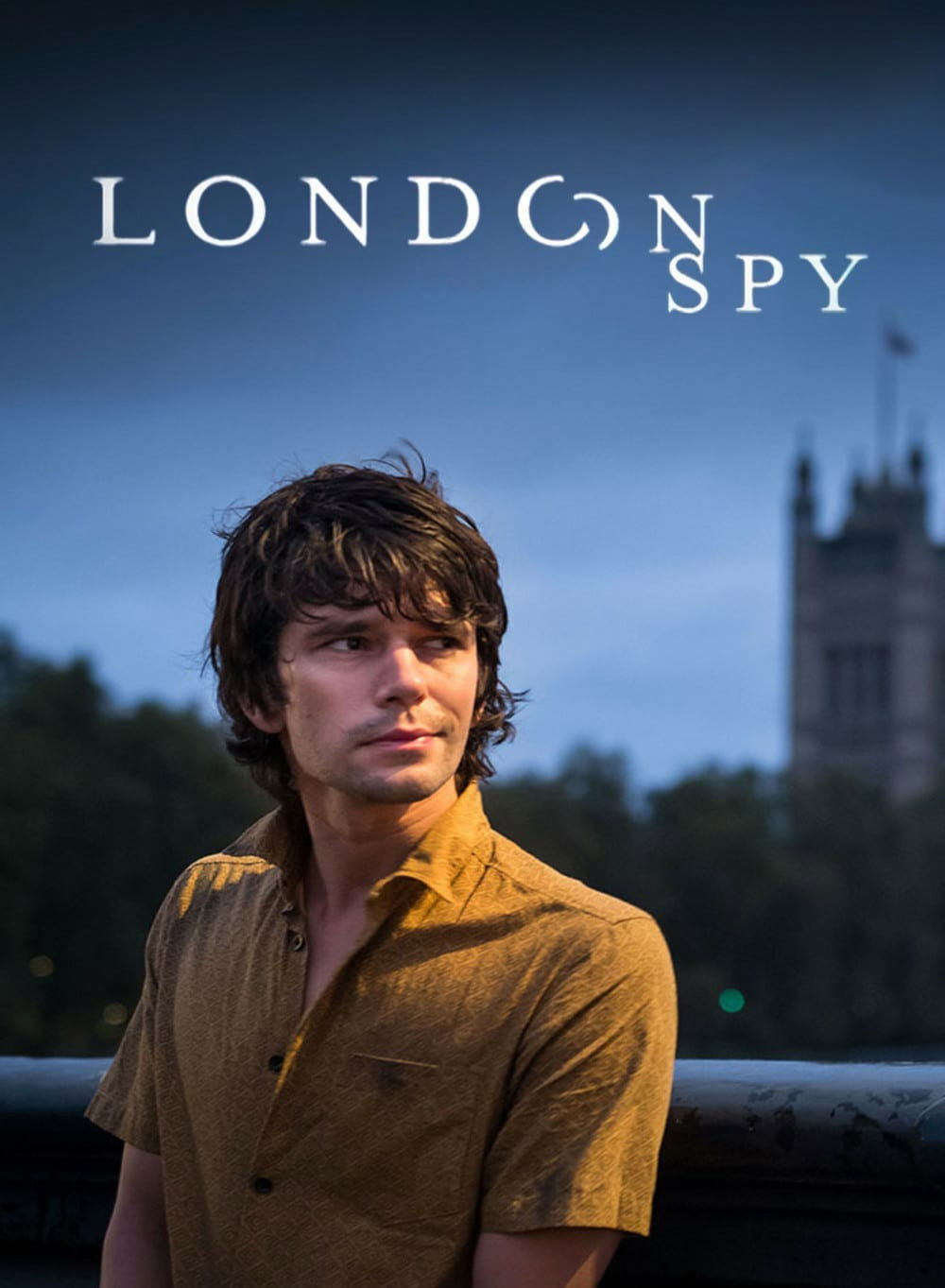
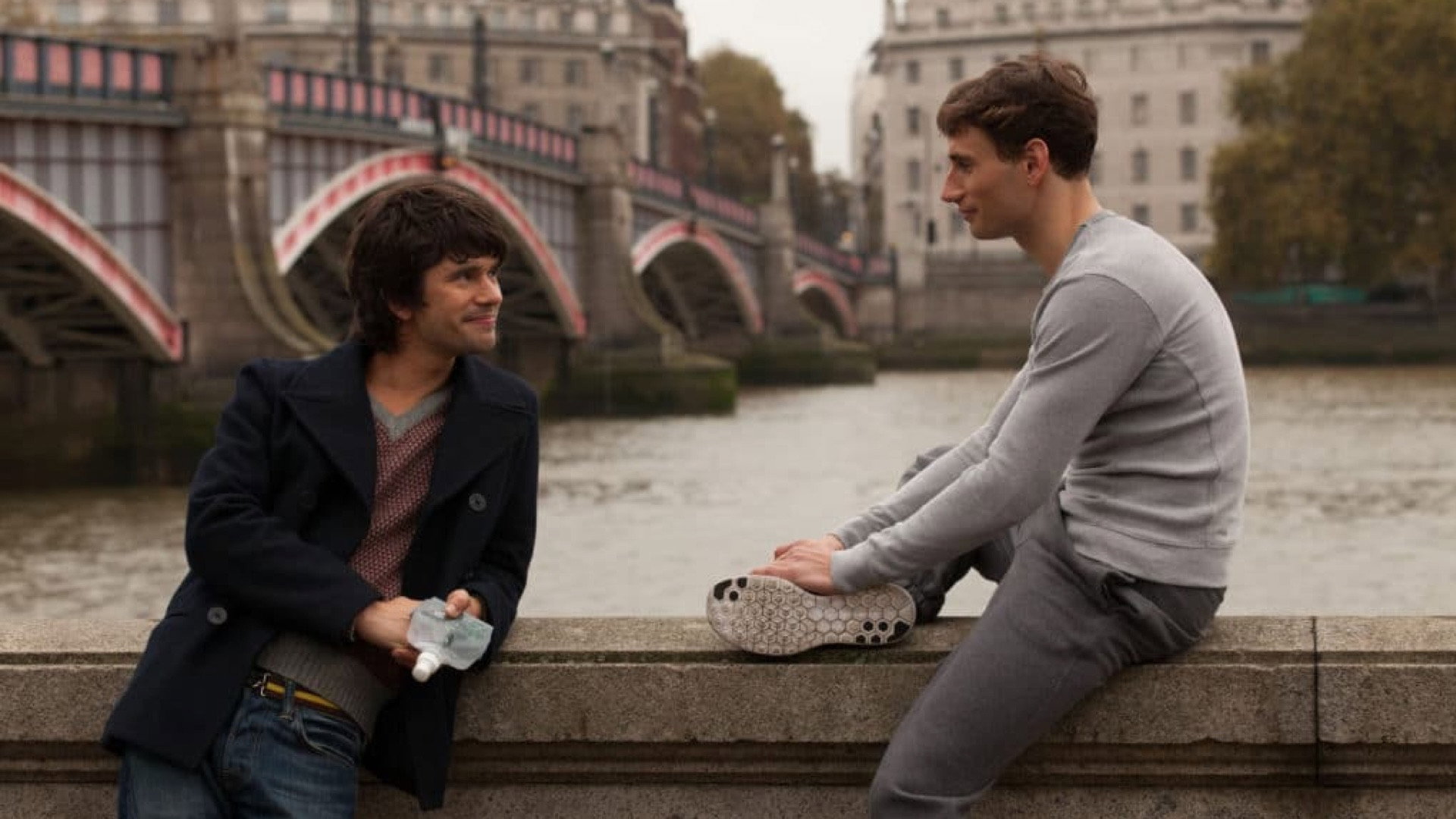
Danny (Ben Whishaw) has spent the night in a London club and, at dawn, walks down to the Thames, where a runner stops beside him. He is Alex (Edward Holcroft): precise, shy, and by his own account without any experience of the kind of life Danny has led. Over the following months the two men become a couple, watched with quiet unease by Danny’s older friend Scottie (Jim Broadbent). Then Alex stops answering his phone, and Danny goes to his flat to find out why. What he learns there sends him to a journalist (Michaela Coel) and into a world of secrets he does not understand.

Plays from YouTube when you press play; nothing loads from them until then.

Fi1m review

Tom Rob Smith’s five-part drama begins as a careful, tender love story between two mismatched men and ends as a conspiracy thriller that does not survive being explained. Ben Whishaw is the reason to watch.

Tom Rob Smith’s London Spy is two programmes joined in the middle. The first is a love story, two hours long, about a young man who has had too many lovers and a young man who has had none. The second is a spy story that takes the remaining three hours and does not know what to do with them. Jakob Verbruggen directs all five episodes and the look never changes; the writing does. The first half is good enough to make the second worth sitting through, but only just.

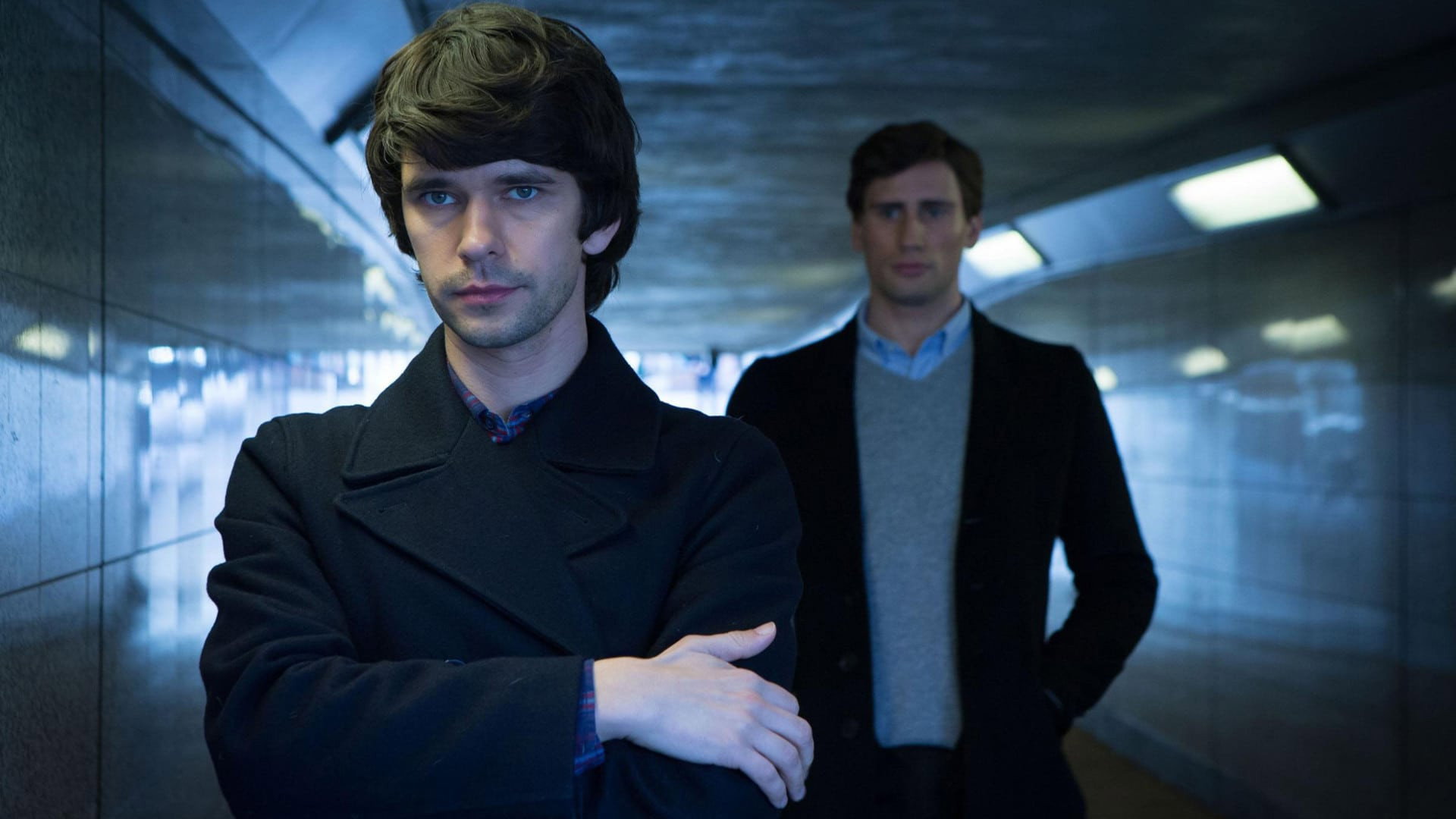
Danny (Ben Whishaw) comes out of a nightclub at dawn and walks to the river, where a runner stops to speak to him. The runner is Alex (Edward Holcroft), who behaves as if he has learned conversation from a manual. Danny has been every kind of careless; Alex has never been anything at all. Over months they become a couple, while Danny’s older friend Scottie (Jim Broadbent) watches with a worry he cannot say aloud. Then Alex stops answering his phone.

Whishaw is the reason to watch. He plays Danny as someone who has never known what to do with his hands and has stopped trying to hide it; he listens with his whole body and lies badly. Holcroft is given less, because Alex is absent for most of it, but in the hours he has he makes stillness look like fear. Their courtship is written in small permissions: Alex asks before he touches Danny’s hand, and asks again before anything more, and Danny, who has never been asked, does not know what to do with the question. What Danny finds when he goes looking for Alex we watched with a hand over our mouth, and not for what it was: Laurie Rose keeps the camera on Whishaw’s face long before he shows us anything, and it was the face that did it.

Rose shoots a London with nobody in it. Streets are empty at all hours, the river is the colour of slate and Danny stands small at the edge of wide frames. Lisa Marie Hall gives Alex a flat of white walls and bare shelves and Danny a room with clothes on the floor. Suzanne Cave dresses Danny in hooded tops, Alex in a coat buttoned to the neck and Scottie in tweed that has outlasted several governments. Keefus Ciancia and David Holmes score it with a low electronic hum and strings that arrive only when someone is alone. Victoria Boydell lets silences run to their full length, and in the first two episodes that patience is exactly right.

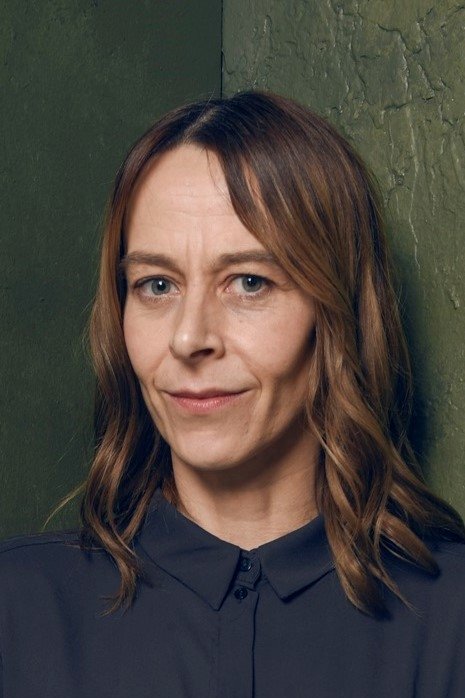
Then the plot arrives. From the third hour, men in good suits wait in cars, a man known only as the American (Clarke Peters) says quiet things, and a journalist (Michaela Coel) and her editor (Kate Dickie) are handed Danny’s story. The conspiracy we will not describe, except to say it only works if every person in it does one thing and never a second. Smith cares more about what the plot does to Danny than whether it holds together, which is defensible until the fourth and fifth hours have to explain it, and the explanations are silly. Somewhere in the fourth hour a man told Danny how the world worked, and we felt the series slip away from us.

Broadbent holds the second half together. Scottie is a man who has been kind for so long that kindness has become his way of hiding, and Broadbent lets us see the cost in how carefully he pours a drink. He has one long speech about his own past that is the best-acted scene in the programme and has almost nothing to do with the mystery.

The spy dramas this wants to sit beside show us how the machine works; Smith shows us men in coats and asks us to take it on trust, and Boydell’s patience leaves the thriller becalmed. Each episode runs an hour and carries an 18. If you stop after the second you will have seen the best of it. If you go on, go on for Whishaw, who never behaves as if he is in a lesser programme than the one he started.

Critical consensus AI synthesised

72
Positive
4
Mixed
2
Negative
0

Most critics like London Spy, and most of the warmth goes the same way: towards Ben Whishaw. The reviews describe a slow, handsome drama that puts a love story between two mismatched men at the centre of what only gradually becomes a thriller, and they credit Tom Rob Smith’s elliptical script and Jakob Verbruggen’s meditative direction for keeping the tone steady as it shifts. Jim Broadbent and Charlotte Rampling are named more than once, and the cinematography draws praise.

The reservations cluster around pace and plot. Several critics call the series languid, and not always as a compliment; Vulture finds it a slog in places and says Whishaw is the main reason to keep watching. The spread is wide for six reviews. The AV Club dissents furthest, finding the series mechanical, a puzzle in which the people are reduced to fixed positions, though even there the cast, Broadbent especially, is credited with bringing it some life.

The Guardian
10 November 2015
85*

The series is a compelling new thriller whose core is a tender, slow-burn love story between two mismatched men. The critic singles out the handsome, elliptical script and Ben Whishaw’s tender, compelling performance for particular praise.

Read the full review →
Variety
18 January 2016 · Maureen Ryan
85*

The critic praises the series as a terrific, haunting drama with singular intensity, focusing on emotional truth and identity, strengthened by strong performances especially from Ben Whishaw, Jim Broadbent, and Charlotte Rampling. It singles out the exploration of personal truths amid espionage and prejudice for praise.

Read the full review →
The Hollywood Reporter
20 January 2016 · Tim Goodman
80*

The critic highlights excellent performances and wonderful cinematography in this languid miniseries that centers a love story within a spy narrative, praising the meditative style, direction by Jakob Verbruggen, and focus on unspoken emotions and relationships. It notes some strains in belief but overall effectiveness.

Read the full review →
The Times
17 November 2015 · ★★★☆☆ · Alex Hardy
70*

Tom Rob Smith’s drama retains a languorous, handsome tone as it moves from love story to thriller. The critic praises its originality in excavating emotional backstories rather than delivering adrenalin-soaked espionage.

Read the full review →
Vulture
20 January 2016
60*

The critic views the series as good in the contemporary TV sense—smart, opaque, and atmospheric—but notes it struggles with plotting and can feel like a slog at times. They single out Ben Whishaw’s performance as the main reason to watch, calling it gripping and unique.

Read the full review →
The AV Club
21 January 2016 · C- · Brandon Nowalk
50

The critic finds the series mechanical and plot-driven at the expense of character and human behavior, calling it a puzzle where people are reduced to fixed positions. They praise the talented cast, especially Jim Broadbent as Scottie, for bringing some life to the material despite the flaws.

Read the full review →

Cast

Awards

BAFTA Television Awards, 2016

Nominated
British Academy Television Awards

If you liked this, try…