Series review

The Honourable Woman

2014 · Created by Hugo Blick · Series · MPA TV-MA

In a sentenceEight hours of beautifully dressed people lying to each other in low voices, and the heroine sleeps in a panic room

DramaWar & PoliticsCrime

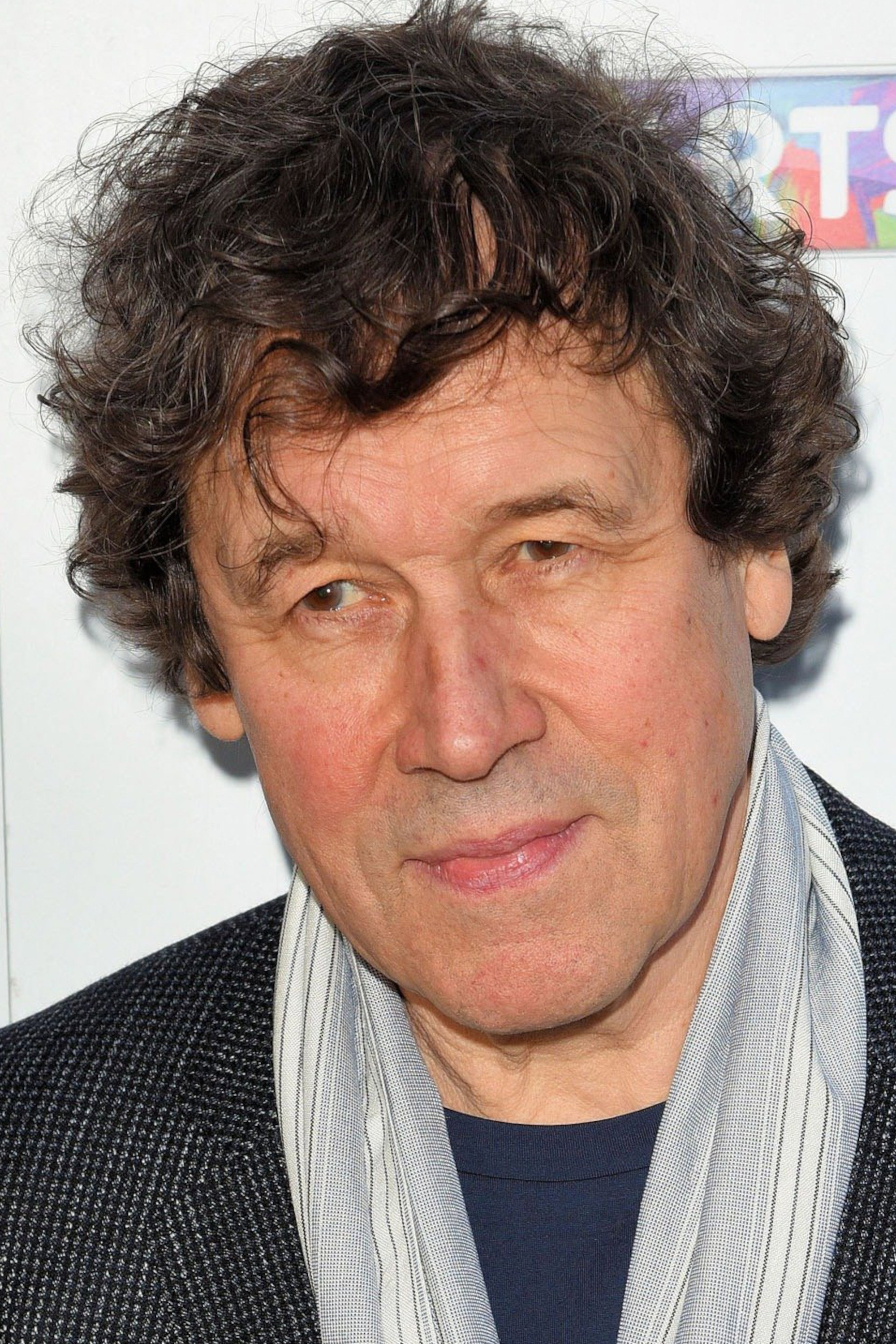
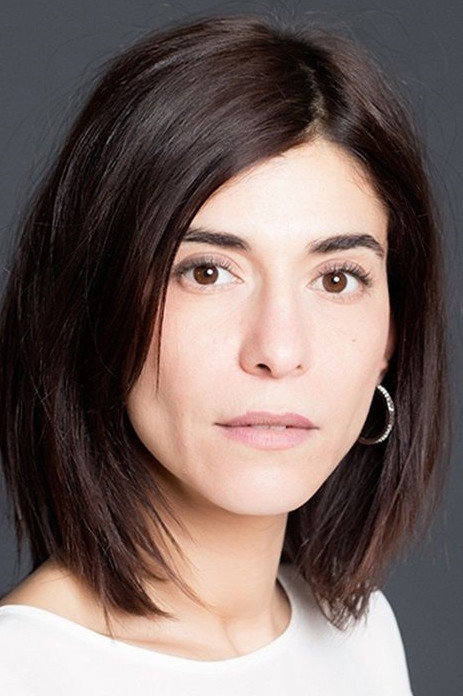
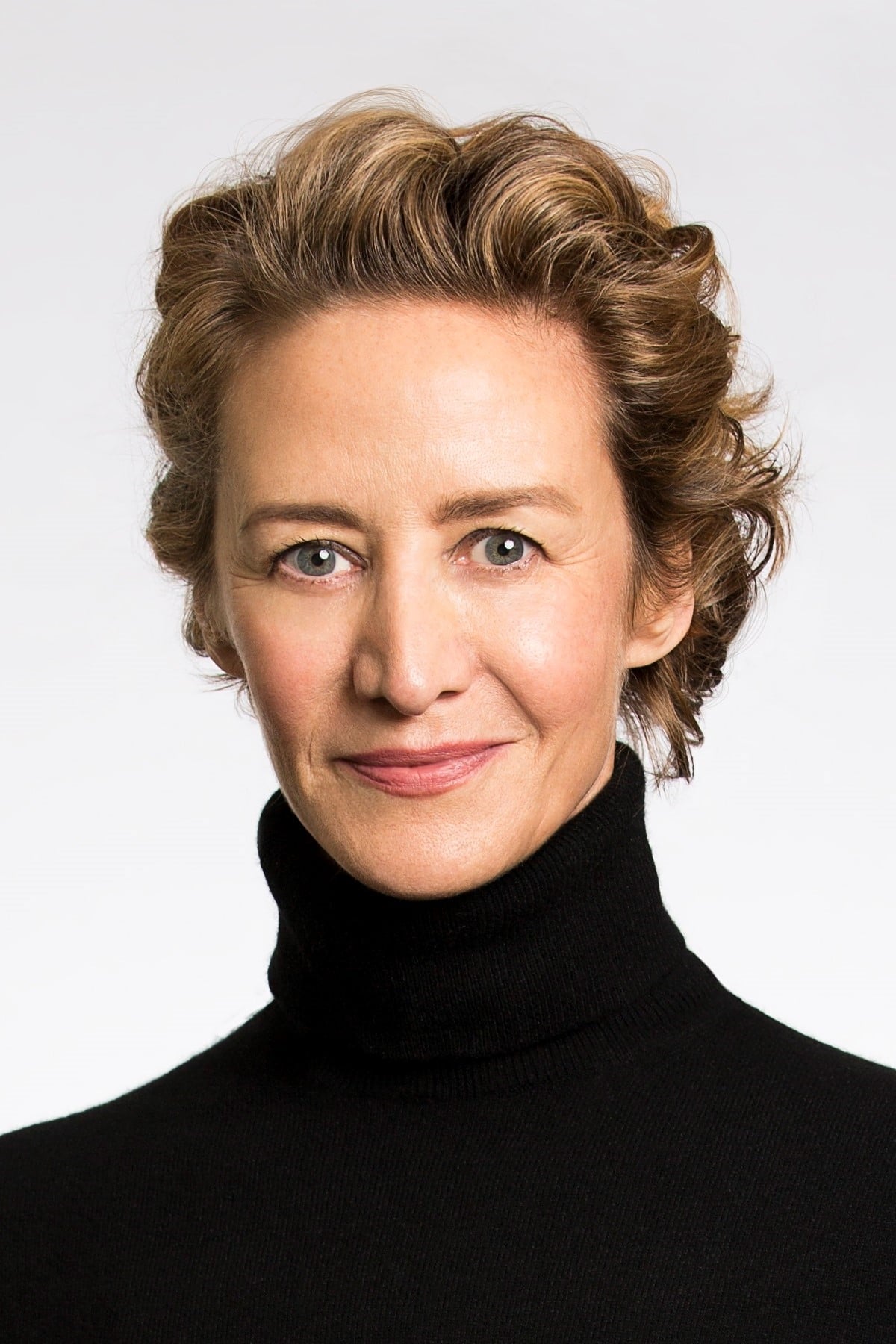
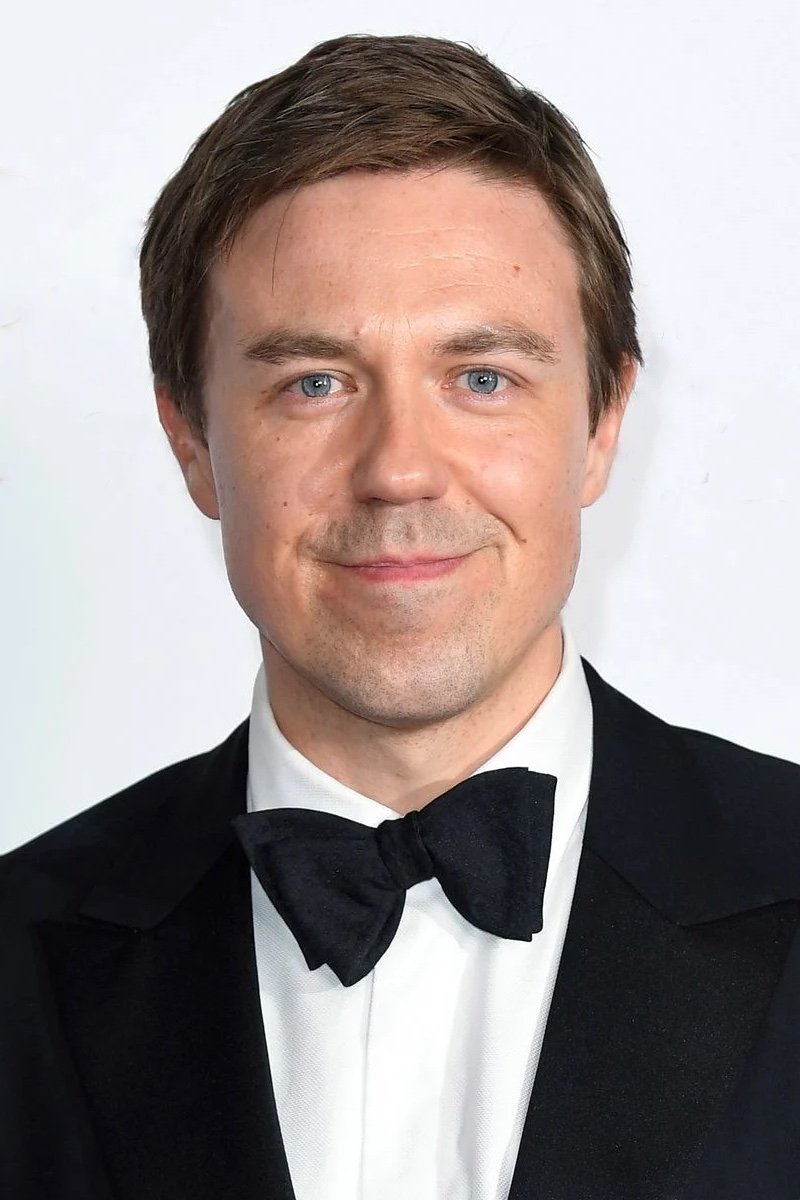
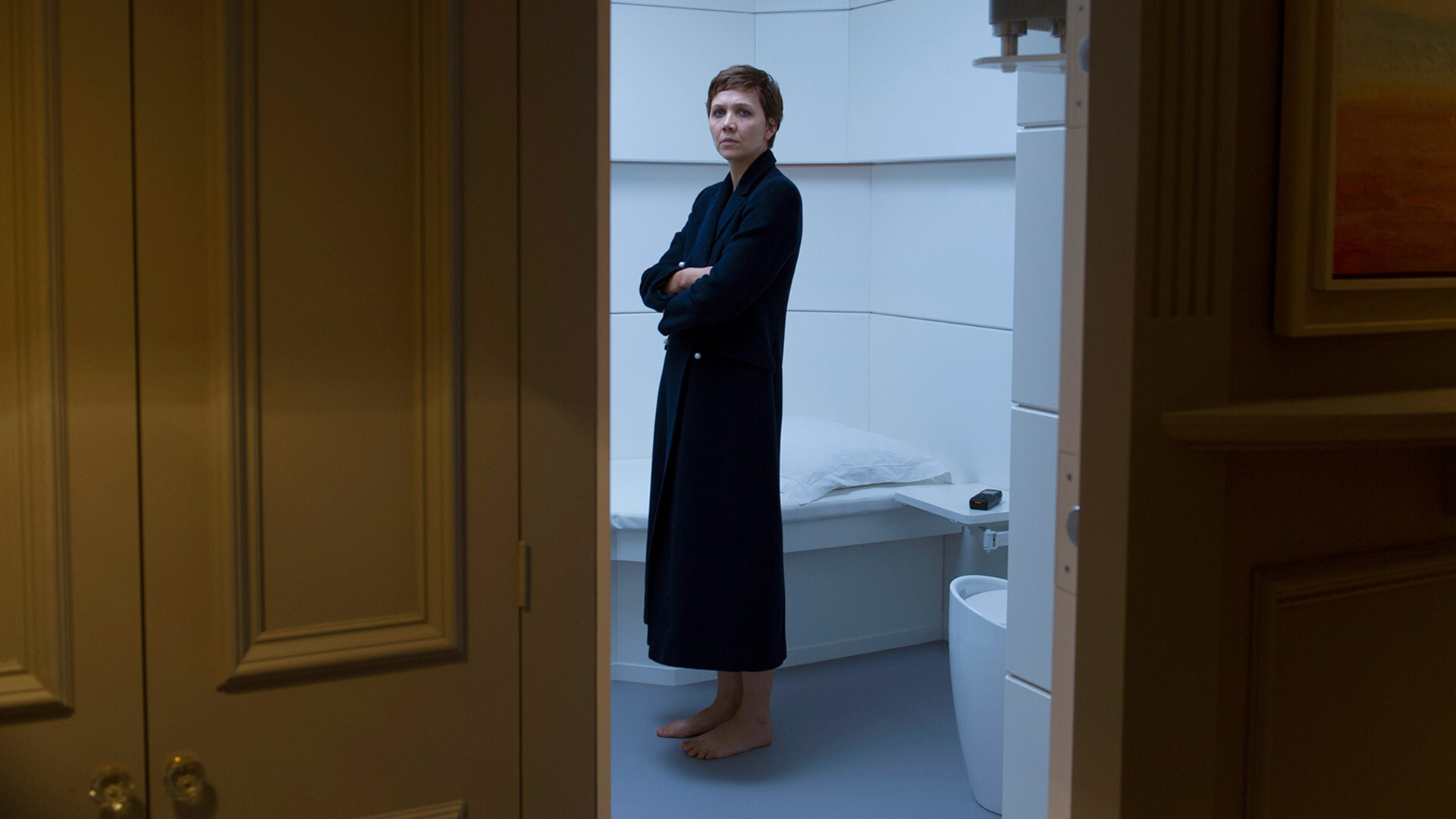
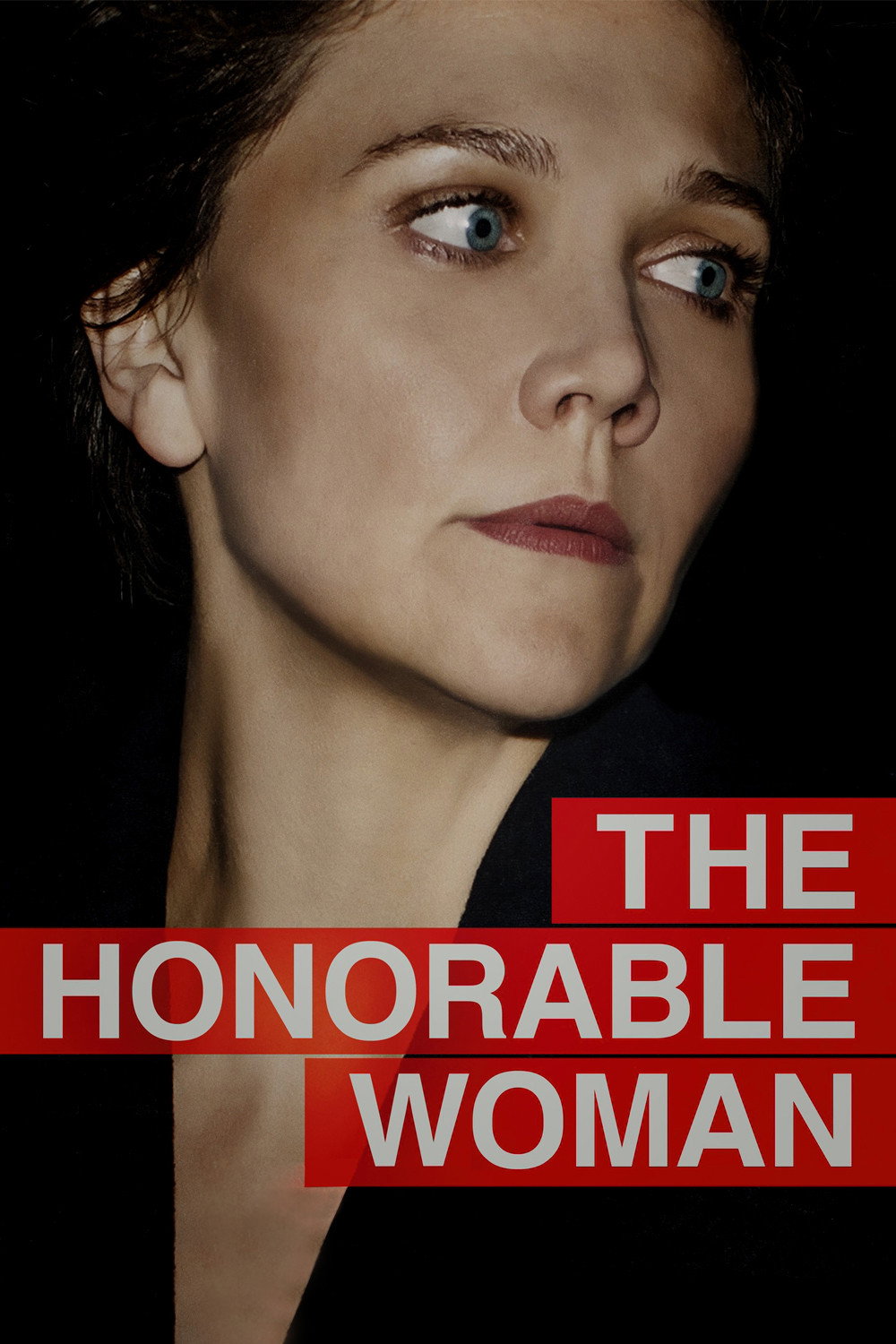
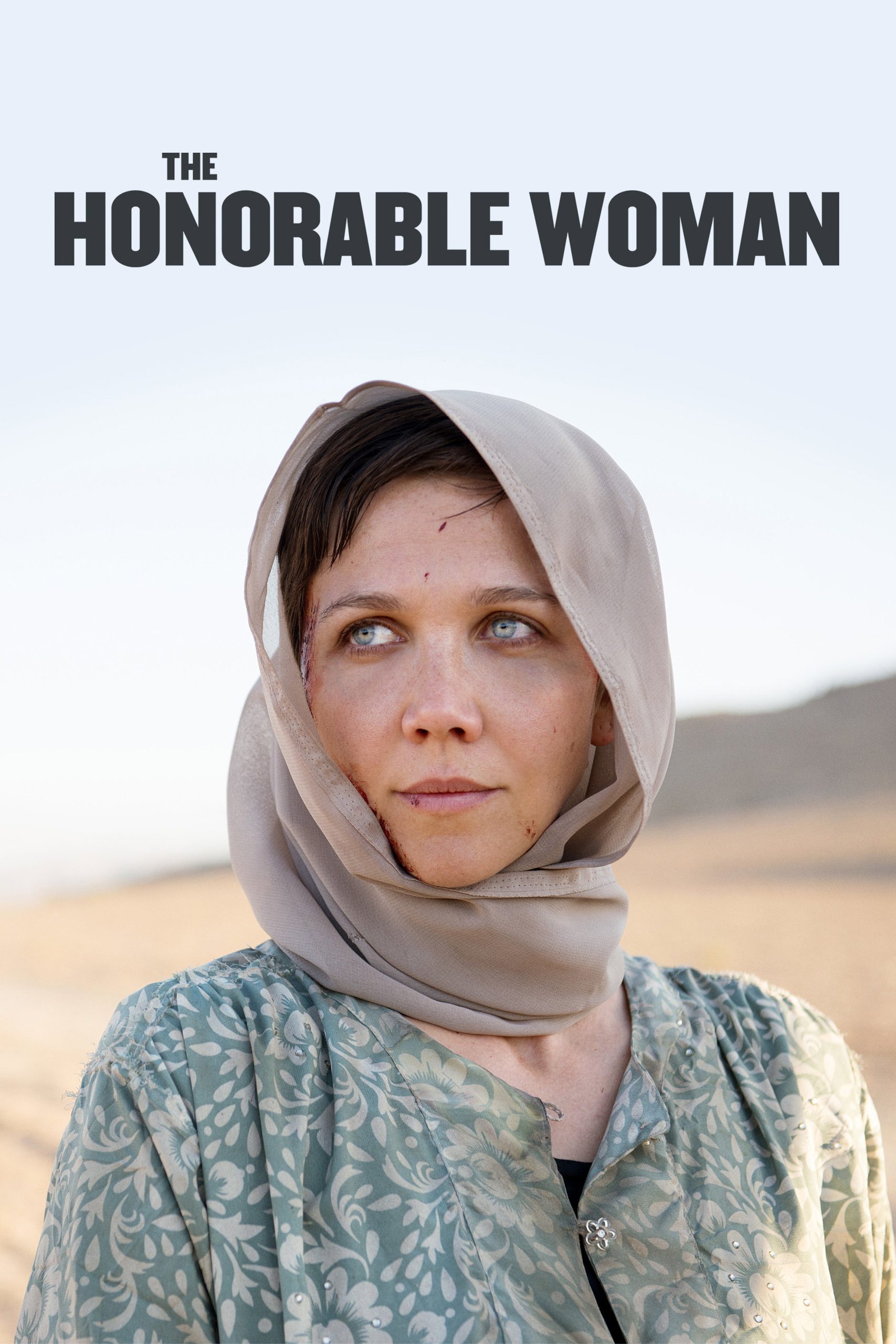
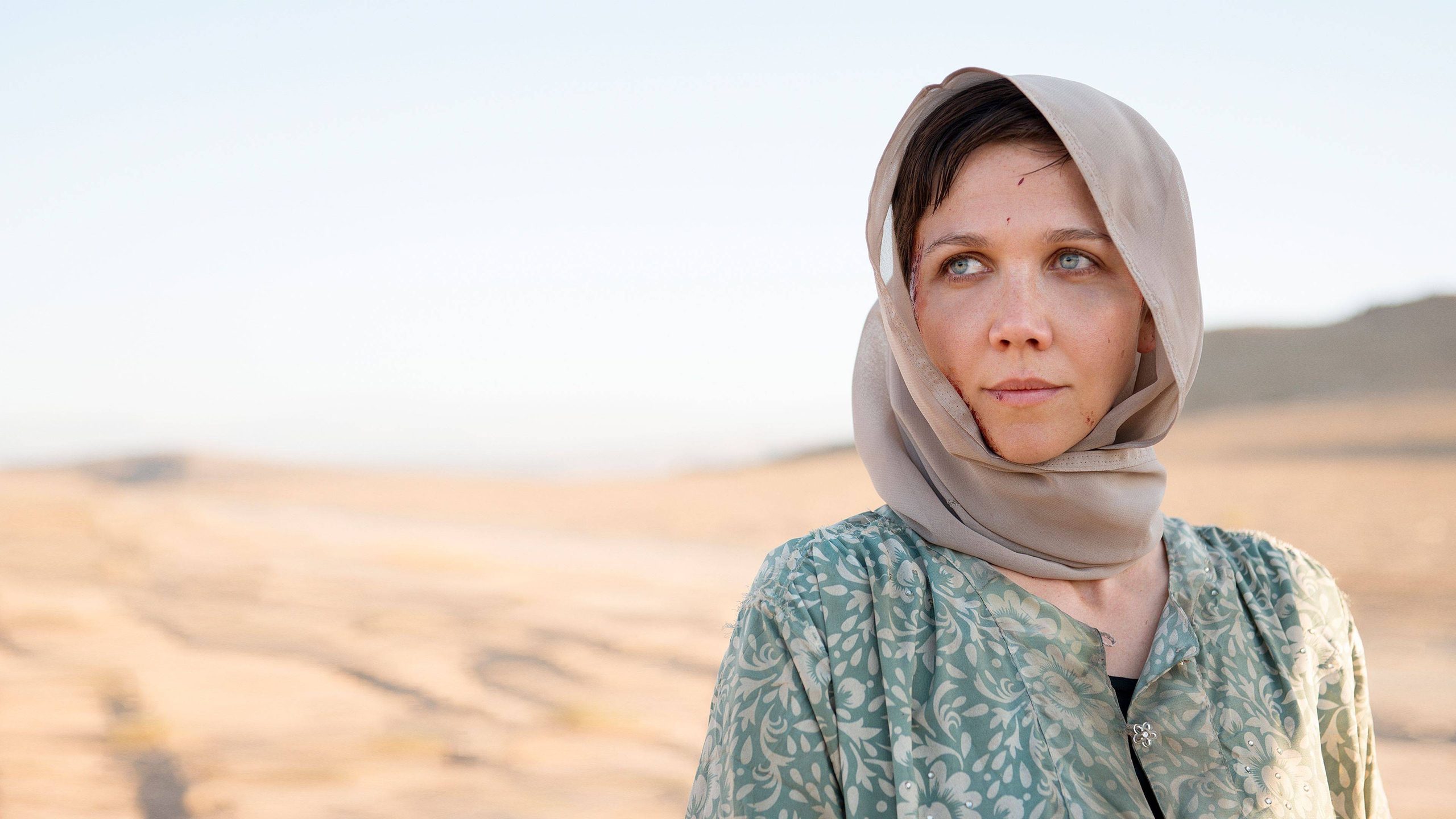
As a child, Nessa Stein (Maggie Gyllenhaal) saw her father, an Israeli arms dealer, murdered at a restaurant table. Now she runs the Stein Group with her brother Ephra (Andrew Buchan), has turned it from weapons to laying fibre-optic cable across the West Bank, and has just been made a life peer. She is about to award the contract’s next stage to a Palestinian businessman when he is found hanged in a hotel room. At MI6, Hugh Hayden-Hoyle (Stephen Rea), head of the Middle East desk, is asked by Julia Walsh (Janet McTeer) to look into it. In Ephra’s house are his pregnant wife Rachel (Katherine Parkinson) and the Palestinian housekeeper Atika Halibi (Lubna Azabal). Nessa sleeps behind a steel door.

Plays from YouTube when you press play; nothing loads from them until then.

Fi1m review

Hugo Blick’s eight-part thriller about an Anglo-Israeli businesswoman, a West Bank contract and a death in a hotel room is slow, handsome and full of people speaking in riddles. Maggie Gyllenhaal and Stephen Rea make the patience worth it, mostly.

Each episode opens the same way: Maggie Gyllenhaal’s voice, before anything else, asking who we trust and how we know. It is the question the whole series rests on, and Hugo Blick, who created, wrote and directed all eight episodes, wants it to carry a great deal: a family arms business, a peerage, a murder thirty years old, a kidnapping in Gaza and the Israeli-Palestinian conflict itself. It is a spy story that also wants to be about the Middle East, and it does not always manage both at once. It is good, and it makes you wait.

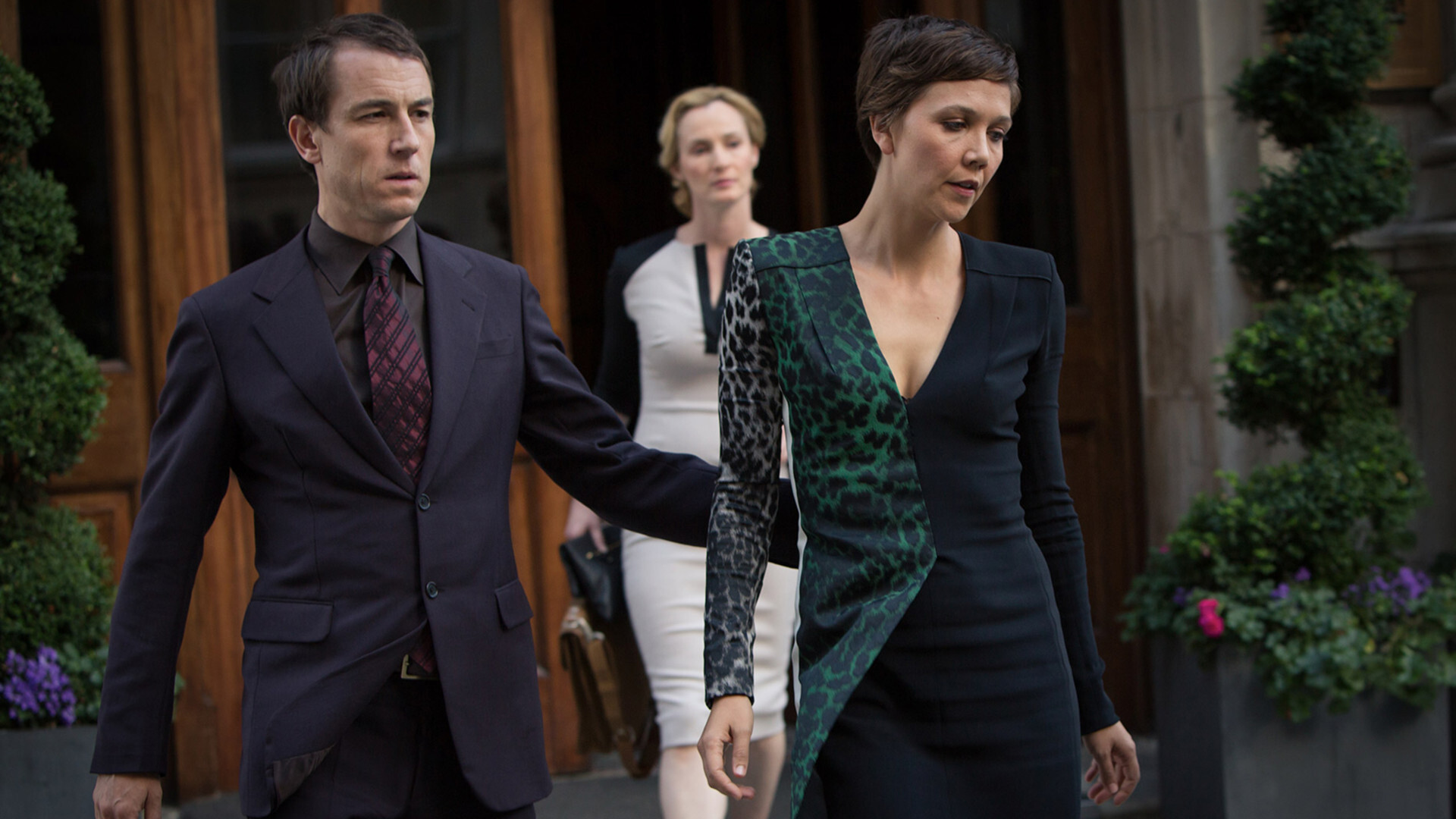
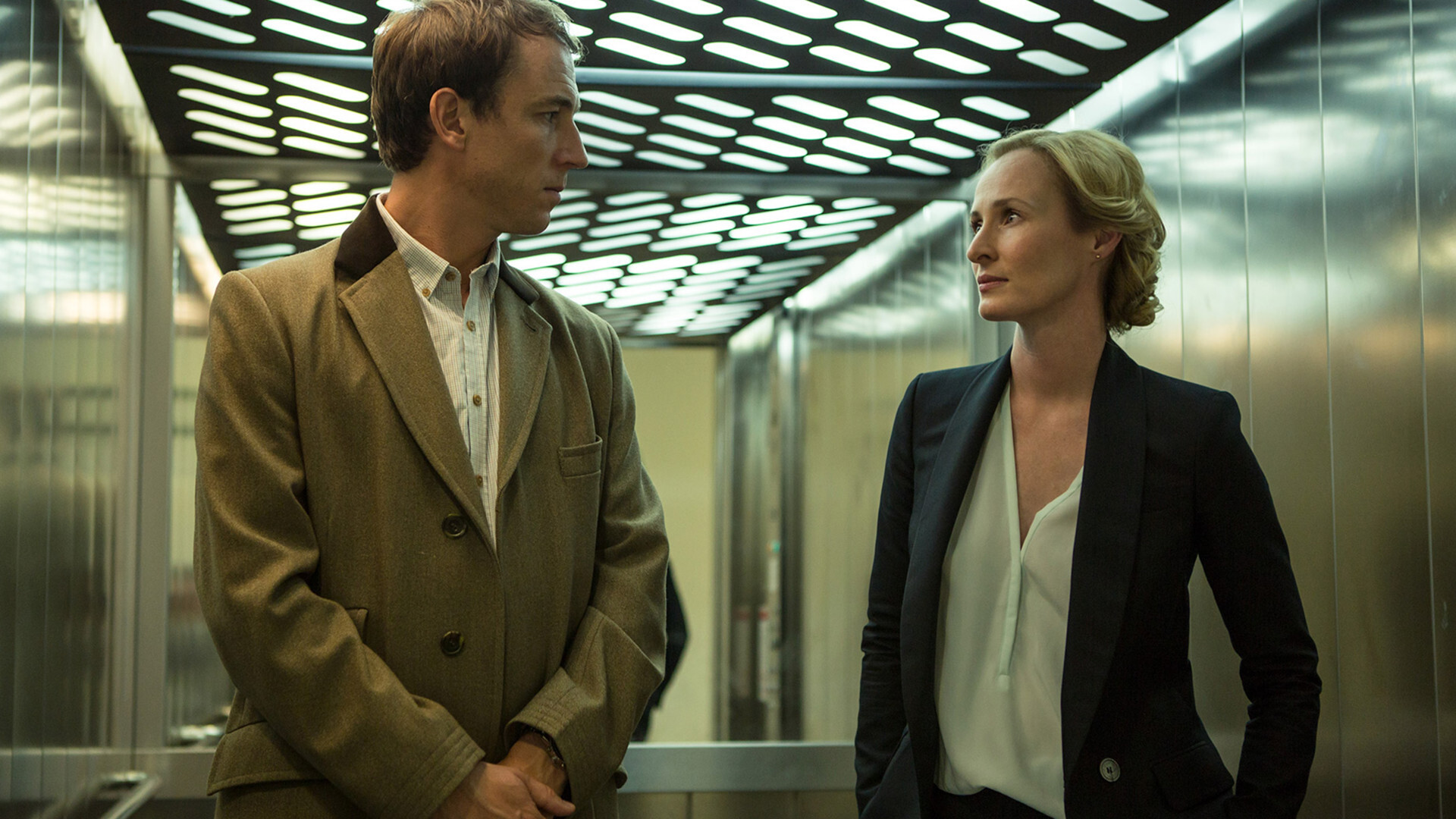
The waiting is the style. Zac Nicholson and George Steel shoot long, level frames with people placed dead centre in doorways and at the far ends of corridors, and Blick holds them well past the point most television would cut. Jason Krasucki’s editing lets a scene finish before the next one starts. Chris Roope’s design gives Nessa a house of pale wood and glass and, in the middle of it, a windowless room with a steel door in which she sleeps every night. Edward K. Gibbon dresses her almost entirely in cream and white, so that in any room she is the brightest thing on screen. Martin Phipps and Natalie Holt supply sombre strings, and they are used more often than they need to be.

We were horrified by the first five minutes, and we had known for years roughly what was in them. A man is murdered at a restaurant table in front of his two small children, and Blick does not cut away from the children. It is the one truly violent scene in the opening episode and it pays for everything after it, because from then on we understand why a woman who has done nothing wrong goes to bed in a vault.

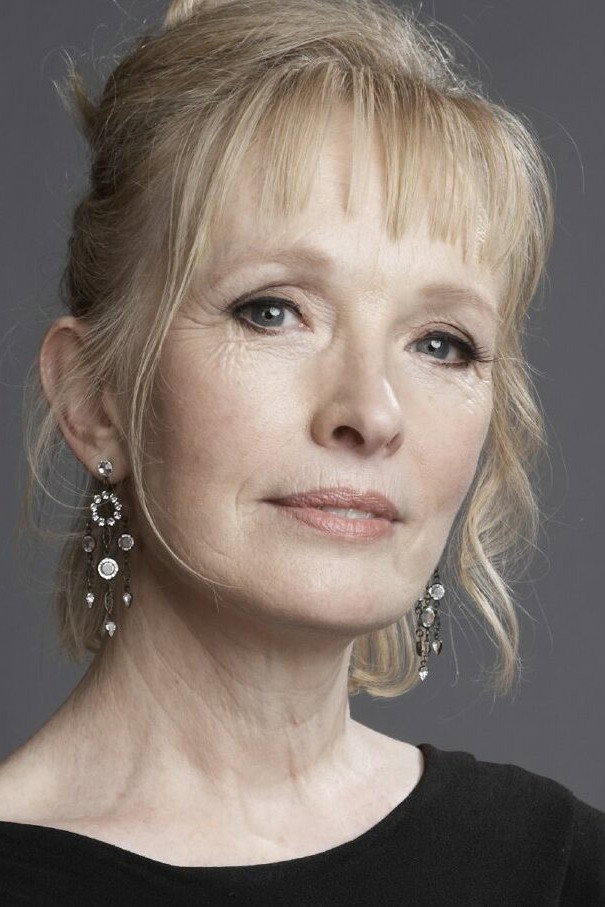
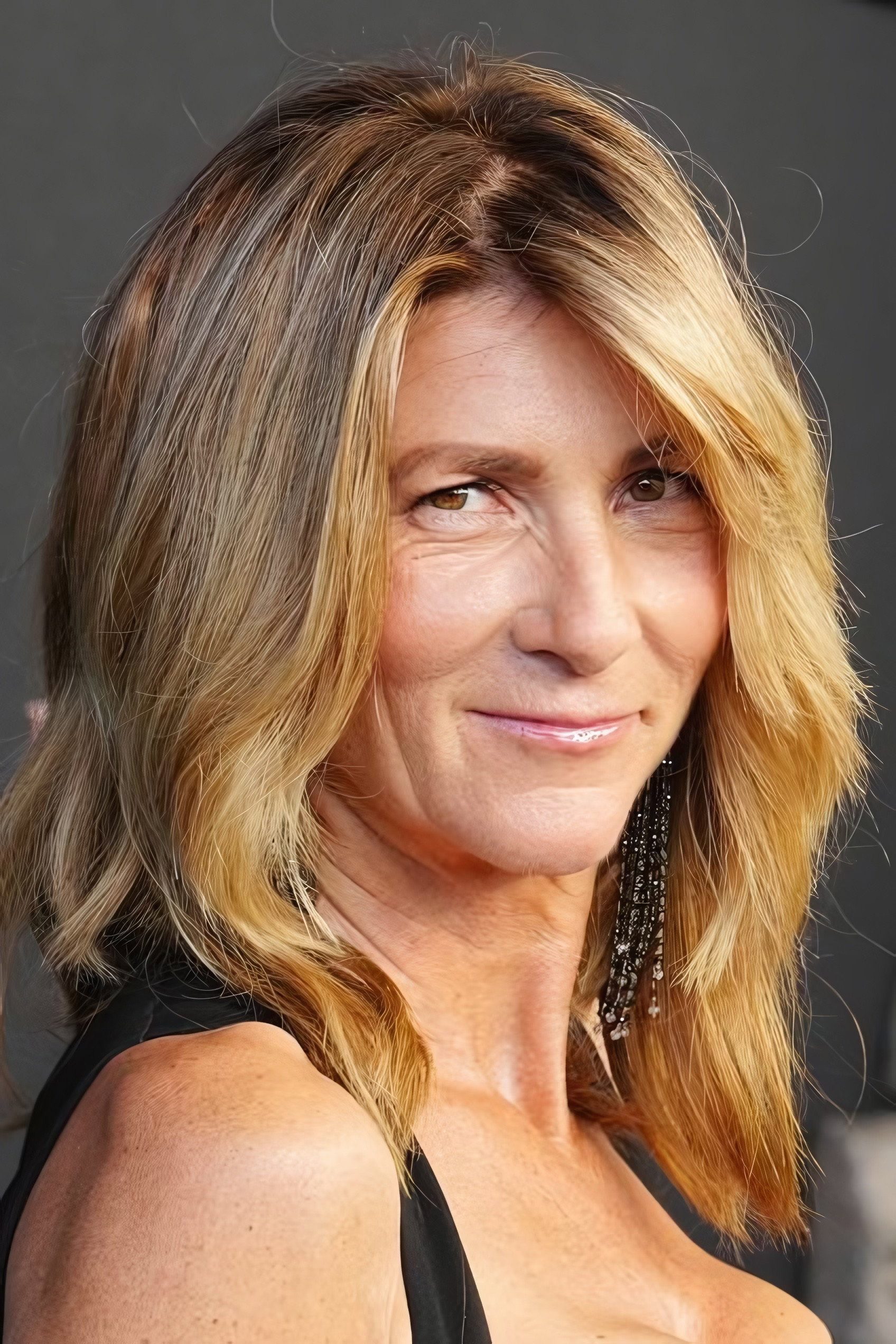
Gyllenhaal is the reason to watch. Her Nessa is poised, quick, dry at a lectern, and underneath it frightened all the time. She does the English accent well and, more important, she does the class: the way a woman raised rich in London holds a glass and takes an insult. In the flashbacks to Gaza, eight years earlier, she is someone else entirely, and the gap between the two women is where the series keeps its secrets. Opposite her, Stephen Rea plays Hugh Hayden-Hoyle, head of MI6’s Middle East desk, as a man who has been tired for so long he has made a craft of it: cardigan, slow walk, every question asked as if he already regrets the answer. His scenes with Janet McTeer’s Julia Walsh, his superior, have the rhythm of a long marriage, and Lindsay Duncan as his estranged wife Anjelica gets a scene or so an episode and wins every one of them.

Lubna Azabal, as Atika, the Palestinian woman who runs Ephra Stein’s household, has the hardest job, because for most of the run we are meant not to be sure what she is, and she plays that with a stillness that never turns into a mask. Andrew Buchan’s Ephra is a weaker man than his sister and knows it. Katherine Parkinson, as his pregnant wife Rachel, is a comic actor asked to be miserable and is good at it. Eve Best’s Monica Chatwin, the MI6 officer in Washington, has the best posture in the series and smiles a great deal.

Then there is the talking. Blick’s people do not converse so much as issue statements, and a good deal of the dialogue sounds as if it was written to be quoted afterwards. Some of it is good. Some of it made us wish somebody would simply say what they knew. As the plot widens to take in Israeli intelligence, in the shape of Yigal Naor’s Shlomo Zahary, the Americans and a conspiracy around the cabling contract, it becomes harder to hold in the head, and the later episodes ask us to accept that a great many powerful people have spent years arranging events around one woman’s private life. We accepted it, mostly. There is a turn in the middle we will not describe, and it is the moment the series stops being a puzzle and becomes about a person. It moved us more than the puzzle ever did.

Set against the British spy serials it descends from, it is more patient than most and more solemn than any. Watch two episodes at a sitting and no more; the style needs air. And sit through the opening monologue every time. By the sixth or seventh, the question means something different.
Critical consensus AI synthesised

78
Positive
7
Mixed
1
Negative
0

Most critics like this a great deal, and the praise gathers in the same places. Maggie Gyllenhaal’s Nessa Stein is the near-universal draw; The Times pairs her with Stephen Rea as the cast that warms an otherwise cerebral series. Hugo Blick’s intricate plotting and deliberate, old-fashioned pacing are admired, with Vulture in particular valuing its patience and its Hitchcockian touches. Several reviews credit it for taking the Israel-Palestine conflict seriously, approaching it through lies and betrayals rather than headlines.

The reservations are about manner and speed. Even admirers mention vagueness, arty indulgence and a coldness the cast has to work against, and The Independent warns that the portentous dialogue and slow pace will irritate some viewers. Variety is the only mixed verdict, finding the series ambitious and well cast but plodding and short on urgency. The spread is otherwise narrow: nobody dismisses it, and the argument is over whether its stateliness is a virtue.

The AV Club
31 July 2014 · A- · Sonia Saraiya
90

The series is ambitious and riveting despite some vagueness in its storytelling. It singles out the beautiful, dark portrait of the central woman and strong direction amid the Israel-Palestine backdrop.

Read the full review →
The Hollywood Reporter
28 July 2014 · Tim Goodman
90*

Praises it as a brilliantly acted political thriller with intricate storytelling, complex characters, and standout performances, especially Gyllenhaal, that grapples with current events.

Read the full review →
The Times
22 August 2014 · ***** · Andrew Billen
90*

The critic calls this an outstanding series that is cerebral and polished yet humanised by an extraordinary cast, particularly Maggie Gyllenhaal and Stephen Rea. It takes on big themes of the Middle East conflict through lies, betrayals and the struggle to connect, redeeming earlier doubts about its coldness.

Read the full review →
Vulture
31 July 2014 · Matt Zoller Seitz
80*

The miniseries stands out for its detail, atmosphere, and patience with viewers in its deliberate, 20th-century style. It praises the espionage yarn elements, paranoia, and fine Hitchcockian flourishes while noting some arty indulgence.

Read the full review →
IndieWire
31 July 2014
70*

The review positions the series as an egalitarian feminist spy thriller. It highlights its ambitious take on the genre.

Read the full review →
The Guardian
5 July 2014 · Lucy Mangan
70*

The critic finds the first episode of Hugo Blick's new thriller elegant, subtly imaginative and assured in its complicated unfoldings. It kicks off with a brutal assassination and introduces a strong cast including Maggie Gyllenhaal as the business leader Nessa Stein navigating Middle East politics and intrigue.

Read the full review →

Cast

If you liked this, try…

The Shadow Line poster

The Shadow Line

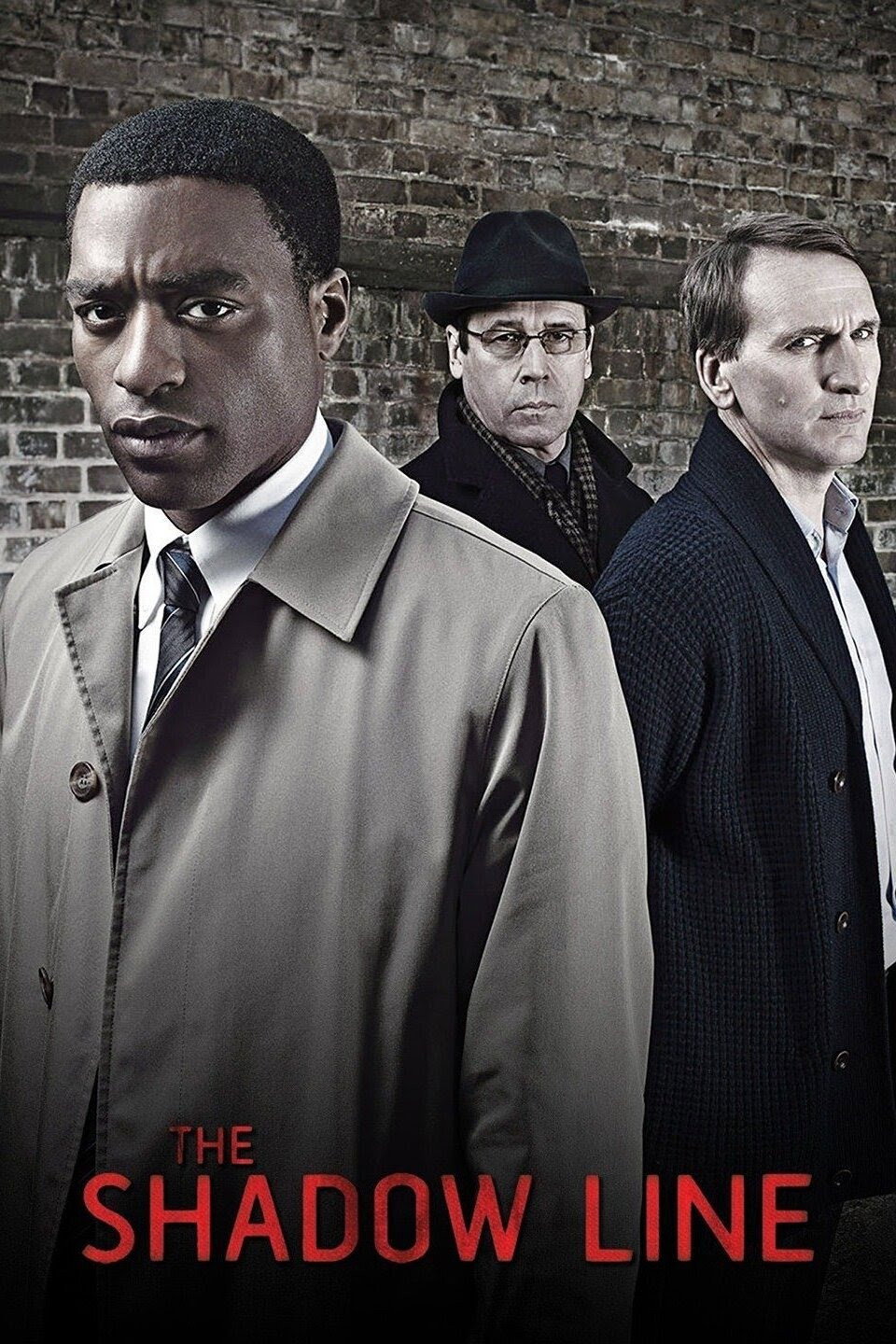
2011 · Blick’s earlier serial: same held frames, same riddling talk, a colder London.

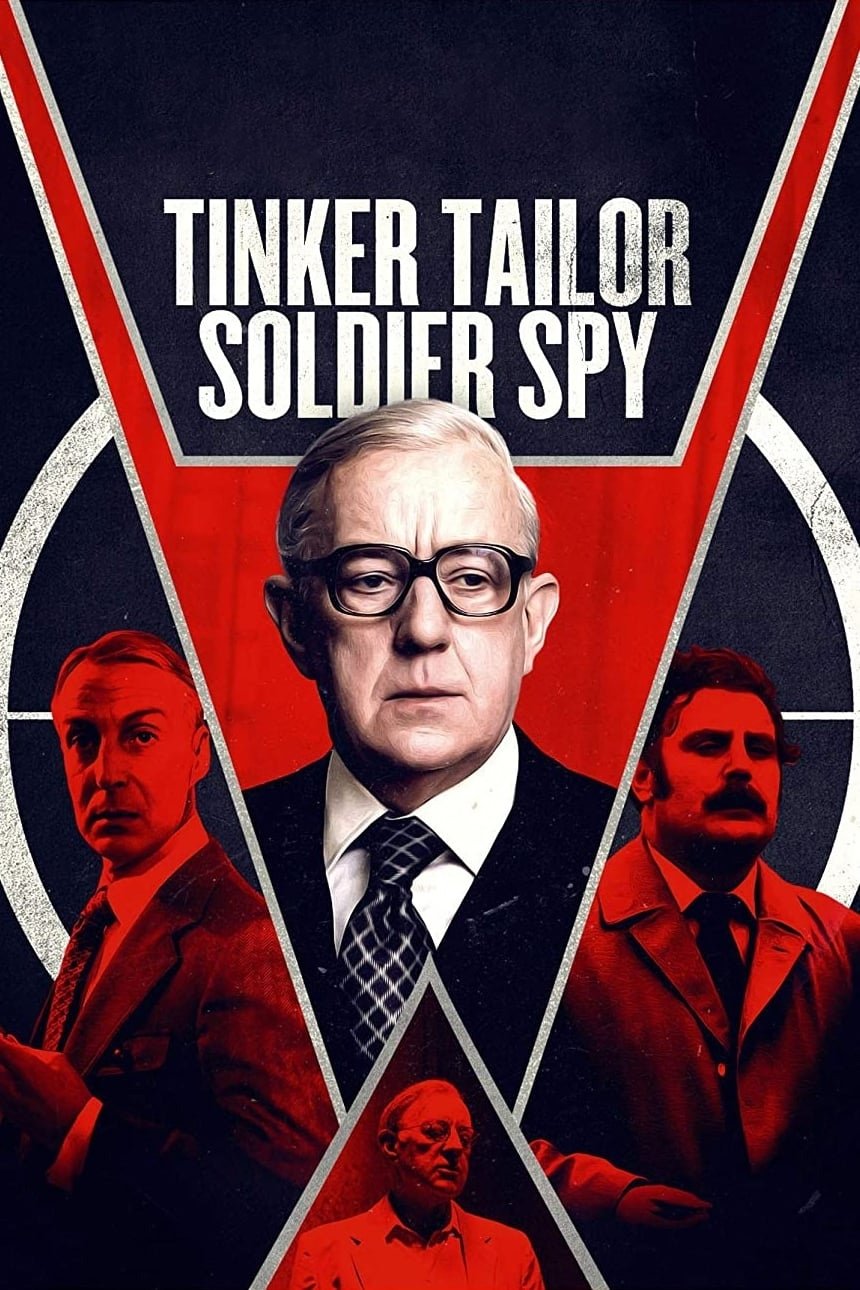
Tinker Tailor Soldier Spy poster

Tinker Tailor Soldier Spy

1979 · Alec Guinness proves a spy story can be slow and still tighten.

Omar poster

Omar

2013 · The West Bank from the other side of the wall, with informers and a wall to climb.

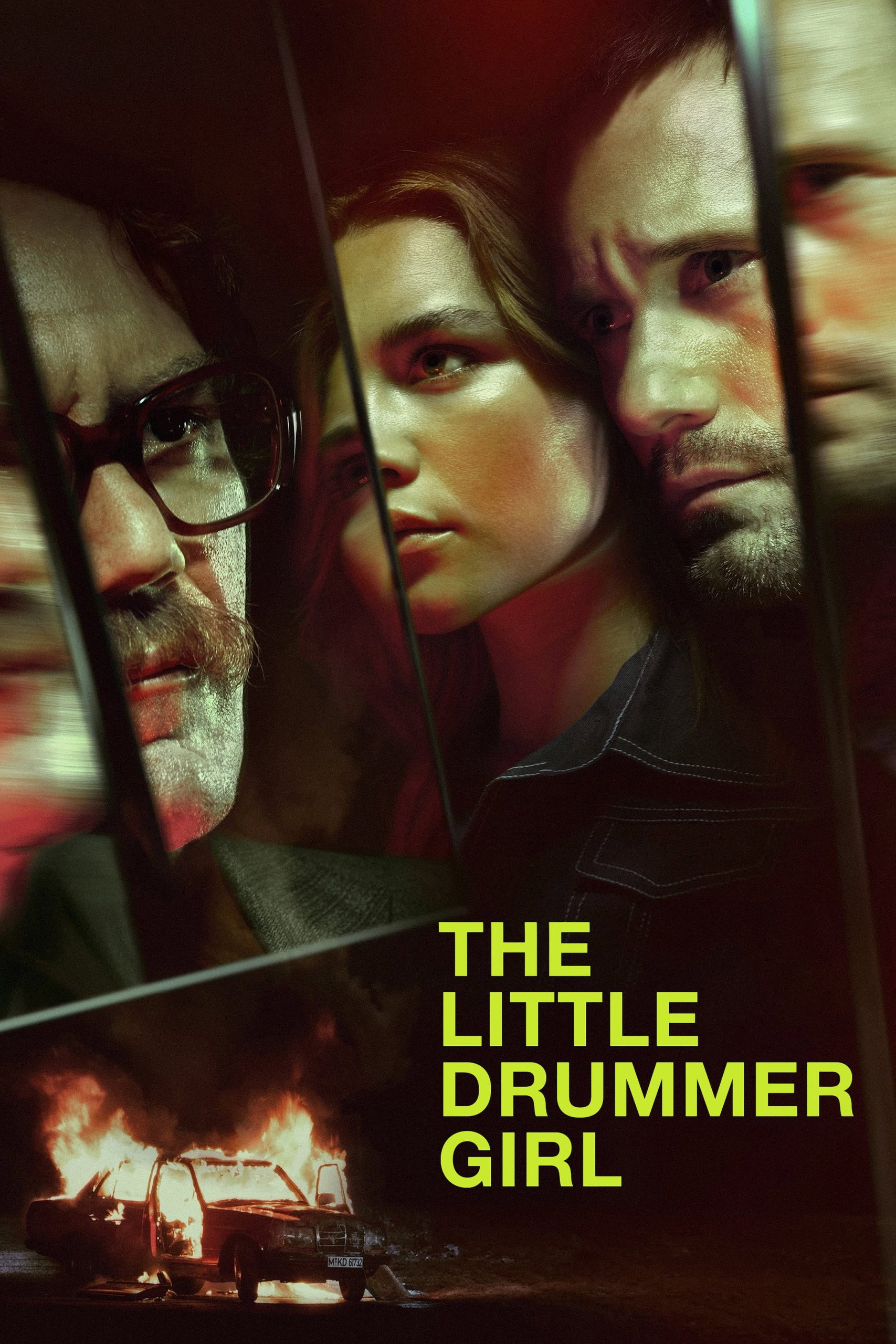
The Little Drummer Girl poster76

The Little Drummer Girl

2018 · Park Chan-wook’s le Carré: an actress recruited into the same conflict, more colour.

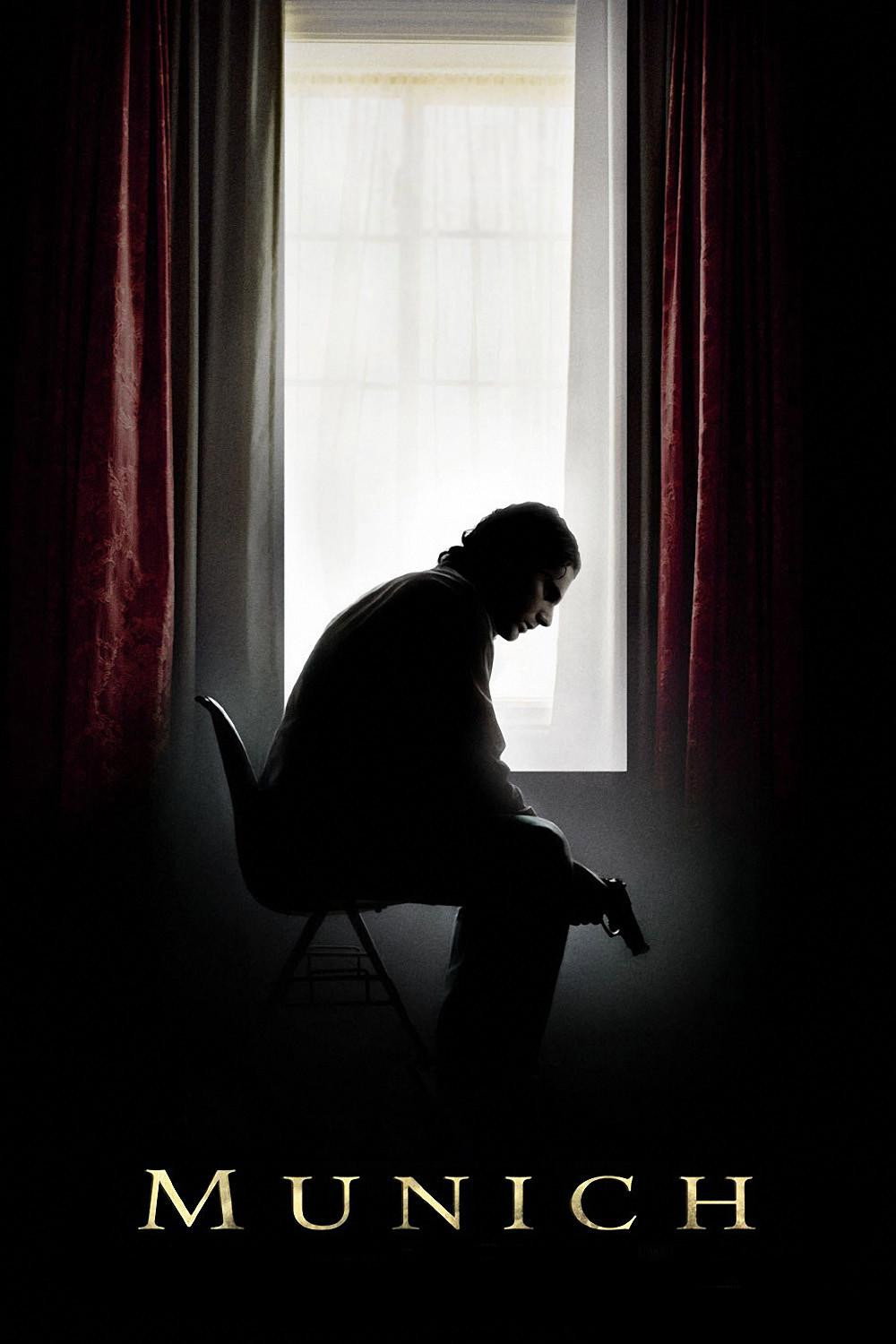
Munich poster80

Munich

2005 · Spielberg on revenge and its cost, for those who wanted more of the Gaza strand.