Ben Kingsley’s intimidation and Ray Winstone’s warmth make Jonathan Glazer’s gangster thriller worth the nerves. The heist is less persuasive than the confrontation, but the marriage gives the menace something worth caring about.
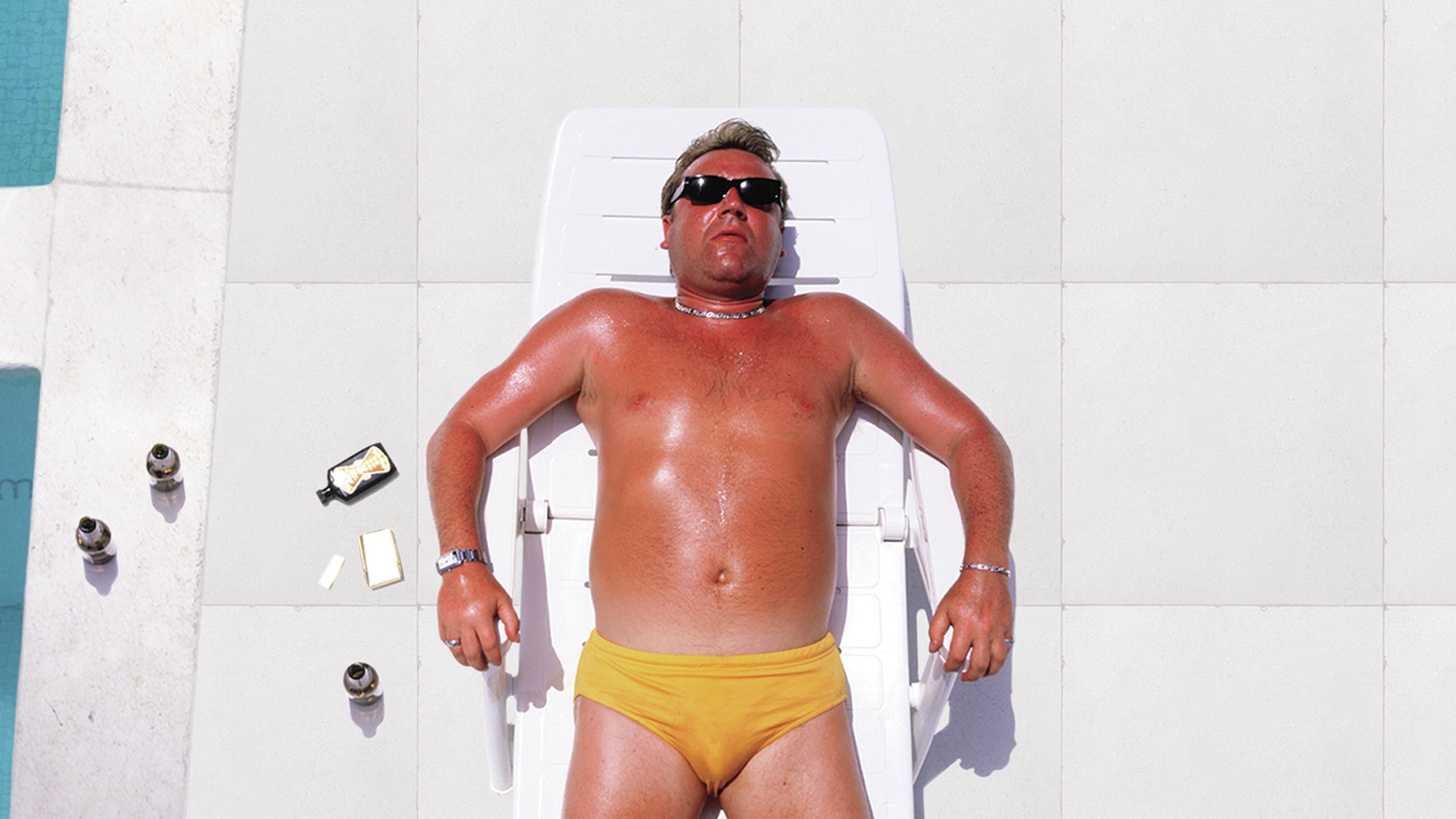
Jonathan Glazer’s Sexy Beast makes the familiar business of dragging a retired gangster back to work feel frightening again. We recommend it for the performances and the feeling behind them, with a reservation about the less compelling heist material. At 89 minutes, it gives the threat time to develop without making the criminal job seem more important than the people caught up in it. Gal has a life he wants to keep, and the film takes that wish seriously.
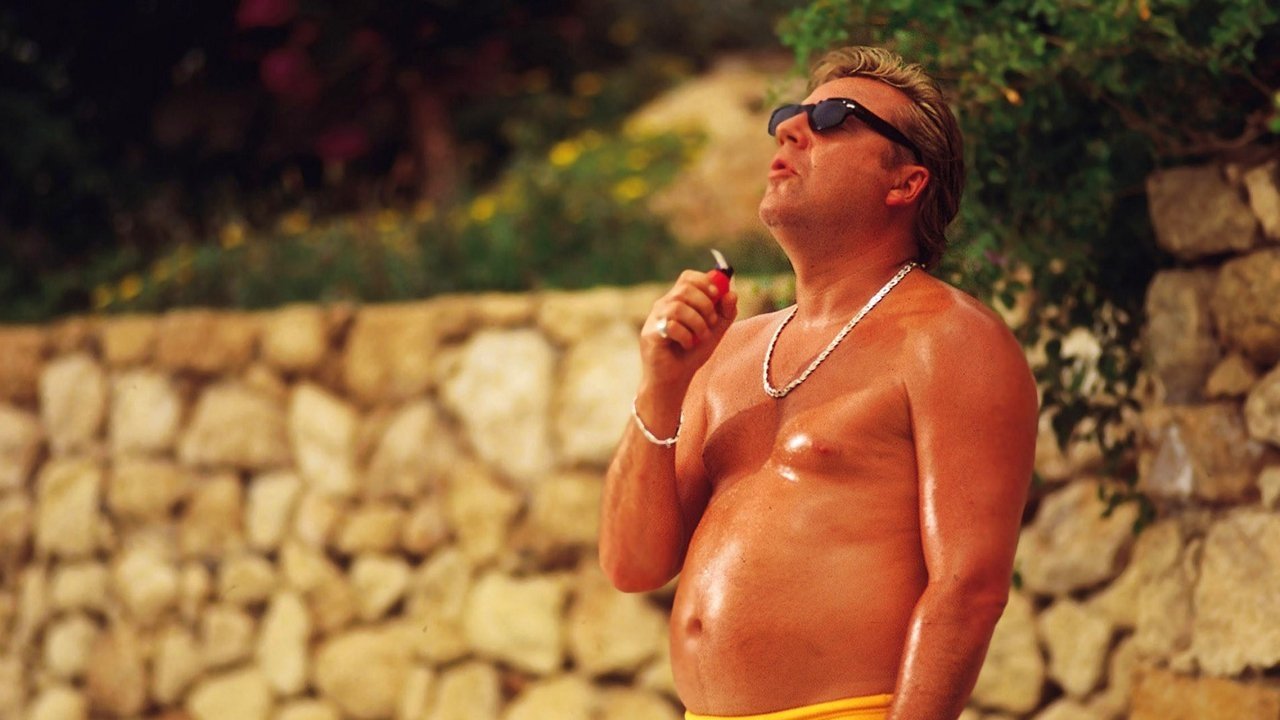
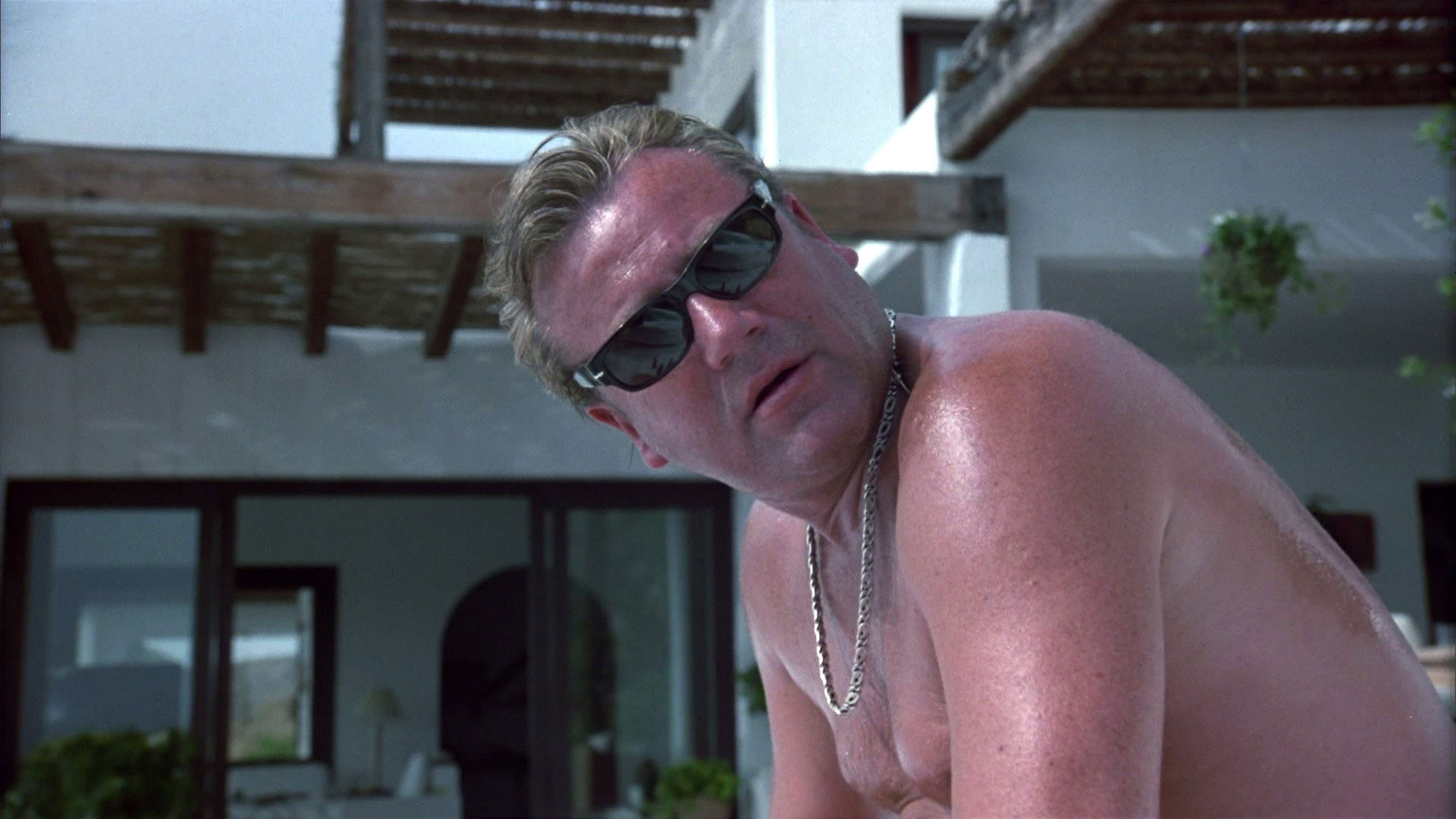
Ray Winstone’s Gal is crucial to that seriousness. His desire to be left alone gives the story a clear emotional purpose, and Winstone makes peace seem a pleasure worth protecting rather than a dull interval between crimes. Amanda Redman’s Deedee helps make the domestic life convincing, so the marriage never feels like a convenient excuse to get a reluctant man into the plot. There is affection here, and it changes how much the intimidation matters.
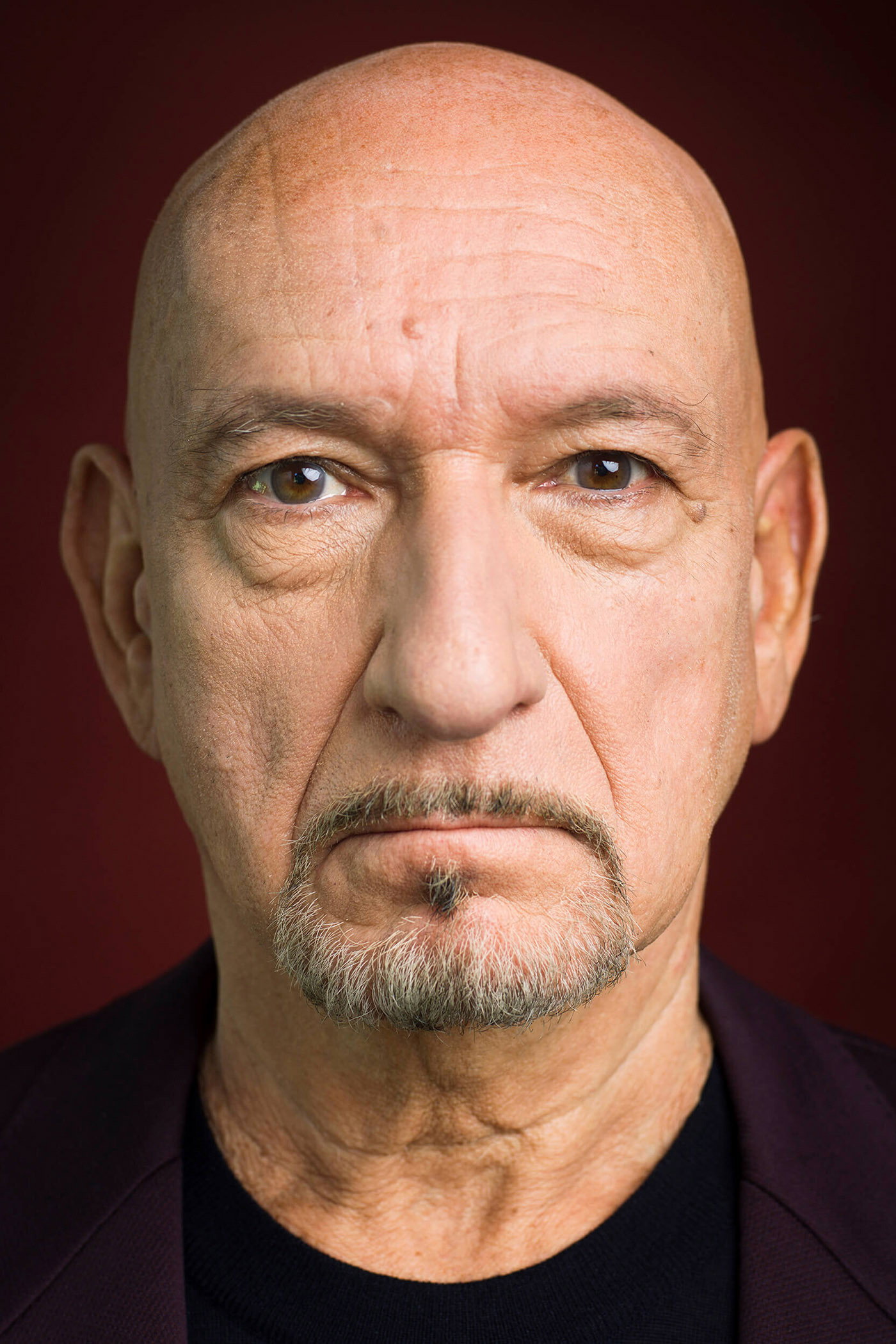
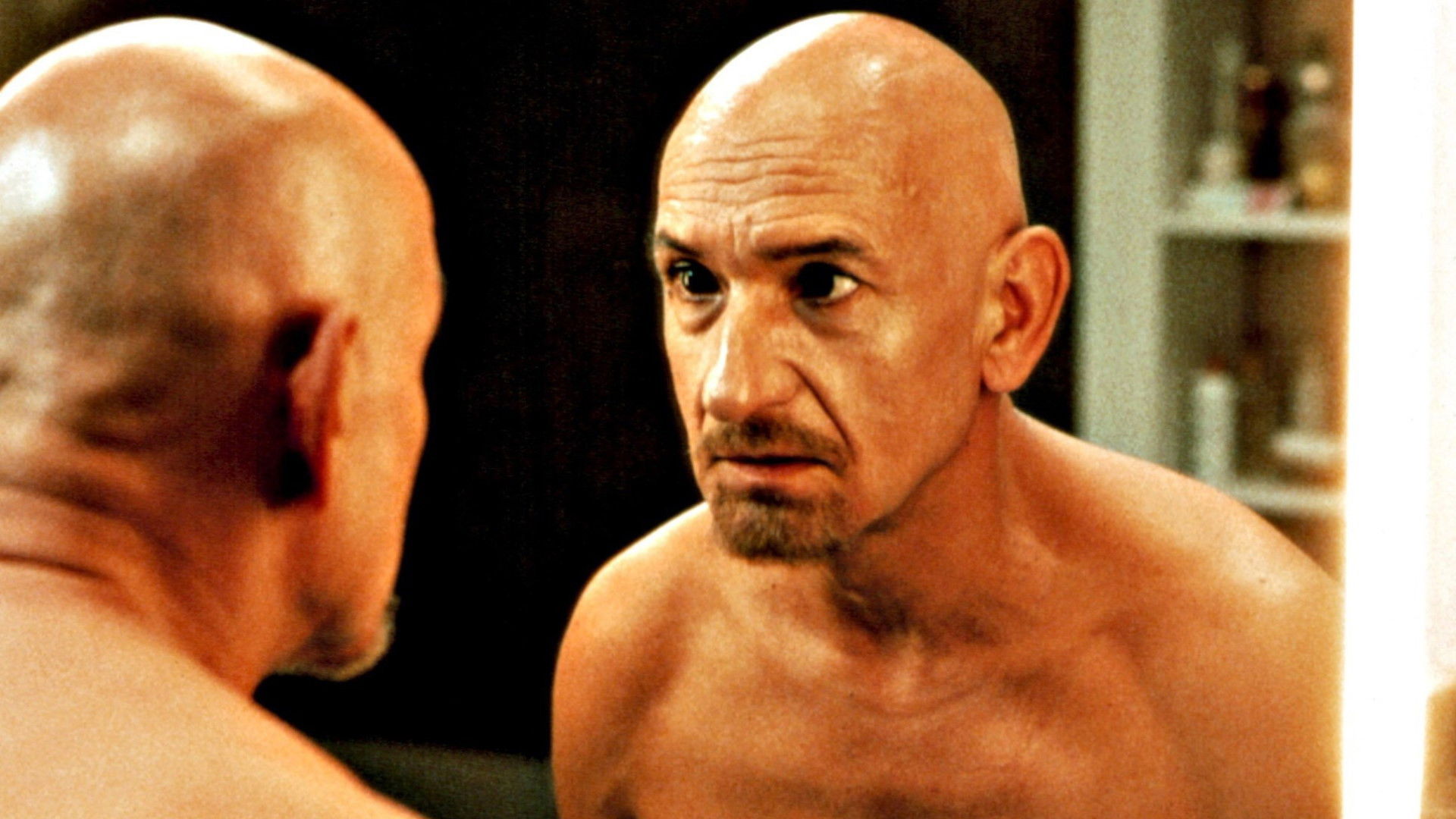
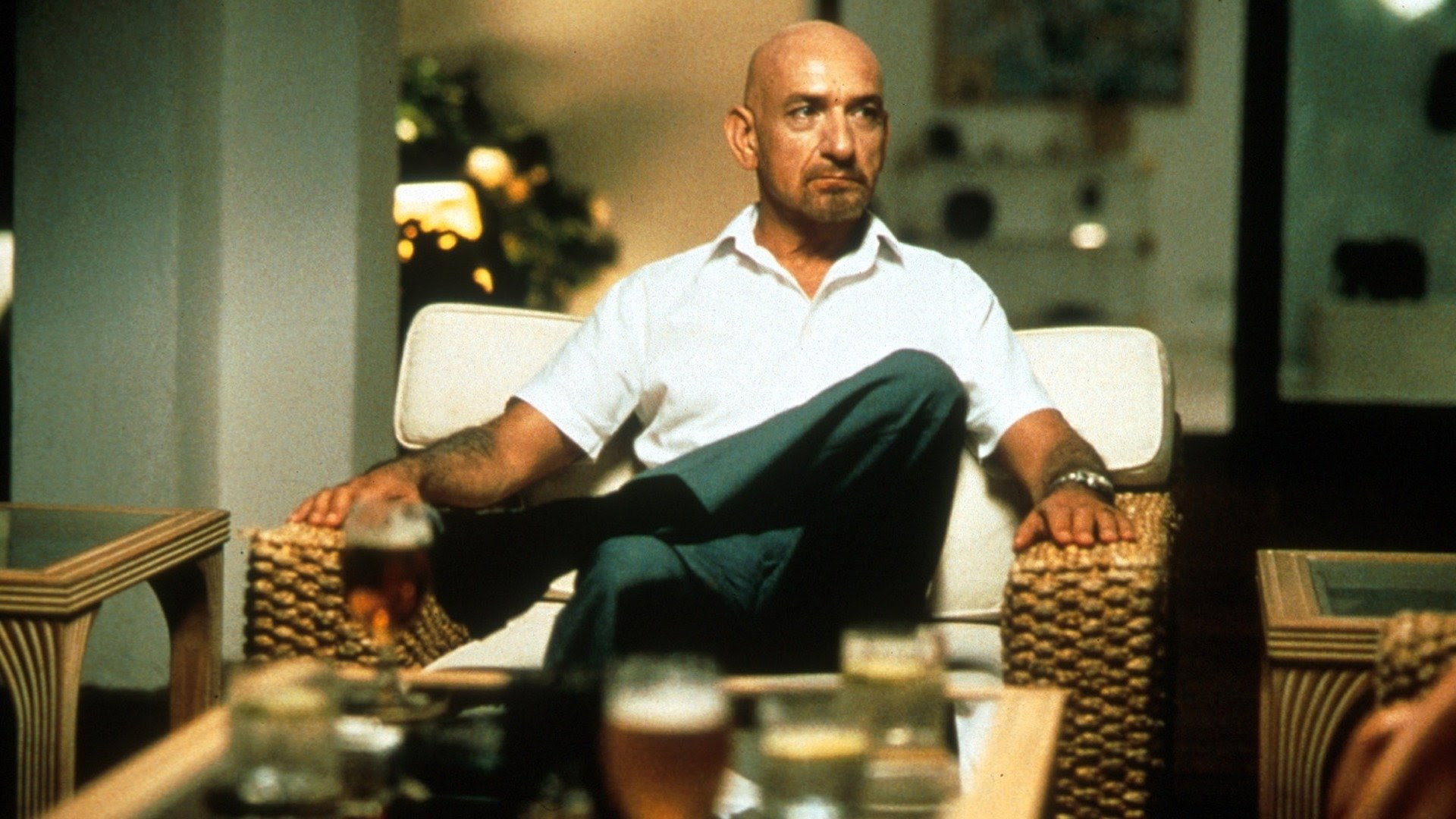
Ben Kingsley plays Don Logan with a ferocity that could have made the performance exhausting in the wrong way. Instead, the bullying has enough absurdity to be funny without becoming reassuring, and Kingsley keeps it directed at a person whose discomfort we understand. We were unnerved even when we laughed, because Don’s aggression allows Gal so little room to resist. Winstone makes Gal’s discomfort visible without competing for attention.
Ivan Bird’s cinematography gives the Spanish passages a precision that makes the disruption of Gal’s peace especially effective. The opening boulder announces Glazer’s appetite for absurdity, but it also makes the threat to this retirement immediate and physical. Jan Houllevigue’s production design helps make the comfortable surroundings seem worth holding on to, rather than merely supplying somewhere attractive for gangsters to argue. These passages work because the visual flourishes stay connected to Gal’s wish to be left in peace.
Editors Sam Sneade and John Scott give the confrontations enough room for the intimidation to accumulate. The rhythm matters: rushing through the encounters would reduce Don to a succession of outbursts, whereas the film makes his company oppressive. Roque Baños’s music supports that unease, although the contrast between the leading actors remains the more effective source of tension. Glazer understands how much suspense he can get from making us endure a man we would prefer to avoid.
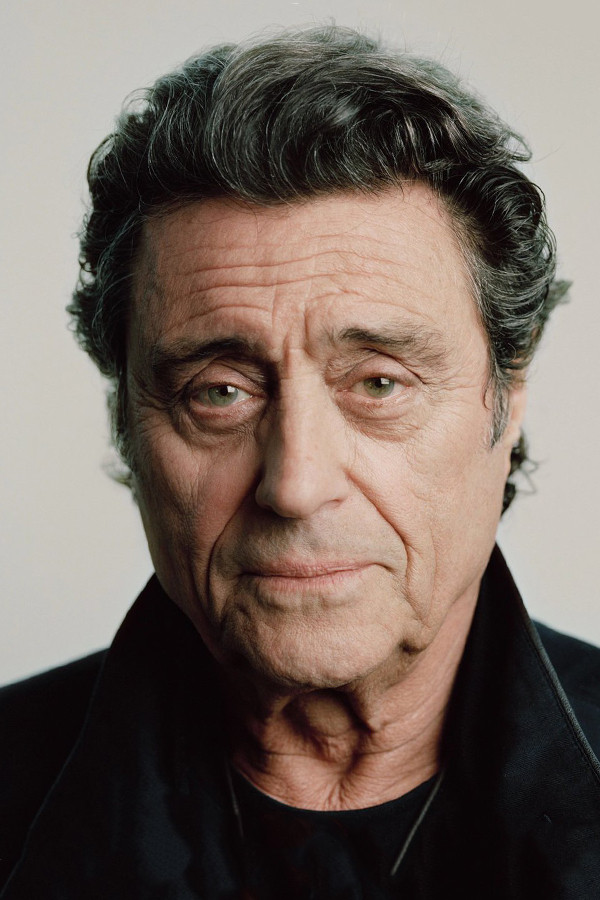
The weakness lies in Louis Mellis and David Scinto’s screenplay, which is more persuasive about Gal’s reluctance than about the criminal job. When the caper mechanics require attention, the film becomes less distinctive, and the earlier personal threat proves difficult to match. Ian McShane gives Teddy Bass sufficient authority to keep the criminal business from becoming a chore, but the imbalance remains. The details of the work itself never acquire the same interest as Gal’s reasons for refusing it.
The gangster genre often asks us to enjoy the company of men we would cross a street to avoid. Sexy Beast understands that appeal while giving Gal a convincing reason to want none of their company. Glazer makes room for affection without asking us to forget what sort of men these are. Watch it for the actors, and accept that the heist is the less interesting part of the evening.