A disturbing, strongly acted crime series that makes police corruption feel like ordinary business. The plot is sometimes harder to follow than it needs to be, but the cast and atmosphere make the effort worthwhile.
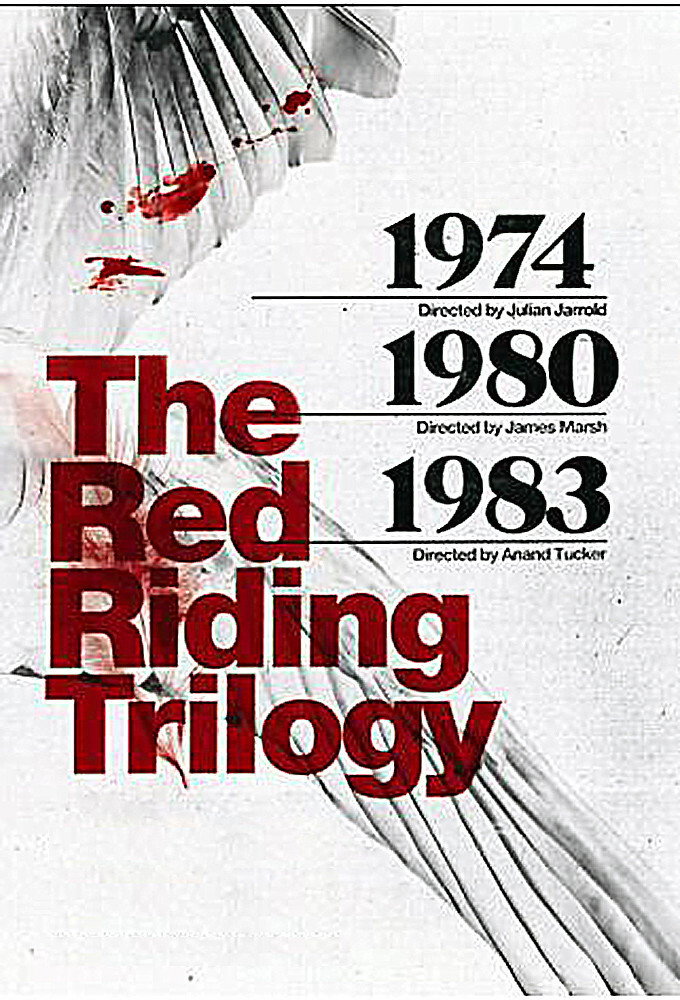
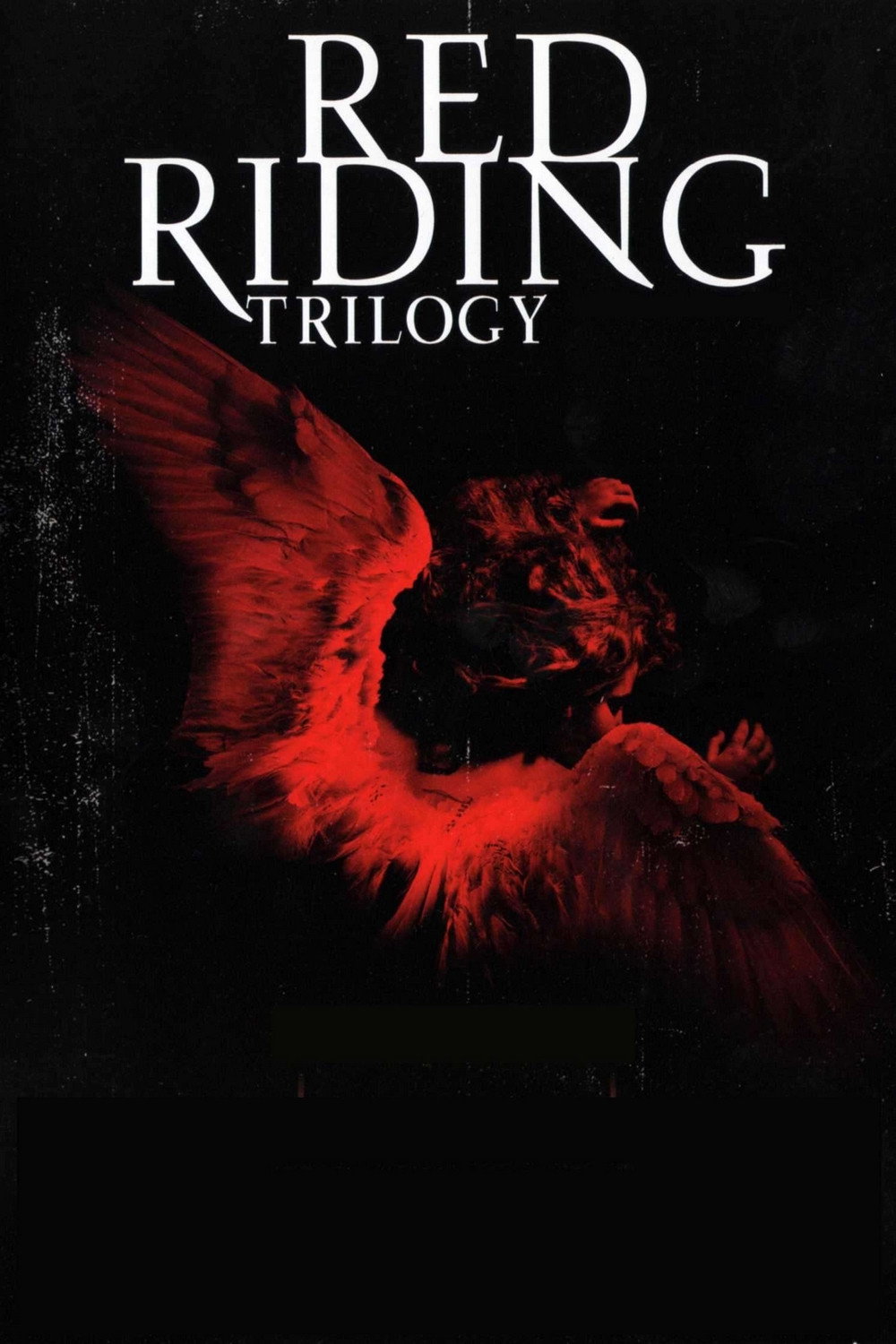
Red Riding is forceful, troubling crime drama, worth the effort despite plotting that can become needlessly difficult to follow. Its three instalments, directed by Julian Jarrold, James Marsh and Anand Tucker, take on a Yorkshire shaped by police corruption and violence. The ambition is to make that corruption feel established, something people must live around rather than an isolated crime to be cleared up. It succeeds often enough that the prospect of another investigation brings little reassurance.
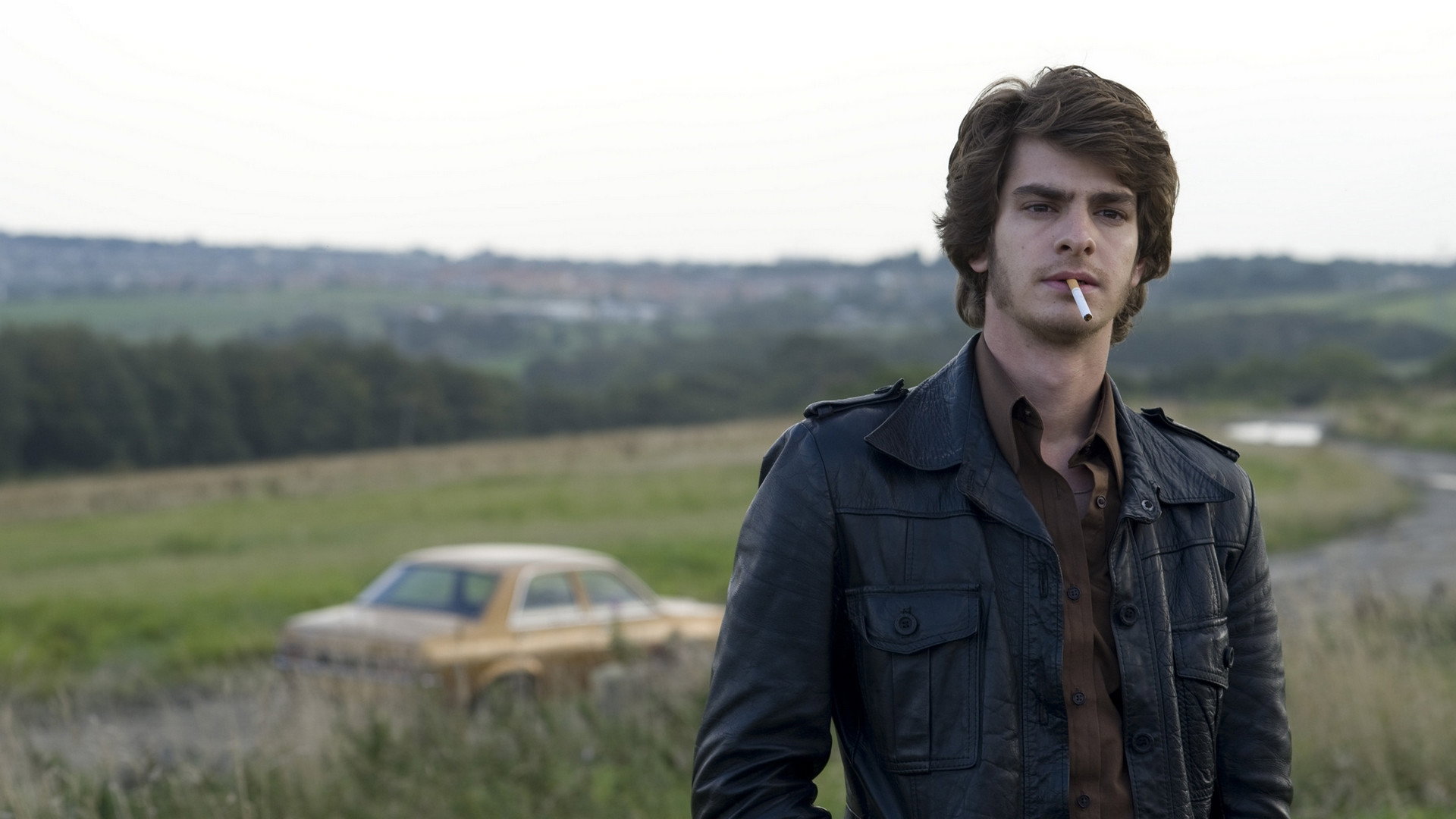
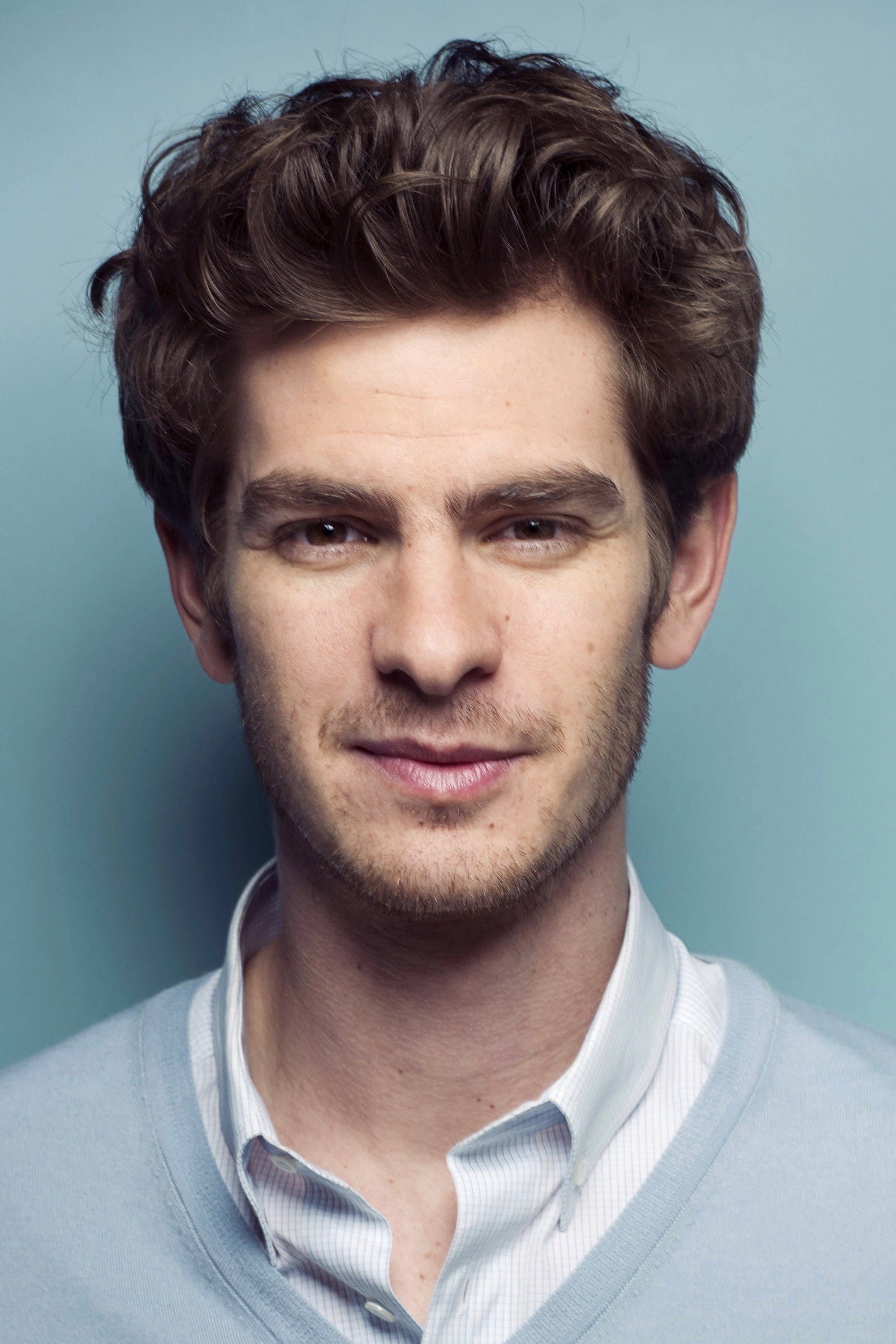
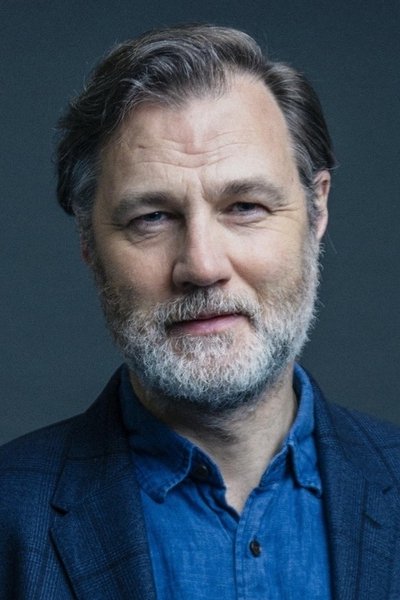
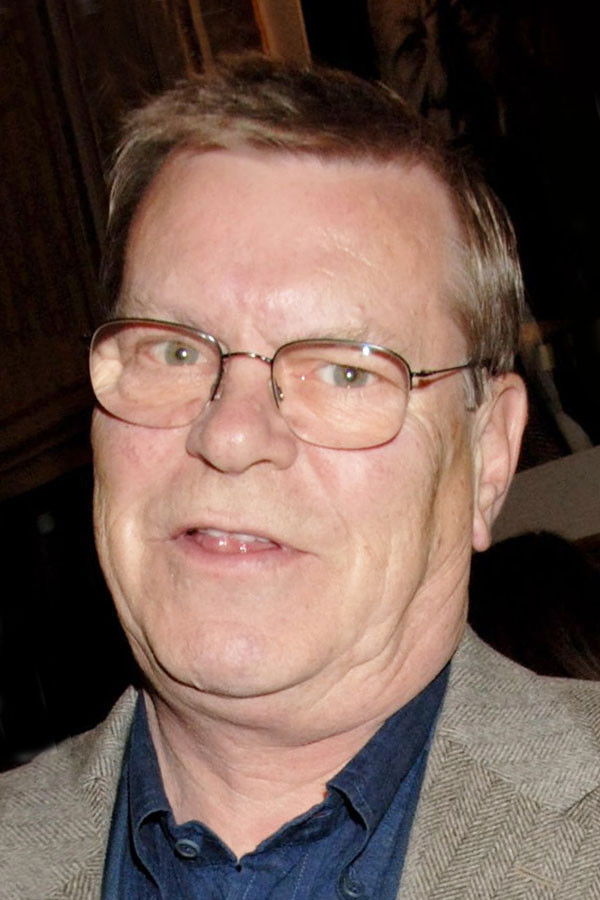
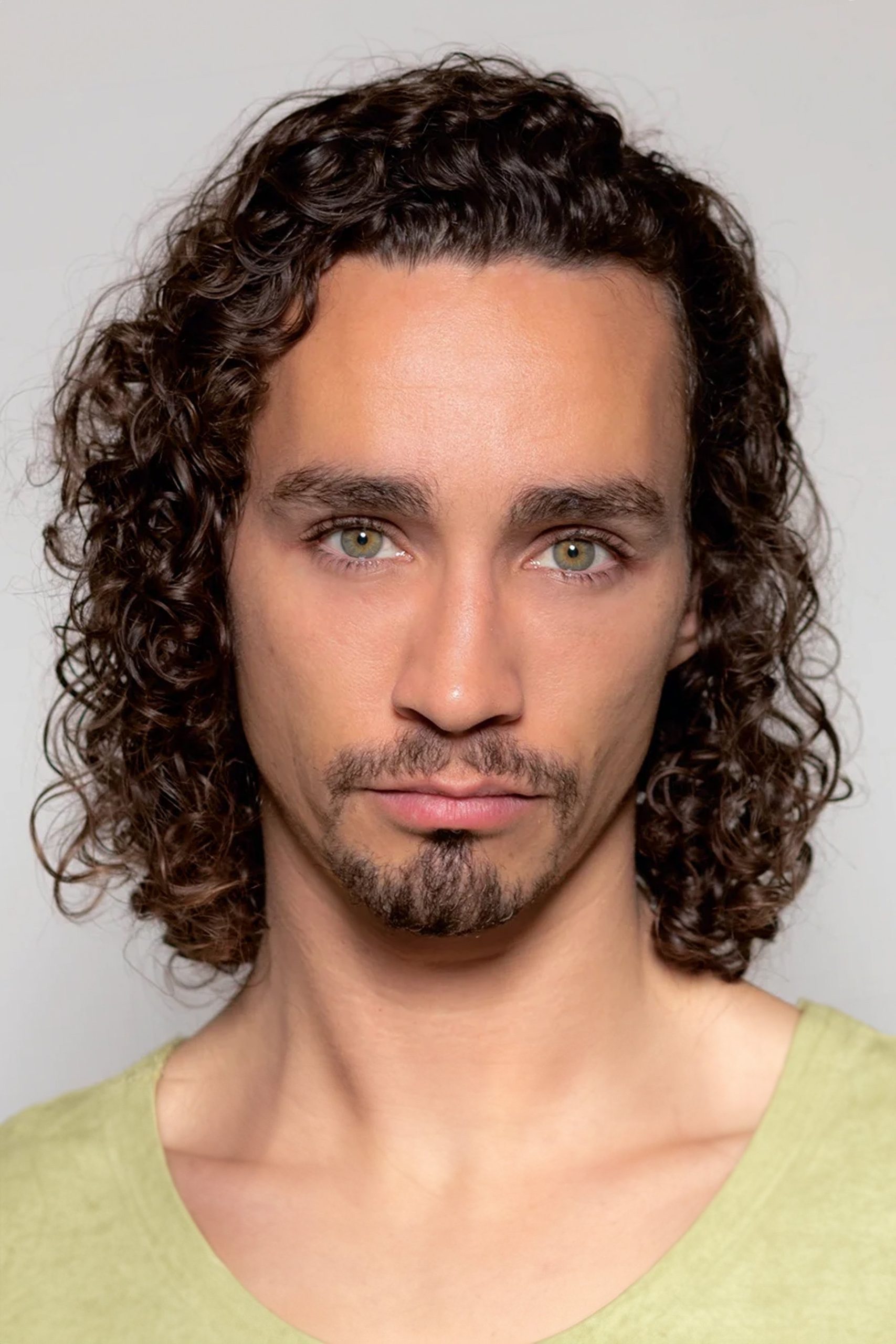
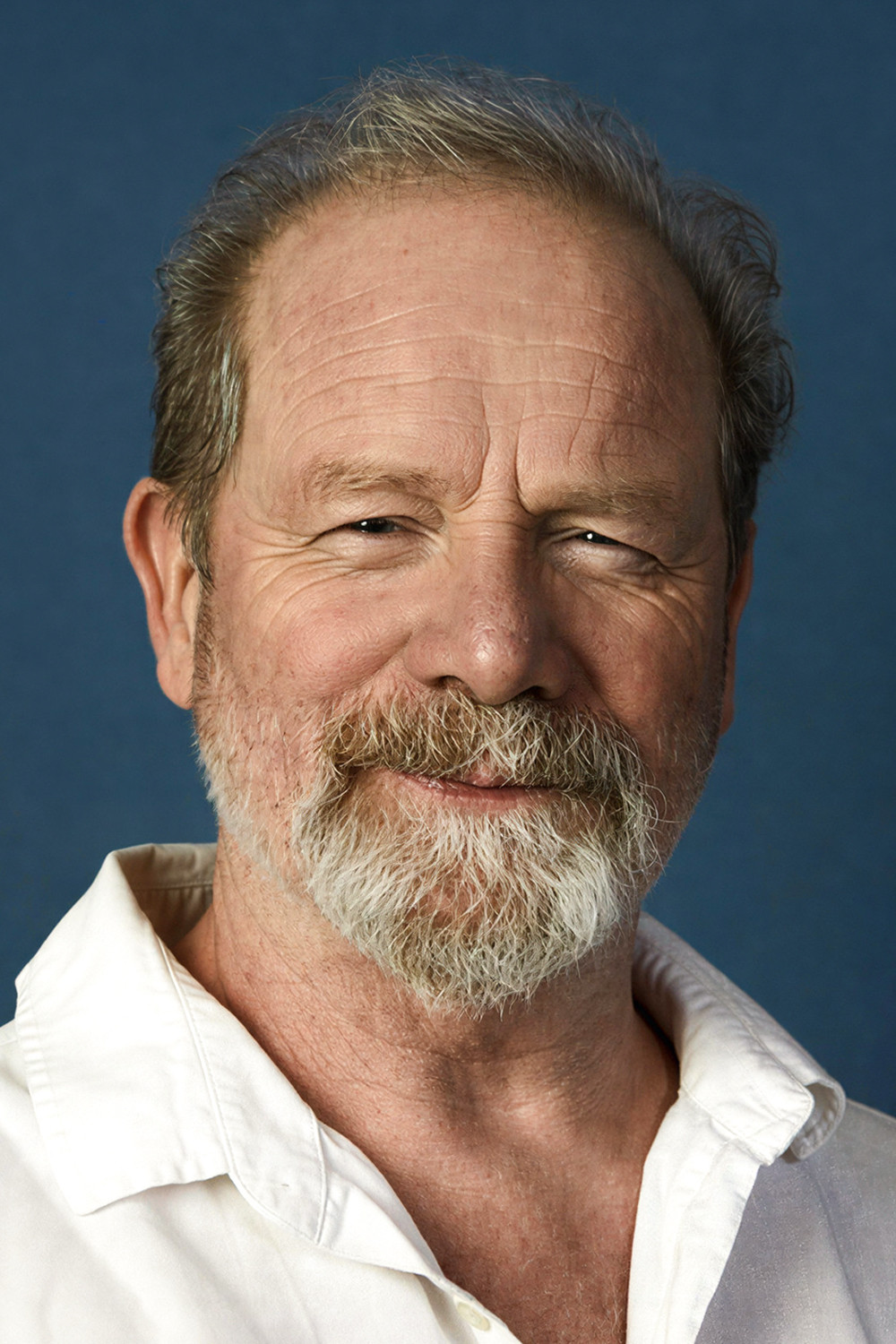
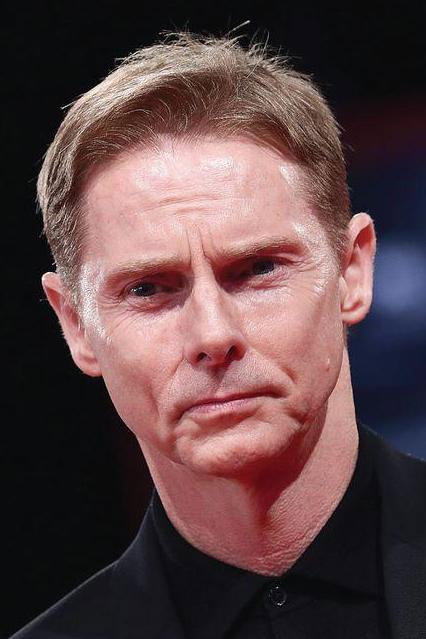
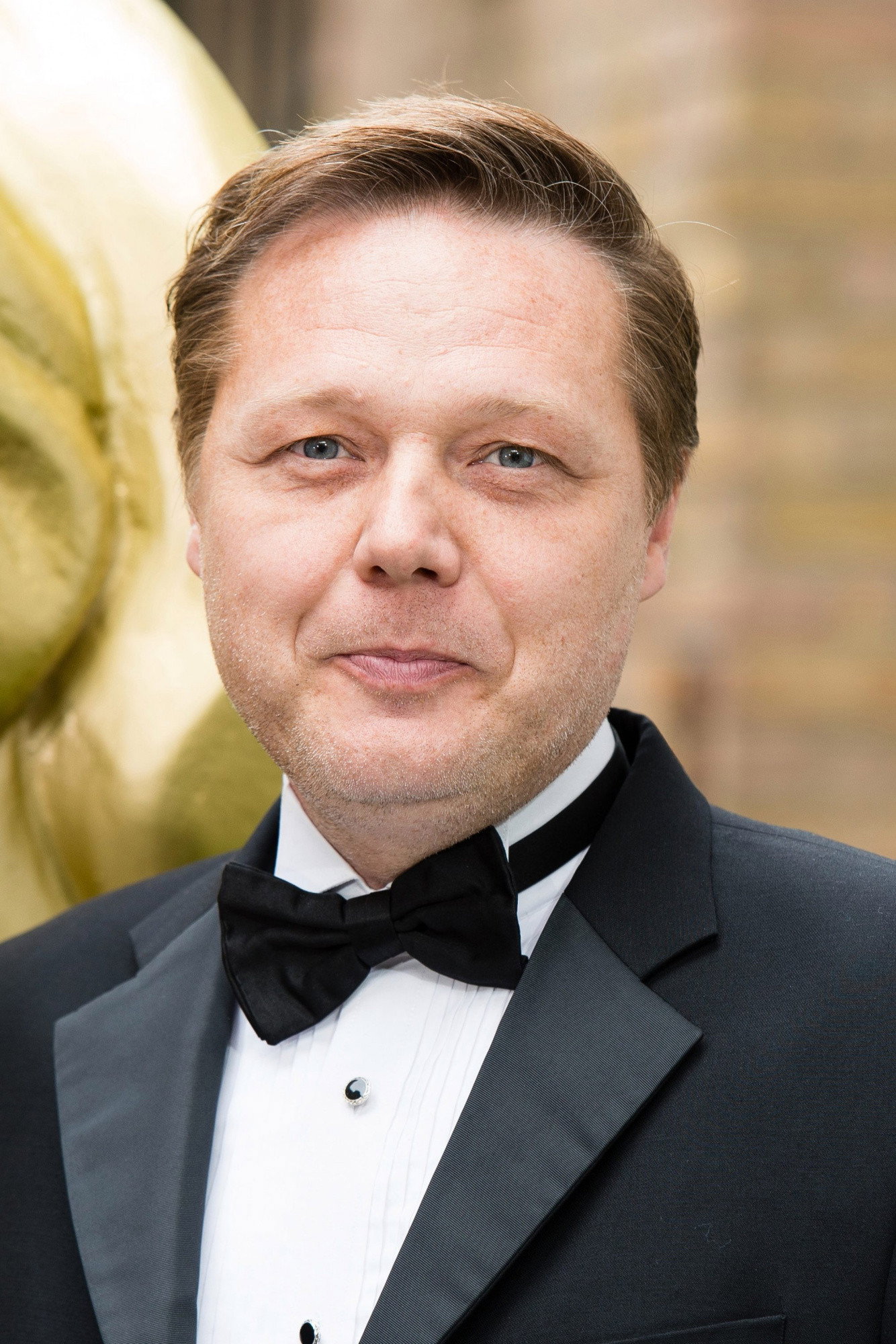
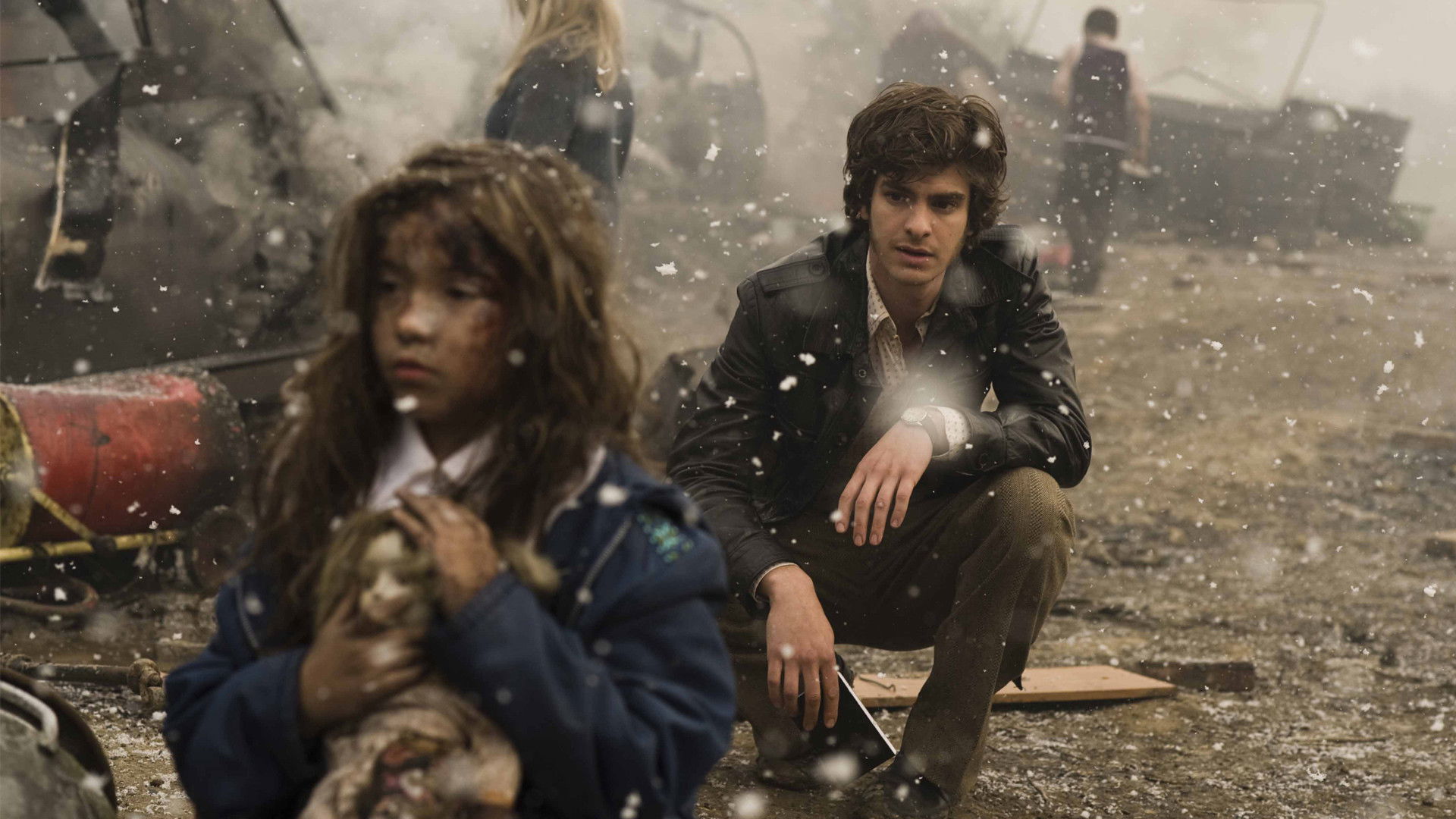
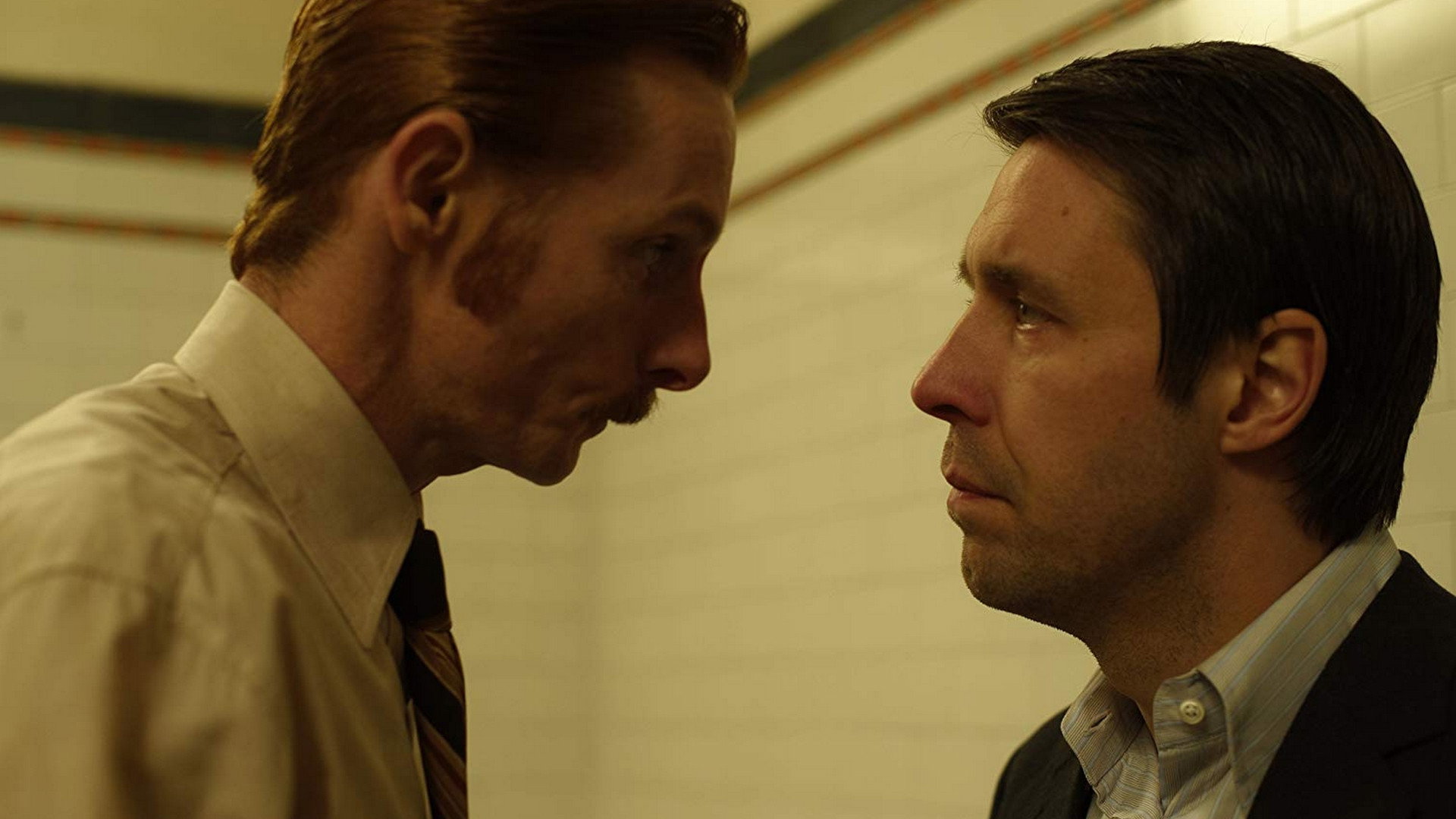
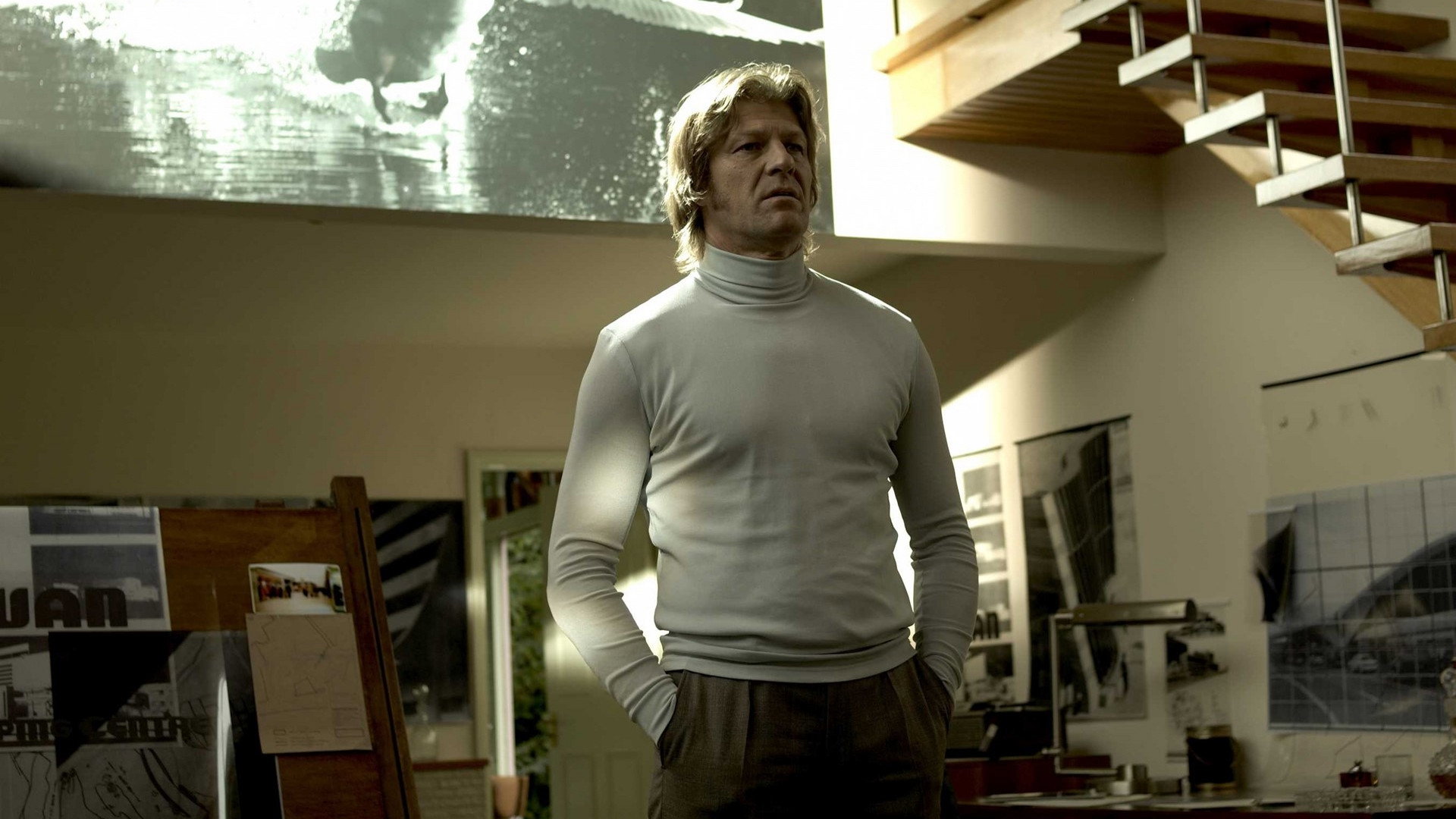
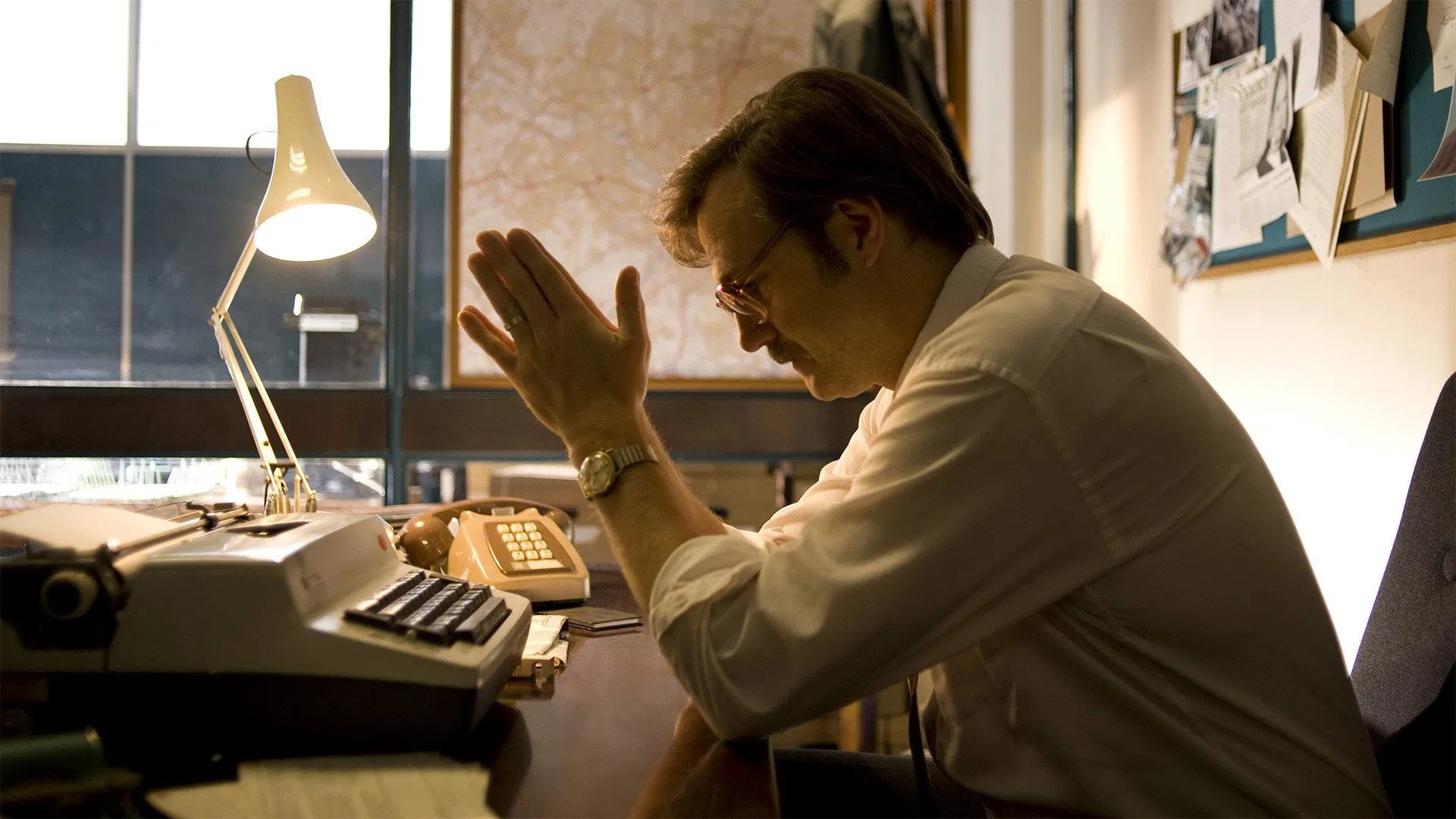
Andrew Garfield gives Eddie Dunford an exposed, unsettled quality that helps us find a way into this crowded story. David Morrissey, as DS Maurice Jobson, and Warren Clarke, as DCS Bill Molloy, give the police hierarchy a weight that the writing cannot supply on its own. We were disturbed by how ordinary the corruption feels in their company, with authority exercised so comfortably that an objection seems almost unimaginable. The performances make the institutional threat convincing without needing every policeman to announce himself as a villain.
Tony Grisoni’s writing is strongest when it lets the connections between people suggest how difficult it would be to challenge them. There is a convincing sense of institutions protecting themselves, and of individual crimes belonging to a much larger history of damage. The early plotting can be more familiar than that ambition suggests, with characters sometimes arriving as recognisable crime-drama types before they become people. The performances do a good deal of the work of making them particular, though they cannot remove every shortcut.
Rob Hardy, Igor Martinović and David Higgs give the Yorkshire setting a persistent sense of threat through the cinematography. The place remains oppressive even when the story becomes hard to grasp, which is both an achievement and a warning about how much the series relies on atmosphere. Production designers Alison Domintz, Cristina Casali, Tom Burton and Sami Khan support that impression of a region worn down by more than crime. Their work makes the surroundings feel inhabited, although the determined grimness can make it hard to imagine anyone having an uneventful day.
Editors Andrew Hulme, Jinx Godfrey and Trevor Waite face the difficult job of keeping the separate stories connected without making every link explicit. Individual passages hold our attention, but the movement between people and investigations is not always clear enough. There are stretches when we are still sorting out the previous connection while the drama moves on to another. As the plotting grows denser, information that needed more room can pass too quickly, leaving the actors to keep us interested until we recover our bearings.
The music, by Adrian Johnston, Dickon Hinchliffe and Barrington Pheloung, sustains the unease across those changes of emphasis. It supports the performances, although there are stretches when further encouragement to feel miserable seems unnecessary. With so much threat already supplied by the acting and photography, the drama could occasionally afford to ease off. The cumulative pressure is effective, but a little more variation would let the smaller human moments register more distinctly.
Crime drama often promises that careful investigation will make a frightening situation comprehensible; Red Riding offers considerably less reassurance. Its attention to the habits of corruption earns the darkness, and the cast gives us people worth following through the confusion. We recommend it with a specific reservation about the muddled connections, which demand patience without always rewarding it. Leave a pause between instalments; another stretch in this company is not something to begin automatically.