Series review

Utopia

2013 · Created by Dennis Kelly · Series · 50m · MPA TV-MA

In a sentenceEveryone is looking for Jessica Hyde, and the man asking most politely is the one to run from

MysteryDramaComedySci-Fi & Fantasy

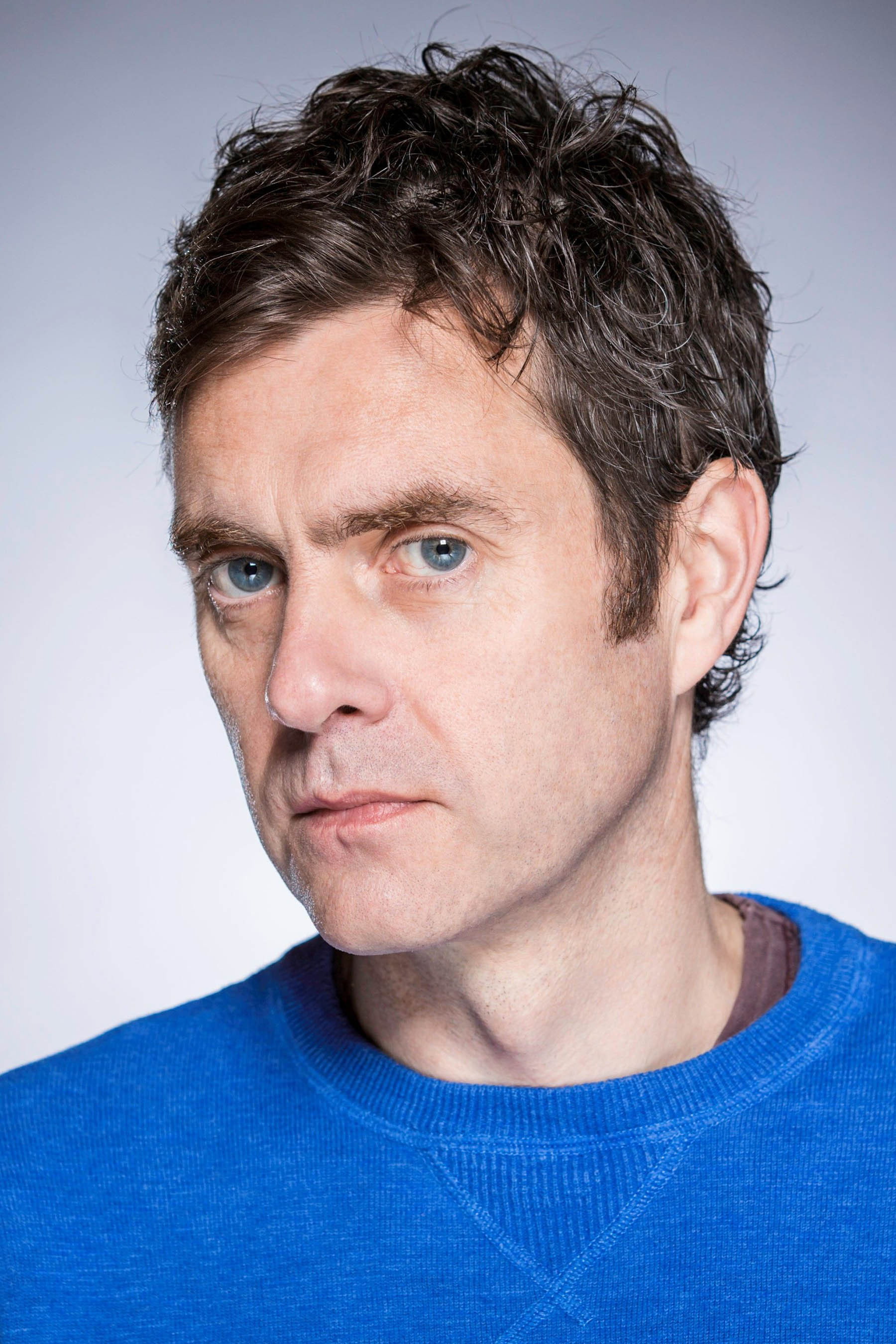
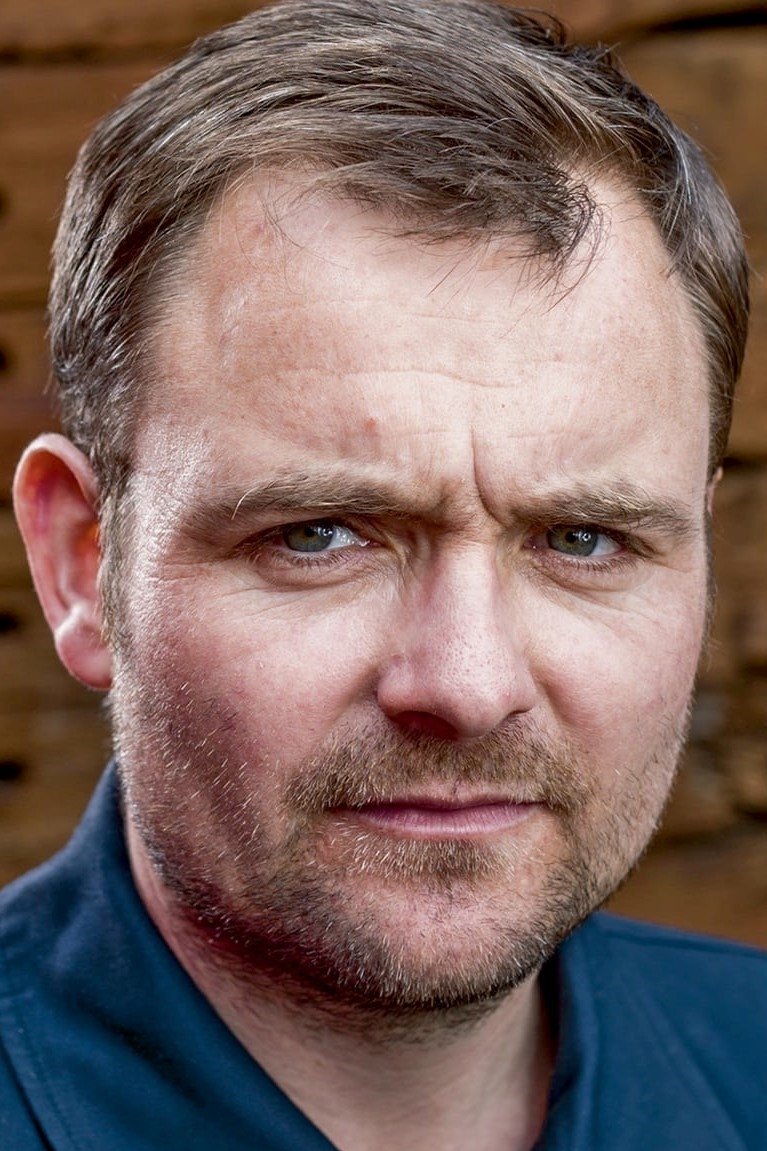
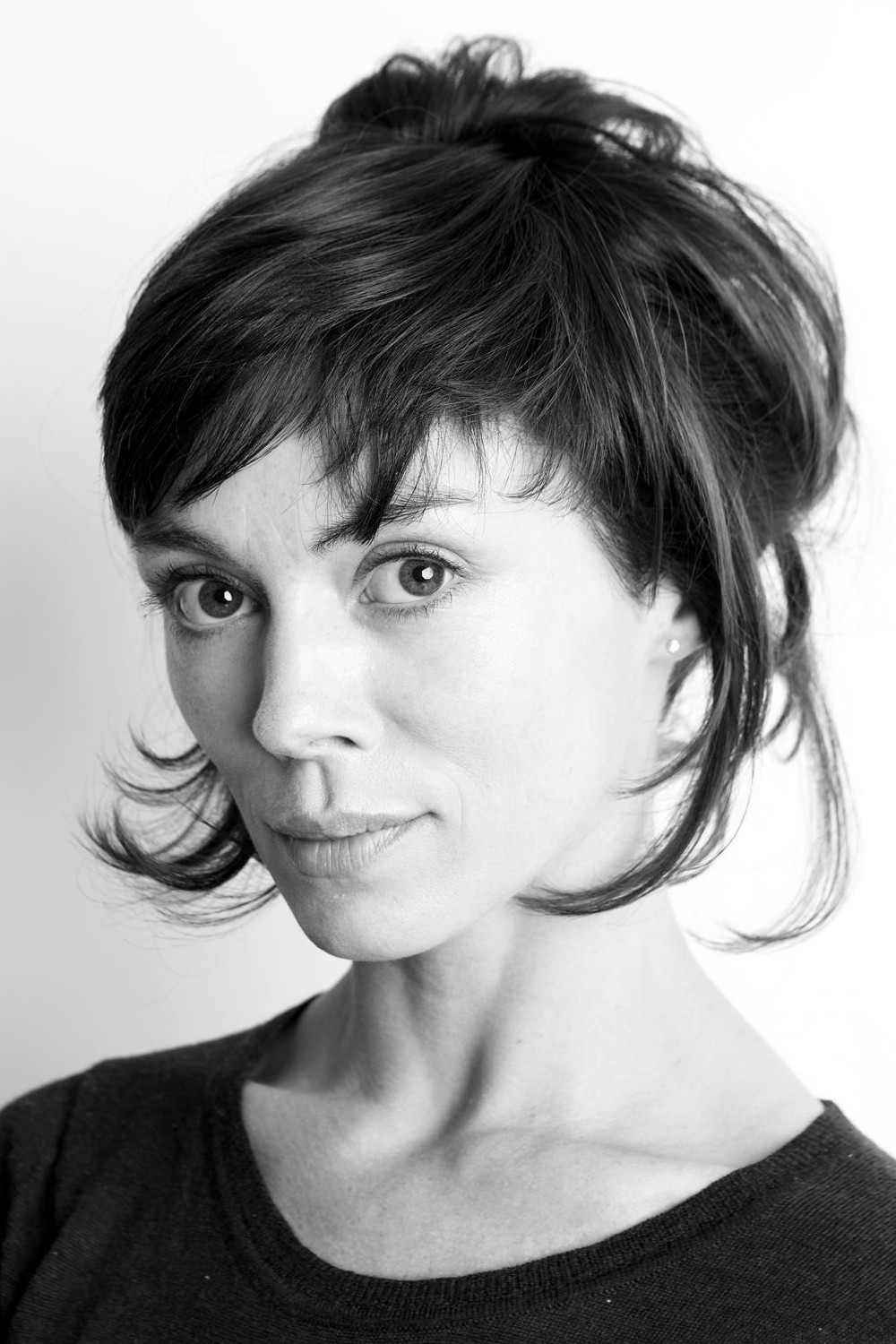
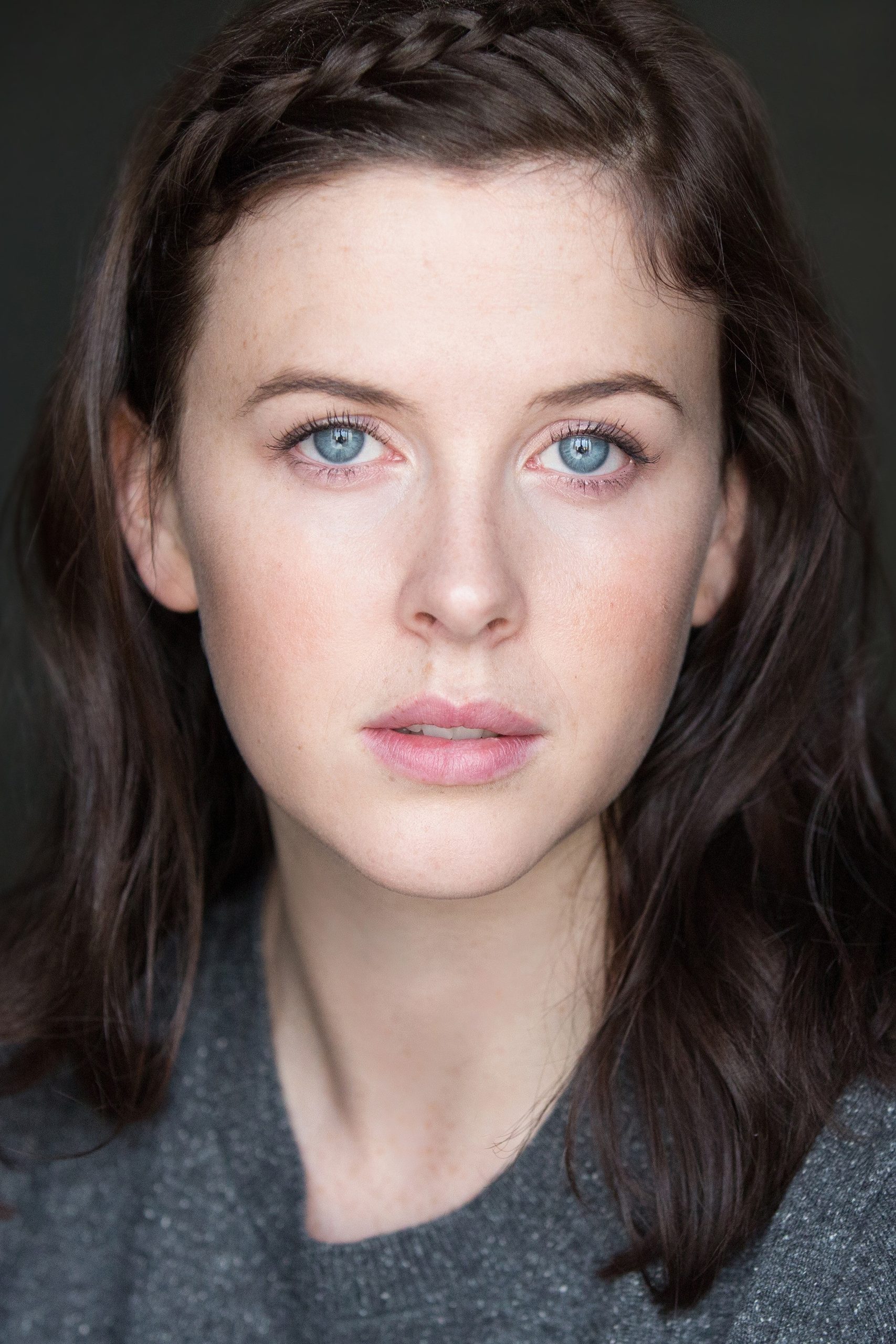
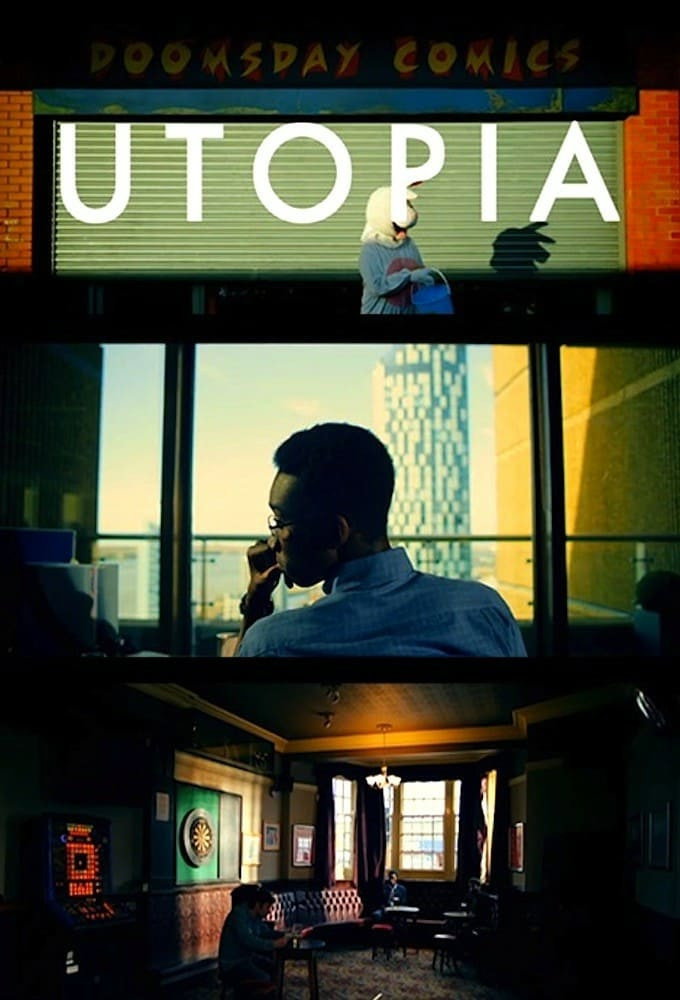
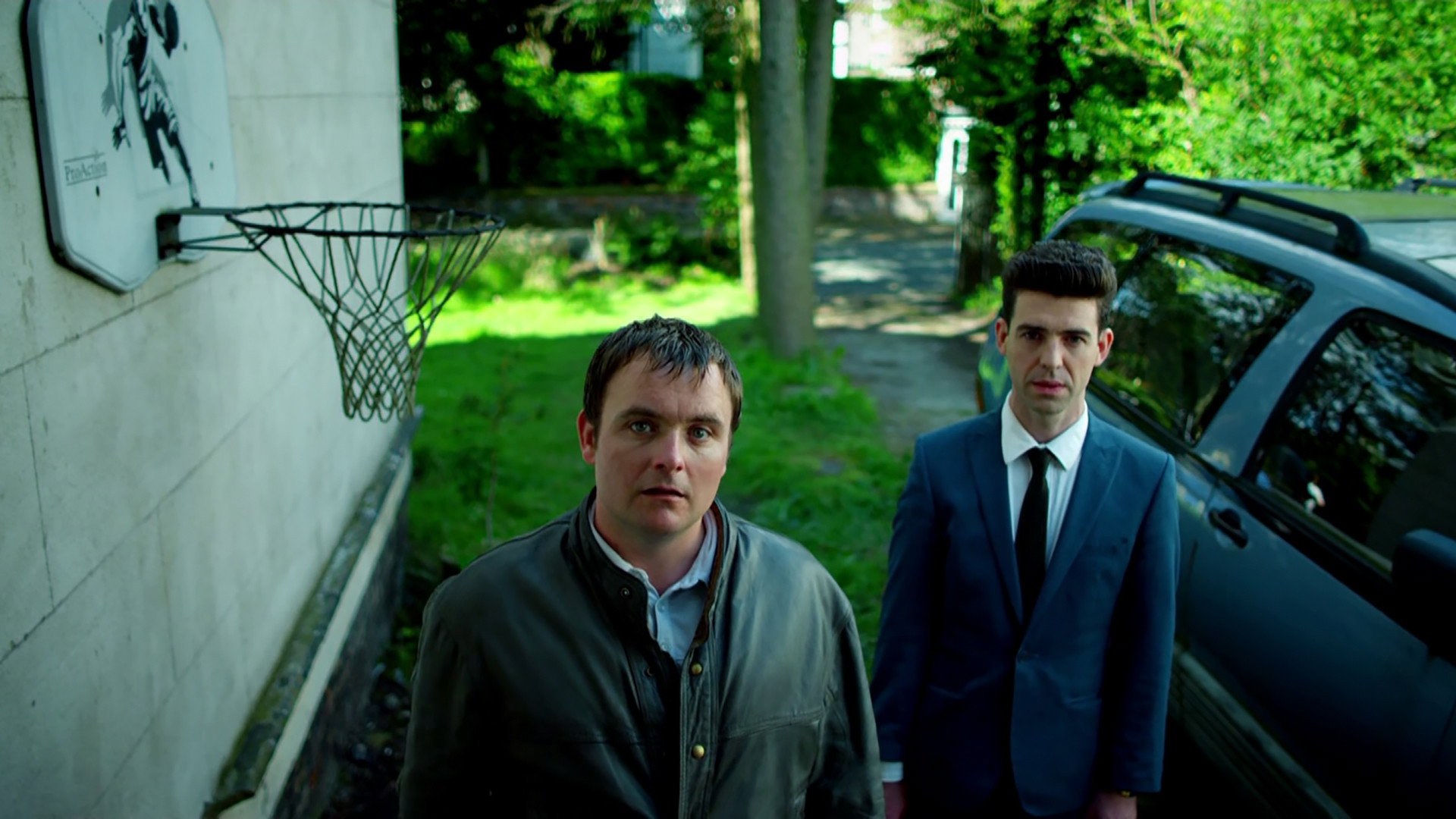
Two men walk into a comic shop, ask for a manuscript, and leave nobody alive except a schoolboy, Grant Leetham (Oliver Woollford), hiding at the back. The manuscript is the unpublished sequel to The Utopia Experiments, a graphic novel its readers believe predicted real epidemics. A handful of readers from an online forum, among them Becky (Alexandra Roach), Ian Johnson (Nathan Stewart-Jarrett) and Wilson Wilson (Adeel Akhtar), agree to meet in person. The killer, Arby (Neil Maskell), is already looking for them, and for a woman called Jessica Hyde (Fiona O’Shaughnessy). At the Department of Health, civil servant Michael Dugdale (Paul Higgins) is blackmailed into approving a flu vaccine.

Plays from YouTube when you press play; nothing loads from them until then.

Fi1m review

Dennis Kelly’s conspiracy thriller is one of the strangest-looking things British television has made: flat, bright, acid yellow, and scored with breathing. It is cruel, funny and gripping across its first six episodes, and rather less sure of itself across the second six.

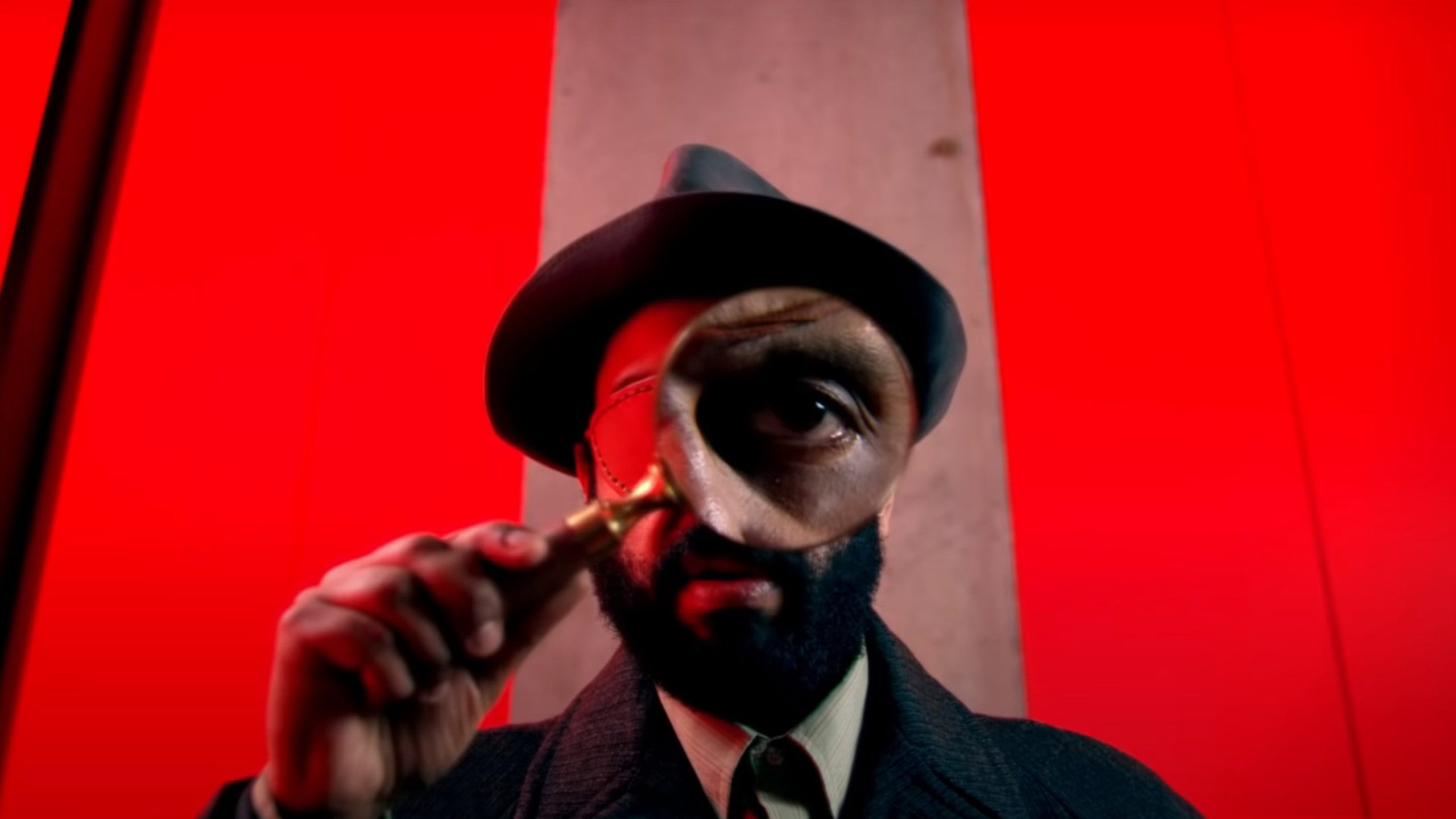
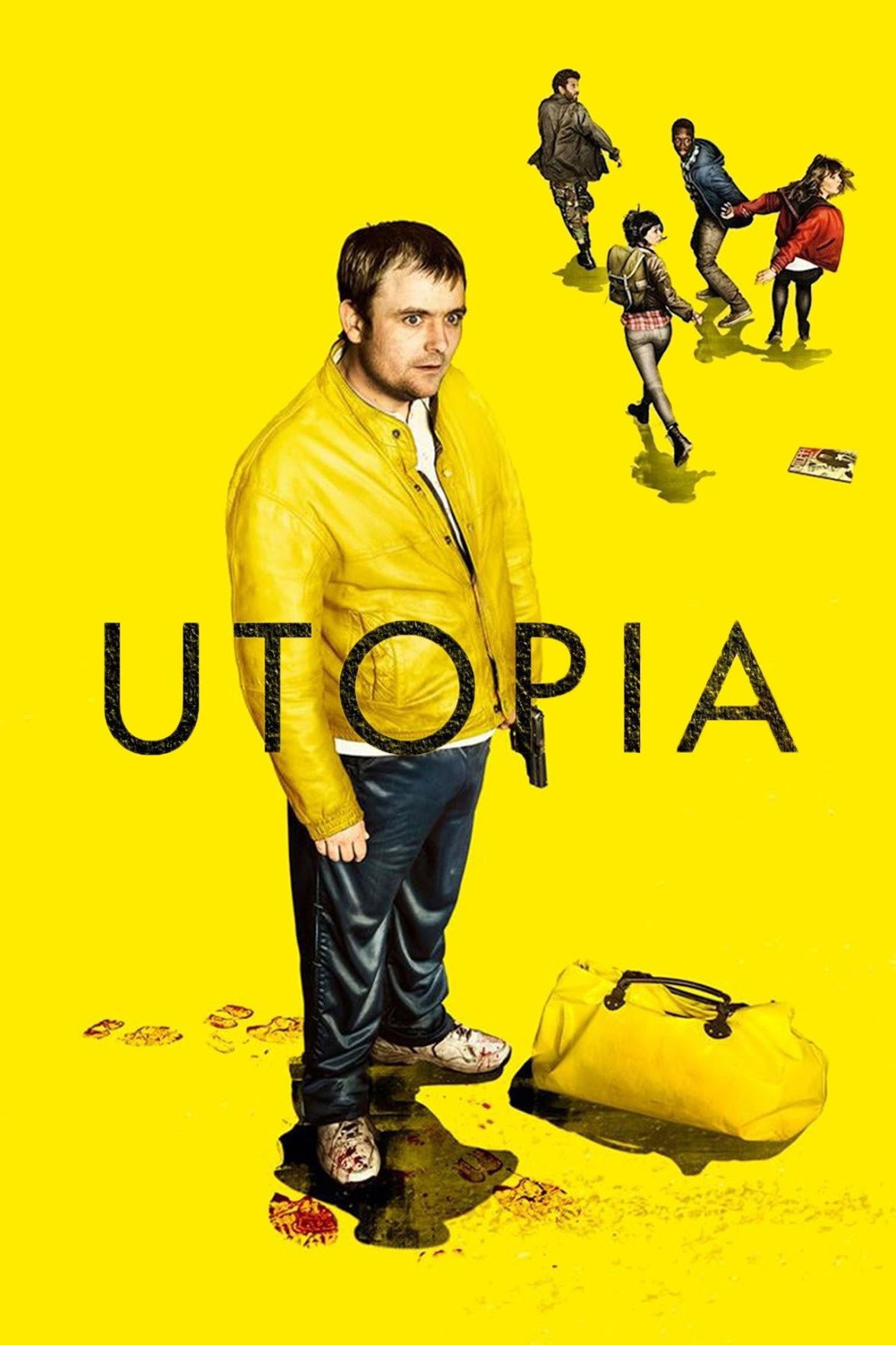
Dennis Kelly’s Utopia opens in a comic shop with two men who look as if they have come about the boiler. One of them, Arby (Neil Maskell), asks the staff whether they have seen a manuscript and, in the same tone, whether they have seen Jessica Hyde, and then he kills everyone in the building. A boy hides. Those first minutes tell you how the ten hours will behave: the violence is sudden and staged without fuss, the killer is soft-spoken, and the programme is sure you will keep watching. We did.

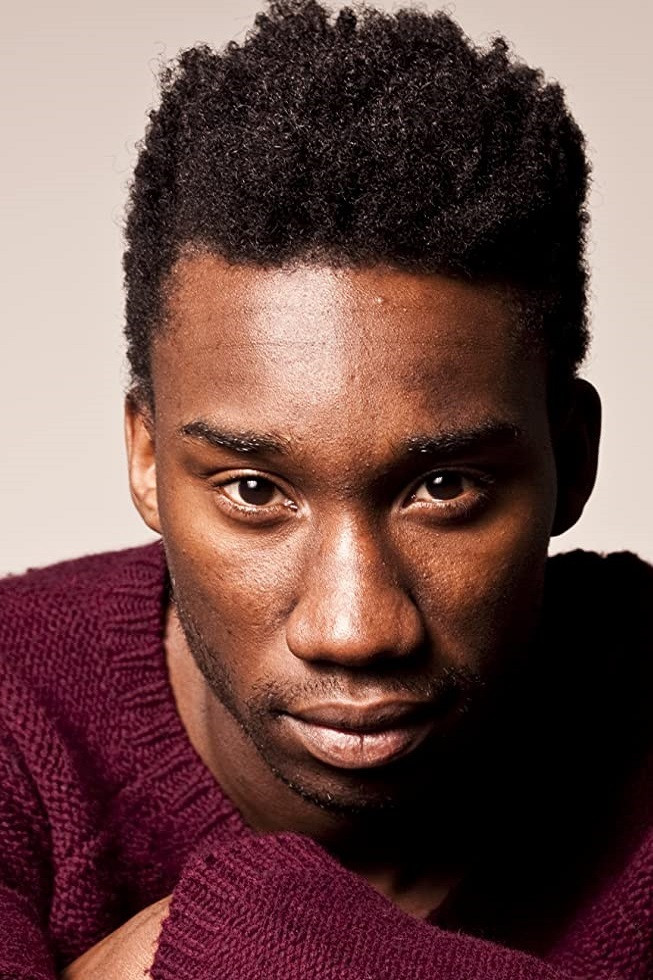
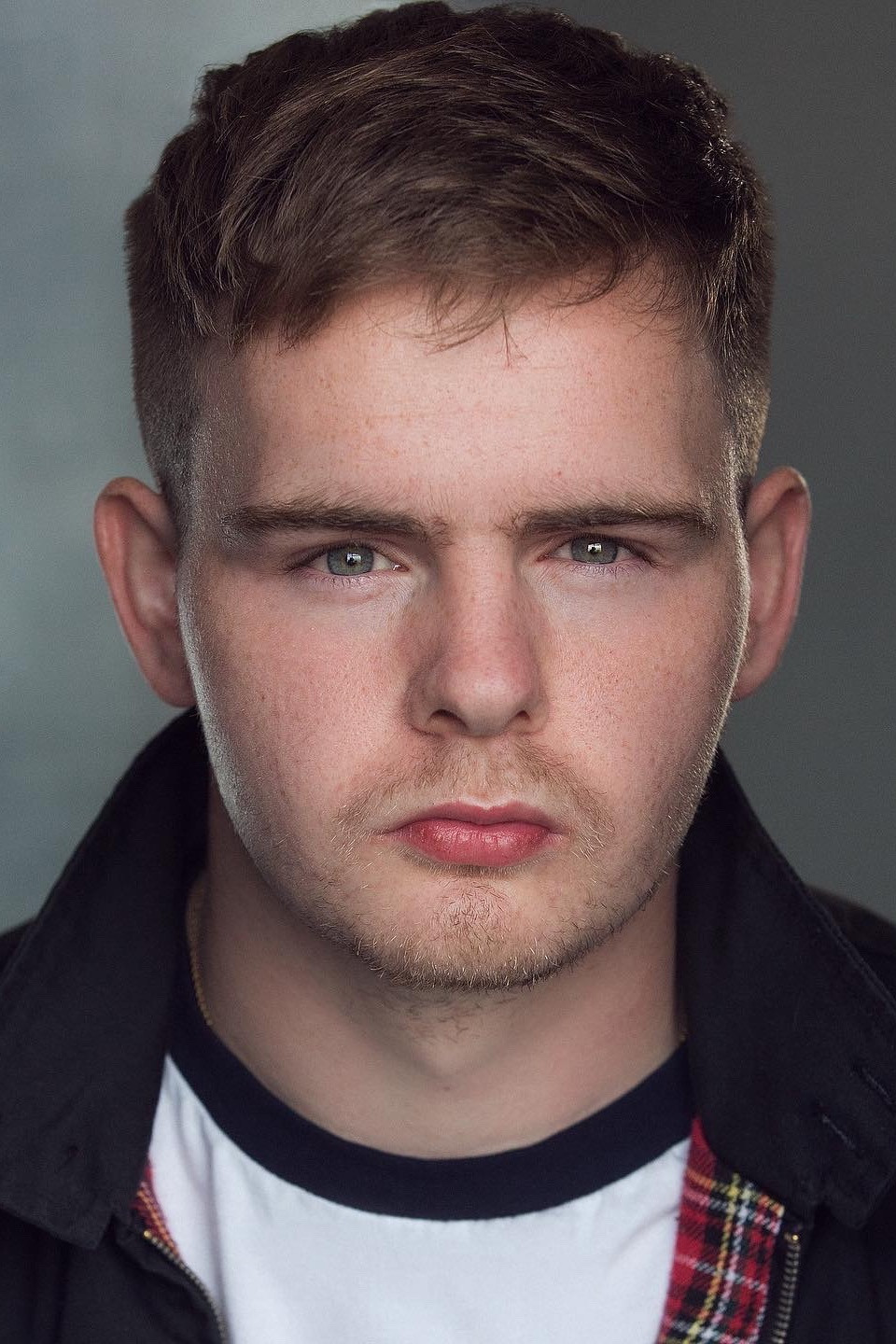
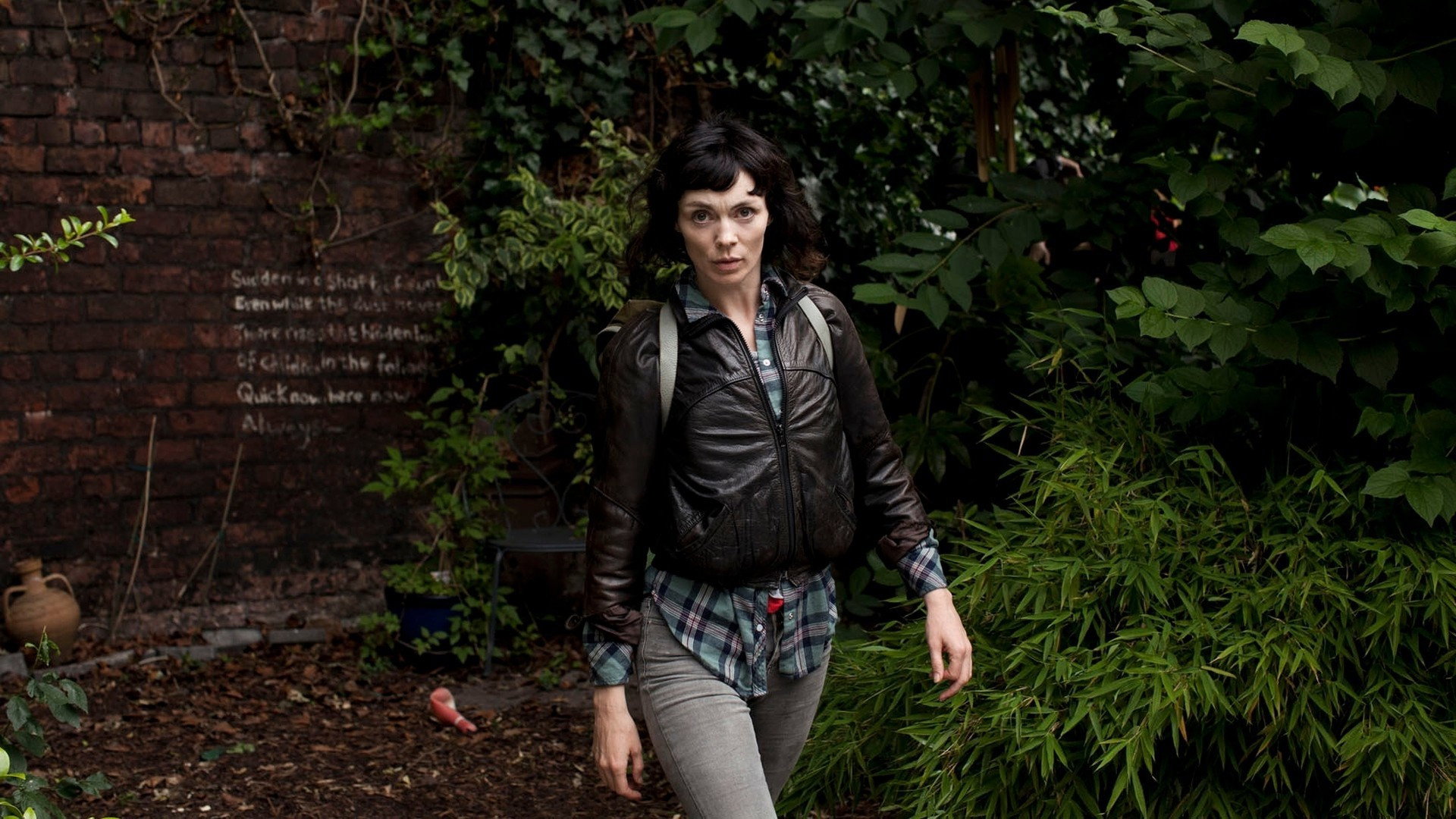
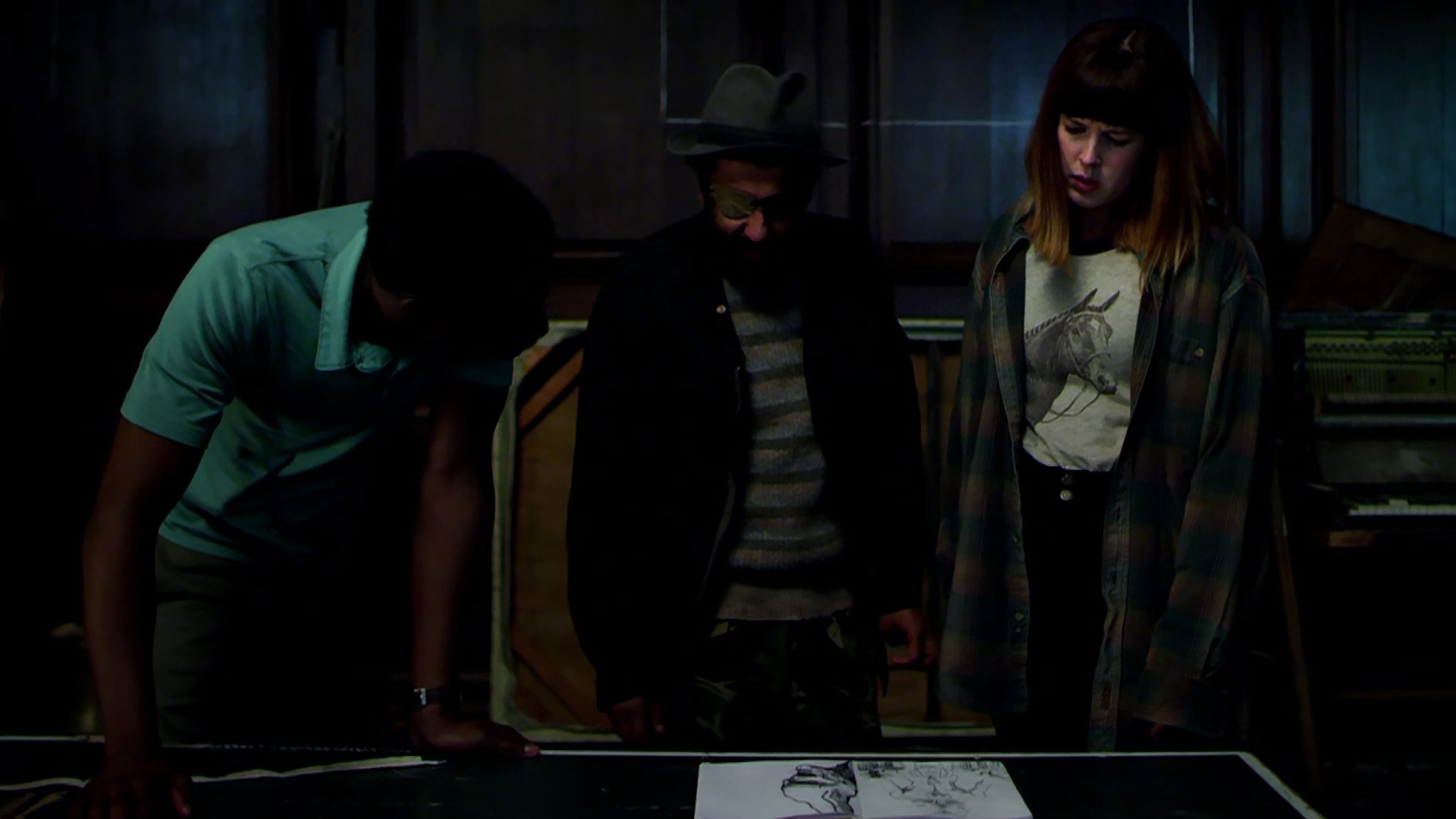
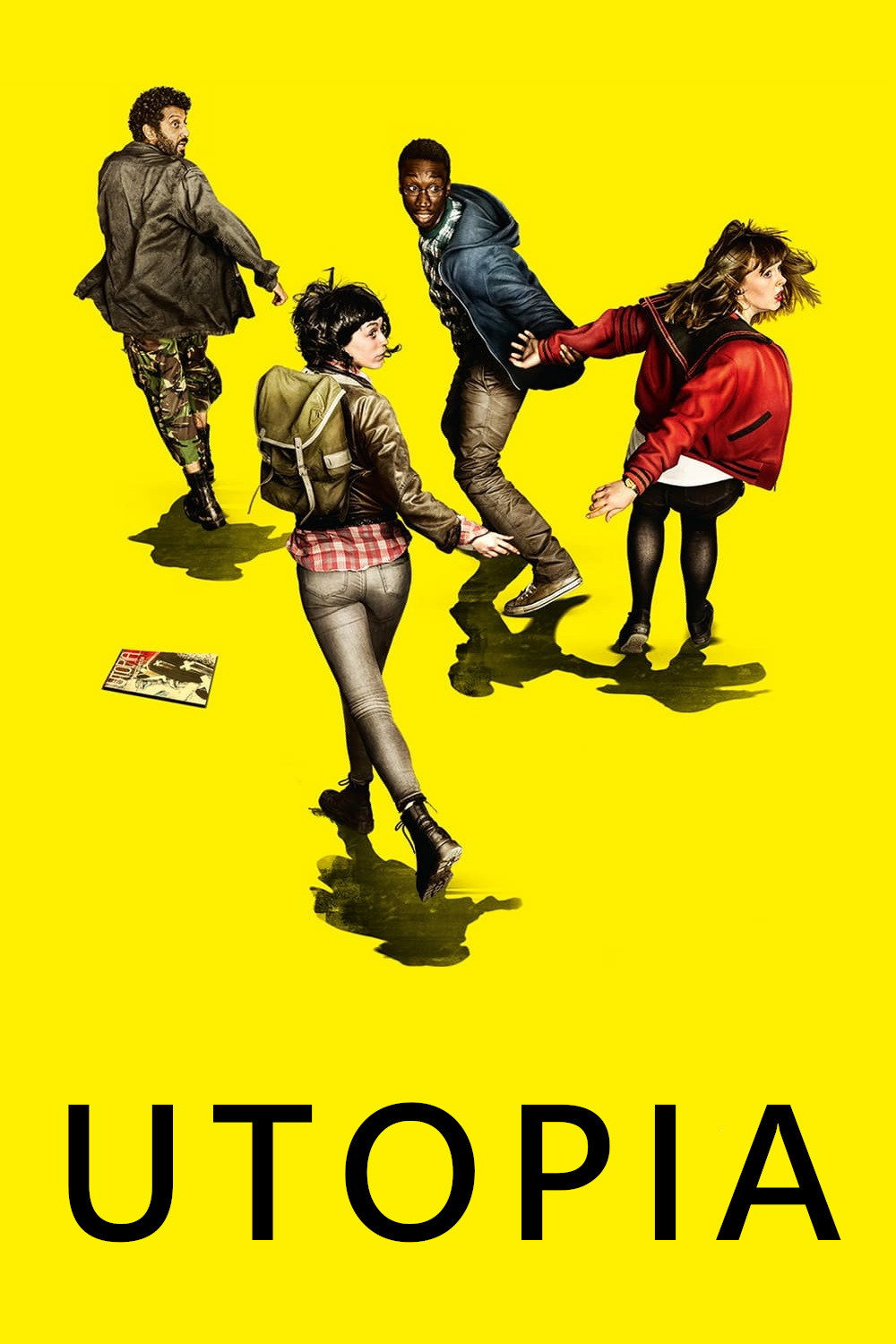
The plot is a conspiracy, and a large one. A graphic novel called The Utopia Experiments is supposed to have predicted real epidemics; its unpublished second volume is loose; and an organisation calling itself The Network wants it, and Jessica Hyde (Fiona O’Shaughnessy), badly. In the way are four people from an internet forum who have never met: Becky (Alexandra Roach), Ian Johnson (Nathan Stewart-Jarrett), Wilson Wilson (Adeel Akhtar) and Grant Leetham (Oliver Woollford), who has lied online about his age. Kelly and his co-writer John Donnelly hand out the explanation in small, late portions. For most of the first series you know as much as Becky does, which is not much, and you do not mind.

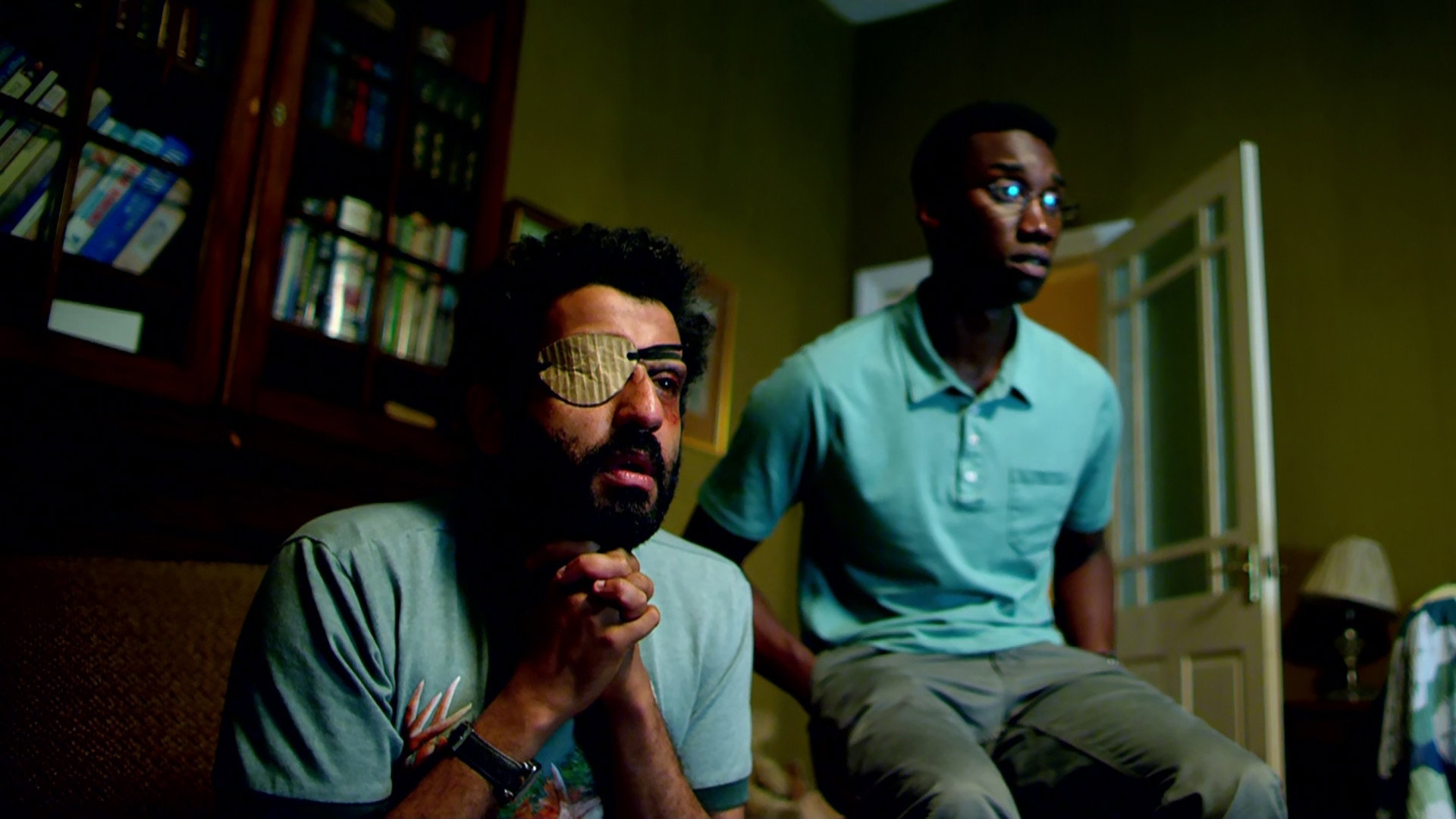
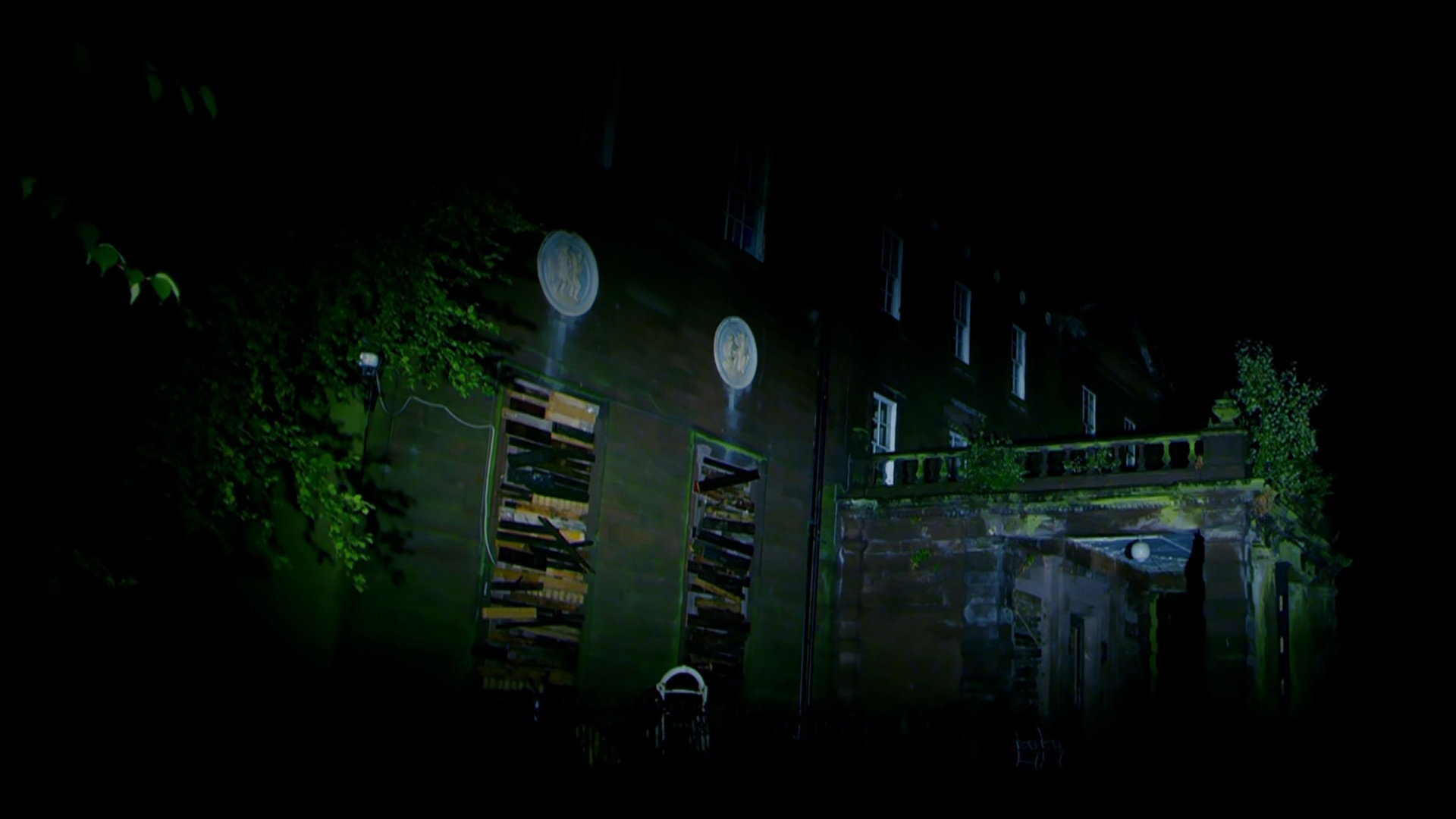
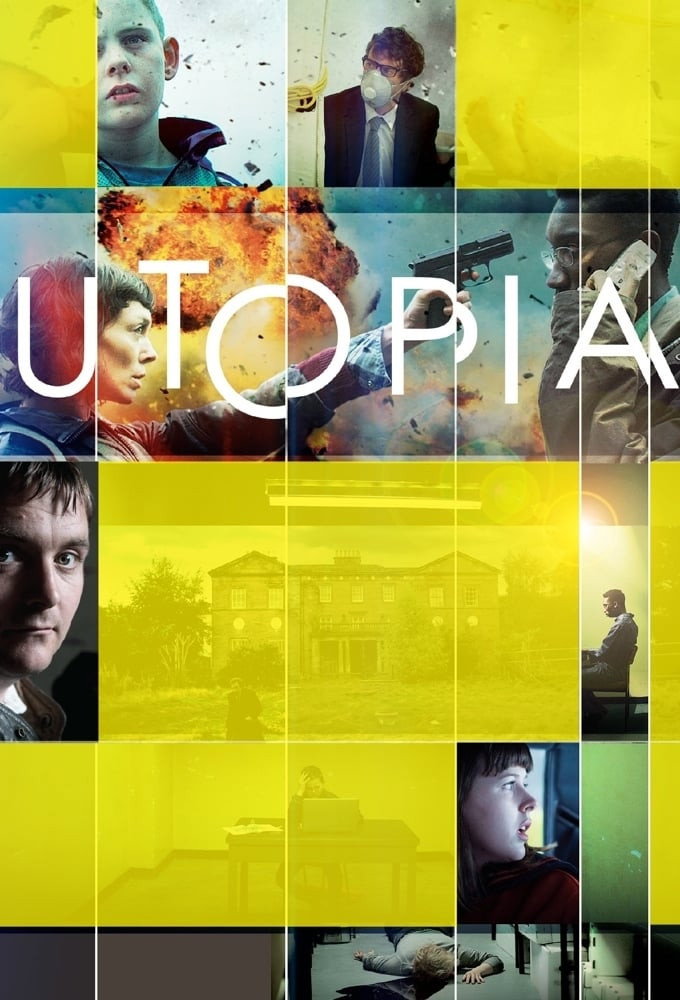
Marc Munden directs and Lol Crawley and Ole Bratt Birkeland shoot it in wide, symmetrical frames, people small and centred against fields, car parks and estates, and everything that can be yellow is yellow: a sports bag, a raincoat, a cornfield, a wall. Jennifer Kernke, Kristian Milsted and Simon Rogers give Wilson a bunker under his father’s house with the tins in rows, and give The Network rooms that are white and empty. Cristóbal Tapia de Veer’s score is made of breaths, clicks and voices stretched out of shape. It does not tell you what to feel; it tells you something is wrong with the air.

There is a scene in the first episode, involving Wilson, a spoon and a bag of chilli and sand, that horrified us more than anything we had seen on television in years, and it did it with the camera mostly on Arby’s face while he explains, kindly, what is about to happen. Maskell is the show’s great asset. He plays Arby heavy and slow, breathing through his mouth, working through a box of raisins between jobs, and he never raises his voice. He is the most frightening thing on screen because he seems to bear nobody any ill will. Later the series asks more of him than killing, and Maskell carries that too.

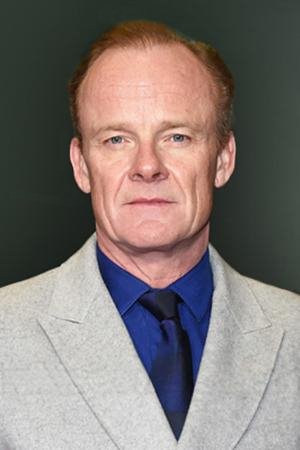
Akhtar is funny and then not, a conspiracy theorist who turns out to be right and takes no pleasure in it; we laughed at his bunker and then stopped. Paul Higgins has the second plot, as Michael Dugdale, a civil servant being blackmailed over Anya Levchenko (Anna Madeley) into approving a flu vaccine, with Alistair Petrie as his boss Geoff Lawson and Ruth Gemmell as Jen Dugdale, the wife he is lying to. Higgins plays a man being squeezed by degrees and his scenes are the most ordinary in the programme and among its best. O’Shaughnessy’s Jessica is hard to like, on purpose: she has been running all her life and treats the others as luggage. Roach and Stewart-Jarrett are given less to play than they deserve.

The violence is a lot, and not all of it earns its place; a shooting becomes the show’s usual way of leaving a room. A second series of six episodes followed from 14 July 2014. We will say nothing about what happens in it, except that the coincidences that were forgivable in the first series stop being forgivable in the second, and that it is less sure of what it is for.

Certificate 18, and it means it. Watch the first series in as few sittings as you can; it is built like one long film. Then decide about the second with your eyes open, and do not take a bag of sweets into the first episode.
Critical consensus AI synthesised

79
Positive
6
Mixed
0
Negative
0

Every one of the six reviews comes down in favour, and they praise much the same things. Most critics single out the look of the series: a stark, sleek urban picture shot for widescreen, with a slick score to match, and direction confident enough to undercut its own chilliness with a strain of black humour. The storytelling is called gripping and assured, light on exposition and heavy on mystery, and the cast draws consistent notice, with Adeel Akhtar and Neil Maskell’s psychotic Arby the two performances most often named.

The reservations are minor and cluster around tone. The Guardian wonders whether the graphic violence goes further than it needs to, and The Telegraph finds the opening episode allusive to a fault and a little too pleased with its own provocations. Empire adds that the six parts reward being watched as one long film rather than week by week. The spread is narrow, from 75 to 85, and nobody dissents from the general approval.

The Times
16 January 2013 · Andrew Billen
85*

The critic praises Utopia as fresher, weirder and confident enough in its chilliness to flaunt a pronounced sense of humour, better than recent conspiracy thrillers. It highlights the director's framing, the cast's performances especially Adeel Akhtar, and the creator's insight into the conspiracy mind-set.

Read the full review →
Empire
5 April 2013 · Kim Newman
80*

The six-part serial works best viewed as a long film, with twists building to a complex finish. It features a bright, assured widescreen look and a fine set of damaged characters on a collision course.

Read the full review →
The Guardian
16 January 2013
80*

The critic finds Utopia a work of brilliant imagination and a murky labyrinth of a conspiracy thriller that traps the viewer from the opening scene. It praises the contemporary 21st-century nightmare feel, beautiful stark urban look, and human real characters, while noting the graphic violence may be excessive.

Read the full review →
The Independent
14 March 2013
75*

The review describes it as a gruesome, gripping conspiracy thriller from Channel 4 with dollops of dark humour. It singles out Neil Maskell as horribly convincing as the psychotic Arby.

Read the full review →
The Telegraph
15 January 2013 · Mark Monahan
75*

The review calls it gripping stuff with a dark, tantalisingly mysterious overture and serious-minded observations on our age beneath the lurid surface. It notes the atmospheric new drama, confident storytelling, slick score, sleek camerawork, and talented cast, though finds the first episode allusive to a fault and self-consciously provocative.

Read the full review →
Den of Geek
15 January 2013 · Louisa Mellor
80*

The stylish conspiracy thriller makes for an entertaining, packed hour with a light touch on exposition. It stands out through its combination of stylized direction, brutality, humor, and enigmatic plot.

Read the full review →

Cast

If you liked this, try…

Edge of Darkness poster

Edge of Darkness

1985 · The BBC’s grey nuclear conspiracy; Kelly’s yellow one owes it more than it admits.

Kill List poster82

Kill List

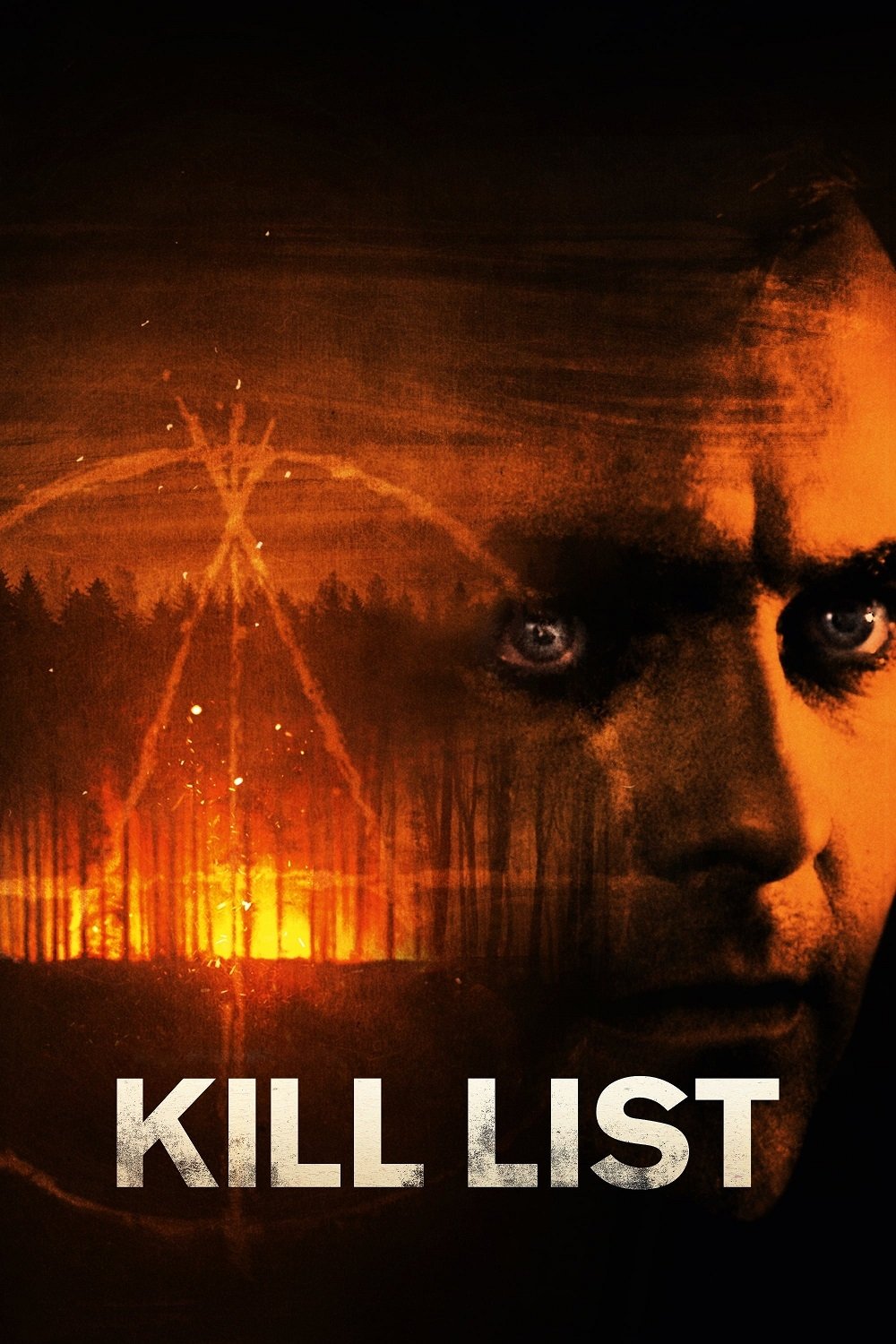
2011 · Neil Maskell again, as a hitman in a film that turns very strange indeed.

The Parallax View poster

The Parallax View

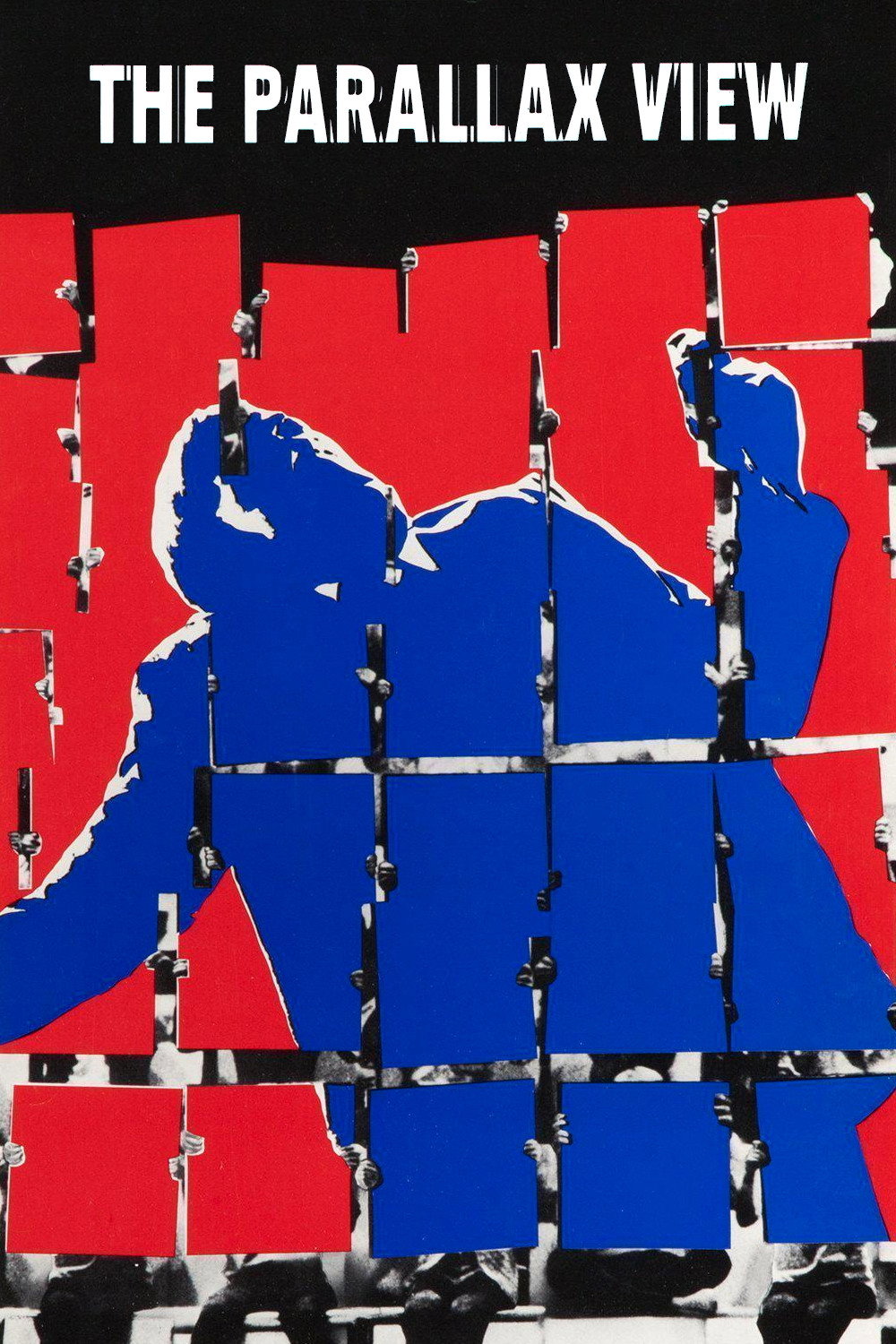
1974 · Pakula’s paranoid thriller, where the wide empty frame is the villain.

The Kingdom poster

The Kingdom

1994 · Von Trier’s Danish hospital serial: sickly colour, dread and jokes in equal measure.

Mr. Robot poster

Mr. Robot

2015 · A hacker, a shadowy company, and a camera that puts people in the corner.