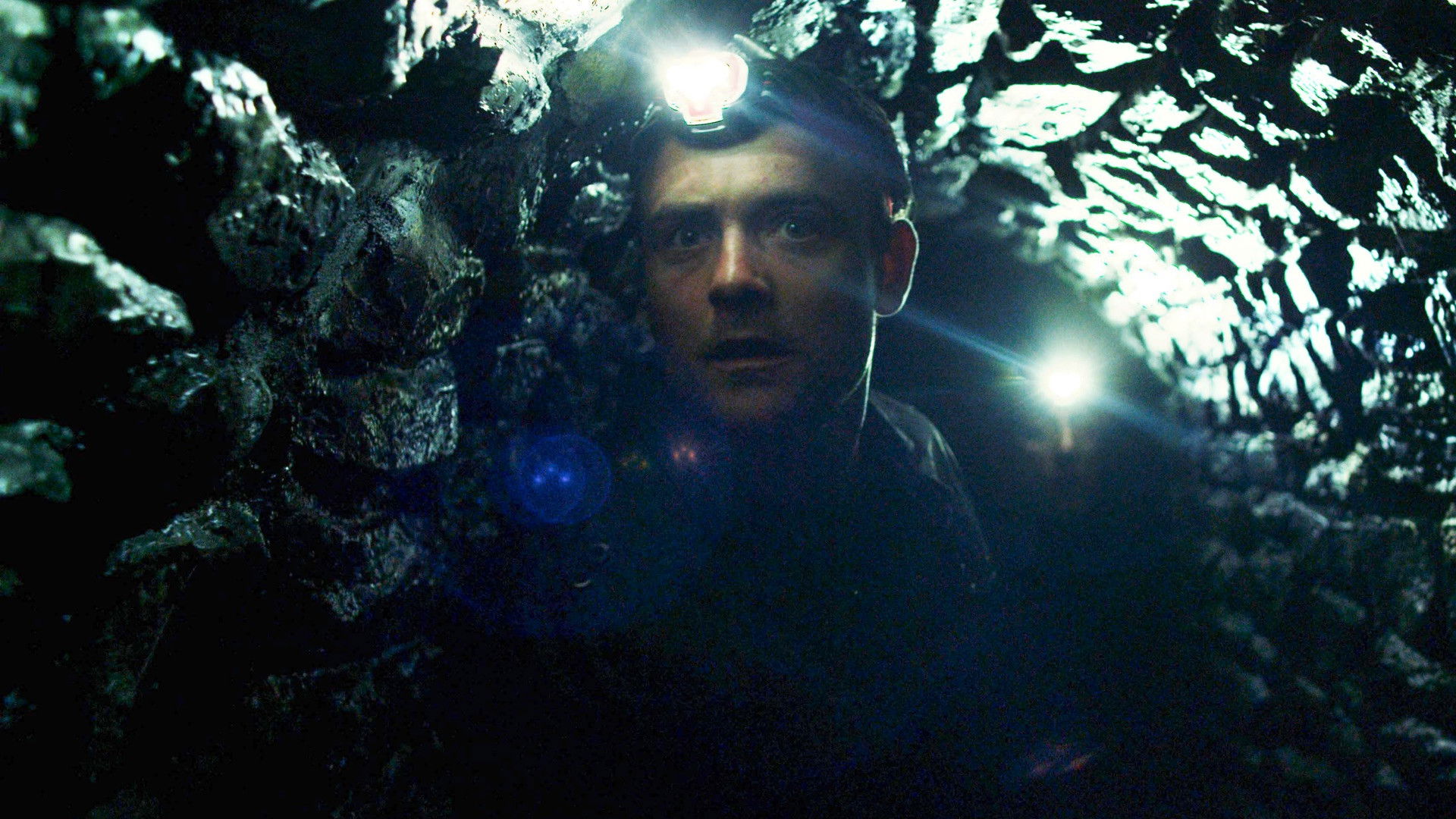
Ben Wheatley makes an unsettling horror film out of suburban tension and hitmen at work, with Neil Maskell and Michael Smiley keeping it painfully credible. The final stretch is less persuasive, and the violence requires a strong stomach.
Kill List is a disturbing, well-acted horror film whose least convincing stretch comes late, after an unusually sure build-up. Ben Wheatley begins with suburban domestic tension and lets the hitman business grow out of an atmosphere that is already unpleasant. The approach works because the people seem capable of hurting one another before the film needs to prove it. There is grim humour here too, and it matters: these people have something to do besides announce that they are in a horror film.
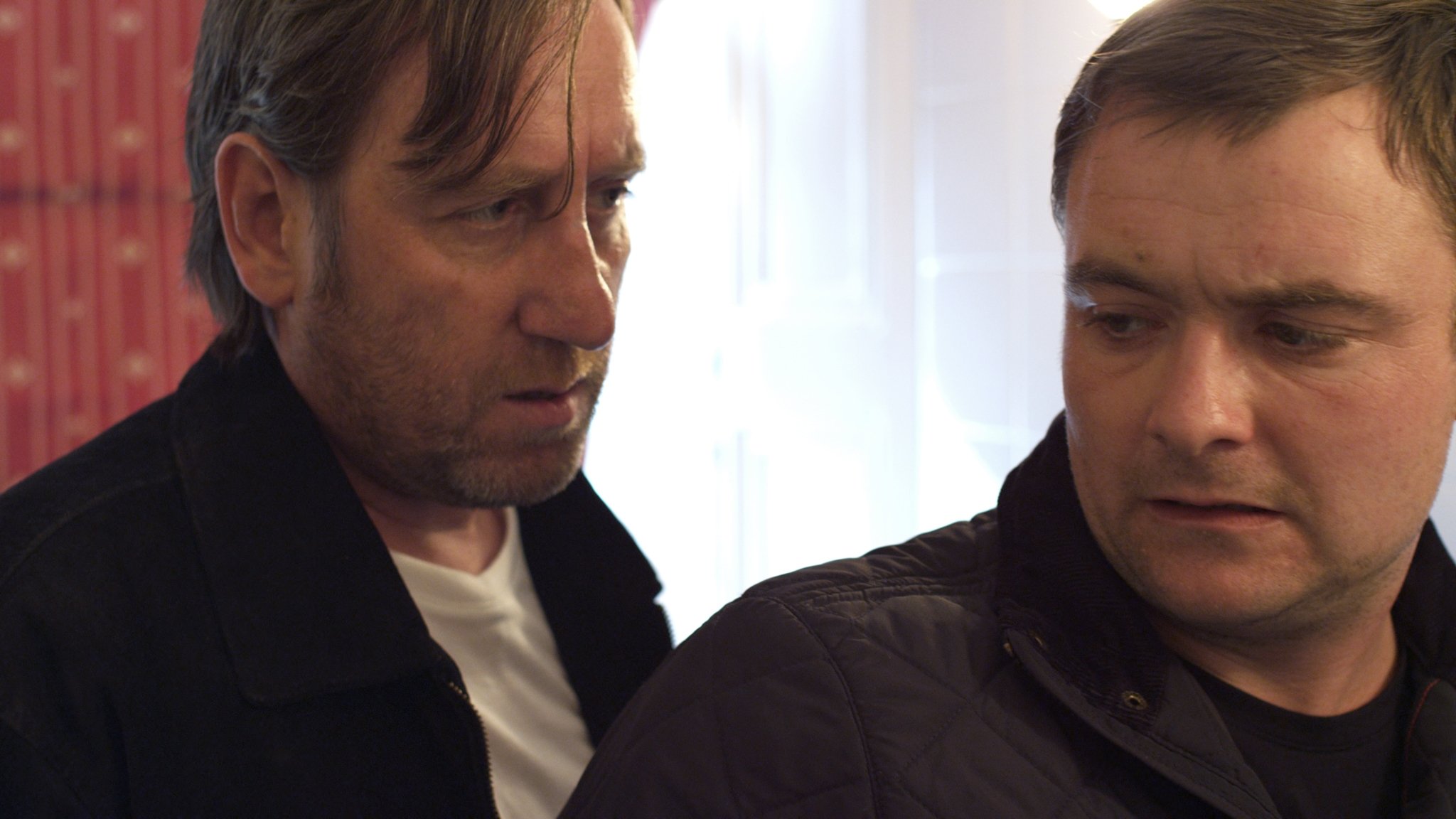
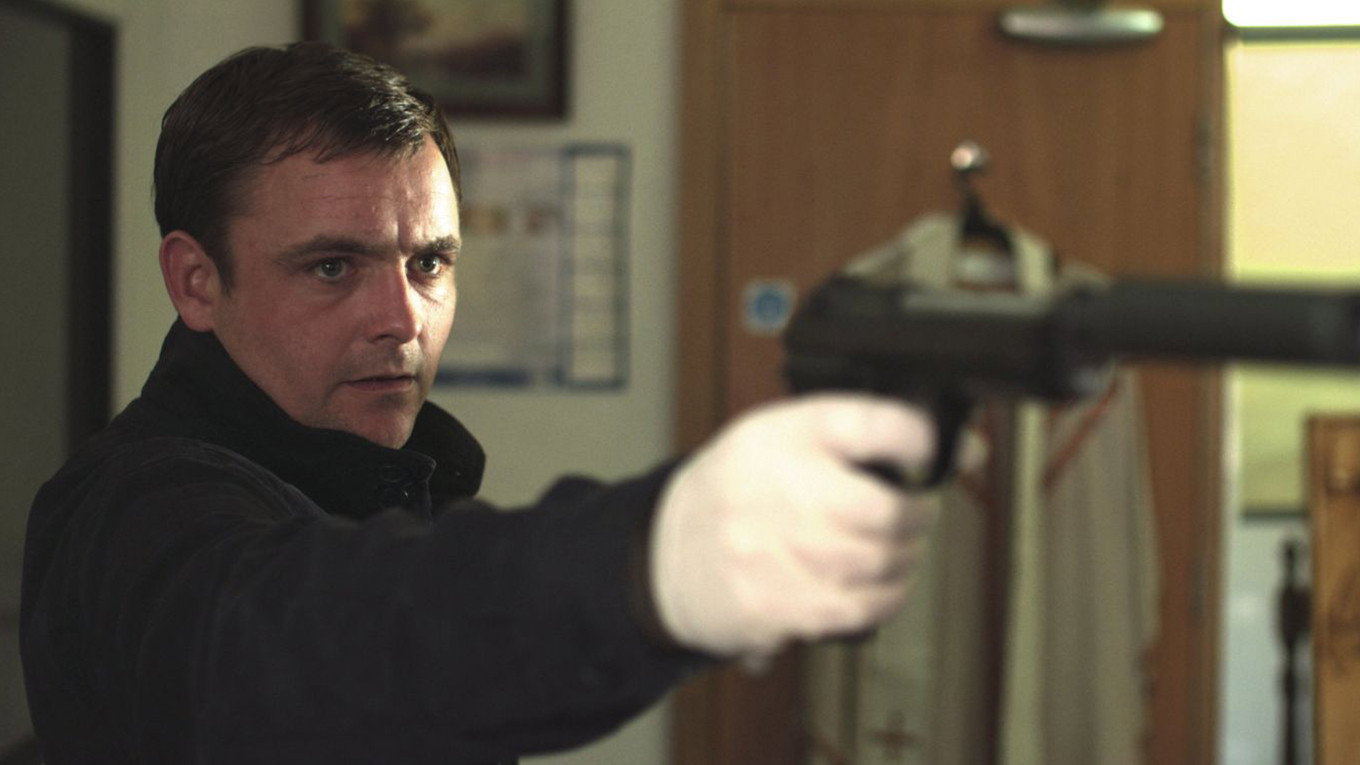
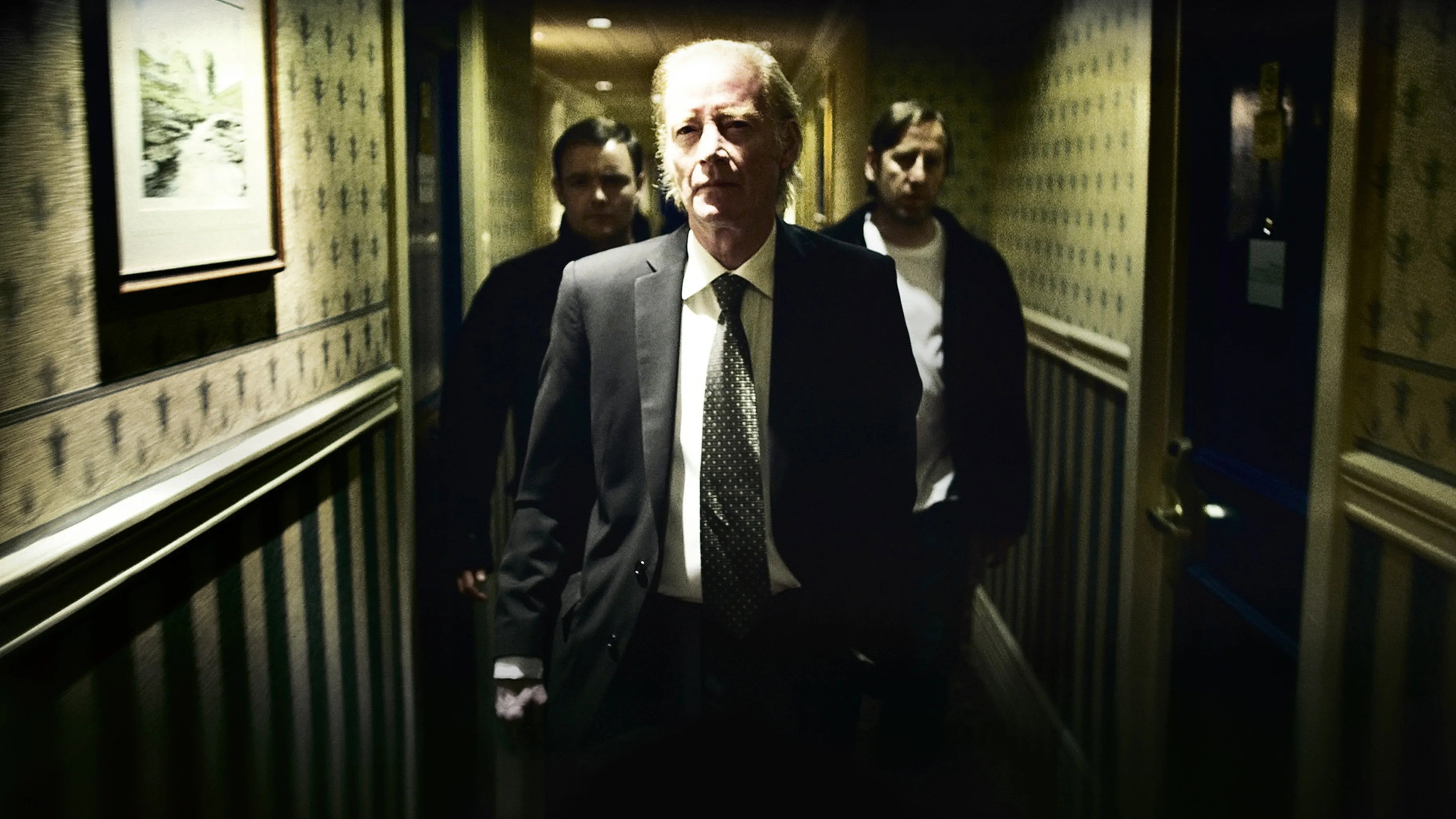
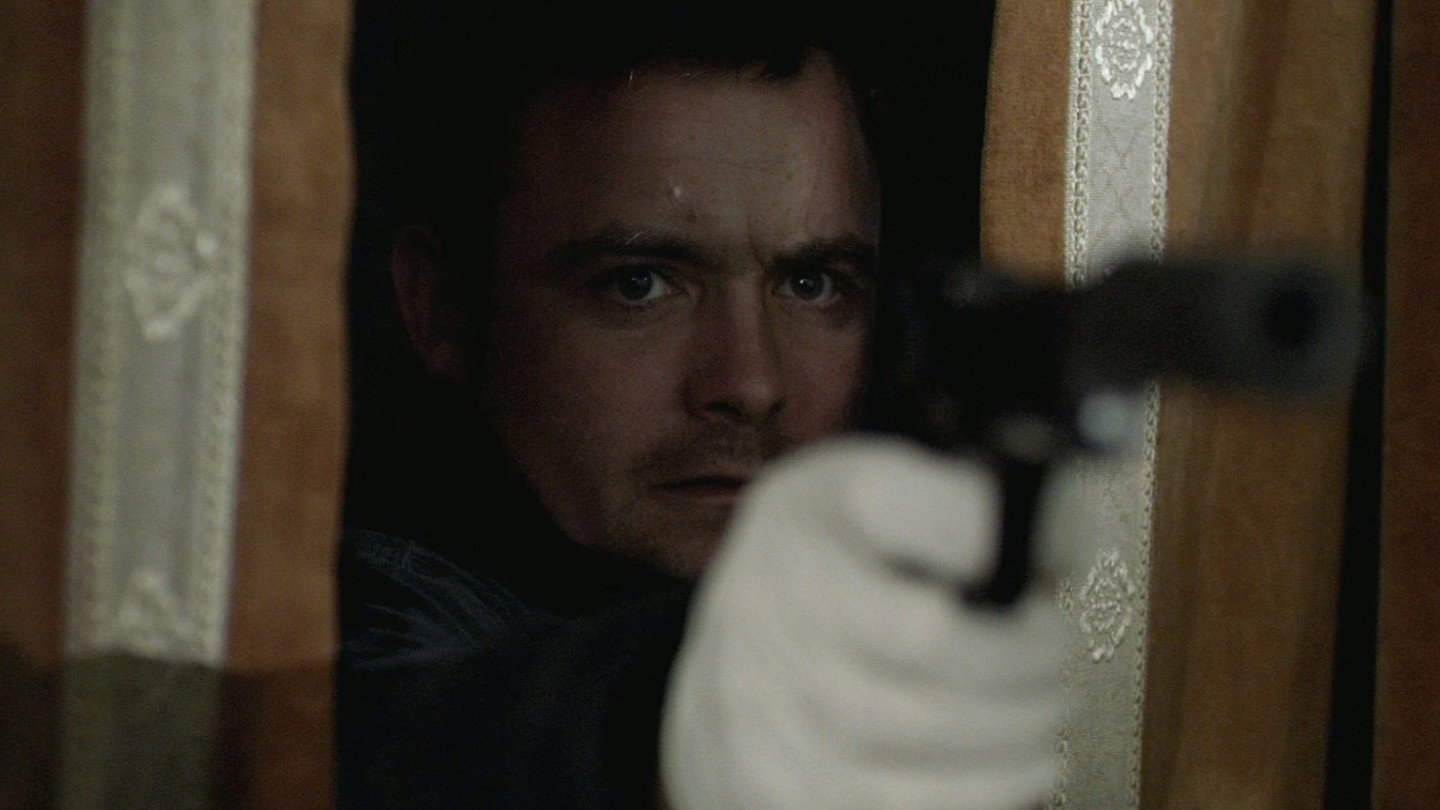
Neil Maskell, as Jay, and Michael Smiley, as Gal, give the criminal partnership a disconcerting ease. The screenplay, by Wheatley and Amy Jump, gives their conversations an everyday sound that makes the brutality harder to dismiss as genre business. We were unnerved by the tension at home, well before the film’s more graphic shocks. The reason was the cast’s plain, unshowy playing: the domestic friction felt believable enough to be embarrassing. It is difficult to keep a comfortable distance from people who speak like people we recognise.
Laurie Rose’s cinematography gives the everyday surroundings a scuffed, unglamorous look, and that is the right choice. David Butterworth’s production design makes the suburban setting credible without demanding attention for its own sake. Together, they deny us the small comfort of watching criminals in a place arranged to look exciting. The ordinary setting also makes the film’s growing strangeness more disturbing, because the people and their surroundings have already persuaded us that we know where we are.
The changes of tone need careful handling, and the editing by Wheatley, Barney Jordan, Robin Hill and Amy Jump generally finds the right pace for them. Domestic discomfort remains in the film even as the crime story becomes more forceful. Jim Williams’s score adds an insistent unease to that progression, making the everyday scenes feel unsafe. It is effective music for a film in which reassurance is in short supply. Across 95 minutes, there are few chances to relax.
Wheatley is good at making us spend time with people whose company we would decline elsewhere. The humour helps, but it does not make their capacity for violence any easier to accept. The brutality is graphic enough to make the film a difficult recommendation for anyone seeking a companionable crime thriller. Within horror, its most convincing choice is to keep recognisable, awkward human behaviour in view rather than treating it as the dull business before the frightening material.
The final stretch is where Wheatley and Jump’s script becomes less persuasive. We will not describe what happens, but the script leaves too many connections unexplained. A horror film need not explain everything; here, though, some of those gaps make it harder to believe in what we are watching. The performances remain the strongest reason to stay involved.
Go in knowing as little as possible about the story, but take the warnings about violence seriously. This is a recommendation for viewers who like horror to leave them unsettled, even when the script does not supply every answer. It is not a good choice for winding down.