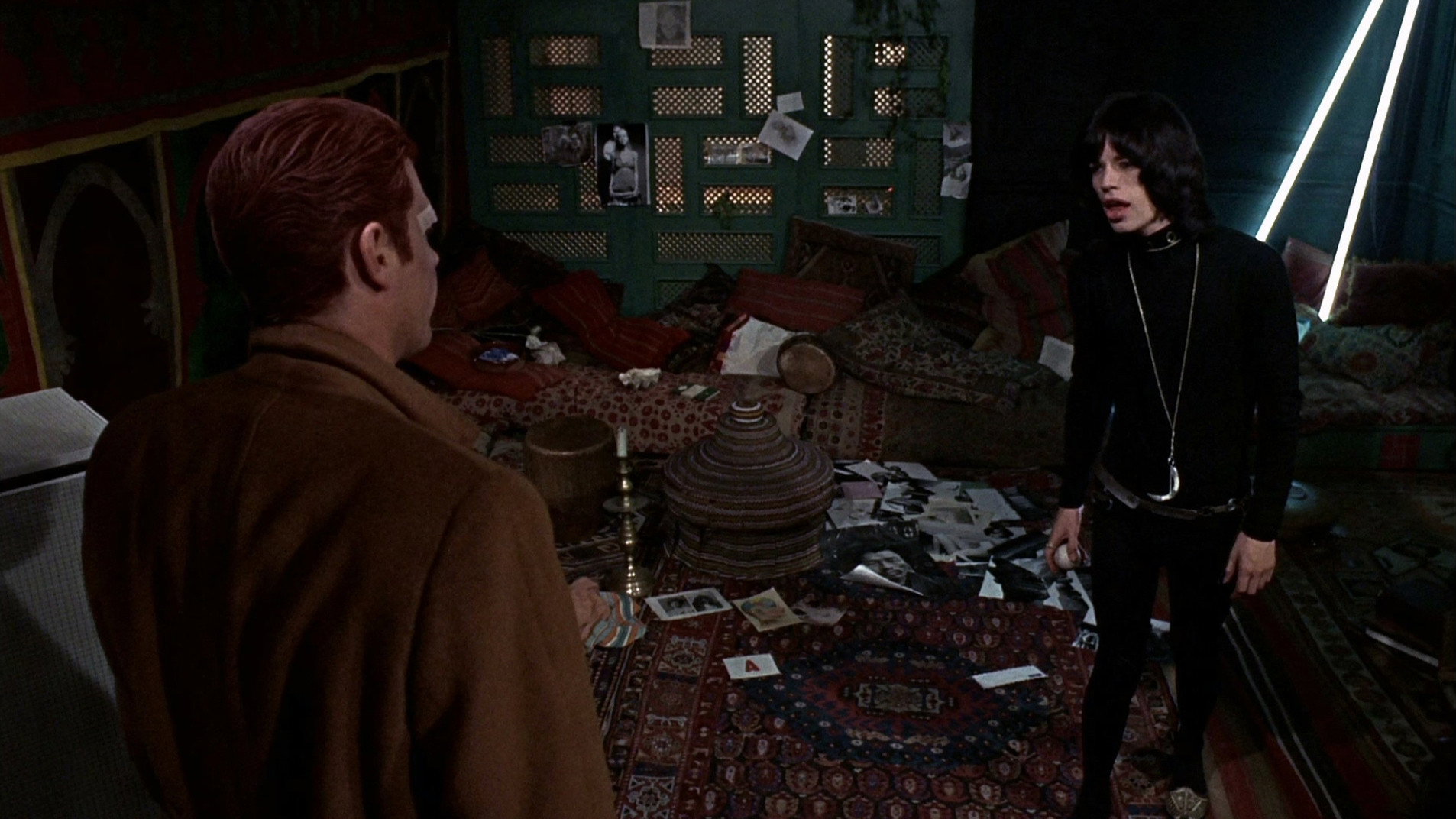
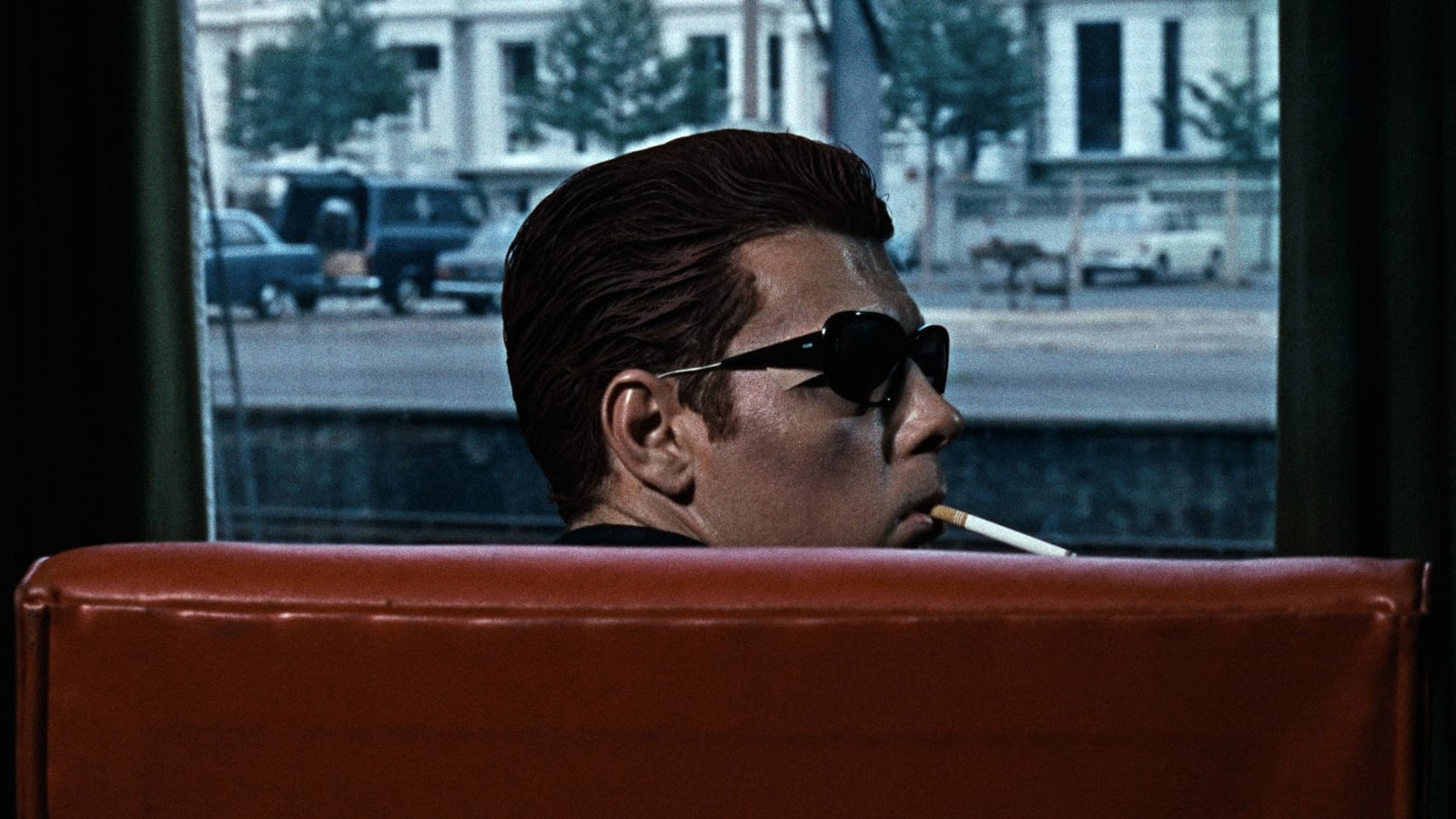
Donald Cammell and Nicolas Roeg make a gangster’s search for shelter frightening, seductive and occasionally tiresome. James Fox and Mick Jagger keep Performance. worth the effort when its psychedelic interruptions grow too pleased with themselves.
Performance. is a violent, absorbing crime film, though some of its psychedelic flourishes try our patience. Donald Cammell and Nicolas Roeg use a gangster’s encounter with a fading rock star to ask how much of a man’s authority depends on other people believing in it. That could have produced a smug exercise in spotting similarities between two disreputable professions. The violence prevents that comfortable distance: these men hurt people, and the film makes their appetite for power frightening.
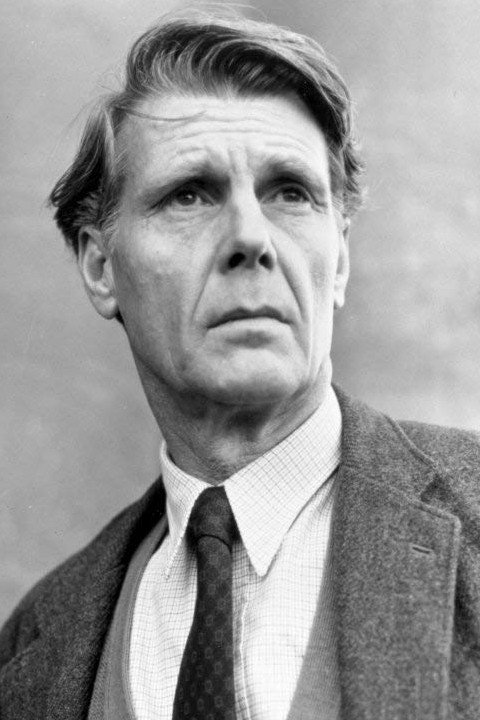
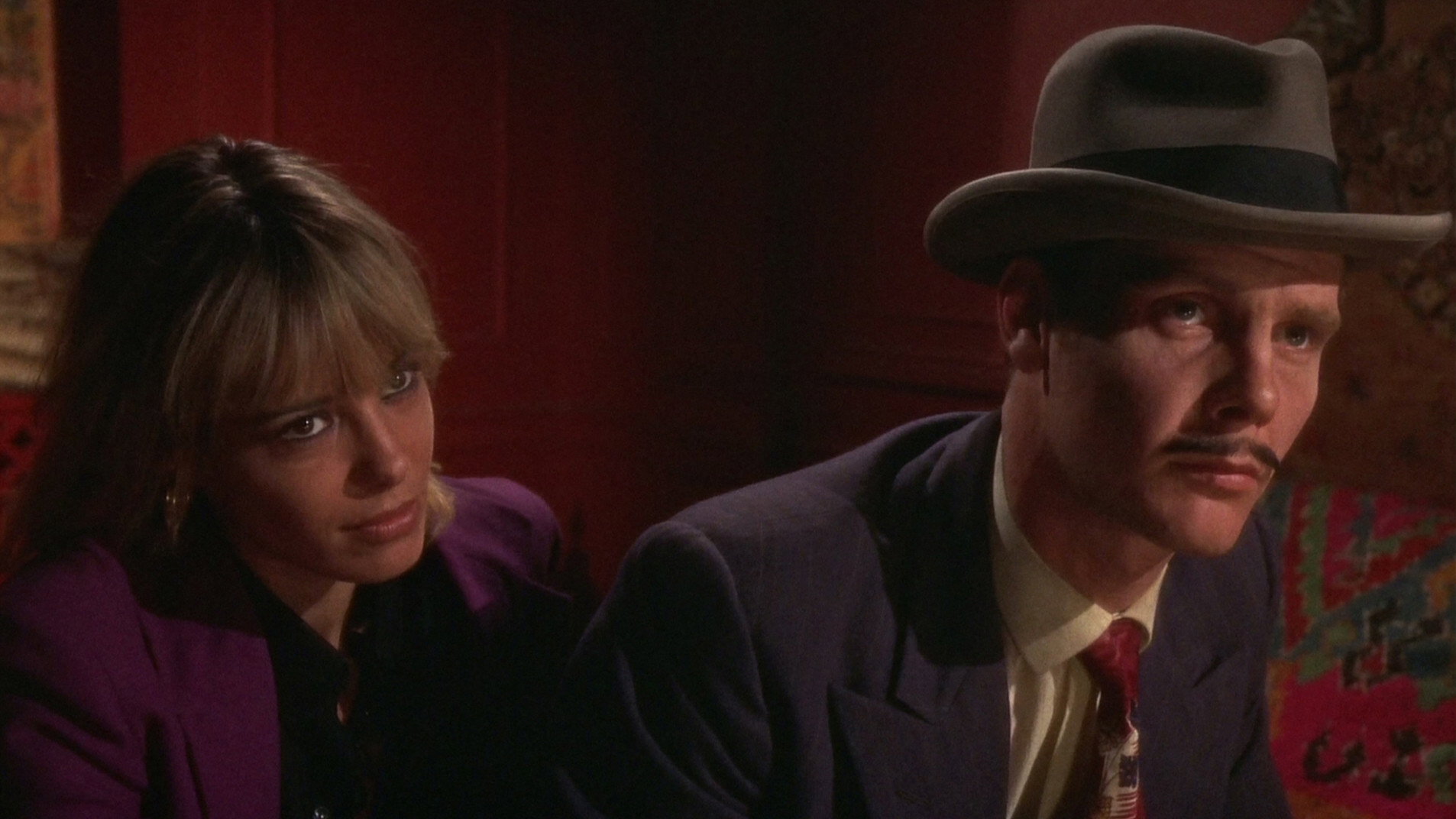
James Fox gives Chas enough conviction to make the criminal business frightening before the film starts questioning him. We were repelled by the early gangster humiliations, because the bullying is treated as routine work rather than a thrilling interruption to it. Fox makes Chas’s assurance seem so deeply ingrained that the prospect of taking him out of familiar company carries its own tension. Gangster films often invite us to enjoy watching a professional do his job; this one makes that invitation difficult to accept.
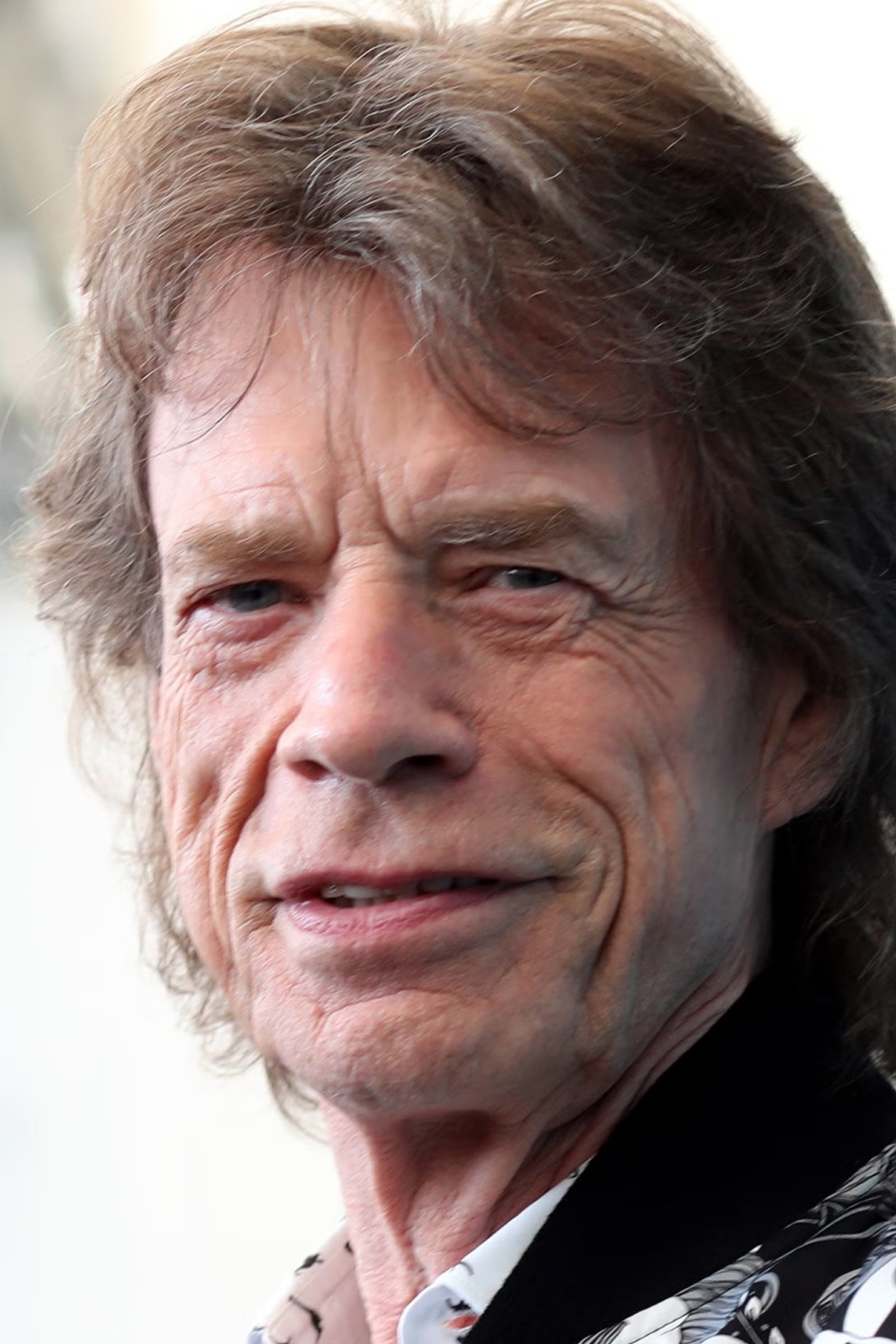
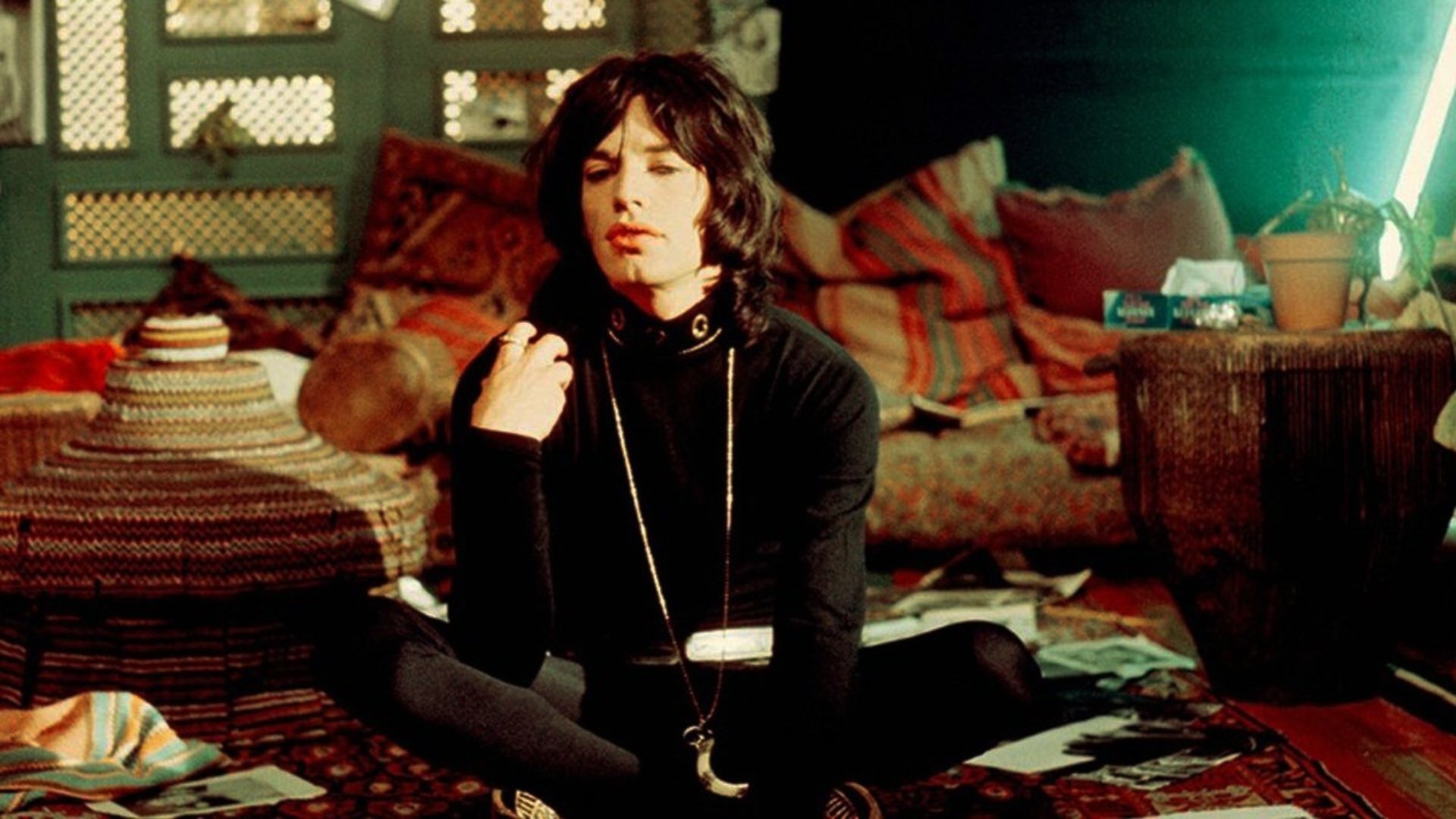
Mick Jagger’s Turner is the reason the change of company works. He gives the reclusive rock star a self-possession that makes Chas’s certainty look suddenly effortful, without making Turner seem remotely dependable. We kept watching him for the suggestion that his interest in another person might become an experiment at that person’s expense. Jagger supplies enough curiosity and cruelty to make Turner someone whose attention we would hesitate to encourage.
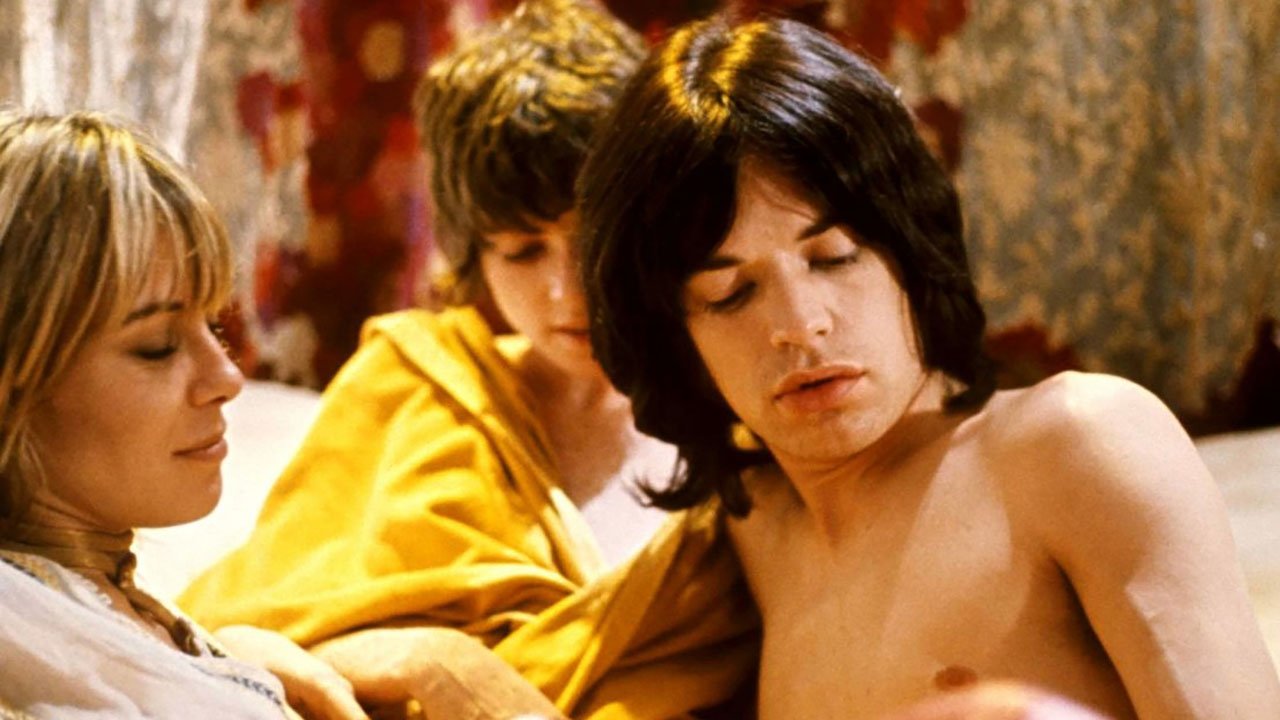
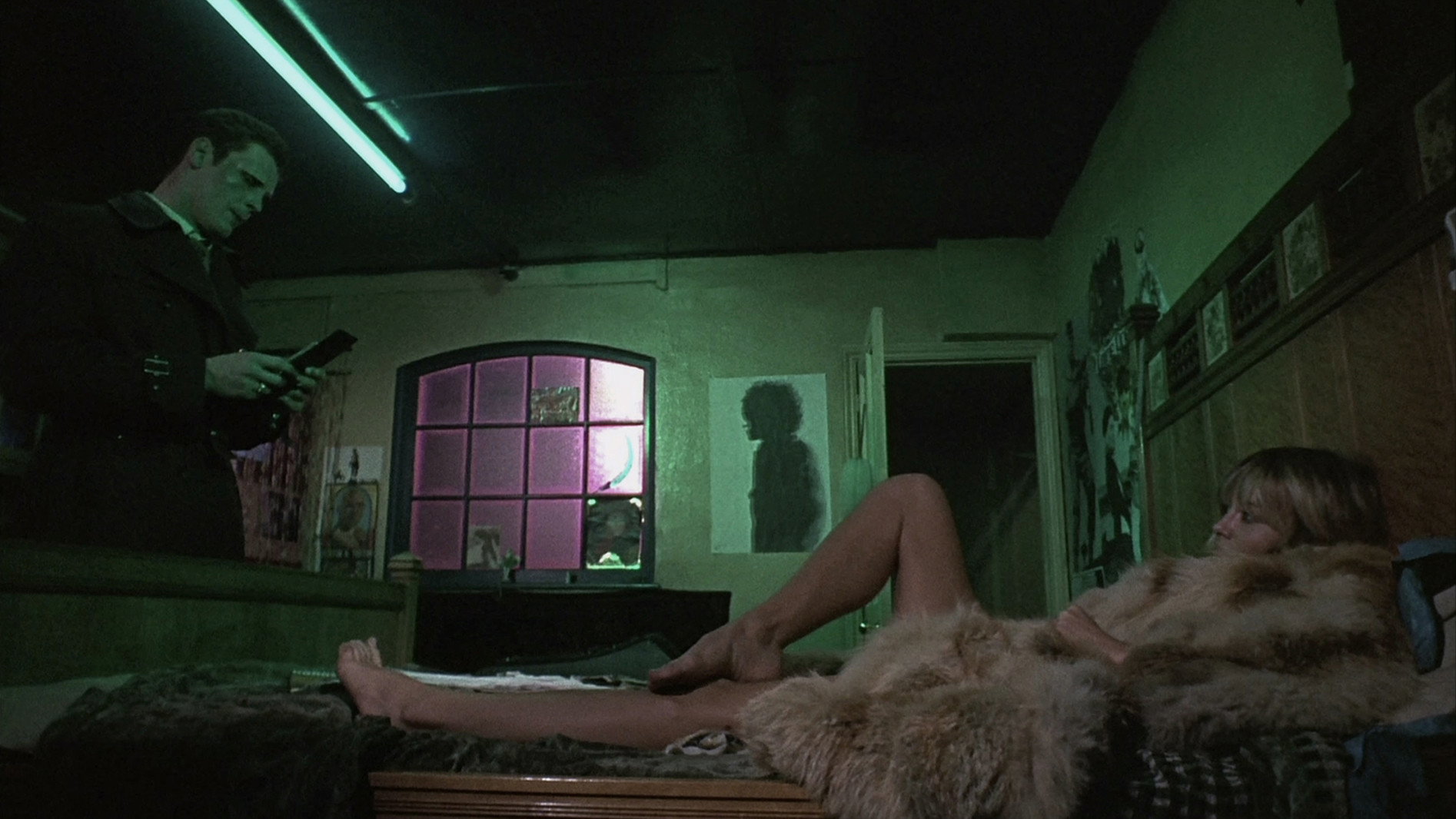
Nicolas Roeg’s photography makes these unpleasant people disturbingly attractive. The sexual display has a pull even when the cutting makes it difficult to settle into looking, and that combination keeps the encounters uncomfortable. Editors Frank Mazzola, Tony Palmer, Antony Gibbs and Brian Smedley-Aston repeatedly break scenes apart, denying us much time to get our bearings. At its sharpest, the abrupt cutting makes the threat difficult to predict, even when the people involved appear sure of themselves.
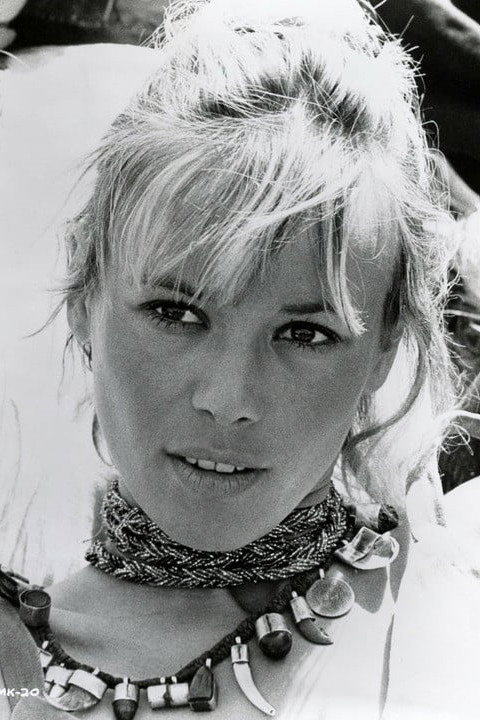
Jack Nitzsche’s music helps hold the film together through its changes of pace and mood. It suits the dangerous pleasure of the encounters without making the cruelty easier to enjoy. Donald Cammell and Anita Pallenberg’s screenplay is strongest when it keeps the two men’s competing demands in view. They are accustomed to provoking a response from other people, and their difficulty in knowing what to make of each other gives the film enough tension to survive its more wayward passages.
The trouble comes when another jolt of imagery arrives before the previous one has done much beyond announcing how strange the film can be. The psychedelic passages sometimes made us impatient; the actors had already made these people difficult to read, and the extra confusion did not always deepen our interest. Some of the disruption begins to feel automatic, which is an unfortunate result for a film working so hard to surprise us. Even there, the tension between James Fox and Mick Jagger gives us a reason to stay.
At 106 minutes, this requires attention, and there are stretches where the effort feels insufficiently rewarded. The performances are persuasive enough that we recommend accepting that frustration, particularly for anyone interested in a crime film prepared to abandon familiar comforts. See it for James Fox and Mick Jagger; save the promise of a relaxing evening for something else.