E
Empire
1 January 2000 · David Parkinson
90*
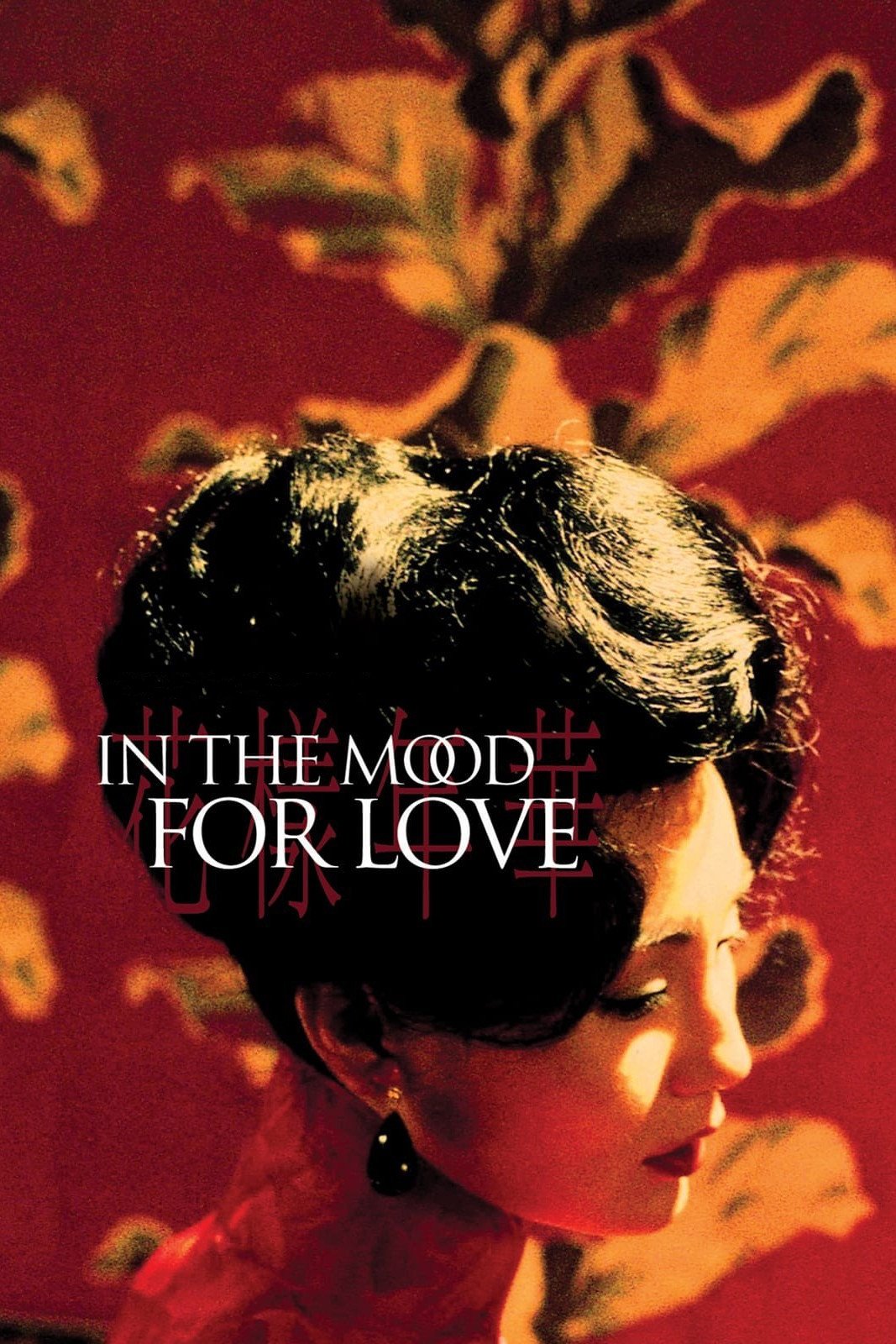
The critic praises Wong Kar-Wai for shifting to more traditional storytelling in this tale of hesitant romance between neighbours in 1960s Hong Kong whose spouses are having an affair. Performances and photography are singled out as masterful and beautiful, making it an astounding achievement and sublime cinema.
Read the full review →G
The Guardian
27 October 2000
90*
The critic praises Wong Kar-wai’s exquisitely nuanced account of two married neighbours discovering their spouses’ affair and embarking on their own ambiguous, unconsummated relationship marked by tension and restraint. It singles out the tactile, richly textured world created by the cinematography and production design, along with the lead performances that convey emotional depth without overt drama.
Read the full review →E
Evening Standard
10 April 2012
85*
The critic calls it a genuinely wonderful movie that is old-fashioned yet contemporary, subtly erotic and effortlessly cool. Wong's masterful composition, use of colour, sound and actors' expressions are highlighted as creating one of the most affecting and poignant films of the year.
Read the full review →F
Film Comment
1 January 2001 · Kent Jones
The critic praises Wong Kar-wai's return to a more contemplative style in this story of repressed longing between two neighbors in 1960s Hong Kong, highlighting the film's visual and rhythmic elegance. Maggie Cheung's performance is singled out as heroic and radiant, capturing the sadness of self-censorship and propriety.
Read the full review →S
Sight and Sound
· Amy Taubin
The critic praises the film's vivid recreation of 1960s Hong Kong as a memory piece rather than a straightforward narrative, highlighting its elliptical structure and fetishistic quality that evokes absence and longing. She singles out the subtle performances by Maggie Cheung and Tony Leung, along with the eroticised movement and layered framing that capture the characters' internal conflicts and the art of acting itself.
Read the full review →S
Slant Magazine
2 May 2001 · Ed Gonzalez
The critic calls the film a ravishing evocation of an unconsummated romance tested by emotion and culture. They single out Wong’s impeccable use of interior space and mise-en-scène that displaces desire into the visuals and soundtrack.
Read the full review →A
The AV Club
2 February 2000 · Scott Tobias
The critic praises the film’s ravishing beauty and its collection of vivid, slowed-down moments that feel like memory. They single out the natural chemistry of Leung and Cheung and the intensification of romantic longing amid social constraints.
Read the full review →N
The New York Times
10 November 2000 · Joan Dupont
The film is a piece of pure, languorous nostalgia set in 1960s Hong Kong, with few words and slight plot, focusing on two lonely neighbors who meet for mah-jongg parties and tea and sympathy. The director creates a sense of stifled drama in cramped spaces, with the rhythm in Maggie Cheung's body movements and exquisite costumes, evoking lost worlds as much as failed loves.
Read the full review →V
Variety
14 June 2000 · festival review · David Rooney
Wong Kar-wai's film is an exquisitely fashioned melodrama about love and regret that dazzles with romantic melancholy and ravishing visuals but lacks dramatic complexity for lasting emotional resonance. It establishes a dreamy mood through fluid editing and hypnotic sequences but fails to conjure the depth of classic melodramas it aspires to, despite gorgeous production design and strong performances from Maggie Cheung and Tony Leung.
Read the full review →E
Eye for Film
19 January 2001 · Angus Wolfe Murray
85*
The critic praises the film's subtle, slow, and internalized beauty as an exercise in minimalist restraint. It highlights the leads' painfully polite interactions and the visual emphasis on details like clothing and hair in exploring unconsummated passion.
Read the full review →Ordered by the weight we give each publication, then by score. Scores are normalised to 100; * means inferred from an unrated review. Summaries are ours, not quotations; follow the links for the reviews themselves. How we rate