Critics’ reviews

Distant Voices, Still Lives (1988)

12 reviews from 12 publications. Critics’ score 82: 8 positive, 0 mixed, 1 negative.

Back to our review of Distant Voices, Still Lives

82
Positive
8
Mixed
0
Negative
1

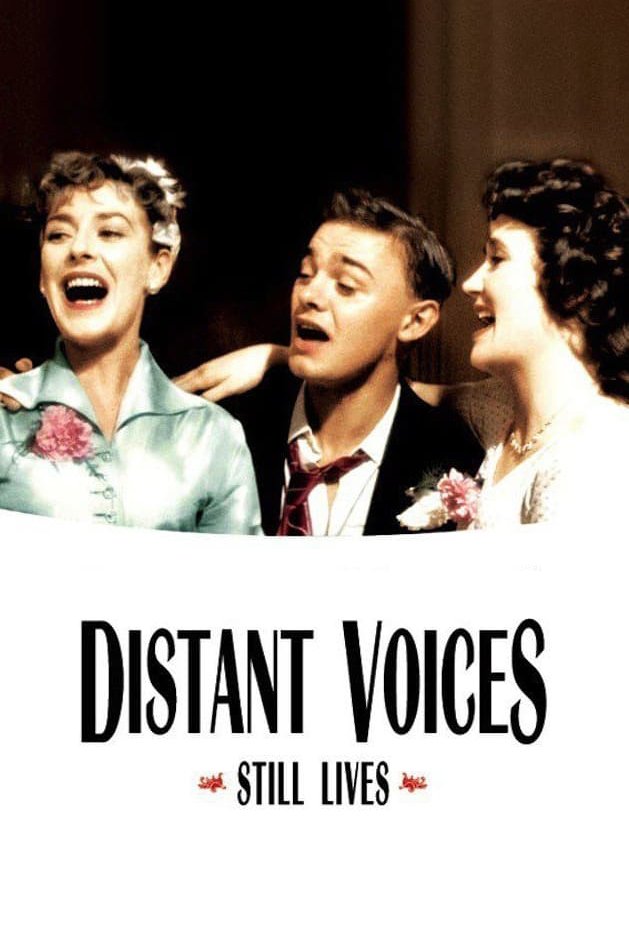
Most critics respond warmly to Terence Davies’ fractured portrait of working-class Liverpool family life, praising its emotional force and its refusal to soften domestic cruelty with nostalgia. Praise clusters around the period songs, which give otherwise restrained characters a way to express grief, affection and solidarity. The reviews also admire the careful framing and shifts through memory, while Pete Postlethwaite’s frightening father and Freda Dowie’s stoic mother receive particular recognition for their performances.

The disagreement centres on whether those fragments and songs communicate enough beyond private recollection. The New York Times supplies the sharp dissent, finding the film underdeveloped and deliberately undramatic, with singing used to fill gaps in the narrative. That leaves a broad spread in enthusiasm but little middle ground: most critics find emotional depth in the same restraint and broken chronology that the dissenting review regards as barriers.

The Times
31 August 2018 · ★★★★★ · Ed Potton
100

The critic describes a mesmerising, impressionistic portrait of a working-class Liverpool family, hailing it as a masterpiece of elliptical vignettes. Pete Postlethwaite’s terrifying patriarch and the cast’s renditions of songs are highlighted as standout elements.

Read the full review →
Evening Standard
10 April 2012
90*

The critic calls this quite possibly Davies' masterpiece, a bittersweet autobiographical tracing of his working-class upbringing in postwar Liverpool told in flashback and studded with period songs. It is highly emotional but seldom sentimental, with its subtle stylisation a triumph of real cinematic artifice.

Read the full review →
Los Angeles Times
28 July 1989 · Sheila Benson
90*

Davies’ mesmerizing memory film becomes its own kind of poetry: taut, referential, inward, brilliant, with painterly framing and scenes of shocking beauty. It conveys family as shelter amid emotional brutalization and uses period songs as counterpoint, comment, release, and ribald joke.

Read the full review →
Slant Magazine
· Fernando F. Croce
90*

The critic praises how Davies uses music to express repressed emotions and transcend the film's grim subject matter, turning personal trauma into something redemptive and cinematic.

Read the full review →
The New Yorker
23 August 2018 · Richard Brody
90*

Davies channels vast experience and history into a pain-filled, lyrical first feature about a family in postwar Liverpool marked by a monstrous husband and father. The women's singing provides a soaring vision of solidarity and humanity, making the film both a great memory piece and a profound musical.

Read the full review →
Empire
30 March 2007 · David Parkinson
85*

The critic praises Terence Davies' delicate capture of the poetry of the ordinary in this autobiographical tale of a working-class Catholic family in 1940s Liverpool. The fusty photography and shifting soundtrack evoke bleak austerity and emotional authenticity, making it a gem that blends musical and melodrama in a fond yet forlorn way.

Read the full review →
Variety
31 December 1987 · Variety Staff
80*

This autobiographical first feature divides into two seamless parts centered on family weddings and memories of the 1940s and 1950s in Liverpool, full of singing at gatherings and pubs. Its special qualities stem from the beautiful simplicity of direction, writing and playing, and the accuracy of the incidents depicted.

Read the full review →
The New York Times
29 September 1988 · Vincent Canby
30*

The film is a dimly realized personal statement that ultimately says less than its program notes. It offers a tight-lipped recollection of growing up in a working-class Liverpool family dominated by an abusive father, using songs to fill narrative gaps in a deliberately anti-dramatic structure.

Read the full review →
Sight and Sound
· David Wilson

The review praises the film's emotional potency and its evocation of a terrible past through fragments of family memory. It highlights Davies' use of still compositions, desaturated colour, and popular songs to render time remembered as a present experience, transcending autobiography.

Read the full review →
The Guardian
30 August 2018 · Peter Bradshaw

The critic calls it an undimmed autobiographical masterpiece whose austere beauty and wrenching sadness remain gripping. Standout performances by Pete Postlethwaite as the terrifying yet complex father and Freda Dowie as the stoic mother are singled out, along with the power of the family singing scenes.

Read the full review →
Time Out
17 April 2007 · Dave Calhoun

The review lauds the film's emotional power as a fractured chronicle of working-class Liverpool family life marked by domestic abuse and resilience. It singles out the poetic chronology, family photos and sing-alongs, and unflinching yet loving portrayal of flawed characters as making it a masterpiece.

Read the full review →
Eye for Film
20 April 2007 · festival review · Amber Wilkinson
80*

The film offers an evocative, autobiographical portrait of working-class Liverpool life that explores the nature of memory as much as events themselves. Davies uses songs and a roving camera to create a rich tapestry of reminiscences, with strong performances and a restored print that highlights the highs and lows of the period.

Read the full review →

Ordered by the weight we give each publication, then by score. Scores are normalised to 100; * means inferred from an unrated review. Summaries are ours, not quotations; follow the links for the reviews themselves. How we rate