Film review

American Graffiti

1973 · Directed by George Lucas · 1h 52m · MPA PG

In a sentenceThe cars have far more confidence than their owners

ComedyDrama

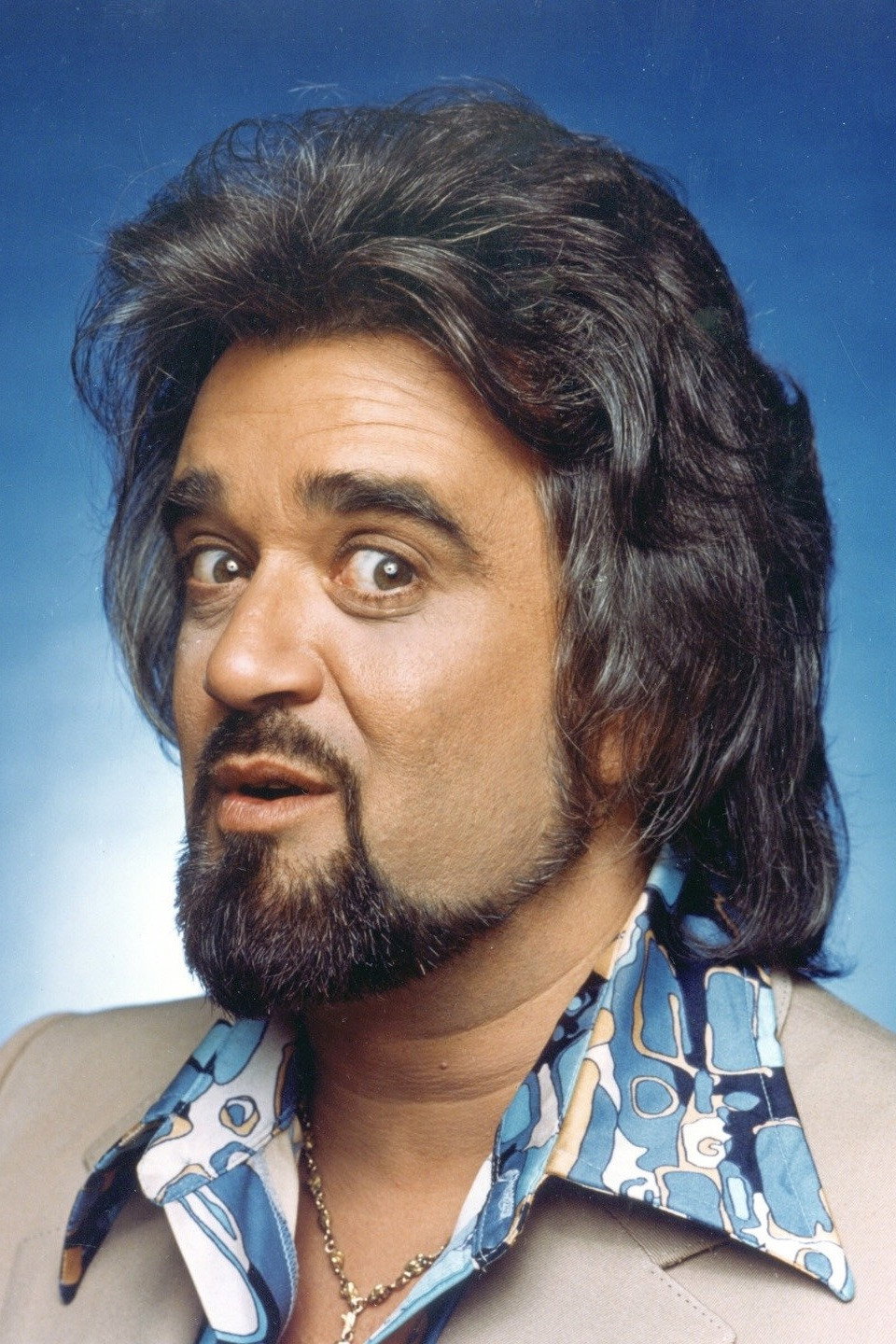
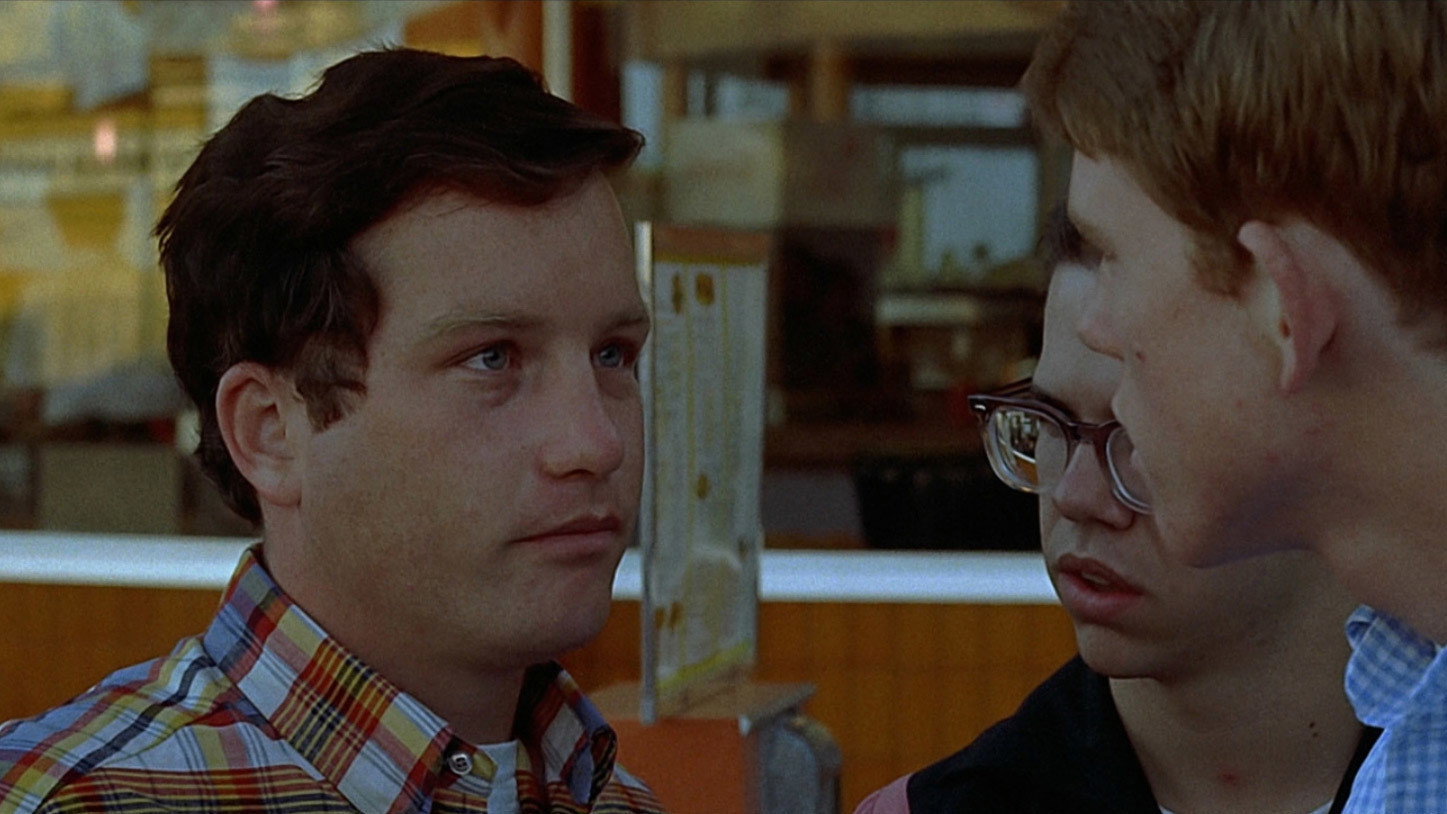
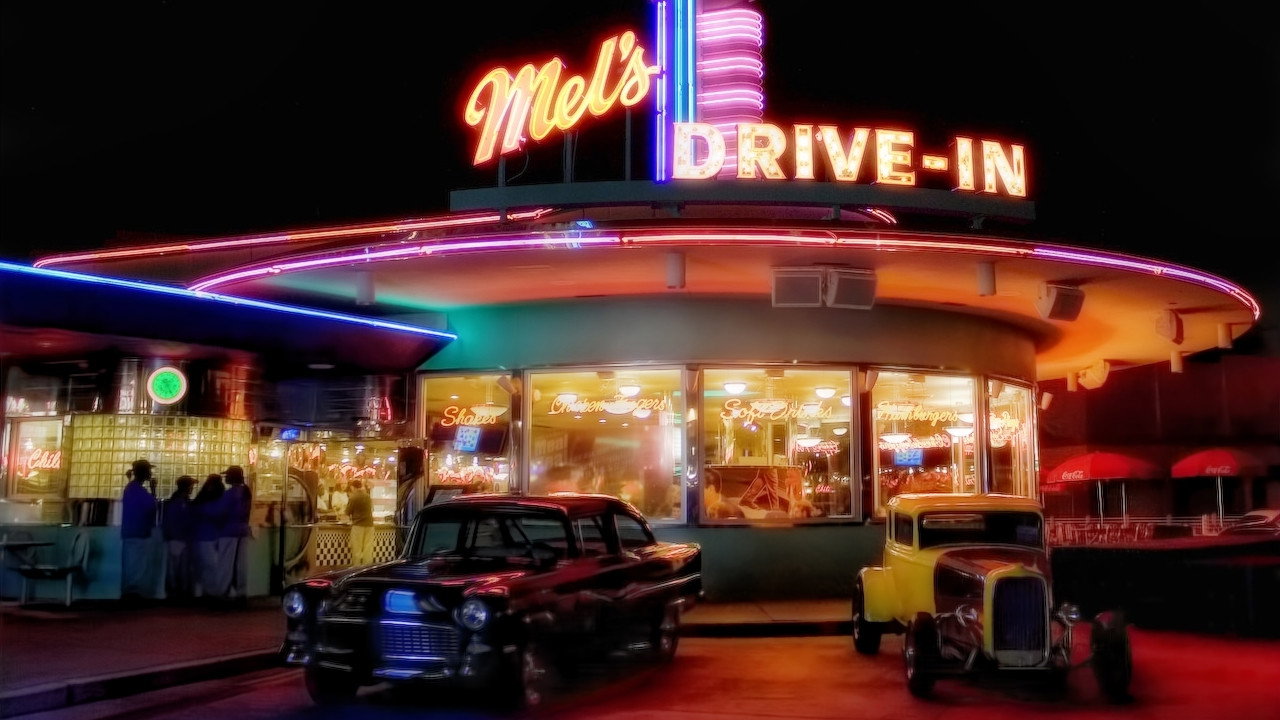
Summer, 1962, in a small California town. Curt Henderson (Richard Dreyfuss), Steve Bolander (Ron Howard) and John Milner (Paul Le Mat) spend the night among the cars and teenagers cruising Main Street. Rock’n’roll plays on the radio, with Wolfman Jack providing the voice that follows them along the streets. Curt spots a blonde in a white Thunderbird and wants to find her again, but the passing car gives him little to go on. The night offers a changing company of drivers and passengers, with drag racing and the prospect of adulthood competing for their attention.

Fi1m review

George Lucas makes teenage cruising funny, awkward and unexpectedly moving, with cars and radio doing much of the storytelling. A few conversations outstay their welcome, but the affection for these uncertain young people is well earned.

George Lucas’s American Graffiti is a funny, affectionate coming-of-age film that earns most of its fondness for the past. Set among California teenagers in 1962, it treats cruising, radio and the business of looking confident as enough material for an evening. We recommend it warmly, with a warning that a few stretches coast past the point of usefulness. Its attention to ordinary adolescent worries keeps the nostalgia from becoming merely an invitation to admire the cars.

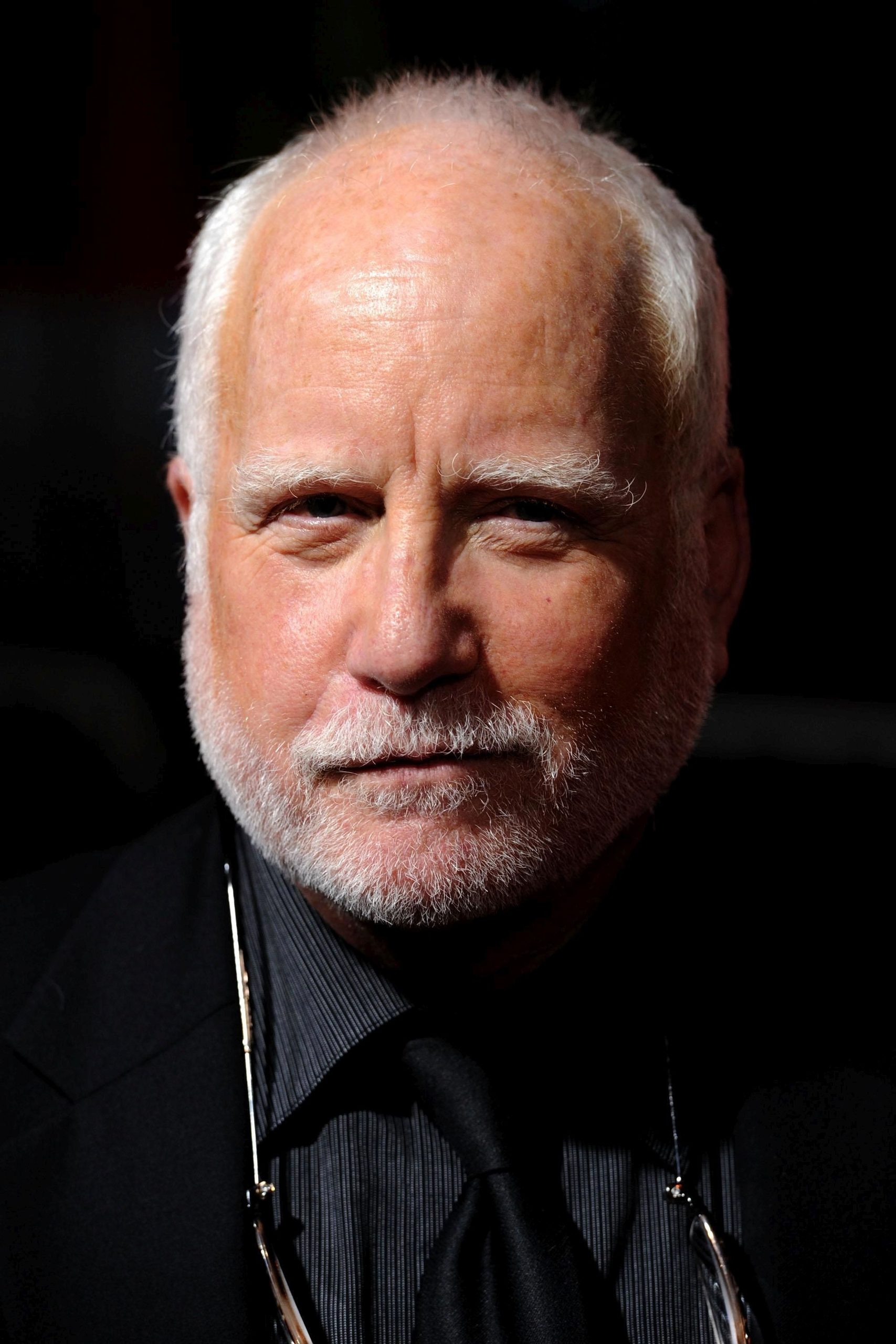
The screenplay by George Lucas, Gloria Katz and Willard Huyck understands how much teenage conversation is an attempt to establish who deserves respect. A car, a companion or a casual remark can become evidence that somebody knows what they are doing. Richard Dreyfuss gives Curt Henderson an appealing hesitancy. The blonde in the white Thunderbird attracts the sort of disproportionate attention that a brief glimpse can command at that age, and his uncertainty makes the fascination believable.

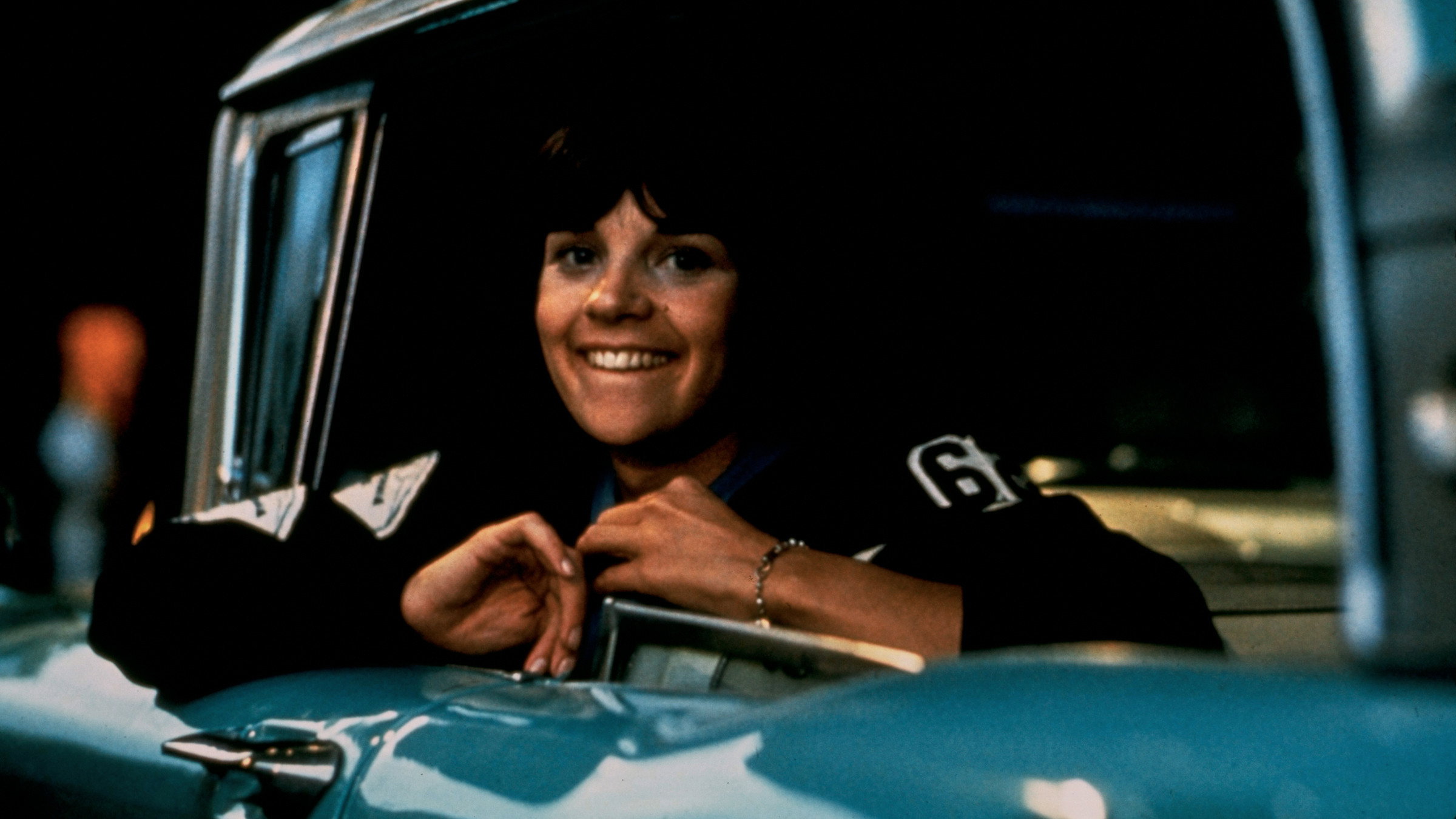
Paul Le Mat’s John Milner is particularly good at making confidence seem like something that needs constant maintenance. Ron Howard gives Steve Bolander a more straightforward assurance, and the difference helps these young men remain distinct even when their concerns overlap. Cindy Williams, as Laurie Henderson, makes irritation worth listening to, which exposes the writing’s narrower interest in its young women. The screenplay too often asks them to respond to the boys, whose uncertainty gets the more generous hearing.

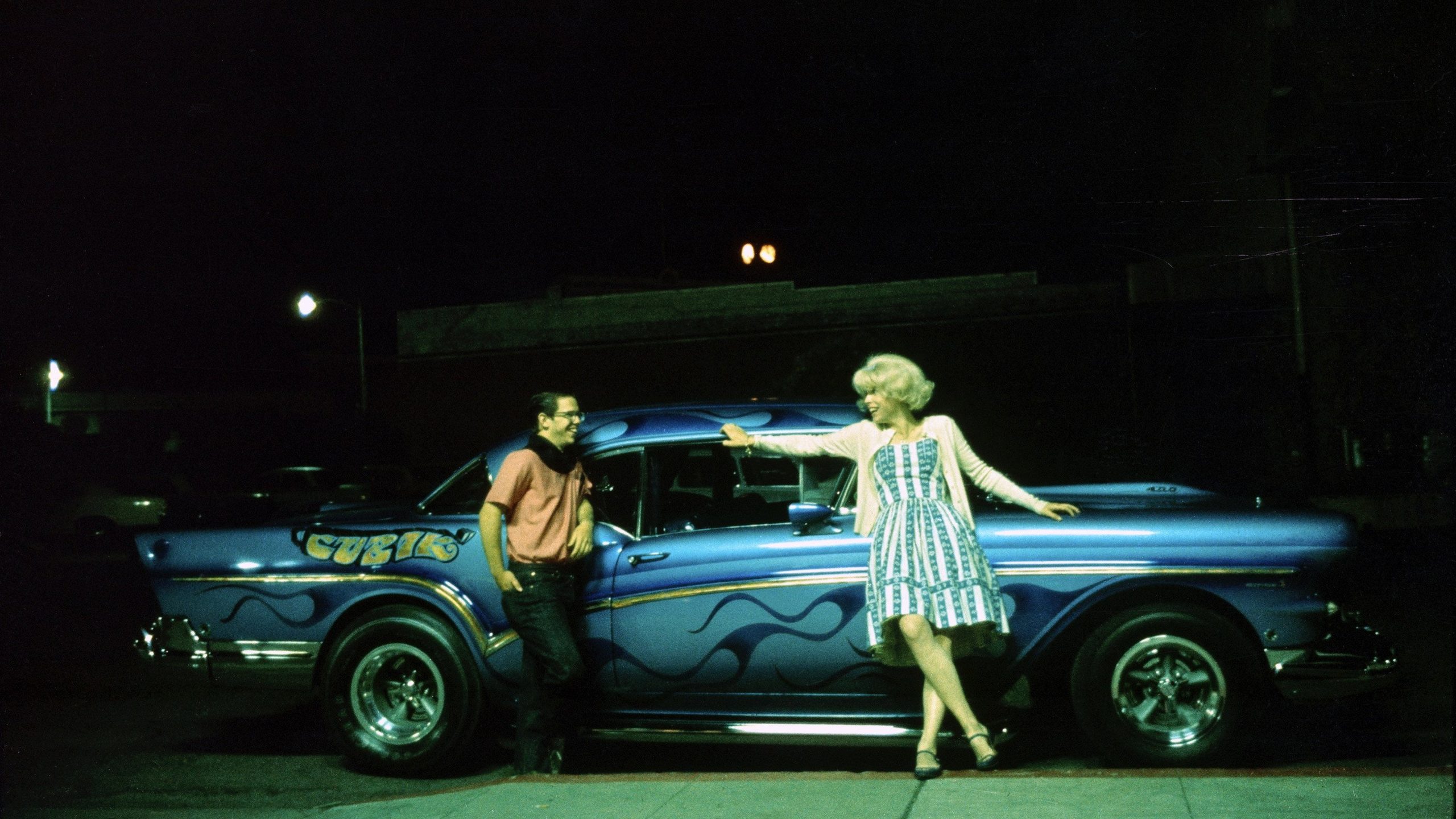
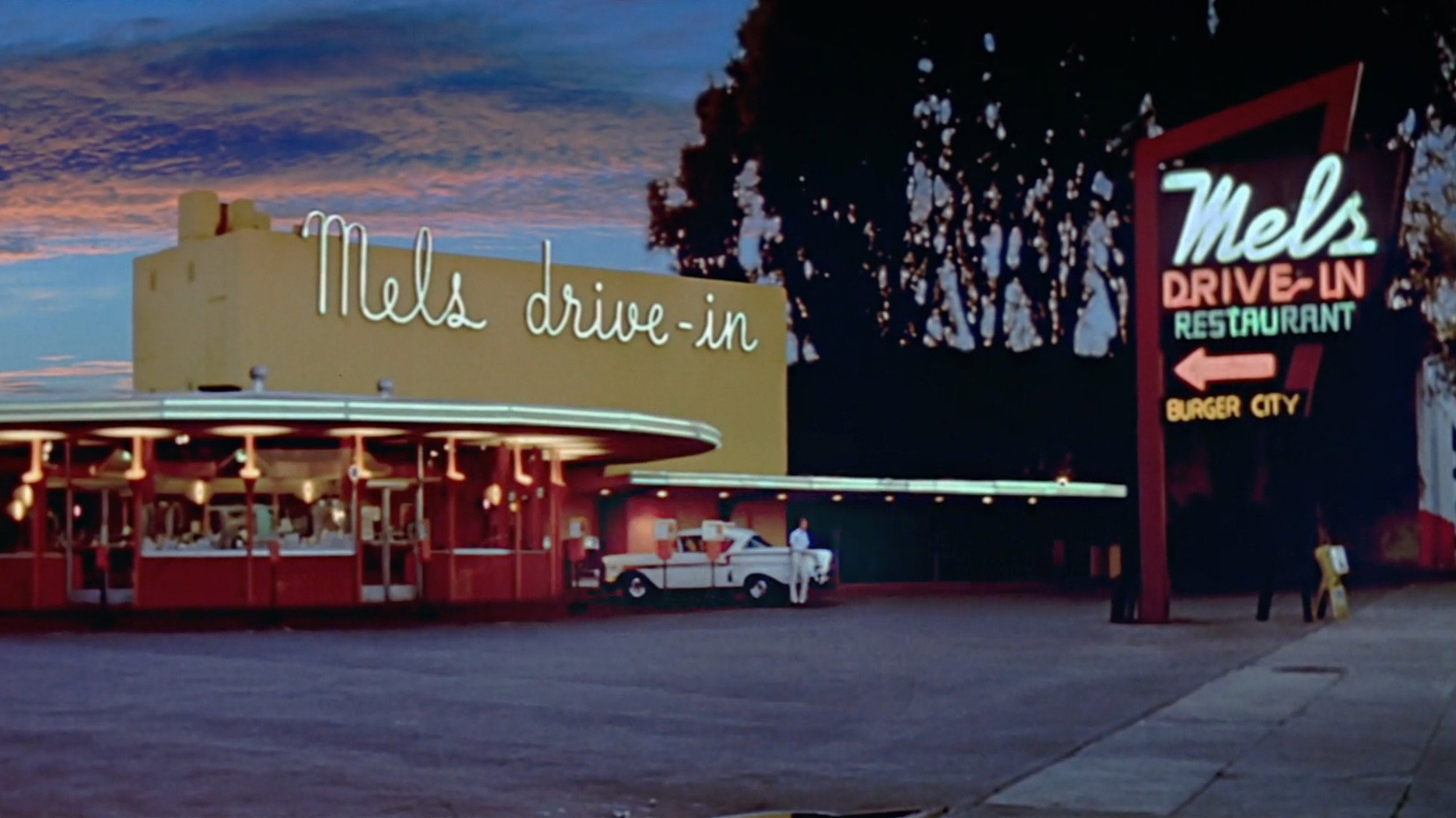
Jan D’Alquen and Ron Eveslage photograph the cars with a pleasure in colour that makes their appeal easy to understand. The darkness around them keeps the streets from looking like an exhibition of restored possessions. Aggie Guerard Rodgers’s costumes have the same ease: the young people look dressed for an evening out, without each outfit insisting on the date. There is room to notice a face before inspecting what somebody is wearing.

Marcia Lucas and Verna Fields cut between the groups with a good ear for changes in mood, letting an anxious exchange give way to a lighter one. The parallel stories make this small town feel busy without requiring a central incident to summon everyone. There are passages, though, when returning to a familiar concern produces little beyond another version of the same conversation. At 112 minutes, the film has enough slack for that amiable repetition to become noticeable.

The radio is what makes the wandering feel continuous. Rock’n’roll gives the separate journeys a shared accompaniment, and Wolfman Jack’s voice keeps company with people who cannot quite say what they want. We felt unexpectedly wistful watching the teenagers cruise Main Street with that voice in their cars. The familiar route and the prospect of another song make it easy to understand why anyone might want the night to last.

Coming-of-age comedies can be exhausting when every mistake has to lead to a lesson. George Lucas lets a foolish worry matter to the person having it, even when its importance escapes everyone else. Give it an evening when nobody is waiting for the plot to hurry.
Critical consensus AI synthesised

81
Positive
13
Mixed
1
Negative
0

Most critics respond warmly to American Graffiti, praising George Lucas’s sympathetic account of adolescence and its balance of comedy and melancholy. The praise clusters around the young cast, believable dialogue and the recreation of teenage life through cars, radio and music. The soundtrack is repeatedly singled out, alongside the film’s feel for a passing era. The Times particularly admires Harrison Ford’s charisma, while several reviews credit Lucas with keeping the nostalgia affectionate without tipping into camp.

The differences concern how much depth lies beneath that affection. Enthusiasm ranges from emphatic praise to more qualified approval, with only one mixed assessment and no negative reviews. The AV Club finds the feeling persuasive but some complexity lacking. The New Yorker supplies the clearest dissent: it admires the look and warmth but finds the comedy slow and its fondness for adolescence self-regarding, with little resonance beyond the jukebox.

Empire
1 January 2011
90*

The critic describes it as an instant classic perfectly attuned to the mood of early 70s baby boomers. It singles out the film's launch of many acting careers and its funny-serious tone with gorgeous cars, colours, and an amazing feel for the artefacts of an instantly vanished era.

Read the full review →
RogerEbert.com
11 August 1973 · Roger Ebert
90*

Ebert finds the film a brilliant work of historical fiction that vividly recalls the innocence and cultural instant of 1962 teenagers cruising Main Street and listening to Wolfman Jack. He singles out its buried structure showing an innocence in the process of being lost, symbolized by the elusive blonde in the white Thunderbird.

Read the full review →
The Hollywood Reporter
1 August 2017 · Alan R. Howard
90*

The critic calls it the freshest American movie in years and potentially a watershed film. He singles out the spirited dialogue, precise recreation of the era, strong casting, and Lucas's achievement in making a nostalgic film that avoids camp.

Read the full review →
The New York Times
5 August 1973 · Stephen Farber
90*

Farber declares it easily the best movie of the year and the most important American movie since Five Easy Pieces or Bonnie and Clyde, a lasting work of art with a definitive portrait of adolescence. He praises Lucas for bringing the past alive with sympathy, affection, and thorough understanding on a tight budget and schedule.

Read the full review →
The Times
12 February 2021 · ★★★★☆ · Kevin Maher
90*

The critic calls it a landmark teen drama and vital part of American cinema history, a love letter to rock’n’roll radio, drag racing and small-town life. They single out Harrison Ford’s star-making charismatic performance as a highlight.

Read the full review →
Variety
20 June 1973 · A.D. Murphy
90*

Murphy calls it among the very best youth-themed nostalgia films, a vivid recall of teenage attitudes told with outstanding empathy and compassion through a talented cast. He praises the first-rate Americana, superior screenplay, and masterful direction by Lucas.

Read the full review →

Cast

Stills

Awards

Academy Awards, 1974

Nominated
Best Director
Nominated
Best Film Editing
Nominated
Best Picture
Nominated
Best Supporting Actress
Nominated
Best Writing, Original Screenplay

If you liked this, try…

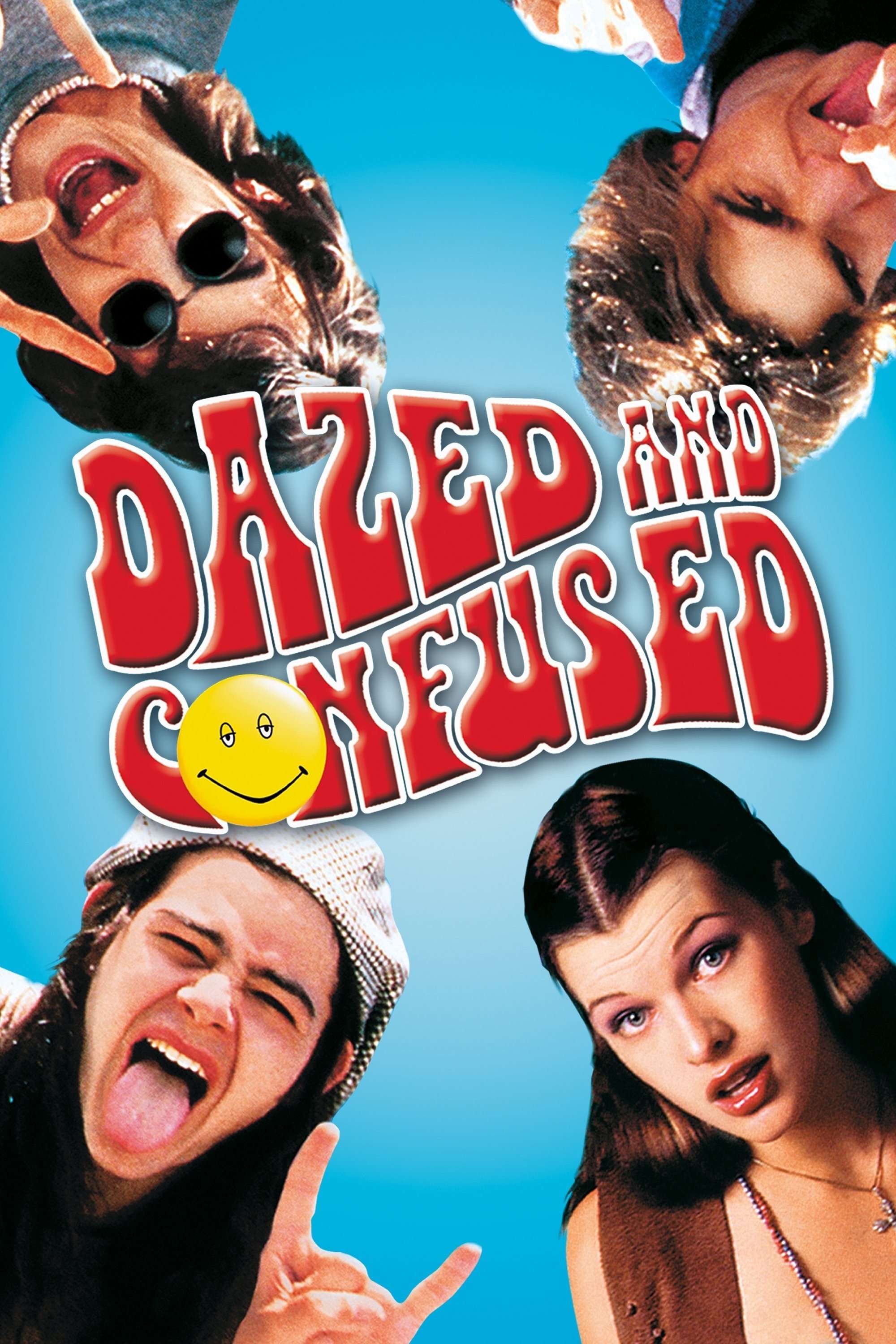
Dazed and Confused poster86

Dazed and Confused

1993 · Another unhurried stretch of adolescent posing, with friendship keeping the cruelty in check.

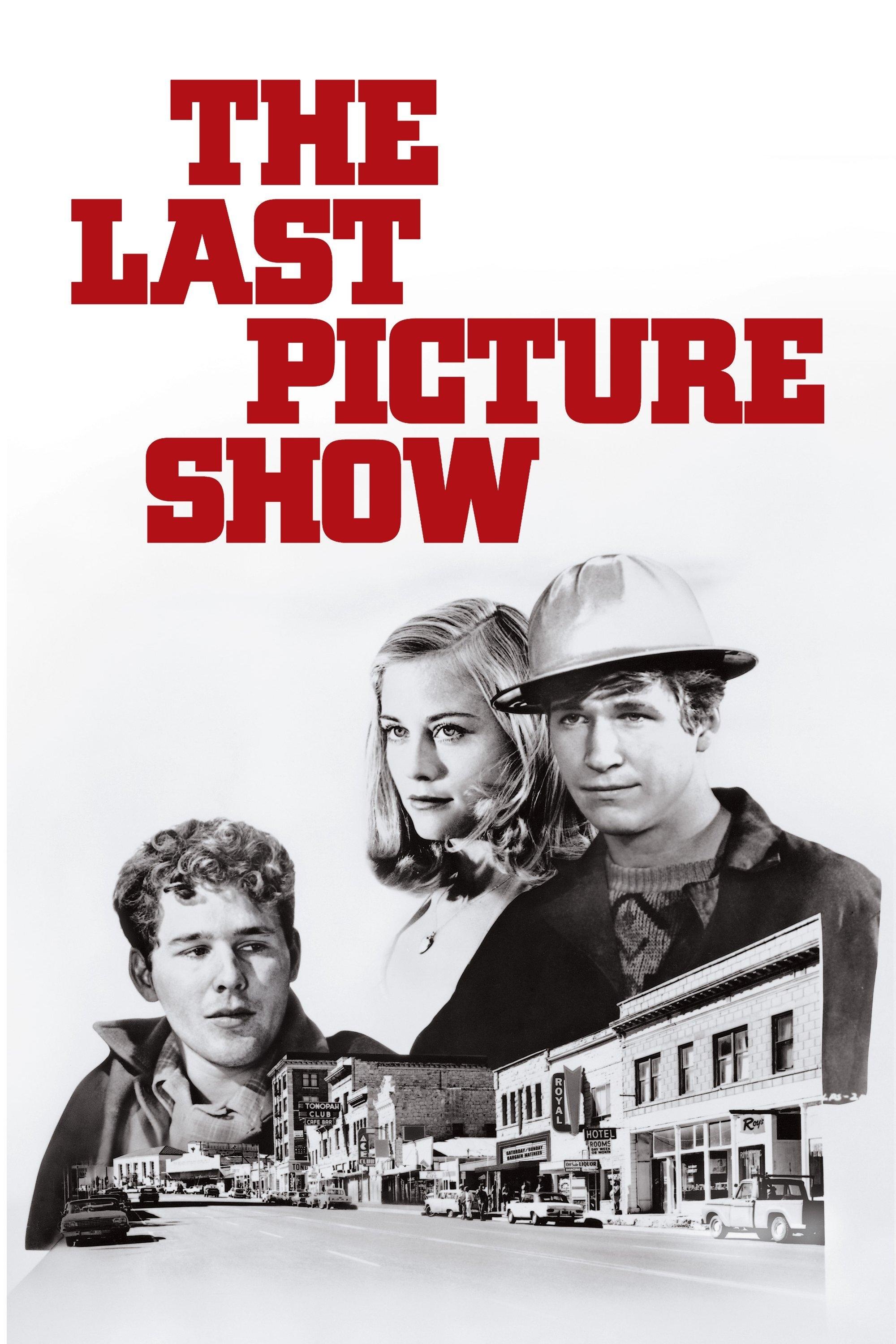
The Last Picture Show poster89

The Last Picture Show

1971 · Small-town restlessness with less cushioning; the loneliness is harder to shrug off.

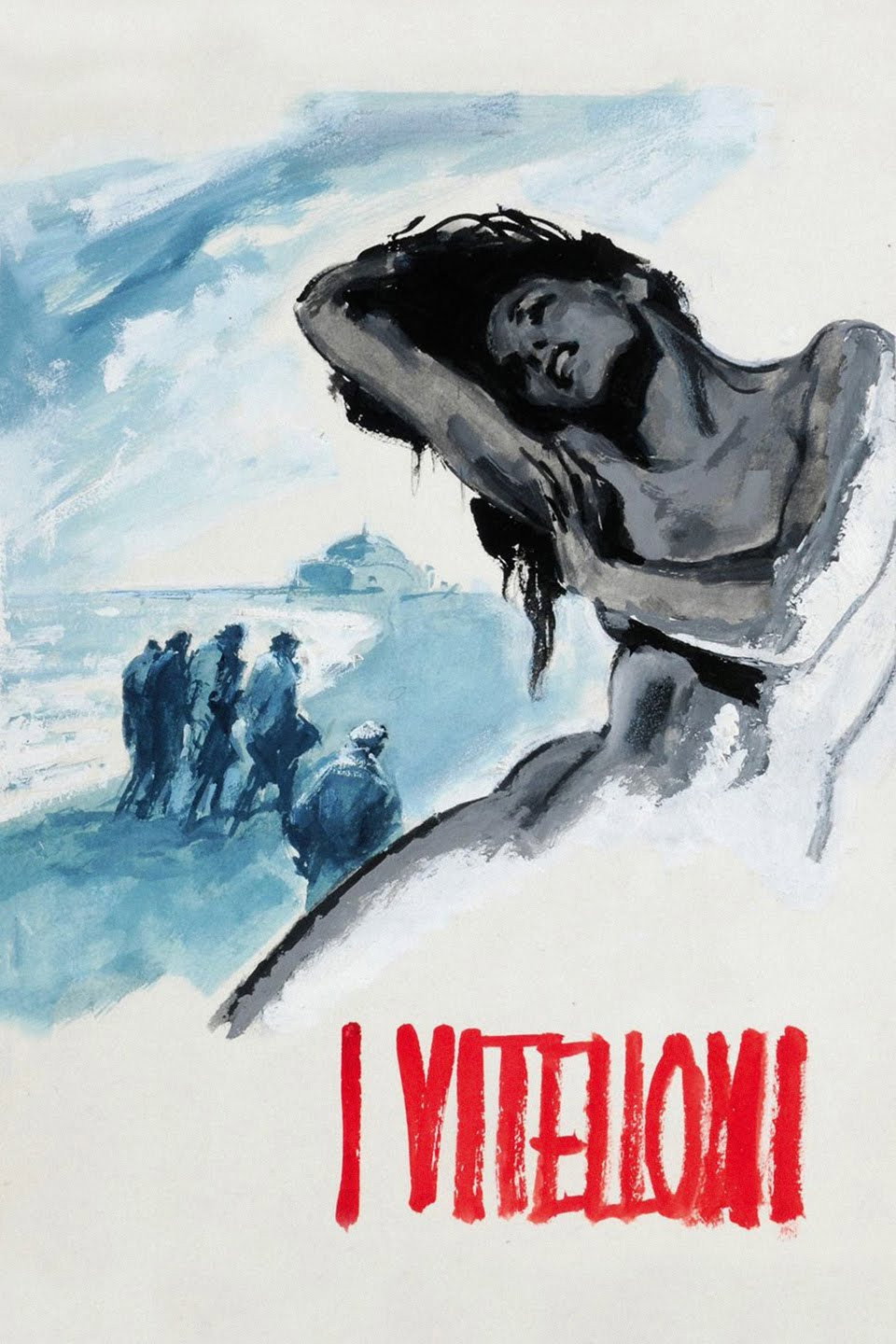
I vitelloni poster

I vitelloni

1953 · Young men linger in a provincial town while adulthood becomes increasingly difficult to postpone.

The Boys from Fengkuei poster

The Boys from Fengkuei

1983 · Restless friends leave a fishing village and discover how little confidence travels with them.

Y tu mamá también poster87

Y tu mamá también

2001 · A road trip gives youthful bravado room to unravel, with considerably more sexual candour.