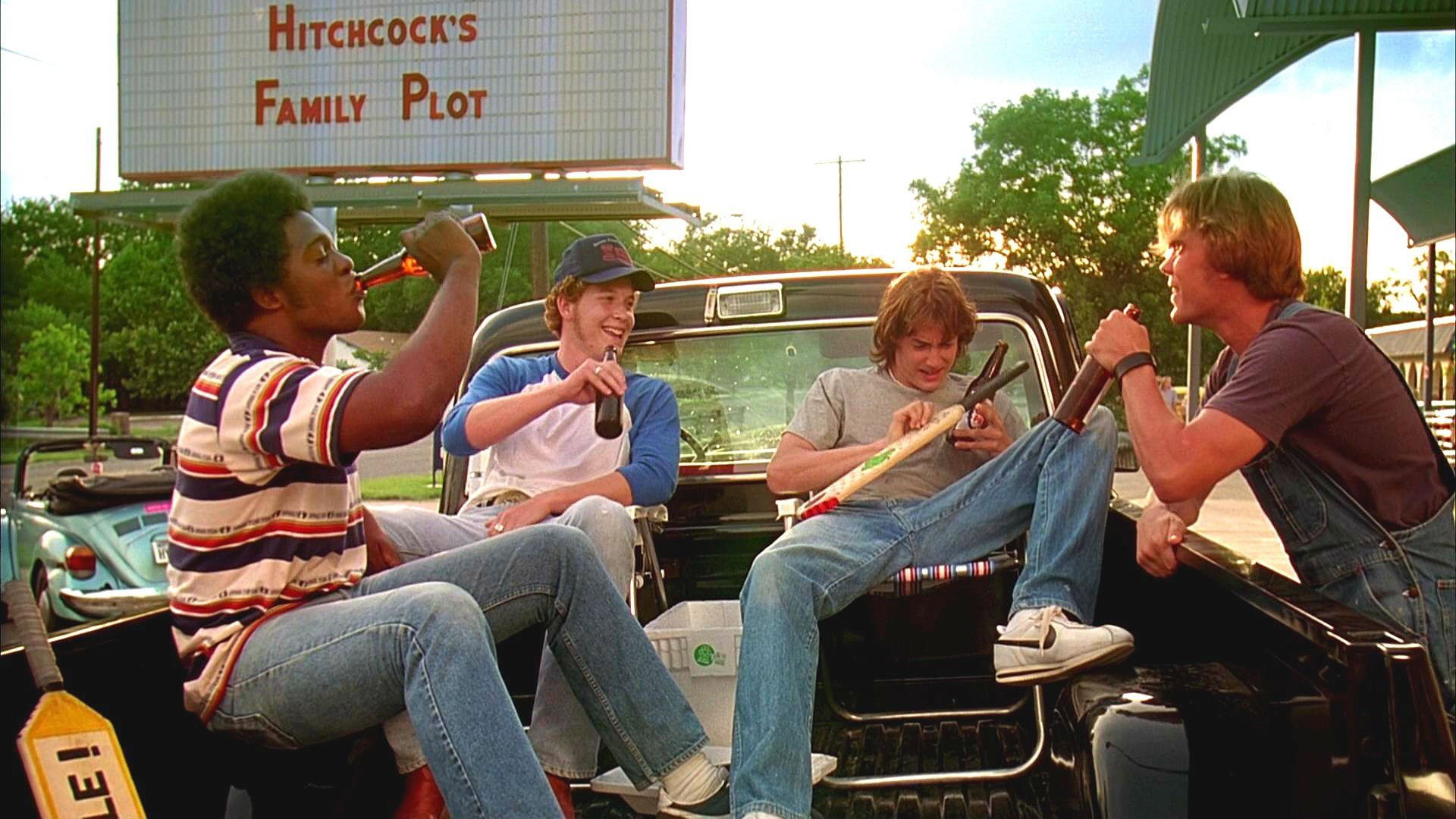
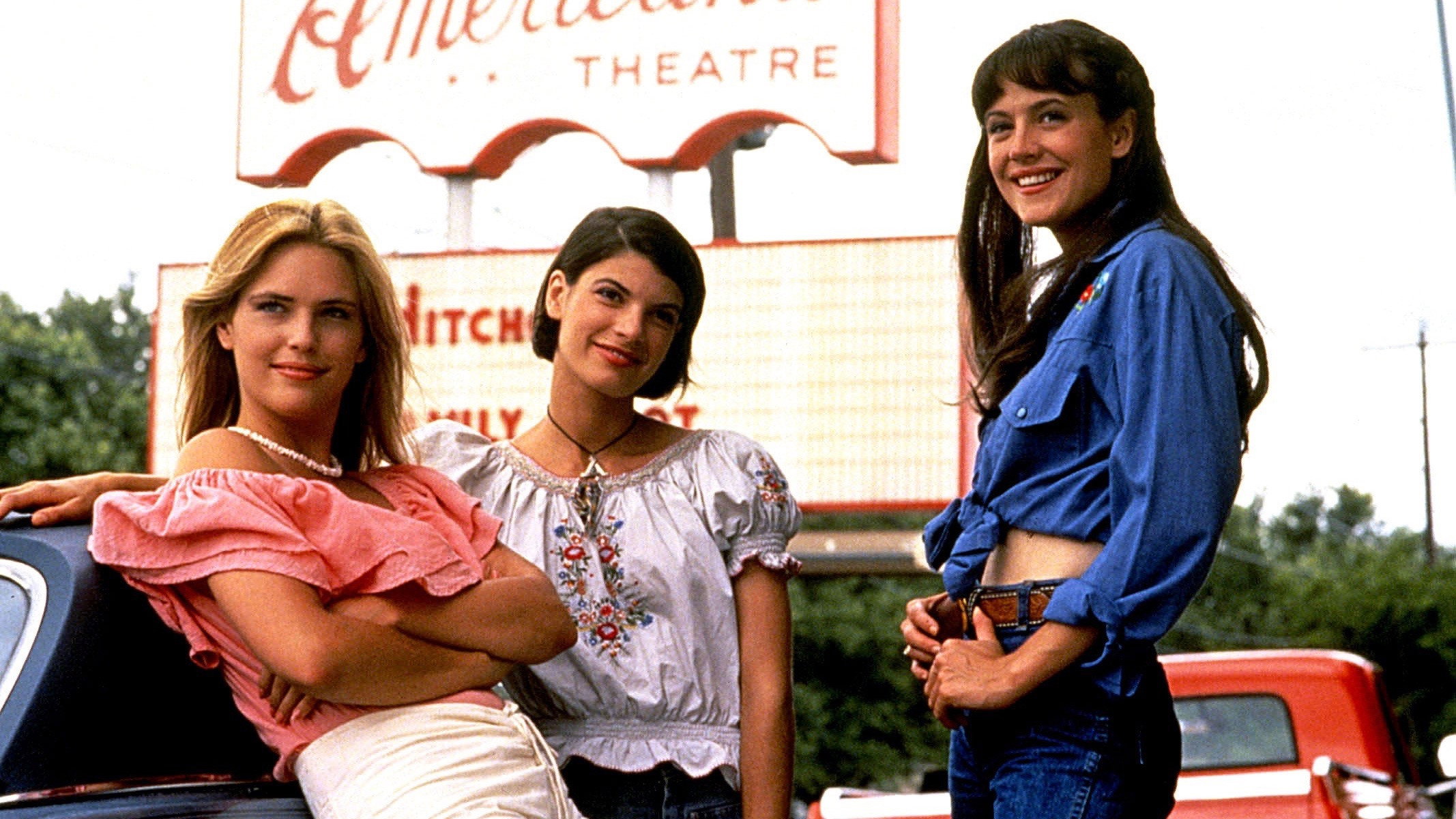
Richard Linklater makes the last day of school funny, uncomfortable and worth lingering over. A few scenes outstay their welcome, but his cast keeps the film warm without making the teenagers nicer than they are.
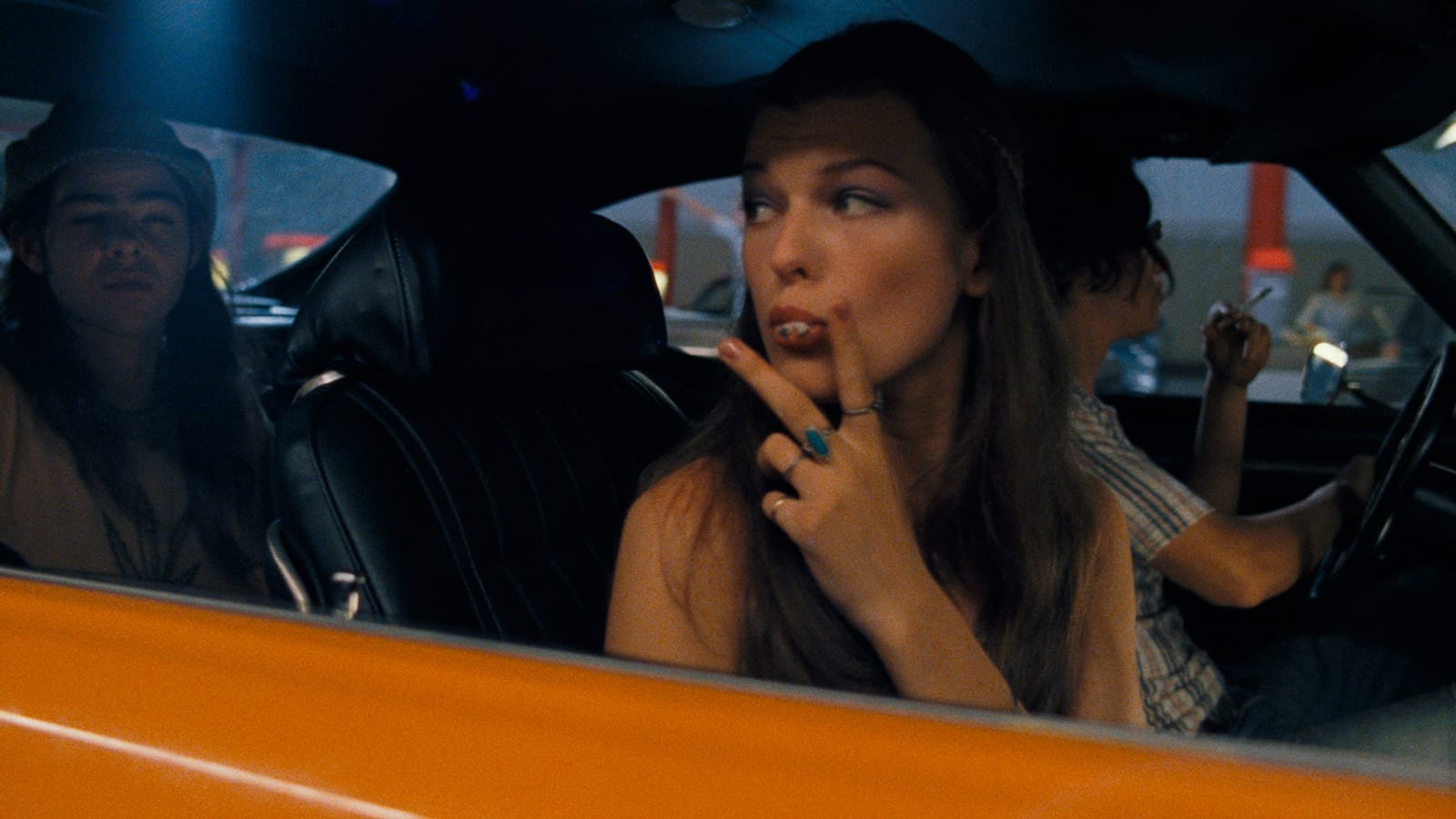
The freedom promised by the last day of school is rather less complete when the same people still decide who belongs. Richard Linklater understands that, and Dazed and Confused is a funny, generous film with an uncomfortably clear view of school bullying. Set in 1976, it gives the end of term enough room to feel like time being lived through, including the bits nobody would normally bother to record. We recommend it, with a small warning about its fondness for hanging about.
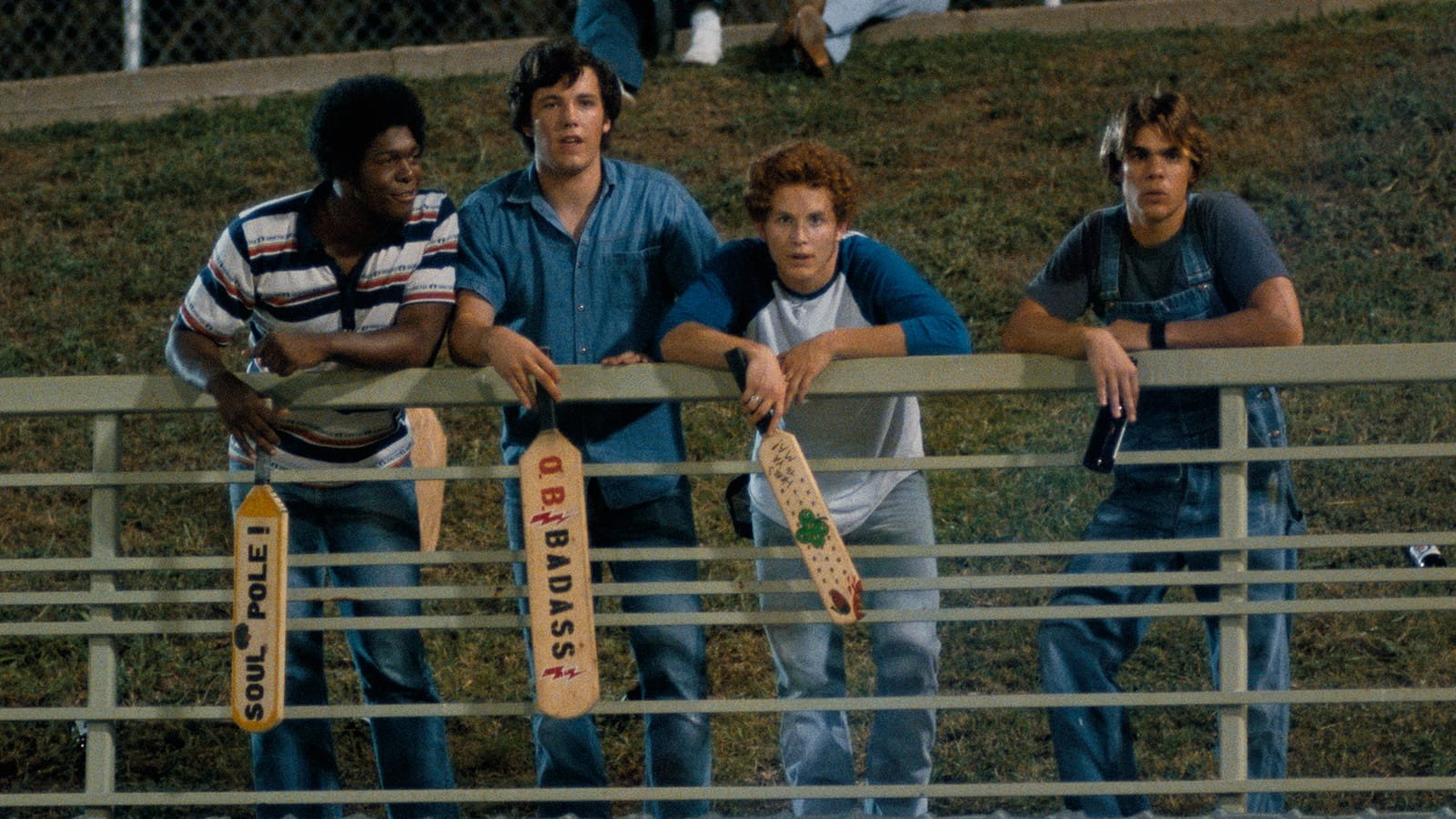
Linklater’s screenplay makes the hazing important because it spoils the idea that everybody is having the same good time. We winced. The enjoyment of those doing the humiliating makes these scenes harder to shrug off as youthful stupidity. He allows the ugliness to sit beside the comedy without explaining how to reconcile them. Ben Affleck’s performance as O’Bannion is especially useful here, with a self-satisfaction that becomes unpleasant before it stops being funny.
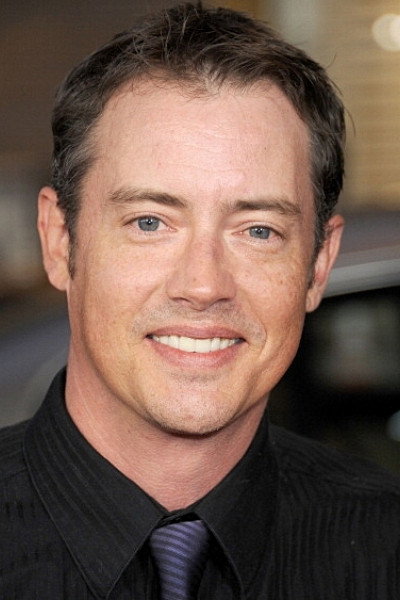
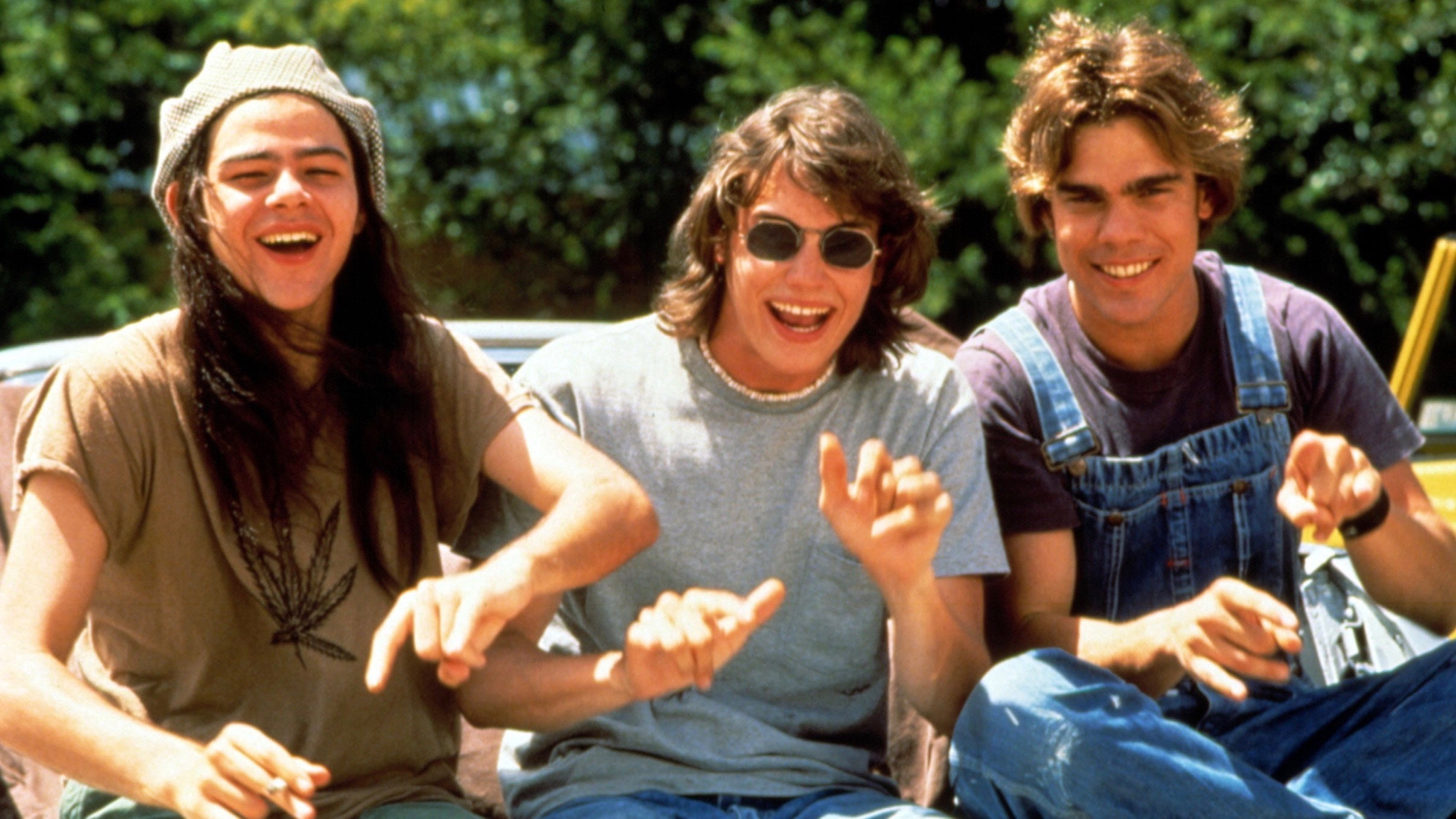
Jason London gives Pink an appealing watchfulness, leaving the character room to hesitate without making hesitation look noble. Wiley Wiggins’s Mitch is less settled in himself, and Wiggins gets the awkwardness right without asking us to find it adorable. Linklater’s direction allows both actors to pause and listen, which helps the group feel like people learning what they can get away with. London’s quieter performance is particularly welcome alongside the broader figures in the cast.
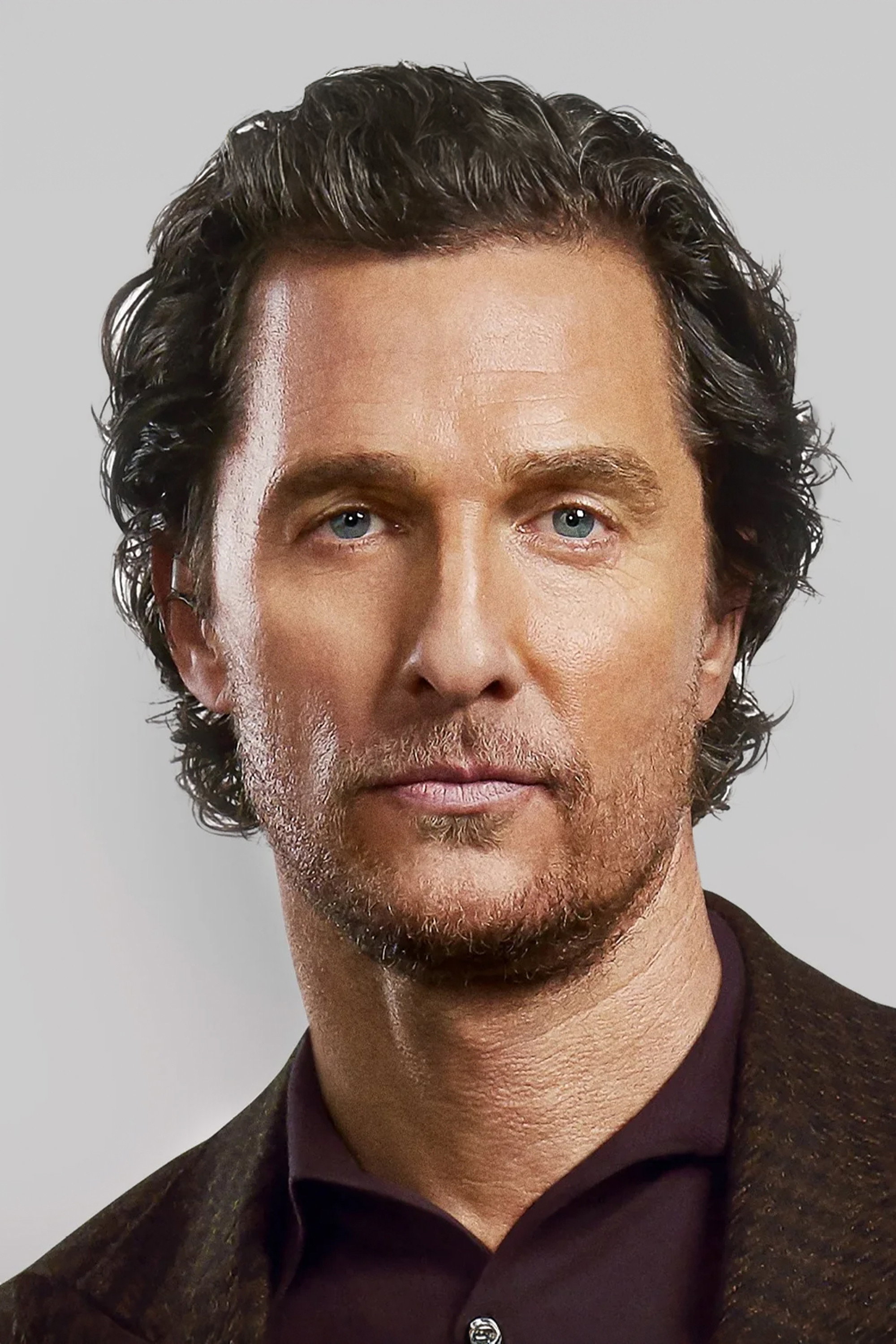
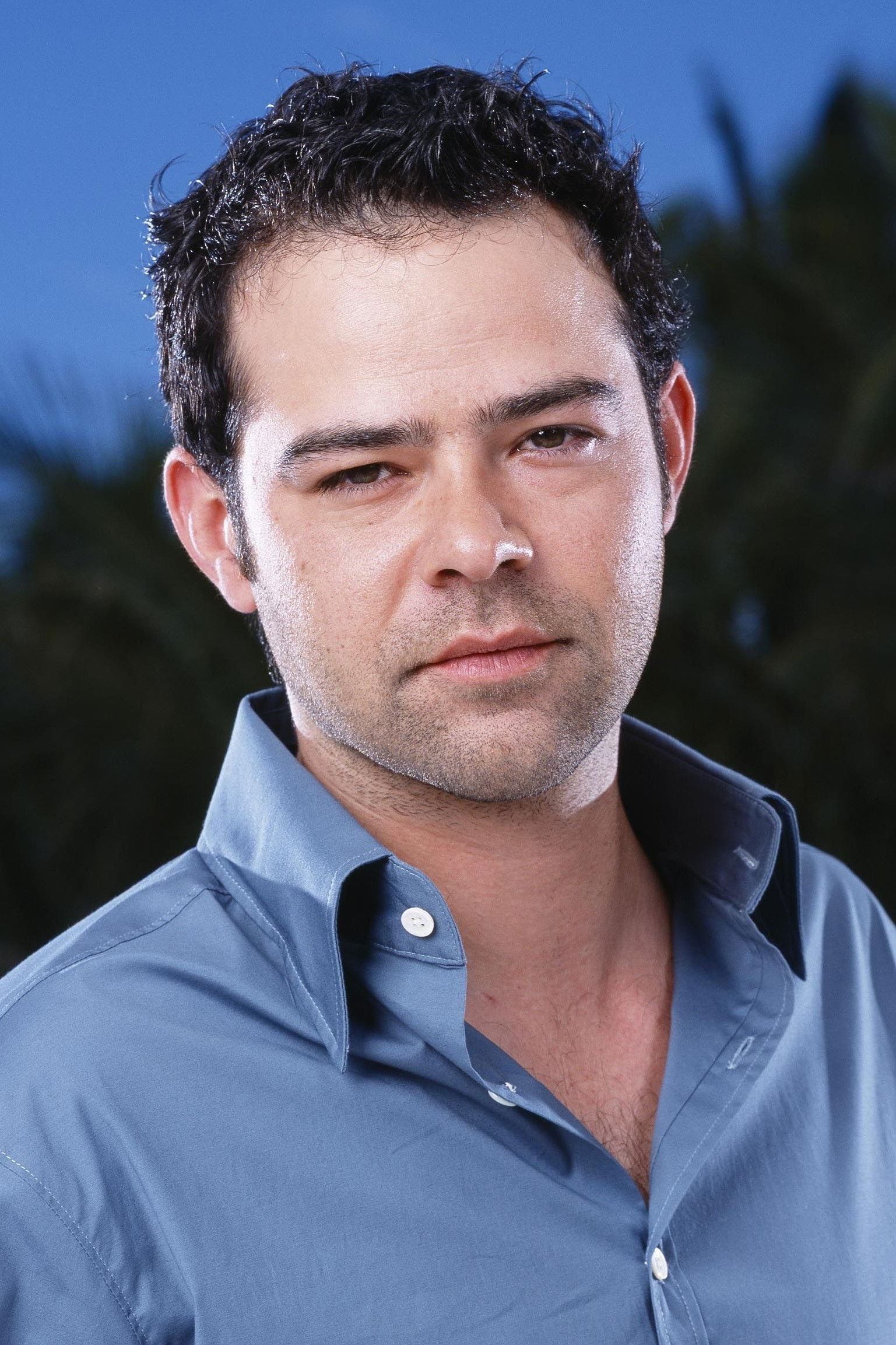
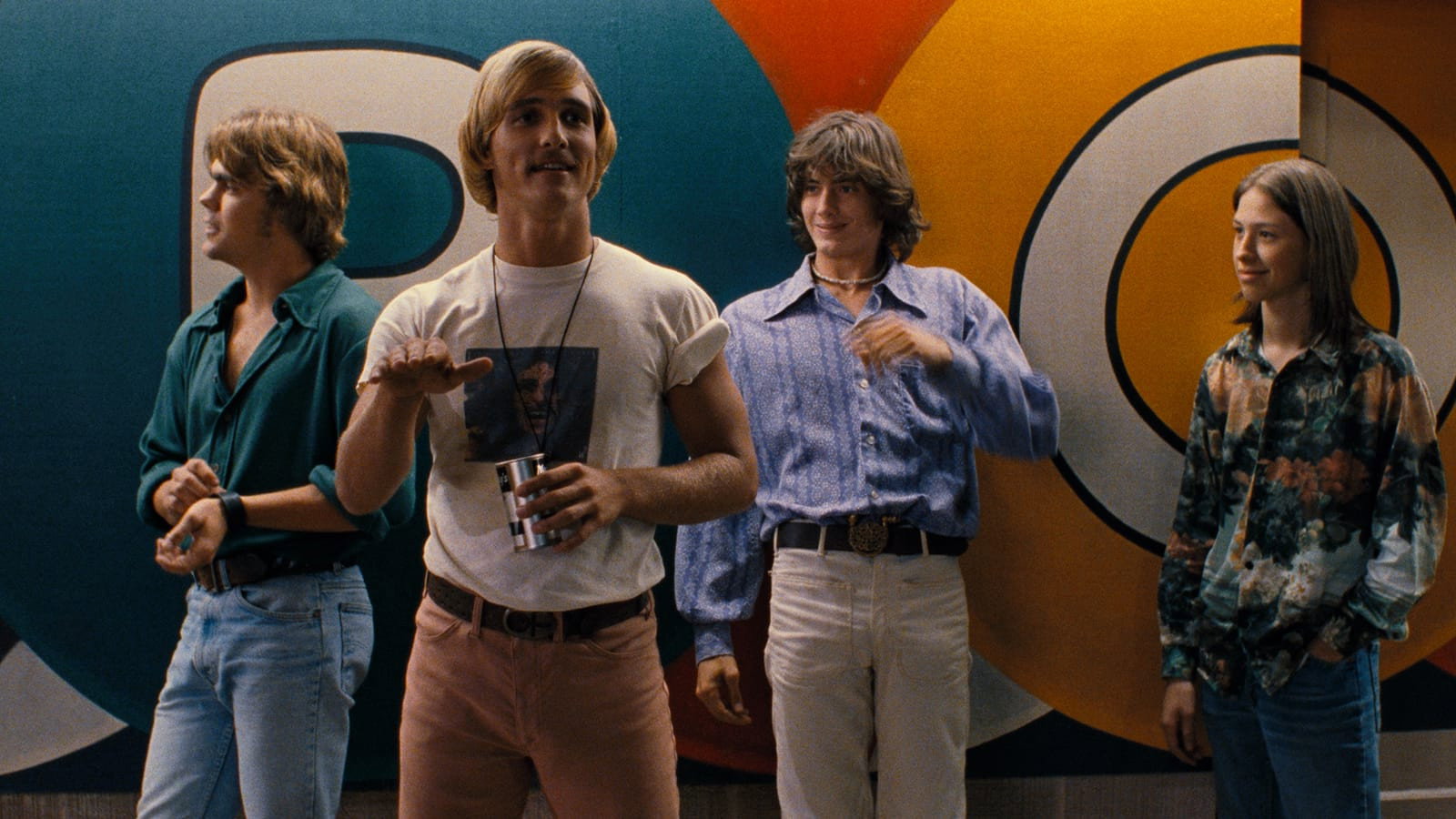
Matthew McConaughey’s Wooderson has considerably fewer doubts about himself. McConaughey makes the slow delivery funny without pushing for a laugh at the end of every sentence, and that certainty is both attractive and faintly alarming. Rory Cochrane gives Slater a different sort of ease, with comic timing that seems to arrive a moment after everyone else’s. Neither actor has to fight the group scenes to be noticed.
Lee Daniel’s cinematography gives the actors space to be together, so a scene can stay interesting even when nobody has anything urgent to say. His handling of the groups lets us notice who is listening as well as who is speaking. John Frick’s production design makes the school feel ordinary and used, while Katherine Dover’s costumes establish 1976 without making the characters look dressed for a themed party. The period detail seldom interrupts our attention to the performances.
Sandra Adair’s editing has the harder task of giving these encounters a shape without making every exchange announce its purpose. She lets a conversation settle before moving our attention elsewhere, and the changes of company usually feel welcome. At 102 minutes, though, the film still has stretches when another relaxed exchange adds little to the one before. A few of those scenes could end earlier without losing anything we need.
We tend to expect a school comedy to deliver a lesson about growing up, and Linklater is sensible to resist that pressure. He is interested in the effort of being accepted, even by people whose approval hardly seems worth having. That leaves us room to like these characters while remaining glad we no longer have to impress them. Put it on when a meandering conversation sounds inviting; anyone waiting for the story to get going may have a longer evening.