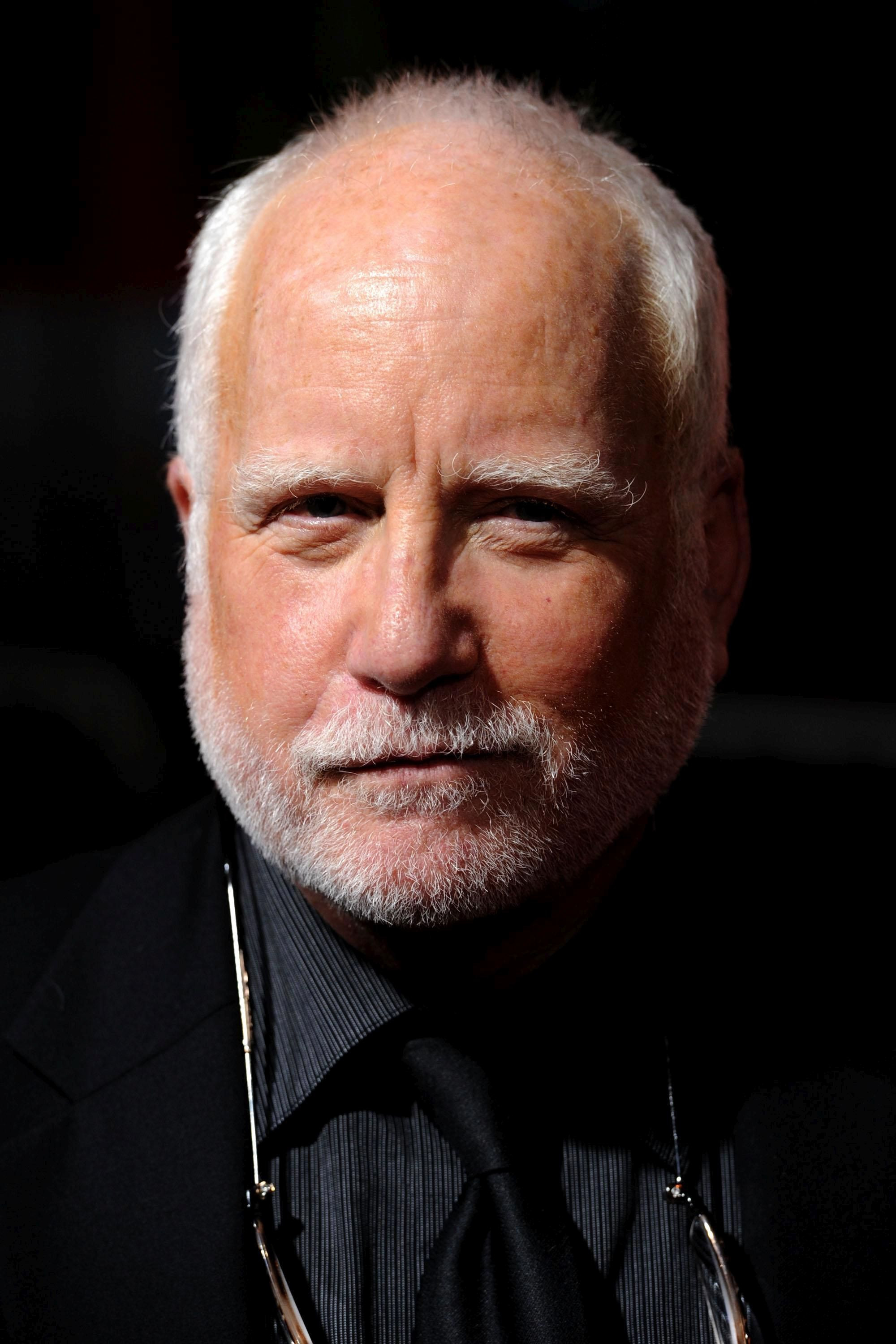
Richard Dreyfuss makes intelligence lively, funny and occasionally hard to live with. We like him best when his confidence meets resistance; left unchecked, the same brashness can grow smug and shrill.
Fi1m perspective
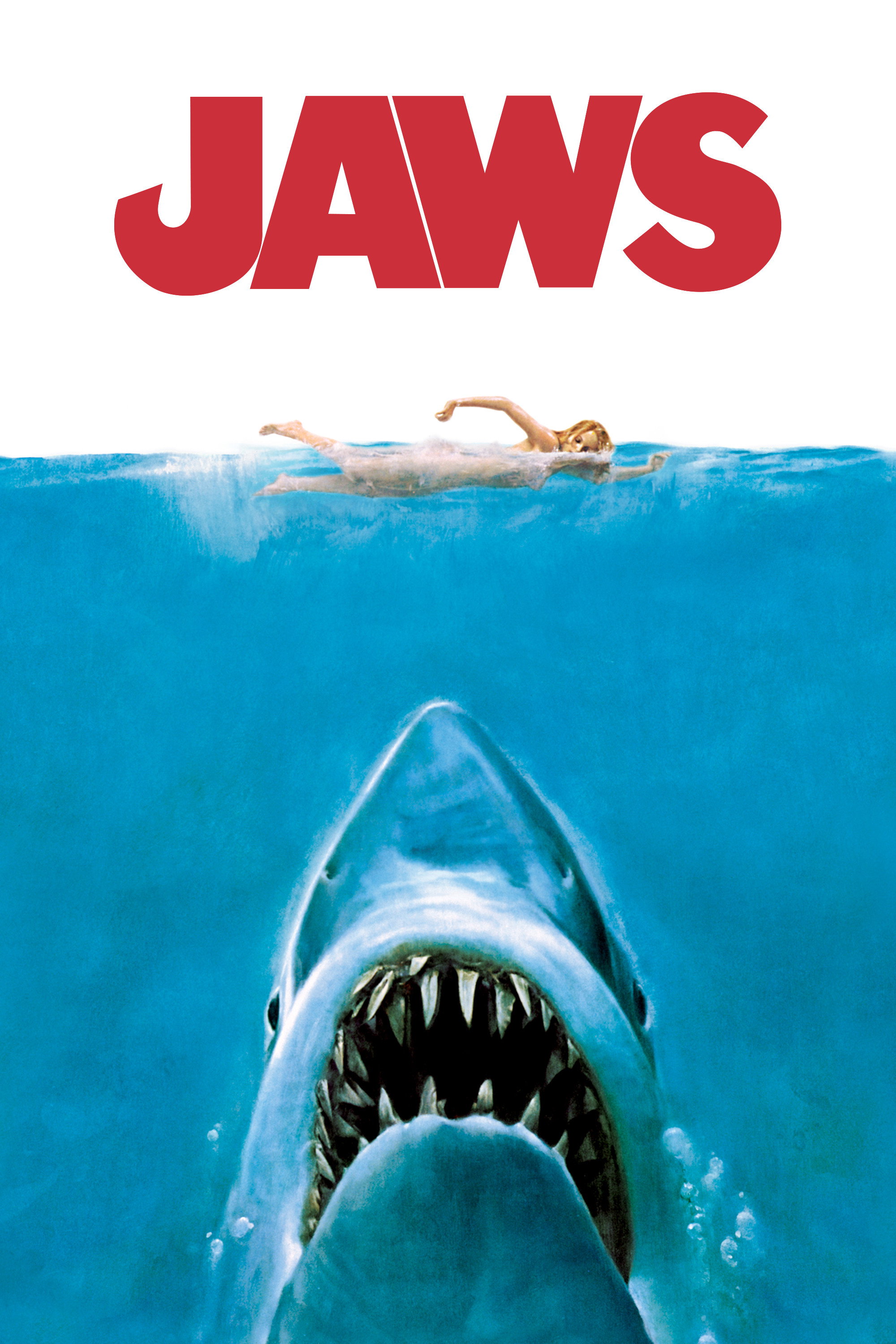
In Jaws (1975), Richard Dreyfuss makes Hooper seem certain that knowing his subject should be enough. He lets that confidence become mildly irritating, and the irritation is part of the pleasure. We laughed at Hooper’s self-assurance because Dreyfuss gives his competence such a pleased-with-itself air. He remains useful and sympathetic, without becoming somebody we would want explaining things all evening. This is Dreyfuss at his most persuasive: clever, busy and just vain enough to make intelligence entertaining.
Steven Spielberg gives that energy two different acting styles to push against. Roy Scheider’s Brody is frightened but determined to be practical, while Robert Shaw’s Quint brings greater weight and relish. Dreyfuss keeps Hooper lively between them, and the humour never makes the danger feel less serious. The performance works because confidence does not make him the only person worth watching.
The early rise came with American Graffiti (1973) and The Apprenticeship of Duddy Kravitz (1974). Spielberg used him again as Roy Neary, an ordinary man caught up in extraordinary events, in Close Encounters of the Third Kind (1977). It is easy to see why filmmakers cast him as ambitious or obsessive men. His characters seem ready to act on a thought before anybody else has caught up.
The mid-1980s return brought Down and Out in Beverly Hills (1986) and Stand by Me (1986), with the latter giving him the reflective voice of its narrator, the Writer. Mr. Holland’s Opus (1995) later asked him to carry a music teacher through decades of life. The narrator and the teacher offered space for reflection as well as the familiar urgency. Not every later part benefits from his forcefulness: the confidence sometimes hardens into smugness, and the insistence becomes shrill.
We prefer him when another strong actor can answer back, as Scheider and Shaw do in Jaws. His charm is more reliable when the film allows us to be annoyed with him. For a first encounter, choose Jaws, where being clever does not excuse him from having to get along with other people.
Biography
Richard Dreyfuss is an American actor. Born on 29 October 1947 in Brooklyn, New York City, he began his career with small roles in films including The Graduate (1967) and gained prominence in American Graffiti (1973) and The Apprenticeship of Duddy Kravitz (1974).
He played Hooper in Jaws (1975) and Roy Neary in Close Encounters of the Third Kind (1977). Dreyfuss won the Academy Award for Best Actor for his performance in The Goodbye Girl (1977) and received a nomination for Mr. Holland's Opus (1995). He has also won a BAFTA Film Award and a Golden Globe Award.