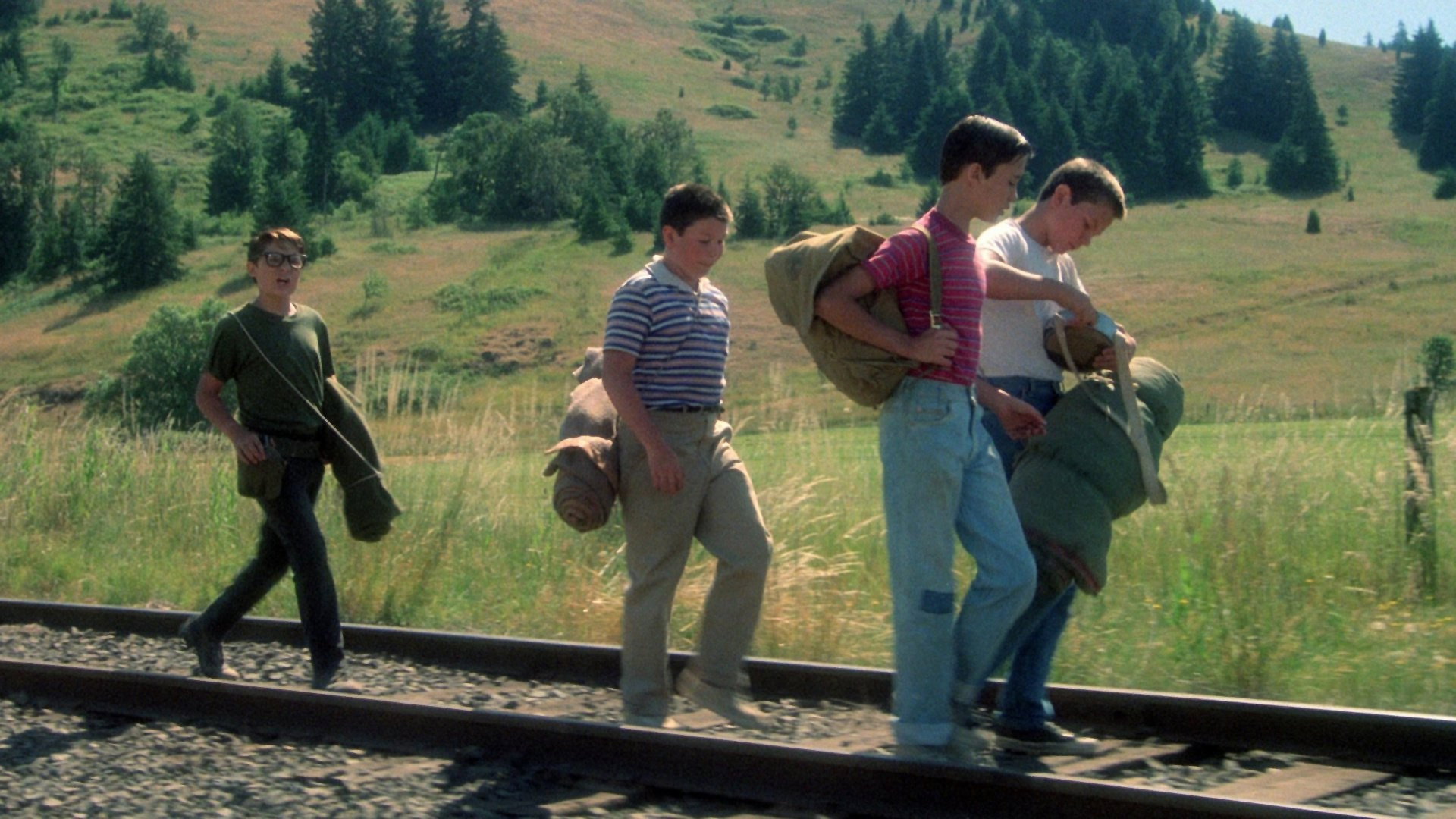
Rob Reiner’s coming-of-age drama is funny and moving because its four young leads make friendship look untidy and necessary. The emotional nudges can be too obvious, but they seldom get in the actors’ way for long.
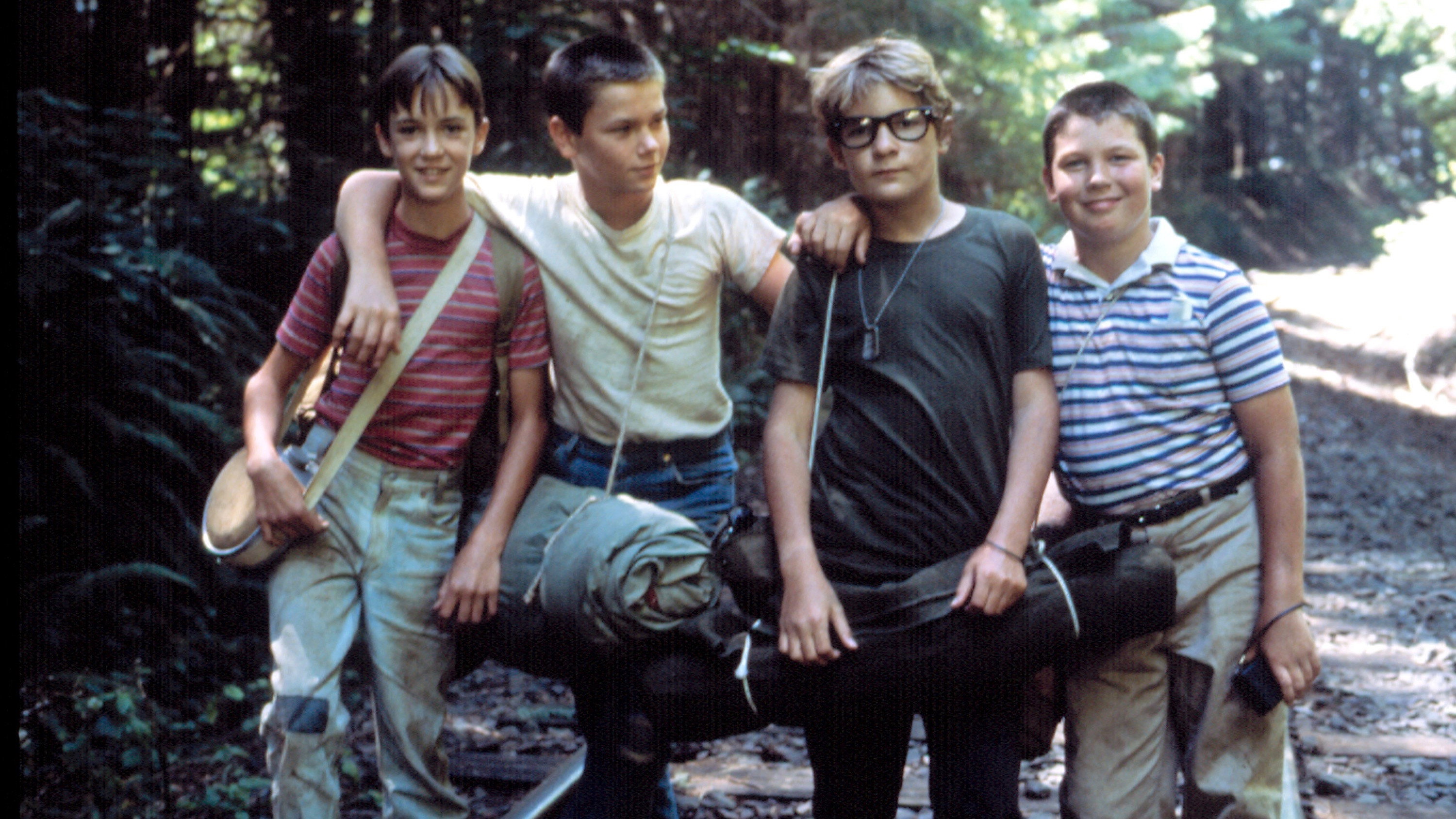
Rob Reiner’s Stand by Me gets the talk between childhood friends right: noisy, competitive, sometimes cruel and suddenly serious. It is a funny, affecting coming-of-age film, occasionally too eager to make us feel something. Working from Stephen King’s story, screenwriters Bruce A. Evans and Raynold Gideon give the boys room to be awkward company rather than examples of youthful innocence. Their outdoor adventure supplies the movement, but the interest is in how they treat one another.
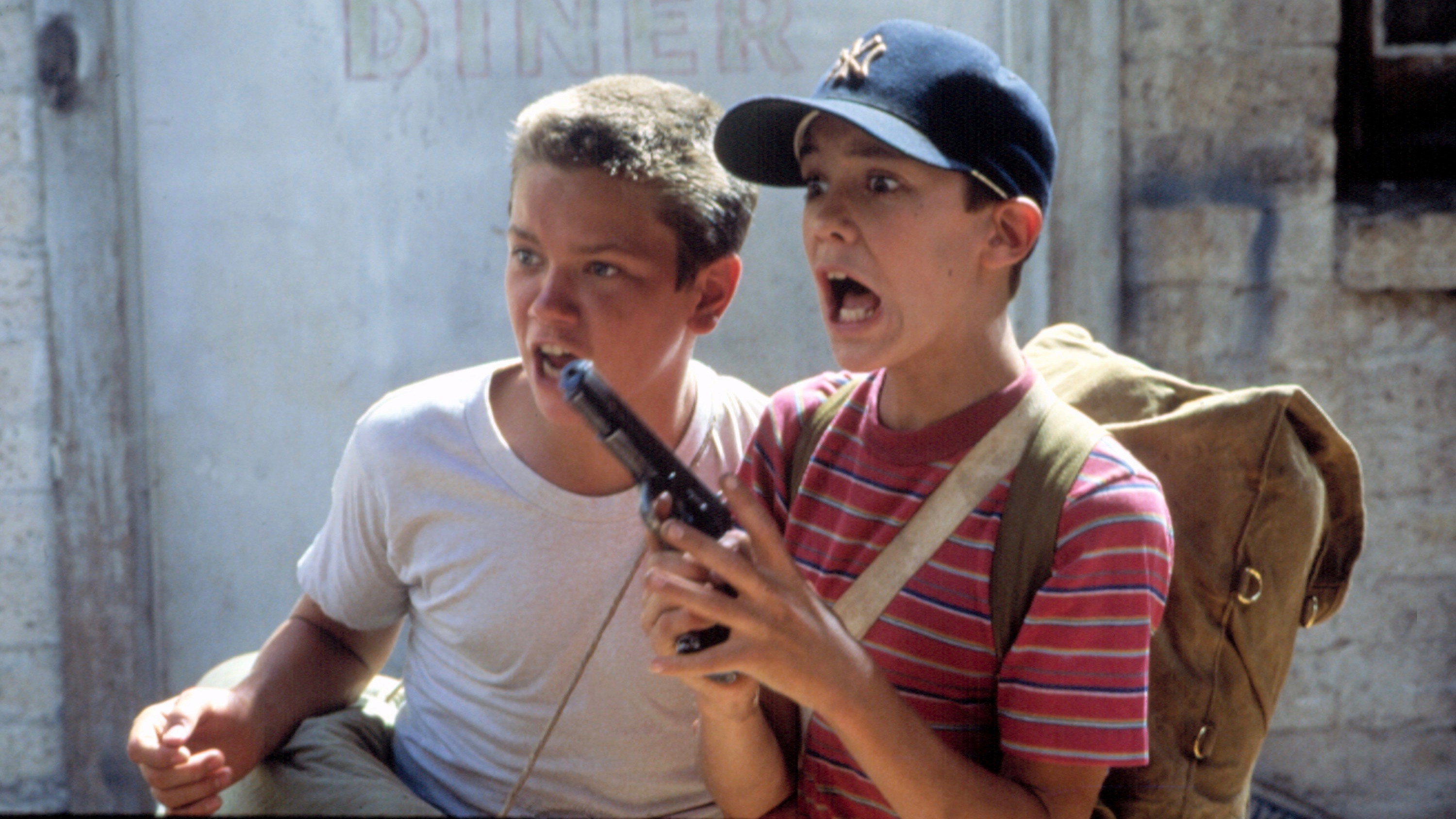
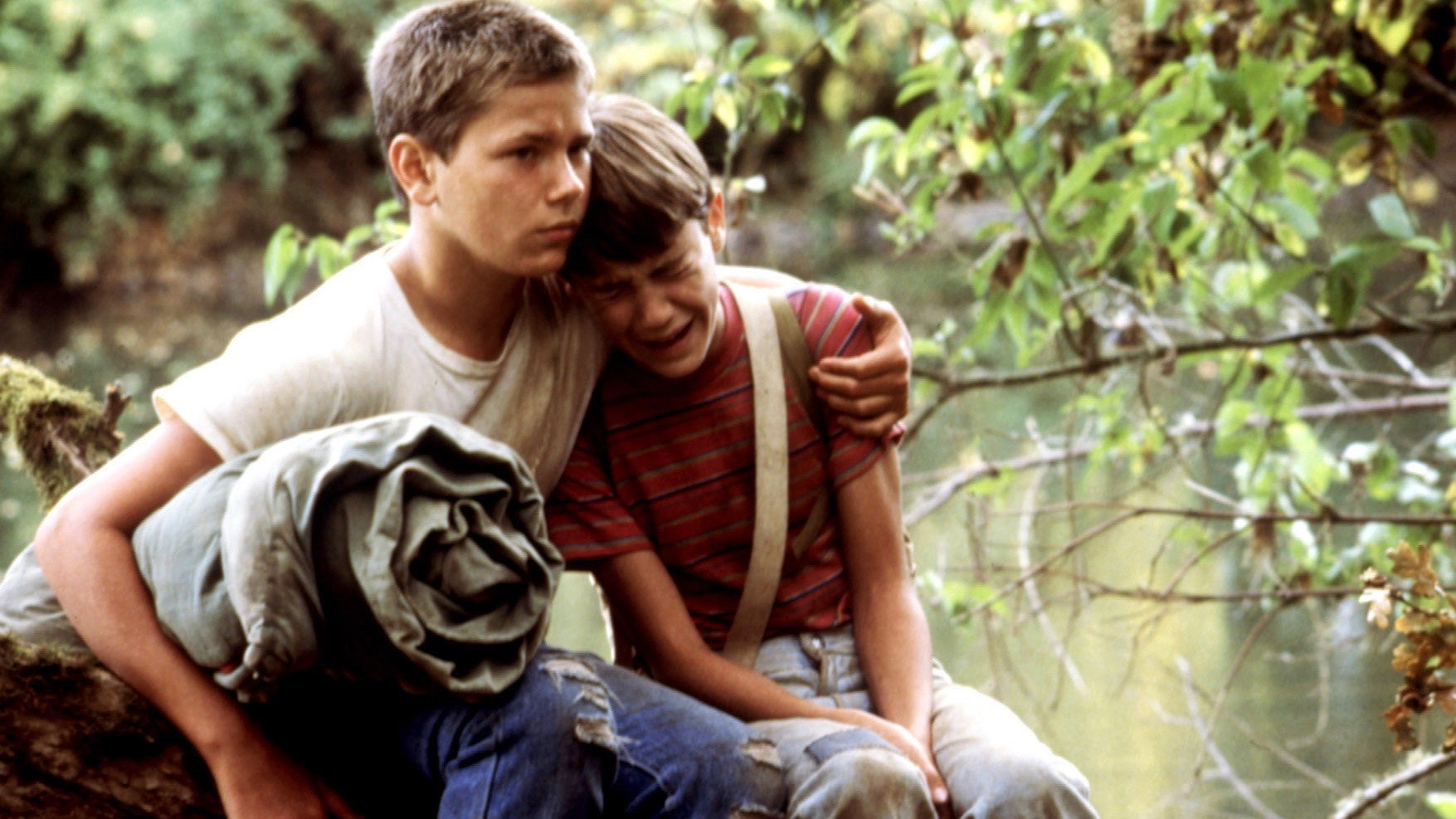
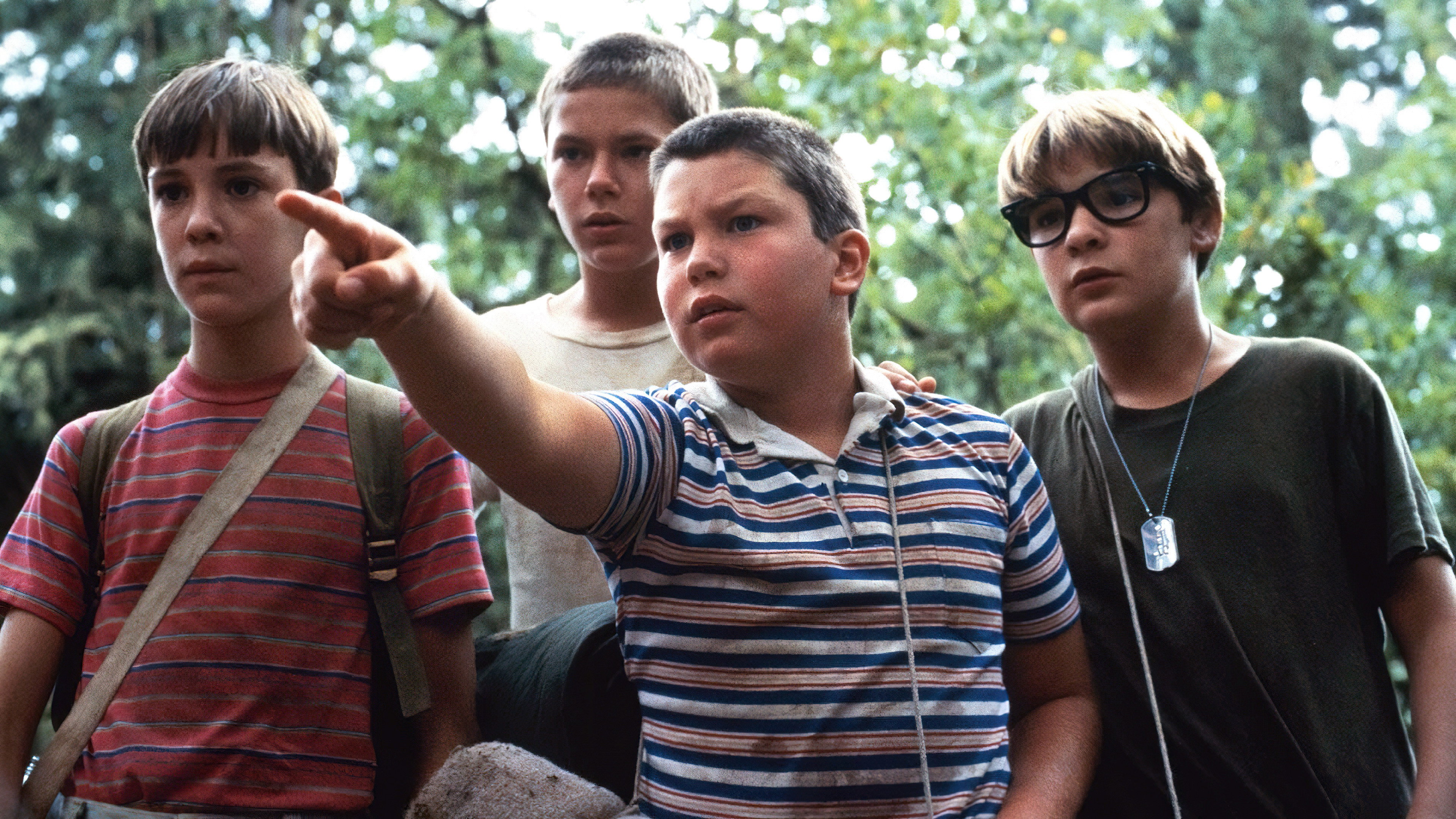
Wil Wheaton’s Gordie Lachance listens so intently that we watch him even when someone else is speaking. River Phoenix’s Chris Chambers seems more assured, but Phoenix lets us see how much work that assurance takes. He is particularly good at suggesting that Chris knows more about being dismissed than a boy ought to. Reiner gives both actors room to react, and we begin to care about what each thinks of the other. The friendship feels sufficiently awkward to be believable.
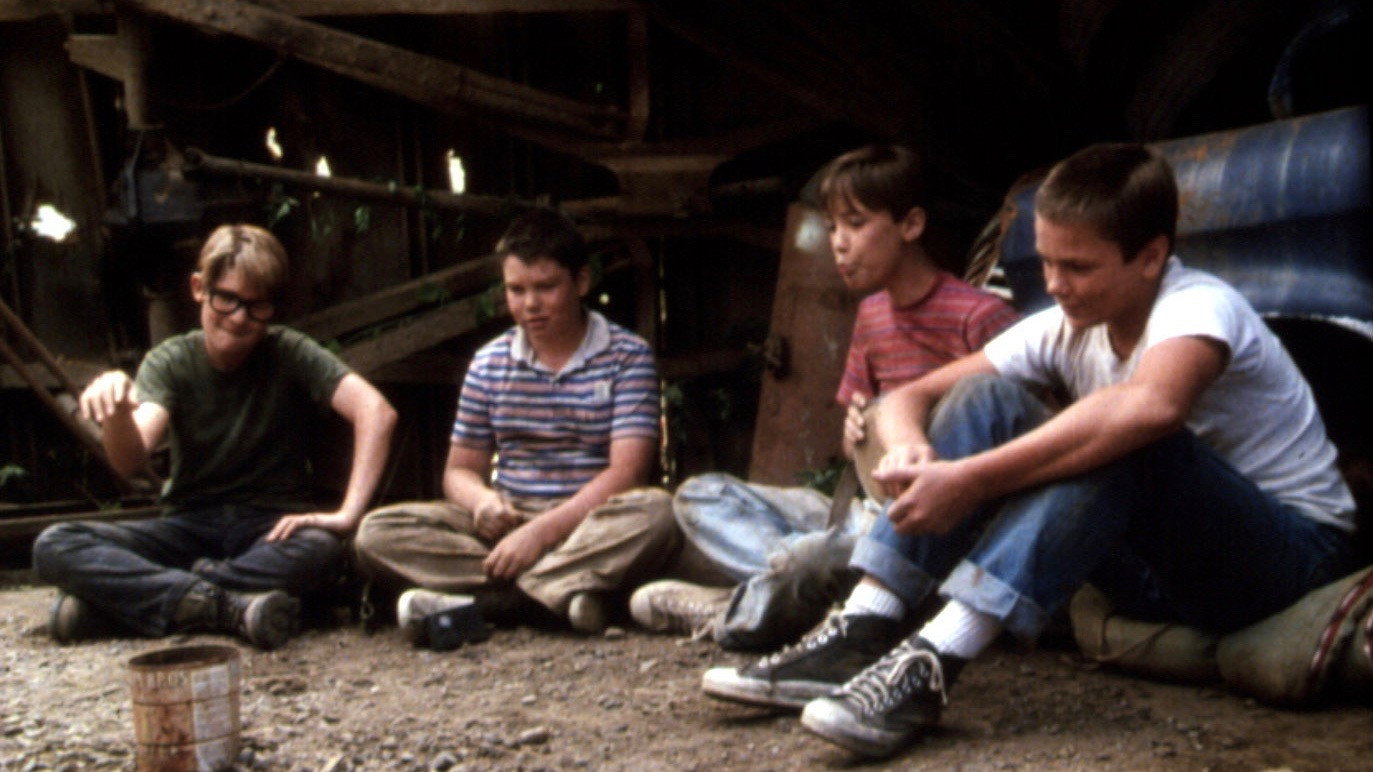
Corey Feldman’s Teddy Duchamp and Jerry O’Connell’s Vern Tessio make the group less tidy, and more convincing. Feldman brings an irritability that keeps the chatter from becoming too comfortable, while O’Connell gets laughs from Vern’s earnestness. We laughed at the certainty with which cherry-flavoured Pez is proposed as food for the rest of a lifetime. The answer is ridiculous, but its conviction is familiar, and the script wisely lets such concerns occupy the boys.
Thomas Del Ruth gives the outdoor scenes a softness that suits the way childhood gets remembered, though we sometimes wanted a little less prettiness. The photography makes the boys’ freedom appealing without entirely concealing how ill at ease they are. J. Dennis Washington’s production design is restrained enough to let the faces hold our attention. That is a useful choice in a film where the surroundings could so easily become an excuse to stop listening.
Robert Leighton’s editing gives the talk time to develop, then lets the adventure interrupt before the boys become too articulate about themselves. The 89-minute running time feels sufficient; we never found ourselves waiting for the film to get on with it. Jack Nitzsche’s music helps the changes of mood feel natural. It is less persuasive when it adds encouragement to an emotion the performances have already made clear.
The same small problem runs through Reiner’s direction and the screenplay: a reluctance to leave a feeling alone once it has registered. A few exchanges have the neatness of adults recalling what childhood meant, and we can hear the writing. Coming-of-age films often turn children into unusually eloquent guides to their own unhappiness; this one occasionally gets close. The humour helps, allowing these boys to remain difficult company even when the film is asking for our sympathy.
Its 15 certificate is worth noting before treating the young cast as a promise of children’s entertainment. Adults do not need to share the boys’ particular circumstances to recognise the effort that goes into staying friends. Choose it when a funny film that leaves a little sadness behind would be welcome.