Film review

Close Encounters of the Third Kind

1977 · Directed by Steven Spielberg · 2h 17m · MPA PG

In a sentenceRichard Dreyfuss is making alien contact rather hard on the people who already know him

Science FictionDrama

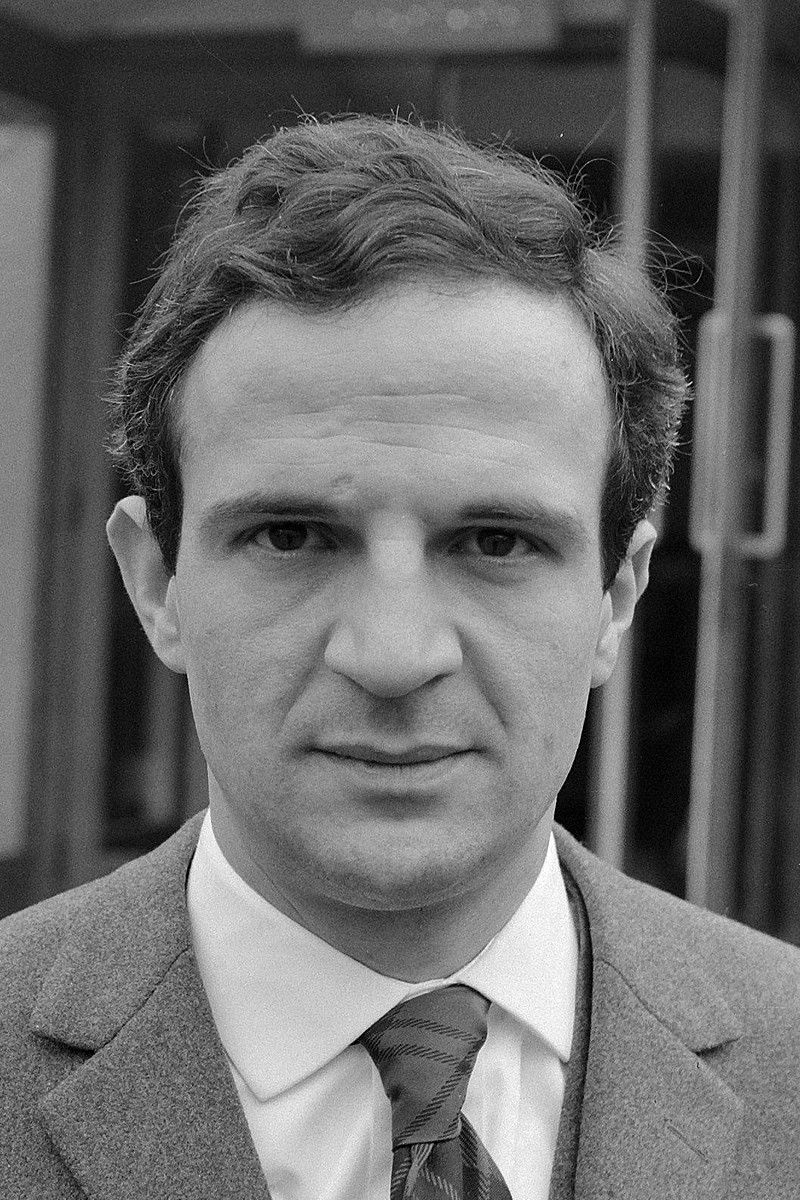
Suburban life is disrupted by the prospect of contact with visitors from beyond Earth. Roy Neary (Richard Dreyfuss) wants to understand what is happening, but his growing preoccupation strains the ordinary life around him. Ronnie Neary (Teri Garr) faces the domestic consequences of his search for answers. Claude Lacombe (François Truffaut) approaches the mystery with a belief in the possibility of communication. As Roy pursues an explanation, the demands of home compete with a question he cannot put aside: what might be trying to reach them?

Plays from YouTube when you press play; nothing loads from them until then.

Fi1m review

Steven Spielberg makes the prospect of alien contact feel worth the disruption, helped by Richard Dreyfuss’s restless curiosity and John Williams’s expansive score. The middle wanders, and the family drama deserves more care, but the wonder is persuasive.

Steven Spielberg’s Close Encounters of the Third Kind is a stirring science-fiction film, despite an uneven middle and some impatience with ordinary family responsibilities. Richard Dreyfuss makes Roy Neary’s curiosity infectious and his obsession awkward enough to strain his household. The picture is open to the possibility that visitors from elsewhere might deserve a welcome. Its sympathy for Roy sometimes makes the domestic drama unfair to those around him.

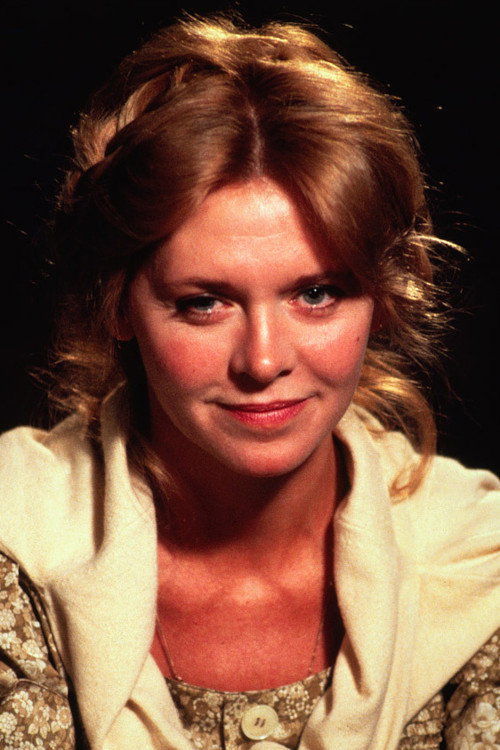
Richard Dreyfuss gives Roy the unguarded enthusiasm of someone who has stopped checking how he sounds to other people. His fascination is appealing, but we can also sense the effort of sharing a home with him. Teri Garr, playing Ronnie Neary, gives that effort a weight the writing does not always allow it: her distress can seem an inconvenience to the story. Melinda Dillon’s Jillian Guiler adds a more vulnerable presence, helping the film keep its extraordinary events attached to recognisable people.

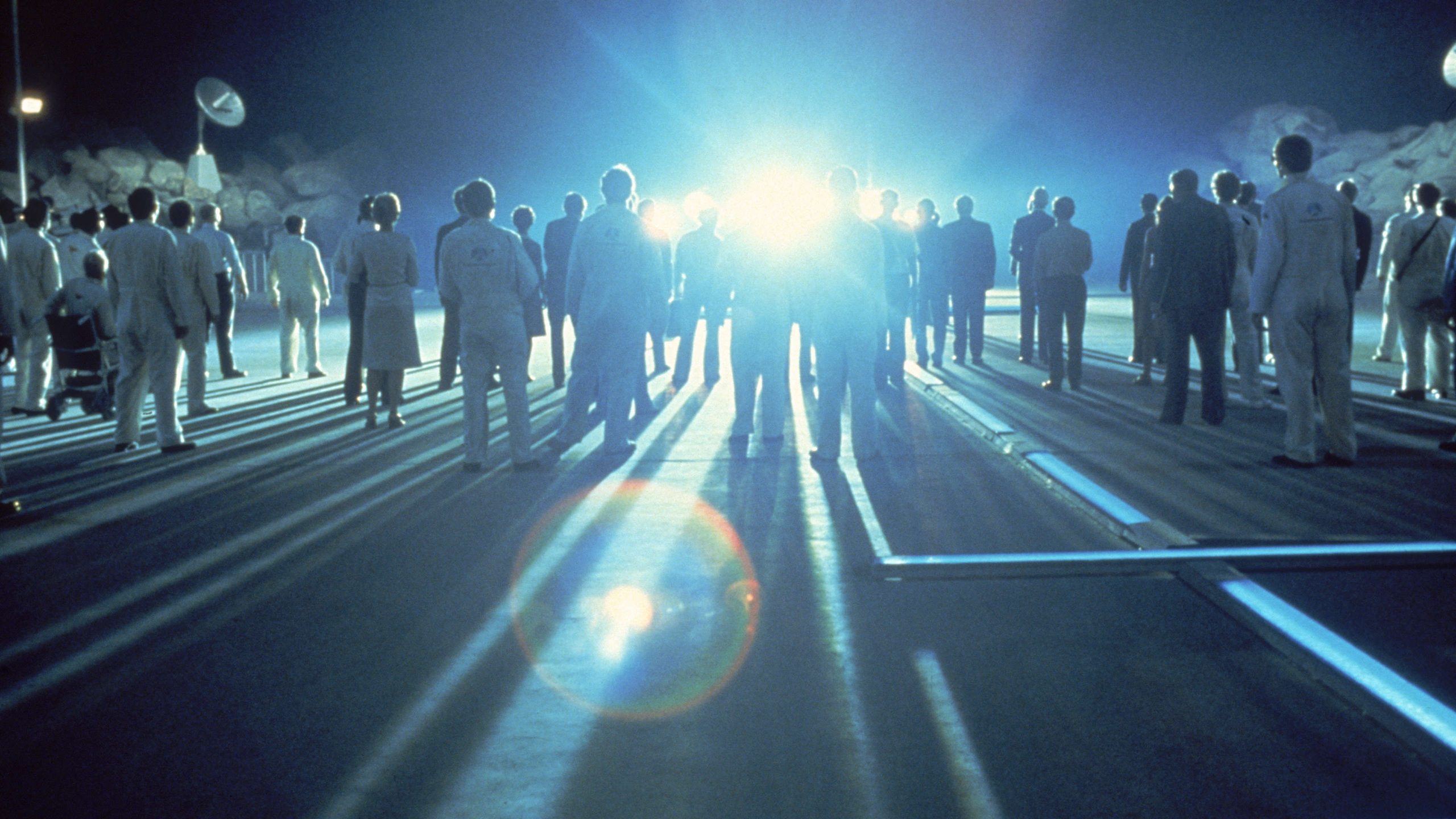
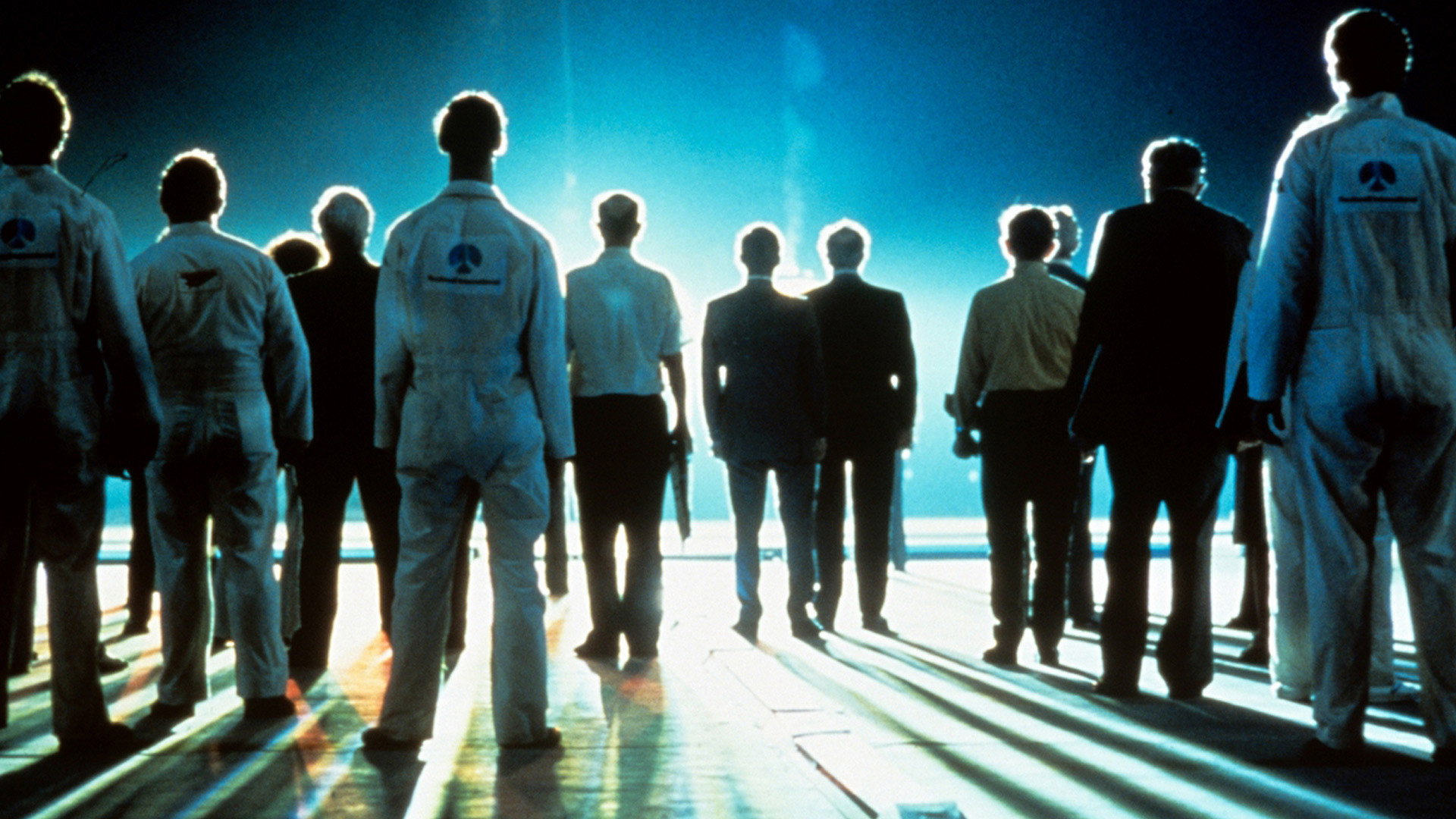
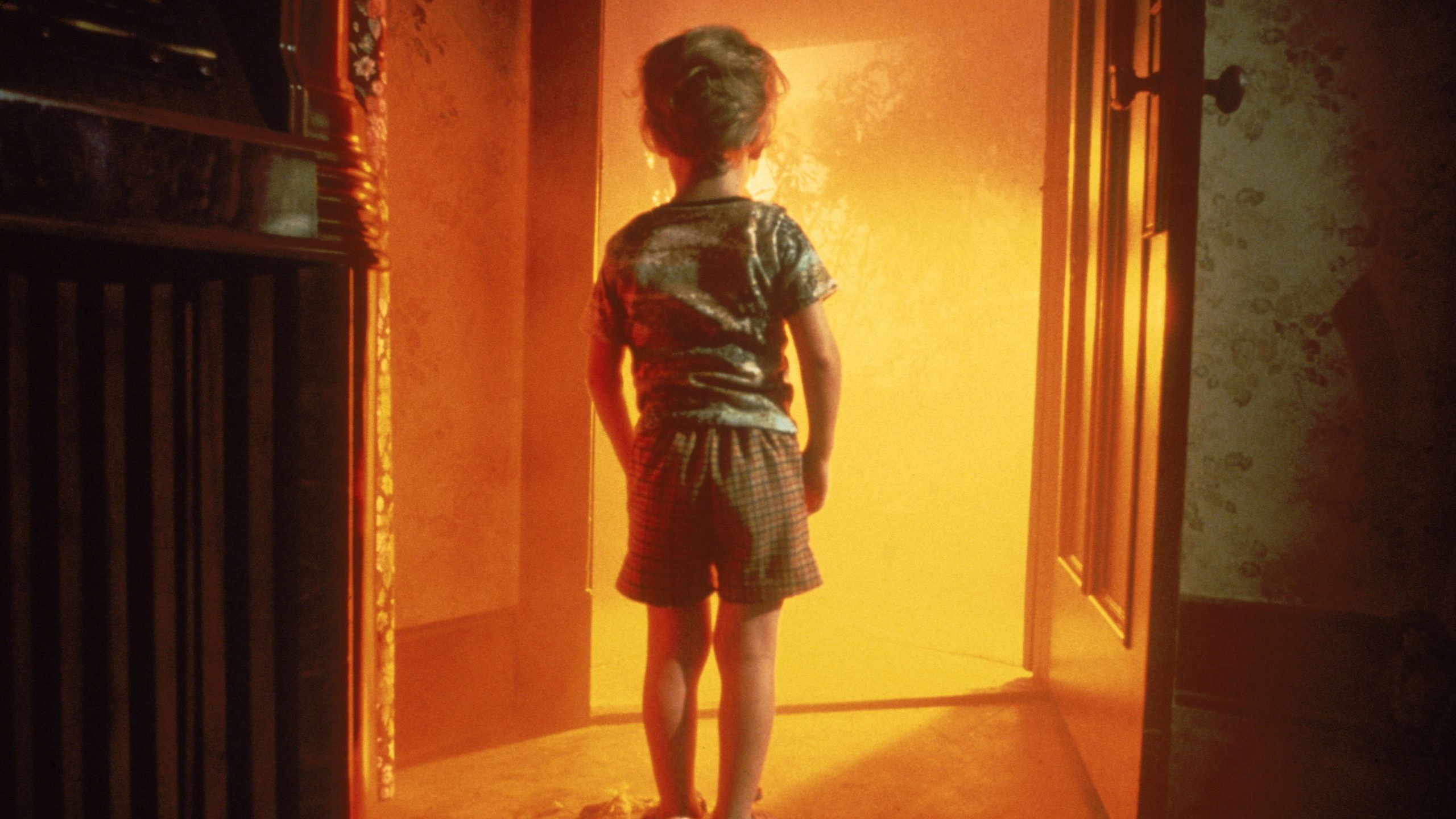
Vilmos Zsigmond’s cinematography makes the ordinary surroundings substantial enough for the strange sights to register. Brightness has force here; the light can make a familiar place seem suddenly difficult to understand. Joe Alves’s production design gives the suburban world a credibility that matters as much as the effects, because we need to believe in the lives being interrupted. The picture earns much of its wonder by keeping us aware of how little preparation these people have for what they are seeing.

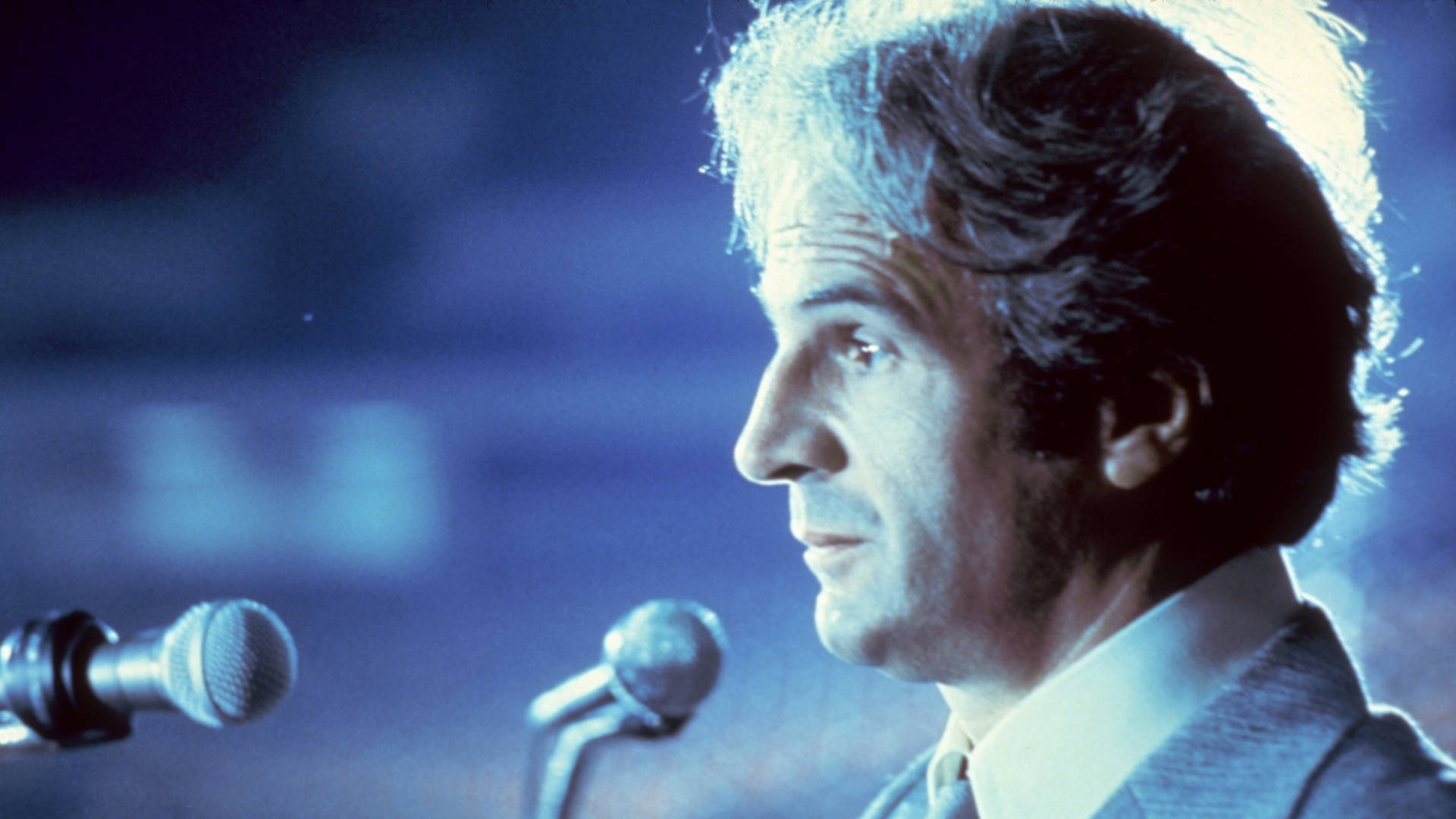
We were moved by François Truffaut’s gentle smile as Claude Lacombe. It makes the possibility of understanding an unfamiliar being seem worth the trouble, and the performance is free of any urge to dominate the film. His presence helps explain why the science fiction works: somebody is prepared to approach the unknown with patience. The prospect of conversation is allowed to carry a story that could so easily have settled for another attack.

John Williams’s score encourages that openness with a confidence the human characters cannot always manage. The music can be forceful about telling us what to feel, but its emotional reach suits a film about people struggling to comprehend an experience. It gives the effects a tenderness they could not supply by scale alone. There are moments when the insistence is a little much, though the score usually persuades us to stop resisting.

The unevenness is harder to forgive in the middle, where Roy’s absorption begins to produce diminishing returns. Michael Kahn’s editing has to accommodate domestic drama and expanding spectacle, and the movement between them is not always comfortable. At 137 minutes, the film could lose some repetition without making Roy’s need for answers any less clear. We understood his hunger well before the film finished insisting on it.

Still, the film’s belief in curiosity is unusually generous for a story built around unknown visitors. The director lets uncertainty be enticing as well as frightening, and the human performances keep the spectacle from becoming a demonstration of equipment. Our reservation is about how readily the film expects sympathy for Roy when the people around him are struggling to cope with his obsession. Give it an evening, but allow Ronnie a hearing afterwards.
Critical consensus AI synthesised

86
Positive
15
Mixed
1
Negative
0

Most critics respond warmly to Spielberg’s science fiction drama, praising its optimism about extraterrestrial contact and its grounding of extraordinary events in recognisable domestic life. The special effects and John Williams’s score attract repeated praise for making the spectacle emotionally involving, while Richard Dreyfuss’s inquisitiveness gives the mystery a persuasive human centre. Across the reviews, wonder matters because the people experiencing it seem ordinary, and the possibility of communication carries more weight than the threat of attack.

The reservations concern structure and the film’s increasingly spiritual tone, with a few critics finding the middle uneven or the whole untidy. Sight and Sound supplies the sole mixed assessment, admiring the invention but finding the quasi-religious uplift and borrowed plotting complacent. Polygon, by contrast, values the unbalanced structure and collisions of hope and terror as expressions of Spielberg’s personal investment. The consensus is strongly positive, though agreement on the storytelling is less complete.

Radio Times
★★★★★ · Andrew Collins
100

This brilliantly realised suburban sci-fi saga reverses years of flying saucer attacks with the notion of friendly visitors from outer space. It praises Dreyfuss's childlike inquisitiveness, spectacular special effects, John Williams's emotionally charged score, and the protracted climax.

Read the full review →
RogerEbert.com
1 January 1980 · ★★★★/4 · Roger Ebert
100

The Special Edition improves on the original with a stronger ending inside the spaceship and tighter pacing overall. It captures awe and wonder at extraterrestrial life and stands as one of the great moviegoing experiences.

Read the full review →
The AV Club
5 December 2007 · A · Scott Tobias
95

The review praises the 30th-anniversary DVD's inclusion of all three cuts and highlights the director's cut as the best, noting its balance of domestic drama and awe-inspiring wonder at the unknown.

Read the full review →
Empire
1 January 2000 · Angie Errigo
90*

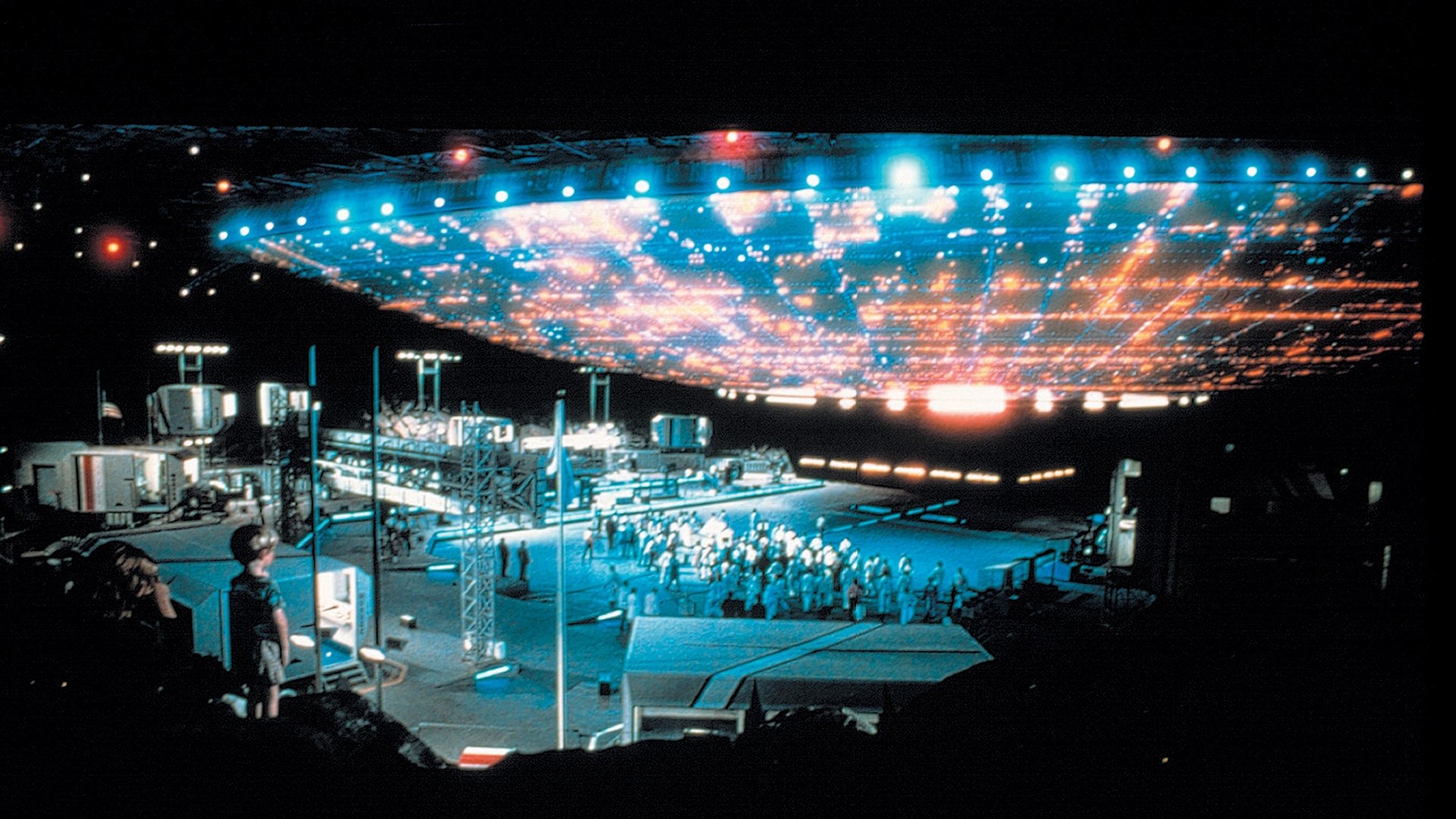
Close Encounters is a thrilling vision of first contact with extraterrestrials that strips away the sci-fi to reveal compassionate human drama about an ordinary man on an extraordinary quest. The critic singles out the awe-inspiring Mothership arrival as the ultimate testament to Spielberg's gift for wonder and cinema's power.

Read the full review →
The Guardian
13 September 2017
90*

The digitally restored 40th-anniversary re-release of Spielberg’s sci-fi touchstone has lost none of its grand celestial magic. The film’s credible depiction of everyday Earth life makes the extraterrestrial leaps of faith entirely convincing.

Read the full review →
The Hollywood Reporter
15 November 2016 · Arthur Knight
90*

The critic calls it a terrific movie with spectacular special effects that could rival Star Wars, praising the visuals, John Williams score, and convincing portrayal of UFO phenomena as friendly rather than horrific.

Read the full review →

Cast

Stills

Awards

Academy Awards, 1978

Nominated
Best Director
Nominated
Best Film Editing
Nominated
Best Original Score
Nominated
Best Production Design
Nominated
Best Sound
Nominated
Best Supporting Actress
Nominated
Best Visual Effects
Won
Best Cinematography

If you liked this, try…

The Day the Earth Stood Still poster

The Day the Earth Stood Still

1951 · A sterner visitor tests human hospitality, with less patience for our bad habits

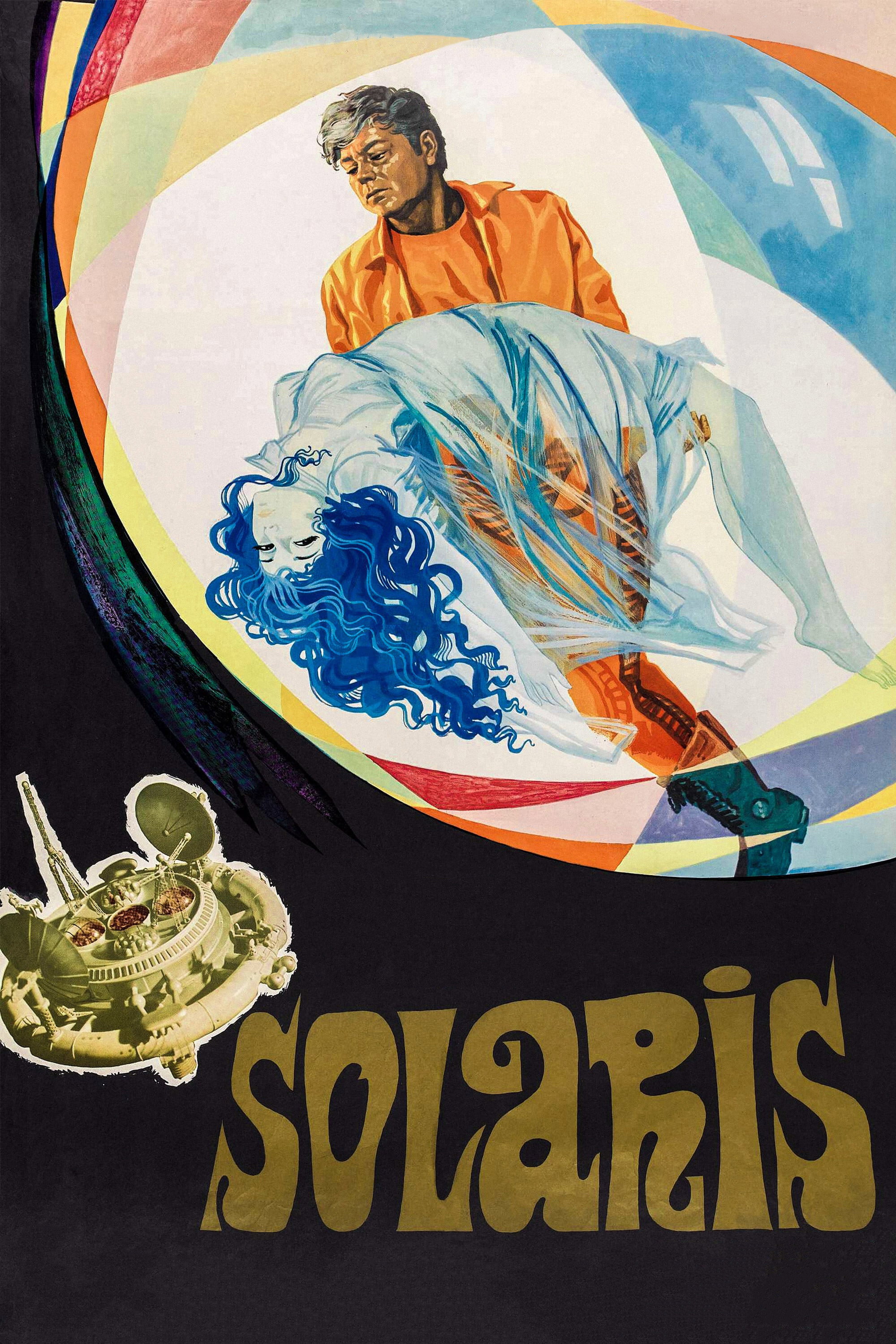
Solaris poster

Solaris

1972 · A more troubling encounter with the unknown, complicated by memory and human grief

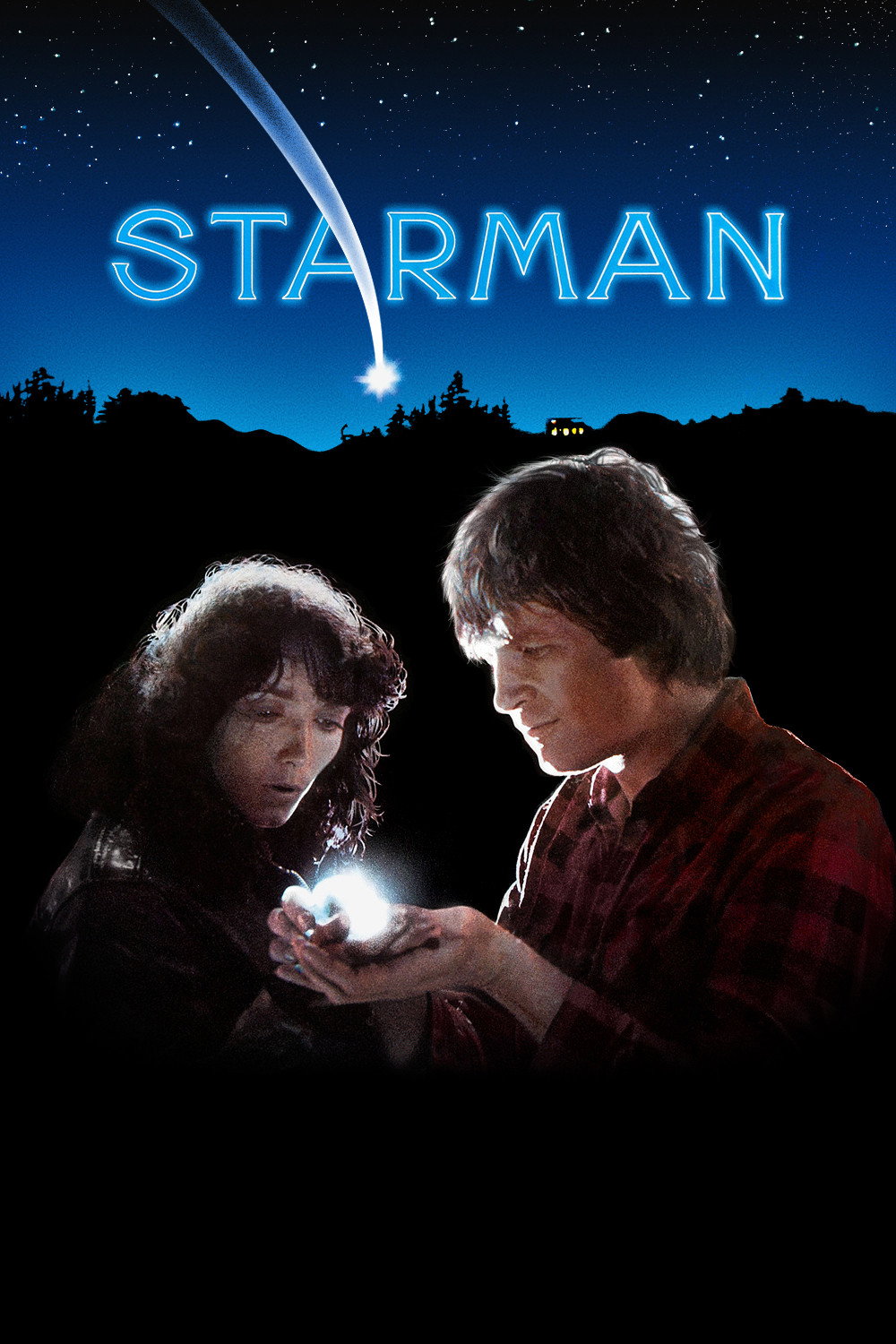
Starman poster

Starman

1984 · A smaller encounter whose awkward companionship gives the science fiction its warmth and purpose

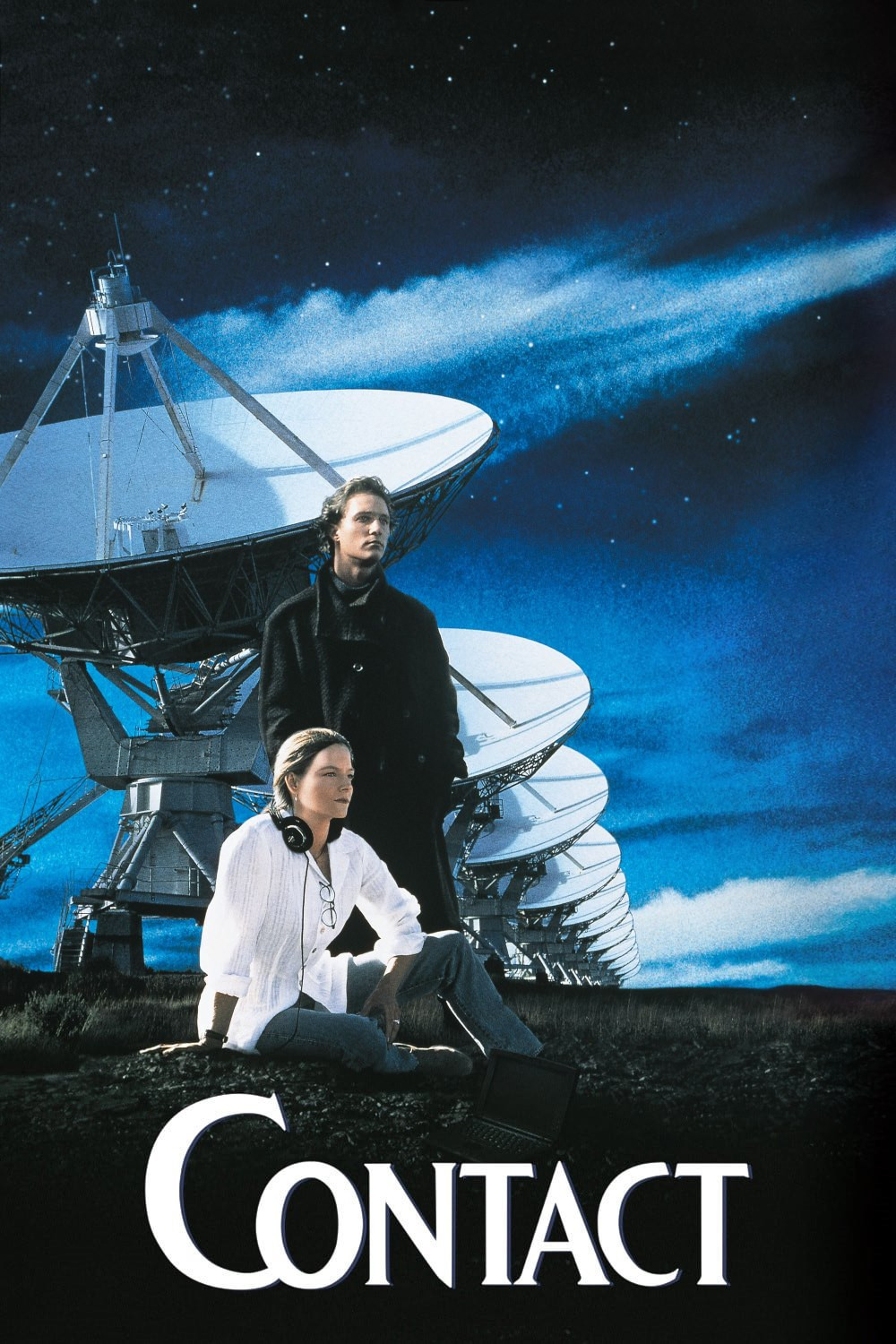
Contact poster76

Contact

1997 · More attention to the science, with another central performance built around determined curiosity

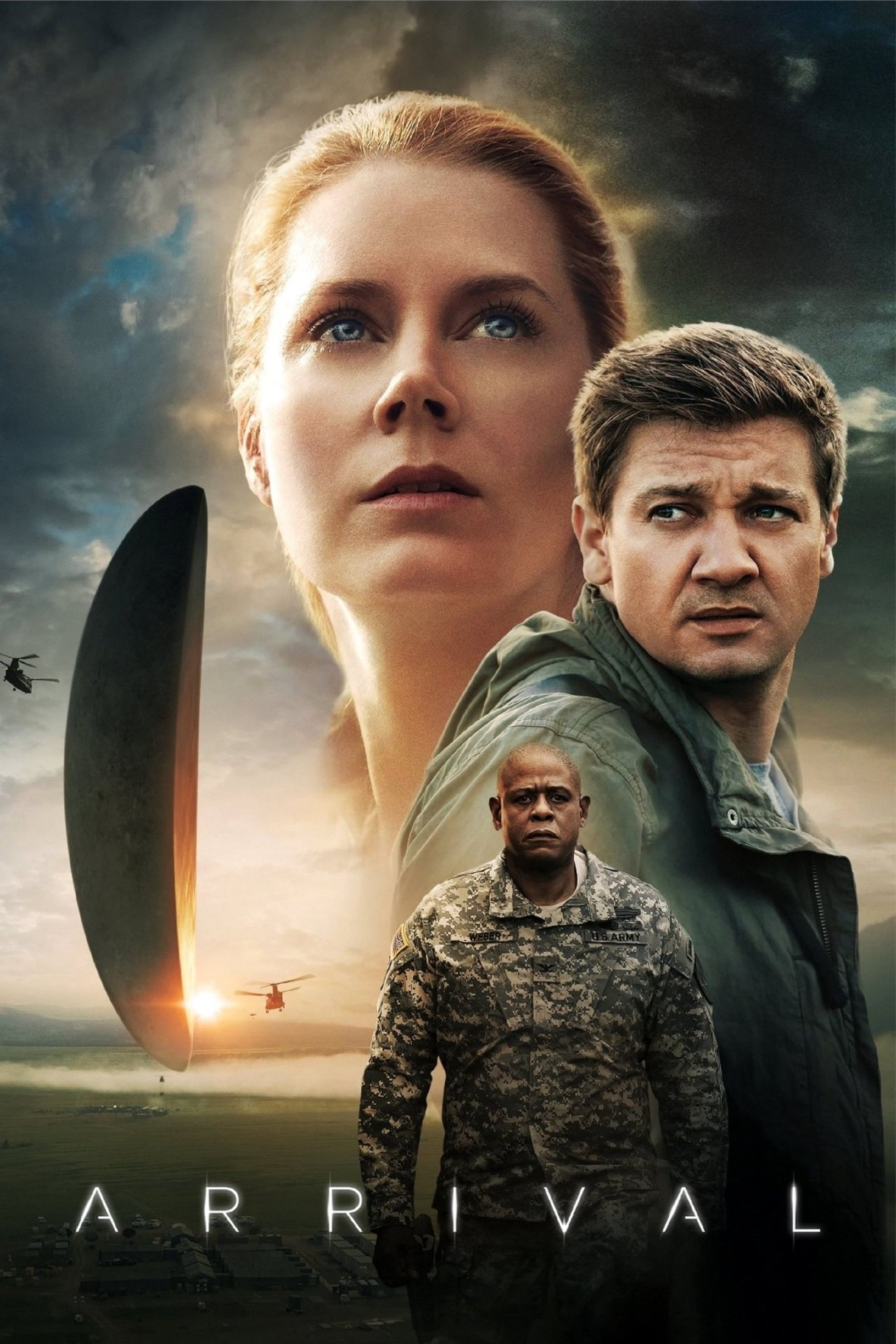
Arrival poster86

Arrival

2016 · Language and patience become practical tools for approaching visitors nobody knows how to read