Robert Redford’s Quiz Show makes television fraud absorbing through sharp writing and performances that complicate easy judgement. It runs a little long, but its attention to who gets believed gives the scandal a lasting sting.
Quiz Show is a sharp, absorbing drama about television fraud, with enough sympathy for its participants to make their conduct uncomfortable to watch. Robert Redford takes the scandal surrounding the 1950s programme Twenty-One seriously without making every conversation sound like a warning to the nation. Paul Attanasio’s screenplay allows wit, vanity and embarrassment into a story that could easily have become a lecture on public standards. We recommend it, with a reservation about how long it takes to make some of its points.
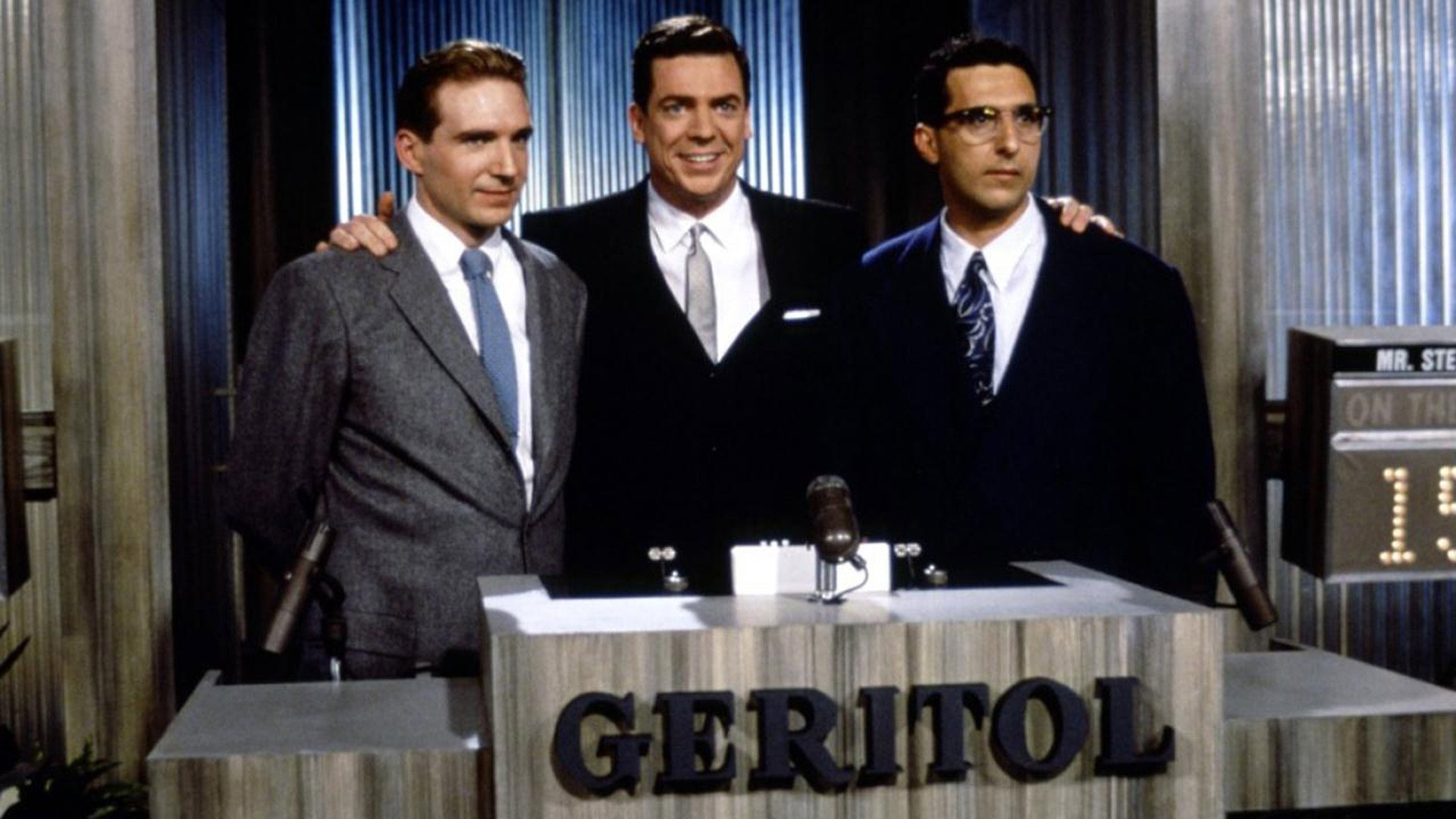
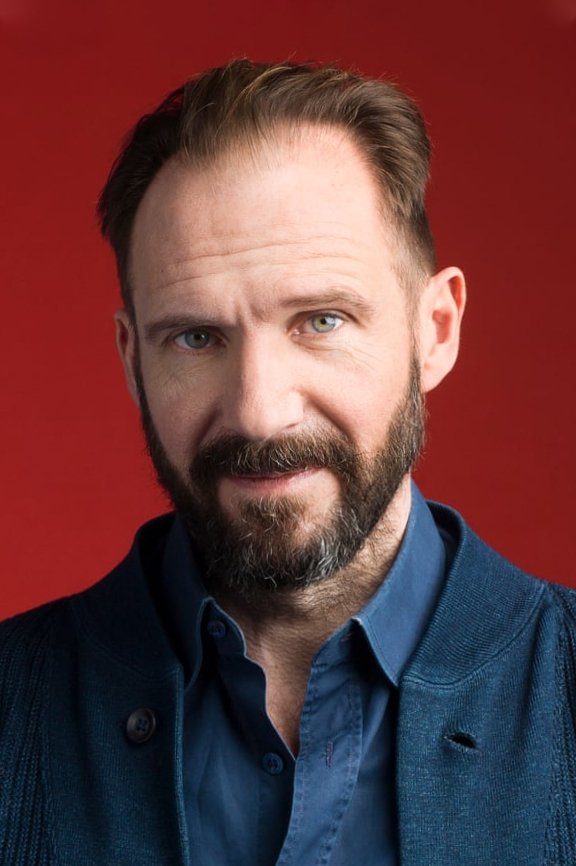
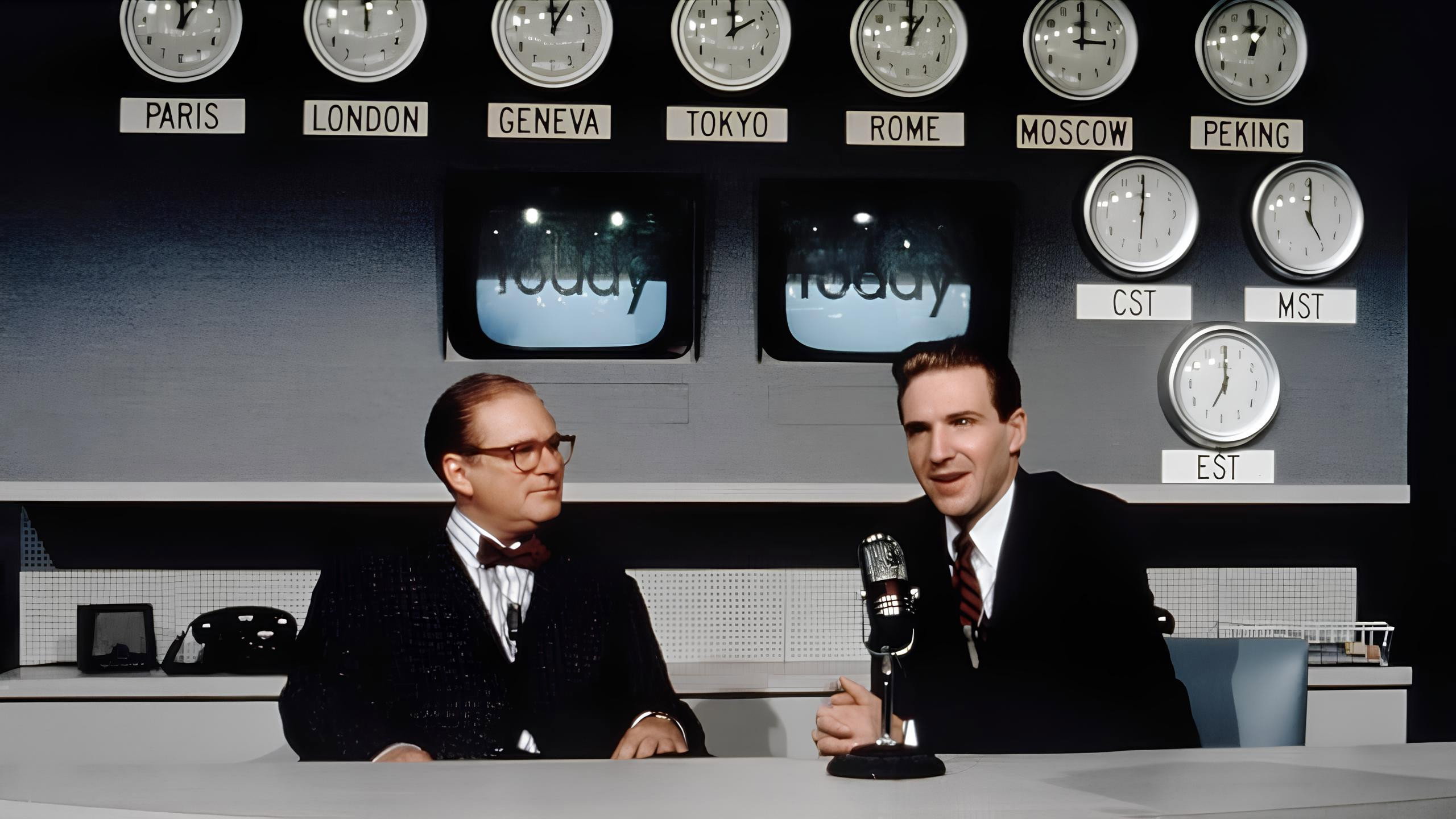
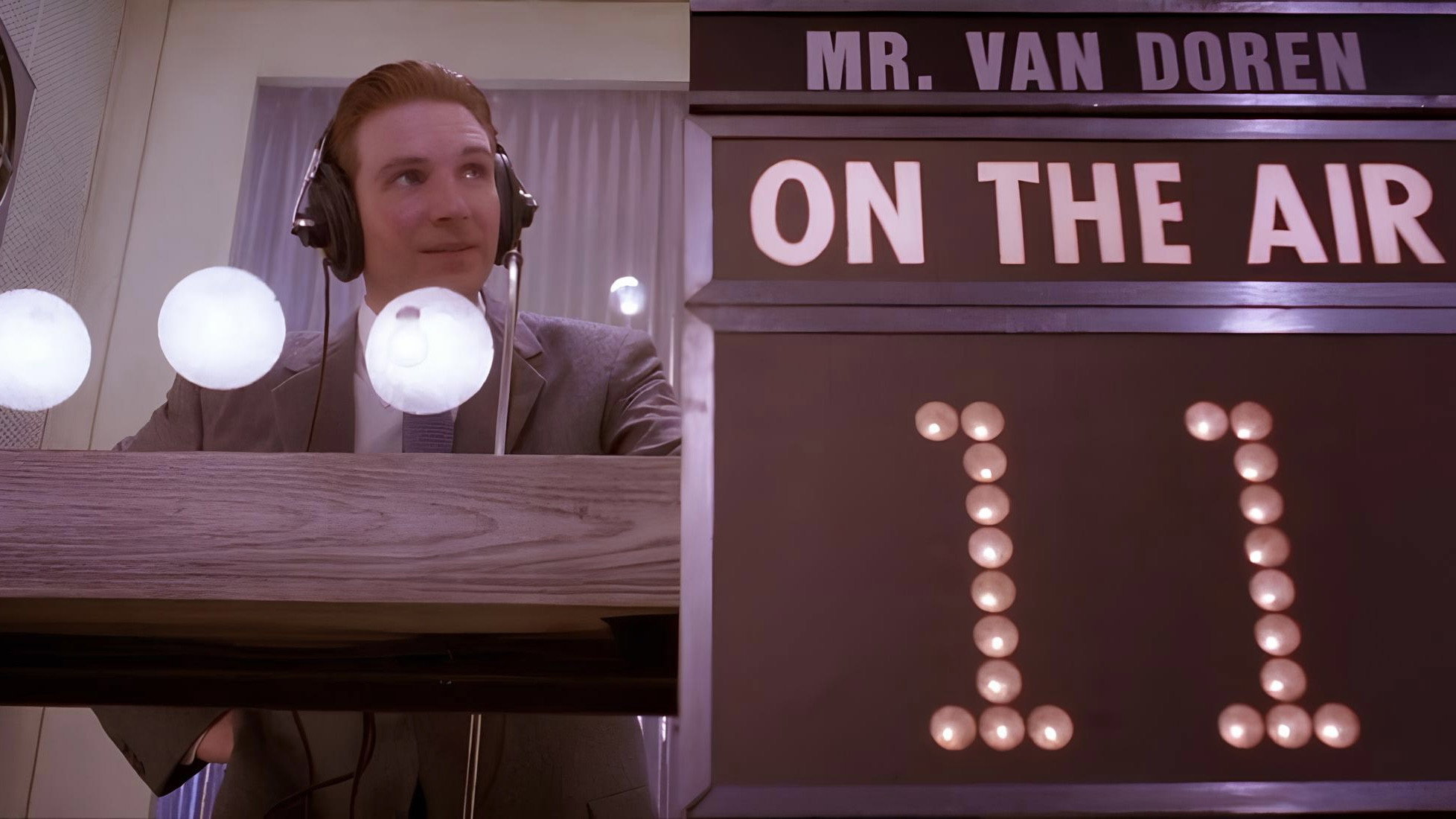
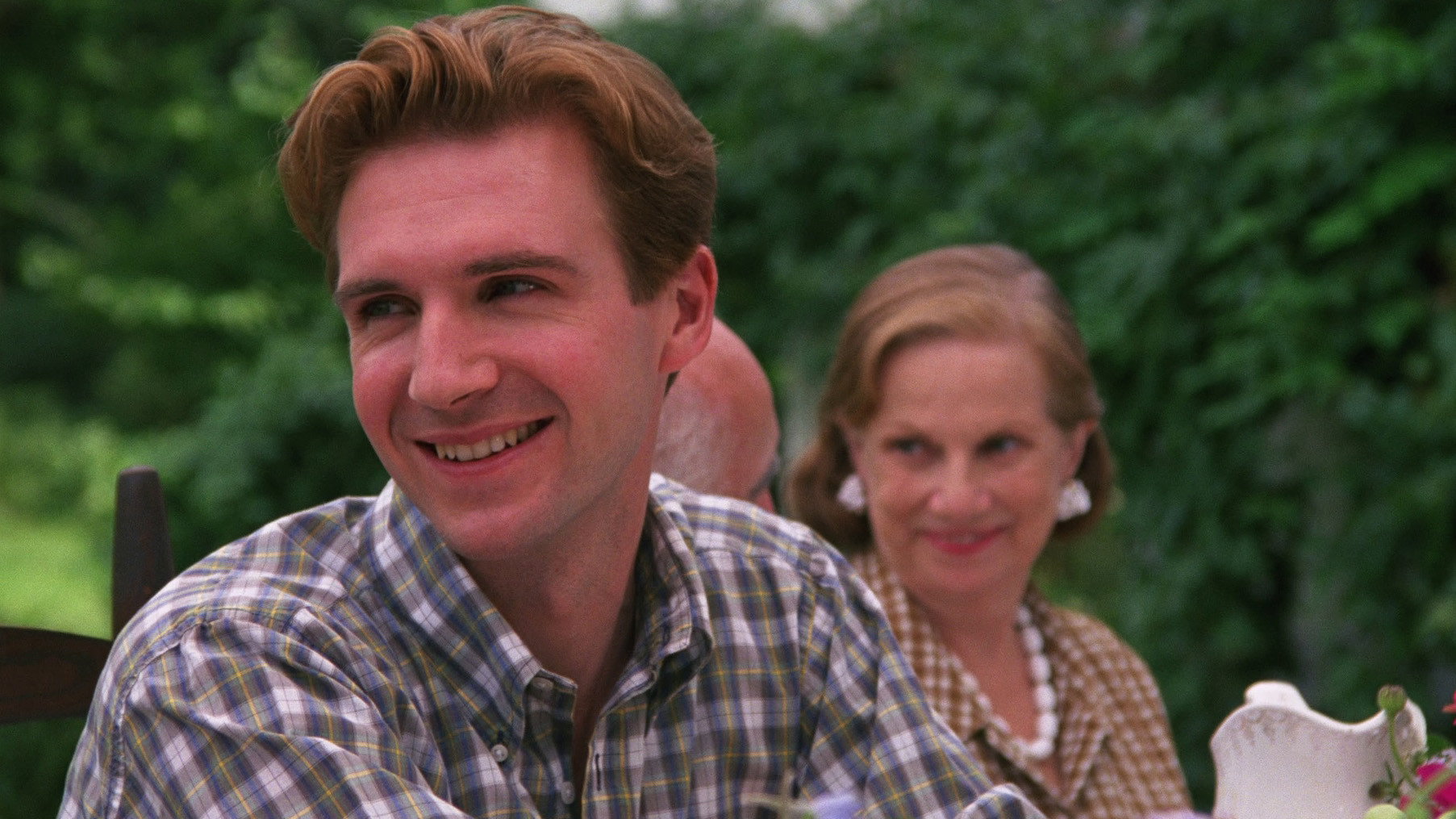
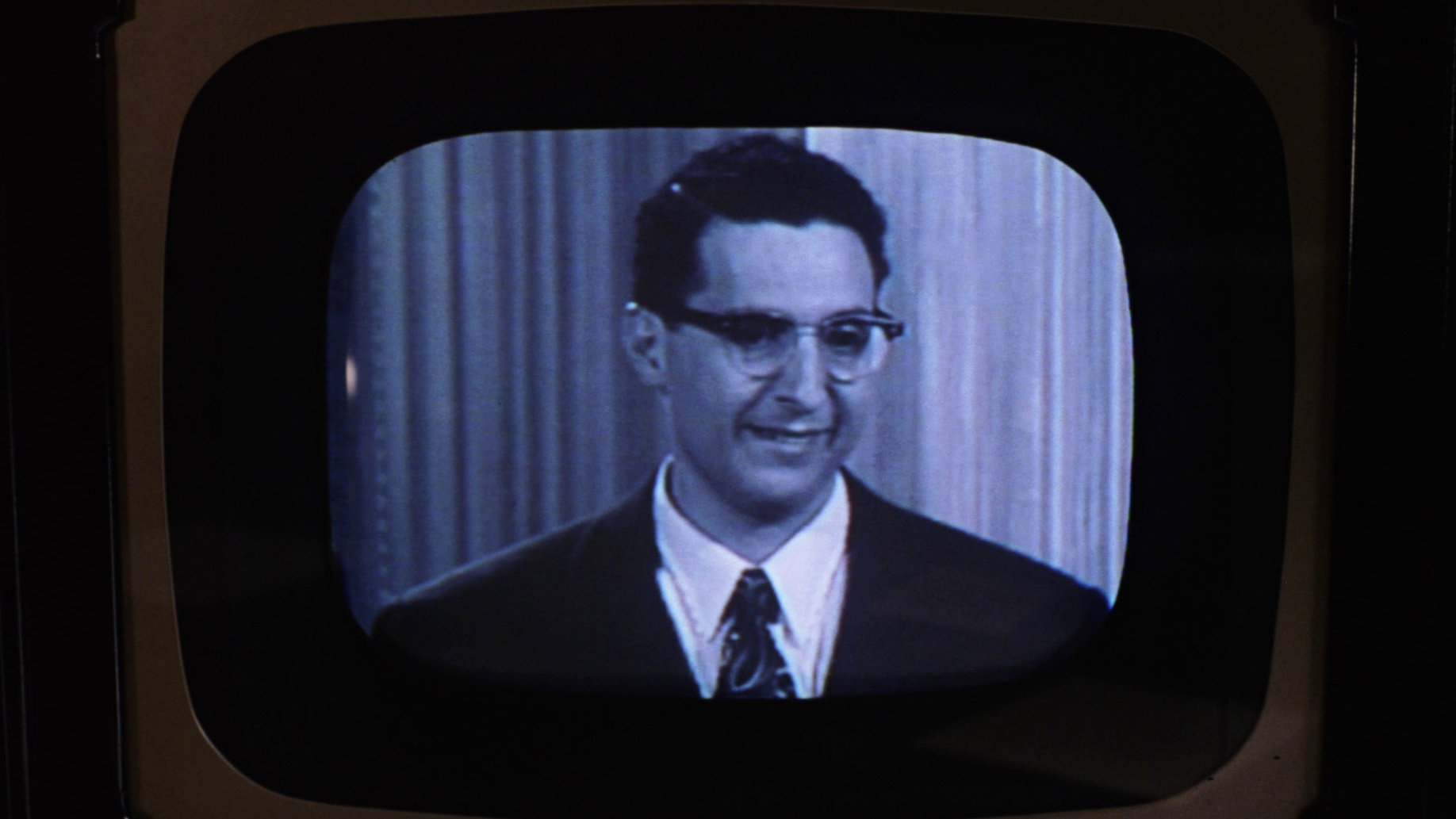
John Turturro’s Herb Stempel and Ralph Fiennes’s Charles Van Doren give the film its most revealing contrast. Turturro makes Stempel difficult company without making him negligible, while Fiennes gives Van Doren an ease that makes it tempting to excuse him. We were uncomfortable with how readily we warmed to Van Doren; Fiennes makes his composure persuasive even while the story gives us reasons to distrust it. That unequal response to the two contestants is something Redford understands well, and he lets the actors expose it without explaining every implication.
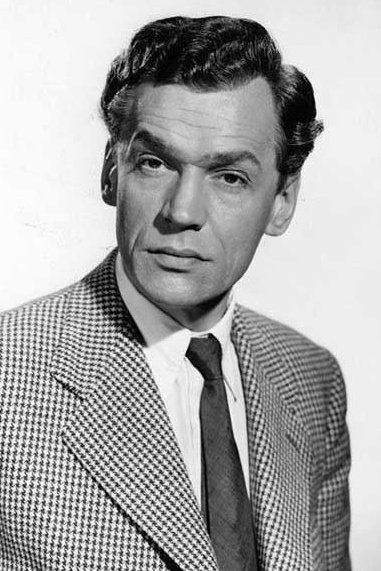
Paul Scofield, as Mark Van Doren, is especially good at making dignity seem attractive rather than merely self-important. His performance helps explain why judging these people proves more difficult than condemning the fraud. The ensemble gives Attanasio’s quick exchanges room to register, and Redford rarely lets a character become only a spokesman for a position. That matters in a drama whose subject might otherwise leave everyone divided into liars and people waiting to catch them, with little reason to care about either group.
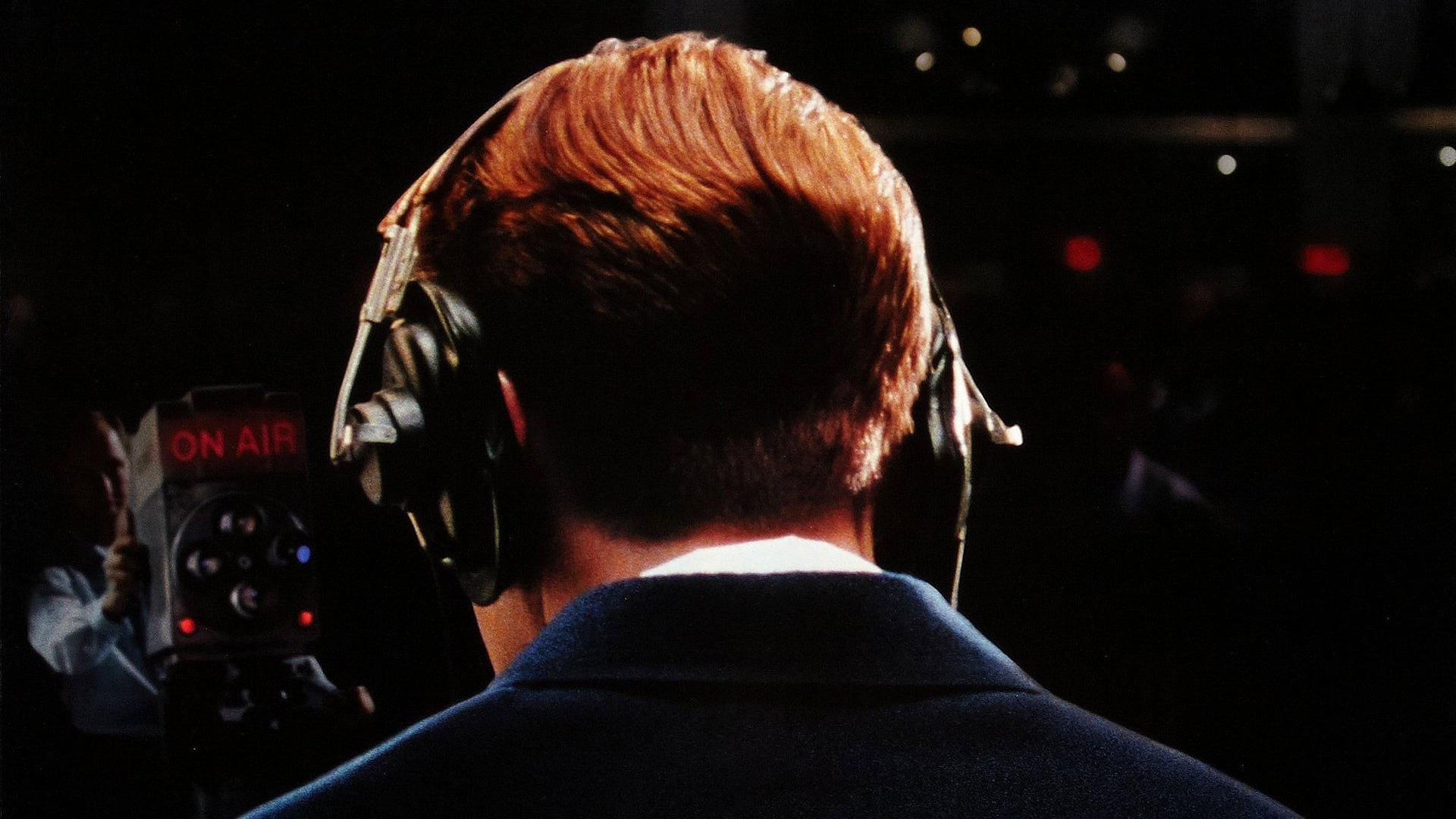
Michael Ballhaus’s cinematography feels appropriately polished for a film about television’s power to make people attractive. Jon Hutman’s production design is persuasive as a picture of the period without becoming the chief thing we look at. Both serve the actors, keeping our attention on the people whose manners and appearances influence our judgement. It matters that the film looks inviting: an ugly, forbidding version of this world would make the appeal of belonging to it much harder to understand.
Stu Linder’s editing gives the dialogue pace without making the performances feel rushed. The film is less sure when it allows a conversation to continue after the interesting disagreement has run out. At 133 minutes, there are stretches that could lose some talk without losing much meaning. Mark Isham’s music leaves less of an impression than the actors’ voices, a sensible balance for material this talkative. Redford’s confidence in the writing is largely justified, but a firmer cut would have helped where the point is already clear.
The larger claim about American innocence is less convincing. Television’s willingness to reward a pleasing manner is clear enough, but asking this scandal to explain a country’s disillusionment puts more weight on it than it can bear. Redford is more persuasive about the unfair treatment of individuals than about class across an entire society. The film gives us ample reason to question our response to Stempel and Van Doren without quite persuading us that their experiences explain everyone else’s.
As a scandal drama, Quiz Show is unusually interested in why people enjoy the company of someone they ought to question. It gives us time to recognise the temptation ourselves. Watch it for the performances, and forgive the conversations that could have finished a little sooner.