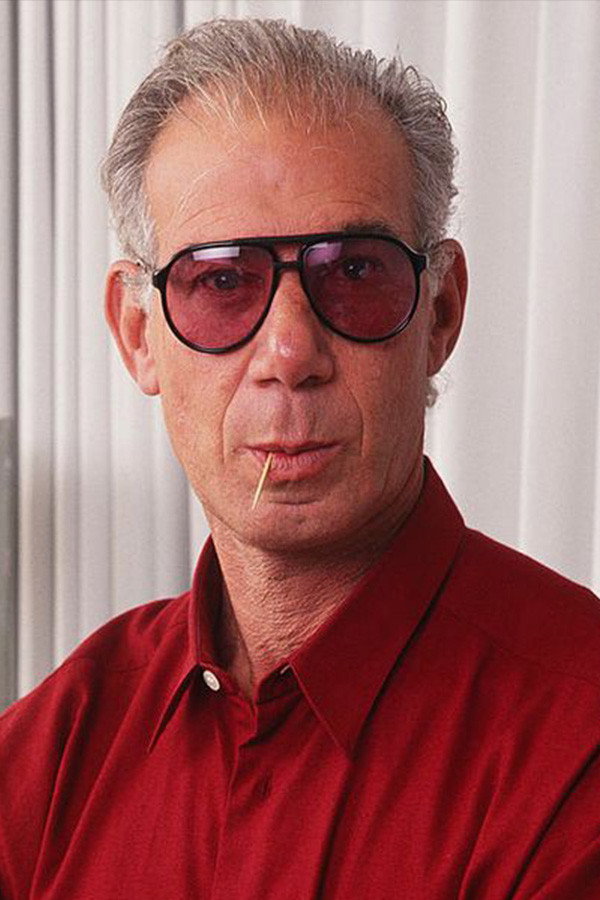
Bob Rafelson’s films give dissatisfied people time to reveal their faults. We value his patience with actors and his eye for ordinary surroundings, though he sometimes lets a difficult man take up more attention than he deserves.
Fi1m perspective
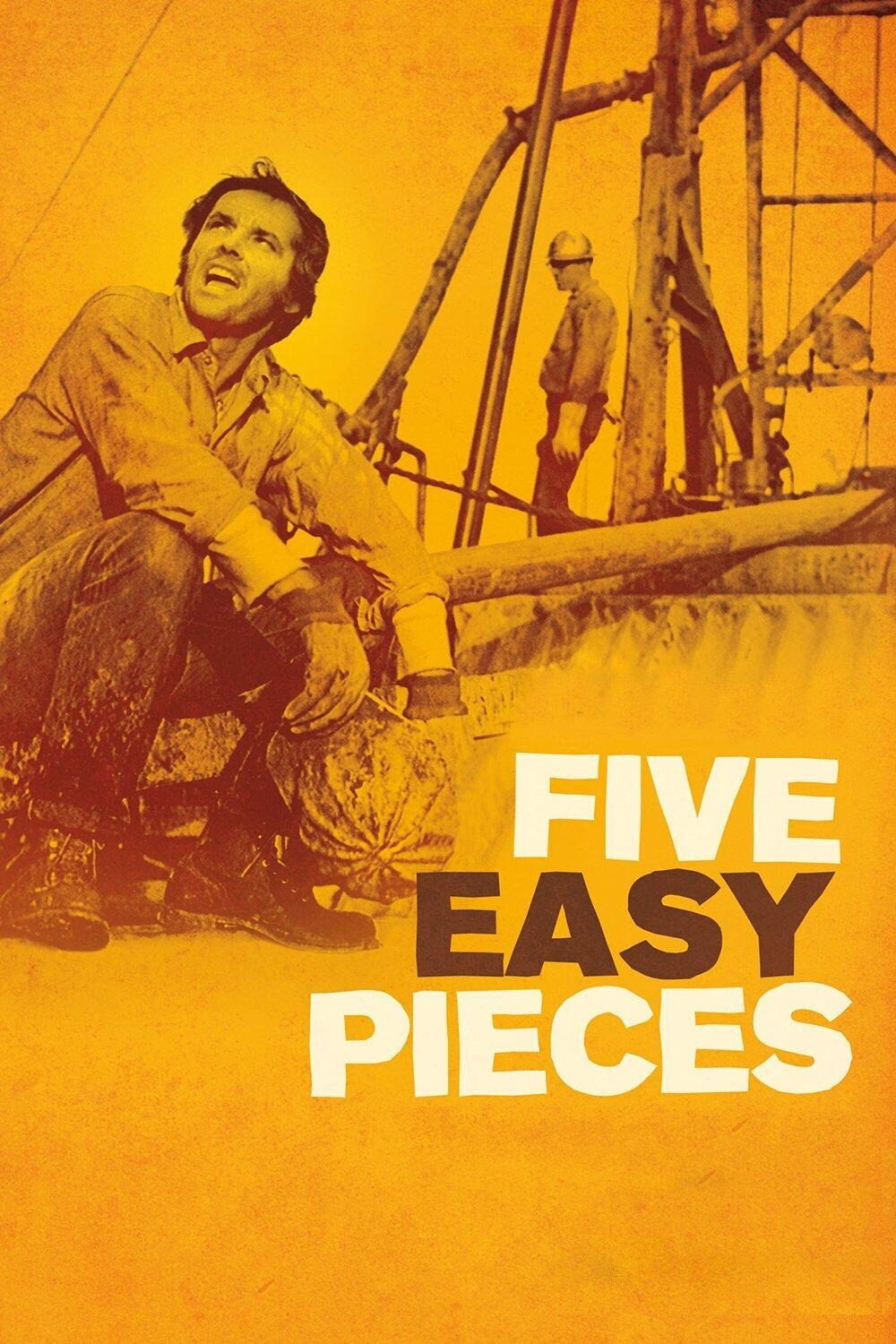
In Five Easy Pieces (1970), the roadside surroundings suggest lives continuing beyond Robert Eroica Dupea’s dissatisfaction. Jack Nicholson’s cultivated, disagreeable man has the film’s attention, but Rafelson leaves us free to question whether he deserves quite so much of it. We find this a funny, uncomfortable and rewarding way to spend time with someone who would be difficult company. Rafelson takes Dupea seriously without treating his unhappiness as proof that everyone else has let him down.
Rafelson’s feature debut, Head (1968), was a psychedelic satire co-written with Nicholson. Five Easy Pieces narrowed the attention to one man, while The King of Marvin Gardens (1972) gave Nicholson an unusually introspective part in a study of failure and illusion. The preference for character over a conventional plot became a defining strength, though it could also make the films hard to follow. He later reunited with Nicholson for the noir remake The Postman Always Rings Twice (1981). With Mountains of the Moon (1990), the subject was Victorian exploration.
The restraint of the images matters as much as the freedom given to the actors. In Five Easy Pieces, Rafelson keeps the exterior camera largely still, allowing us to inspect the surroundings rather than hurry past them. Cinematographer László Kovács gives those places the everyday detail that prevents Dupea’s bad mood from taking over everything we see. Production designer Toby Carr Rafelson makes differences of class legible in the settings without turning each room into a lesson.
We laughed at Dupea’s irritation because Nicholson makes it ridiculous even when the man has a point. That humour is essential to our affection for a film whose central character tests it so often. There are passages where Rafelson seems satisfied simply to let him be difficult, and the attention begins to feel like special treatment. His preference for psychological plausibility over tidy plotting works better when the people around the protagonist remain just as convincing. Start with Five Easy Pieces, but keep an eye on the world Dupea finds so unsatisfactory.
Biography
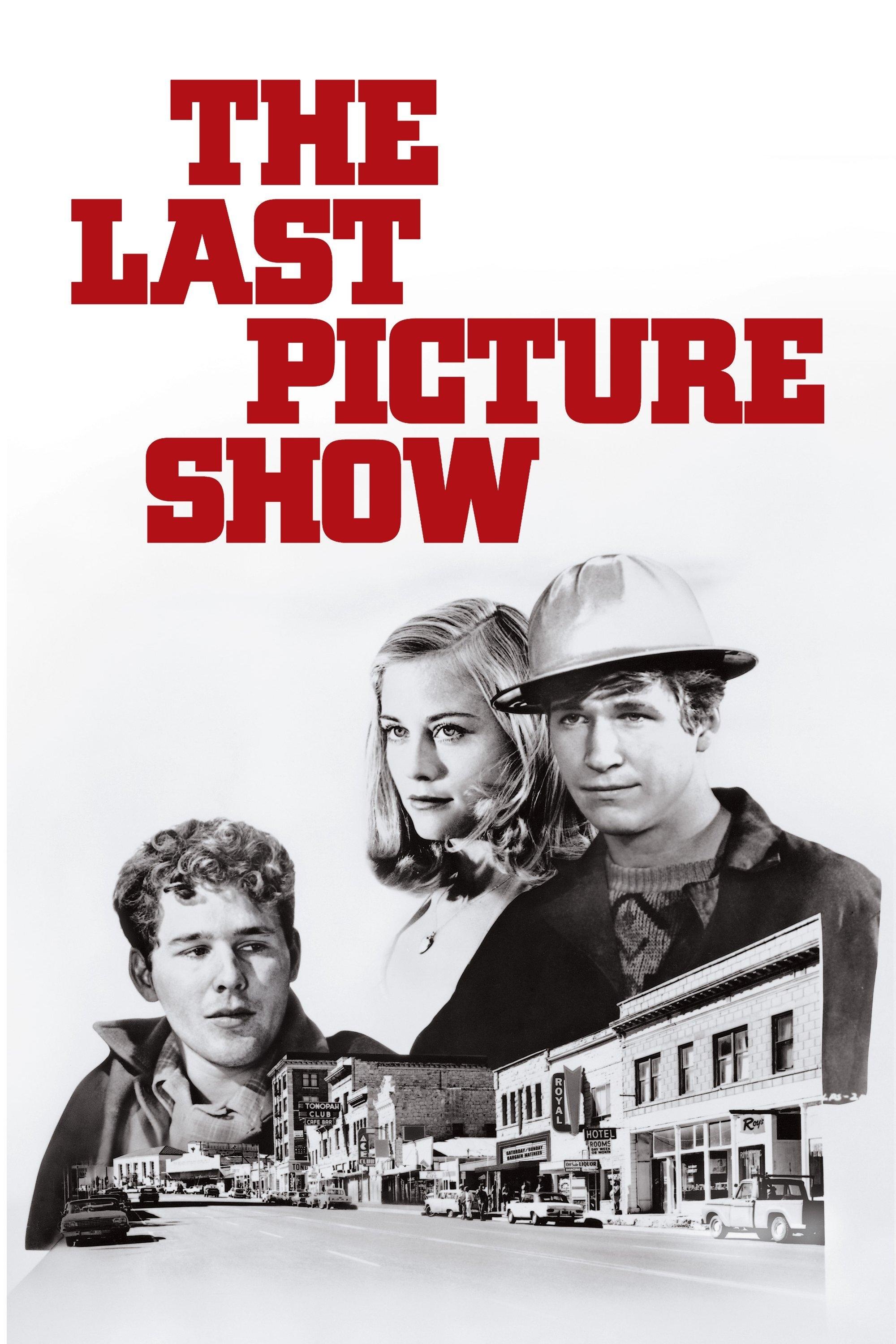
Bob Rafelson (1933–2022) was an American film director, writer and producer. He directed Five Easy Pieces (1970), which he also co-wrote and produced, and served as producer on The Last Picture Show (1971).
Rafelson co-created the television series The Monkees (1966–1968) with Bert Schneider. Through their production company Raybert, later BBS Productions, they backed several key New Hollywood films including Easy Rider (1969). He collaborated frequently with actor Jack Nicholson on projects such as Head (1968), The King of Marvin Gardens (1972), The Postman Always Rings Twice (1981), Man Trouble (1992) and Blood and Wine (1996).
Other films he directed include Stay Hungry (1976), Black Widow (1987), Mountains of the Moon (1990) and No Good Deed (2002).