Film review

Leaving Las Vegas

1995 · Directed by Mike Figgis · 1h 51m · MPA R

In a sentenceNicolas Cage is funny enough to make us worry about why we’re laughing

DramaRomance

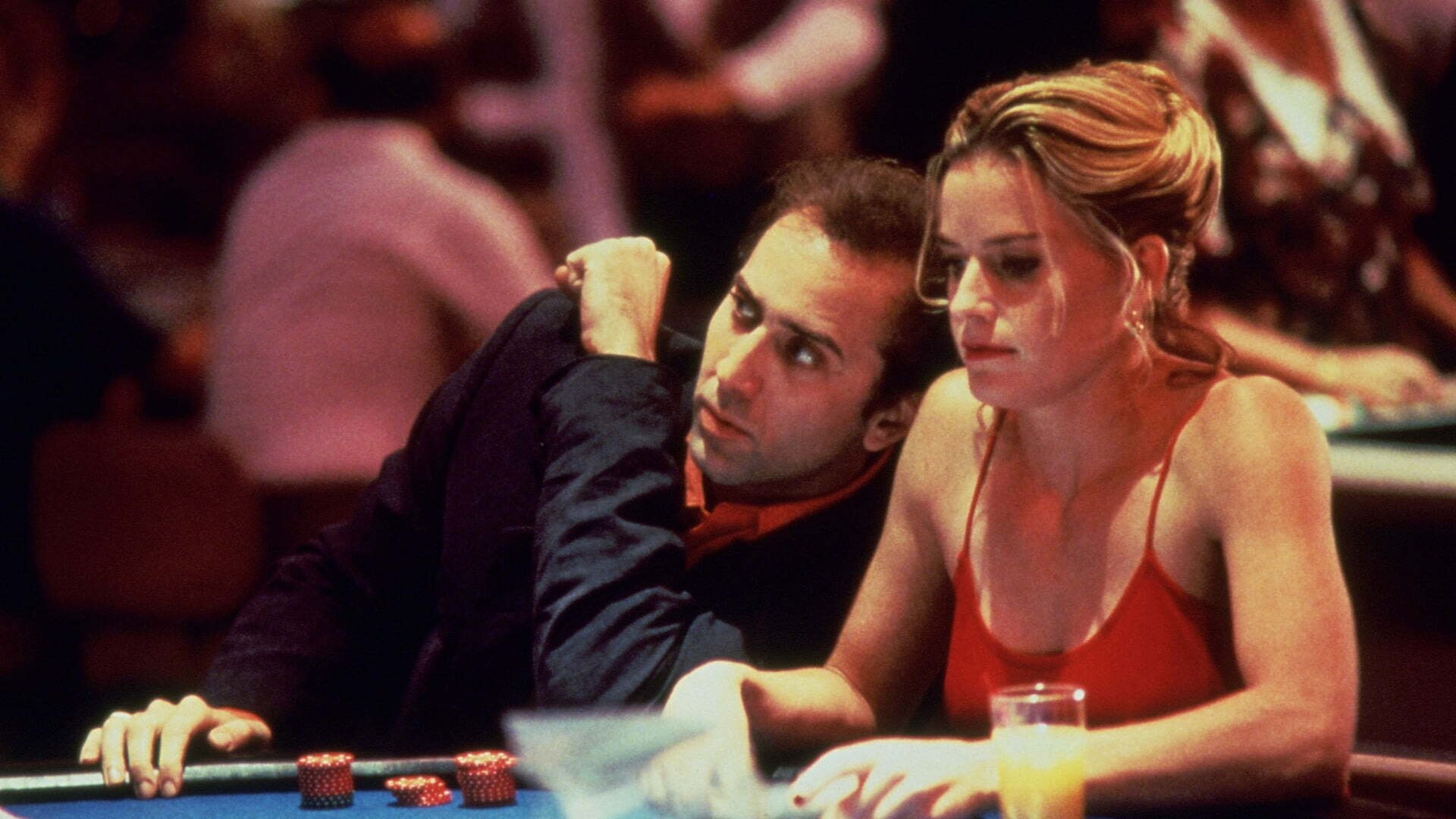
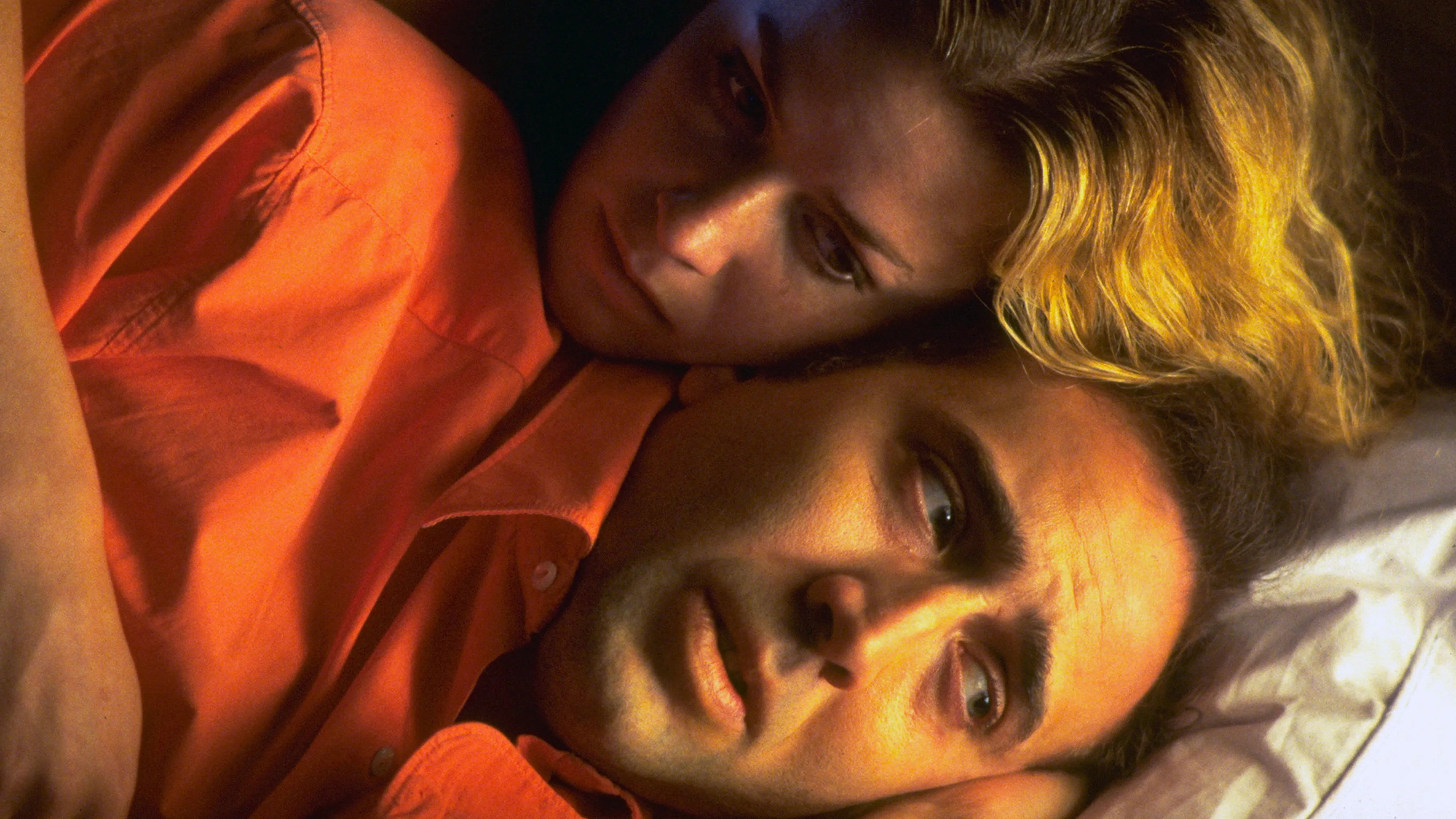
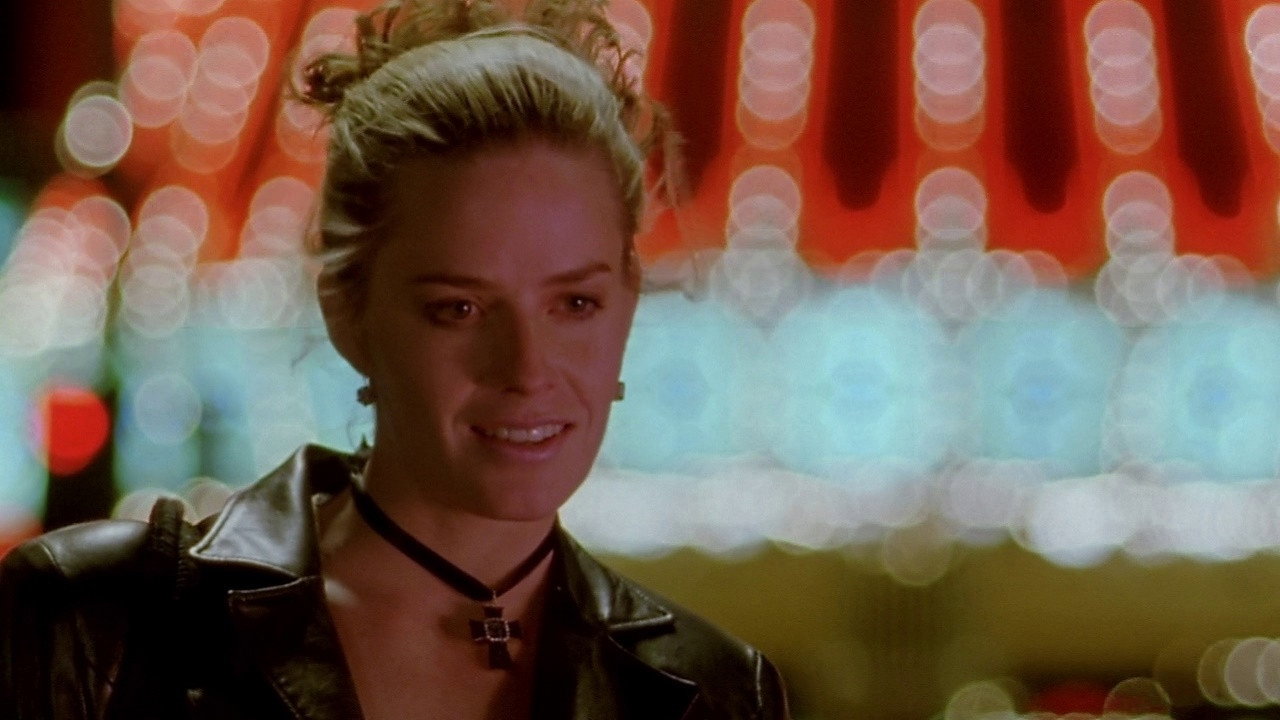
Ben Sanderson (Nicolas Cage) is an alcoholic in Las Vegas who intends to drink himself to death. Sera (Elisabeth Shue) earns her living through prostitution and becomes involved with him. Their relationship brings companionship into lives shaped by loneliness, but Ben’s drinking remains part of the time they share. As they grow closer, affection coexists with the damage he is doing to himself and the difficulties of Sera’s own life. Mike Figgis directs this drama about a couple trying to be together without the reassurance that love will make their circumstances change.

Plays from YouTube when you press play; nothing loads from them until then.

Fi1m review

Nicolas Cage and Elisabeth Shue make Leaving Las Vegas painfully convincing as a meeting of lonely people. We recommend it for their humour and tenderness, with reservations about Mike Figgis’s tendency to make despair look desirable.

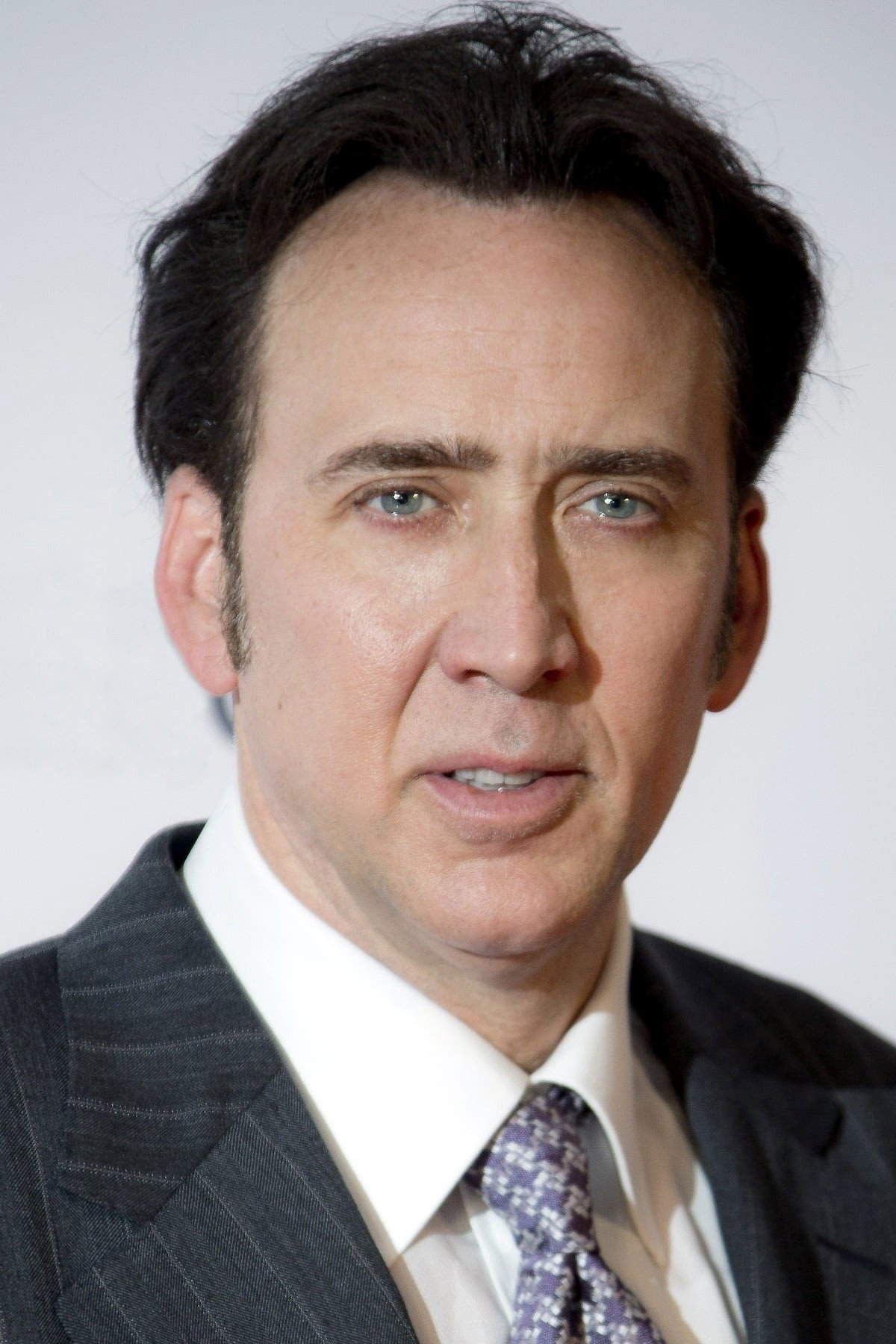
Mike Figgis’s Leaving Las Vegas asks us to spend time with a man who intends to drink himself to death, and to understand why somebody might love him. It is a hard invitation, but the film earns our attention and, often, our affection. Nicolas Cage and Elisabeth Shue make it worth accepting, even when Figgis becomes too taken with the romance of despair. Adapted by Figgis from John O’Brien’s novel, the story gives Ben Sanderson and Sera a relationship that offers no easy reassurance.

Cage makes Ben’s drinking ugly without treating him as someone whose every word must be a warning. The humour matters: we can see why Sera might want his company, even while his self-destruction remains in view. We laughed more than we expected, because Cage finds comedy in the drunkenness without making the damage disappear. His performance is forceful, but it gives Ben enough personality to keep him from becoming merely an illustration of alcoholism.

Shue’s Sera has the less showy job, and the film depends just as much on her. A woman who earns her living through prostitution could easily be reduced here to somebody whose patience redeems a damaged man. Shue makes that patience feel like something Sera chooses, rather than a quality supplied for Ben’s convenience. We believe she wants his company, even when we struggle to understand how much she accepts. The screenplay gives Ben the more immediately arresting predicament, and Shue has to work harder to make Sera’s loneliness equally important.

Declan Quinn’s cinematography helps make the attraction credible, but it also feeds our main reservation. The visual pleasure can make Ben’s deterioration seem more desirable than the performance does. Waldemar Kalinowski’s production design has to accommodate both a Las Vegas romance and the dire business of this man’s drinking; the surroundings sometimes seem too accommodating to the first. We admire how readily the film draws us towards these people, while wishing it were less pleased with the spectacle of their unhappiness.

John Smith’s editing gives the relationship enough room for Cage’s humour and Shue’s sympathy to register. It is important that they can be engaging company, because sustained distress would soon become numbing without that relief. Figgis also composed the score, and the jazz is unusually effective at letting tenderness into material that might otherwise repel us. It does not make the drinking any less distressing, but it helps explain why spending time together can feel like a reprieve for this couple.

Romantic dramas often make being understood the first step towards getting better, and Figgis gives us no reason to expect that bargain here. The affection still matters, and Cage and Shue persuade us that these people have something to offer each other beyond shared damage. We would not dismiss that tenderness simply because the film sometimes presses it too hard. At 111 minutes, it asks for a manageable stretch of time and a rather less manageable amount of feeling. Choose it for the performances, but not as the compromise between wanting a romance and wanting to be cheered up.

Critical consensus AI synthesised

5 of 6
Positive
4
Mixed
0
Negative
1
The New York Times
27 October 1995 · Janet Maslin
85*

The film is a small, searing character study of an alcoholic's final downward spiral that works as a pitilessly observed, intimately familiar portrait. It suspends judgment on the protagonist while highlighting the director's return to sultry intensity and effective use of a jazzy musical score.

Read the full review →
Time Out
10 September 2012 · WH
85*

The critic praises the film as a modestly budgeted masterpiece about a man drinking himself to death in Las Vegas, highlighting Nicolas Cage's extraordinary, Oscar-winning performance as an existential saint figure. While noting it lacks the depth of classics like The Lost Weekend, the review commends its courage and kinetic energy.

Read the full review →
The Independent
18 January 1996
75*

The critic hails it as a brilliant film and a hymn to self-destructiveness, praising Figgis's stylish and dynamic direction in portraying the protagonist's alcoholic meltdown. They single out the incidental pleasures, minor characters, and the lead performances while noting the presentation of doomed passion can feel po-faced or maudlin.

Read the full review →
Los Angeles Times
27 October 1995 · Kenneth Turan
40*

The film is laden with virtues including assured direction, sensitive acting and exceptional use of its musical score, but is difficult to embrace as a satisfying doomed romance. It stylizes and romanticizes despair to the point of becoming a superbly constructed sham rather than a truly heartbreaking story.

Read the full review →
Empire
1 January 2000 · Deborah Brown

The review describes a grim, darkly comic tale that brings the dire effects of alcoholism horribly to life, calling it dark, disturbing, and exceptionally moving. It singles out the realistic and hilarious Cage performance alongside Shue's sensitive work and the director's deft handling of the central relationship.

Read the full review →
Film Comment
1 November 1995 · David Thomson

The critic examines the film's raw portrayal of self-destruction and alcoholism through its central character's descent. Thomson highlights the intense, unflinching performance at its core as a key strength amid the bleak narrative.

Read the full review →

Cast

Stills

Awards

Academy Awards, 1996

Nominated
Best Actress
Nominated
Best Director
Won
Best Actor

Dallas-Fort Worth Film Critics Association Award for Best Film, 1995

Won
Dallas-Fort Worth Film Critics Association Award for Best Film

If you liked this, try…

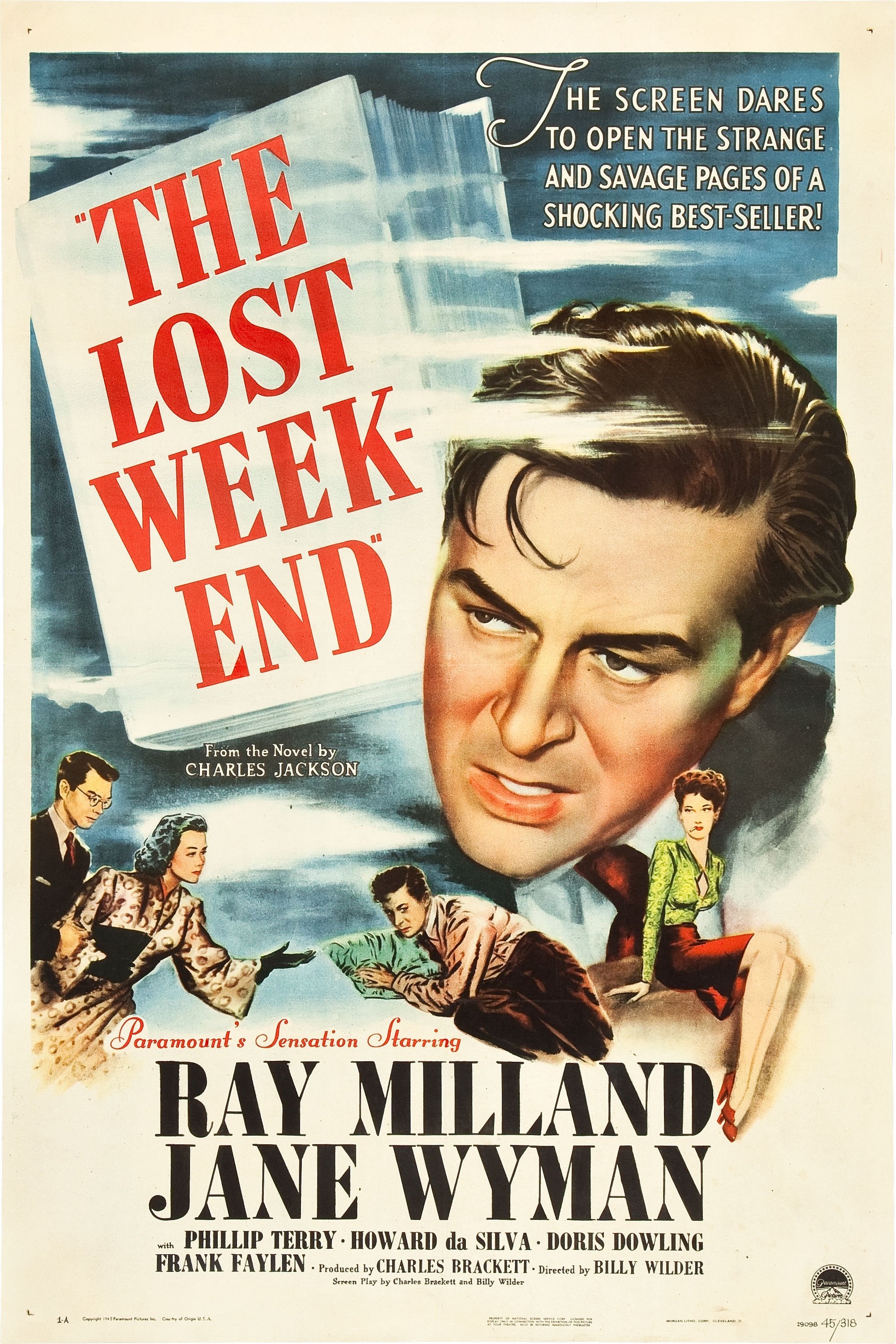
The Lost Weekend poster

The Lost Weekend

1945 · Another close encounter with alcoholism, with less patience for its romantic possibilities.

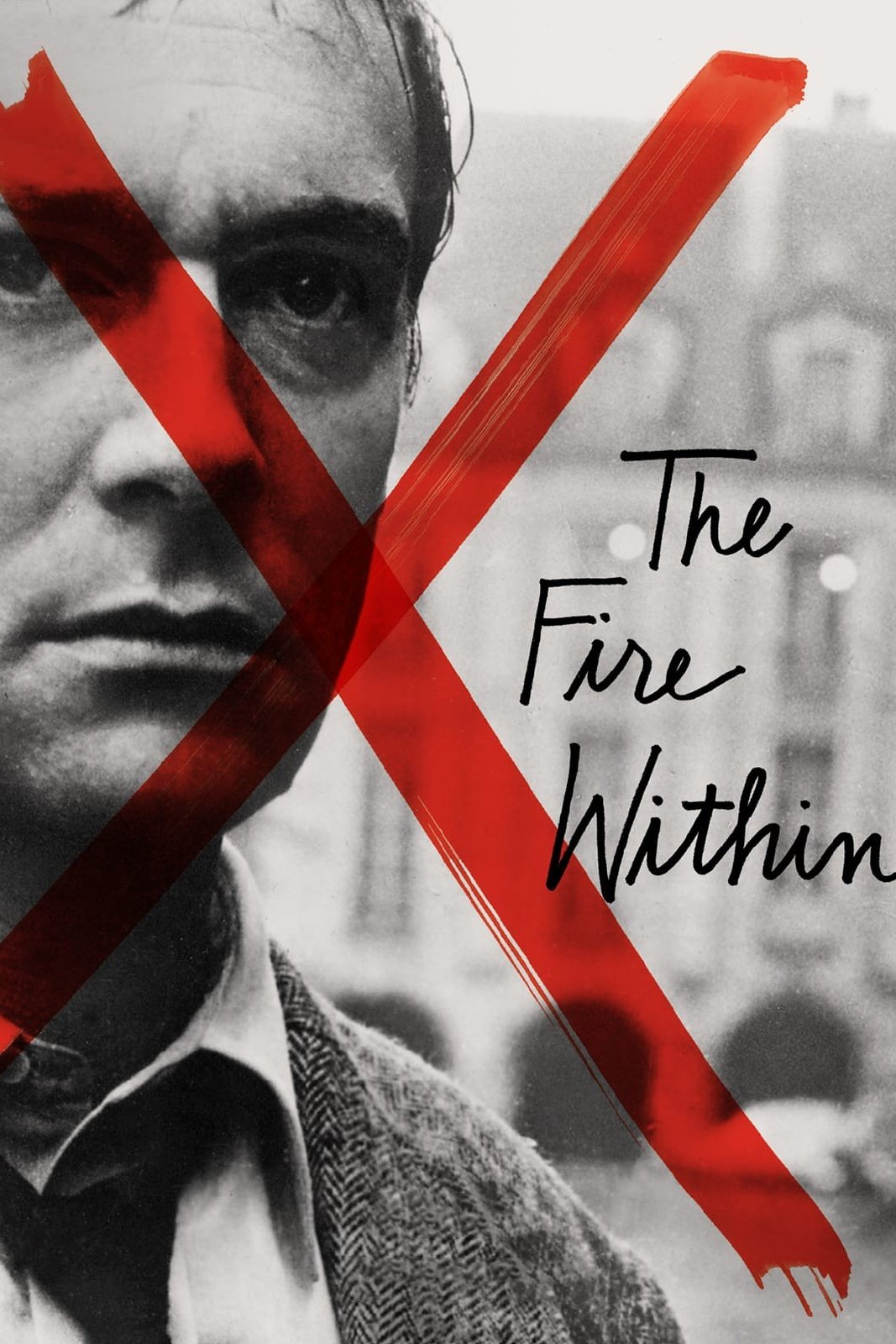
The Fire Within poster

The Fire Within

1963 · For another troubled man whose encounters with kindness cannot simply put him right.

Oslo, August 31st poster

Oslo, August 31st

2011 · A quieter study of addiction, loneliness and the difficulty of accepting help.

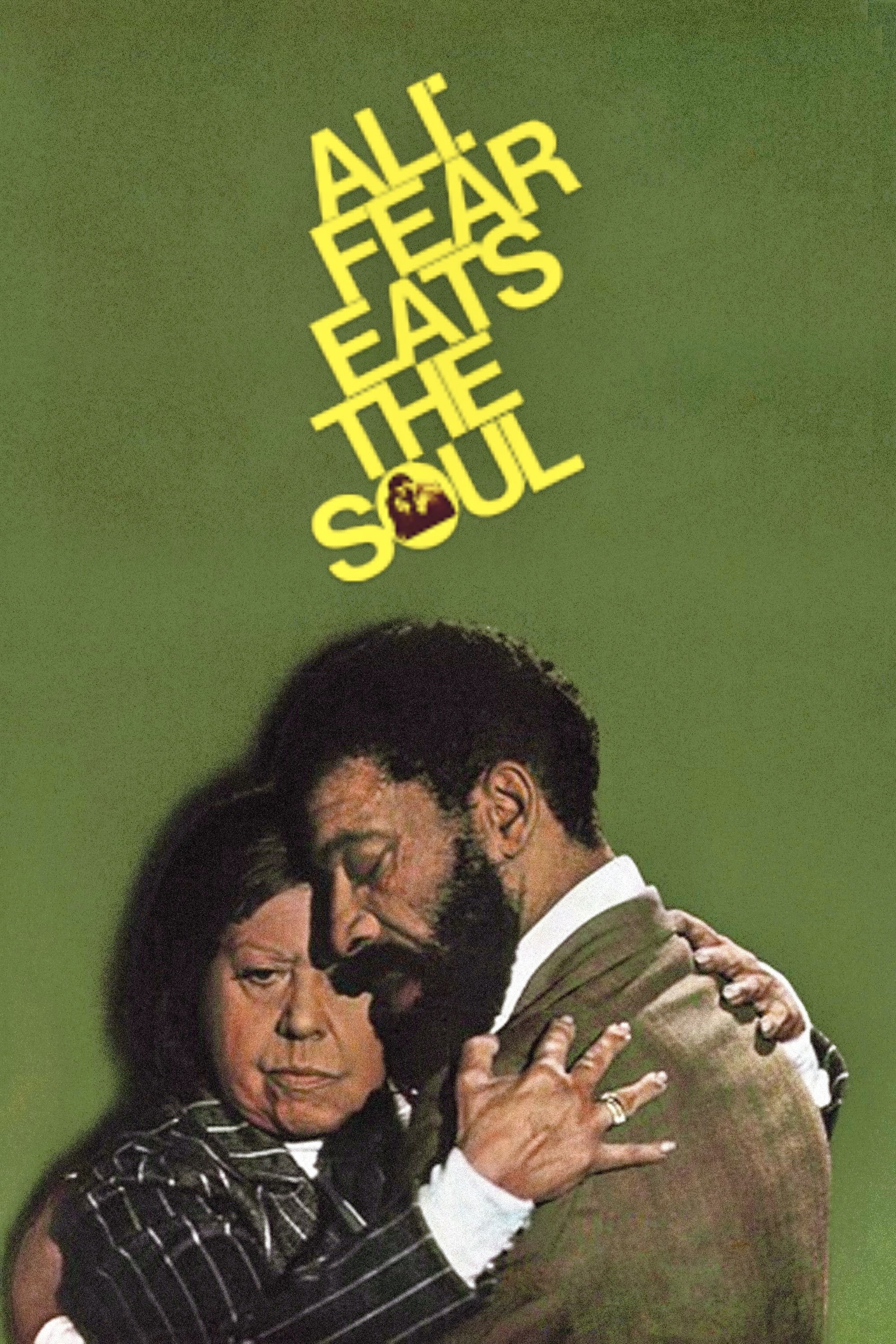
Ali: Fear Eats the Soul poster

Ali: Fear Eats the Soul

1974 · For another romance between lonely people allowed little understanding by those around them.

The Lunchbox poster

The Lunchbox

2013 · Two lonely people find unexpected tenderness, without quite so much damage attached.