Bob Rafelson’s drama gives Jack Nicholson a difficult man worth spending time with. The film occasionally indulges his behaviour, but its humour, discomfort and performances give us plenty of reason to stay.
Five Easy Pieces is funny, uncomfortable and worth the trouble, though its attention to a difficult man occasionally becomes indulgence. Bob Rafelson directs Jack Nicholson as Robert Eroica Dupea, whose cultivation has done little to make him good company. The film takes his dissatisfaction seriously without giving us much reason to believe that everyone else has failed him. That matters in a drama about a restless, privileged man, and for most of its 98 minutes the film keeps us alert to his faults.
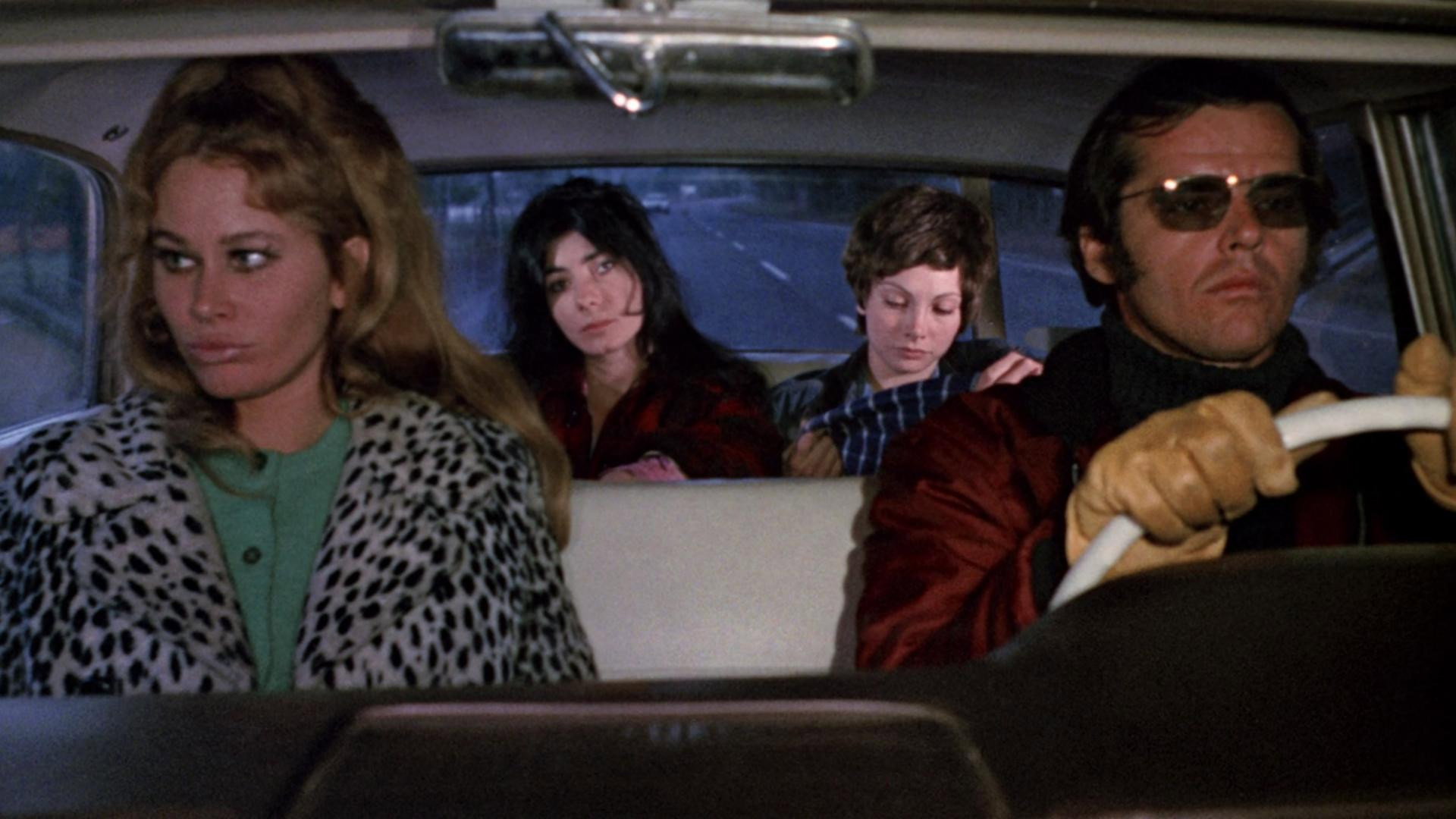
Jack Nicholson makes anger quick, funny and disconcertingly attractive, then allows us to notice the effort behind it. We laughed at the diner scene, then felt uneasy about how readily we had taken his side. The performance encourages that response: the physical energy can win us over before we have considered the behaviour, while the quieter stretches suggest someone who struggles to explain himself. He does not need to announce his unhappiness for it to become tiring to be around.
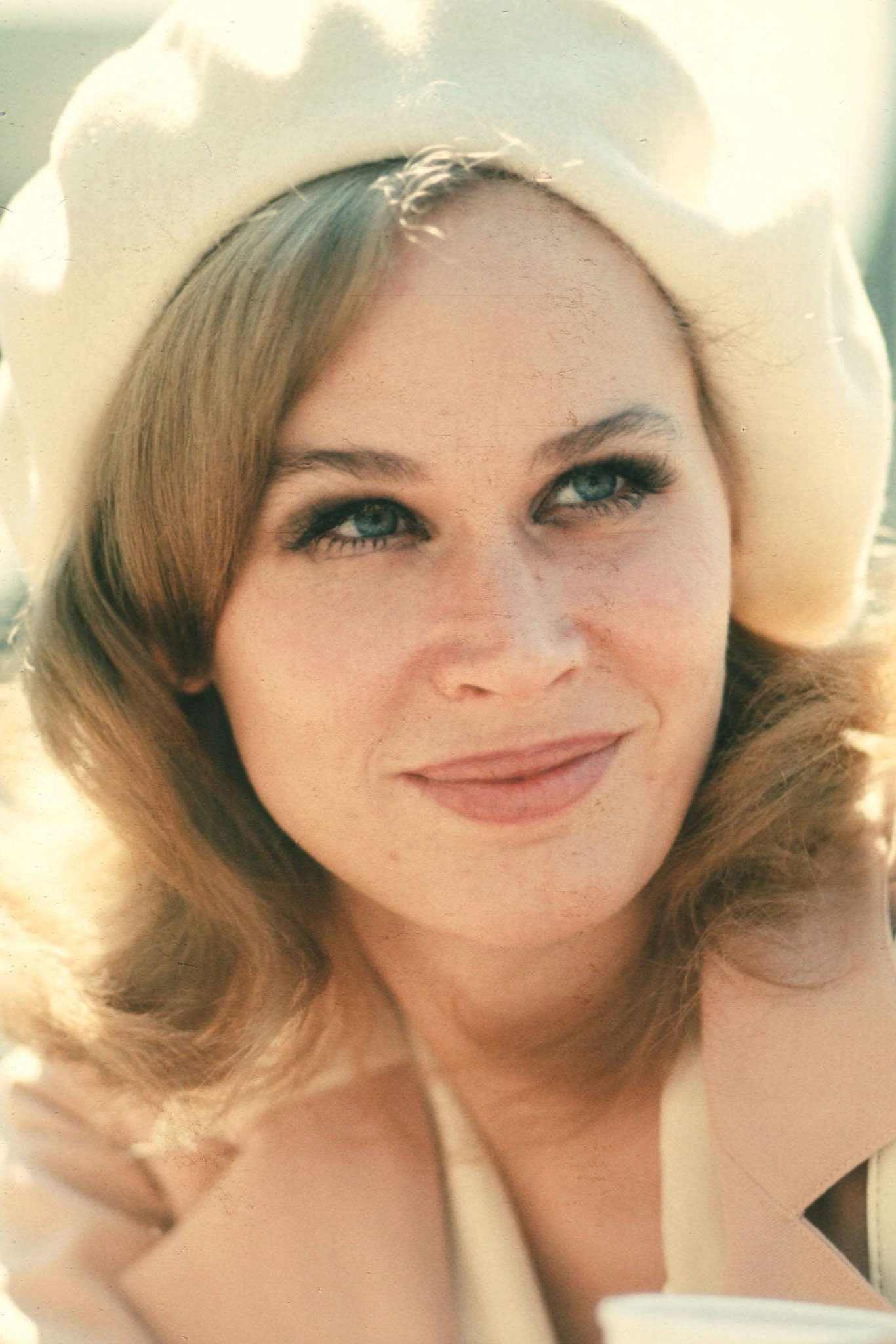
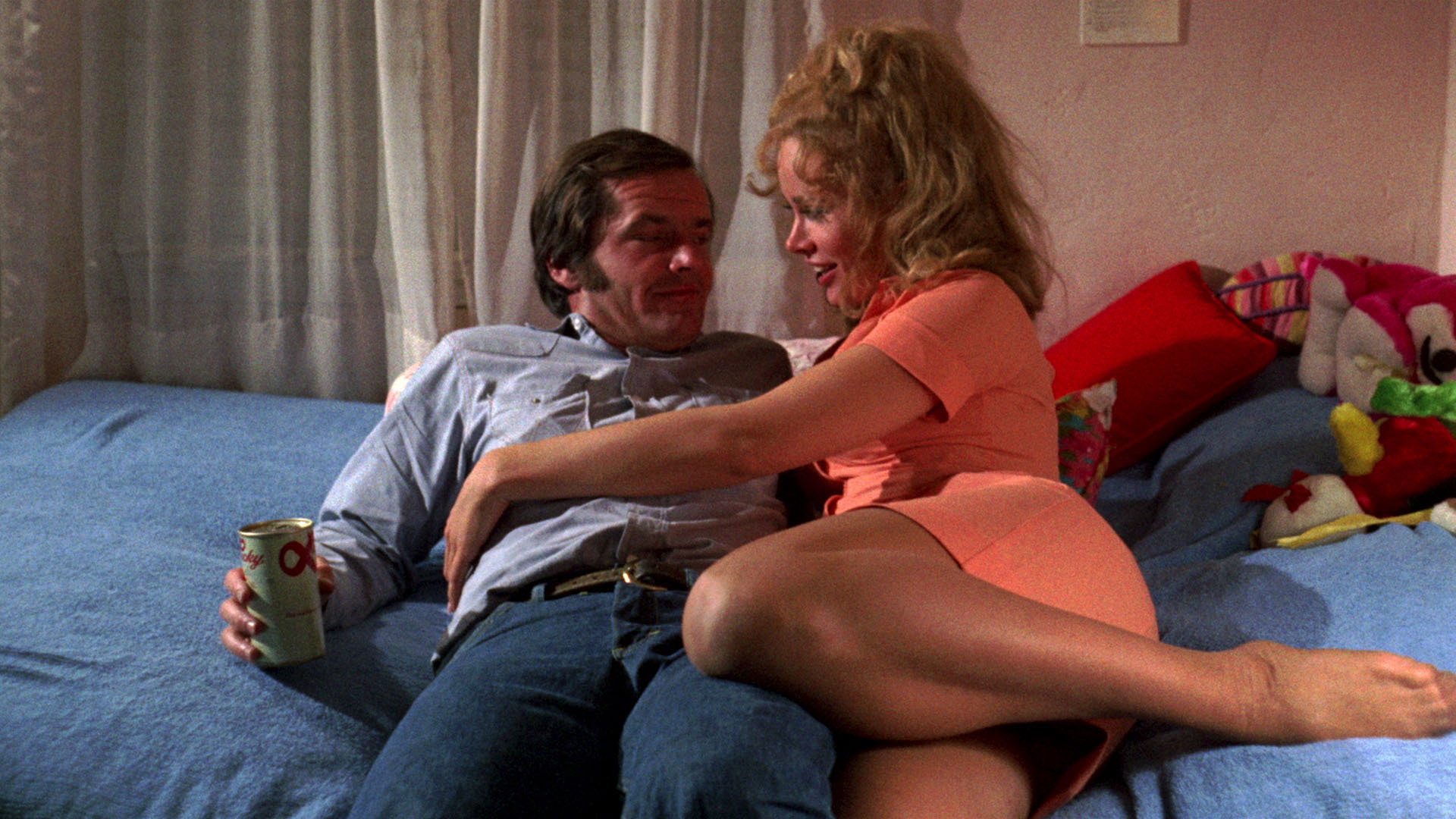
Carole Eastman’s screenplay is less convincing when the supporting characters seem present chiefly to receive another helping of his dissatisfaction. The women are particularly vulnerable to this, and the film does not always seem as curious about their frustrations as it is about his. Karen Black, as Rayette Dipesto, gives us a reason to resist that emphasis. Her performance made us want the film to spend longer considering what this company costs her, without immediately returning its attention to him.
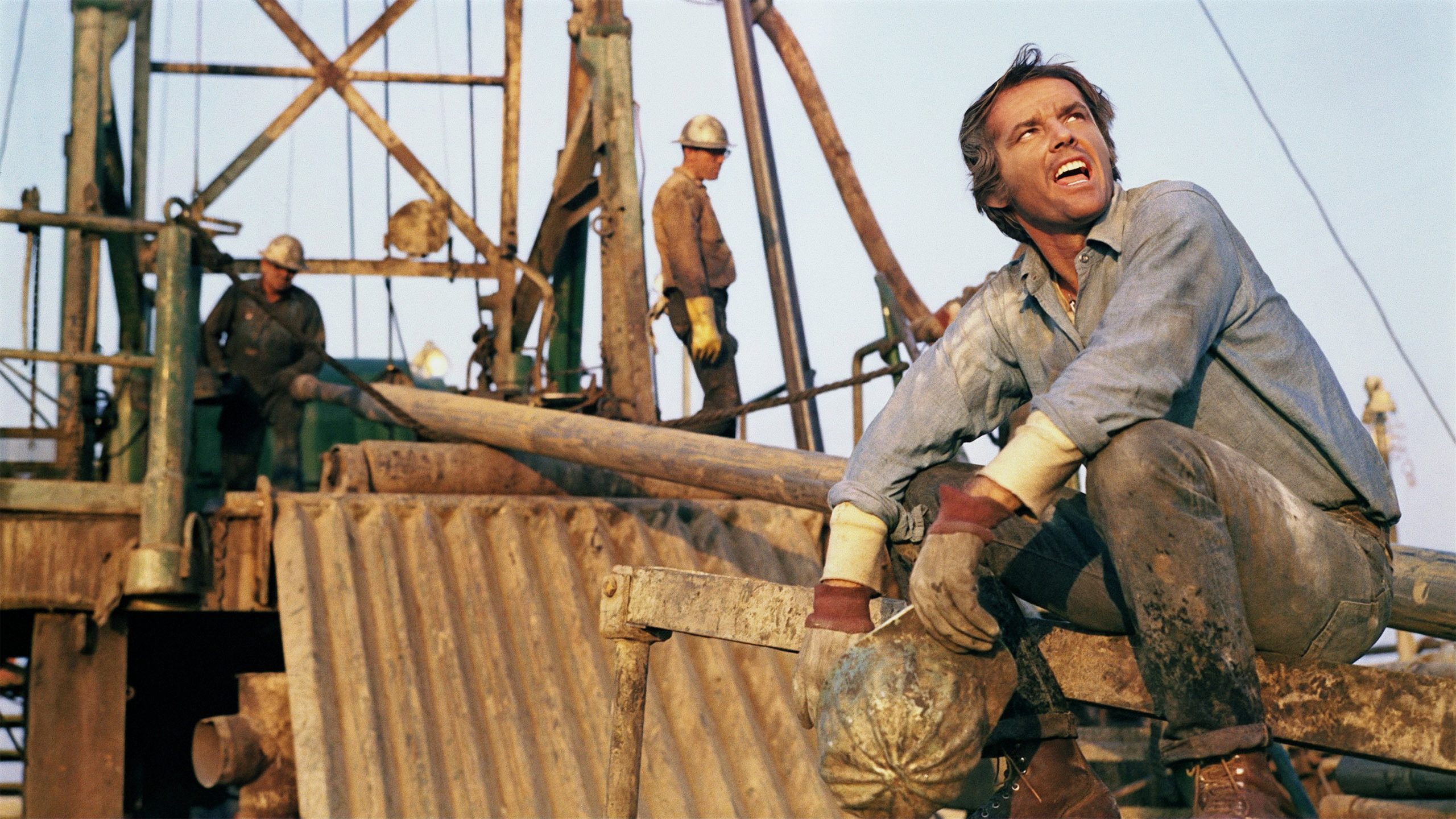
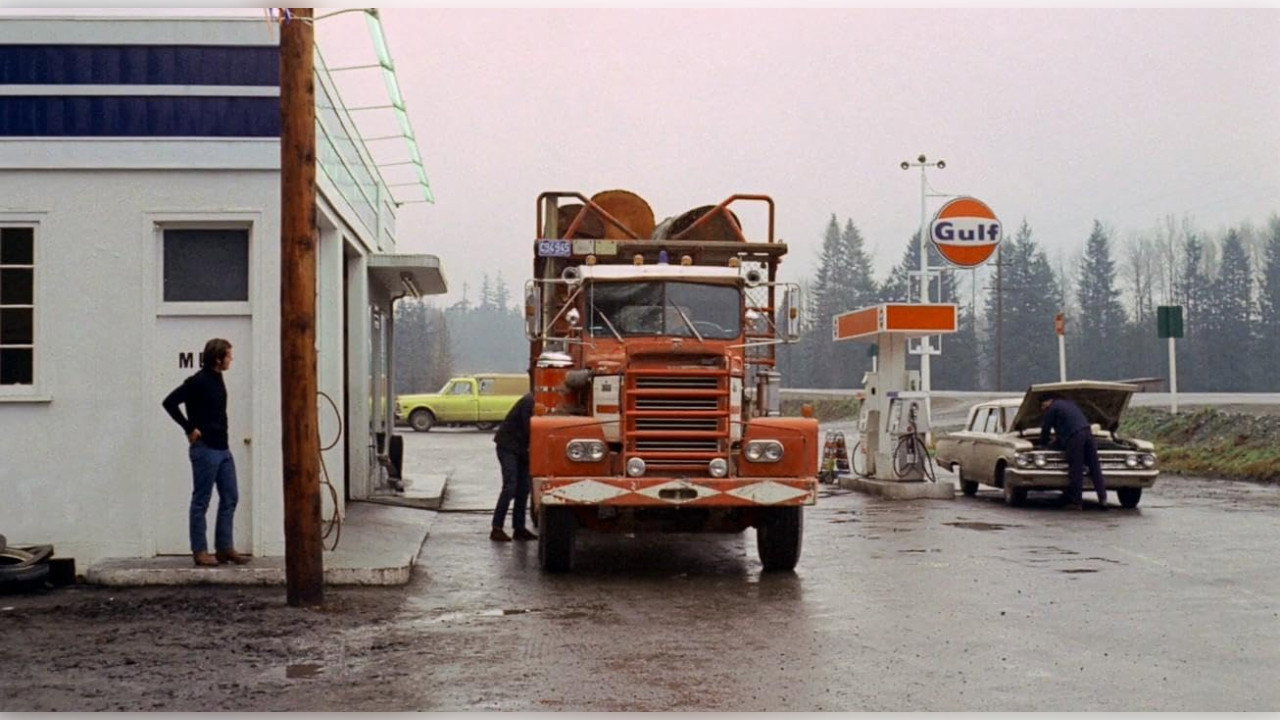
László Kovács’s cinematography makes the roadside surroundings feel inhabited rather than collected for atmosphere. We get a sense of daily life continuing beyond the central character’s bad mood, and that helps keep his troubles in proportion. Toby Carr Rafelson’s production design gives the differences in class a similar everyday weight, without making every setting demand an explanation. These are persuasive surroundings for someone who keeps finding reasons not to feel at home.
Editors Christopher Holmes and Gerald Shepard give the film a loose rhythm that usually suits its restless lead. Encounters have room to become awkward, and the humour does not feel tidied into a separate business from the unhappiness. The drawback is that individual passages can seem more complete than the story connecting them; occasionally we feel we are being shown another example of something already established. At those points, another forceful performance cannot quite disguise the repetition, though the film rarely loses our interest for long.
Films about men who cannot settle down can spend a long time congratulating them for it. Bob Rafelson is usually too interested in the unpleasantness of this particular man to offer that easy approval. His humour helps: irritation can be ridiculous even when the person feeling it has a point. The lapses come when the film appears to assume that being difficult is sufficiently interesting in itself, an assumption its stronger passages have taught us to question.
We would not suggest this as a restful evening’s viewing, despite the short running time. There is considerable pleasure in the acting, but little reassurance that unhappiness makes anyone more perceptive or more deserving of patience. See it when there is time afterwards to disagree about how much patience this man deserves.