Film review

Naked

1993 · Directed by Mike Leigh · 2h 11m · MPA NR

In a sentenceTwo hours with a man who treats every conversation as an opportunity to make somebody regret starting it

DramaComedy

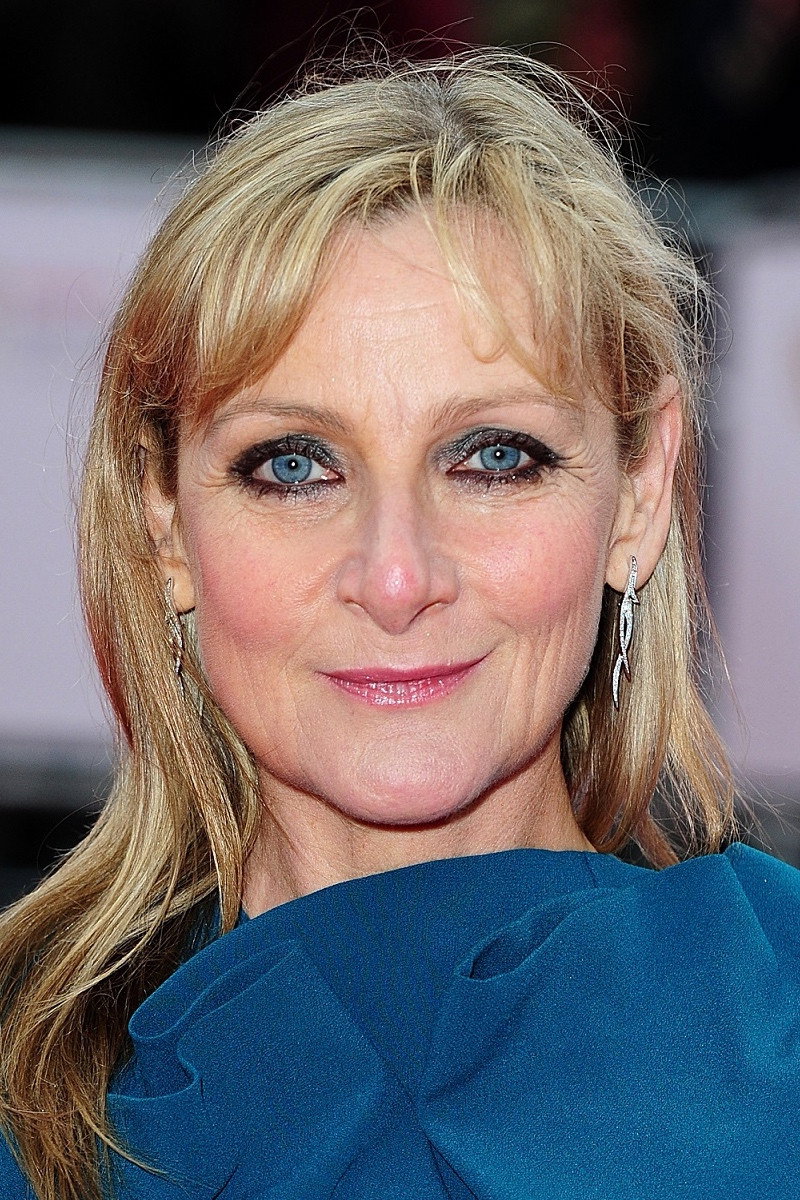
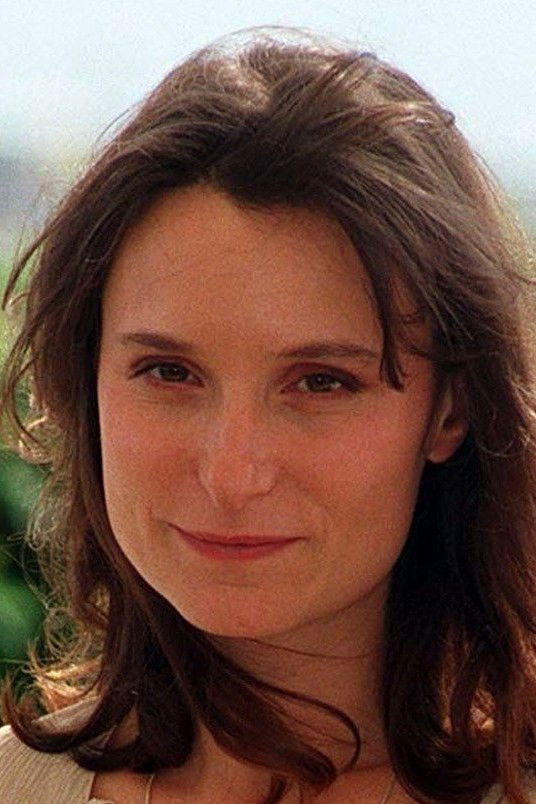
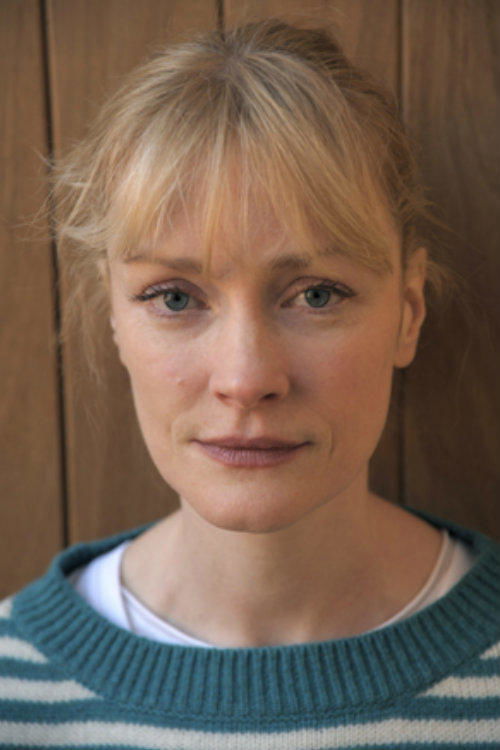
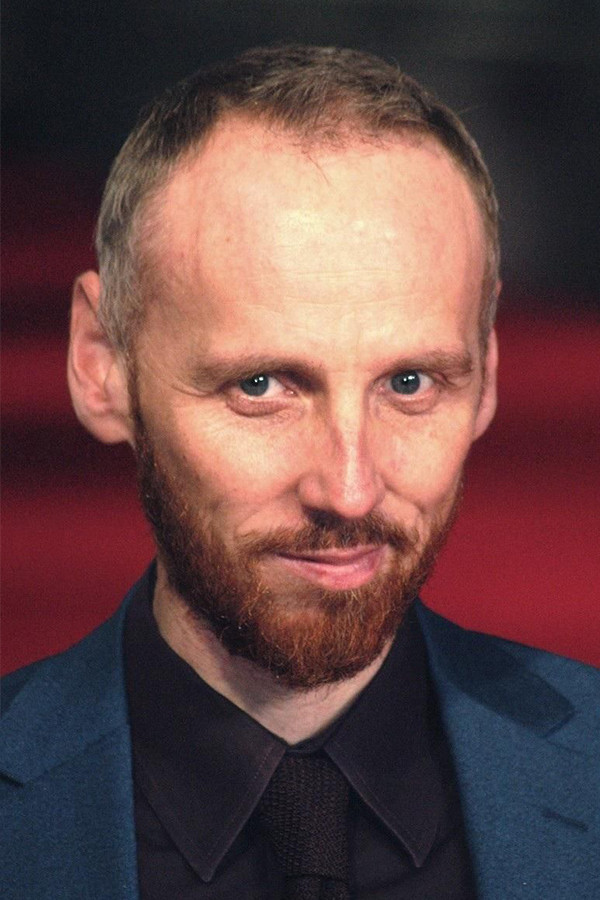
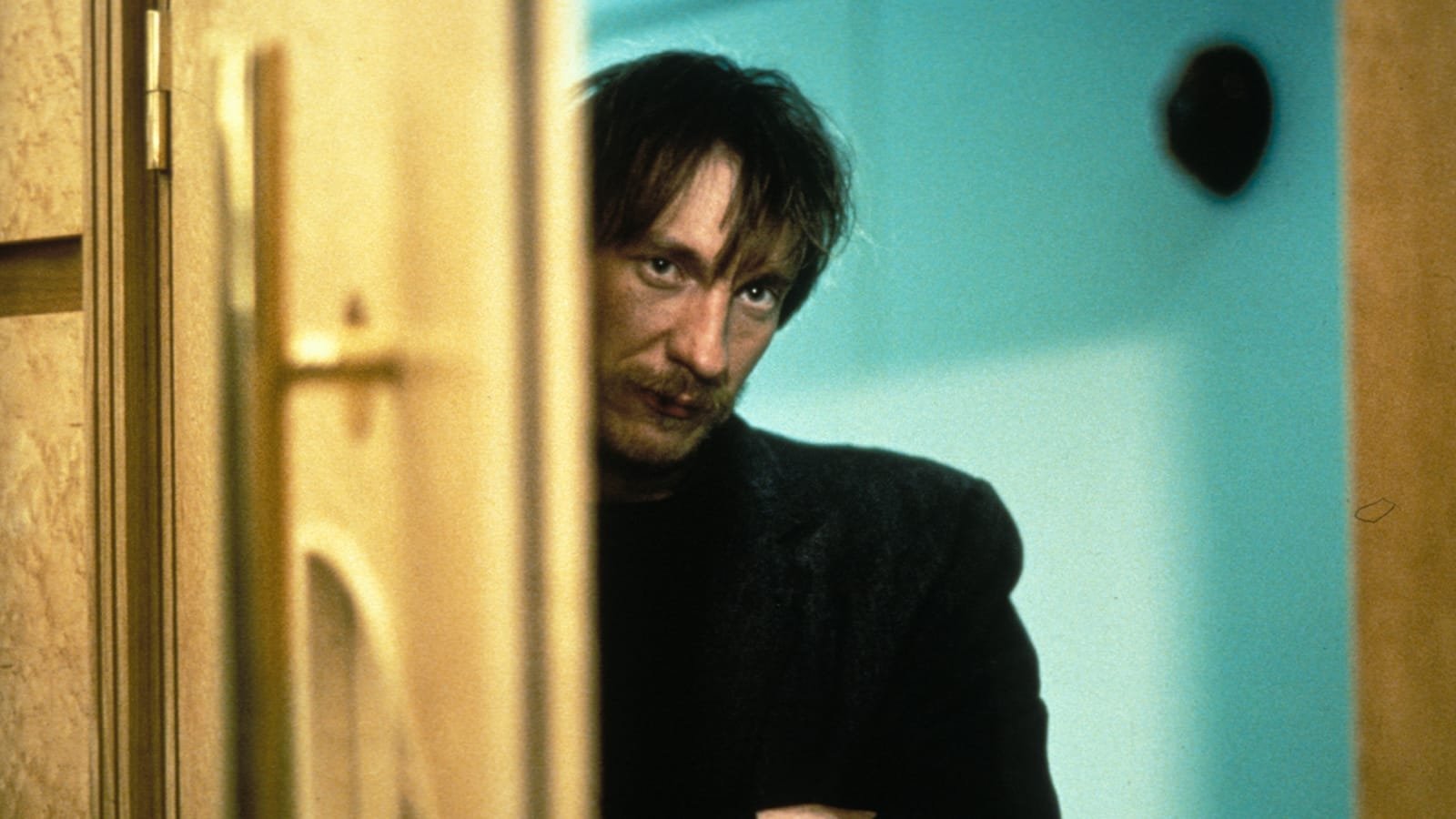
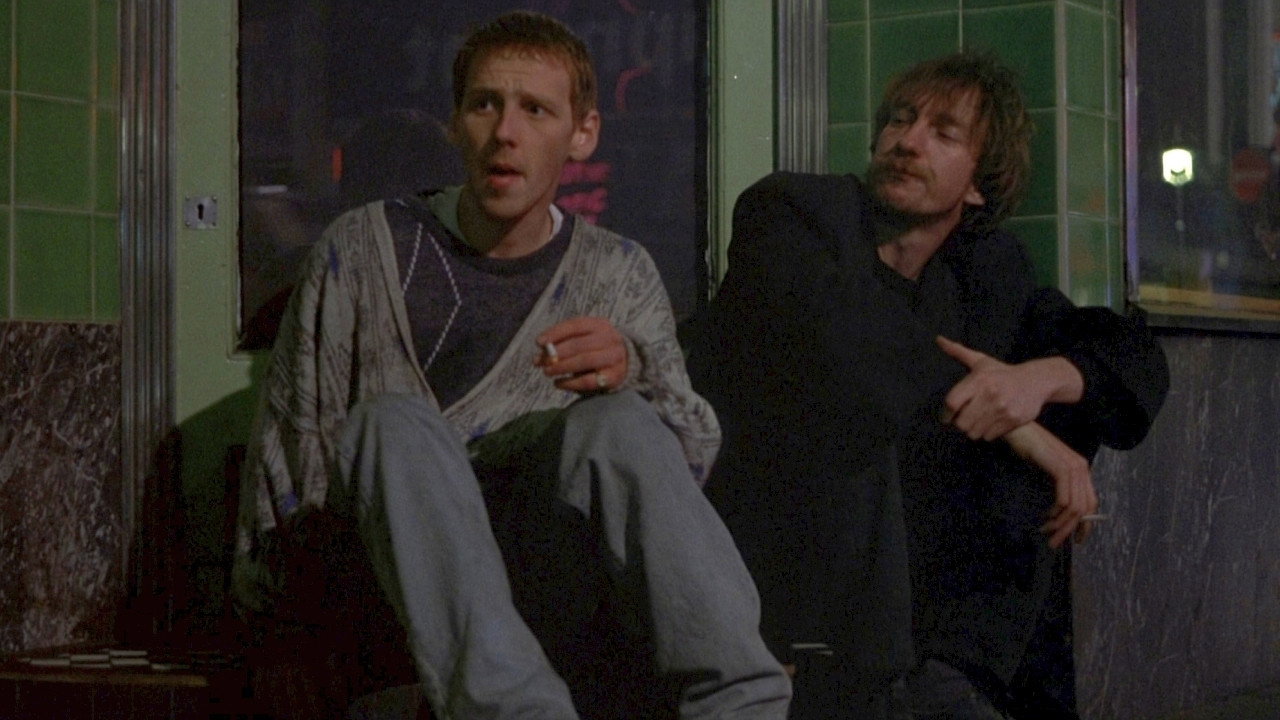
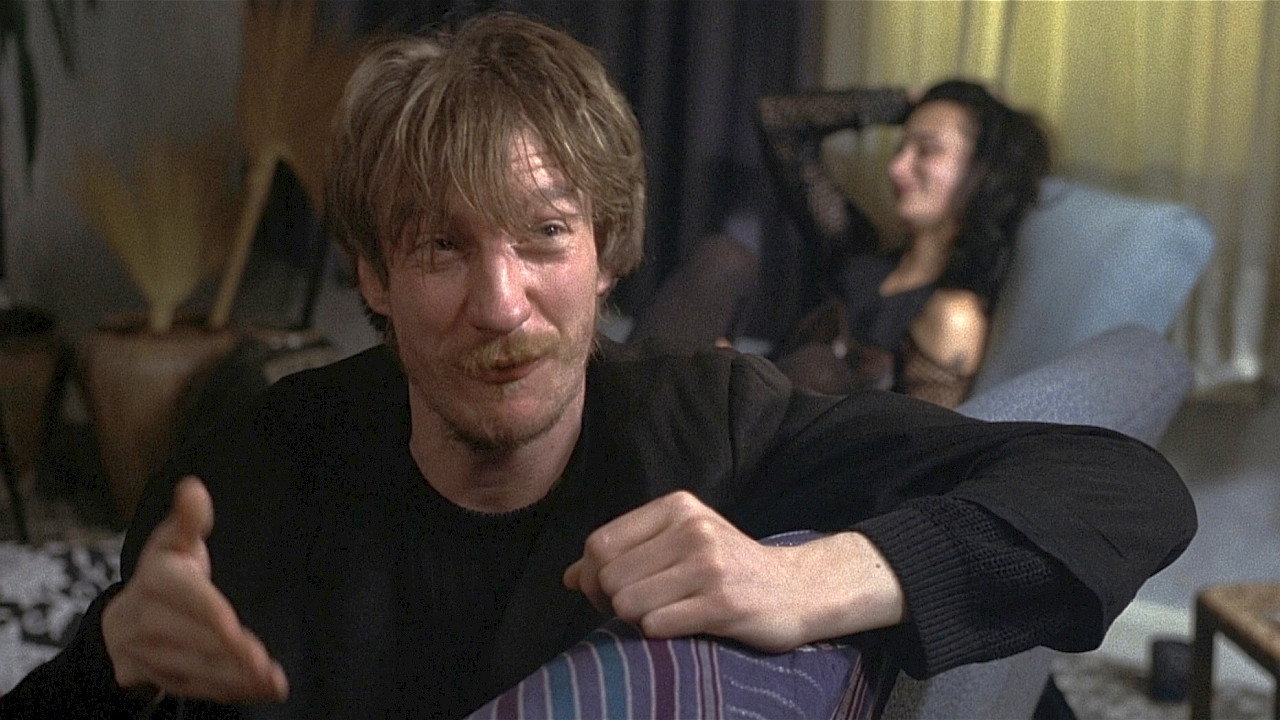
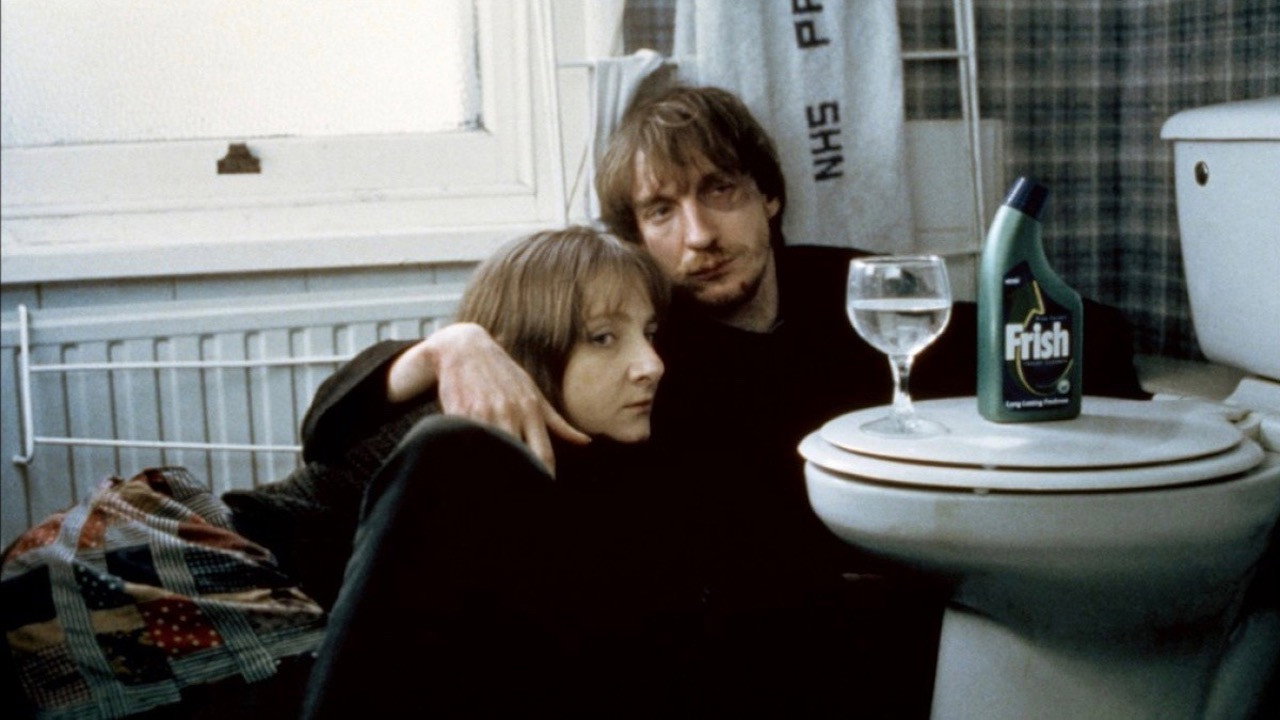
Johnny (David Thewlis) is a Mancunian drifter in London, bringing his cynicism and hostility towards women into his encounters with other people. He talks, argues and mocks, moving among people whose lives give him more to rail against. Mike Leigh’s drama follows his movement through the city, mixing conversations with confrontations and shifts into violence. Lesley Sharp plays Louise, Katrin Cartlidge plays Sophie and Greg Cruttwell plays Jeremy, with Peter Wight as Brian and Ewen Bremner as Archie. Around Johnny, other people contend with his words and behaviour while trying to manage lives of their own.

Plays from YouTube when you press play; nothing loads from them until then.

Fi1m review

Mike Leigh’s Naked is a bitterly funny, upsetting drama, held together by David Thewlis’s Johnny. Its treatment of women remains troubling, but the performance makes sustained attention to this cruel man worth the discomfort.

Mike Leigh’s Naked is worth enduring, which is a recommendation we would not give lightly. It follows Johnny, a cynical Mancunian drifter, through a London where the people he encounters have little protection from either cruelty or loneliness. Leigh gives his intelligence and misogyny room to become exhausting, and David Thewlis makes the company difficult to leave. The film asks a good deal of our patience; for much of its 131 minutes, the writing and acting justify it.

Thewlis is the reason the talk holds. He makes Johnny’s speed of thought exciting, then lets us hear how often that intelligence is being used to belittle somebody else. We laughed at his verbal cruelty, then felt ashamed of ourselves when the joke depended on another person’s humiliation. That reaction comes from how Thewlis makes the humour and the bullying happen together, without giving us a comfortable pause in which to separate them. Being quick with an answer becomes a way of keeping other people from answering back.

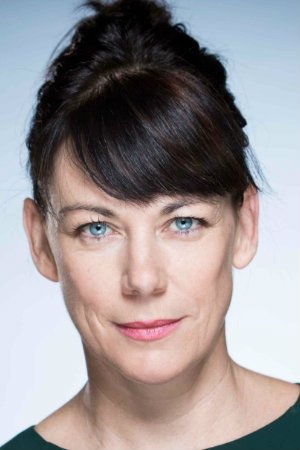
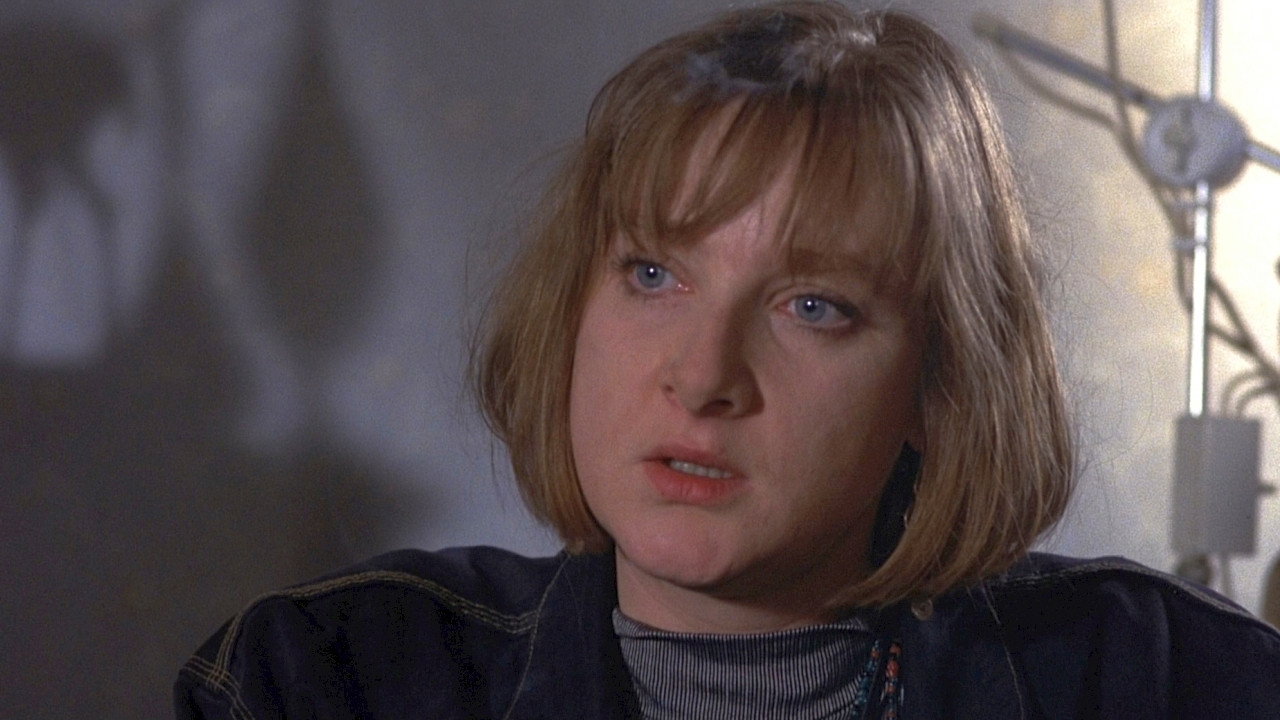
Lesley Sharp’s Louise and Katrin Cartlidge’s Sophie give us reasons to care about the people subjected to Johnny’s contempt. Sharp supplies a steadiness that makes a welcome change from his aggression, while Cartlidge makes vulnerability difficult to dismiss. Leigh’s dialogue can sound merciless, but the cast keep bringing us back to the effort involved in getting through an encounter with this man. We need their reactions, especially when his cleverness threatens to become the only thing the film is interested in.

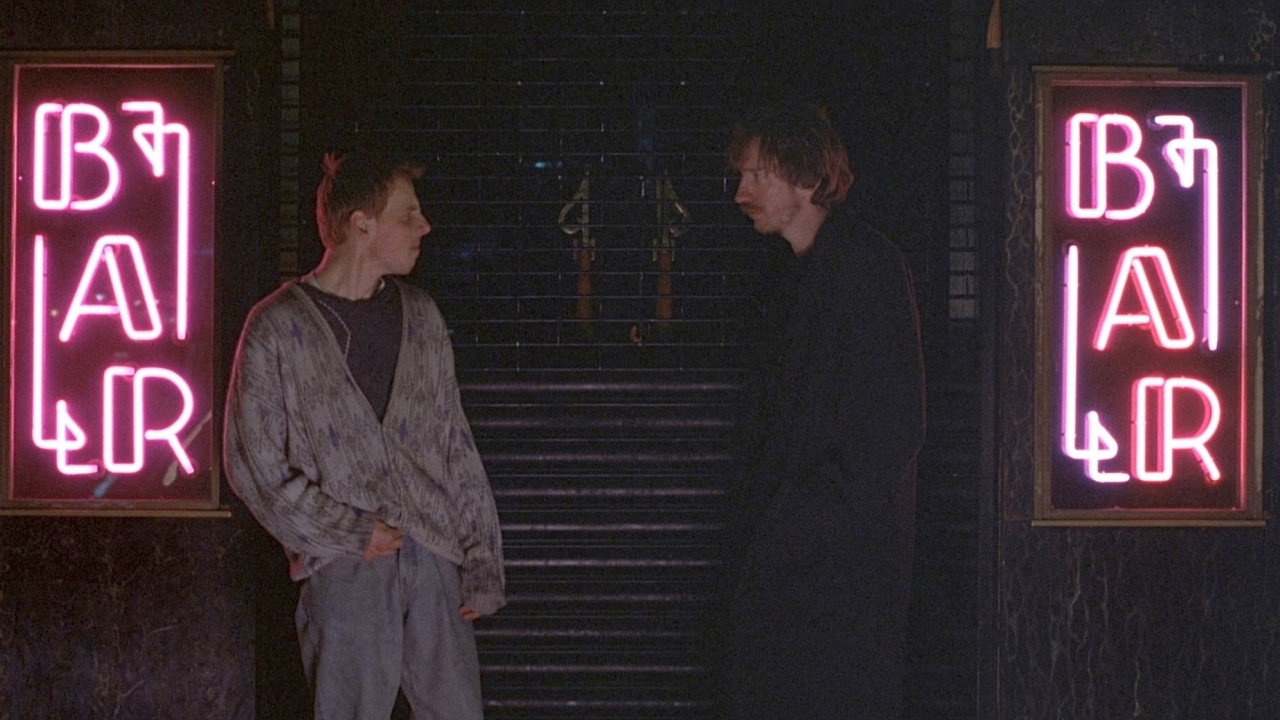
Dick Pope’s cinematography makes the twilight London feel inhospitable without turning it into a picturesque reward for enduring Johnny. The city remains a place in which people have to live, and that matters in a film so easily swept along by one man’s disgust. Alison Chitty’s production design keeps the surroundings sufficiently ordinary for his pronouncements to sound intrusive. Her work helps the encounters feel like interruptions of lives already under strain, giving us something to consider beyond the man doing most of the talking.

Jon Gregory’s editing is patient with the dialogue, sometimes beyond what the dialogue deserves. Several exchanges ramble after Johnny has made his point, and his persistence starts to exhaust ours. Yet cutting the conversations down to their sharpest lines would make him easier to enjoy and easier to forgive, so some of that excess earns its place. Andrew Dickson’s music helps sustain the unease without turning every change from comedy to cruelty into an announcement.

The more serious difficulty is the treatment of women. Leigh shows sexual violation and misogyny with a frankness that is hard to stomach, but the women are not always given enough room to make their suffering count as more than evidence of male awfulness. Sharp and Cartlidge resist that narrowing through the force of their performances. The writing does not consistently help them. We can recognise the film’s disgust at cruelty and still find that Johnny gets too much of the pleasure of speaking while others do too much of the suffering.

As a black comedy, Naked gets considerable force from making laughter uncomfortable almost as soon as it begins. Its abrasive humour is more revealing than the repeated expressions of despair, because it makes us notice how readily we enjoy listening to someone behave badly. Thewlis gives us ample reason to stay, even when Leigh seems reluctant to grant anybody else quite as much attention. Choose it when there is time afterwards to argue about more than the leading man.
Critical consensus AI synthesised

5 of 6
Positive
3
Mixed
1
Negative
1
The Guardian
4 November 1993 · Derek Malcolm
90*

The critic finds Naked one of the most complex and audacious British films of the early nineties, a striking piece of cinema that articulates what is wrong with Thatcher-era society through the life of an intelligent but deeply cynical and misogynistic Mancunian drifter. He singles out David Thewlis's baleful, brilliant performance and Leigh's ability to mix pessimism with humour and personal observation as the film's great strengths.

Read the full review →
Empire
1 January 2000 · Kim Newman
85*

The critic calls the film a masterpiece of dark humour and horribly accurate observation, a nightmare journey through a twilight London of the excluded. He singles out David Thewlis's brilliant performance in the trickiest role for praise, while noting some rambling scenes.

Read the full review →
Time Out
· GA
80*

The review calls the film hilarious yet sometimes hard to stomach and Leigh's most troubling and intriguing work since Meantime, while also praising it as his most cinematic to date. It singles out the outstanding cast, especially David Thewlis's virtuoso performance, for the film's cruel energy, wit and power.

Read the full review →
Sight and Sound
· Andy Medhurst
55*

The critic finds Naked disturbing and cruel in its depictions of sexual violation and misogynist rhetoric but insists it merits serious consideration because it is directed by Mike Leigh. The review singles out the film's sexual politics and its shift toward European art-cinema territory as points of both controversy and interest.

Read the full review →
The Independent
5 November 1993 · Adam Mars-Jones
30*

The critic finds Naked a sour departure from Leigh's previous work, dominated by an artificial and nihilistic central character whose worldview goes largely uncontested. He singles out the film's length, untruthful characterizations, and emphasis on male cruelty and disaffection for complaint.

Read the full review →
Los Angeles Times
16 December 1993 · Kenneth Turan

The critic praises the remarkable, unnerving character study of Johnny as a mesmerizing portrait that illuminates the complexities of life through its double lens on reality. It highlights the searing performance by Thewlis and Leigh's daring, intense direction.

Read the full review →

Cast

Stills

If you liked this, try…

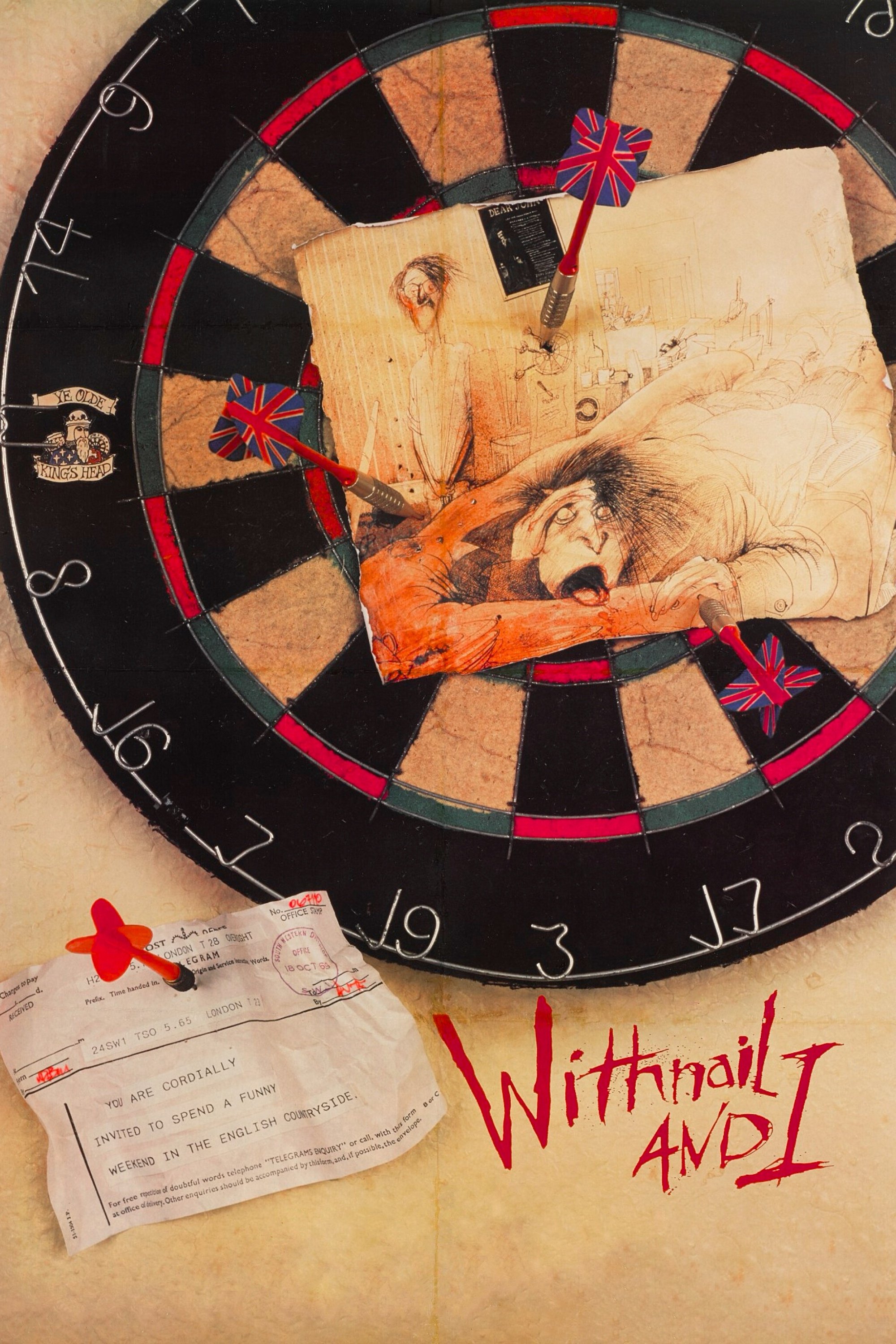
Withnail and I poster88

Withnail and I

1987 · More articulate, impossible company, though the friendship leaves room for affection.

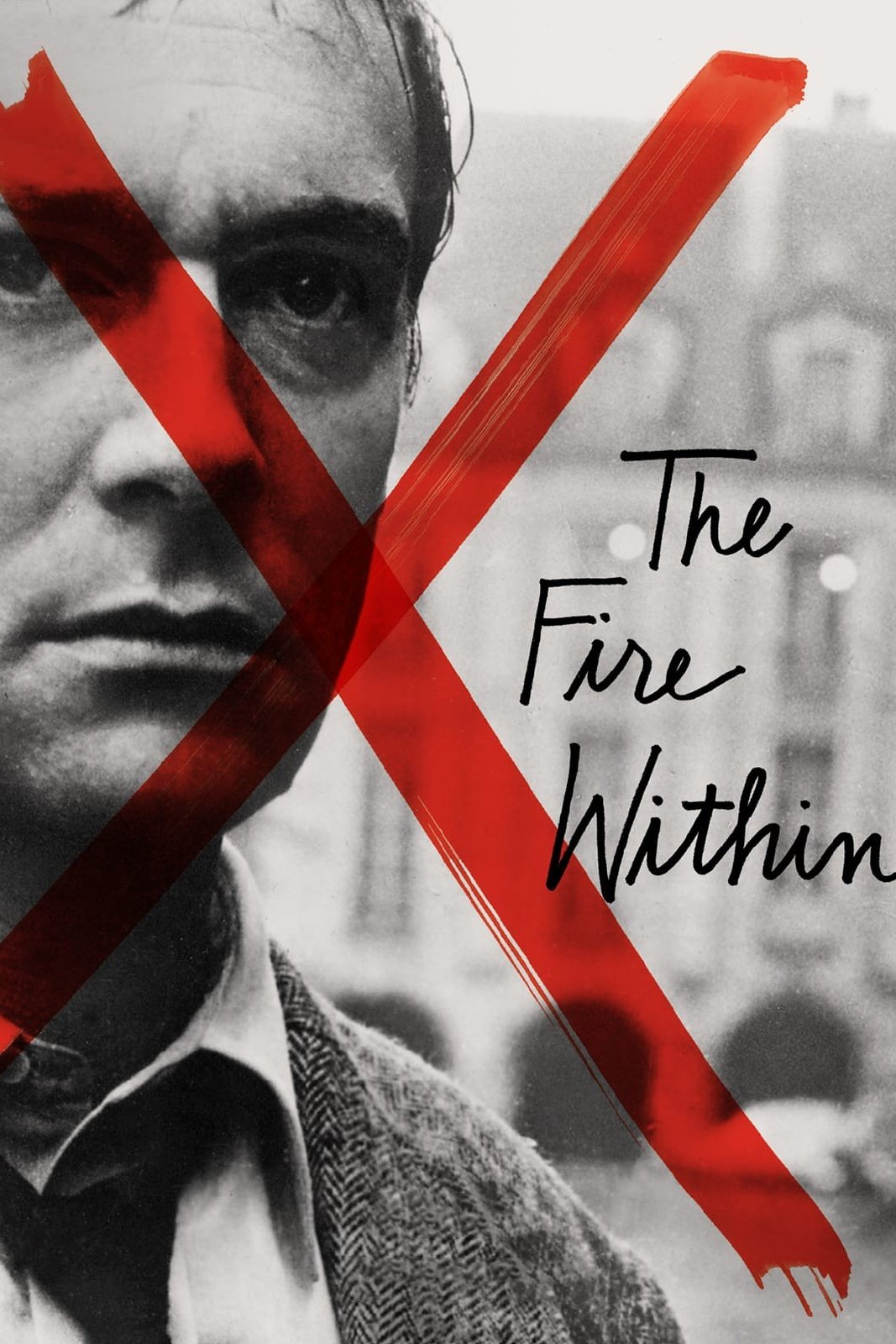
The Fire Within poster

The Fire Within

1963 · Another troubled man wanders a city, with less talk and more sorrow.

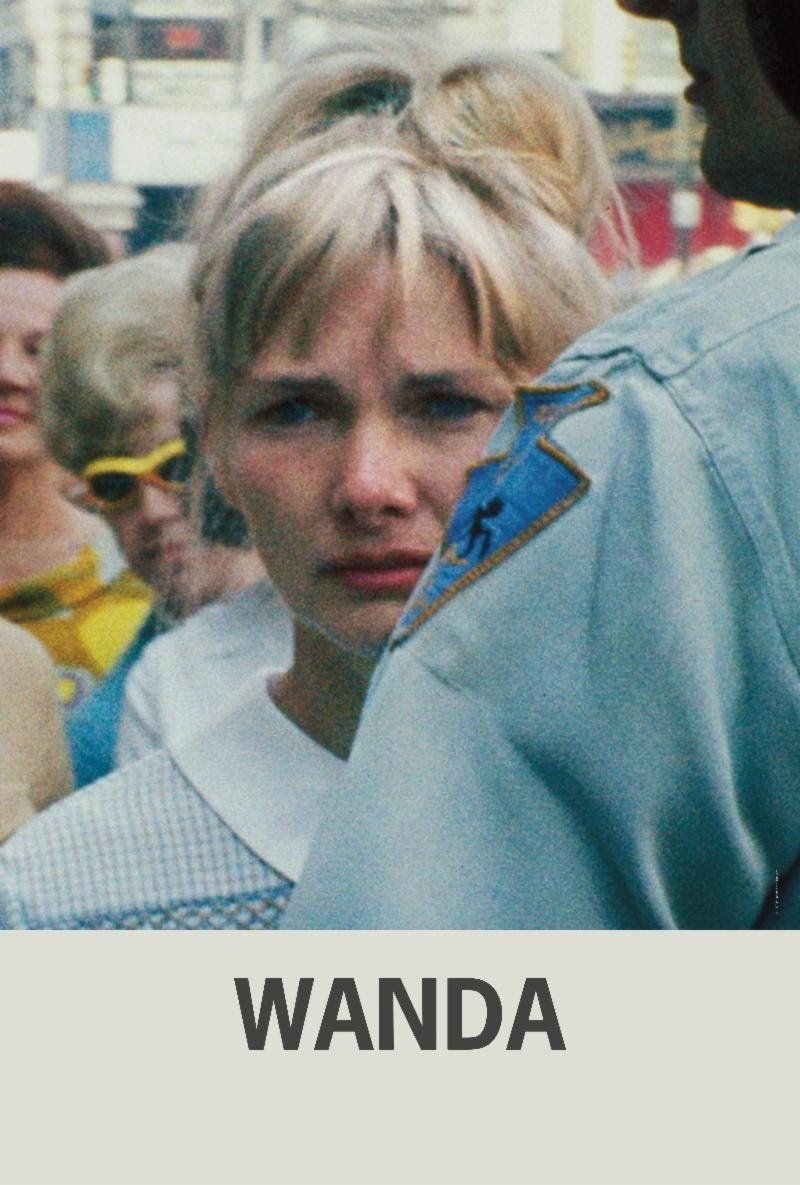
Wanda poster

Wanda

1970 · A drifter’s loneliness observed with patience and far less verbal aggression.

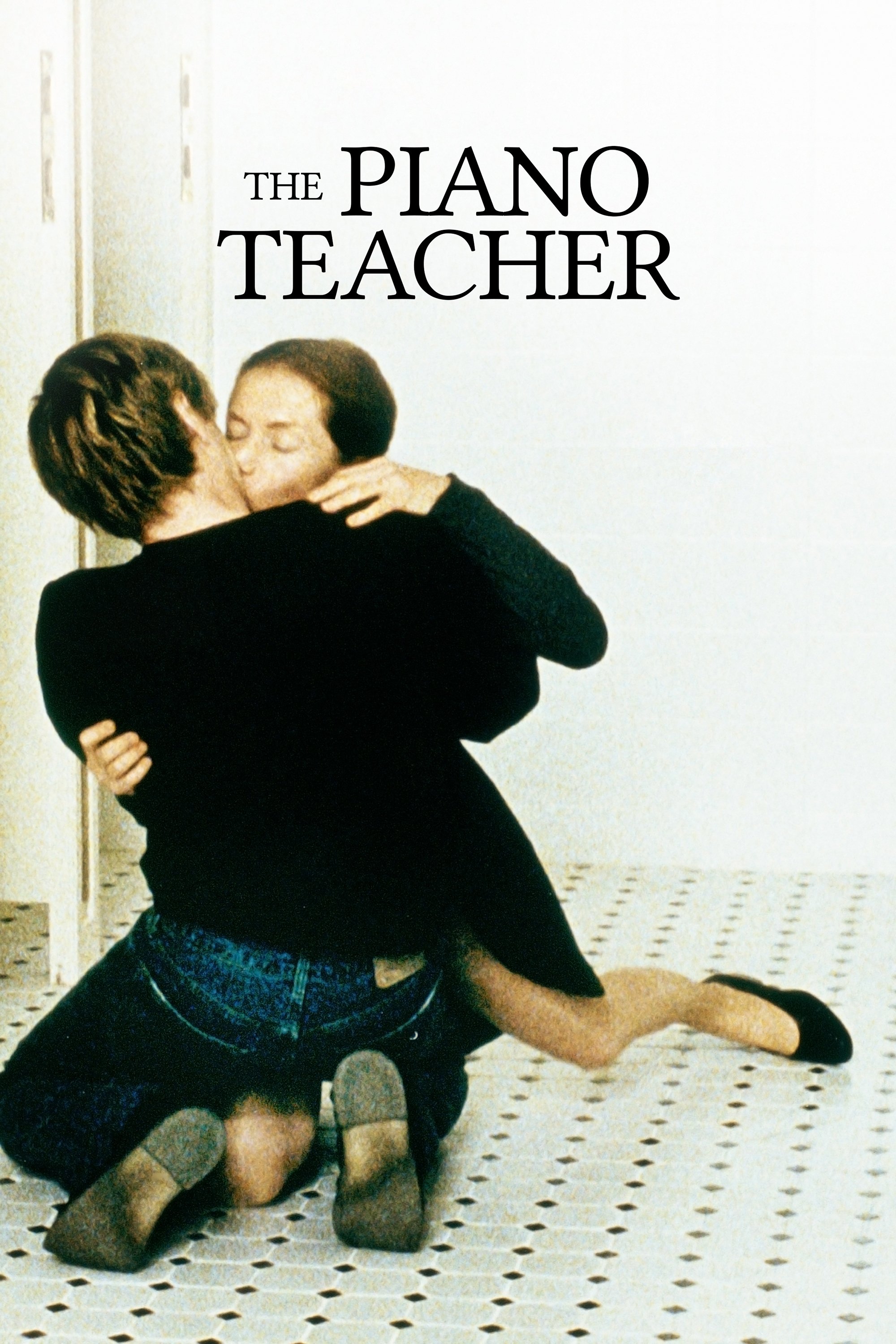
The Piano Teacher poster

The Piano Teacher

2001 · Cruelty and vulnerability share the screen in another deeply uncomfortable character study.

Burning poster

Burning

2018 · Class resentment and male entitlement simmer beneath a patient, unsettling mystery.